Related News
- 00
0000-00
How to Specify a Quay Crane for Container Terminals by Vessel Size and Throughput? - 00
0000-00
Which Bulk Handling Equipment Suits High-Moisture Cargo? - 00
0000-00
Terminal Automation Technologies That Raise Container Throughput Without Yard Disruption - 00
0000-00
Planning Offshore Dredging Operations: Key Risks, Methods, and Project Controls - 00
0000-00
Where Do Automated Guided Vehicles Deliver the Fastest Warehouse Gains in the Middle East?
What Should Port Infrastructure Planning Include for Capacity, Safety, and Future Expansion?
Good port infrastructure planning is not a matter of adding more quay length, buying larger cranes, or paving extra yard space. The real job is to make sure capacity, safety, and future expansion work together from the start. If one of those three is treated as an afterthought, the port usually pays for it later through congestion, operating risk, or expensive retrofits. For teams responsible for delivery, the practical question is simple: what must be included now so the port can move cargo efficiently today and still adapt five, ten, or twenty years from now?
A short answer is this: port infrastructure planning should include a realistic demand model, berth and channel design matched to vessel mix, yard and gate capacity, equipment strategy, dredging allowances, utility and data backbone, safety systems, environmental controls, and a clear path for phased expansion. That sounds straightforward on paper. In practice, many projects get into trouble because these pieces are planned in isolation.
What port infrastructure planning needs to cover first
One pattern shows up again and again in terminal projects: the early discussion gets dominated by headline capacity. Everyone asks how many TEUs, how many vessel calls, how many tons per hour. Those numbers matter, but they are only useful if the assumptions behind them are stable enough to guide design.
Before layout work becomes too detailed, teams usually need answers to a few grounding questions:
- What cargo mix is the port actually expected to handle: containers, dry bulk, liquid bulk, breakbulk, or a hybrid operation?
- What vessel classes are expected in the first operating phase, and what larger classes may arrive later?
- Where will the true bottleneck sit: berth occupancy, yard stacking density, truck gate throughput, rail interface, channel access, or inland evacuation?
- Is the project being designed for manual operations, semi-automation, or a fully integrated automation roadmap?
If these questions stay vague, the design often becomes oversized in the wrong places and undersized where performance is actually won or lost.
For example, a terminal may have enough berth frontage on paper but still underperform because yard travel distances are too long, reefer blocks are poorly placed, or gate processing was treated as a landside detail instead of a core capacity constraint. Project managers usually feel this problem late, when civil works are advanced and the options become expensive.
Capacity is not one number
When people discuss capacity, they often compress several different issues into a single target figure. That is a mistake. In port work, capacity has layers, and each layer needs its own planning logic.
The marine side comes first. Berth length, berth depth, turning basin geometry, tidal window limitations, mooring arrangements, and navigation channel conditions all shape how many ships can be served and under what restrictions. A berth that can technically accept a vessel is not the same as a berth that can accept it efficiently, in poor weather, at night, and with acceptable safety margins.
Then there is handling capacity. This is where crane intensity, crane rails, apron width, pavement loading, fendering, bollard spacing, power supply, and maintenance access start to matter. Teams sometimes buy ambitious handling equipment but forget that the supporting infrastructure must be designed around its operational envelope, not just its footprint.
Yard capacity is where many master plans become disconnected from operations. High stacking density looks good in a conceptual layout, but it can reduce accessibility, increase rehandles, and create traffic conflicts between equipment types. In automated or partially automated terminals, the yard is also a software problem. Block layout, charging strategy, control system architecture, and traffic logic can affect usable capacity as much as the number of hectares available.
Landside capacity is no less important. Gate queues, truck marshalling, customs interfaces, rail sidings, weighbridges, and internal road geometry all determine whether throughput can leave the terminal at the same pace it arrives. A port can invest heavily in marine assets and still lose competitiveness if truck turnaround becomes unpredictable.
That is why strong port infrastructure planning treats capacity as a chain of linked constraints rather than a single design headline.
Safety has to be built into the layout, not added through procedures later
Some teams still approach safety as a compliance package to be finished near commissioning. In real operations, that is too late.
Safe ports are shaped physically and operationally. On the physical side, you are looking at separation between pedestrian and equipment zones, emergency access routes, firewater coverage, hazardous cargo segregation, lighting, drainage, slope control, visibility at crossings, and resilience of critical utilities. On the operational side, you need traffic rules, control systems, incident response logic, training design, and maintenance access that does not force people into unsafe workarounds.
A common blind spot is mixed-traffic conflict. If conventional trucks, terminal tractors, reach stackers, maintenance vehicles, and autonomous guided vehicles are all expected to share space, the conflict points must be designed out as much as possible. Markings and SOPs help, but geometry does more. Turning radii, crossing frequency, waiting bays, line-of-sight conditions, and protected maintenance corridors make a measurable difference.
Another issue is weather resilience. High winds, storm surge, wave action, visibility loss, and heat stress are not side notes in port projects. They influence crane selection, shutdown criteria, drainage sizing, electrical protection, and business continuity planning. Safety planning that assumes fair-weather operations is not serious planning.
Future expansion only works when the first phase leaves room for it
Many projects say they are designed for expansion. Fewer actually are.
Future expansion is not just “land reserved on the master plan.” It means the first phase should avoid blocking the second phase. That sounds obvious, but common mistakes include placing permanent utilities across future berth alignments, fixing road geometry that later prevents yard extension, or installing control systems that cannot scale beyond the initial equipment fleet.
Expansion planning usually needs to address at least four things.
- Spatial expandability: extra berth line, backup land, turning basin tolerance, and corridor protection for roads, rail, pipelines, and substations.
- Structural allowances: pavements, crane beams, drainage, and power systems designed so later upgrades do not require wholesale reconstruction.
- Operational phasing: the ability to build the next stage while the existing terminal continues running.
- Digital scalability: terminal operating systems, equipment control systems, and communications networks that can handle added assets and process complexity.
This is where experienced project teams separate from purely conceptual planners. They do not just ask whether expansion is possible. They ask whether expansion remains commercially and operationally tolerable once the first phase is live.
Dredging, geotechnics, and marine access deserve early attention
In many port developments, marine civil issues create the biggest schedule and budget surprises. Not because they are unknowable, but because they were pushed too far downstream.
Channel depth, basin geometry, sedimentation behavior, maintenance dredging needs, disposal constraints, and berth pocket stability all affect both initial capex and long-term opex. A design that looks efficient without regular dredging assumptions may become expensive once actual siltation patterns are understood.
The same applies to geotechnical conditions. Reclamation behavior, settlement risk, bearing capacity, liquefaction exposure, and slope stability can reshape equipment choices and construction sequencing. A heavy automated yard system on reclaimed ground is not just a layout question. It is a ground improvement, settlement monitoring, and lifecycle maintenance question.
Teams working in this space often rely on multiple technical inputs that do not naturally sit in one room: harbor structural engineering, dredging operations, equipment planning, and control systems. This is one area where specialist intelligence platforms such as PS-Nexus can be useful as a reference layer, especially when project teams need to connect heavy terminal gear decisions with dredging realities and automation architecture trends. That kind of input is most useful during option evaluation, not as a substitute for site-specific engineering.
Automation and utilities should be planned as core infrastructure
Automation is still treated too often as an equipment package that comes after civil design. That approach creates friction fast.
If the terminal is expected to move toward automated stacking cranes, remote-controlled STS cranes, AGVs, smart gate systems, or predictive maintenance platforms, then communications coverage, control room placement, fiber routing, edge computing space, charging systems, substations, and cyber-resilient network architecture should be part of the infrastructure baseline.
The same is true for energy planning. Electrified fleets, shore power ambitions, and decarbonization targets change load profiles and redundancy requirements. If net-zero goals are part of the long-term strategy, that should influence early planning for transformers, cable corridors, backup systems, and future integration with on-site generation or energy storage. The exact solution depends on the project and local grid conditions, so assumptions should be verified against utility and regulatory realities.
What matters here is sequencing: do not wait until procurement to discover that the civil layout cannot support the control philosophy you want.
Common planning mistakes that create expensive rework
Some mistakes are technical. Others are organizational. Both matter.
- Using forecast demand as if it were certain demand. Scenario ranges are usually more useful than a single growth line.
- Designing for peak equipment specification without checking whether upstream and downstream systems can absorb the output.
- Ignoring maintenance space, spare parts flow, and equipment recovery routes.
- Separating safety review from layout review.
- Assuming expansion can be handled later without reserving utility capacity and construction access.
- Choosing automation ambitions that exceed local operational readiness, workforce capability, or systems integration capacity.
One more warning: not every port needs the highest available level of automation on day one. For some terminals, a staged path from conventional to semi-automated operation is more bankable and easier to stabilize. Ambition is useful; forcing a maturity leap the organization cannot operate is not.
How project leaders can make planning decisions with fewer regrets
If you are leading the project, the practical move is to force alignment between marine design, terminal operations, equipment strategy, safety, utilities, and expansion logic before the project hardens. That alignment should be visible in the decision record, not just discussed in workshops.
A workable review sequence often looks like this: confirm cargo and vessel assumptions, stress-test the bottlenecks, validate marine access and dredging implications, lock the operating concept, then test whether the first phase can expand without major relocation of critical assets. Only after that should equipment and digital systems be finalized in detail.
It also helps to ask a blunt question at each milestone: if throughput rises faster than expected, or vessel size shifts, what breaks first? The answer usually reveals where the plan is genuinely robust and where it is only optimistic.
Good port infrastructure planning is disciplined because ports are long-life assets. Once the berth line, yard geometry, drainage structure, utility corridors, and channel strategy are set, changing them is slow and expensive. The better path is to treat capacity, safety, and future expansion as one integrated design problem from the beginning. That is what gives a port room to grow without repeatedly rebuilding the foundation it depends on.
FAQ
How early should expansion planning be included in a port project?
At concept stage. If expansion is considered only after phase one design is fixed, utilities, access routes, and layout constraints often make later growth far more expensive.
Is higher yard density always better for capacity?
No. Higher density can reduce accessibility and increase rehandles. Usable capacity matters more than theoretical storage volume.
Should automation be planned from the start even if deployment comes later?
Yes, if there is a realistic chance of future automation. Power, communications, control rooms, and traffic logic are easier to accommodate early than to retrofit later.
What is the most overlooked risk in port infrastructure planning?
Mismatch between subsystems. A port may have adequate berth or crane capacity but still underperform because gate flow, yard logic, dredging needs, or utility constraints were underestimated.
Internal Link Anchor Text Suggestions
- port automation control systems: suggested link to a topic page on terminal operating systems and equipment control architecture
- dredging engineering for port expansion: suggested link to a page on channel deepening, sediment management, and berth pocket planning
- container yard layout and throughput strategy: suggested link to a page on yard design, stacking methods, and traffic flow optimization
- quay crane and terminal gear selection: suggested link to a page on crane planning and berth-side equipment strategy
- smart port energy and utility planning: suggested link to a page on electrification, shore power, and infrastructure readiness
External Authority Source Directions
- government port authority or maritime administration guidance on safety, navigation access, and environmental approvals
- industry association reports covering port capacity, terminal productivity, and automation practices
- equipment manufacturer technical documentation for crane loads, automation interfaces, and electrification requirements
Related News
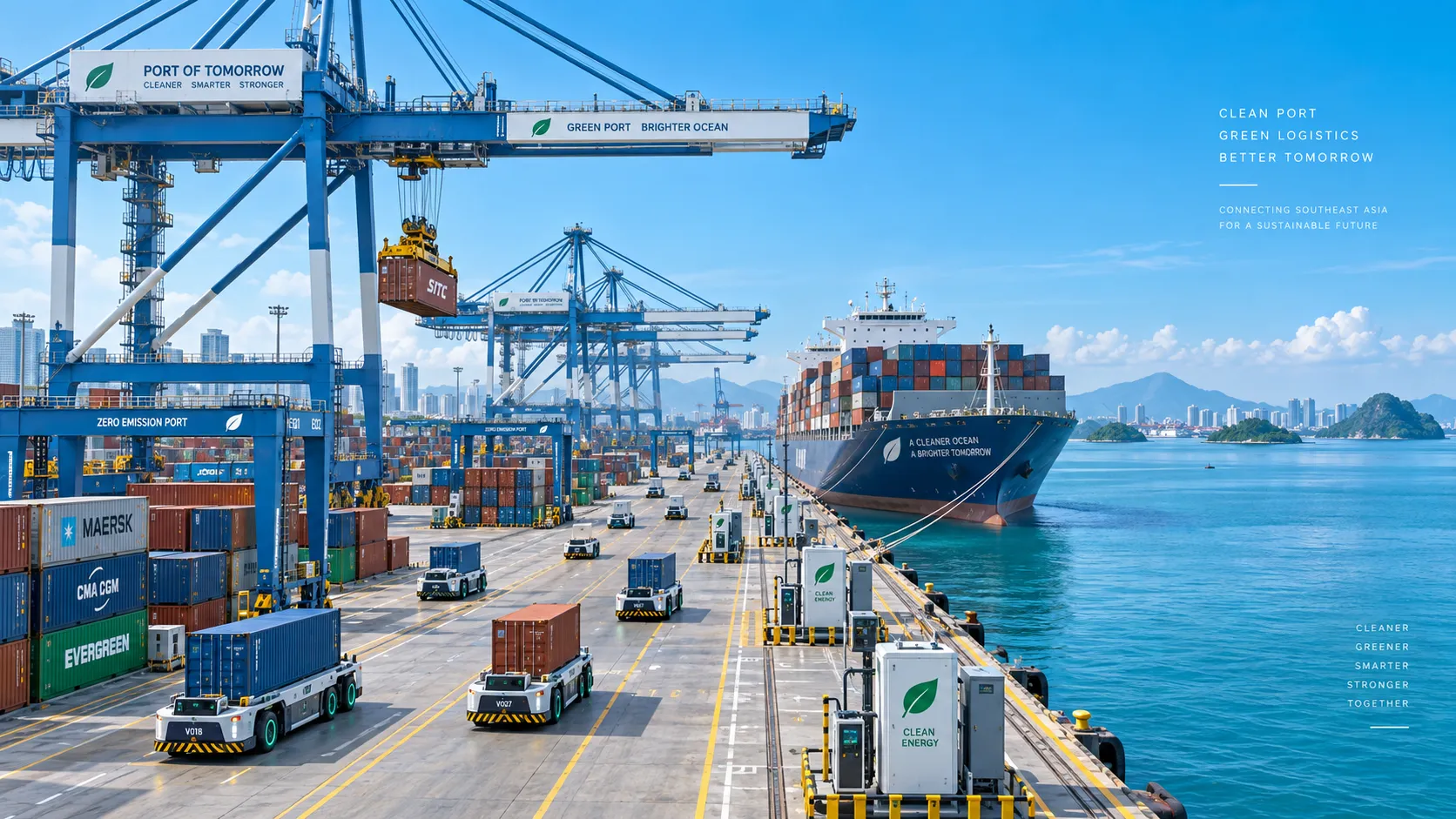
Smart Port Systems in Southeast Asia: Investment Priorities and Adoption Barriers
Smart port systems Southeast Asia: discover investment priorities, adoption barriers, and practical steps to build resilient, connected, high-performing terminals.
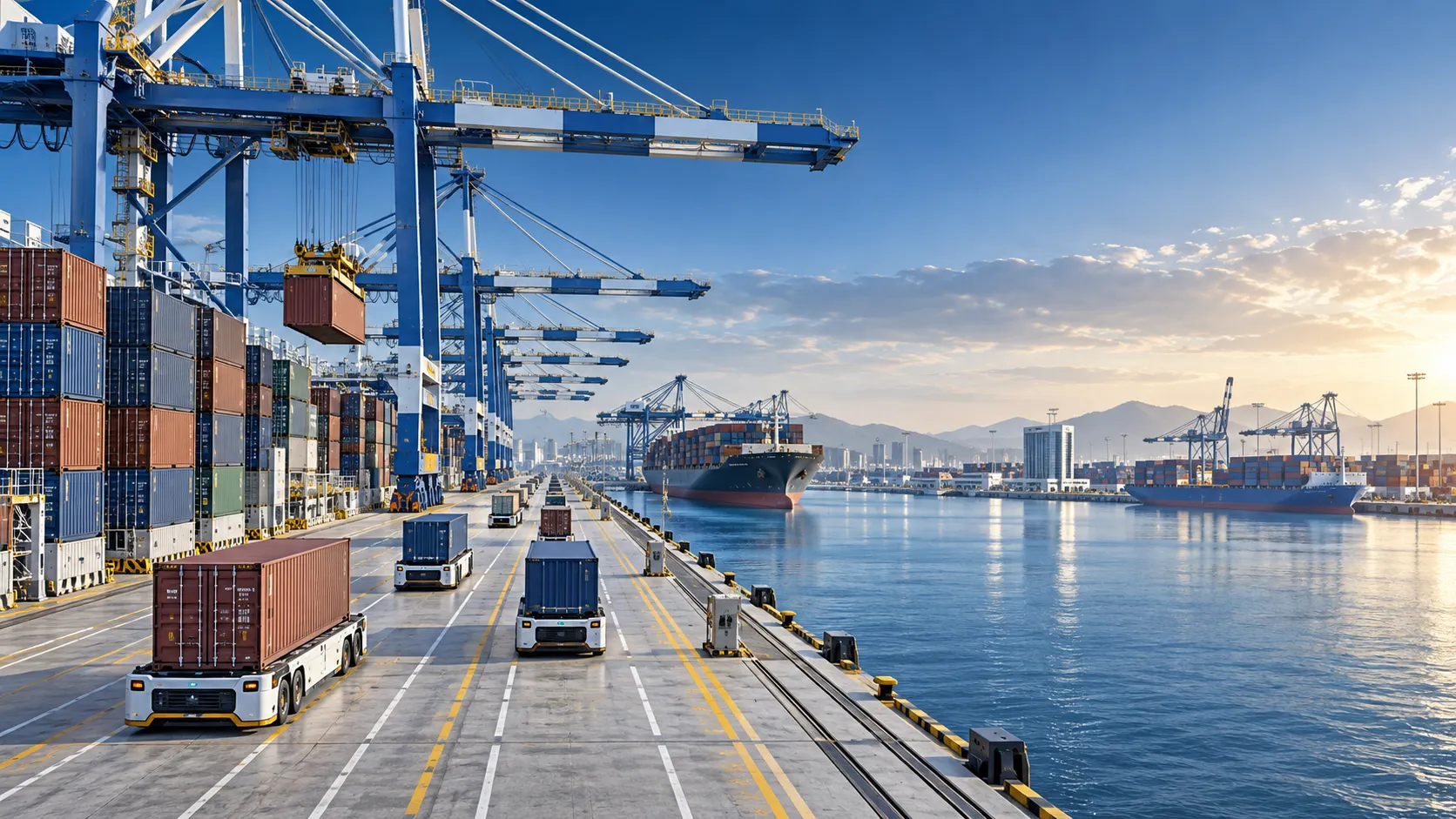
How to Evaluate Terminal Efficiency Solution Suppliers for High-Throughput Operations
Choose a terminal efficiency solutions supplier with confidence. Explore proven criteria for throughput, integration, lifecycle cost, safety, and reliable delivery.
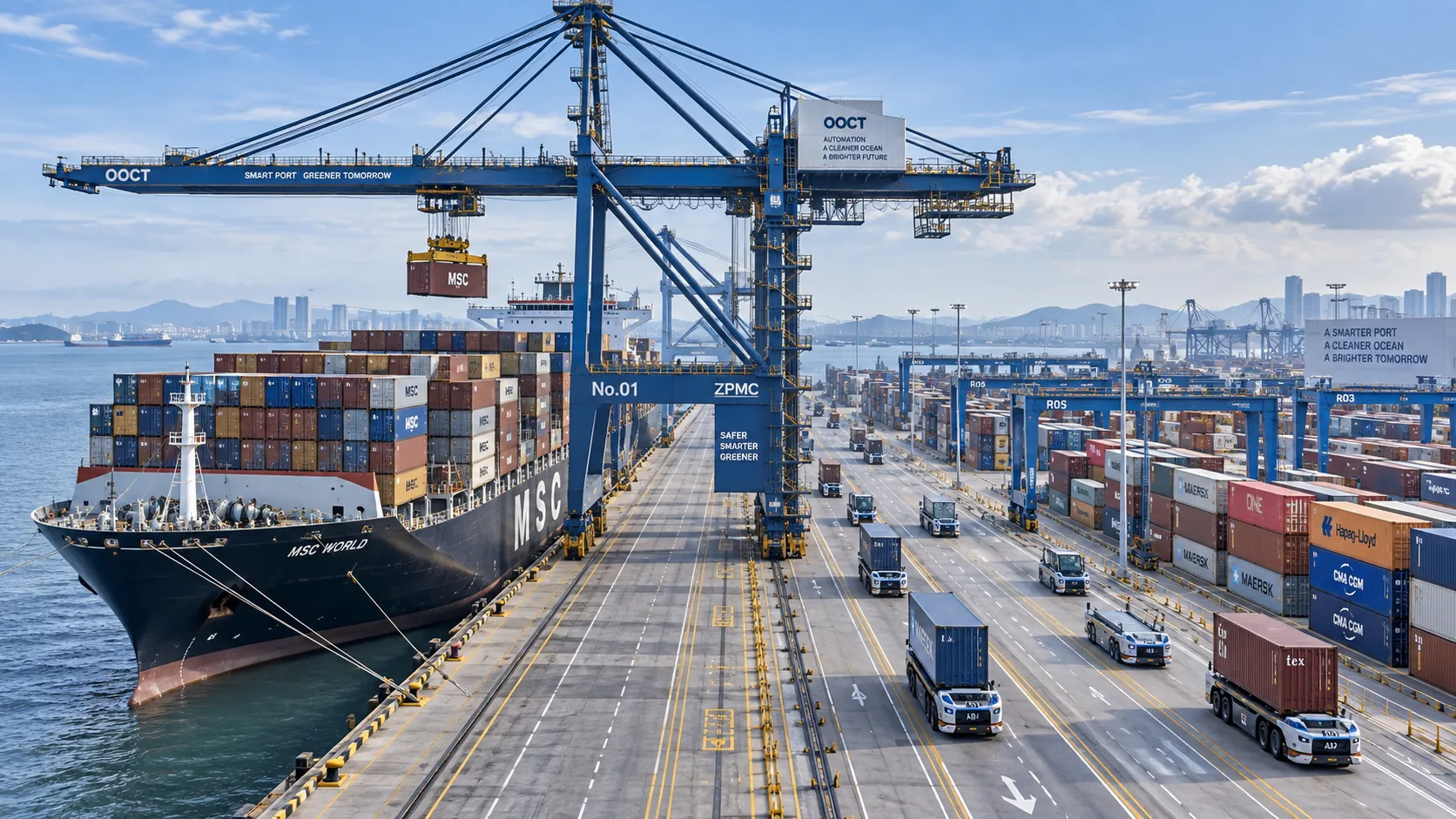
How to Specify a Quay Crane for Container Terminals by Vessel Size and Throughput?
Quay crane for container terminals: learn how to match outreach, lift height, capacity, automation, and cycle performance to vessel size and throughput goals.
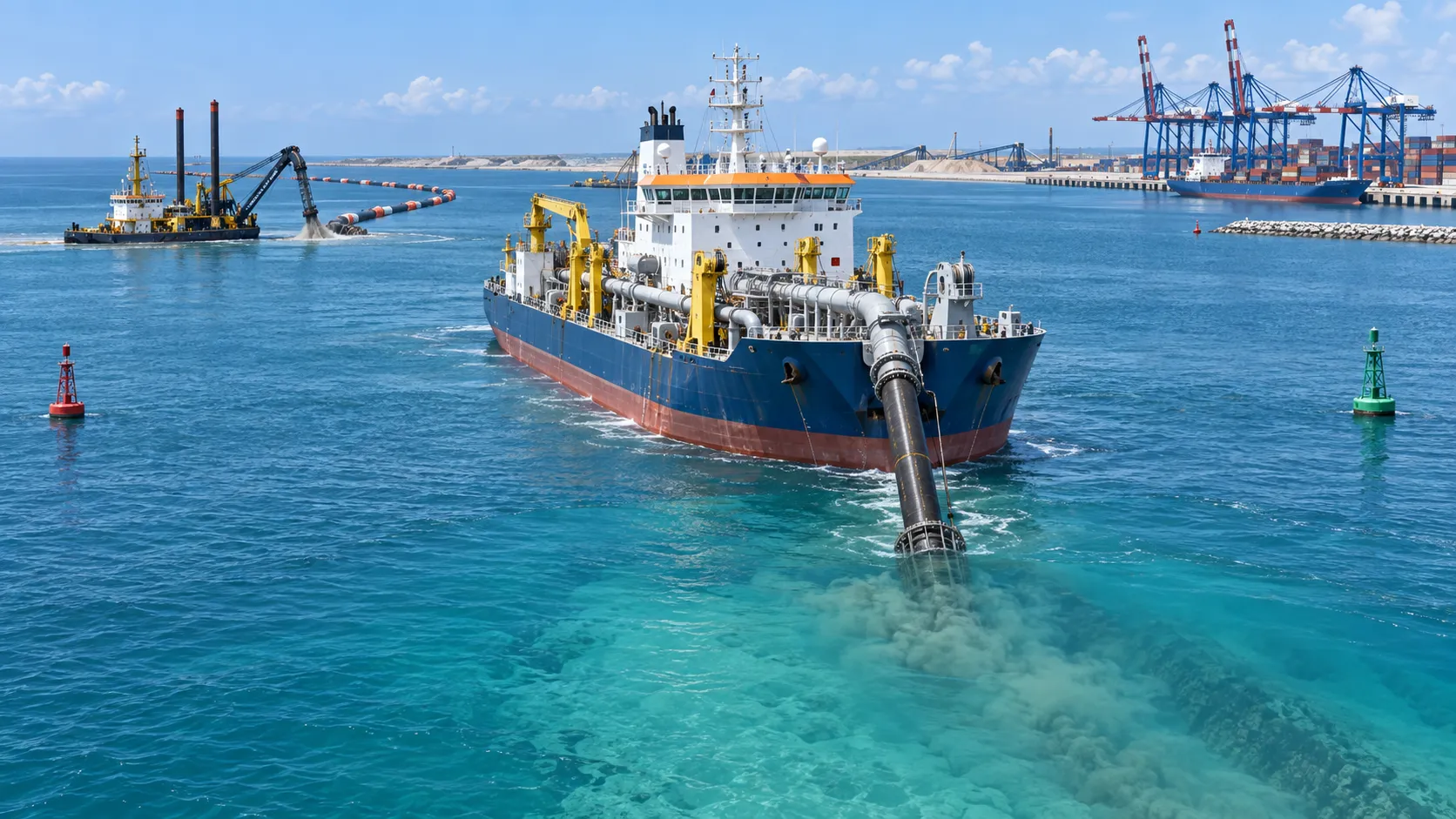
What Dredging Equipment Is Needed for Channel Deepening?
What dredging equipment is needed for channel deepening? Explore dredgers, pipelines, survey tools, and planning strategies for safer, more efficient port access.
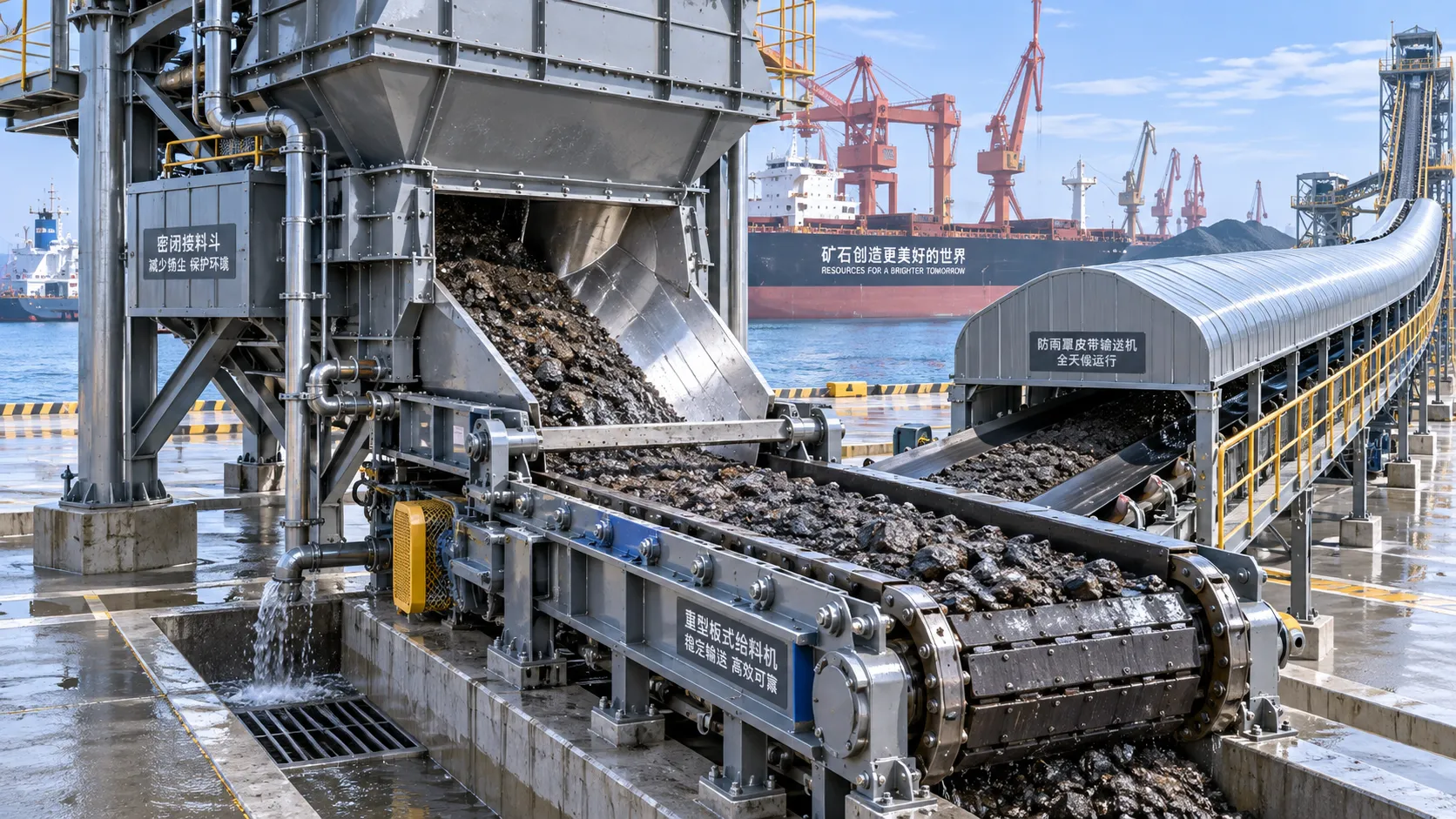
Which Bulk Handling Equipment Suits High-Moisture Cargo?
Which bulk handling equipment suits high-moisture cargo? Compare belt, apron, screw, drag, and slurry systems for reliable flow, less carryback, and higher terminal uptime.
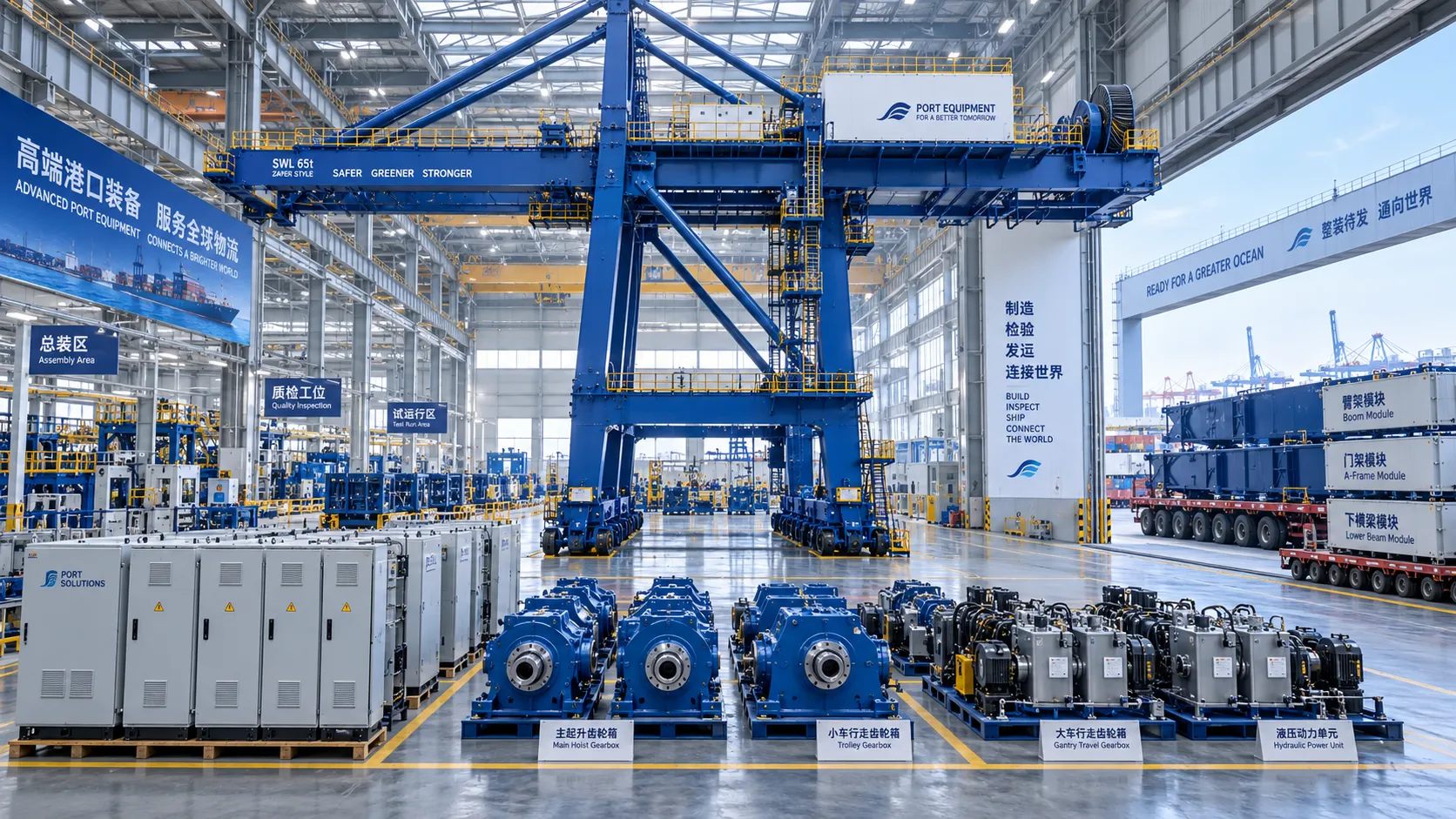
How Can Port Equipment Lead-Time Risk Be Managed?
How can port equipment lead-time risk be managed? Explore practical strategies to control critical paths, suppliers, transport, site readiness, and commissioning delays.
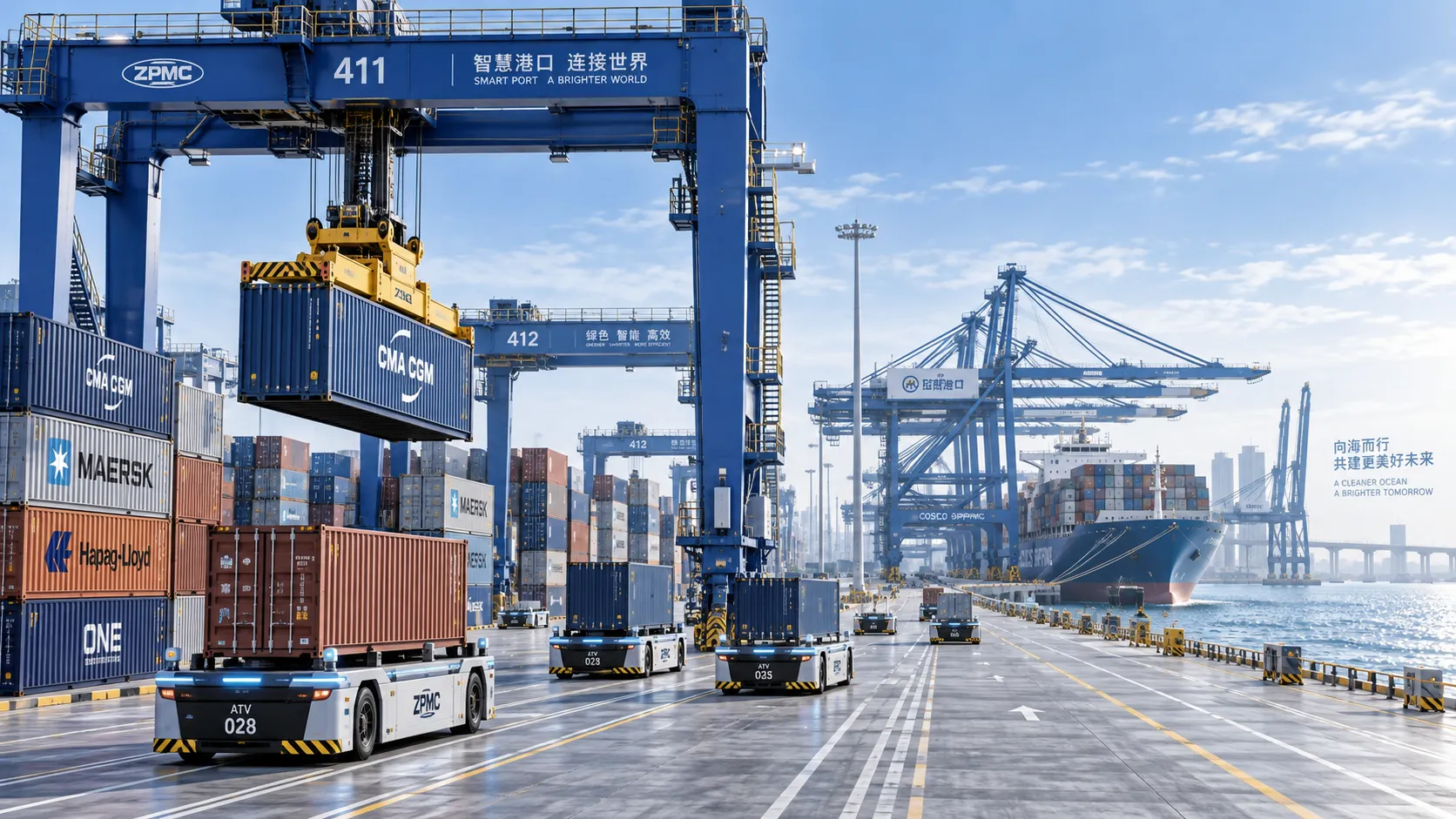
Terminal Automation Technologies That Raise Container Throughput Without Yard Disruption
Terminal automation technology that increases container throughput without disrupting yard flow. Explore smarter integration, resilient workflows, and phased deployment strategies.
Middle East Port Automation: Key Market Drivers, Projects, and Investment Risks
Port automation systems Middle East: explore market drivers, flagship projects, integration challenges, and investment risks shaping smarter, resilient terminals.
Planning Offshore Dredging Operations: Key Risks, Methods, and Project Controls
Offshore dredging operations demand smart planning. Explore key risks, proven methods, environmental controls, and project strategies for reliable delivery.