Related News
- 00
0000-00
How to Specify a Quay Crane for Container Terminals by Vessel Size and Throughput? - 00
0000-00
Which Bulk Handling Equipment Suits High-Moisture Cargo? - 00
0000-00
Terminal Automation Technologies That Raise Container Throughput Without Yard Disruption - 00
0000-00
Planning Offshore Dredging Operations: Key Risks, Methods, and Project Controls - 00
0000-00
Where Do Automated Guided Vehicles Deliver the Fastest Warehouse Gains in the Middle East?
How to Choose Heavy Duty Container Handling Equipment for Port and Yard Operations
Selecting the right heavy duty container handling equipment is rarely a matter of comparing headline lifting capacity or maximum travel speed. In port and yard operations, technical evaluators are usually dealing with a more difficult question: which equipment configuration will continue to perform when vessel profiles change, dwell time rises, labor constraints tighten, and automation becomes a practical requirement rather than a future ambition.
That is why equipment choice should be treated as a system decision, not a machine decision. A reach stacker, rubber-tyred gantry crane, rail-mounted gantry, terminal tractor fleet, empty container handler, or straddle carrier may all look viable on paper. Yet once yard geometry, stack density, pavement strength, reefer distribution, traffic logic, maintenance capability, and control-system integration are considered together, the “best” option often changes.
For technical evaluation teams, the real task is to identify which type of heavy duty container handling equipment fits the terminal’s operating pattern with the lowest long-term operational friction.
Start with the cargo flow, not the equipment catalog
A common selection error is to begin with equipment classes and then try to match the terminal around them. A more reliable approach starts with flow analysis:
- What is the split between import, export, transshipment, and empty container moves?
- How much of the volume is predictable versus highly peaky?
- Are moves concentrated around vessel windows or spread across inland gate activity?
- What percentage of containers require reefer access, hazardous segregation, or special handling?
- How often are stacks reshuffled before final dispatch?
Two yards with similar annual TEU can require very different equipment. A transshipment-heavy terminal may prioritize high-density stacking and stable horizontal transport links to quay cranes. An inland container yard serving truck turnarounds may favor flexible mobile equipment with lower infrastructure dependency. If the evaluator does not first map move types, cycle times, and bottleneck points, equipment comparison becomes superficial.
Throughput claims also need to be interpreted carefully. The critical metric is not nominal productivity under ideal conditions but effective productivity under the terminal’s actual dispatch logic, lane conflicts, weather exposure, and maintenance regime.
Different equipment types solve different operational constraints
There is no universal machine class for container yards because each category optimizes a different trade-off.
Reach stackers are valued for flexibility, relatively lower infrastructure requirements, and usefulness in mixed or evolving layouts. They are often suitable where traffic patterns are not fully standardized or where space must support multiple cargo types. Their limitation is that high stacking density and repetitive heavy-cycle operation can create inefficiencies, especially when deep rehandling becomes frequent.
RTGs remain a practical choice in many conventional container yards because they balance stack density with modular deployment. They can support structured block stacking without requiring the same rail infrastructure as RMG systems. But their value depends heavily on lane design, power strategy, anti-sway performance, and whether the terminal can manage fuel, cable reel, hybrid, or battery charging implications effectively.
RMGs typically make sense when yard blocks are standardized, land use efficiency is a major priority, and the operator is moving toward automation or semi-automation. They can deliver highly predictable block operations, but only where civil works, track accuracy, drainage, and control integration are managed to a higher standard. Their rigidity is also their risk: layout mistakes are expensive to correct later.
Straddle carriers can perform both transport and stacking functions, reducing some transfer points in the operation. They are often effective where direct flow and equipment independence matter more than maximum stack height. However, they place strong demands on maintenance discipline, fleet coordination, and driving environment quality.
Terminal tractors with separate yard cranes offer a decoupled system in which horizontal and vertical moves can be optimized separately. This is useful in larger terminals where quay productivity and yard productivity must be synchronized carefully. The downside is that system-level orchestration becomes more important than individual equipment performance.
Empty container handlers should not be treated as a secondary purchase. Empty depots often become hidden bottlenecks if evaluators focus only on laden-container assets. Empty container flows, inspection cycles, and repositioning frequency can justify dedicated handling logic rather than relying on general-purpose machines.
Yard layout compatibility usually matters more than brochure specifications
Even robust heavy duty container handling equipment can underperform if the yard geometry works against it. Technical evaluators should test compatibility at the level of turning radius, aisle width, stack orientation, pavement loading, visibility lines, and interaction with gate or rail operations.
Key questions include:
- Can the machine operate without creating crossing conflicts with truck lanes?
- Does the stack arrangement minimize unproductive reshuffles?
- Is pavement design suitable for axle loads and repetitive stress patterns?
- Will drainage, wind exposure, or surface settlement affect travel stability or crane accuracy?
- Can reefer blocks be serviced without degrading surrounding yard productivity?
One of the most expensive mistakes in yard planning is assuming that a machine with strong nominal performance can compensate for poor spatial logic. In practice, poor lane design, blind intersections, and inconsistent stack allocation can wipe out the productivity advantage of premium equipment.
Automation readiness is now part of equipment selection, even for conventional yards
Many ports are not ready for full automation, but that does not mean automation readiness can be ignored. Equipment purchased today will likely remain in service through a period of increasing remote operation, advanced dispatch optimization, and tighter emissions reporting. A machine that performs adequately in manual mode but lacks clean upgrade paths may become a constraint long before its mechanical life ends.
Technical evaluators should examine:
- Interface compatibility with terminal operating systems and fleet management layers
- Availability of remote diagnostics and condition monitoring
- Sensor architecture for positioning, anti-collision, and load status feedback
- Support for semi-automated or remotely supervised operating modes
- Cybersecurity and communication reliability requirements for connected operation
This does not mean every terminal needs fully automated yard cranes immediately. It means the equipment should not lock the operator into a purely manual future if labor costs, safety policies, or capacity targets later change.
Energy and emissions strategy can change the technical ranking
In many procurement discussions, powertrain choice is still treated as a secondary matter. That is increasingly outdated. Diesel, hybrid, battery-electric, and grid-connected configurations differ not only in emissions profile but also in charging or fueling logistics, peak power implications, maintenance skill requirements, and duty-cycle suitability.
For example, battery-electric equipment may look attractive from a sustainability perspective, but the operational case depends on shift pattern, charging windows, ambient conditions, and local grid reliability. Hybrid systems may offer a practical transition path in terminals that want fuel reduction without immediate charging infrastructure overhaul. Electrified crane systems can improve energy efficiency and reduce local emissions, but only if cable management, substation capacity, and uptime support are designed properly.
Technical teams should avoid simplistic comparisons based only on fuel consumption or nameplate emissions. The better question is whether the energy architecture supports actual yard utilization without introducing new bottlenecks.
Lifecycle cost matters more than acquisition price
Ports and yards that focus too heavily on purchase price often underestimate the cost of downtime, rehandling inefficiency, parts delays, and technology obsolescence. For heavy duty container handling equipment, lifecycle cost should include at least five categories:
- Capital expenditure, including infrastructure adaptation
- Energy or fuel cost under realistic utilization patterns
- Maintenance labor, wear parts, and component replacement cycles
- Downtime exposure, including service response risk and spare parts lead time
- Residual value and upgradeability
In technical evaluations, utilization assumptions need to be stress-tested. A machine that appears economical at moderate throughput may become expensive if it requires frequent tire replacement, spreader servicing, battery conditioning, rail alignment work, or software support interventions under intensive duty.
It is also important to evaluate the vendor’s installed base and field service footprint. A strong machine backed by weak regional support can become a high-risk asset in busy port operations.
Reliability should be judged under real operating conditions
Published availability figures should be read cautiously unless the operating context is comparable. Marine corrosion, salinity, dust, tropical humidity, monsoon exposure, extreme heat, and high wind conditions all affect reliability differently. So do operator skill levels and maintenance maturity.
Technical evaluators should request evidence relevant to comparable environments, not just general references. Useful signals include:
- Mean time between critical failures in similar duty cycles
- Performance of electrical systems in corrosive or humid conditions
- Structural fatigue behavior under repetitive heavy loading
- Software stability in integrated terminal environments
- Lead times for high-failure or long-delivery components
In many cases, the real differentiator is not whether a machine ever fails, but whether failures are predictable, diagnosable, and recoverable without extended operational disruption.
Safety is a design issue, not only an operating procedure
Safety performance is often discussed in terms of training and compliance, but equipment design strongly shapes exposure to risk. Visibility, anti-collision systems, stability management, braking response, operator ergonomics, access for maintenance, and fail-safe logic all influence incident probability.
Evaluators should also examine how the equipment behaves during abnormal conditions: skewed loads, sudden stops, sensor faults, power interruptions, communication loss, and mixed traffic interactions between manned and automated assets.
Where applicable, buyers should verify conformity with relevant standards and local regulatory requirements. Exact standard applicability depends on equipment type, jurisdiction, and project scope, so compliance claims should be checked carefully rather than assumed. If there is uncertainty on a specific certification pathway, it should be marked as 【待核实】 during technical review.
Common selection mistakes in port and yard projects
Some of the most frequent errors are not technical in the narrow sense. They arise from incomplete framing of the decision.
Overvaluing peak performance. A machine optimized for headline productivity may underperform across normal shifts if it is maintenance-intensive or layout-sensitive.
Ignoring civil and utility implications. Rail alignment, substation upgrades, pavement reinforcement, drainage correction, and charging infrastructure can materially change project economics.
Assuming labor structure will remain unchanged. Equipment that depends heavily on scarce operator skill may become problematic over time.
Underestimating software integration. Modern yards depend increasingly on dispatch logic, telemetry, and control interoperability. Mechanical fit alone is no longer sufficient.
Treating future expansion as someone else’s problem. Equipment selection that works at today’s volume but blocks densification or automation later may create avoidable capital duplication.
A practical evaluation approach for technical teams
In most cases, the strongest evaluation process compares scenarios rather than machines in isolation. That means testing at least three layers:
- Operational fit: move patterns, stack density, dispatch logic, and interface with quay, gate, and rail flows
- Engineering fit: site conditions, infrastructure dependencies, energy architecture, and maintenance capability
- Strategic fit: automation pathway, emissions trajectory, labor model, and expansion flexibility
Scenario modeling is especially useful where there is uncertainty around future volume mix. A terminal may discover that one equipment class is optimal for current demand but another is more resilient under likely changes in transshipment share, truck congestion, or environmental compliance pressure.
The best heavy duty container handling equipment, then, is not the most advanced or the most familiar. It is the option that preserves throughput, safety, and cost control across the widest range of real operating conditions while remaining compatible with the terminal’s likely evolution.
For technical evaluators, that usually means resisting simplistic comparisons and treating equipment selection as part of a broader yard system architecture. In a market where ports are under pressure to move more cargo with tighter land use, lower emissions, and better data visibility, that systems view is no longer optional. It is the basis of a sound decision.
Related News
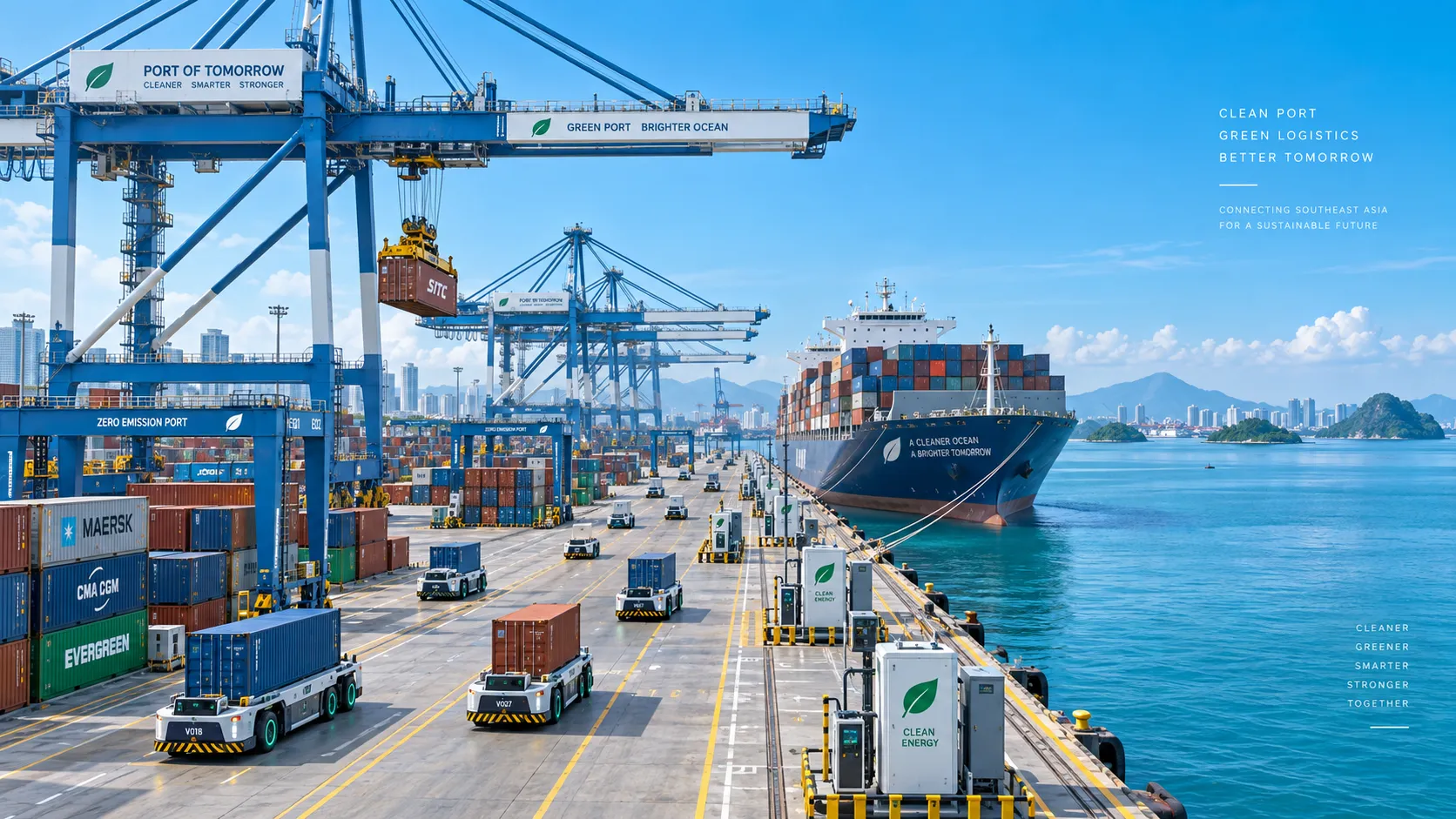
Smart Port Systems in Southeast Asia: Investment Priorities and Adoption Barriers
Smart port systems Southeast Asia: discover investment priorities, adoption barriers, and practical steps to build resilient, connected, high-performing terminals.
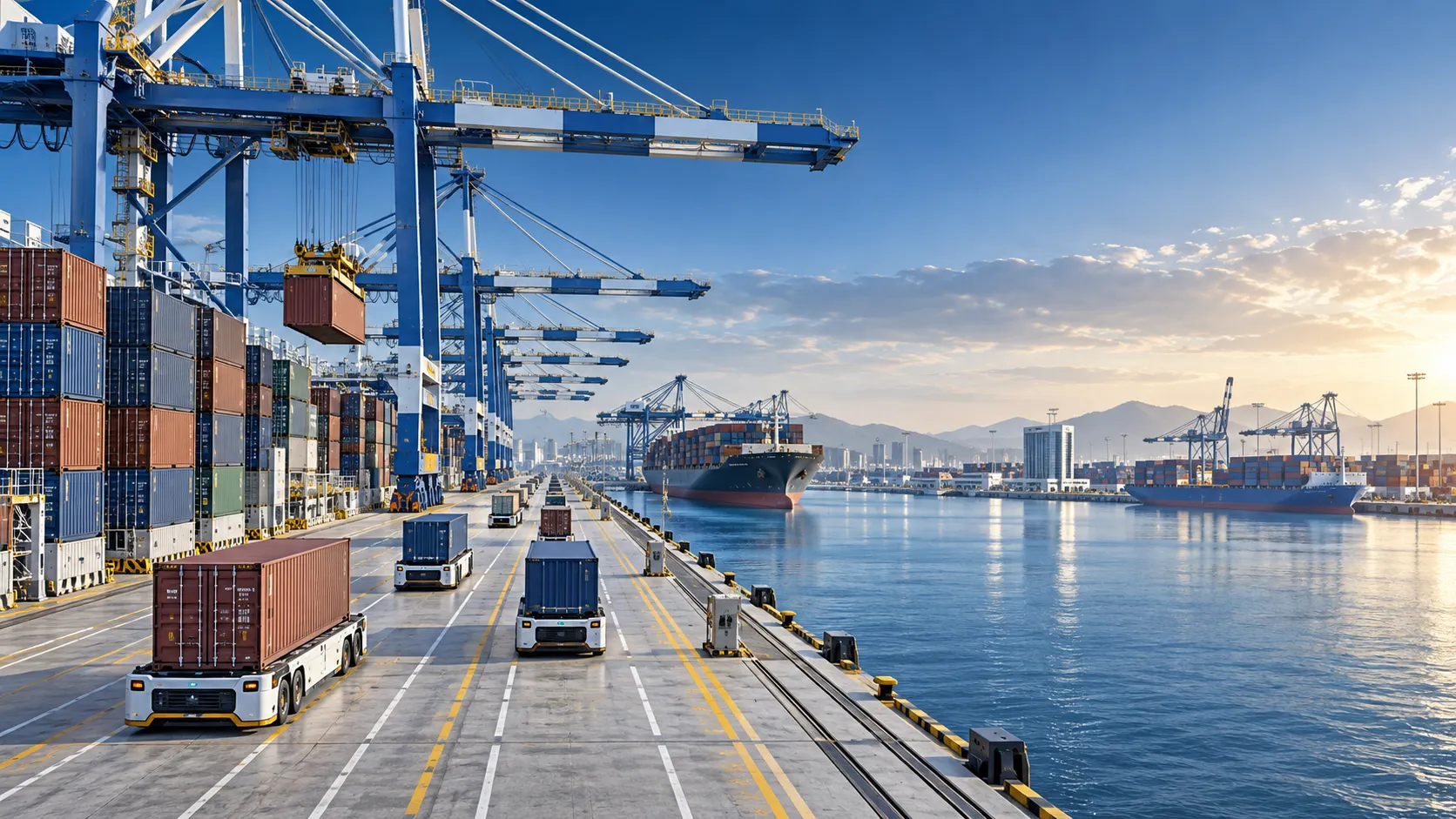
How to Evaluate Terminal Efficiency Solution Suppliers for High-Throughput Operations
Choose a terminal efficiency solutions supplier with confidence. Explore proven criteria for throughput, integration, lifecycle cost, safety, and reliable delivery.
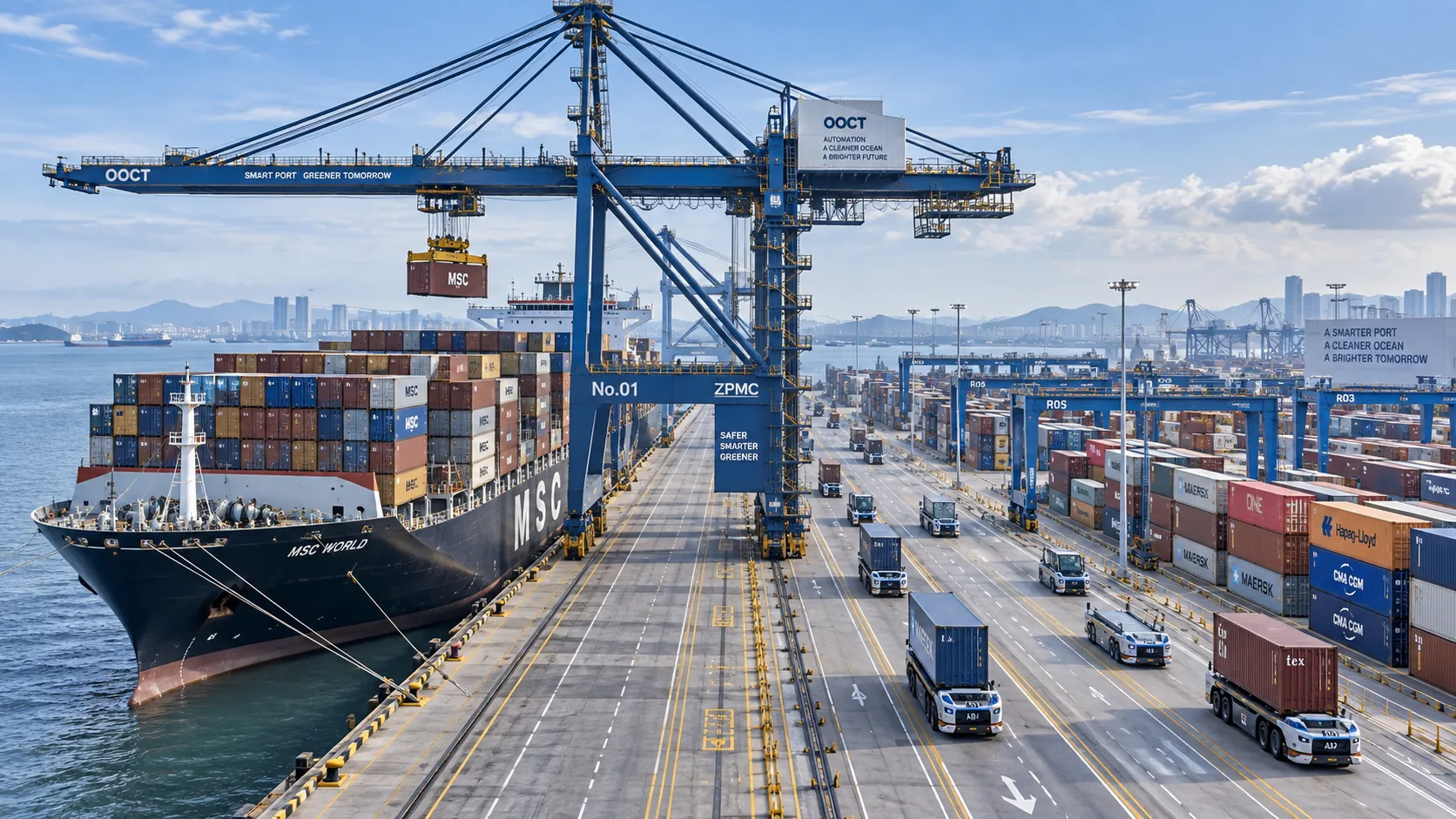
How to Specify a Quay Crane for Container Terminals by Vessel Size and Throughput?
Quay crane for container terminals: learn how to match outreach, lift height, capacity, automation, and cycle performance to vessel size and throughput goals.
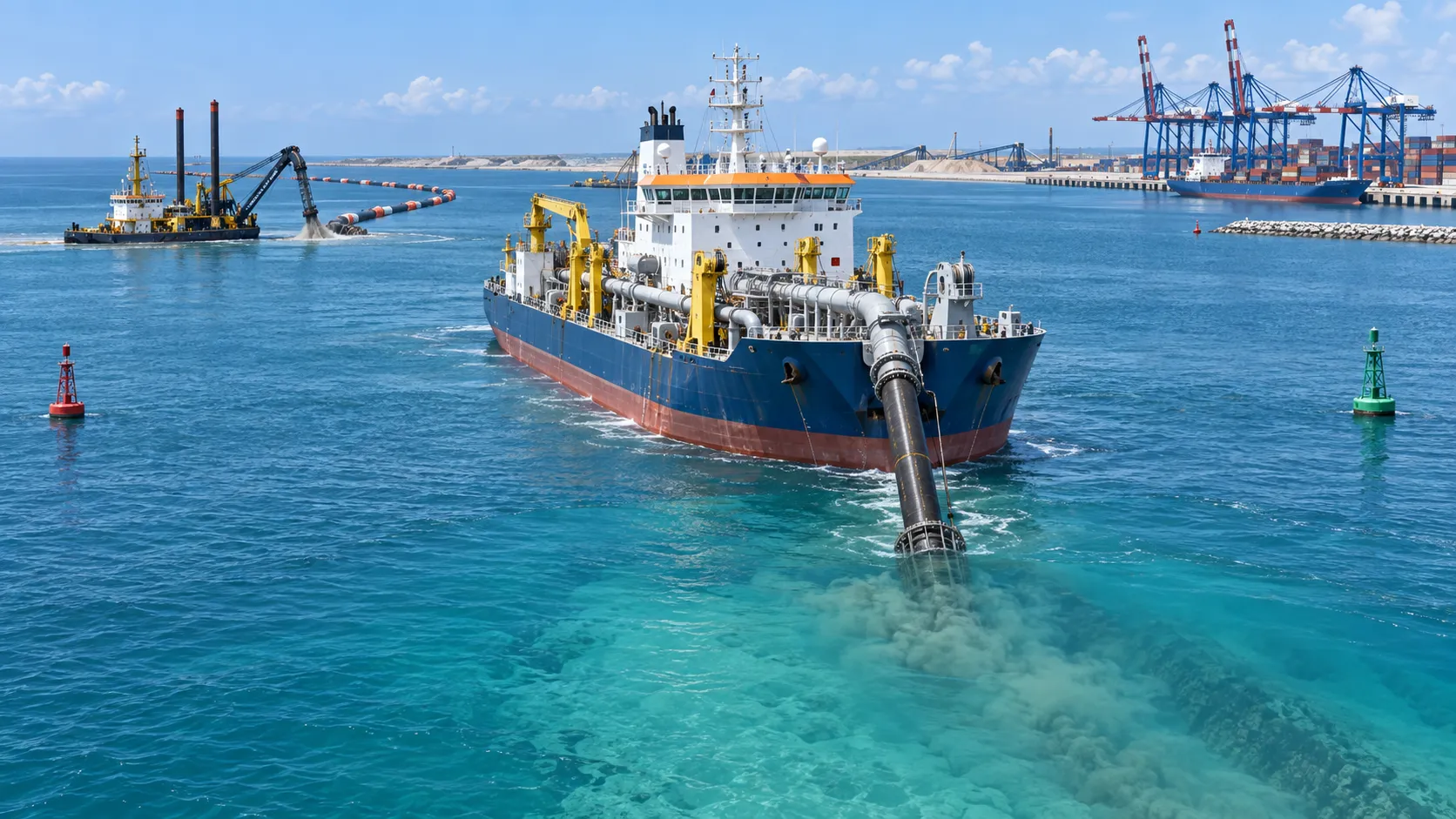
What Dredging Equipment Is Needed for Channel Deepening?
What dredging equipment is needed for channel deepening? Explore dredgers, pipelines, survey tools, and planning strategies for safer, more efficient port access.
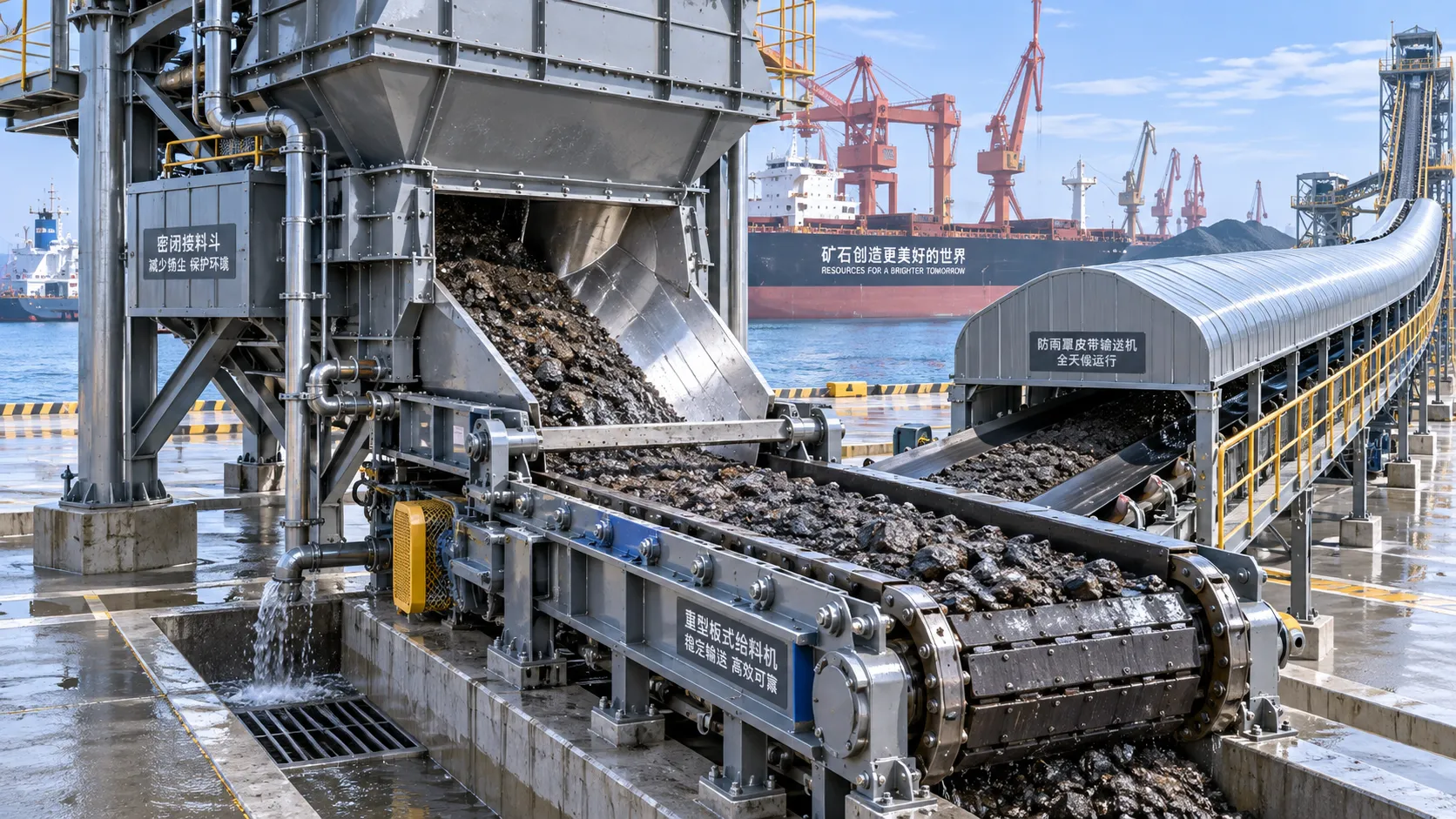
Which Bulk Handling Equipment Suits High-Moisture Cargo?
Which bulk handling equipment suits high-moisture cargo? Compare belt, apron, screw, drag, and slurry systems for reliable flow, less carryback, and higher terminal uptime.
How Can Port Equipment Lead-Time Risk Be Managed?
How can port equipment lead-time risk be managed? Explore practical strategies to control critical paths, suppliers, transport, site readiness, and commissioning delays.
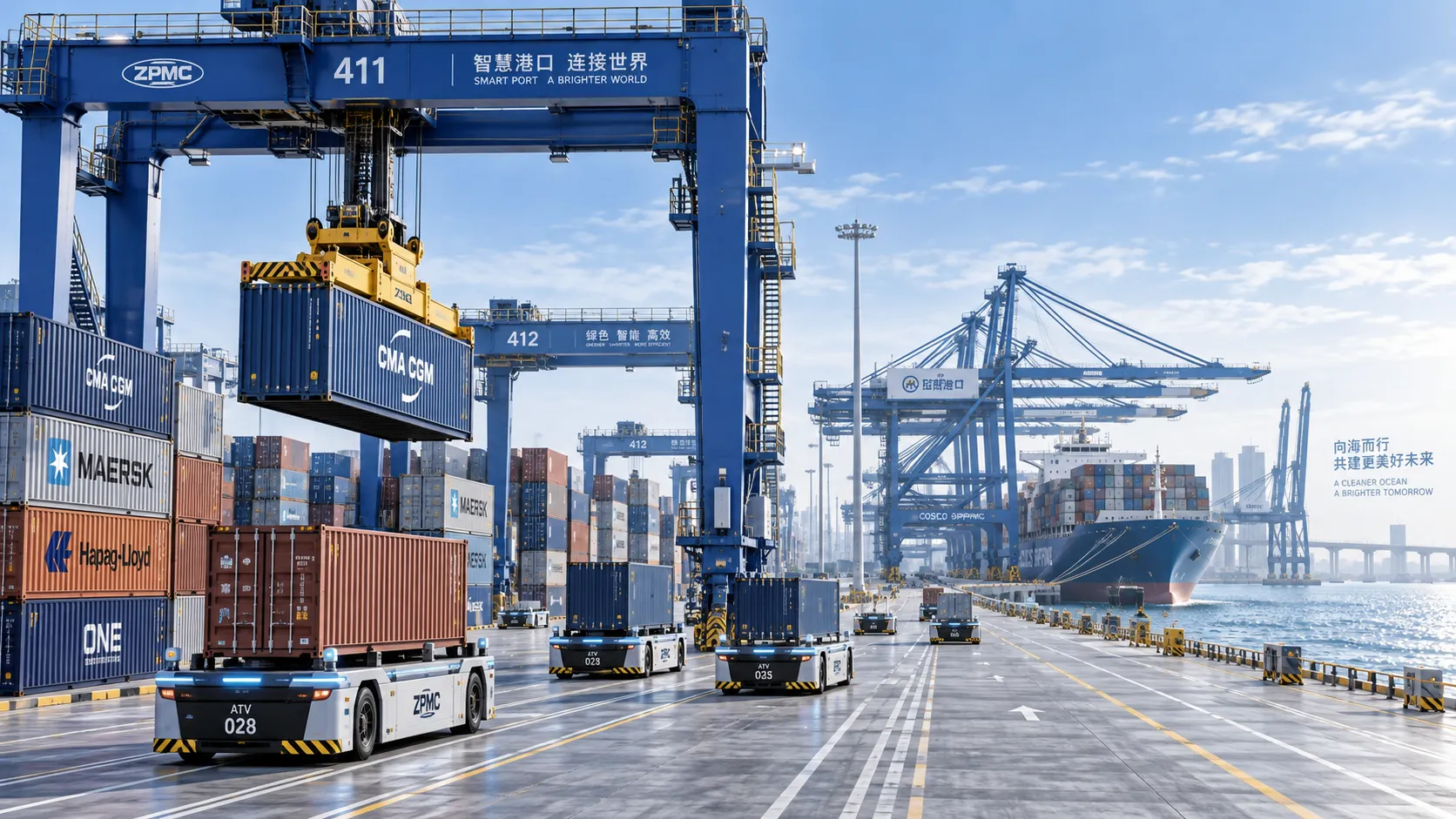
Terminal Automation Technologies That Raise Container Throughput Without Yard Disruption
Terminal automation technology that increases container throughput without disrupting yard flow. Explore smarter integration, resilient workflows, and phased deployment strategies.
Middle East Port Automation: Key Market Drivers, Projects, and Investment Risks
Port automation systems Middle East: explore market drivers, flagship projects, integration challenges, and investment risks shaping smarter, resilient terminals.
Planning Offshore Dredging Operations: Key Risks, Methods, and Project Controls
Offshore dredging operations demand smart planning. Explore key risks, proven methods, environmental controls, and project strategies for reliable delivery.