Related News
- 00
0000-00
How to Evaluate Terminal Efficiency Solution Suppliers for High-Throughput Operations - 00
0000-00
What to Consider When Buying Electric Port Machinery for Container Terminals - 00
0000-00
How to Select Container Handling Equipment for Middle East Ports and Terminals - 00
0000-00
How to Evaluate a Port Machinery Exporter for Large-Scale Terminal Projects - 00
0000-00
Evaluating a Dredging Equipment Manufacturer for Mining Plant Supply
Marine Engineering Equipment Maintenance Checklist: Common Failures and Inspection Points
Why a maintenance checklist changes with the operating scene
Reliable marine engineering equipment depends on more than fixed service intervals. In active ports, on dredgers, and around bulk terminals, failure patterns shift with load cycles, salt exposure, automation level, and repair access.
That is why a useful checklist is never only a list of parts. It should reflect where the machine works, how often it stops, what happens when one component drifts, and which faults create the longest disruption.
Within the operational lens often used by PS-Nexus, maintenance decisions connect directly to throughput, scheduling stability, and asset life. A gearbox issue on a quay-side unit affects operations differently than a hydraulic leak on dredging equipment.
In practice, the best marine engineering equipment checklist helps catch weak signals early. It reduces emergency repairs, protects safety margins, and supports the wider logistics chain that depends on predictable equipment availability.
In container and terminal handling, hidden wear usually starts before alarms appear
For terminal cranes, transfer systems, and heavy handling units, the main risk is not always dramatic breakdown. More often, marine engineering equipment loses performance gradually through vibration, cable fatigue, brake wear, and sensor drift.
These systems often work under repetitive duty cycles. That makes inspection frequency more important than single repair intensity. A motor may still run, yet rising heat or abnormal current can already signal a costly shutdown ahead.
Checklist points that deserve early attention
- Inspect wire ropes, sheaves, and drum grooves for uneven wear and corrosion spots.
- Check brake response times, pad thickness, and signs of overheating after peak shifts.
- Review gearbox oil condition, seal leakage, and abnormal vibration at startup.
- Verify encoder accuracy, limit switches, and communication stability with control systems.
- Look at structural joints for coating damage, rust creep, and fatigue around high-stress zones.
A common mistake is treating all crane-side marine engineering equipment as purely mechanical. In modern terminals, a small sensor deviation can trigger mispositioning, slower cycles, or unnecessary stopping logic across the automated yard.
Bulk handling environments push dust, shock, and continuous loading into the checklist
Bulk conveyors, stacker-reclaimers, feeders, and ship loaders create a different maintenance picture. Here, marine engineering equipment suffers from abrasive material flow, long run hours, and constant exposure to dust, moisture, and impact loading.
The inspection focus moves toward transfer points, rotating assemblies, alignment, and contamination control. In these conditions, lubrication quality often matters as much as component quality.
What usually fails first in bulk-duty service
Bearings often deteriorate early when seals fail or fine particles enter housings. Belt mistracking also creates secondary damage, including roller wear, skirt rubber failure, and overload on drive units.
Hydraulic actuators on feeders and grab systems should be checked for contamination, pressure instability, and hose aging. If the marine engineering equipment operates near corrosive cargo or coastal spray, hose cover cracking deserves closer review.
Another missed point is shock loading after restart. Equipment that survives normal operation may still fail after jam clearance, especially when couplings, torque arms, or reducer mounts have already loosened.
Dredging work changes priorities because abrasion and fluid systems dominate risk
Dredging-focused marine engineering equipment works in a harsher mix of slurry abrasion, cavitation, vibration, and variable seabed conditions. The biggest problems rarely come from one isolated part. They usually develop across pump performance, pipeline condition, and monitoring accuracy together.
This matters because a drop in suction efficiency can be misread as a power issue. In reality, liner wear, impeller imbalance, or leakage on the suction side may be the true source.
Inspection areas that deserve tighter control
- Track slurry pump vibration, casing thickness, and impeller clearance trends.
- Inspect pipe bends, joints, and wear sections where flow velocity peaks.
- Check cooling circuits and seal water systems for blockage or unstable pressure.
- Compare sensor readings with actual output when digital monitoring shows gradual drift.
- Review mounting integrity on engines, pumps, and auxiliary skids after rough weather or relocation.
For dredging operations, marine engineering equipment maintenance should also consider campaign timing. Delaying wear-part replacement until full failure often increases downtime because offshore access, spare routing, and drydock windows are less flexible.
Automation-heavy assets need both mechanical and data-side inspection
As ports move toward smart operations, marine engineering equipment increasingly depends on controls, network stability, and signal integrity. Mechanical health is still central, but faults now spread faster across connected assets.
A remote-controlled crane or AGV-linked handling unit may appear mechanically sound while losing efficiency through delayed feedback, inconsistent positioning data, or unstable communication between subsystems.
This is where the PS-Nexus perspective becomes useful. Maintenance is no longer isolated from scheduling logic. For connected marine engineering equipment, inspection should include fault logs, communication quality, and recurring alarm patterns.
Different conditions create different maintenance priorities
Not all marine engineering equipment should be maintained by the same calendar. The better approach is to separate assets by duty intensity, corrosion exposure, motion profile, and consequence of failure.
A low-usage auxiliary unit may need stronger preservation controls than frequent overhaul. A high-cycle lifting unit needs trend monitoring and short inspection loops, even if major parts still look acceptable.
A practical way to set priorities
- Group marine engineering equipment by consequence of failure, not only by asset type.
- Adjust lubrication, sealing checks, and corrosion review to the actual environment.
- Use trend data for vibration, temperature, pressure, and current where available.
- Link inspection findings to operational events such as overloads, weather, or emergency stops.
- Keep spare planning aligned with lead times for critical rotating and hydraulic parts.
One frequent error is focusing on purchase value rather than interruption value. Some lower-cost marine engineering equipment components create the highest operational losses when they fail at the wrong time.
What tends to be overlooked before failures become expensive
Corrosion under clamps, electrical cabinet moisture, intermittent connector faults, and degraded hose routing are often missed because they do not look urgent. Yet these details regularly trigger unplanned stoppages.
Another issue is copying one checklist across unlike assets. Similar-looking marine engineering equipment may work under very different duty loads, with different tolerances for delay, vibration, or fluid contamination.
It is also risky to separate maintenance from operations feedback. If repeated minor alarms occur during high-throughput windows, they should be reviewed as early failure indicators rather than normal nuisance events.
Turning the checklist into an operational advantage
A strong marine engineering equipment checklist should help decide what to inspect daily, what to trend weekly, and what to overhaul during planned downtime. That structure supports both reliability and scheduling confidence.
The most effective next step is to map assets by operating scene, identify failure consequences, and compare current inspection points with actual breakdown history. That usually reveals where the checklist is too generic.
From there, refine intervals, add condition-based triggers, and document which marine engineering equipment faults affect throughput, safety, or energy use most severely. A checklist built this way becomes a working decision tool, not just a maintenance form.
Related News
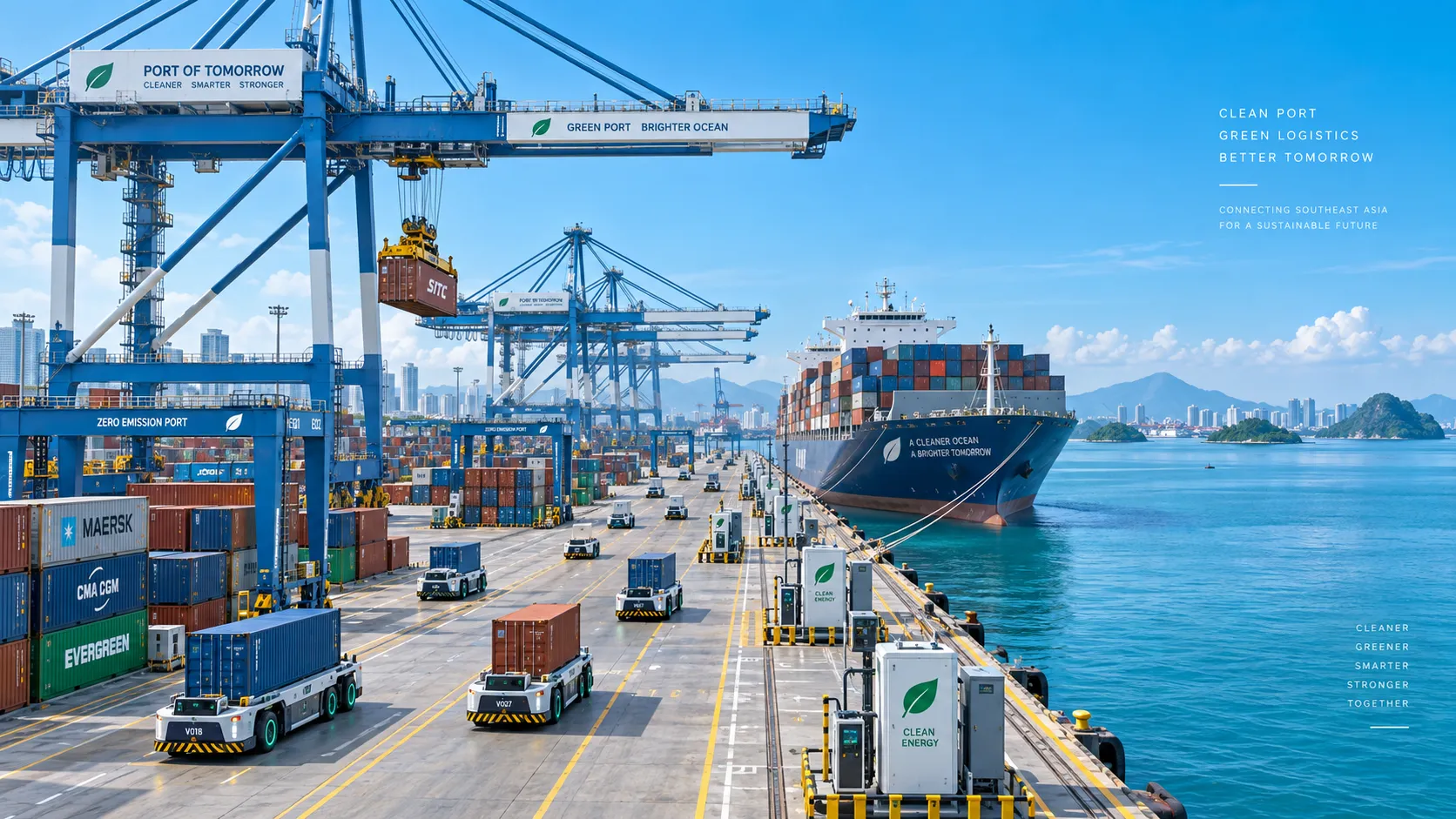
Smart Port Systems in Southeast Asia: Investment Priorities and Adoption Barriers
Smart port systems Southeast Asia: discover investment priorities, adoption barriers, and practical steps to build resilient, connected, high-performing terminals.

How to Evaluate Terminal Efficiency Solution Suppliers for High-Throughput Operations
Choose a terminal efficiency solutions supplier with confidence. Explore proven criteria for throughput, integration, lifecycle cost, safety, and reliable delivery.
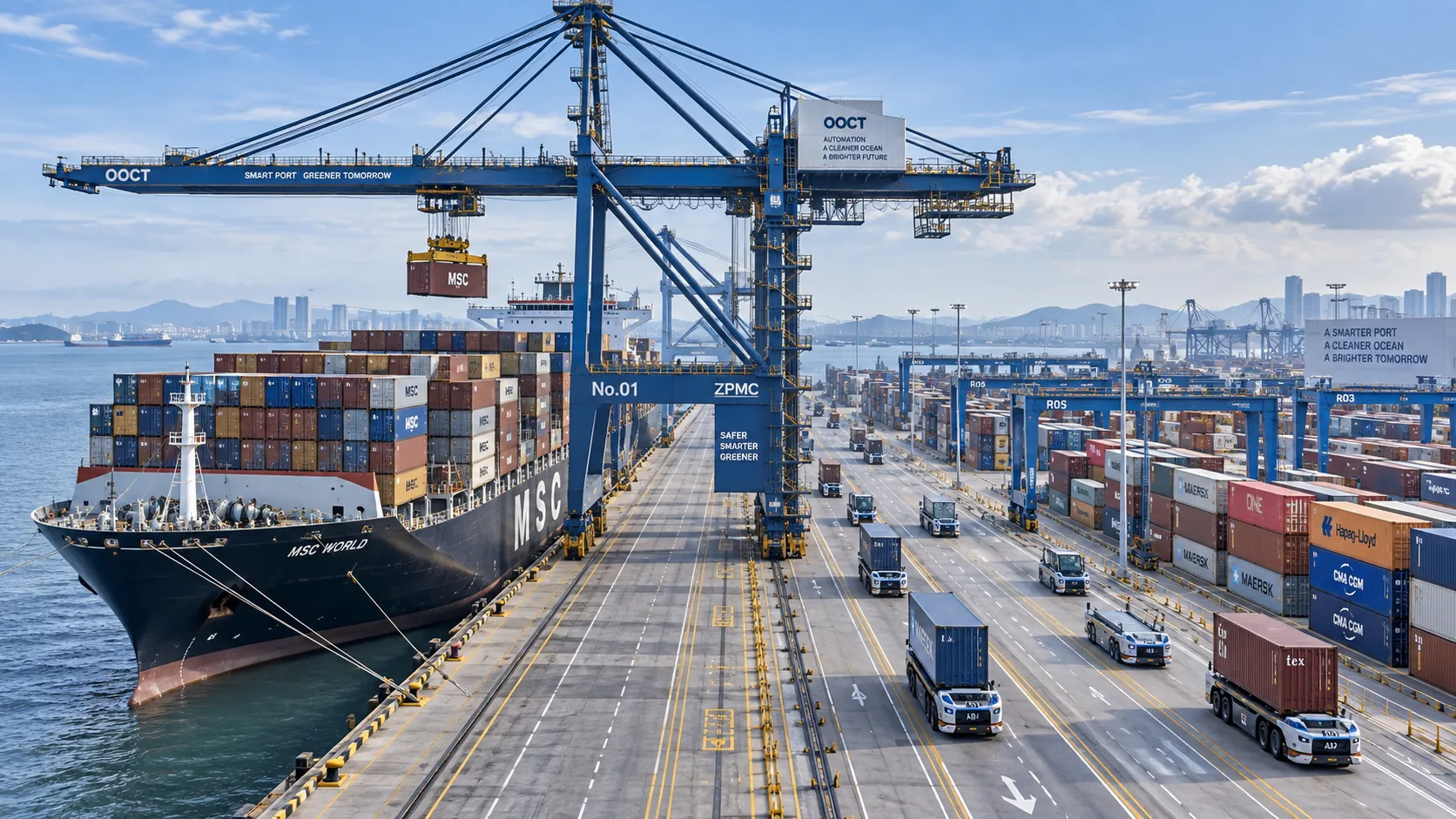
How to Specify a Quay Crane for Container Terminals by Vessel Size and Throughput?
Quay crane for container terminals: learn how to match outreach, lift height, capacity, automation, and cycle performance to vessel size and throughput goals.
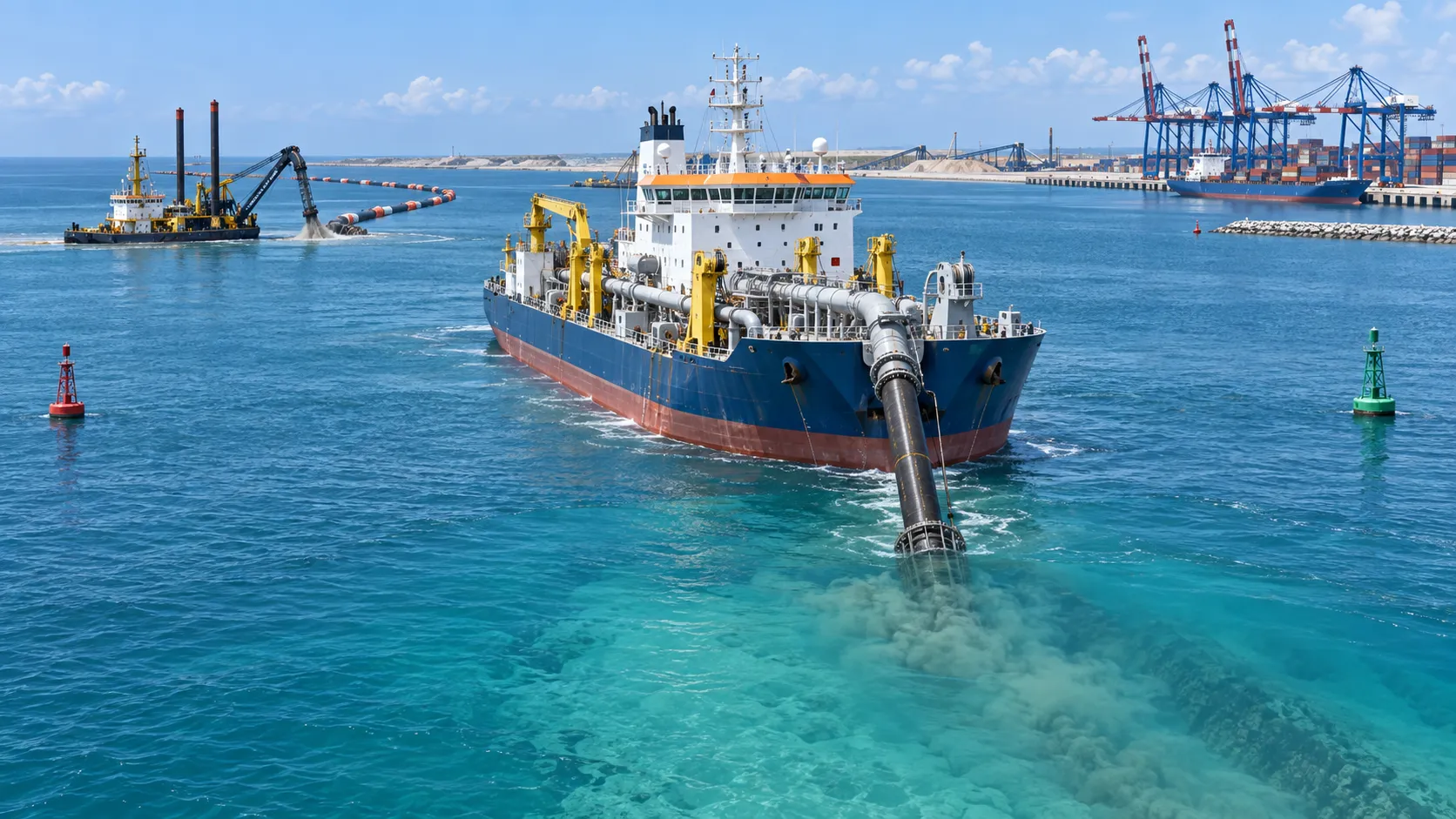
What Dredging Equipment Is Needed for Channel Deepening?
What dredging equipment is needed for channel deepening? Explore dredgers, pipelines, survey tools, and planning strategies for safer, more efficient port access.
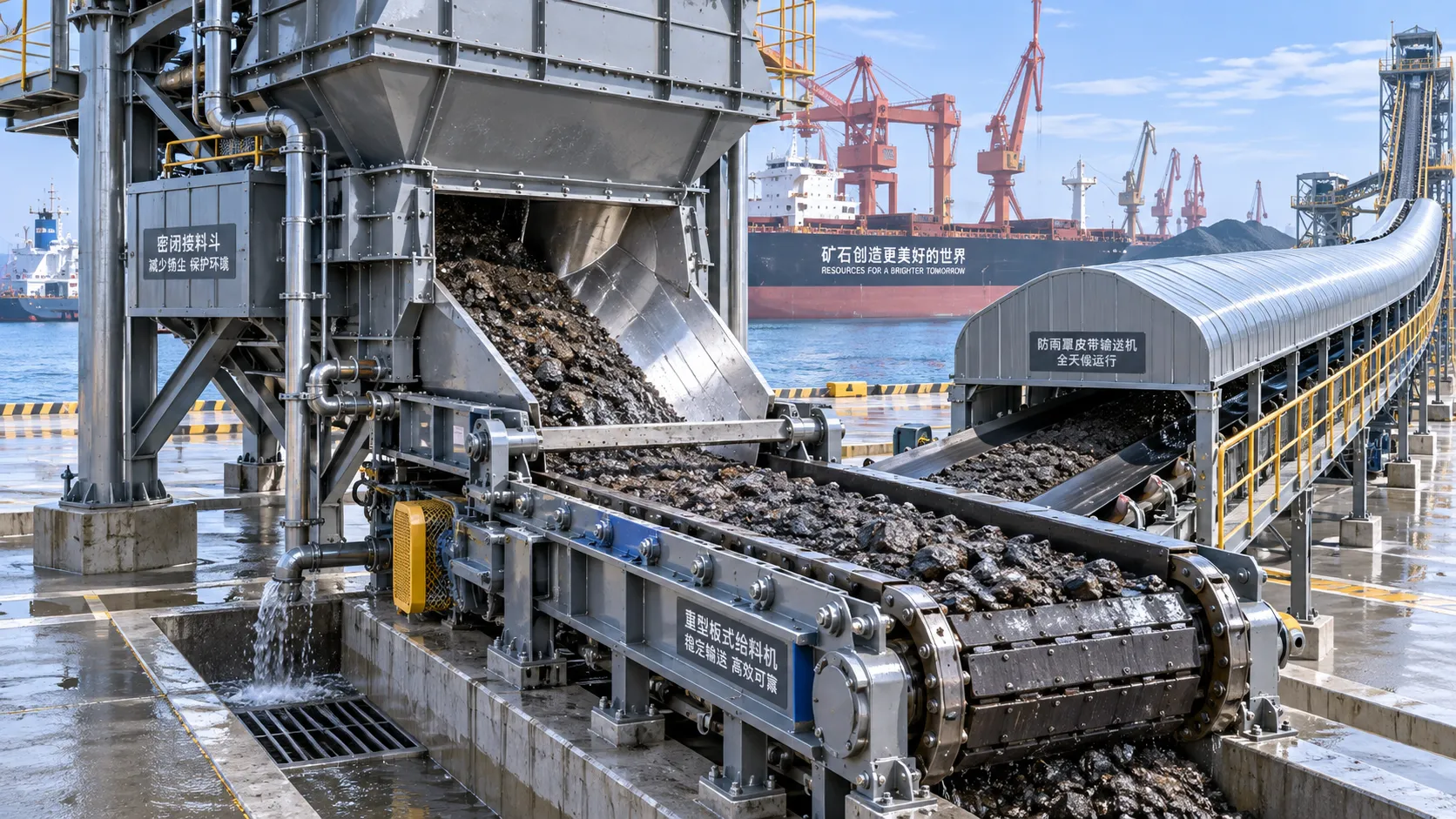
Which Bulk Handling Equipment Suits High-Moisture Cargo?
Which bulk handling equipment suits high-moisture cargo? Compare belt, apron, screw, drag, and slurry systems for reliable flow, less carryback, and higher terminal uptime.
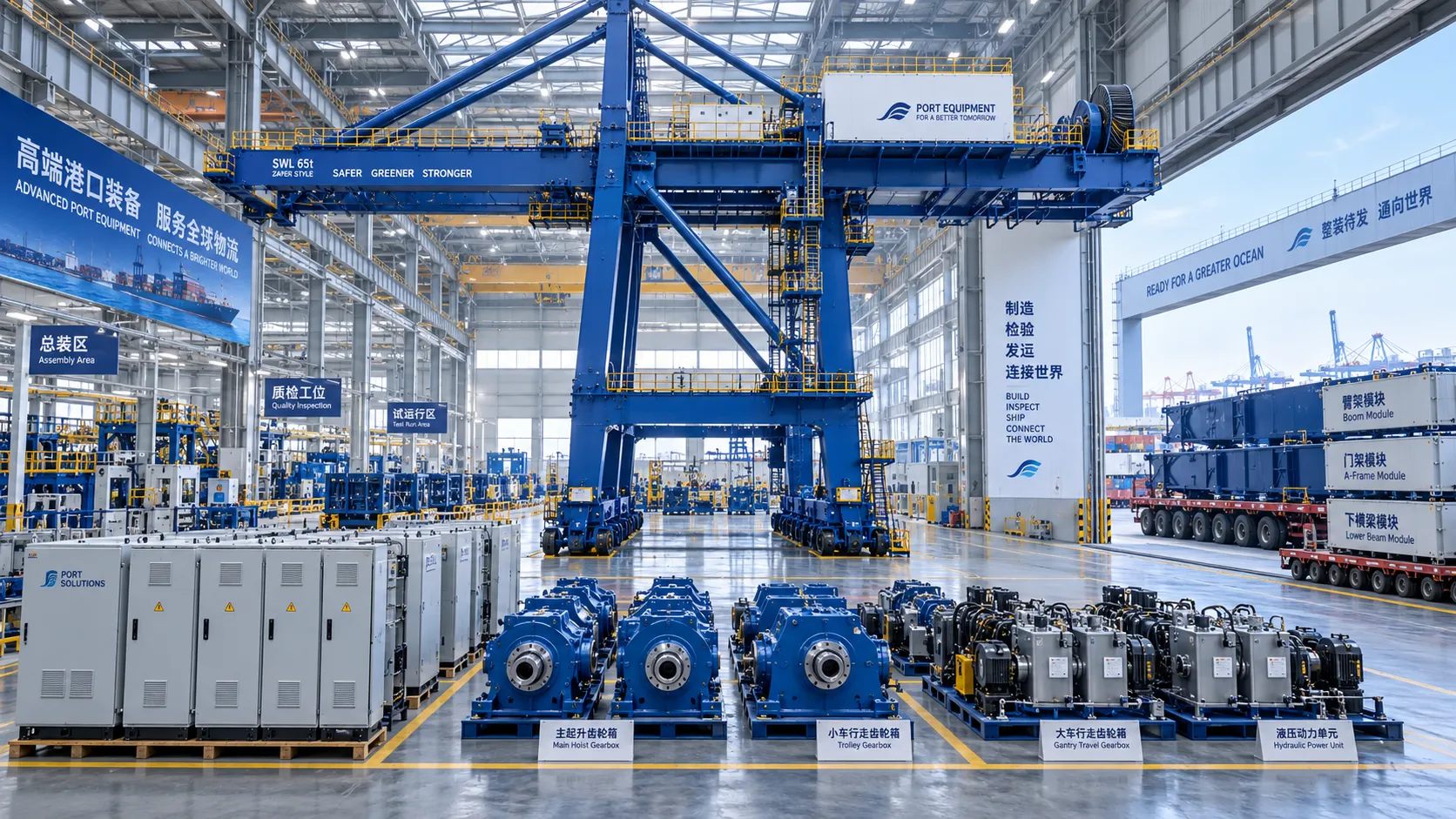
How Can Port Equipment Lead-Time Risk Be Managed?
How can port equipment lead-time risk be managed? Explore practical strategies to control critical paths, suppliers, transport, site readiness, and commissioning delays.
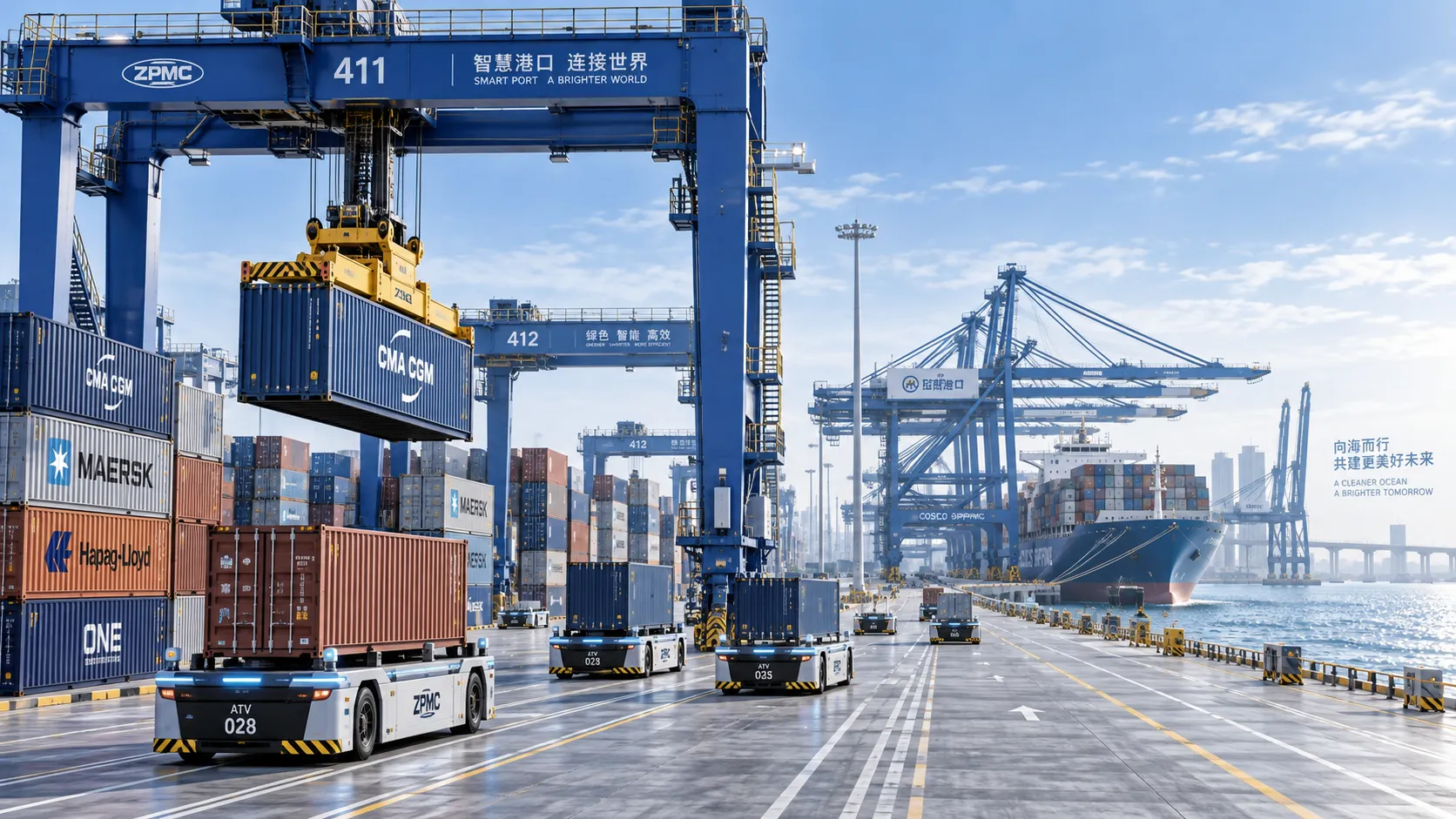
Terminal Automation Technologies That Raise Container Throughput Without Yard Disruption
Terminal automation technology that increases container throughput without disrupting yard flow. Explore smarter integration, resilient workflows, and phased deployment strategies.
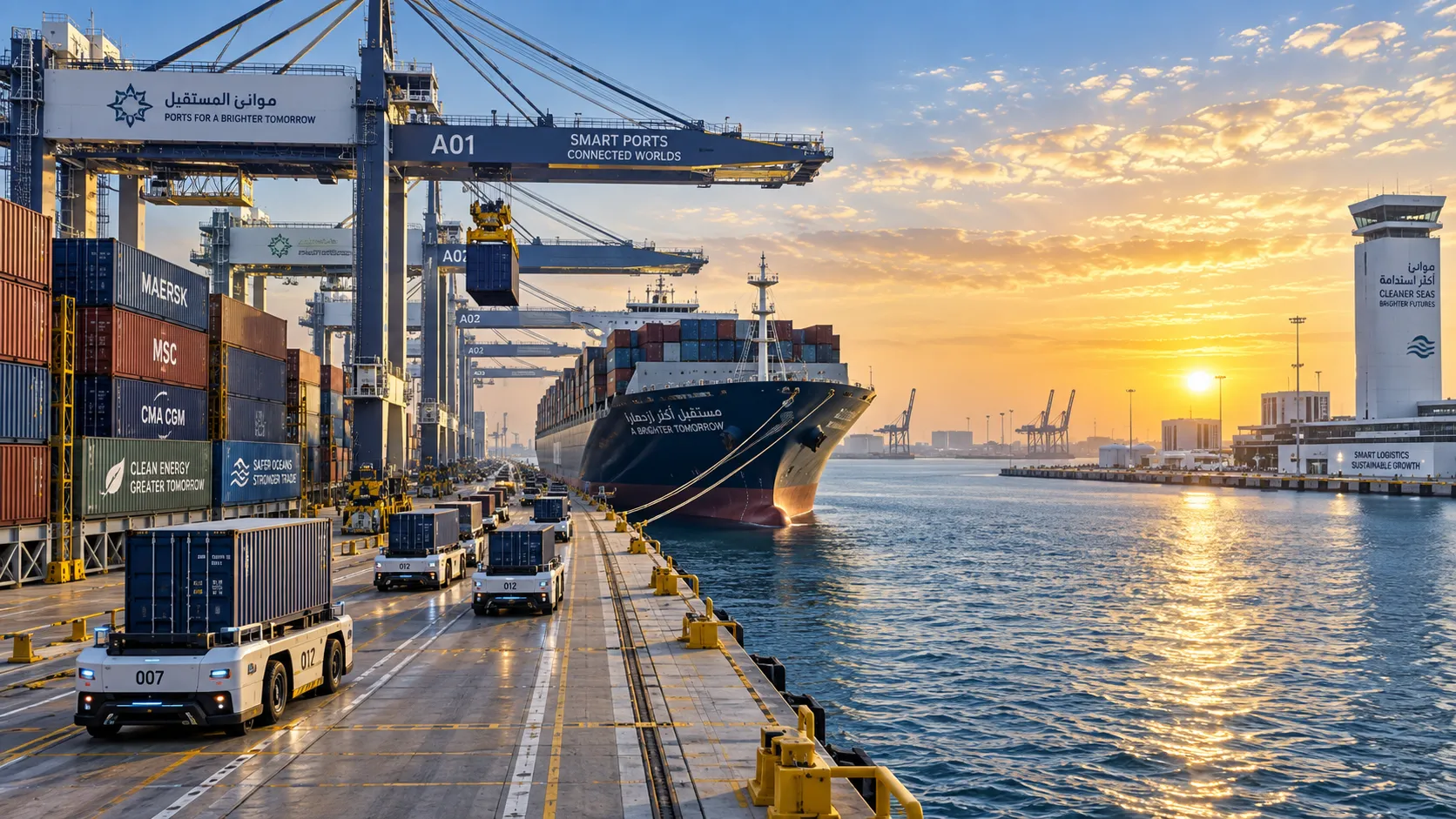
Middle East Port Automation: Key Market Drivers, Projects, and Investment Risks
Port automation systems Middle East: explore market drivers, flagship projects, integration challenges, and investment risks shaping smarter, resilient terminals.
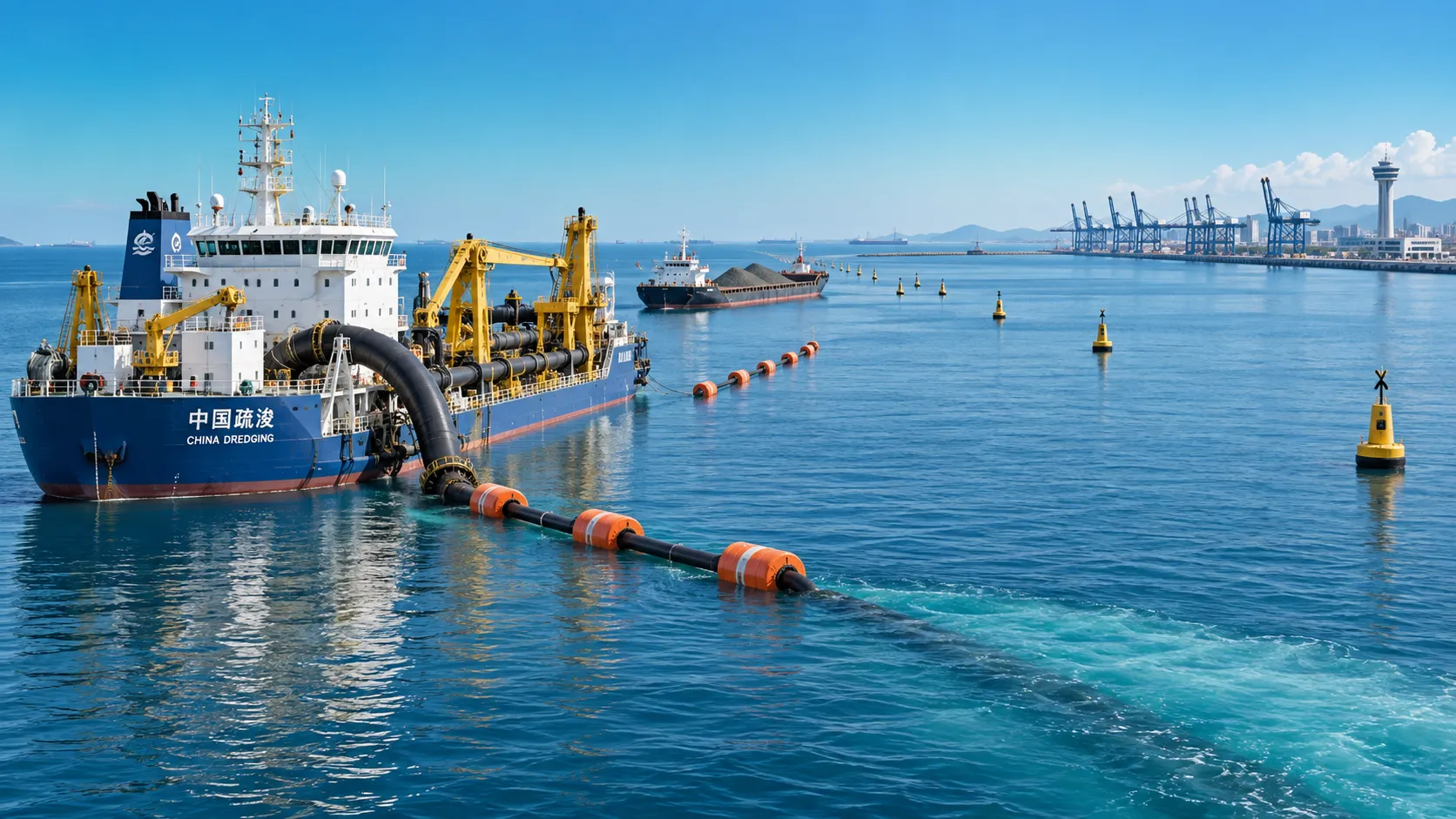
Planning Offshore Dredging Operations: Key Risks, Methods, and Project Controls
Offshore dredging operations demand smart planning. Explore key risks, proven methods, environmental controls, and project strategies for reliable delivery.