
Related News
- 00
0000-00
How to Evaluate Terminal Efficiency Solution Suppliers for High-Throughput Operations - 00
0000-00
What to Consider When Buying Electric Port Machinery for Container Terminals - 00
0000-00
How to Select Container Handling Equipment for Middle East Ports and Terminals - 00
0000-00
How to Evaluate a Port Machinery Exporter for Large-Scale Terminal Projects - 00
0000-00
Evaluating a Dredging Equipment Manufacturer for Mining Plant Supply
Specialized Container Handling Systems: Types, Use Cases, and Safety Checkpoints
Specialized Container Handling Systems: Types, Use Cases, and Safety Checkpoints
Specialized container handling sits at the center of modern terminal performance.
When uptime drops, yard flow slows, vessel windows tighten, and risk rises fast.
That is why specialized container handling matters far beyond simple lifting capacity.
It shapes load stability, equipment availability, stacking density, and daily compliance outcomes.
For port operations, the biggest gains often come from matching the right system to the right task.
From the PS-Nexus perspective, this is where mechanical design, control logic, and safety governance must work together.
Why specialized container handling needs a system view
A container yard is not just a storage area.
It is a moving network of handoff points, traffic lanes, lifting cycles, and timing constraints.
Specialized container handling systems are built to control this complexity with more precision.
They reduce unnecessary moves, limit container rehandling, and support predictable throughput.
More importantly, they help separate routine variation from true safety risk.
In practice, better specialized container handling also improves inspection planning and failure prevention.
Main types of specialized container handling systems
Reach stackers
Reach stackers offer flexibility in mixed yard conditions.
They work well in medium-volume terminals, rail interfaces, and off-dock depots.
Their strength is quick redeployment across lanes, container sizes, and loading tasks.
The tradeoff is higher tire wear, visibility dependency, and stronger operator skill requirements.
Empty container handlers
These machines are designed for rapid stacking of empty units.
They support high stack heights while maintaining speed and lower structural load demand.
For specialized container handling, they are ideal where export empties cycle through tight schedules.
Rubber-tired gantry cranes
RTGs remain common in large yards that need balanced mobility and stack density.
They fit specialized container handling where lane coverage and structured block operations are priorities.
Key risk points include anti-sway performance, power distribution, and travel path control.
Rail-mounted gantry cranes
RMG systems favor repeatability, automation, and high slot utilization.
They are common in automated yards and intermodal rail terminals.
In specialized container handling, they support stable cycle times and cleaner traffic segregation.
Straddle carriers and shuttle carriers
These systems combine transport and handling into one workflow.
They are useful where quay-to-yard transfer speed is more critical than maximum stack height.
Their operational value rises when specialized container handling must absorb vessel peaks without congestion.
Use cases that shape equipment choice
System selection should begin with cargo pattern, yard geometry, and move profile.
Too often, buyers compare peak lift numbers but ignore operational fit.
That usually creates hidden bottlenecks in specialized container handling.
- High-volume export yards benefit from RTG or RMG blocks with predictable stacking rules.
- Empty depots often prefer empty handlers because speed and stack height matter more than heavy-load range.
- Rail transfer nodes need precise alignment, making RMGs or reach stackers practical depending on scale.
- Feeder terminals may choose straddle systems to shorten transfer time between berth and storage blocks.
- Hazardous or reefer zones need specialized container handling with tighter route discipline and monitoring points.
From recent industry shifts, one signal is especially clear.
As terminals chase automation and lower emissions, system compatibility matters more than standalone machine strength.
That means specialized container handling decisions should include energy systems, software integration, and maintenance access from the start.
Core safety checkpoints for specialized container handling
Safety reviews work best when checkpoints are tied to actual failure modes.
For specialized container handling, the most useful checkpoints are usually the simplest and most repeatable.
1. Spreader and twistlock integrity
Check wear, alignment, locking response, and sensor feedback consistency.
A small spreader fault can escalate into dropped loads, corner casting damage, or unstable landings.
2. Load charts and stability margins
Confirm rated capacity against lift radius, stack height, wind limit, and attachment configuration.
This matters most in specialized container handling involving offset picks or uneven pavement conditions.
3. Structural fatigue points
Inspect boom joints, weld zones, rail interfaces, wheel assemblies, and gantry frames.
Crack growth is rarely dramatic at first, which makes trend-based inspection essential.
4. Hydraulic and electrical reliability
Watch for hose degradation, pressure drift, connector corrosion, and intermittent control faults.
In specialized container handling, minor control lag can create serious positioning errors under tight cycles.
5. Braking, steering, and travel path controls
Travel risks are often underestimated because lifting risks get more attention.
Yet many yard incidents begin with blind spots, brake delay, route conflict, or poor surface conditions.
6. Safety interlocks and automation logic
Verify emergency stops, anti-collision devices, limit switches, and remote override behavior.
As automated specialized container handling expands, software validation becomes part of frontline safety.
Practical inspection workflow that improves consistency
A useful inspection routine should be short enough to repeat and detailed enough to reveal drift.
For specialized container handling, a three-layer workflow usually works well.
- Pre-shift checks for visible damage, alarms, leaks, brakes, spreader response, and route hazards.
- Scheduled technical inspections for torque, calibration, structural wear, and control system health.
- Event-driven reviews after overloads, collisions, emergency stops, or abnormal sensor readings.
The real value comes from connecting findings across time.
If the same issue repeats, the problem is usually systemic, not incidental.
That may point to training gaps, weak spare-part quality, or poor specialized container handling process design.
Common risk signals that deserve faster escalation
Some warning signs look minor until they start affecting the whole yard.
- Repeated misalignment during pickup or landing.
- Growing spreader lock confirmation delays.
- Unusual tire wear or uneven rail contact.
- Rising operator corrections during standard lifts.
- Frequent nuisance alarms in automated specialized container handling areas.
- Power fluctuation or communication lag between machines and control systems.
These signals often appear before a major incident or extended downtime event.
Escalating them early protects both specialized container handling reliability and operational continuity.
Where standards and technology are moving
The next phase of specialized container handling is becoming more data-centered.
Condition monitoring, remote diagnostics, and control integration are moving from optional to expected.
This also changes the meaning of compliance.
Mechanical conformity alone is no longer enough in many advanced terminals.
Cyber resilience, communication stability, and software traceability now influence safety outcomes.
For PS-Nexus, this trend confirms that specialized container handling must be managed as an engineered system, not a standalone asset category.
Final takeaway
Specialized container handling works best when equipment choice, yard logic, and safety checkpoints are aligned.
The smartest approach is not simply buying stronger machines.
It is building a handling system that stays stable under daily pressure.
When inspection routines are practical and risk signals are escalated early, performance improves naturally.
That also means fewer surprises during peak demand, fewer avoidable failures, and better control over compliance exposure.
In real terminal operations, strong specialized container handling is not just an equipment decision. It is a daily operating discipline.
Related News
Smart Port Systems in Southeast Asia: Investment Priorities and Adoption Barriers
Smart port systems Southeast Asia: discover investment priorities, adoption barriers, and practical steps to build resilient, connected, high-performing terminals.
How to Evaluate Terminal Efficiency Solution Suppliers for High-Throughput Operations
Choose a terminal efficiency solutions supplier with confidence. Explore proven criteria for throughput, integration, lifecycle cost, safety, and reliable delivery.
How to Specify a Quay Crane for Container Terminals by Vessel Size and Throughput?
Quay crane for container terminals: learn how to match outreach, lift height, capacity, automation, and cycle performance to vessel size and throughput goals.
What Dredging Equipment Is Needed for Channel Deepening?
What dredging equipment is needed for channel deepening? Explore dredgers, pipelines, survey tools, and planning strategies for safer, more efficient port access.
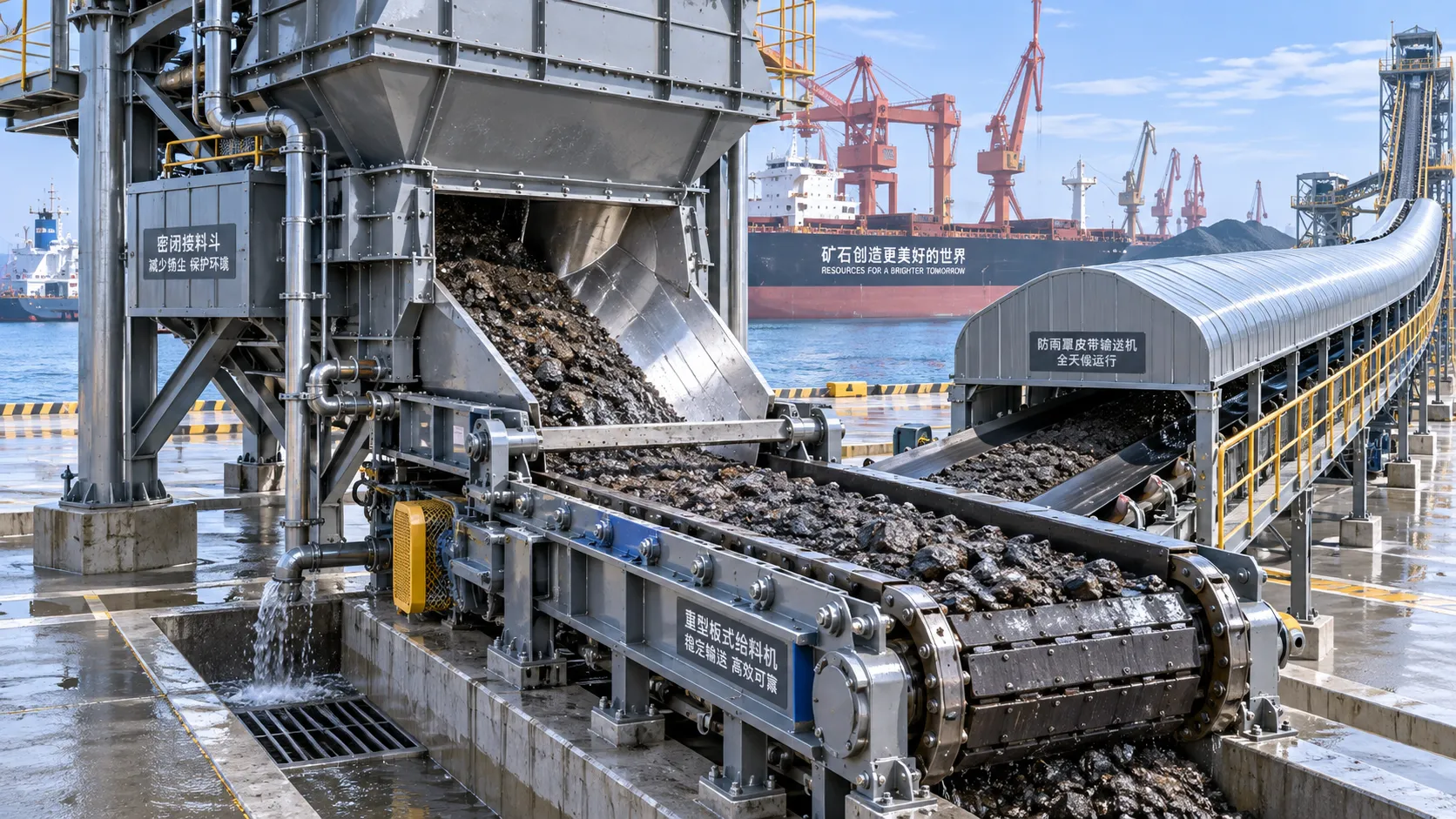
Which Bulk Handling Equipment Suits High-Moisture Cargo?
Which bulk handling equipment suits high-moisture cargo? Compare belt, apron, screw, drag, and slurry systems for reliable flow, less carryback, and higher terminal uptime.
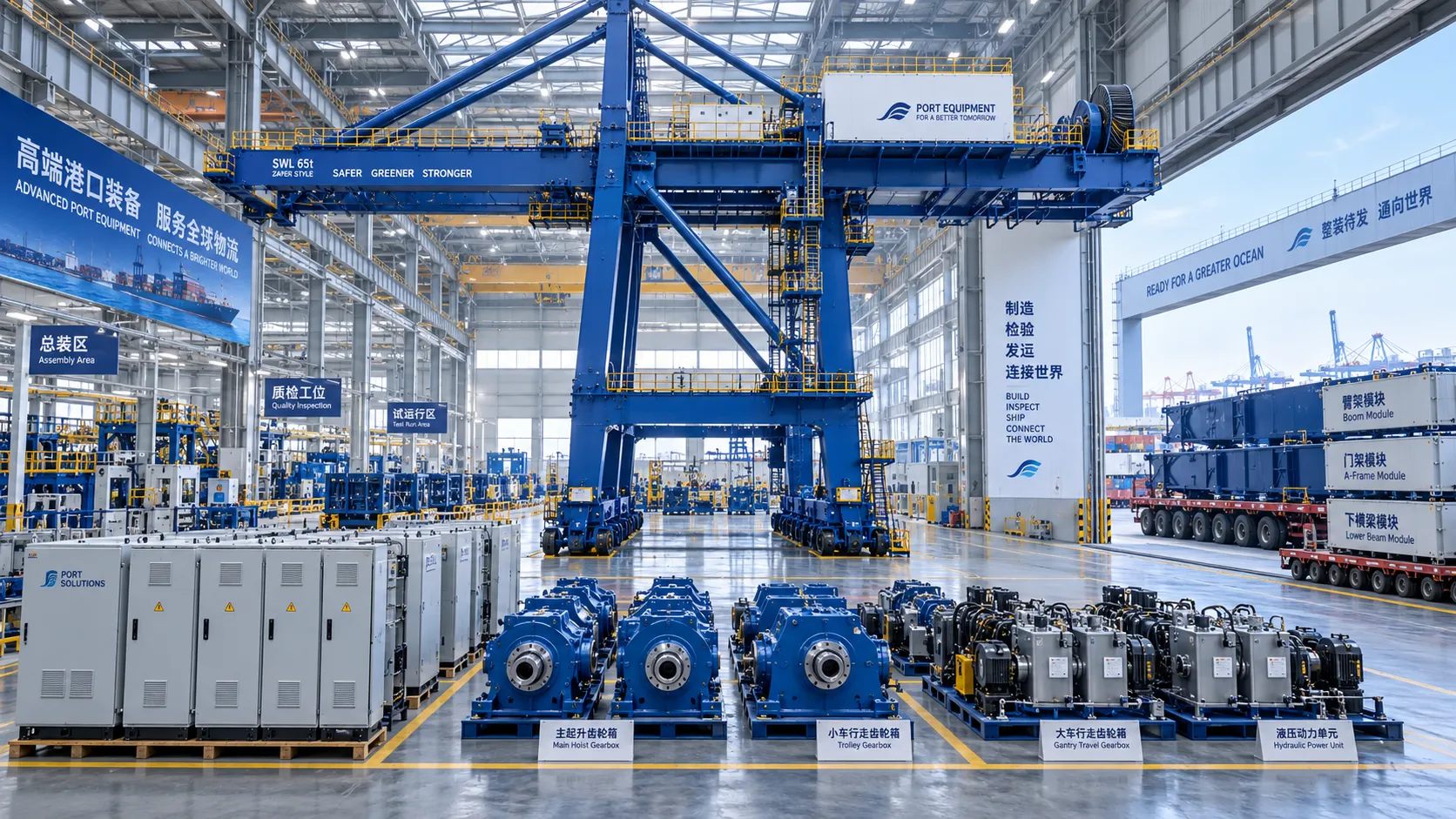
How Can Port Equipment Lead-Time Risk Be Managed?
How can port equipment lead-time risk be managed? Explore practical strategies to control critical paths, suppliers, transport, site readiness, and commissioning delays.
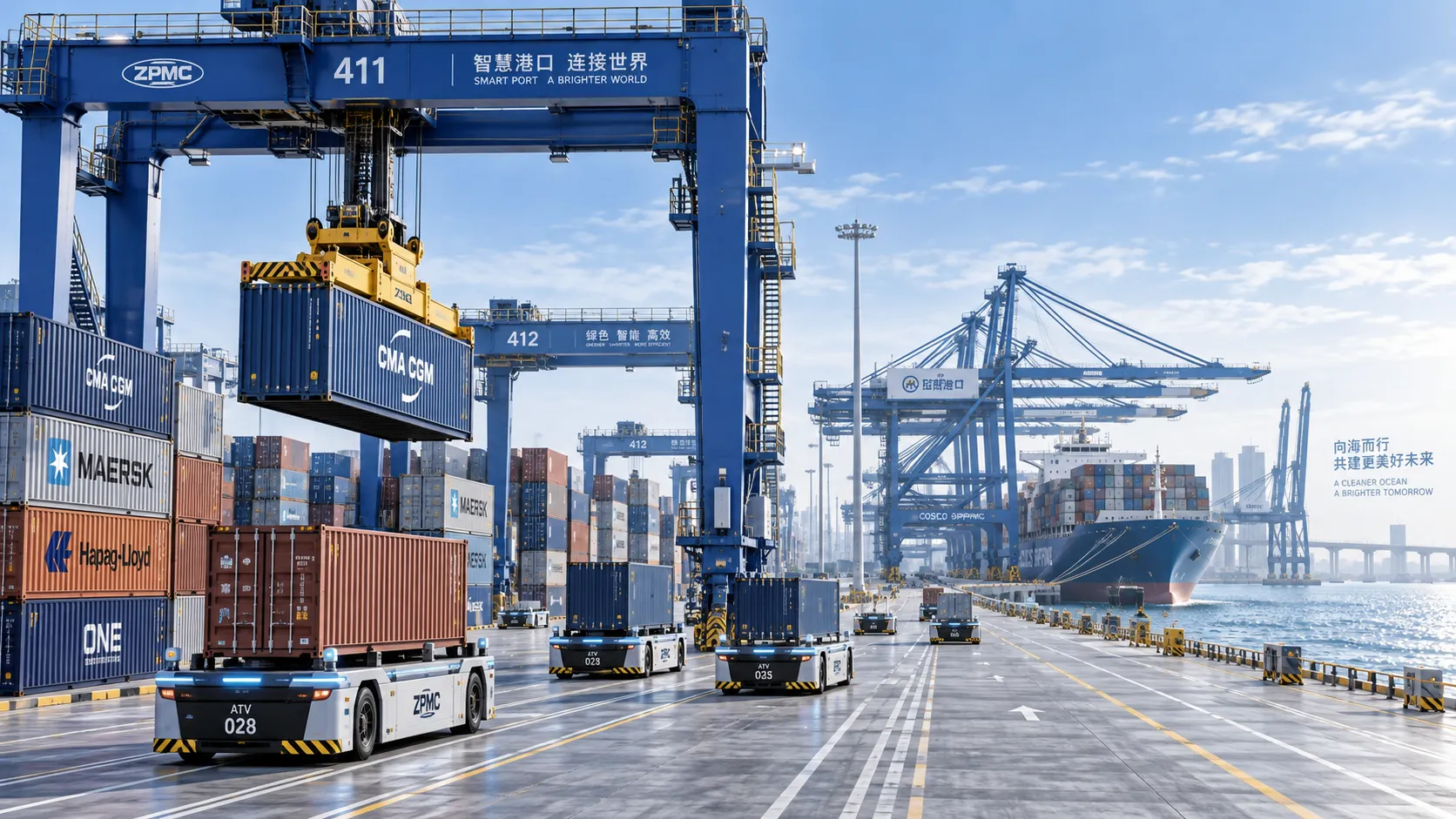
Terminal Automation Technologies That Raise Container Throughput Without Yard Disruption
Terminal automation technology that increases container throughput without disrupting yard flow. Explore smarter integration, resilient workflows, and phased deployment strategies.
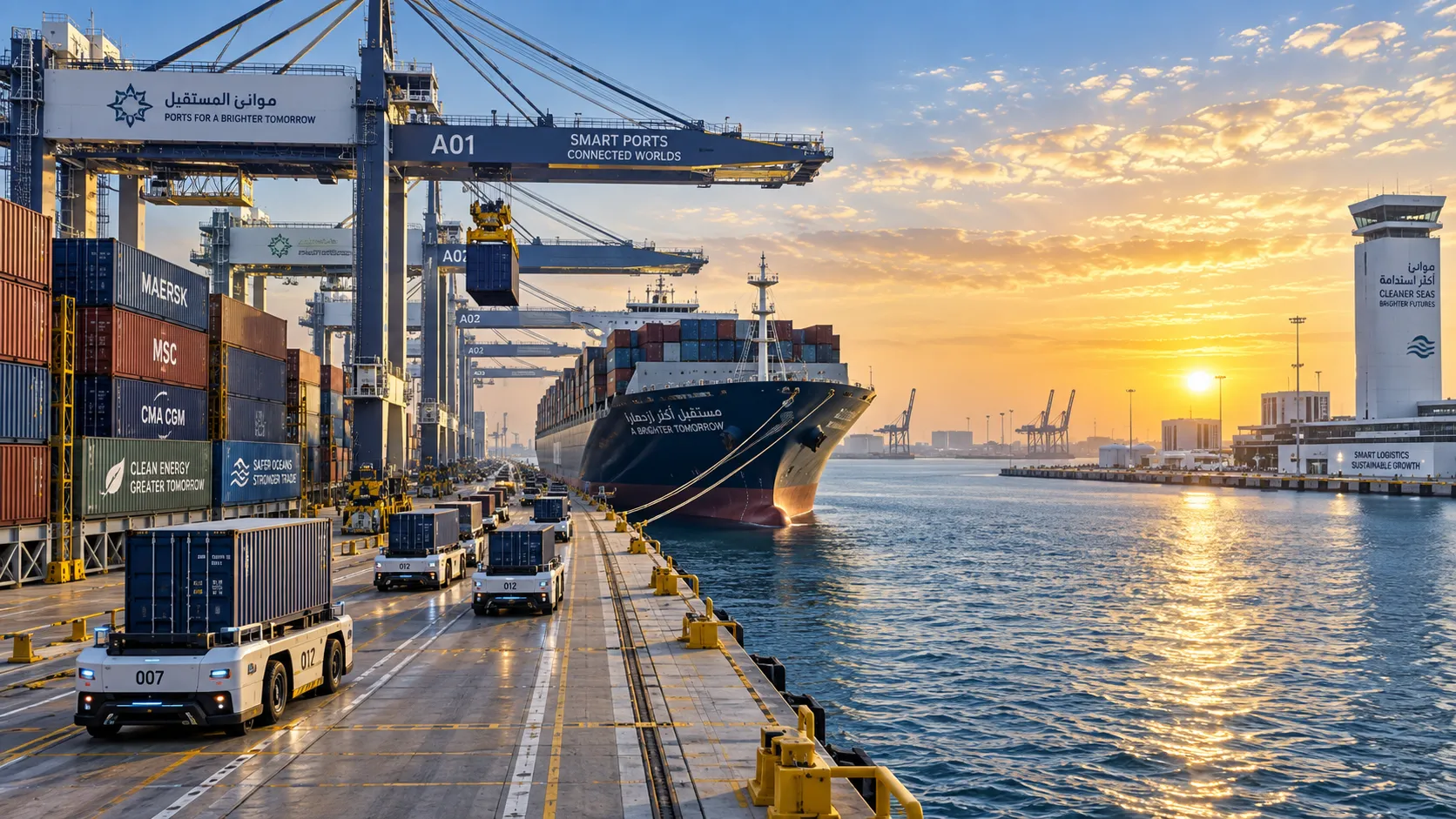
Middle East Port Automation: Key Market Drivers, Projects, and Investment Risks
Port automation systems Middle East: explore market drivers, flagship projects, integration challenges, and investment risks shaping smarter, resilient terminals.
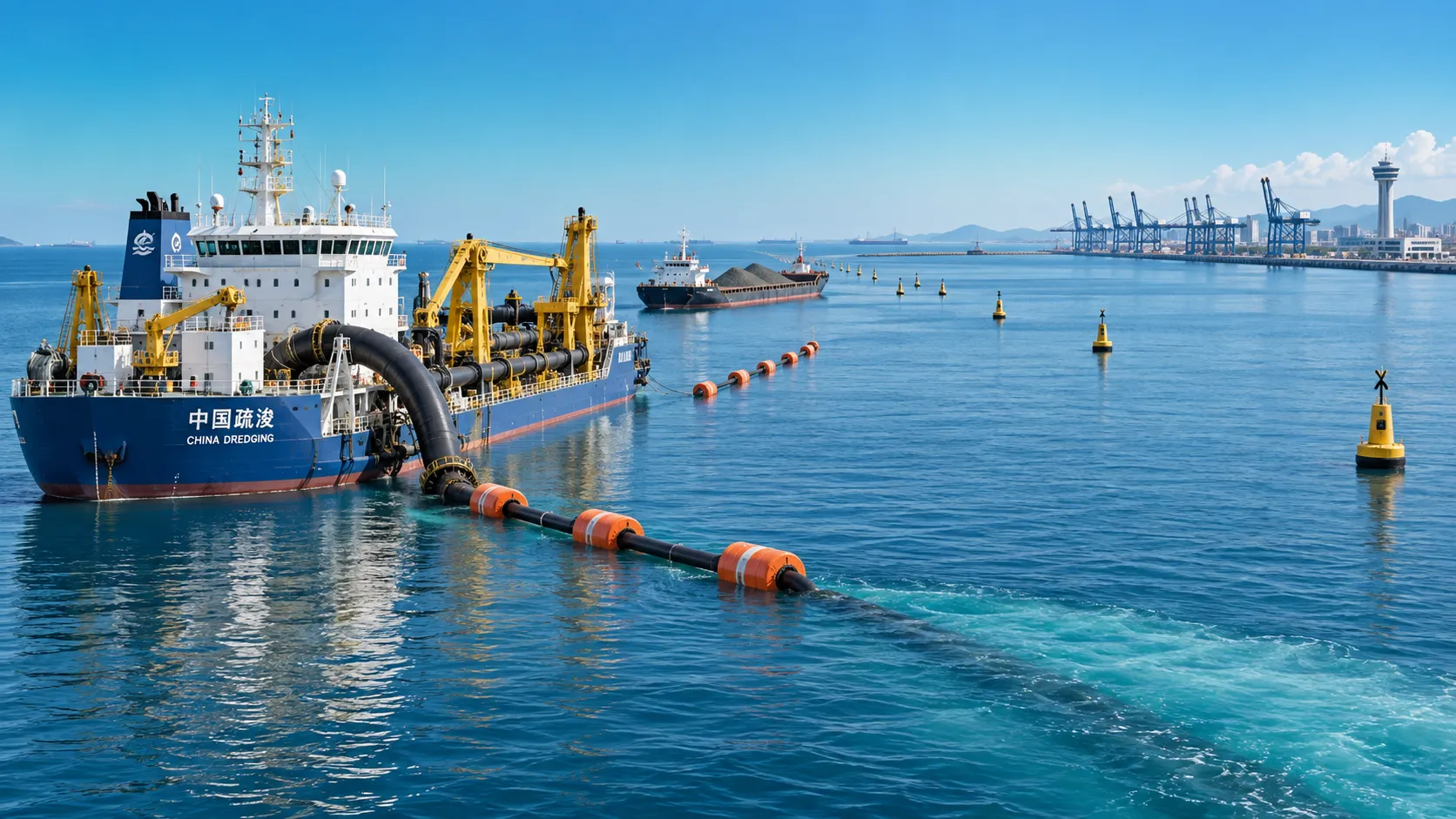
Planning Offshore Dredging Operations: Key Risks, Methods, and Project Controls
Offshore dredging operations demand smart planning. Explore key risks, proven methods, environmental controls, and project strategies for reliable delivery.