Related News
- 00
0000-00
How to Evaluate Terminal Efficiency Solution Suppliers for High-Throughput Operations - 00
0000-00
What to Consider When Buying Electric Port Machinery for Container Terminals - 00
0000-00
How to Select Container Handling Equipment for Middle East Ports and Terminals - 00
0000-00
How to Evaluate a Port Machinery Exporter for Large-Scale Terminal Projects - 00
0000-00
Evaluating a Dredging Equipment Manufacturer for Mining Plant Supply
Automated Terminal Systems Provider Checklist: What to Verify Before Shortlisting
Automated Terminal Systems Provider Checklist: What to Verify Before Shortlisting
Choosing the right automated terminal systems provider can shape terminal uptime, scalability, and long-term ROI.
For procurement teams, the challenge is rarely price alone.
The bigger issue is verifying whether a provider can deliver stable performance across real port conditions.
An automated terminal systems provider may present strong slides, polished demos, and ambitious throughput promises.
What matters is operational proof, integration depth, and the ability to support growth over time.
In practical buying cycles, shortlisting too early often creates avoidable risk.
This checklist helps structure evaluation before formal comparison, negotiation, and commercial alignment begin.
Why Early Verification Matters
Port automation projects are capital intensive and technically layered.
A weak automated terminal systems provider can create hidden costs far beyond the initial contract value.
Those costs usually appear as delayed commissioning, unstable interfaces, lower berth productivity, or expensive software modifications.
More noticeably, poor provider selection can lock operators into proprietary architectures with limited flexibility.
That also affects future yard expansion, equipment replacement, and cybersecurity upgrades.
From a procurement and cost perspective, early verification improves negotiating power.
It filters out suppliers whose lifecycle support, systems maturity, or delivery model do not match terminal strategy.
Checklist Item 1: Confirm Real Operating References
Start with proven deployments, not concept demonstrations.
A credible automated terminal systems provider should show live project references with similar cargo mix, yard design, and equipment profile.
Look for terminals using comparable STS cranes, ASC blocks, AGVs, or hybrid fleets.
Ask for evidence in four areas:
- Go-live date and current operating status
- Actual moves per hour and yard productivity
- System availability and incident frequency
- Scope of software, controls, and integration responsibility
Reference projects should be recent enough to reflect current architecture.
Older references may still be useful, but only if the provider can explain version continuity.
Checklist Item 2: Review System Architecture and Integration Depth
This is where many shortlist decisions go wrong.
An automated terminal systems provider is not just selling software.
The provider is shaping how TOS, ECS, PLC layers, traffic management, and remote control stations work together.
Verify whether the architecture supports open interfaces, data visibility, and future equipment additions.
Key questions include:
- Which systems are native, and which rely on third-party integration?
- How are API standards, communication protocols, and middleware managed?
- Can the platform connect with mixed OEM equipment without major recoding?
- How are latency, failover, and data synchronization handled?
In real operations, integration quality often determines whether automation delivers smooth flow or recurring friction.
A strong automated terminal systems provider should explain this clearly, without vague diagrams or broad claims.
Checklist Item 3: Validate Operational Logic, Not Just Features
Feature lists can be misleading.
What buyers need to test is the operating logic behind scheduling, routing, exception handling, and equipment coordination.
A capable automated terminal systems provider should demonstrate how its system responds to disruption.
That includes vessel bunching, AGV congestion, crane downtime, weather restrictions, and yard block imbalance.
Useful verification points are:
- Dynamic task allocation rules
- Conflict resolution logic
- Priority handling for transshipment or reefer moves
- Manual override and degraded mode workflows
If the provider cannot walk through these scenarios in detail, shortlist risk rises quickly.
Checklist Item 4: Assess Cybersecurity, Safety, and Compliance
Automation expands the attack surface of terminal operations.
For that reason, every automated terminal systems provider should be tested on cybersecurity controls as early as technical screening.
Review network segmentation, identity management, remote access governance, patch strategy, and incident response procedures.
Safety is equally important.
Ask how the solution protects people, mobile equipment, and terminal assets during both automated and manual modes.
It is worth checking:
- Functional safety design and validation approach
- Compliance with relevant port, electrical, and industrial standards
- Audit trail quality for operations and maintenance actions
- Disaster recovery and business continuity planning
Checklist Item 5: Compare Delivery Model and Support Capability
A technically strong system can still fail through weak execution.
This is why supplier delivery capability should carry as much weight as software functionality.
A reliable automated terminal systems provider should provide a realistic delivery roadmap from design through commissioning.
Review staffing model, local service presence, escalation paths, and post go-live support structure.
Ask specifically about:
- Project governance and single-point accountability
- Factory testing, simulation, and site acceptance methodology
- Training plans for operators, maintenance, and supervisors
- SLA terms for uptime, response, and defect correction
This also affects total cost.
Low bid pricing can become expensive if support depends on long-distance experts or frequent custom interventions.
Checklist Item 6: Understand the Commercial Model Beyond Capex
Procurement decisions should translate technical complexity into cost clarity.
When evaluating an automated terminal systems provider, compare the full commercial model, not just initial implementation fees.
The most important cost elements often sit outside the headline proposal.
A good automated terminal systems provider should be transparent about what is standard, optional, and customer-dependent.
That transparency makes comparison faster and negotiation more grounded.
Checklist Item 7: Test Scalability and Future Fit
Shortlisting should account for future operations, not only current scope.
An automated terminal systems provider may fit phase one, yet struggle when yard density, vessel size, or automation depth increases.
This is especially relevant in terminals planning remote operations, energy transition upgrades, or mixed equipment fleets.
Future-fit verification should cover:
- Modular expansion without major shutdowns
- Data readiness for analytics and optimization tools
- Compatibility with decarbonization and energy management goals
- Roadmap for AI-assisted scheduling and remote supervision
Providers with a clear roadmap usually give buyers a stronger long-term risk profile.
How to Build a Practical Shortlist
Once the checks above are complete, narrow candidates using a weighted scorecard.
Keep the model simple enough to defend in internal review.
A useful structure includes technical maturity, integration risk, delivery capability, support quality, cybersecurity, and total cost.
At this stage, remove suppliers that rely heavily on future development promises.
Also challenge any automated terminal systems provider that cannot define measurable acceptance outcomes.
A shortlist should reflect execution confidence, not just technical ambition.
Final Takeaway
Selecting an automated terminal systems provider is ultimately a risk management decision tied to performance, scalability, and cost control.
The strongest candidates usually stand out through reference depth, operational logic, architecture clarity, and support readiness.
For buyers working in fast-changing maritime logistics environments, disciplined verification is what turns a shortlist into a stronger investment outcome.
Before moving to RFP or final commercial talks, use this checklist to confirm that each automated terminal systems provider can support real terminal goals, not just project expectations.
Related News
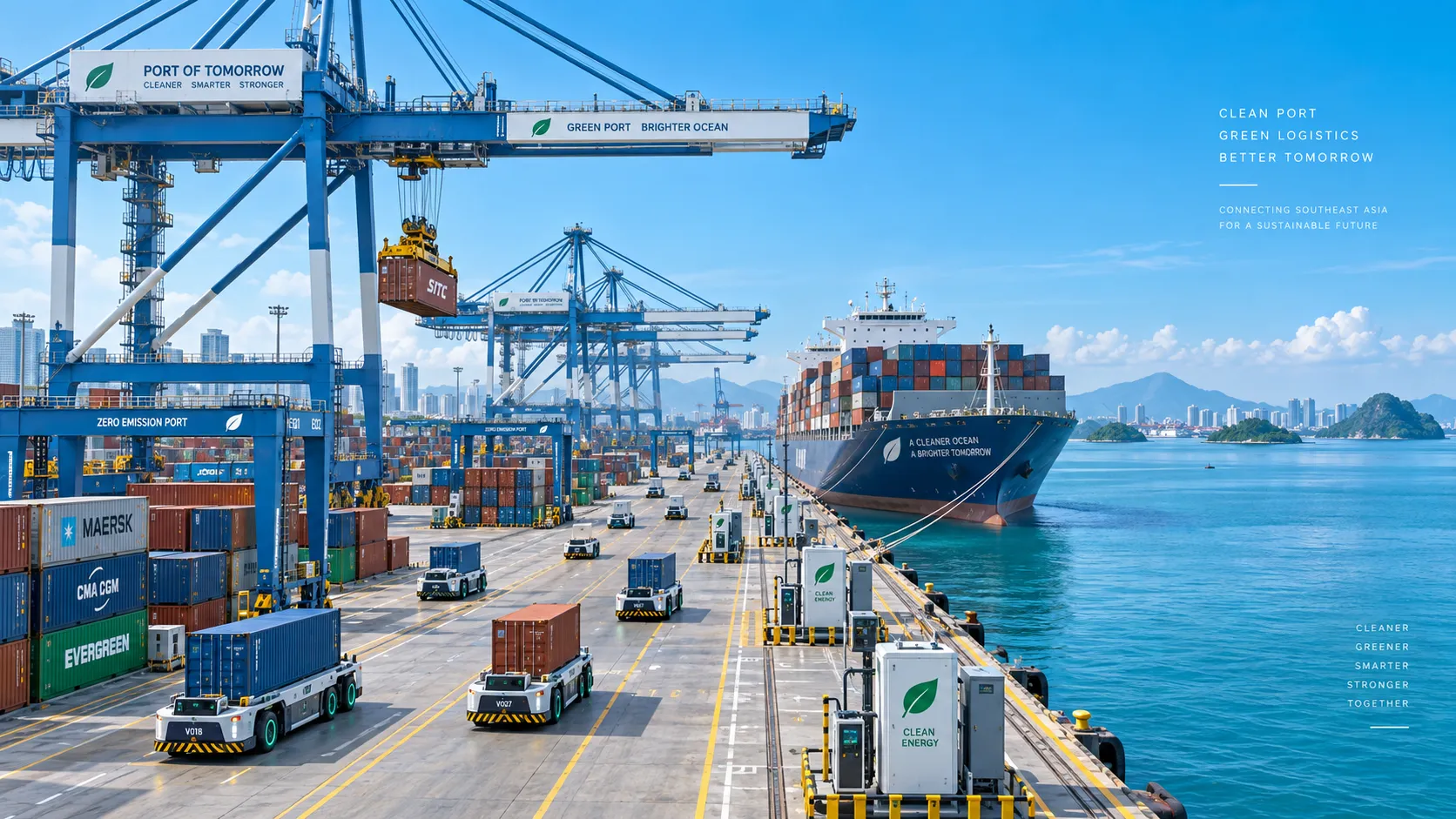
Smart Port Systems in Southeast Asia: Investment Priorities and Adoption Barriers
Smart port systems Southeast Asia: discover investment priorities, adoption barriers, and practical steps to build resilient, connected, high-performing terminals.

How to Evaluate Terminal Efficiency Solution Suppliers for High-Throughput Operations
Choose a terminal efficiency solutions supplier with confidence. Explore proven criteria for throughput, integration, lifecycle cost, safety, and reliable delivery.

How to Specify a Quay Crane for Container Terminals by Vessel Size and Throughput?
Quay crane for container terminals: learn how to match outreach, lift height, capacity, automation, and cycle performance to vessel size and throughput goals.

What Dredging Equipment Is Needed for Channel Deepening?
What dredging equipment is needed for channel deepening? Explore dredgers, pipelines, survey tools, and planning strategies for safer, more efficient port access.

Which Bulk Handling Equipment Suits High-Moisture Cargo?
Which bulk handling equipment suits high-moisture cargo? Compare belt, apron, screw, drag, and slurry systems for reliable flow, less carryback, and higher terminal uptime.
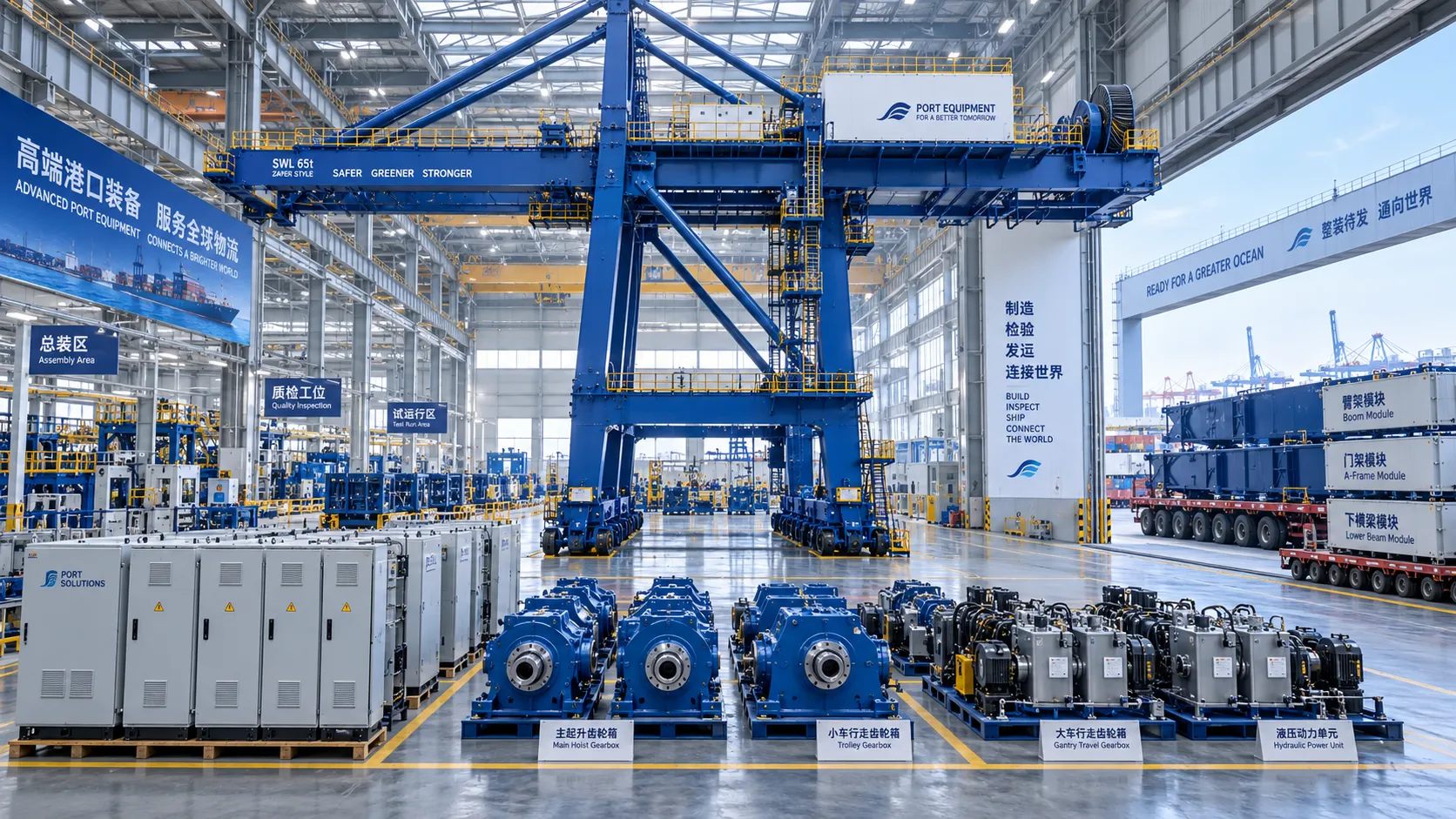
How Can Port Equipment Lead-Time Risk Be Managed?
How can port equipment lead-time risk be managed? Explore practical strategies to control critical paths, suppliers, transport, site readiness, and commissioning delays.
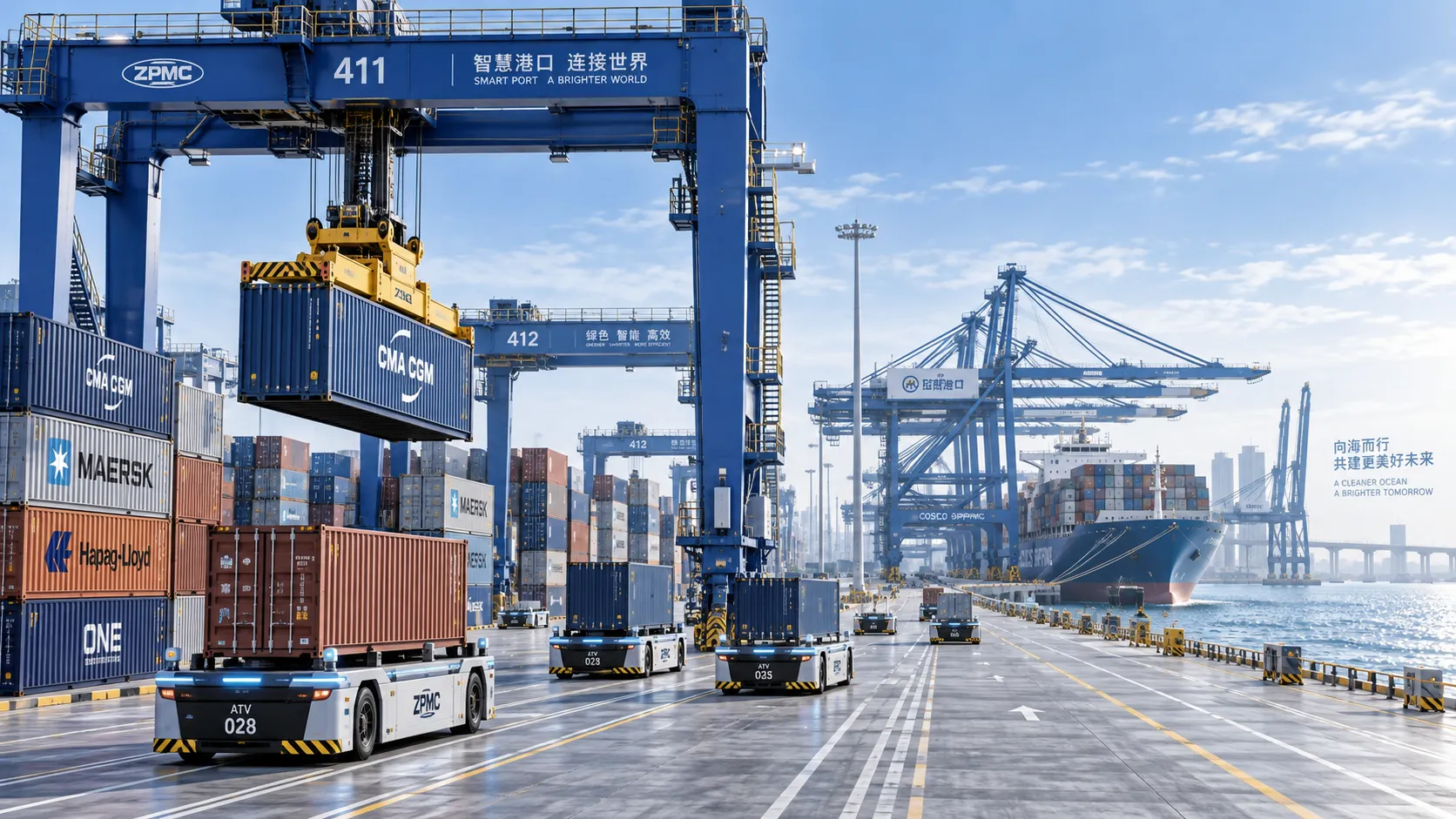
Terminal Automation Technologies That Raise Container Throughput Without Yard Disruption
Terminal automation technology that increases container throughput without disrupting yard flow. Explore smarter integration, resilient workflows, and phased deployment strategies.

Middle East Port Automation: Key Market Drivers, Projects, and Investment Risks
Port automation systems Middle East: explore market drivers, flagship projects, integration challenges, and investment risks shaping smarter, resilient terminals.
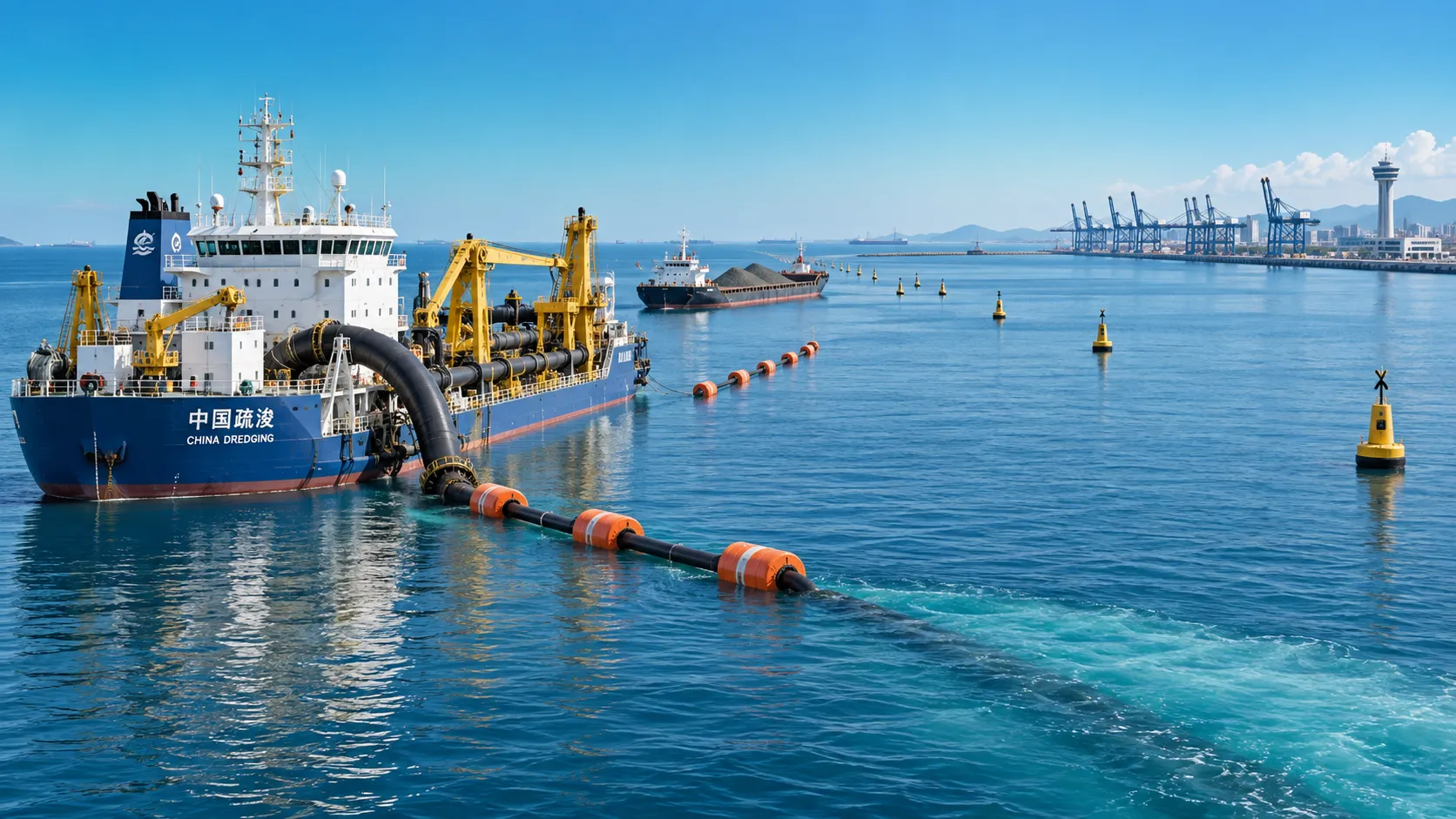
Planning Offshore Dredging Operations: Key Risks, Methods, and Project Controls
Offshore dredging operations demand smart planning. Explore key risks, proven methods, environmental controls, and project strategies for reliable delivery.