
Related News
- 00
0000-00
How Can Port Equipment Lead-Time Risk Be Managed? - 00
0000-00
Maritime Logistics Operations: How Ports Can Reduce Container Dwell Time - 00
0000-00
What Does Logistics Node Monitoring Cost Across Warehouses and Transport Hubs? - 00
0000-00
How Can IoT Smart Port Solutions Improve Container Tracking and Yard Efficiency? - 00
0000-00
How Real-Time Port Logistics Intelligence Improves Container Yard Efficiency
Dust Control Bulk Cargo Handling Systems: What Drives Total Ownership Cost?
Dust Control Bulk Cargo Handling Systems: What Drives Total Ownership Cost?
For procurement and evaluation teams, dust control bulk cargo handling systems are no longer judged by purchase price alone.
The real question is what the system will cost over ten or fifteen years of terminal service.
That is where total ownership cost becomes more useful than headline capex.
In bulk ports, a dust control bulk cargo handling system affects uptime, energy demand, maintenance labor, environmental compliance, and operating flexibility.
A lower-priced system can become expensive fast if it consumes more power, wears out liners early, or struggles under variable cargo conditions.
A stronger system often costs more upfront, yet protects throughput and reduces hidden losses across the asset life cycle.
This matters even more as terminals handle stricter air quality targets and pressure for stable export and import performance.
From recent market shifts, the clearest signal is simple: buyers now compare long-term operating economics, not only equipment quotations.
Why Total Ownership Cost Has Become the Main Buying Lens
Dust emissions in coal, ore, clinker, sulfur, grain, and fertilizer handling create more than a housekeeping problem.
They directly influence permit exposure, worker safety, community relations, and cargo loss.
Because of that, dust control bulk cargo handling systems now sit close to core production economics.
The old logic treated suppression and extraction as support equipment.
The current logic treats them as performance-critical infrastructure.
This shift changes how ownership cost should be modeled.
- Downtime during failures can cost far more than replacement parts.
- Poor containment may trigger fines, claims, or shipment disruption.
- Weak integration with conveyors or transfer towers can reduce throughput.
- Higher energy draw compounds quickly in round-the-clock operations.
In practical buying decisions, total ownership cost works best when linked to operating scenarios, not generic averages.
A coastal import terminal handling seasonal fertilizers needs a different dust control bulk cargo handling system than a high-volume iron ore export hub.
The Biggest Cost Drivers Behind Dust Control Bulk Cargo Handling Systems
1. Energy Consumption
Fans, filters, compressors, pumps, atomizing units, and control packages all add to electricity demand.
The difference between an efficient and inefficient system becomes visible within the first operating year.
Look beyond installed power.
Check control logic, variable speed operation, pressure drop, and part-load efficiency.
Some dust control bulk cargo handling systems appear efficient in datasheets, but perform poorly under unstable loading conditions.
2. Wear Life and Consumables
Transfer points face abrasion, corrosion, and impact from high-tonnage material flow.
That affects skirting, liners, nozzles, ducting, seals, filter media, and valves.
When replacement intervals are short, ownership cost rises through parts, labor, and stoppages.
This is especially relevant in dust control bulk cargo handling systems serving abrasive ores and dry aggregates.
3. Maintenance Access and Service Frequency
Maintenance cost is not just the maintenance plan.
It is also how hard the equipment is to inspect, clean, isolate, and restart.
Compact layouts can look attractive during procurement, yet create expensive service bottlenecks later.
In real operations, poor access often leads to deferred maintenance and unstable dust capture performance.
4. Compliance and Environmental Risk
A dust control bulk cargo handling system that misses emission targets carries a cost beyond repair work.
It can lead to permit restrictions, public complaints, delayed expansion approval, or forced retrofits.
That makes proven performance under actual cargo conditions a major commercial factor.
5. Automation Compatibility
Many terminals now want smarter monitoring, not manual checks alone.
Dust control bulk cargo handling systems should connect with SCADA, condition monitoring, and terminal control layers.
If integration is weak, the system may work mechanically but remain costly to optimize.
How Different System Designs Change Long-Term Cost
Not all dust control bulk cargo handling systems solve the problem in the same way.
The design route shapes both performance and life-cycle cost.
In many ports, hybrid dust control bulk cargo handling systems deliver the best long-term value.
They cost more to engineer, but often reduce performance gaps between seasons, cargo types, and loading rates.
What Procurement Teams Should Compare Before Shortlisting
The most useful comparison model is not a simple equipment checklist.
It is a structured cost and risk review tied to terminal duty.
- Map actual cargo characteristics, including moisture, particle size, abrasiveness, and seasonal variability.
- Define duty cycles, annual tonnage, peak loading rates, and expected expansion plans.
- Ask suppliers for energy models under real operating loads, not ideal test conditions.
- Review wear parts lists, replacement frequency, and local spare parts availability.
- Examine access for inspection, lockout, nozzle cleaning, and filter change procedures.
- Check integration readiness with controls, alarms, sensors, and reporting systems.
- Request evidence from comparable bulk terminals, not only generic references.
This approach usually exposes where two similar proposals are not truly comparable.
One dust control bulk cargo handling system may be cheaper because service scope, controls, or wear protection were minimized.
That gap tends to reappear later as higher operating cost.
Common Cost Mistakes That Distort the Business Case
Several buying mistakes repeatedly weaken investment decisions for dust control bulk cargo handling systems.
- Using only capex per transfer point as the decision metric.
- Ignoring shutdown cost during planned and unplanned maintenance.
- Assuming one cargo test result represents all future materials.
- Underestimating water quality, compressed air quality, or climate effects.
- Treating controls and monitoring as optional extras instead of cost reducers.
- Accepting performance claims without site-specific reference evidence.
A sound evaluation should also price the cost of inconsistent dust performance.
That includes cleanup labor, lost handling speed, visible plume events, and complaint management.
These items rarely appear in vendor quotations, but they shape real ownership cost.
A Practical Way to Build the Right Cost Model
A useful ownership model for dust control bulk cargo handling systems should run across the planned asset life.
In most cases, that means at least ten years.
Include these cost blocks:
- Initial equipment and installation cost
- Commissioning and control integration cost
- Annual energy and utility consumption
- Consumables and wear parts
- Planned maintenance labor
- Expected downtime exposure
- Compliance and retrofit contingency
- Residual value or upgrade potential
When these categories are compared side by side, the stronger option often becomes clearer.
The best dust control bulk cargo handling systems usually win through steadier operation, not through the lowest purchase price.
That is the key commercial takeaway.
For terminals planning future-ready upgrades, the smarter decision is to select dust control bulk cargo handling systems that match cargo reality, maintenance capability, and automation strategy from day one.
Related News
Smart Port Systems in Southeast Asia: Investment Priorities and Adoption Barriers
Smart port systems Southeast Asia: discover investment priorities, adoption barriers, and practical steps to build resilient, connected, high-performing terminals.
How to Evaluate Terminal Efficiency Solution Suppliers for High-Throughput Operations
Choose a terminal efficiency solutions supplier with confidence. Explore proven criteria for throughput, integration, lifecycle cost, safety, and reliable delivery.
How to Specify a Quay Crane for Container Terminals by Vessel Size and Throughput?
Quay crane for container terminals: learn how to match outreach, lift height, capacity, automation, and cycle performance to vessel size and throughput goals.
What Dredging Equipment Is Needed for Channel Deepening?
What dredging equipment is needed for channel deepening? Explore dredgers, pipelines, survey tools, and planning strategies for safer, more efficient port access.
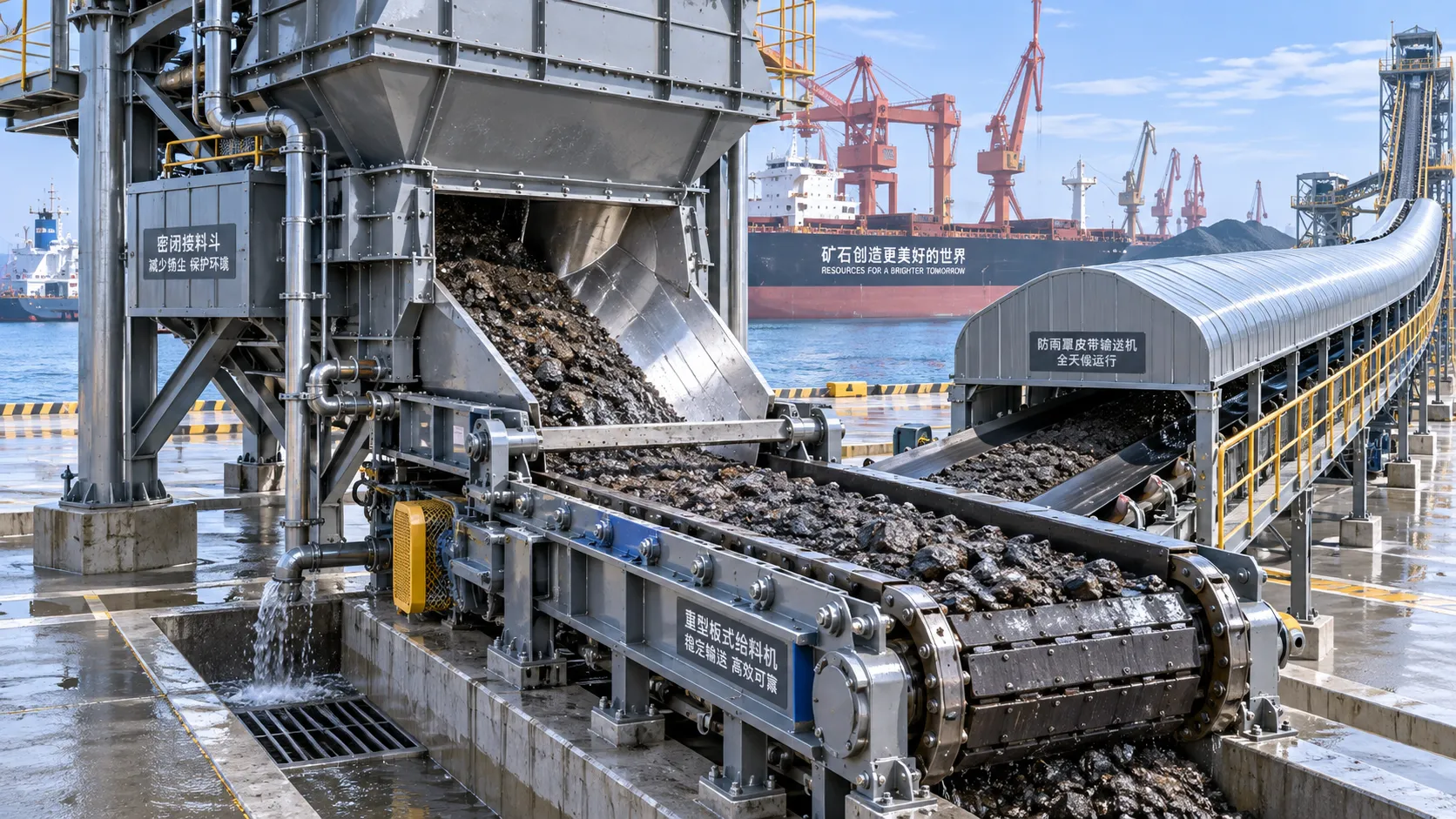
Which Bulk Handling Equipment Suits High-Moisture Cargo?
Which bulk handling equipment suits high-moisture cargo? Compare belt, apron, screw, drag, and slurry systems for reliable flow, less carryback, and higher terminal uptime.
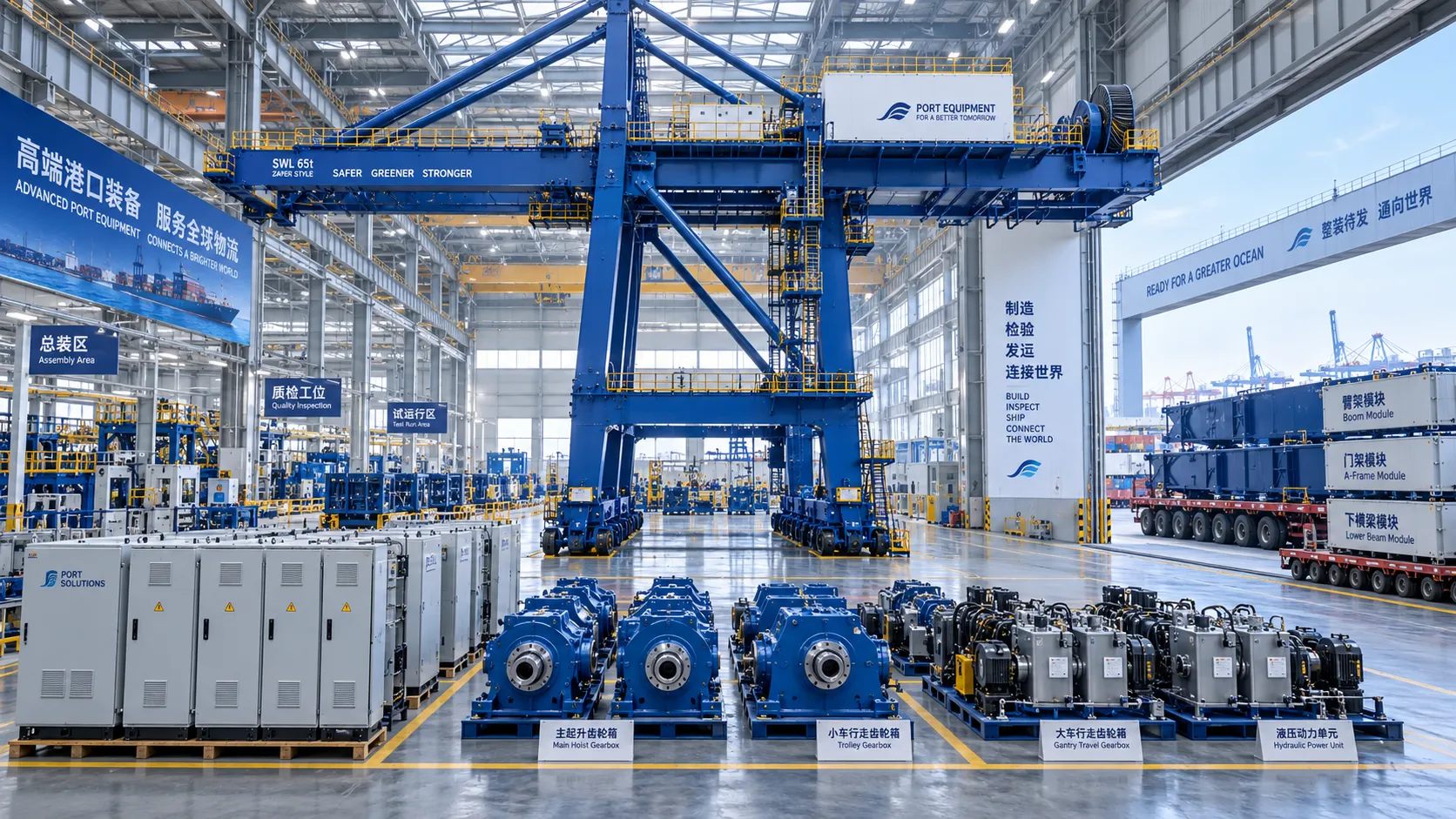
How Can Port Equipment Lead-Time Risk Be Managed?
How can port equipment lead-time risk be managed? Explore practical strategies to control critical paths, suppliers, transport, site readiness, and commissioning delays.
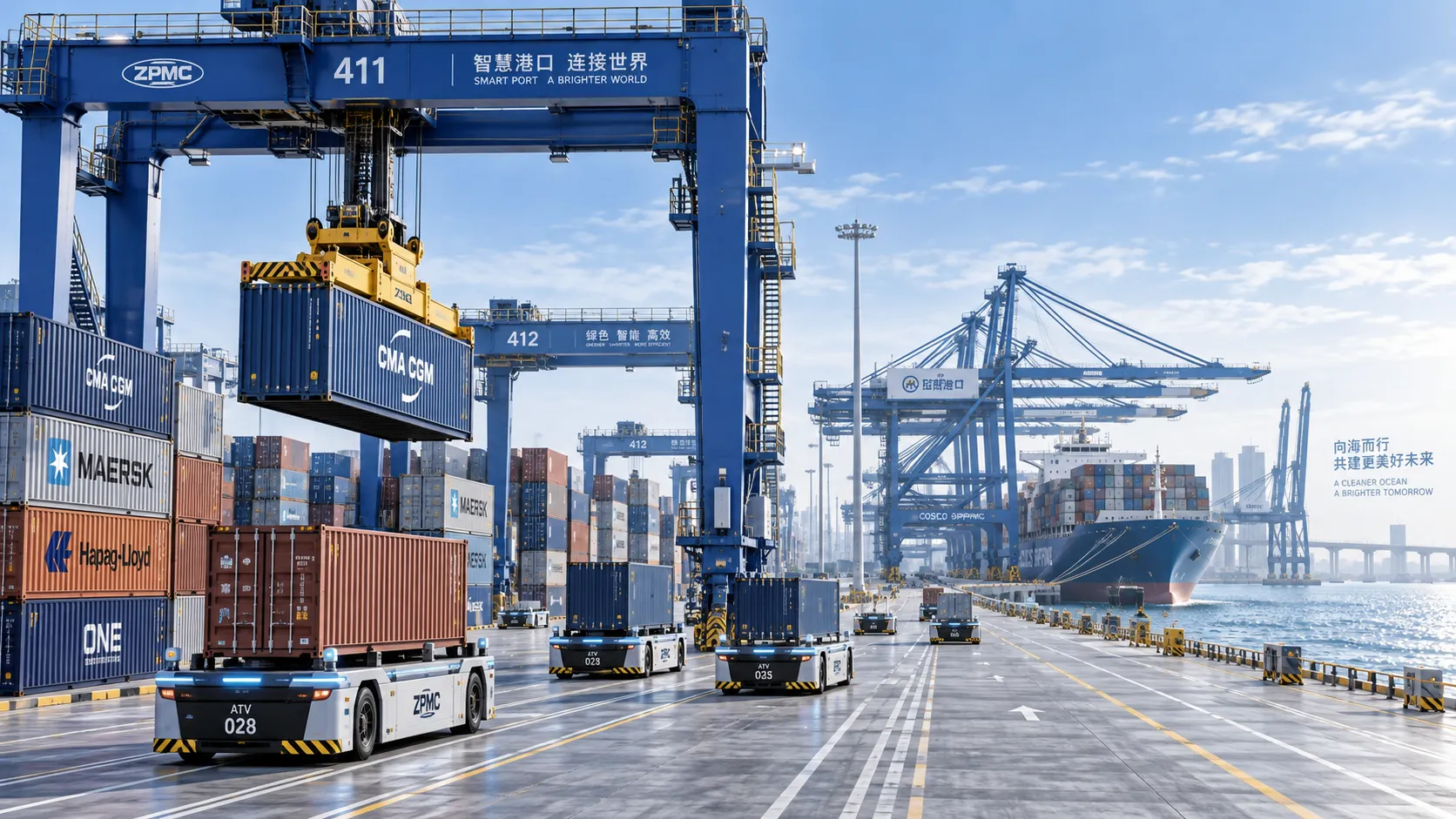
Terminal Automation Technologies That Raise Container Throughput Without Yard Disruption
Terminal automation technology that increases container throughput without disrupting yard flow. Explore smarter integration, resilient workflows, and phased deployment strategies.
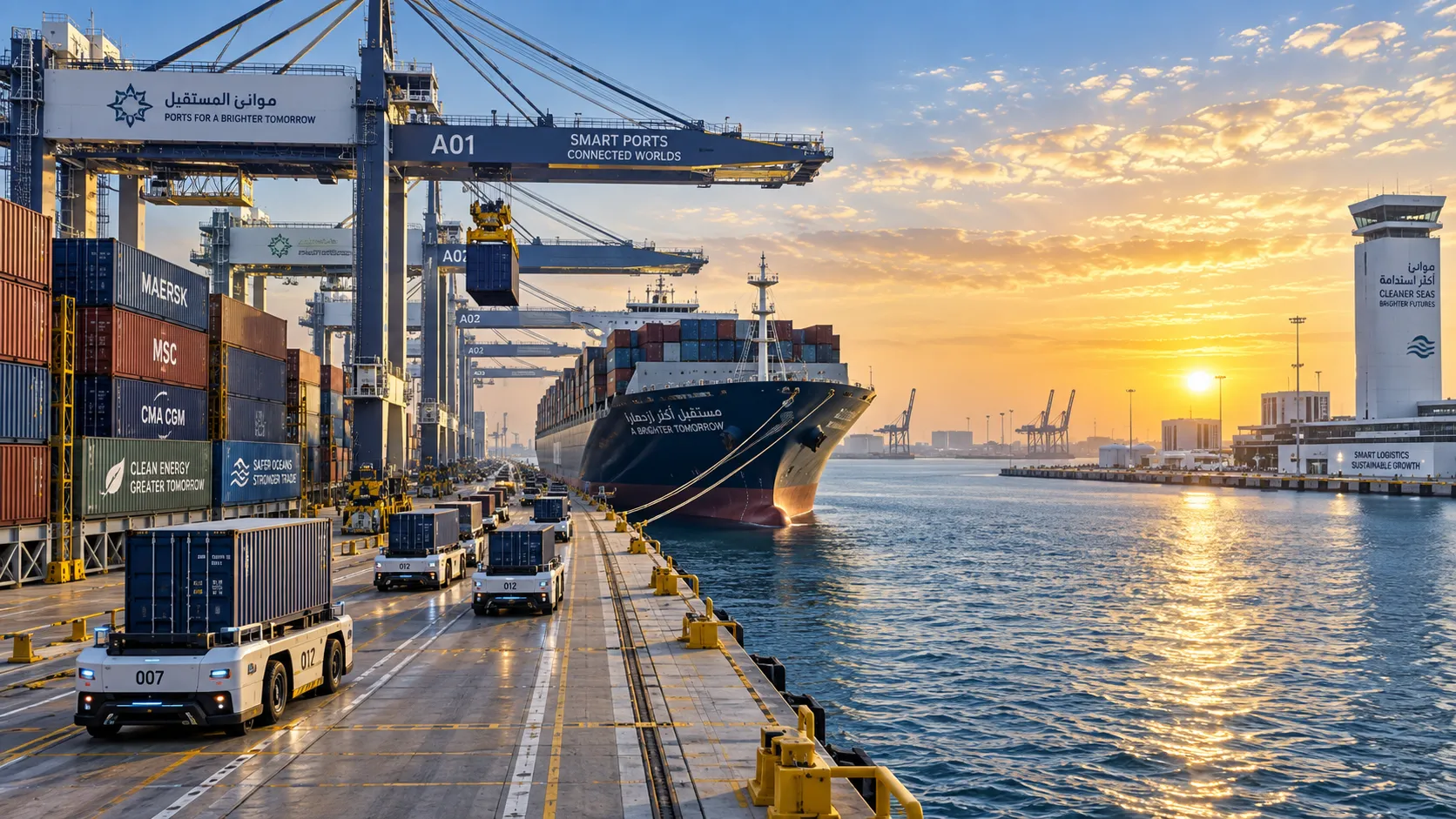
Middle East Port Automation: Key Market Drivers, Projects, and Investment Risks
Port automation systems Middle East: explore market drivers, flagship projects, integration challenges, and investment risks shaping smarter, resilient terminals.
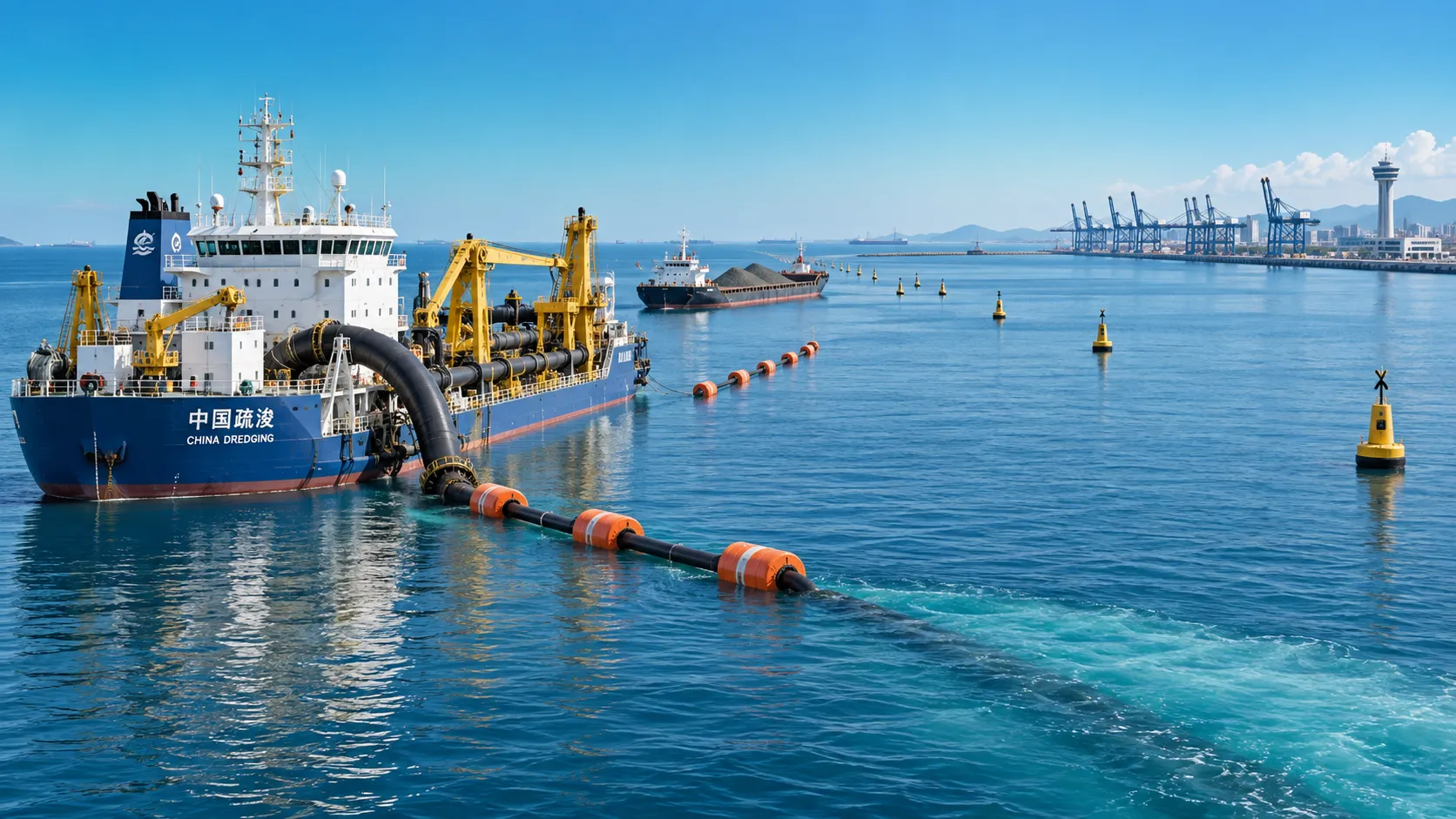
Planning Offshore Dredging Operations: Key Risks, Methods, and Project Controls
Offshore dredging operations demand smart planning. Explore key risks, proven methods, environmental controls, and project strategies for reliable delivery.