Related News
- 00
0000-00
How to Specify a Quay Crane for Container Terminals by Vessel Size and Throughput? - 00
0000-00
Which Bulk Handling Equipment Suits High-Moisture Cargo? - 00
0000-00
Terminal Automation Technologies That Raise Container Throughput Without Yard Disruption - 00
0000-00
Planning Offshore Dredging Operations: Key Risks, Methods, and Project Controls - 00
0000-00
Where Do Automated Guided Vehicles Deliver the Fastest Warehouse Gains in the Middle East?
How to Choose a Terminal Automation Systems Integrator for Port Upgrades
Choosing a terminal automation systems integrator for port upgrades is rarely a simple vendor comparison. The decision shapes crane coordination, yard flow, data visibility, safety logic, and the pace of future expansion. A capable partner does more than connect software to machines. It aligns operational logic, equipment behavior, and commercial priorities across a working terminal.
That matters more now because port upgrades are happening under tighter throughput targets, labor constraints, decarbonization pressure, and higher expectations for resilience. In this environment, a terminal automation systems integrator sits at the point where heavy equipment, control architecture, and real operating conditions meet. Getting that choice right can improve berth productivity. Getting it wrong can lock a terminal into years of instability.
Why the integrator matters more than the software label
Many upgrade programs begin with interest in a terminal operating system, automated stacking cranes, AGVs, remote-control stations, or energy optimization tools. Yet the core performance issue often lies between those assets, not inside any single product.
A terminal automation systems integrator is responsible for making subsystems behave as one coordinated environment. That includes PLC layers, supervisory controls, TOS interfaces, positioning systems, traffic management, safety interlocks, and exception handling.
In modern ports, these connections have become more complex. A delay in one interface can ripple into vessel windows, truck turn times, reefer handling, and maintenance planning. This is why integration depth deserves at least as much scrutiny as feature lists.
What should be evaluated at the start
The first step is to define the upgrade boundary with precision. Some projects automate only yard transport. Others include quay cranes, gate systems, substations, or digital dredging support tied to berth access and channel availability.
Without that boundary, it becomes difficult to judge whether a terminal automation systems integrator truly has the right experience. A supplier that performs well in greenfield yard automation may not be equally strong in brownfield retrofits with legacy crane controls.
The most useful early questions usually cover:
- Which assets will be automated, supervised, or only monitored?
- Which interfaces are already fixed by existing infrastructure?
- Where are the current operational bottlenecks?
- What expansion phases are likely within three to seven years?
- What downtime window is operationally acceptable during cutover?
These answers frame the technical context better than broad statements about modernization.
Integration capability should be proven in real operating conditions
A strong terminal automation systems integrator should be able to describe how it handles live port complexity. That means mixed fleets, weather disruption, manual overrides, degraded communications, and staggered migration from old systems.
Reference projects matter, but they need to be comparable. A highly automated transshipment hub and a regional gateway terminal can face very different constraints. Look for evidence that the integrator has worked with similar cargo profiles, yard densities, labor models, and berth configurations.
It is also worth asking how much of the delivered result depended on third-party specialists. Some firms lead architecture but outsource interface engineering. Others own the controls stack but rely on external scheduling logic providers. Neither model is automatically weak, but ownership lines must be clear.
Signals that deserve closer attention
Architecture quality often predicts long-term value
A port upgrade should not create a rigid technical island. The better terminal automation systems integrator builds for modularity, observability, and future adaptation.
This includes support for open or well-documented interfaces, manageable cybersecurity boundaries, and a data model that can feed analytics, energy reporting, and maintenance systems. As PS-Nexus often highlights in its coverage of port automation and control systems, the real strength of an automated terminal lies in the quality of orchestration between assets.
Architecture review should examine more than diagrams. It should test response to practical questions. How are conflicts resolved between yard planning and equipment dispatching? What happens if low-latency communication degrades? How are software updates isolated from live operations? Where is event history stored for diagnostics?
Good answers show engineering maturity. Generic answers usually indicate a sales narrative, not a delivery model.
Look beyond commissioning to operational sustainability
Ports do not benefit from integration that peaks at handover and then becomes difficult to maintain. The terminal automation systems integrator should show how the system will be supported over time, especially when equipment fleets change or operating rules evolve.
This is particularly important in regions where terminals are adding remote-control capabilities, electric equipment, or expanded yard capacity in stages. The original integration choices can either simplify those steps or make every future change expensive.
Useful points to assess include:
- Change management procedures for software and controls logic
- Access to logs, diagnostics, and performance data
- Documentation quality at interface and configuration level
- Training for local troubleshooting and recovery actions
- Cybersecurity patching and vendor coordination rules
These issues often determine whether the automation environment remains resilient after the project team leaves site.
Business context still matters in a technical decision
Even a technically solid terminal automation systems integrator can be a weak fit if the commercial model conflicts with the terminal’s operating reality. Upgrade programs run for years. Contract structure, performance obligations, and scope discipline all affect outcomes.
A practical evaluation should connect technical promises to measurable acceptance criteria. Throughput claims, equipment utilization gains, and safety improvements need a verification method. If a proposal depends on assumptions about labor availability, radio coverage, or container mix, those assumptions should be visible.
This is where intelligence-led review becomes valuable. Platforms such as PS-Nexus track broader patterns in heavy terminal gear, AGV routing logic, and low-latency communications. That perspective helps separate one-off claims from industry-tested capability.
Questions that sharpen final comparison
Before selection, the shortlist should be tested with scenario-based discussions rather than polished presentations. The most revealing conversations usually involve failure modes, unusual traffic peaks, and phased expansion constraints.
- How will the terminal automation systems integrator handle mixed automated and manual operations during transition?
- Which subsystem failures can be isolated without stopping the full yard?
- How are remote-control latency thresholds managed and monitored?
- What data can be exported for planning, maintenance, and carbon reporting?
- What is the method for adding new equipment brands later?
A practical way to move forward
The strongest choice usually emerges from a structured comparison between operating needs and proven integration behavior. Start with the port’s actual constraints, not the supplier’s preferred narrative. Map every key interface. Define the cutover risk. Test maintainability as seriously as commissioning.
A terminal automation systems integrator should be judged by how well it connects machinery, logic, and future adaptability under live terminal conditions. When that standard is clear, upgrade decisions become less about brand reputation and more about operational fit. The next step is to turn those criteria into a weighted review matrix and challenge each bidder against the same real-world scenarios.
Related News
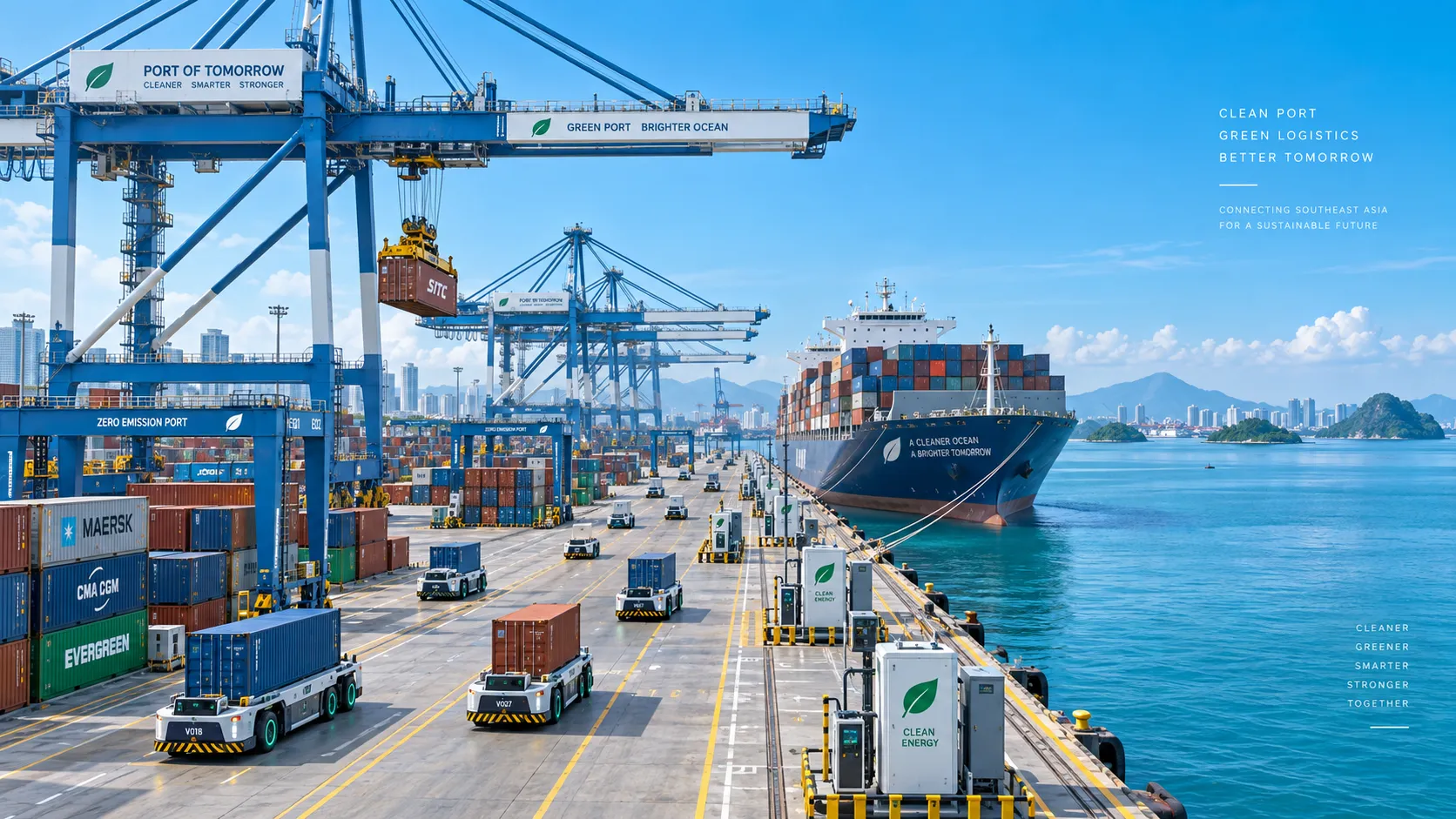
Smart Port Systems in Southeast Asia: Investment Priorities and Adoption Barriers
Smart port systems Southeast Asia: discover investment priorities, adoption barriers, and practical steps to build resilient, connected, high-performing terminals.

How to Evaluate Terminal Efficiency Solution Suppliers for High-Throughput Operations
Choose a terminal efficiency solutions supplier with confidence. Explore proven criteria for throughput, integration, lifecycle cost, safety, and reliable delivery.
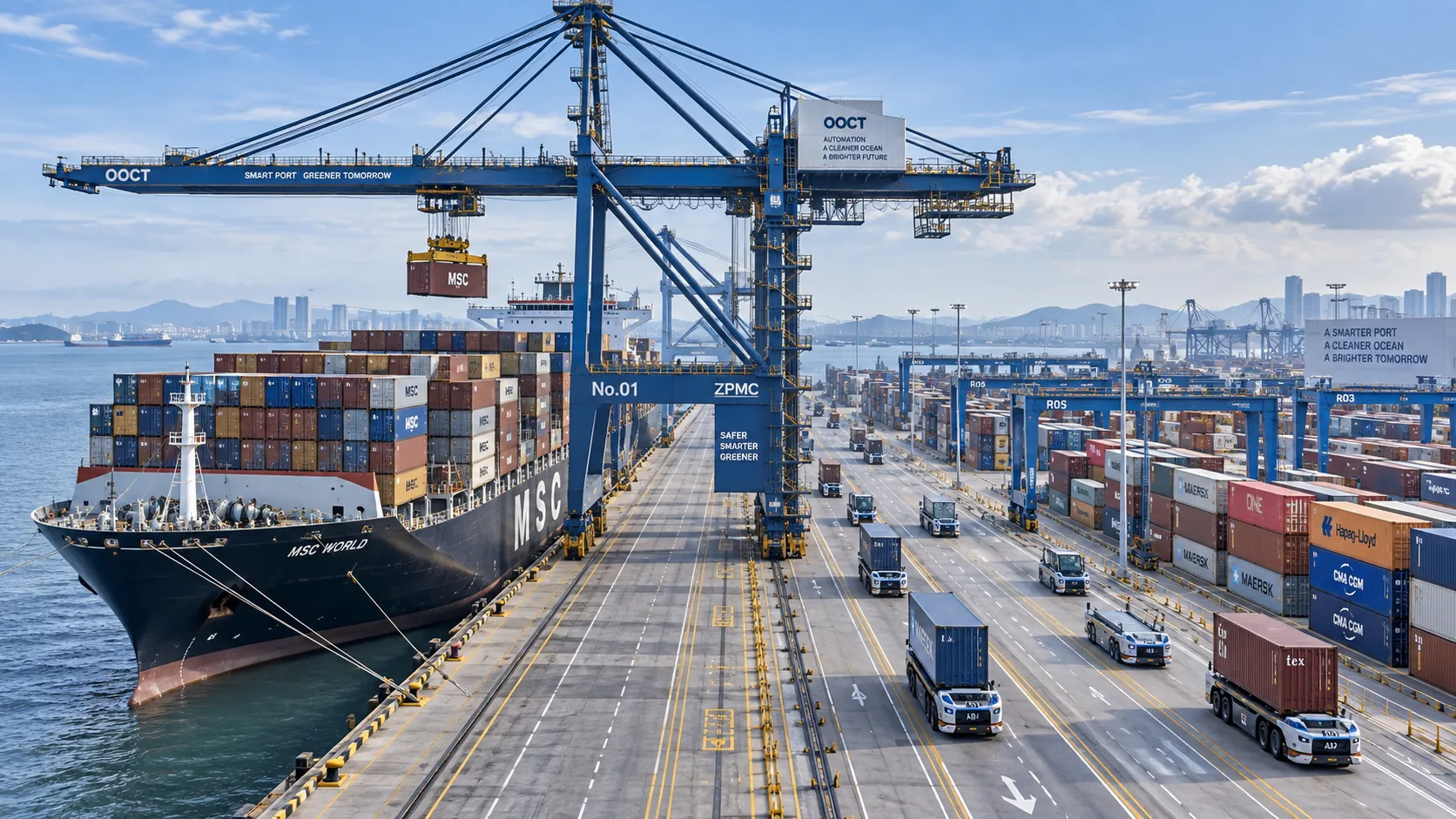
How to Specify a Quay Crane for Container Terminals by Vessel Size and Throughput?
Quay crane for container terminals: learn how to match outreach, lift height, capacity, automation, and cycle performance to vessel size and throughput goals.
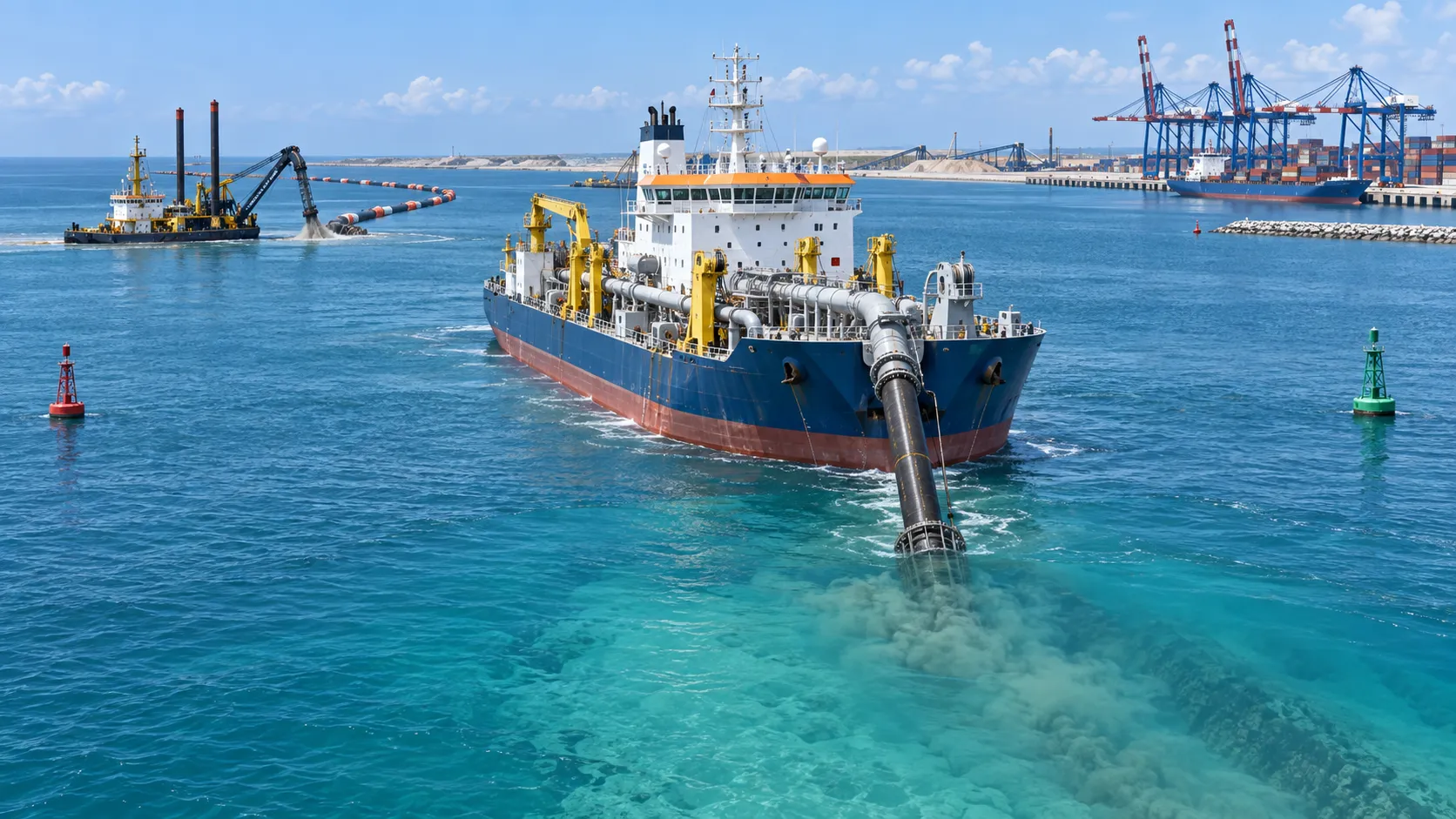
What Dredging Equipment Is Needed for Channel Deepening?
What dredging equipment is needed for channel deepening? Explore dredgers, pipelines, survey tools, and planning strategies for safer, more efficient port access.
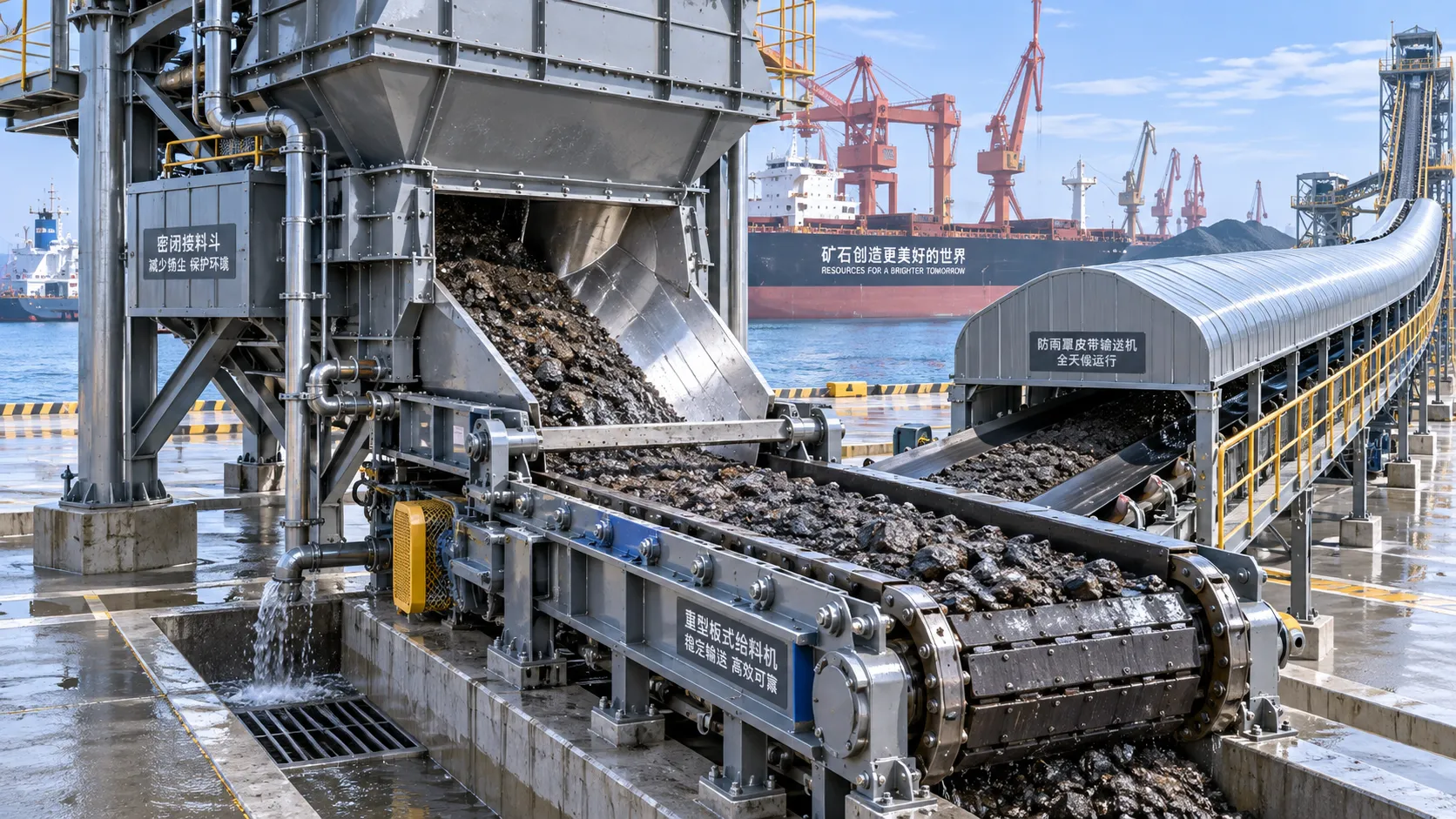
Which Bulk Handling Equipment Suits High-Moisture Cargo?
Which bulk handling equipment suits high-moisture cargo? Compare belt, apron, screw, drag, and slurry systems for reliable flow, less carryback, and higher terminal uptime.
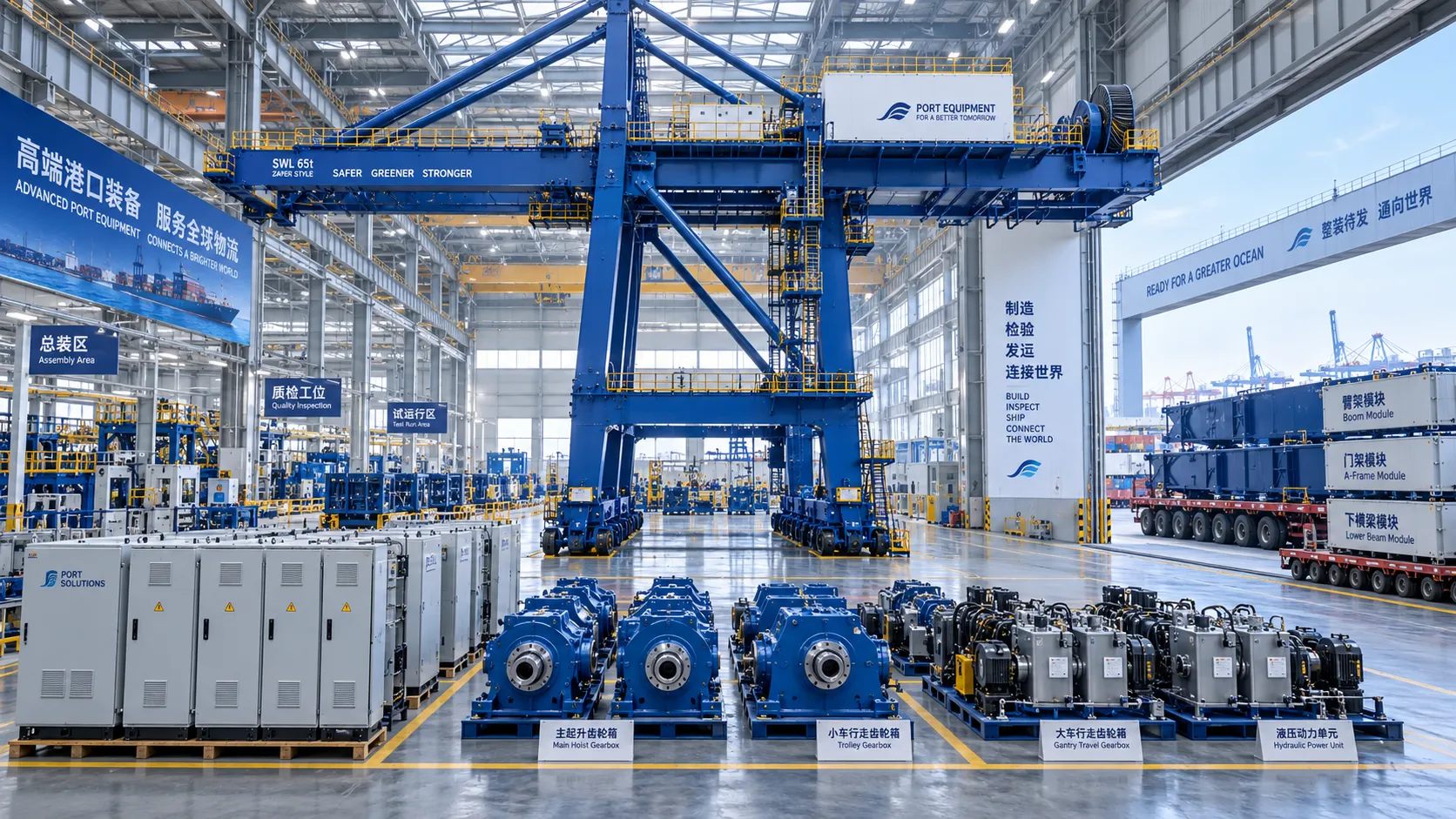
How Can Port Equipment Lead-Time Risk Be Managed?
How can port equipment lead-time risk be managed? Explore practical strategies to control critical paths, suppliers, transport, site readiness, and commissioning delays.
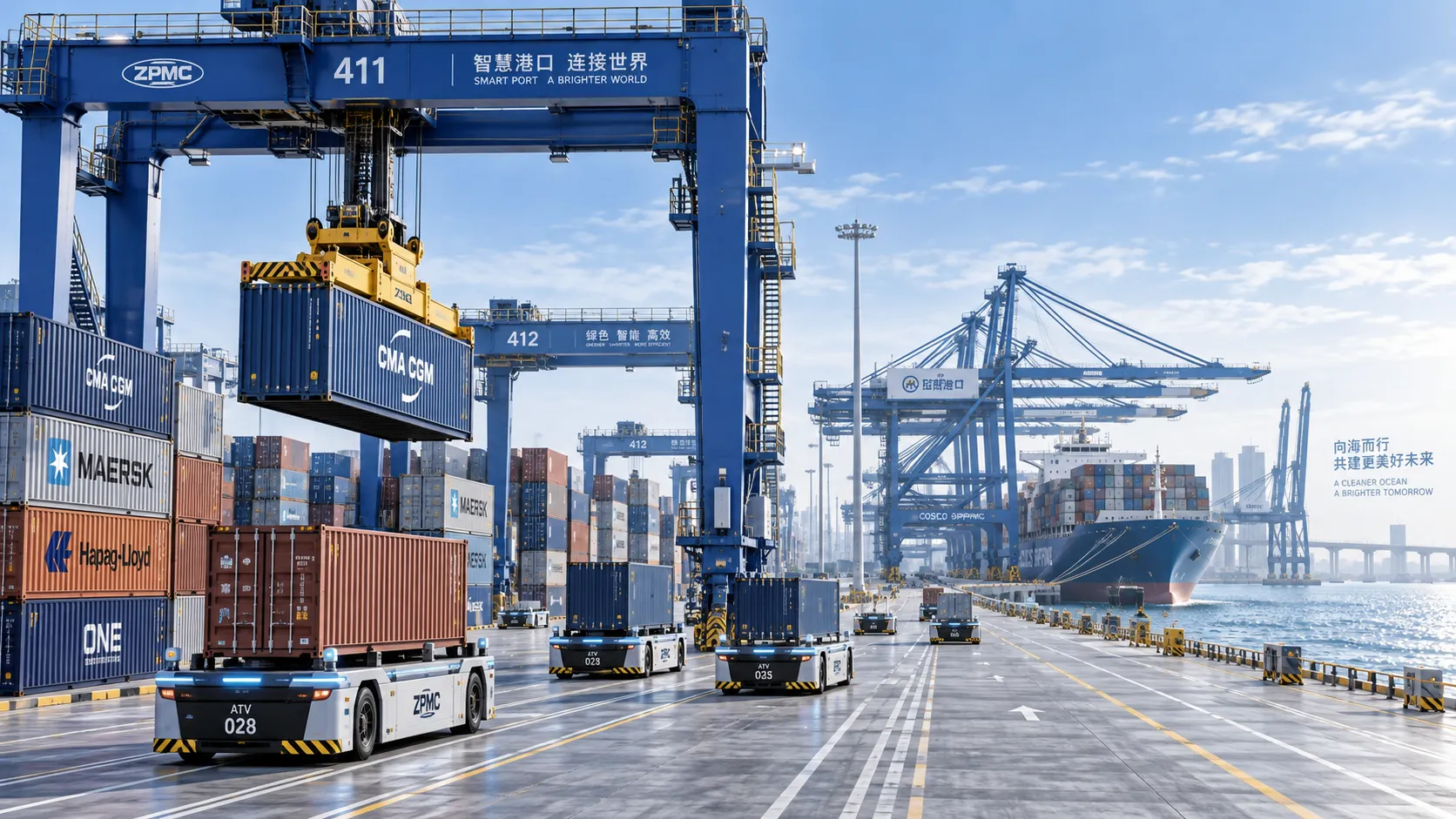
Terminal Automation Technologies That Raise Container Throughput Without Yard Disruption
Terminal automation technology that increases container throughput without disrupting yard flow. Explore smarter integration, resilient workflows, and phased deployment strategies.
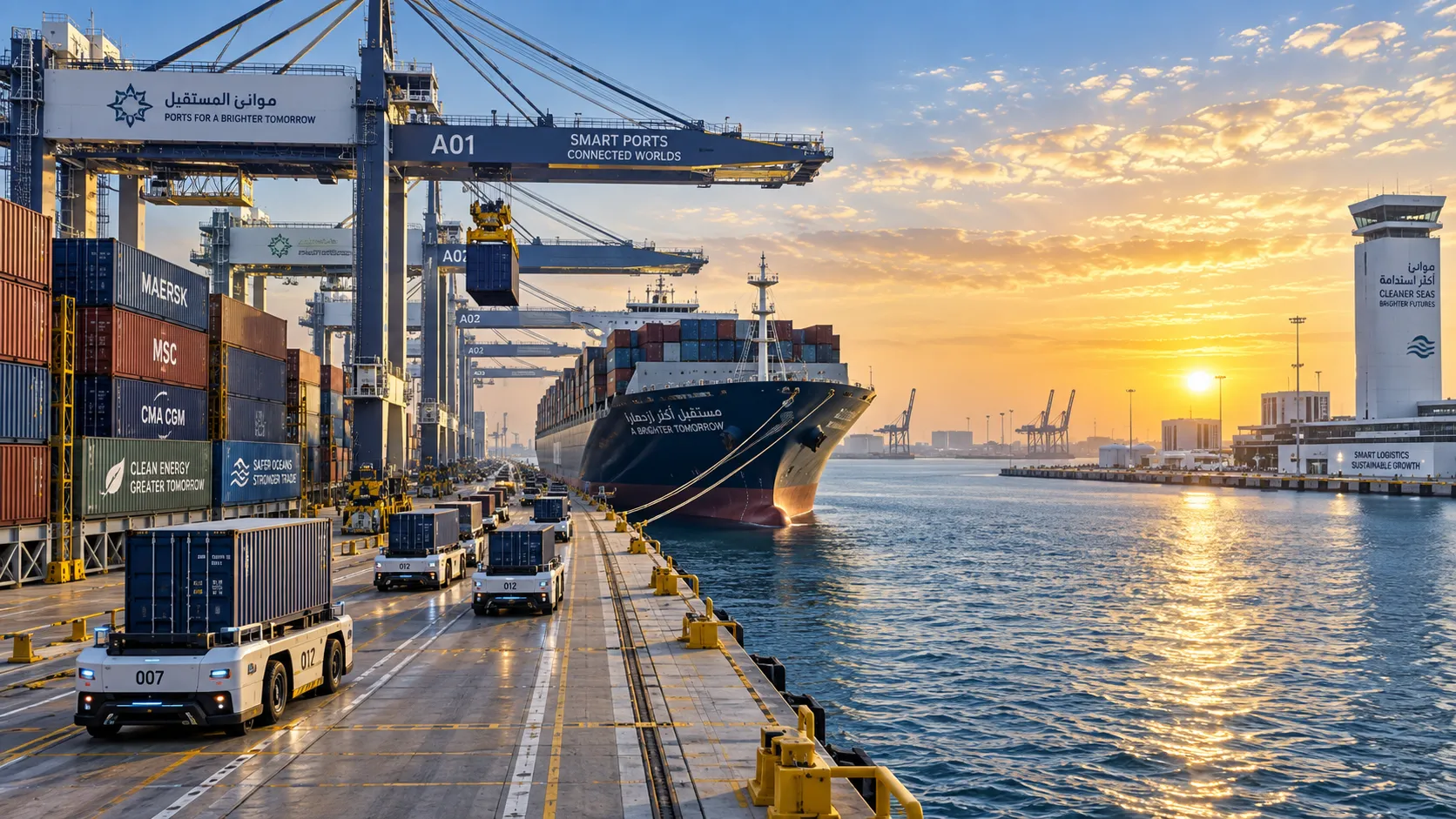
Middle East Port Automation: Key Market Drivers, Projects, and Investment Risks
Port automation systems Middle East: explore market drivers, flagship projects, integration challenges, and investment risks shaping smarter, resilient terminals.
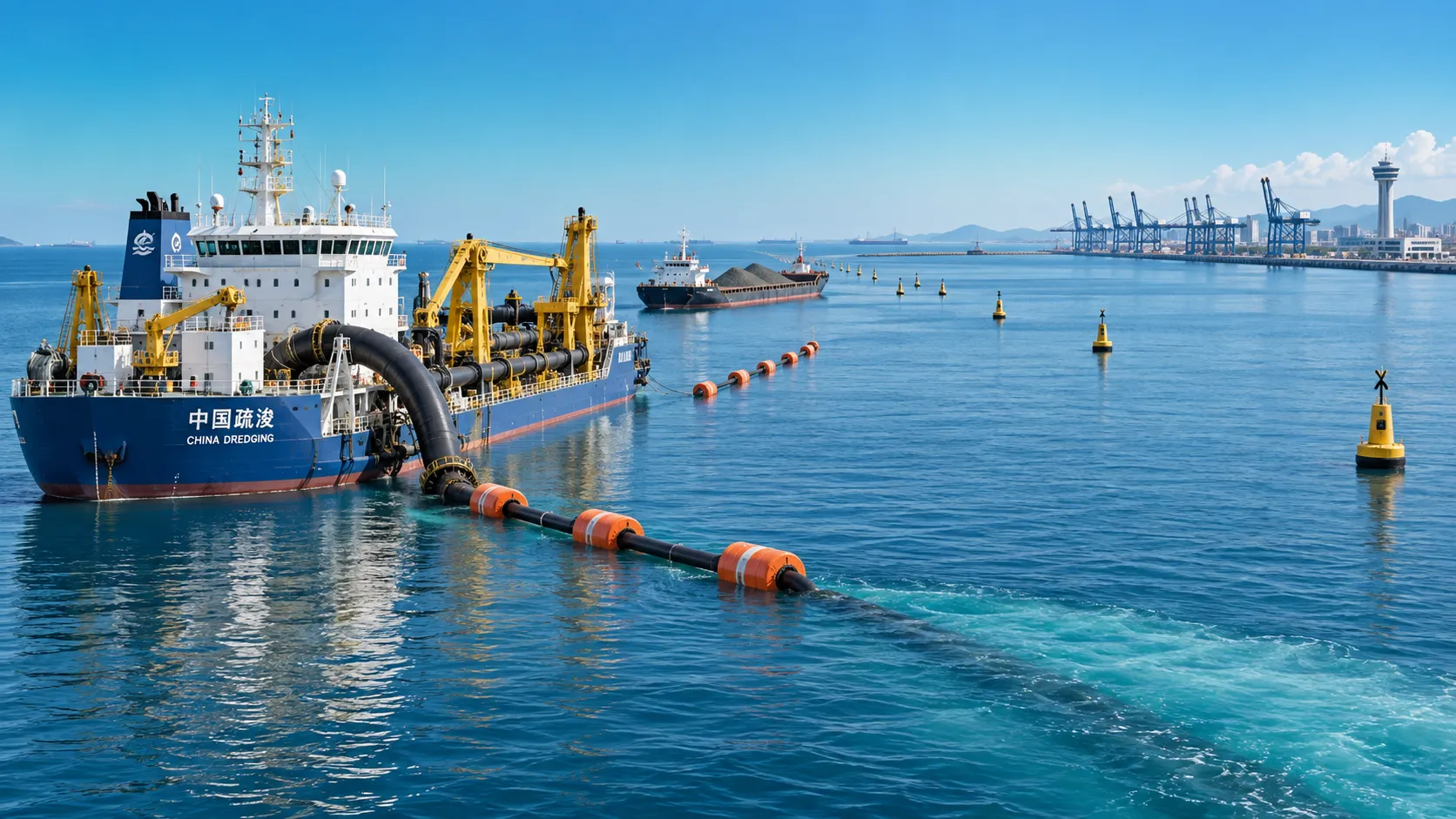
Planning Offshore Dredging Operations: Key Risks, Methods, and Project Controls
Offshore dredging operations demand smart planning. Explore key risks, proven methods, environmental controls, and project strategies for reliable delivery.