Related News
- 00
0000-00
How to Specify a Quay Crane for Container Terminals by Vessel Size and Throughput? - 00
0000-00
Which Bulk Handling Equipment Suits High-Moisture Cargo? - 00
0000-00
Terminal Automation Technologies That Raise Container Throughput Without Yard Disruption - 00
0000-00
Planning Offshore Dredging Operations: Key Risks, Methods, and Project Controls - 00
0000-00
Where Do Automated Guided Vehicles Deliver the Fastest Warehouse Gains in the Middle East?
Resilient Coastal Infrastructure Standards: What to Check for Flood and Storm Protection
Why does resilient coastal infrastructure matter more than ever?
Flood and storm exposure is no longer a rare design case for ports, terminals, seawalls, and logistics shorelines.
For many operators, resilient coastal infrastructure now decides whether assets stay serviceable after surge, wave impact, salt intrusion, and power disruption.
That matters well beyond civil works.
When apron slabs settle, drainage backs up, or crane rails lose alignment, the result is not only repair cost.
It also affects cargo flow, safety margins, insurance posture, and contract performance across the supply chain.
In practical terms, resilient coastal infrastructure means a system can absorb water, wind, corrosion, and impact without losing critical function too quickly.
That system includes structural members, drainage paths, backup power, access routes, controls, and inspection routines.
PS-Nexus tracks this issue closely because maritime logistics depends on more than equipment capacity.
Heavy terminal gear, automated handling, and dredging engineering all rely on coastal assets that remain stable during severe weather windows.
So the central question is not whether a site meets one code citation.
The better question is whether the full asset base meets resilient coastal infrastructure expectations under realistic flood and storm conditions.
What standards should you actually check first?
Many teams start with local building codes, but coastal resilience usually sits across several technical layers.
A useful review begins with hazard definitions, then moves to structural design, durability, drainage, and operational continuity.
The exact references vary by country, yet several standard families appear repeatedly in serious projects.
Common references include ISO frameworks, PIANC guidance, national coastal engineering manuals, concrete durability standards, and flood design requirements from local authorities.
For port-facing assets, it is also worth checking marine geotechnical guidance, rail tolerance standards, and electrical enclosure ratings.
A resilient coastal infrastructure review becomes stronger when these documents are compared, not read in isolation.
Which inspection points reveal whether protection is real or just claimed?
This is where many audits become useful.
A design report may say the site is protected, yet field conditions often show drainage shortcuts, coating damage, settlement, or unprotected cable routes.
More reliable checks focus on physical evidence and measurable thresholds.
- Confirm crest elevations against current flood and surge data, not only original drawings.
- Inspect joints, penetrations, and utility crossings where water commonly enters first.
- Review scour exposure near revetments, piles, toe protection, and dredged edges.
- Check whether pumps and outfalls remain functional during high tide and debris loading.
- Verify corrosion control on steel, reinforcement, fasteners, and cable trays in splash zones.
- Measure settlement, cracking, and rail misalignment on berths and terminal pavements.
- Confirm backup systems are elevated, tested, and reachable during inundation.
In actual coastal operations, minor drainage defects can disable larger assets.
That is especially true where automated yard systems, sensor networks, and remote crane controls depend on dry, stable electrical rooms.
Resilient coastal infrastructure should therefore be checked as an integrated operating platform, not only a concrete or steel package.
Are ports, terminals, and dredging sites evaluated differently?
Yes, and the differences matter.
The resilience target for a container terminal is not identical to that of a breakwater, dredging support base, or bulk transfer corridor.
The core hazard may be similar, but failure modes change with operations.
Container terminals often prioritize pavement integrity, rail geometry, electrical continuity, and recovery speed after flooding.
Bulk handling zones may focus more on conveyor supports, dust control systems, transfer towers, and washdown drainage.
Dredging support areas tend to depend on berth edge stability, sediment management, pump reliability, and maintenance access under rough conditions.
This is one reason PS-Nexus often frames coastal resilience alongside equipment intelligence.
A quay crane can meet performance targets on paper, but that means little if substation flooding stops the yard or if scour undermines the working edge.
A good standard review asks one practical question.
Which assets must remain online, which may fail safely, and how quickly must the site recover?
That recovery requirement often separates basic compliance from truly resilient coastal infrastructure.
Where do teams misjudge risk when checking resilient coastal infrastructure?
The most common mistake is treating flood protection as a wall-height question.
In reality, storm loss usually comes from a chain of smaller failures.
Backflow enters through drains.
Saltwater reaches switchgear.
Pavement softens.
Access roads become impassable.
Inspection teams cannot mobilize quickly enough.
Another blind spot is outdated design basis.
Older facilities may have been built for water levels, wind maps, and corrosion assumptions that no longer reflect current exposure.
There is also a tendency to separate structural and digital resilience.
That gap becomes serious in automated terminals, where low-latency control, AGV routing, and pump monitoring depend on protected communications and power quality.
A shorter checklist can help surface these hidden issues.
If a site has never been reviewed through this broader lens, the label resilient coastal infrastructure may be overstated.
How do you balance compliance, cost, and implementation timing?
Not every resilience upgrade needs a major rebuild.
A sensible program usually separates urgent controls from capital works.
Short-term actions may include drain cleaning, flap valve replacement, sensor relocation, temporary barriers, coating repairs, and emergency test drills.
Medium-term work often covers pump redundancy, electrical room hardening, slope stabilization, and revised maintenance intervals.
Longer programs may require elevation upgrades, berth strengthening, new revetment sections, or redesign around future sea-level scenarios.
The better comparison is not initial cost against no cost.
It is upgrade cost against downtime, cargo disruption, emergency repair premiums, and accelerated corrosion exposure.
For critical maritime nodes, resilient coastal infrastructure often pays back by protecting continuity rather than by producing a simple utility saving.
That is also why decision timing matters.
If dredging, berth renewal, or automation rollout is already planned, resilience upgrades should be integrated then.
Doing the work later usually means more shutdown days and duplicated mobilization.
What should a strong next-step review look like?
A strong review is specific, site-based, and tied to operating consequences.
Start by updating the hazard basis for flood, surge, wave action, wind, and corrosion exposure.
Then map critical assets that cannot fail without halting operations.
After that, compare current condition, original design assumptions, and present operating needs.
- List all flood pathways, including drains, joints, cable entries, and low points.
- Rank assets by operational criticality, not replacement cost alone.
- Review inspection records for corrosion, cracking, settlement, and pump failure trends.
- Check whether digital control infrastructure has physical storm protection.
- Set trigger levels for maintenance, retrofit, and shutdown decisions.
Resilient coastal infrastructure is strongest when standards, field evidence, and operational logic point in the same direction.
For port and marine assets, that means treating structure, drainage, automation, and dredging interface as one resilience system.
The next useful step is to build a review matrix around exposure, condition, redundancy, and recovery time.
That makes resilient coastal infrastructure easier to judge, easier to defend, and far easier to improve before the next storm arrives.
Related News
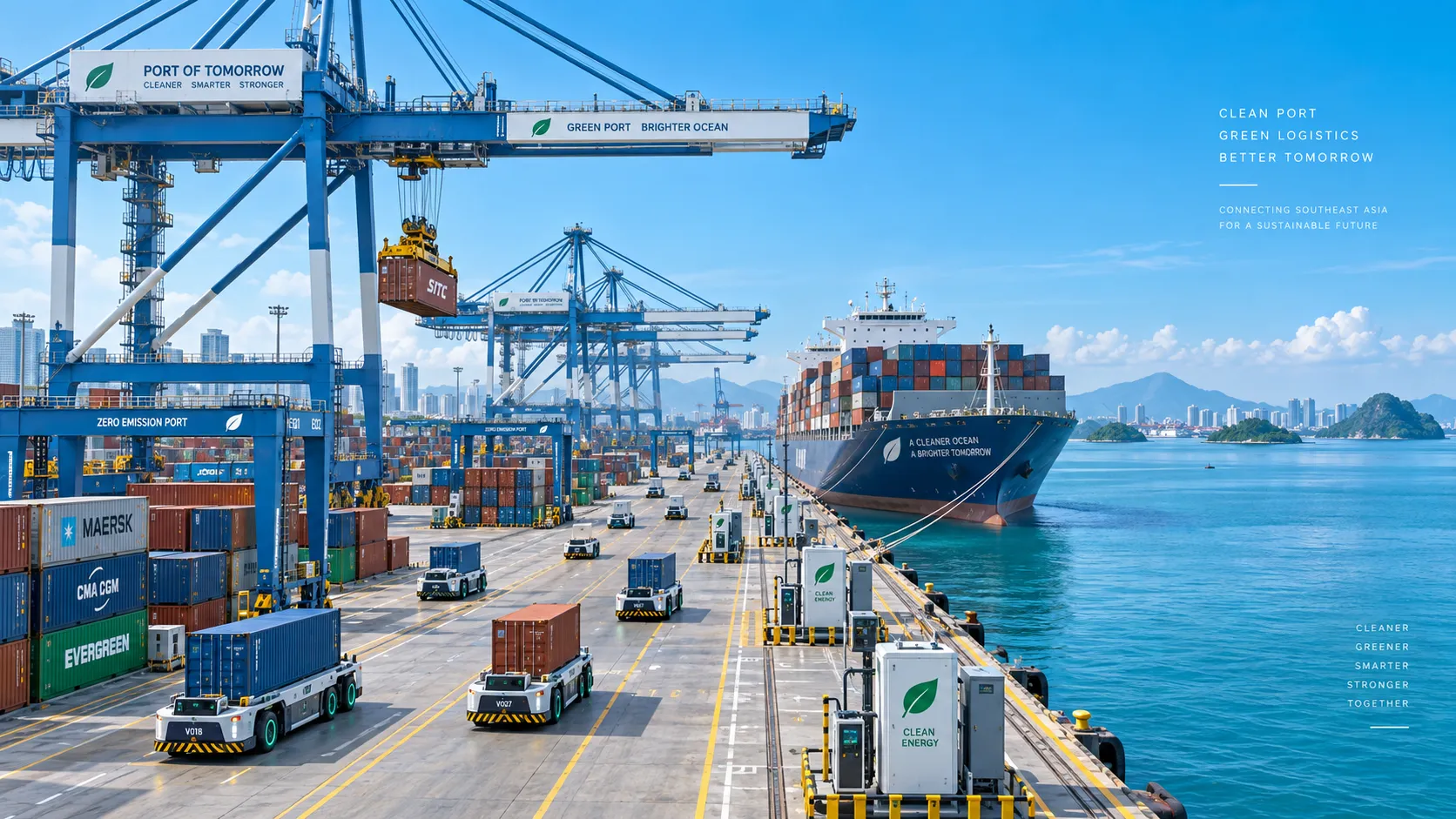
Smart Port Systems in Southeast Asia: Investment Priorities and Adoption Barriers
Smart port systems Southeast Asia: discover investment priorities, adoption barriers, and practical steps to build resilient, connected, high-performing terminals.
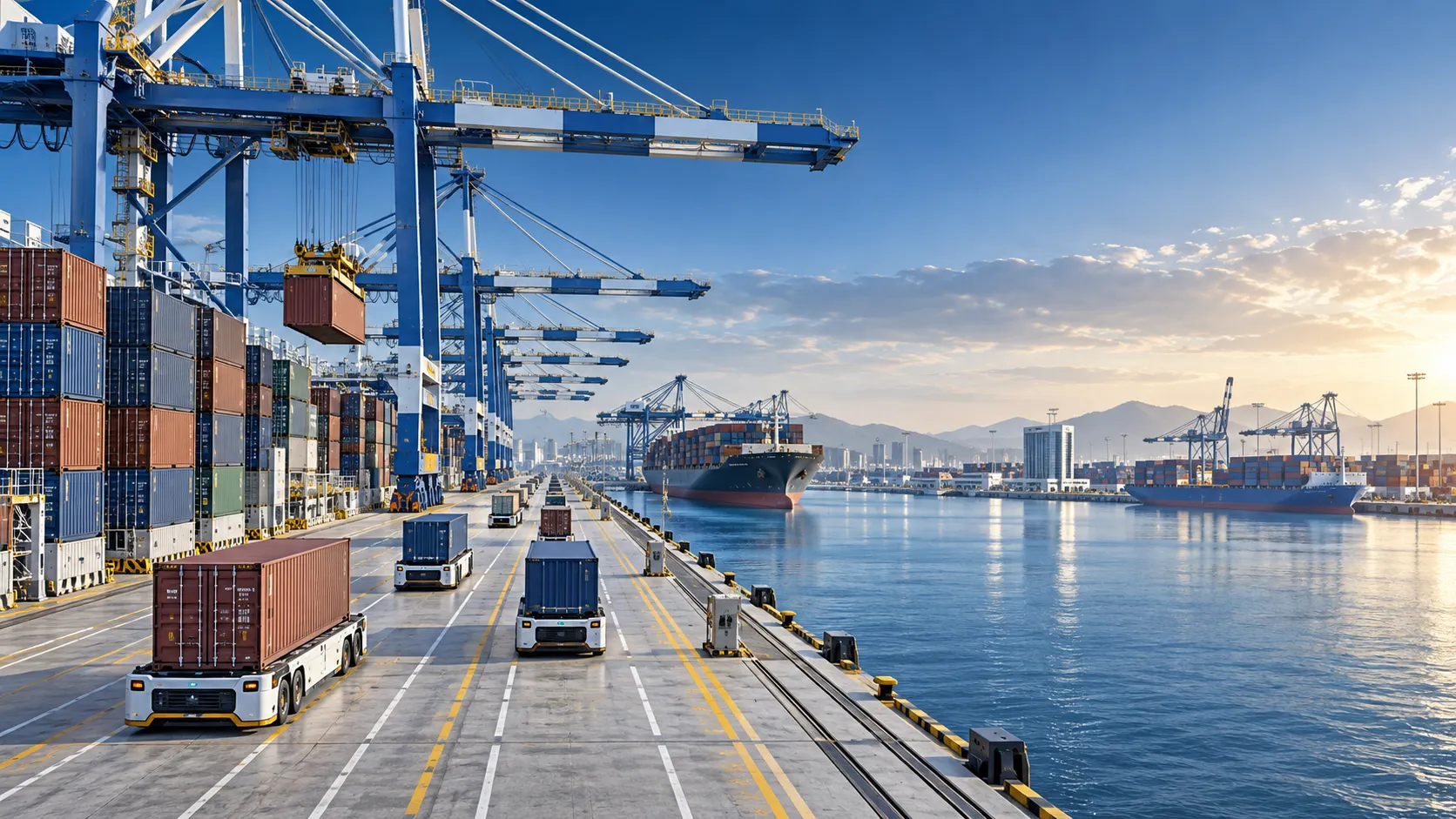
How to Evaluate Terminal Efficiency Solution Suppliers for High-Throughput Operations
Choose a terminal efficiency solutions supplier with confidence. Explore proven criteria for throughput, integration, lifecycle cost, safety, and reliable delivery.
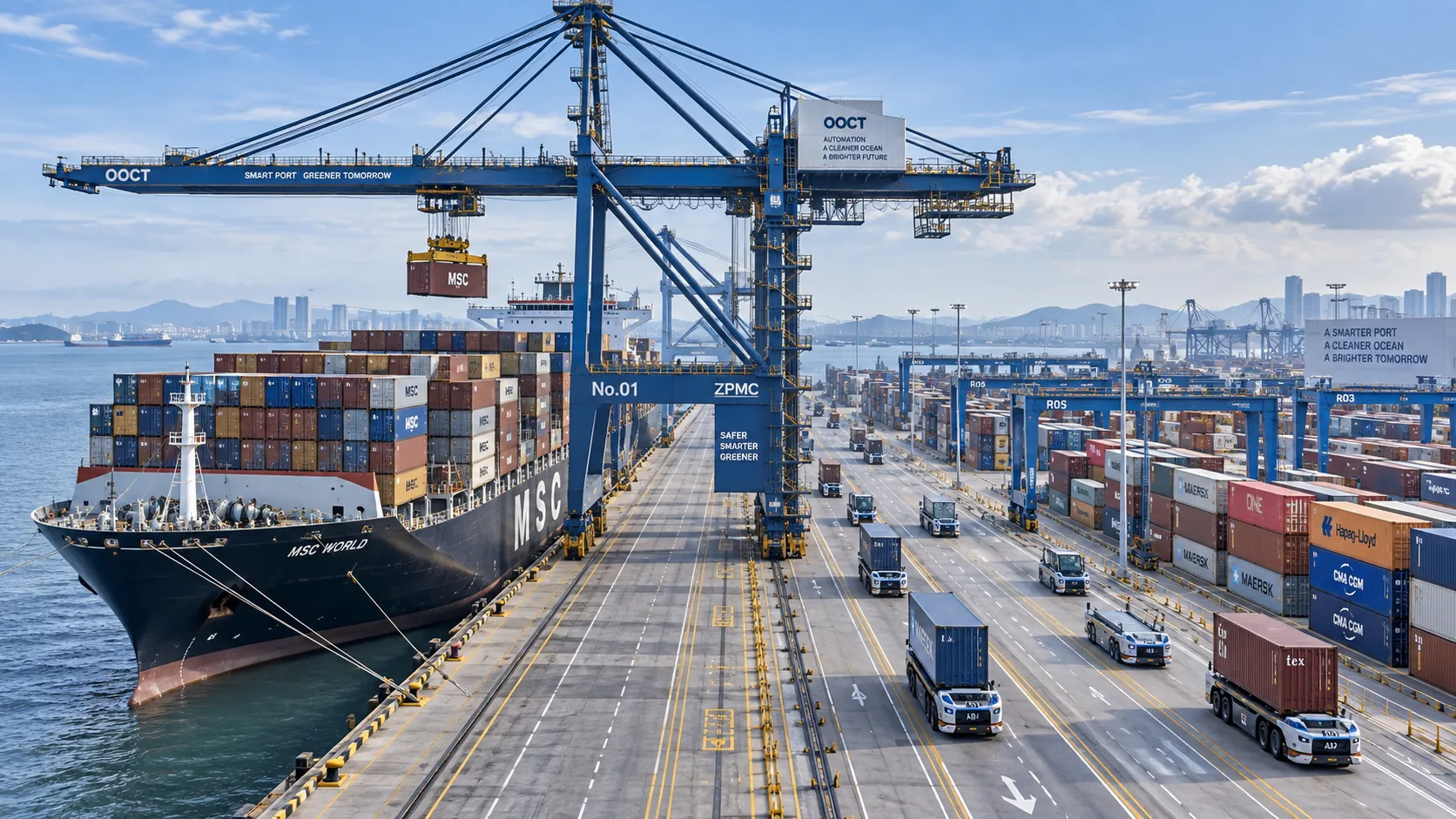
How to Specify a Quay Crane for Container Terminals by Vessel Size and Throughput?
Quay crane for container terminals: learn how to match outreach, lift height, capacity, automation, and cycle performance to vessel size and throughput goals.
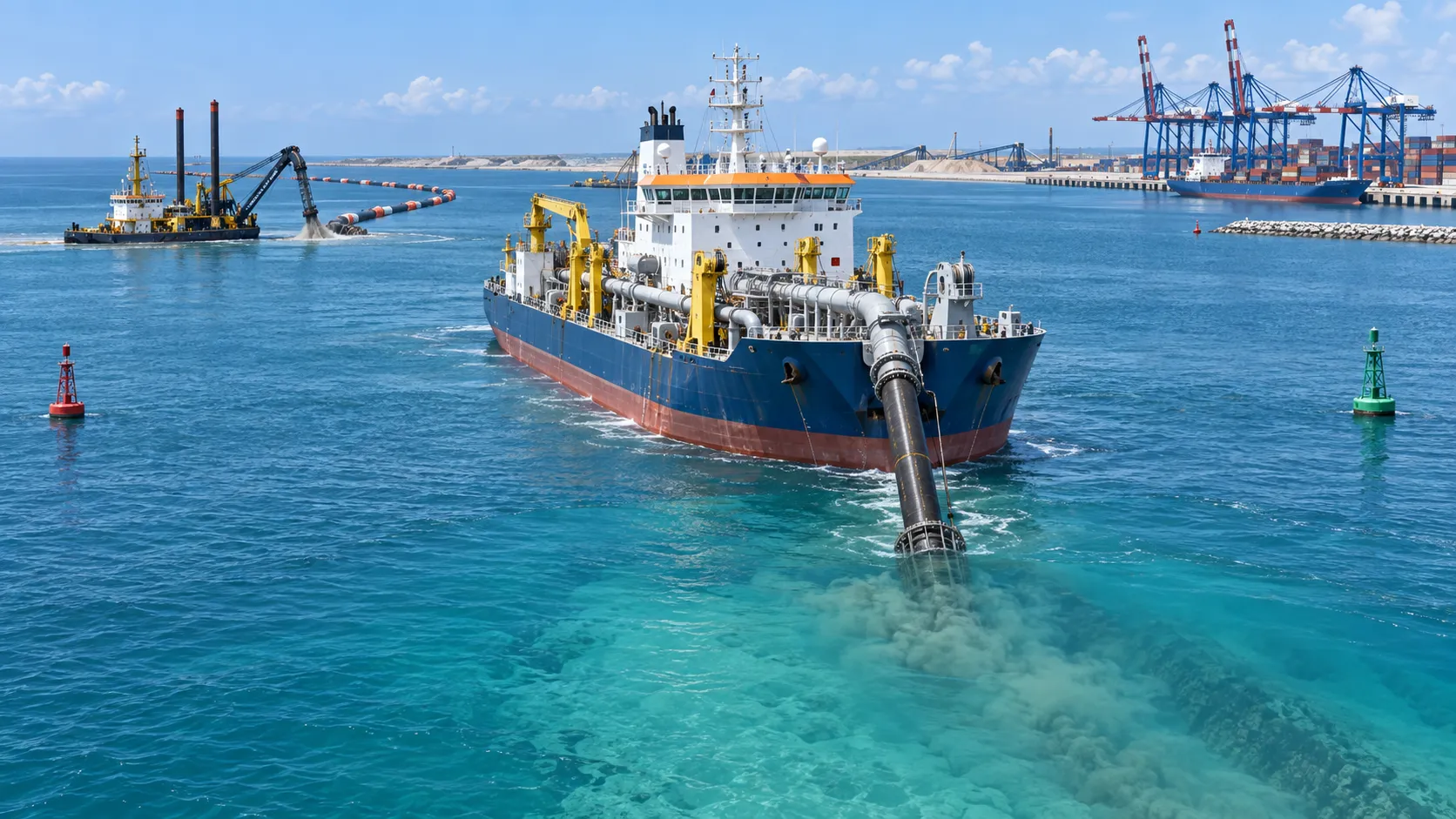
What Dredging Equipment Is Needed for Channel Deepening?
What dredging equipment is needed for channel deepening? Explore dredgers, pipelines, survey tools, and planning strategies for safer, more efficient port access.
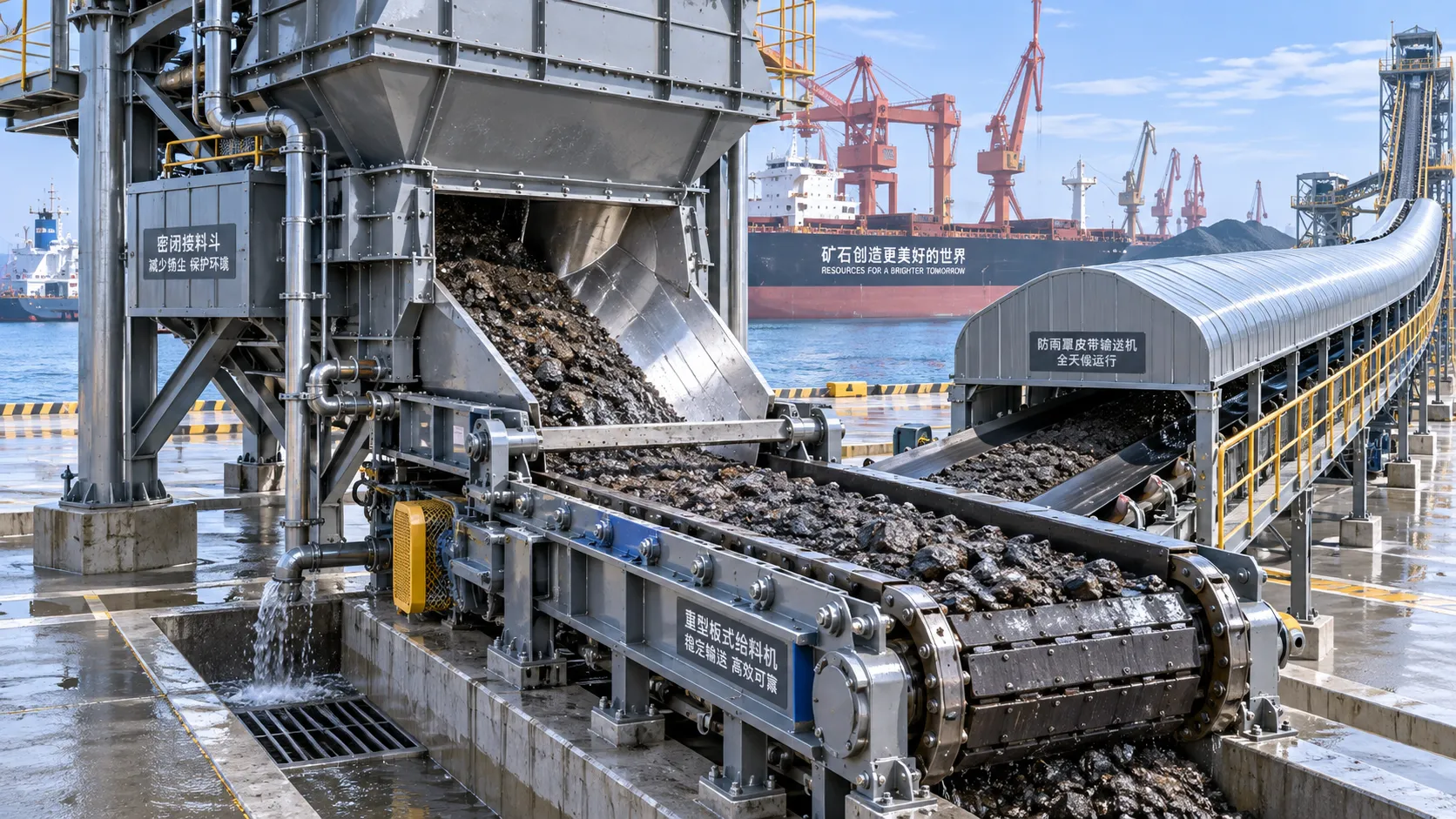
Which Bulk Handling Equipment Suits High-Moisture Cargo?
Which bulk handling equipment suits high-moisture cargo? Compare belt, apron, screw, drag, and slurry systems for reliable flow, less carryback, and higher terminal uptime.
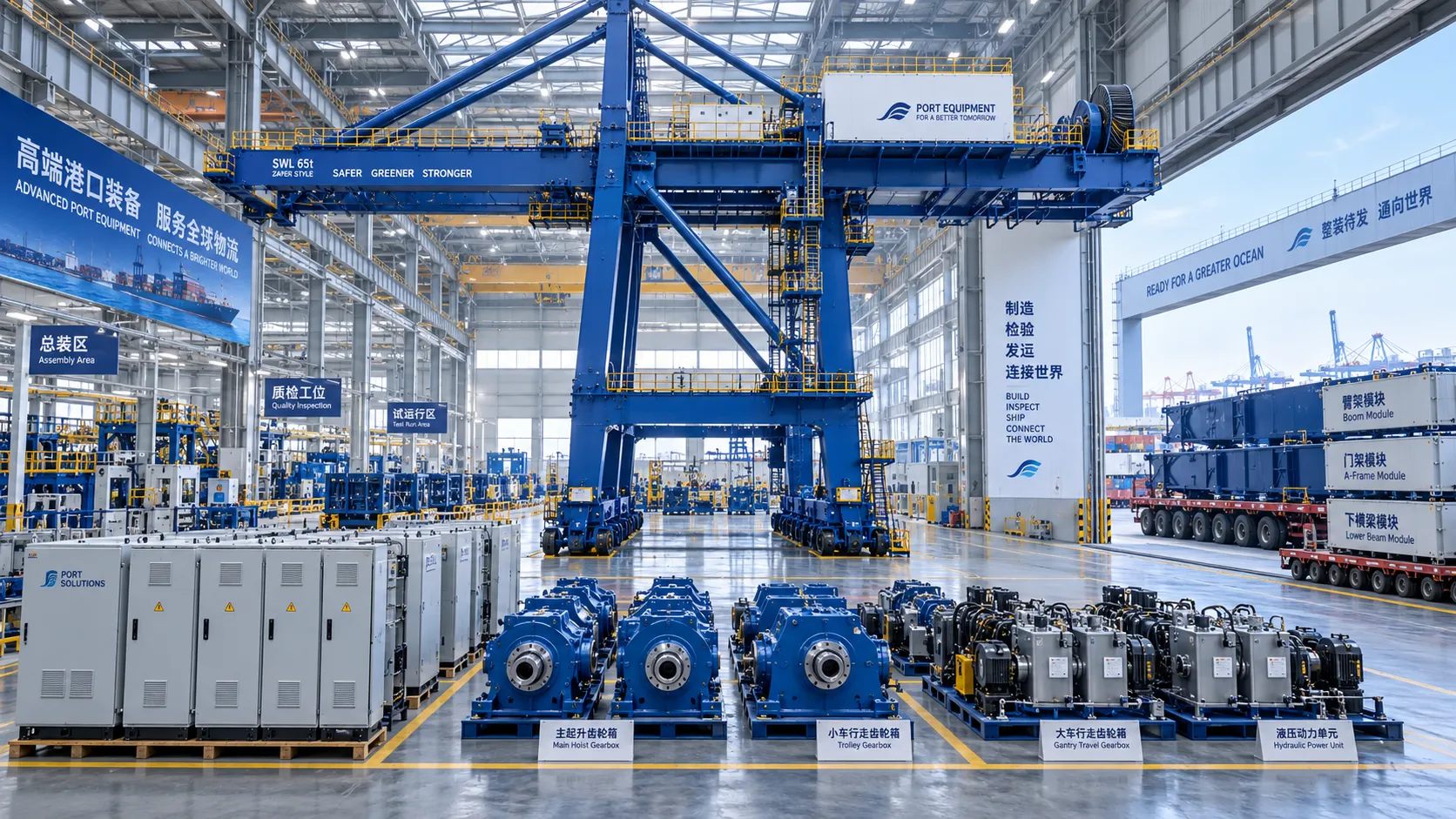
How Can Port Equipment Lead-Time Risk Be Managed?
How can port equipment lead-time risk be managed? Explore practical strategies to control critical paths, suppliers, transport, site readiness, and commissioning delays.
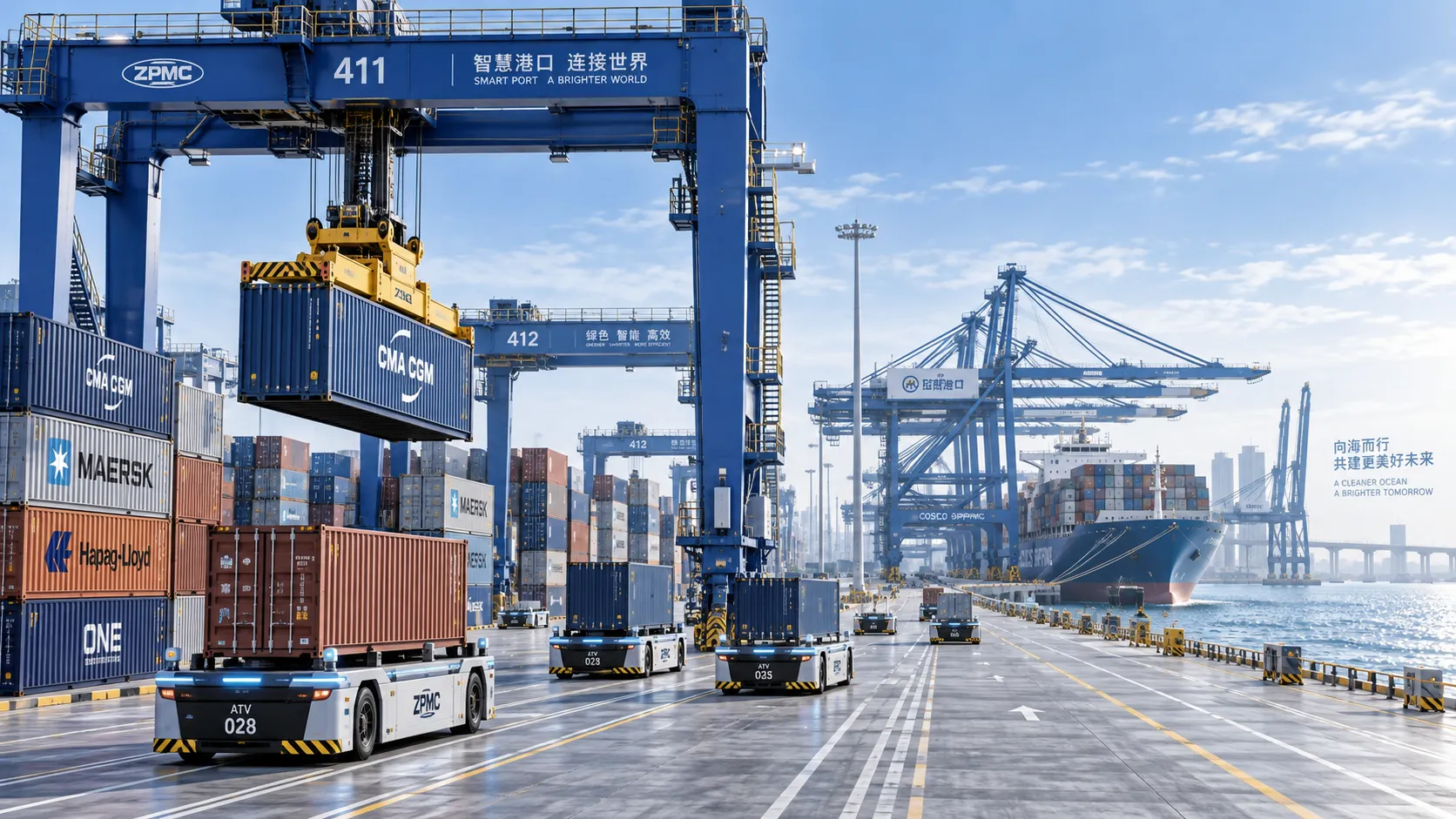
Terminal Automation Technologies That Raise Container Throughput Without Yard Disruption
Terminal automation technology that increases container throughput without disrupting yard flow. Explore smarter integration, resilient workflows, and phased deployment strategies.
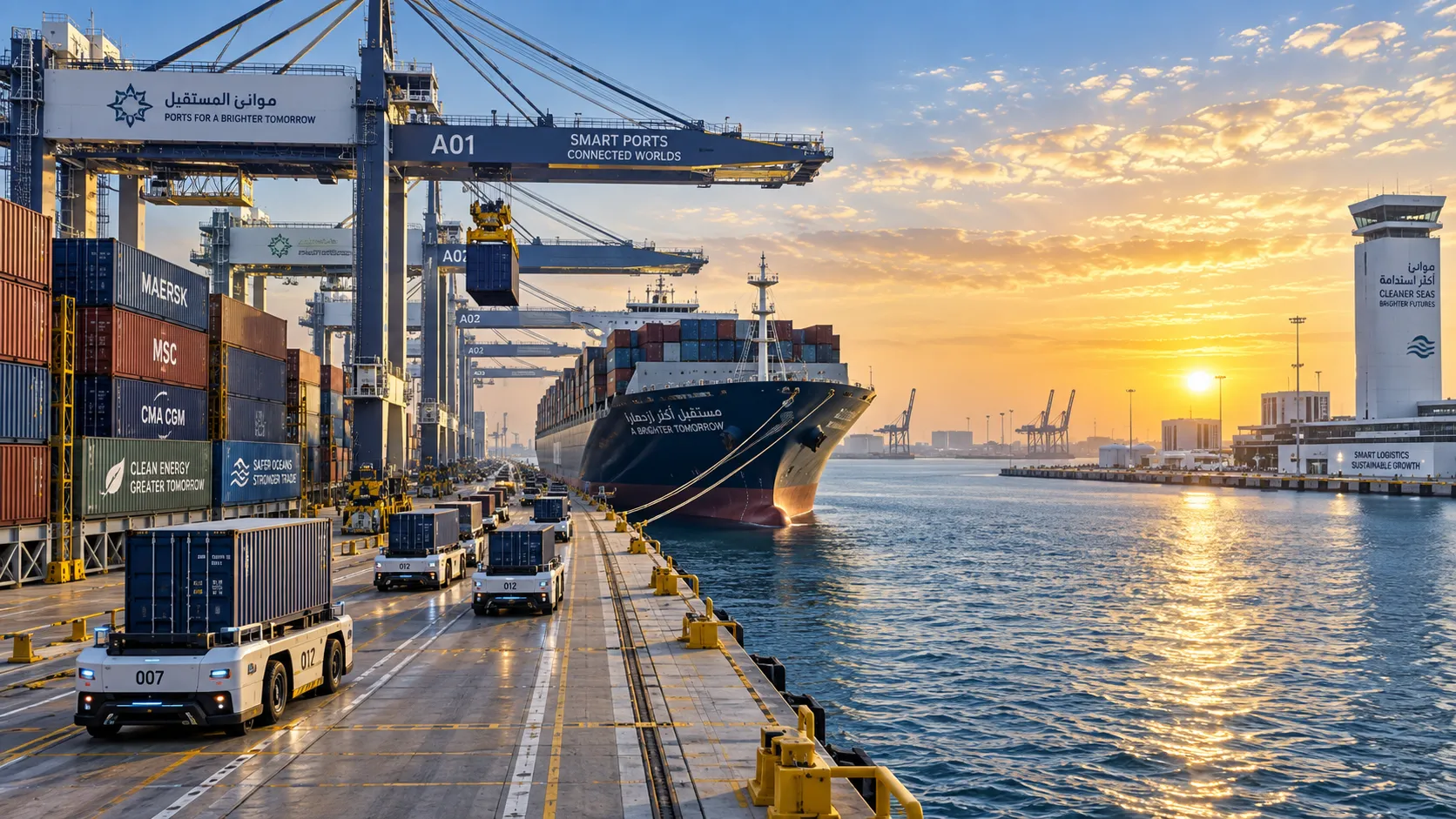
Middle East Port Automation: Key Market Drivers, Projects, and Investment Risks
Port automation systems Middle East: explore market drivers, flagship projects, integration challenges, and investment risks shaping smarter, resilient terminals.
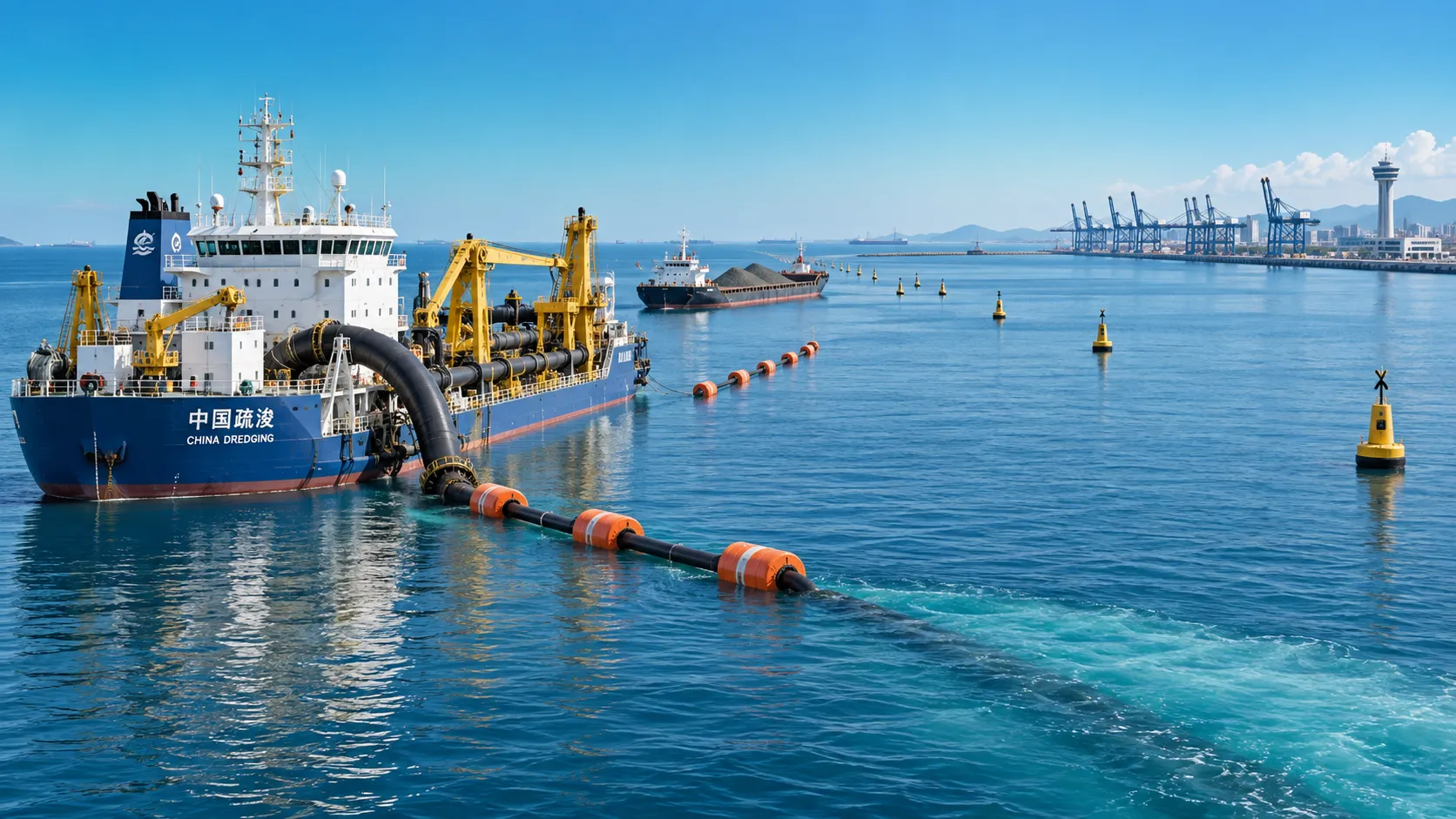
Planning Offshore Dredging Operations: Key Risks, Methods, and Project Controls
Offshore dredging operations demand smart planning. Explore key risks, proven methods, environmental controls, and project strategies for reliable delivery.