Related News
- 00
0000-00
How Can Port Equipment Lead-Time Risk Be Managed? - 00
0000-00
Maritime Logistics Operations: How Ports Can Reduce Container Dwell Time - 00
0000-00
What Does Logistics Node Monitoring Cost Across Warehouses and Transport Hubs? - 00
0000-00
How Can IoT Smart Port Solutions Improve Container Tracking and Yard Efficiency? - 00
0000-00
How Real-Time Port Logistics Intelligence Improves Container Yard Efficiency
How Bulk Material Handling Manufacturers Solve Dust, Spillage, and Throughput Bottlenecks
Why does bulk handling break down around dust, spillage, and slow flow?
When tonnage targets rise, small losses become large operational problems. Dust affects visibility, cleanup time, component life, and environmental compliance. Spillage adds rehandling. Flow interruptions reduce the real capacity of the line.
That is why a capable bulk material handling manufacturer matters beyond equipment supply. The real value sits in how transfer points, sealing, chute geometry, controls, and maintenance access work together.
In port terminals, mines, cement plants, grain facilities, and dredged material logistics, the challenge is rarely one defective part. More often, the system is mismatched to material behavior and operating rhythm.
PS-Nexus tracks this closely across maritime logistics and coastal economics. The same throughput pressure seen in quay equipment and automated yards also appears in bulk handling machinery, where every choke point delays upstream and downstream assets.
A useful starting question is simple: are dust, spillage, and bottlenecks separate issues, or symptoms of one poorly balanced material path? In practice, they are usually linked.
What does a bulk material handling manufacturer actually solve on site?
A strong bulk material handling manufacturer does not only deliver conveyors, feeders, unloaders, or stacker systems. It solves how bulk solids move, settle, accelerate, impact, and discharge across the full route.
That includes several layers of engineering:
- Material characterization, including moisture, lump size, abrasiveness, and angle of repose.
- Transfer point design to control velocity, impact, and belt loading.
- Dust management through enclosed zones, extraction, suppression, or passive containment.
- Spillage reduction with skirting, belt tracking, liner selection, and stable loading.
- Control integration so feeders, conveyors, and storage nodes respond as one system.
This is where many operations misjudge the problem. They replace belts or install covers, yet the root cause is often poor interface design between machines.
The better bulk material handling manufacturer will review capacity curves, surge behavior, operating variability, and maintenance windows before proposing a fix. That approach is usually cheaper than repeating local repairs.
Which design choices make the biggest difference to dust and spillage control?
The answer is usually found at transfer points. Dust is created when material free-falls too far, changes direction too sharply, or lands off-center. Spillage follows when the belt receives unstable or uneven loading.
A bulk material handling manufacturer focused on real operating conditions will usually improve several details together, not one in isolation.
Needless complexity is not the goal. Often, the best result comes from fewer drop points, calmer loading, tighter sealing, and easier inspection access. Good housekeeping starts with good mechanics.
In coastal terminals, where wind and salt intensify wear, enclosure quality and corrosion-resistant details matter even more. This is one reason marine-oriented intelligence platforms such as PS-Nexus pay attention to equipment interaction, not just headline capacity.
Why do throughput bottlenecks persist even after equipment upgrades?
Because nameplate capacity is not the same as sustained throughput. A conveyor rated for high tonnage still underperforms if a feeder surges, a chute plugs, or a reclaim sequence creates stop-start flow.
A capable bulk material handling manufacturer looks at the operating chain, not one machine. The real bottleneck may sit in blending logic, surge bin drawdown, reclaim geometry, or control response time.
In actual applications, bottlenecks usually show up in three forms:
- Mechanical bottlenecks, such as undersized chutes, poor belt speed matching, or restricted loading zones.
- Material bottlenecks, such as wet cargo, segregation, compaction, or inconsistent particle size.
- Control bottlenecks, such as delayed sensor feedback, manual intervention, or poor sequencing.
This is where automation becomes practical, not fashionable. Sensor-based belt loading, chute blockage alerts, predictive maintenance, and feeder coordination can keep flow continuous without overloading the line.
PS-Nexus regularly examines similar control questions in automated container yards and dredging systems. The lesson transfers well: throughput improves when machines and logic are designed as one operating environment.
How can you tell whether a bulk material handling manufacturer fits your operating conditions?
Start with questions that expose engineering depth. A reliable bulk material handling manufacturer should ask for material data, duty cycle, moisture range, storage method, transfer count, cleanup history, and failure records.
If the discussion stays at equipment size and motor power, the assessment is too shallow. The harder problems come from variability, not steady-state assumptions.
Useful checkpoints before moving forward
- Ask how transfer points are modeled for your specific material.
- Confirm whether dust control relies on containment, extraction, suppression, or a hybrid method.
- Check liner, skirt, and wear component replacement intervals under real duty.
- Review control integration with existing PLC, SCADA, or terminal management systems.
- Request maintenance access details, not only throughput claims.
- Look for evidence from comparable cargoes and similar ambient conditions.
The best comparison is rarely brochure versus brochure. It is operating logic versus operating logic. How quickly can the system recover from wet cargo, variable feed, or partial blockage? That is where performance is proven.
What are the most common mistakes during implementation?
One frequent mistake is treating dust control as an add-on. If the main chute geometry is wrong, installing filters or sprays later may reduce symptoms without fixing the cause.
Another mistake is ignoring operating variability. A system may run well on dry material during acceptance tests, then struggle during rainy periods or mixed cargo conditions.
There is also a maintenance trap. Tight spaces, hard-to-reach liners, and difficult skirting replacement can quietly increase downtime even when the original design looks efficient.
A more disciplined rollout usually includes staged commissioning, live material trials, baseline housekeeping metrics, and alarm logic tuning. That gives the bulk material handling manufacturer and site team a shared performance reference.
Where marine and port operations are involved, implementation should also reflect corrosion exposure, remote monitoring needs, and traffic coordination with adjacent terminal equipment. These are not side details. They shape uptime.
So what should be reviewed before the next upgrade decision?
The clearest next step is to map the material path from receiving to discharge and mark every cleanup zone, delay event, and unstable transfer. That usually reveals whether the problem is local or systemic.
Then compare four practical indicators: actual tons per hour, unplanned stoppages, cleanup labor, and wear-part life. A bulk material handling manufacturer can work with these numbers far better than with nominal design capacity alone.
For sites tied to ports, inland terminals, or coastal processing networks, it also helps to view bulk handling in the wider logistics chain. PS-Nexus emphasizes this broader perspective because throughput losses at one node often ripple through berth windows, yard movement, and vessel turnaround.
The most effective upgrade decisions usually come from a short list: identify the highest-loss transfer point, verify the material behavior under difficult conditions, review control response, and set measurable acceptance targets.
If dust, spillage, and bottlenecks keep returning, the issue is probably not isolated wear. It is time to evaluate the full handling logic, compare engineering approaches, and set a clearer standard for the next system improvement.
Related News
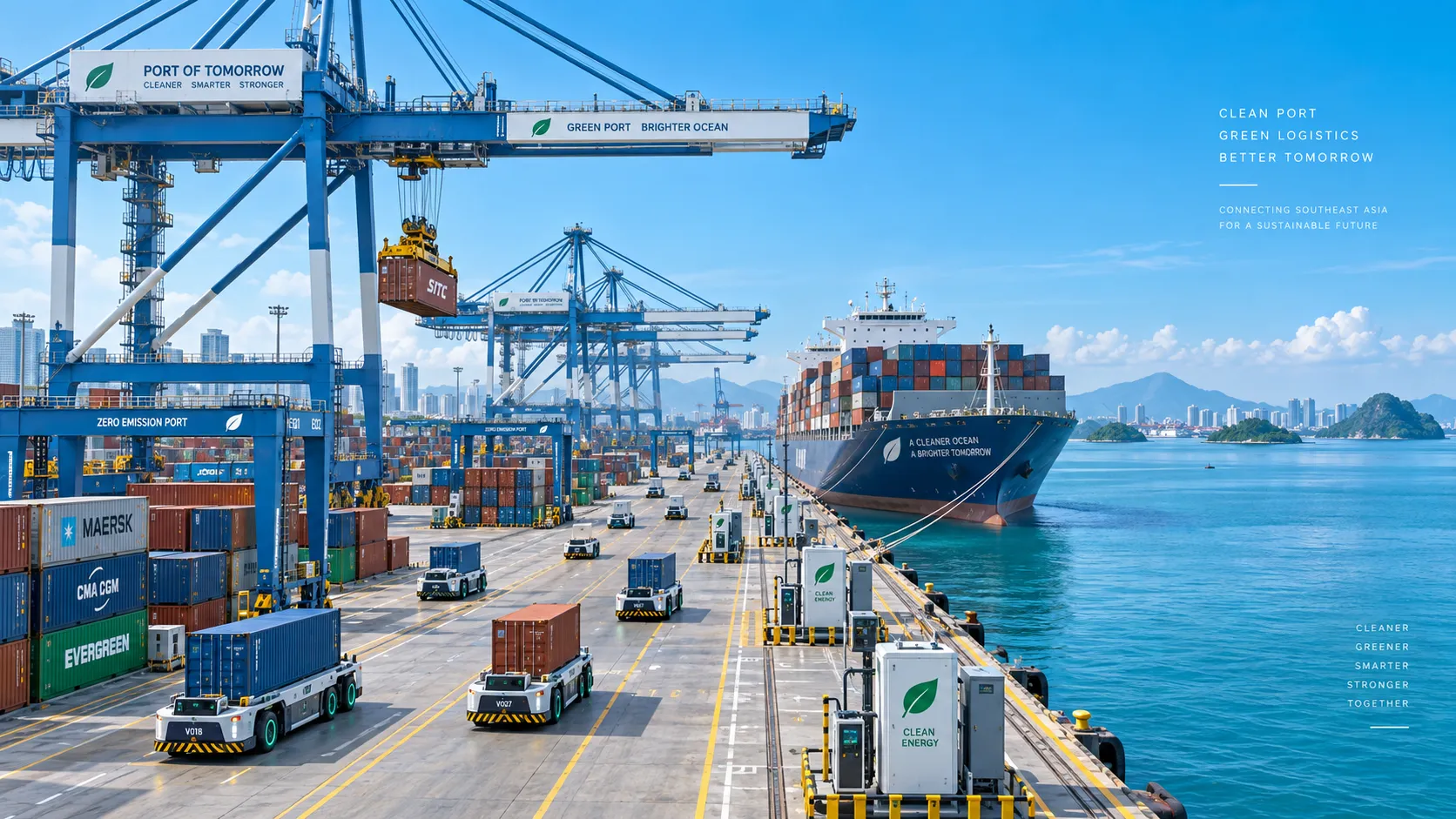
Smart Port Systems in Southeast Asia: Investment Priorities and Adoption Barriers
Smart port systems Southeast Asia: discover investment priorities, adoption barriers, and practical steps to build resilient, connected, high-performing terminals.

How to Evaluate Terminal Efficiency Solution Suppliers for High-Throughput Operations
Choose a terminal efficiency solutions supplier with confidence. Explore proven criteria for throughput, integration, lifecycle cost, safety, and reliable delivery.
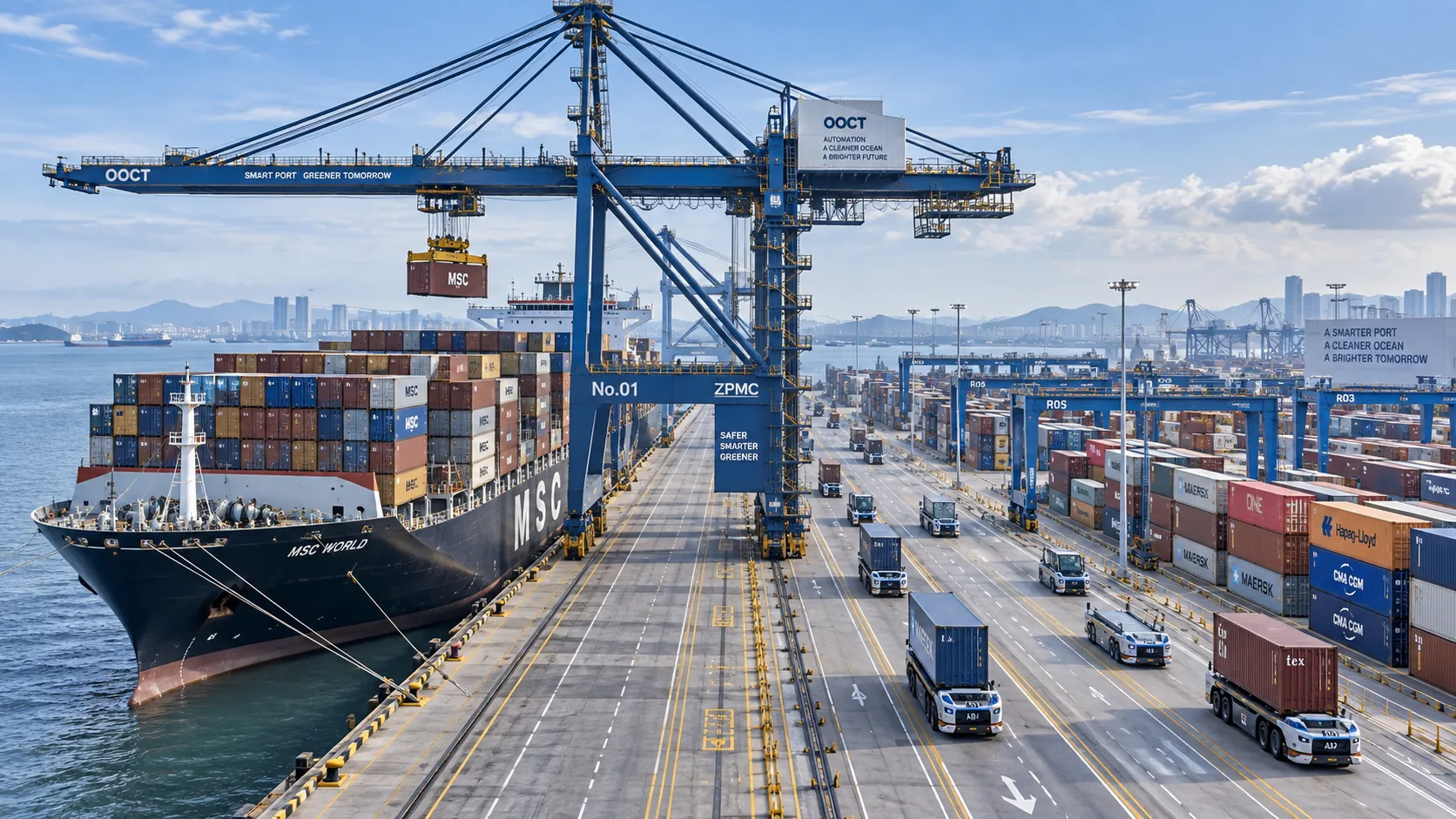
How to Specify a Quay Crane for Container Terminals by Vessel Size and Throughput?
Quay crane for container terminals: learn how to match outreach, lift height, capacity, automation, and cycle performance to vessel size and throughput goals.
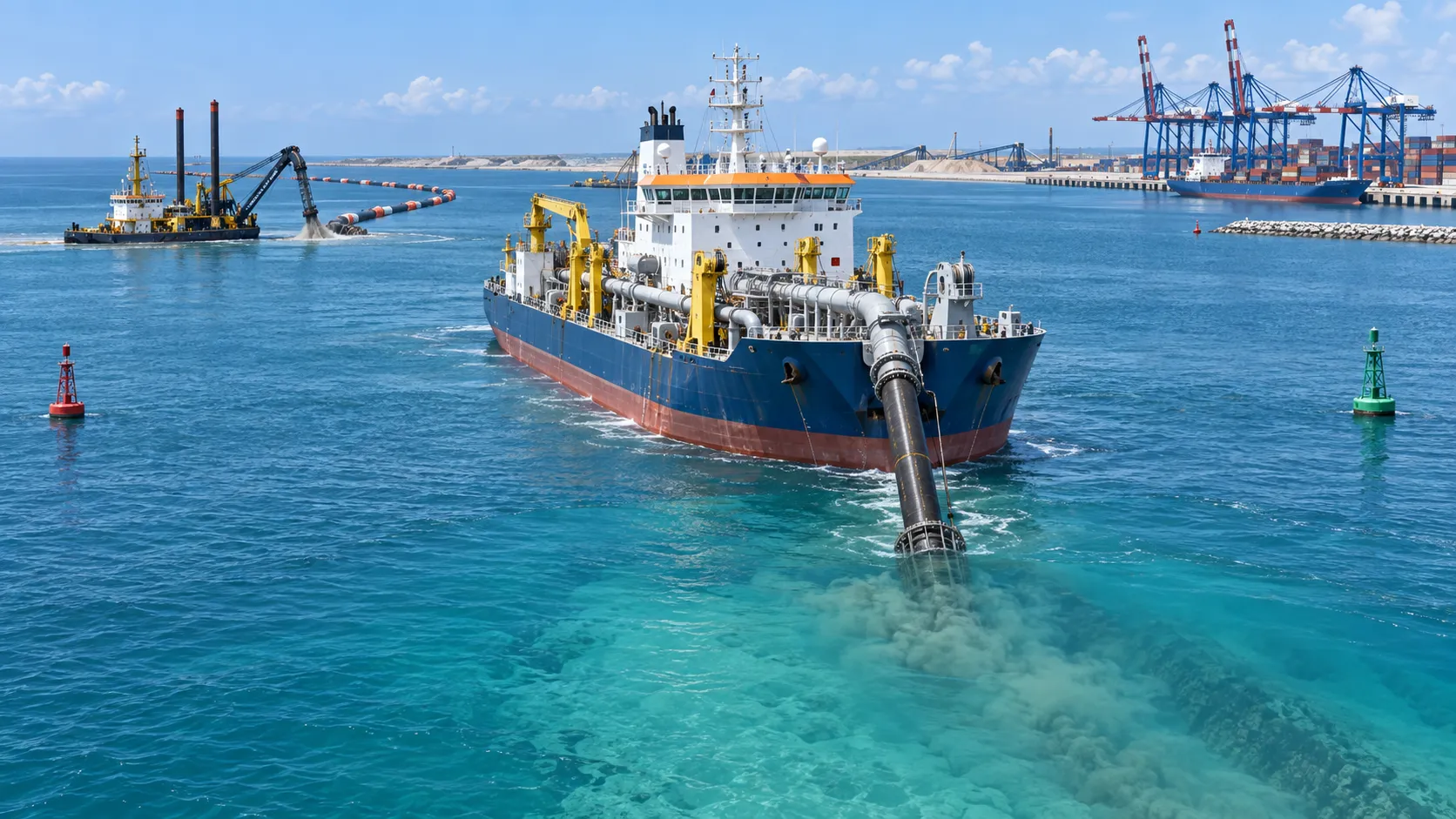
What Dredging Equipment Is Needed for Channel Deepening?
What dredging equipment is needed for channel deepening? Explore dredgers, pipelines, survey tools, and planning strategies for safer, more efficient port access.
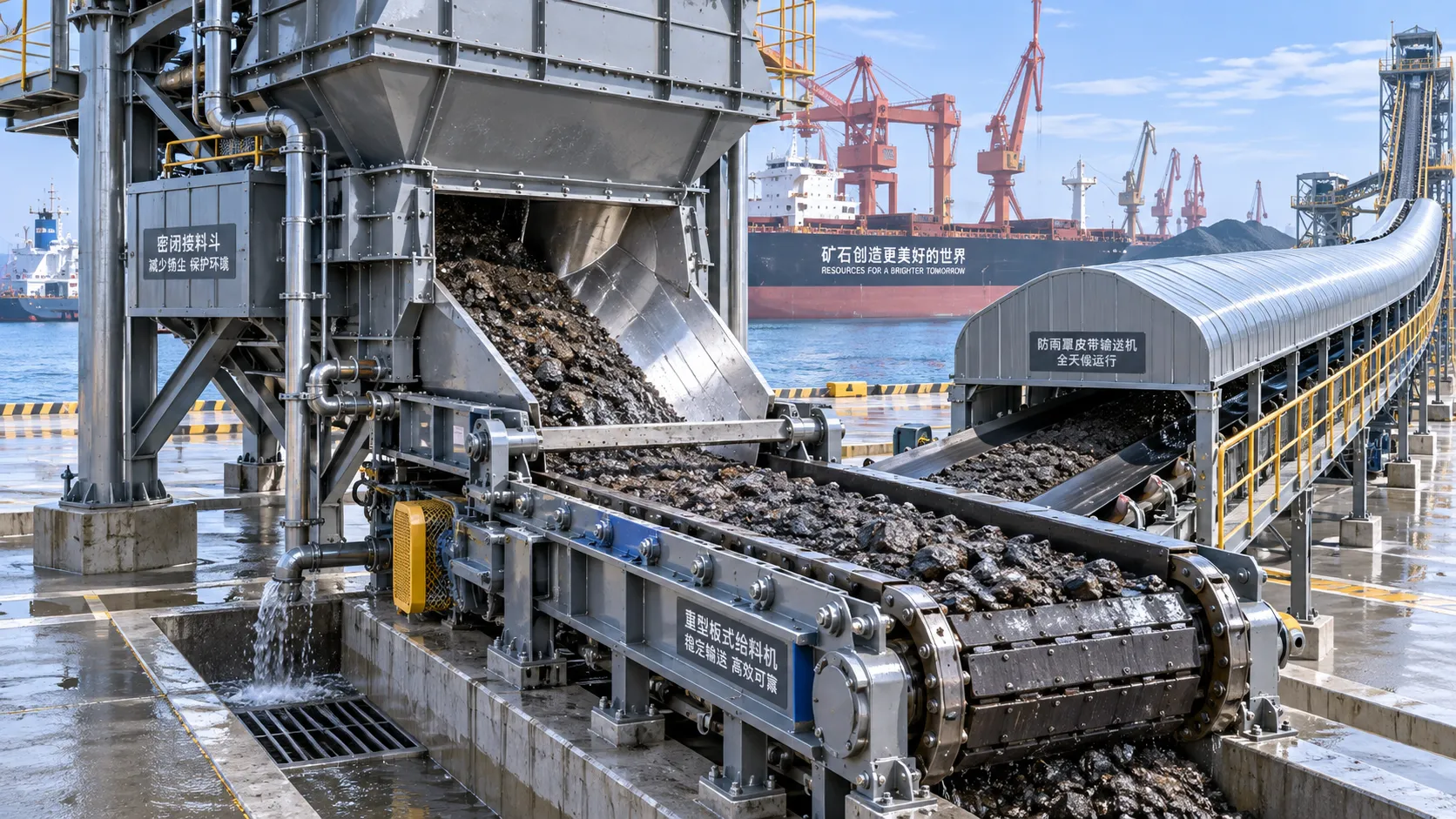
Which Bulk Handling Equipment Suits High-Moisture Cargo?
Which bulk handling equipment suits high-moisture cargo? Compare belt, apron, screw, drag, and slurry systems for reliable flow, less carryback, and higher terminal uptime.
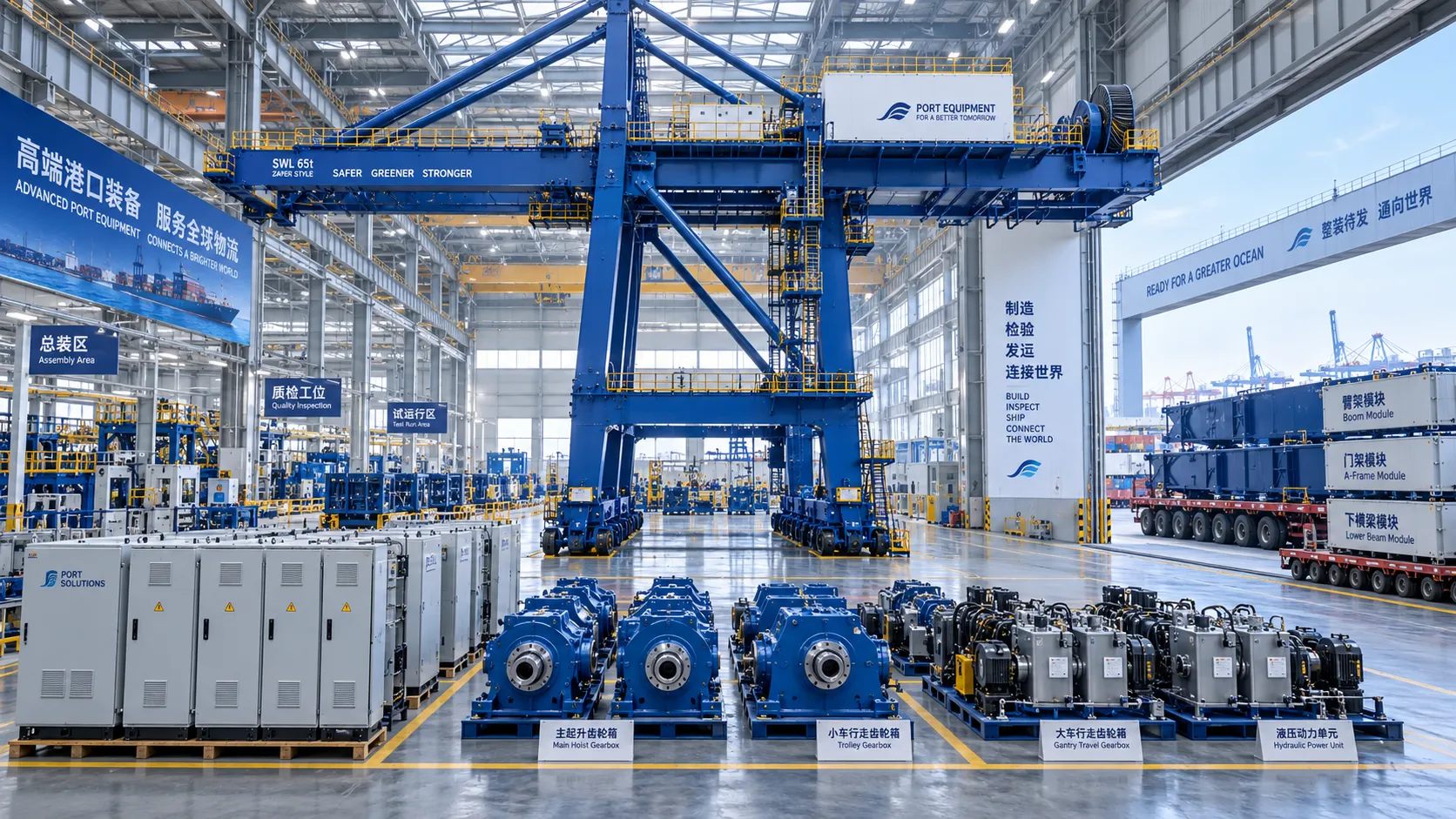
How Can Port Equipment Lead-Time Risk Be Managed?
How can port equipment lead-time risk be managed? Explore practical strategies to control critical paths, suppliers, transport, site readiness, and commissioning delays.
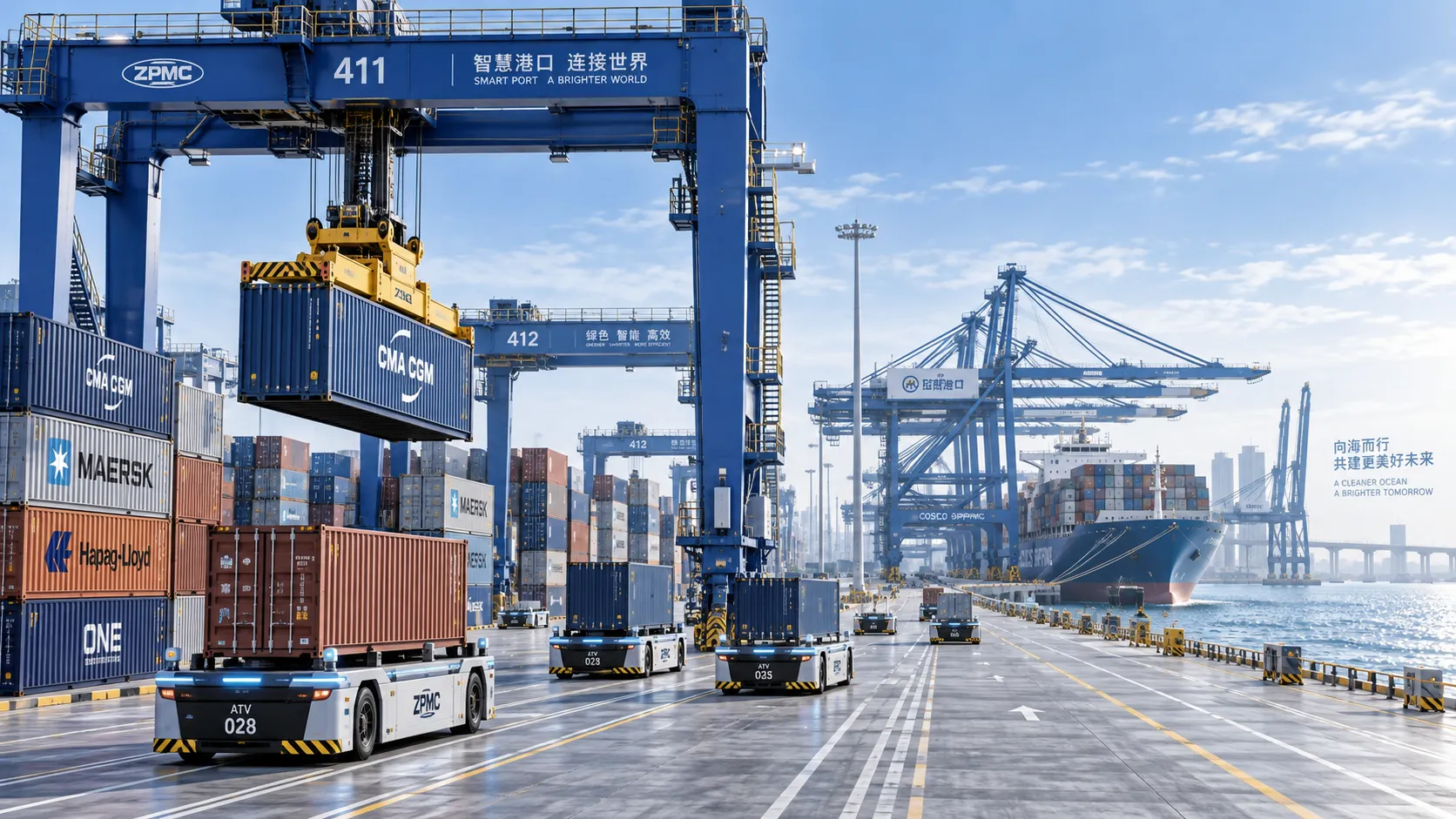
Terminal Automation Technologies That Raise Container Throughput Without Yard Disruption
Terminal automation technology that increases container throughput without disrupting yard flow. Explore smarter integration, resilient workflows, and phased deployment strategies.
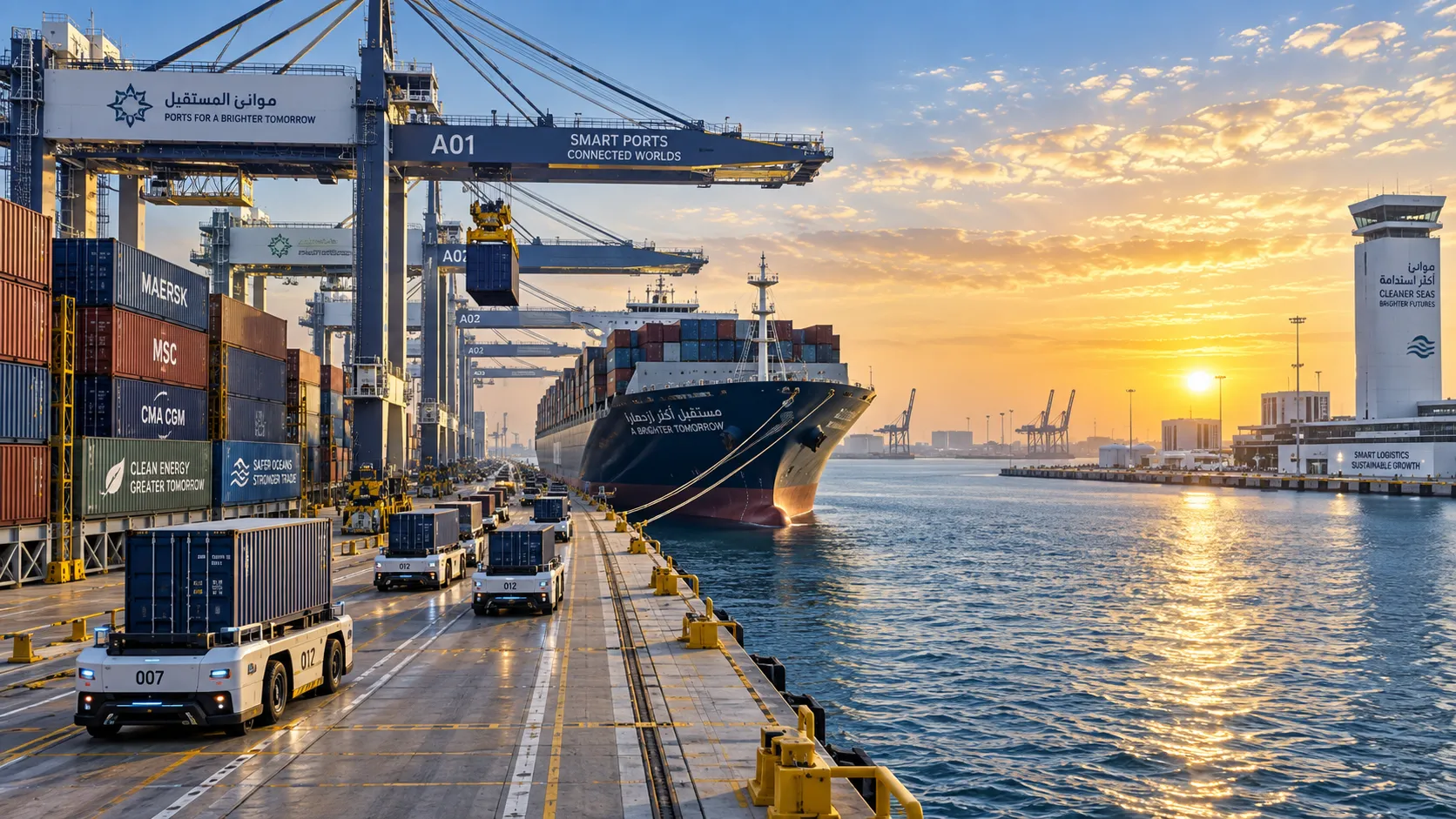
Middle East Port Automation: Key Market Drivers, Projects, and Investment Risks
Port automation systems Middle East: explore market drivers, flagship projects, integration challenges, and investment risks shaping smarter, resilient terminals.
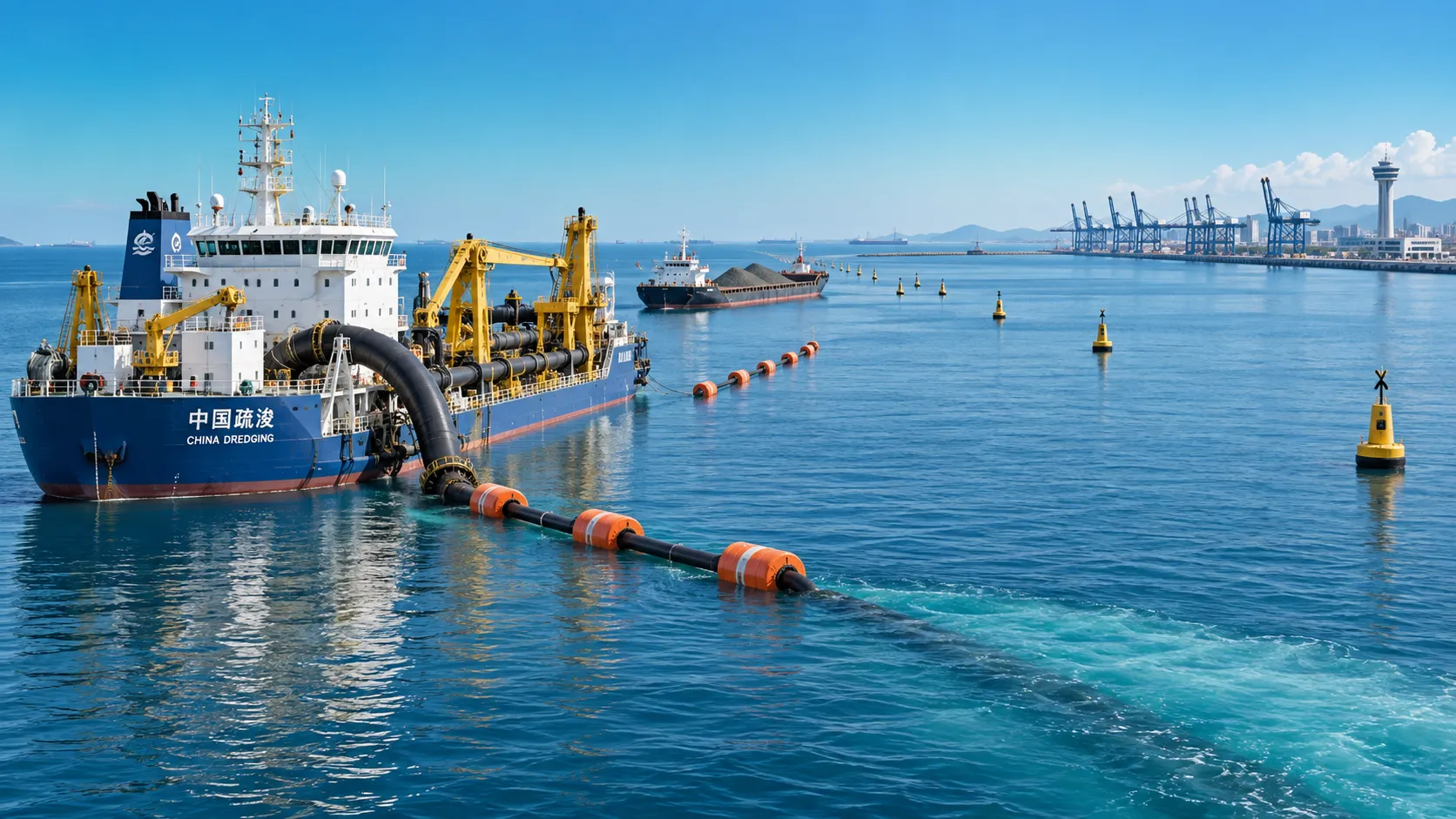
Planning Offshore Dredging Operations: Key Risks, Methods, and Project Controls
Offshore dredging operations demand smart planning. Explore key risks, proven methods, environmental controls, and project strategies for reliable delivery.