
Related News
- 00
0000-00
How Can Port Equipment Lead-Time Risk Be Managed? - 00
0000-00
Maritime Logistics Operations: How Ports Can Reduce Container Dwell Time - 00
0000-00
What Does Logistics Node Monitoring Cost Across Warehouses and Transport Hubs? - 00
0000-00
How Can IoT Smart Port Solutions Improve Container Tracking and Yard Efficiency? - 00
0000-00
How Real-Time Port Logistics Intelligence Improves Container Yard Efficiency
Marine Logistics Solutions for Port Coordination: Key Use Cases and System Requirements
Why Port Coordination Needs Context, Not Just Software
Marine logistics solutions for port coordination now sit at the center of terminal performance, schedule control, and equipment utilization.
The reason is practical.
A port no longer manages only vessel arrival windows.
It must also align quay cranes, yard blocks, AGVs, gate traffic, bulk handling machinery, dredging windows, and compliance reporting.
When these layers run on disconnected systems, congestion appears quickly.
Crane idle time rises, berth plans become unstable, and inland connections lose reliability.
That is why marine logistics solutions for port coordination are increasingly judged by operational fit, not by feature count alone.
In practice, needs vary sharply between automated container terminals, bulk cargo hubs, and ports under channel expansion.
PS-Nexus often frames this well through its focus on terminal gear, automation logic, specialized handling, and dredging engineering.
That wider view matters because coordination problems are rarely isolated.
They usually begin where mechanical limits, scheduling logic, and trade volatility intersect.
Actual Use Cases Start With Different Operational Pressures
Marine logistics solutions for port coordination should be selected after clarifying what creates disruption on site.
A container gateway usually struggles with sequencing speed.
A bulk terminal often struggles with equipment synchronization and stockpile visibility.
A coastal infrastructure project may be constrained by draft, dredging, weather, and temporary access windows.
These differences change the system requirements.
Some sites need second-by-second dispatch decisions.
Others need a stronger digital thread between marine works, vessel planning, and landside operations.
A common mistake is treating all marine logistics solutions for port coordination as terminal operating software with extra dashboards.
More often, the real requirement is orchestration across several specialized systems.
When automated container flow is the bottleneck
In highly automated yards, throughput depends on decision timing more than raw crane capacity.
Here, marine logistics solutions for port coordination need low-latency data exchange between quay cranes, TOS, AGVs, and yard equipment.
The key judgment point is not automation level by itself.
It is whether dispatch logic can absorb vessel delays, twin-lift changes, and yard density spikes without manual workarounds.
This is where path-planning quality and machine state visibility matter more than a polished interface.
When bulk cargo and heavy machinery define the pace
Bulk terminals usually face a different coordination problem.
Ship unloaders, conveyors, stacker-reclaimers, and truck or rail links must stay balanced across long operating cycles.
Marine logistics solutions for port coordination in this setting should prioritize equipment status integrity, tonnage reconciliation, and queue forecasting.
Small data errors can create large stockpile mismatches.
That leads to berth delays even when loading machinery remains technically available.
When dredging and berth access reshape planning
Ports under expansion or maintenance often underestimate this scenario.
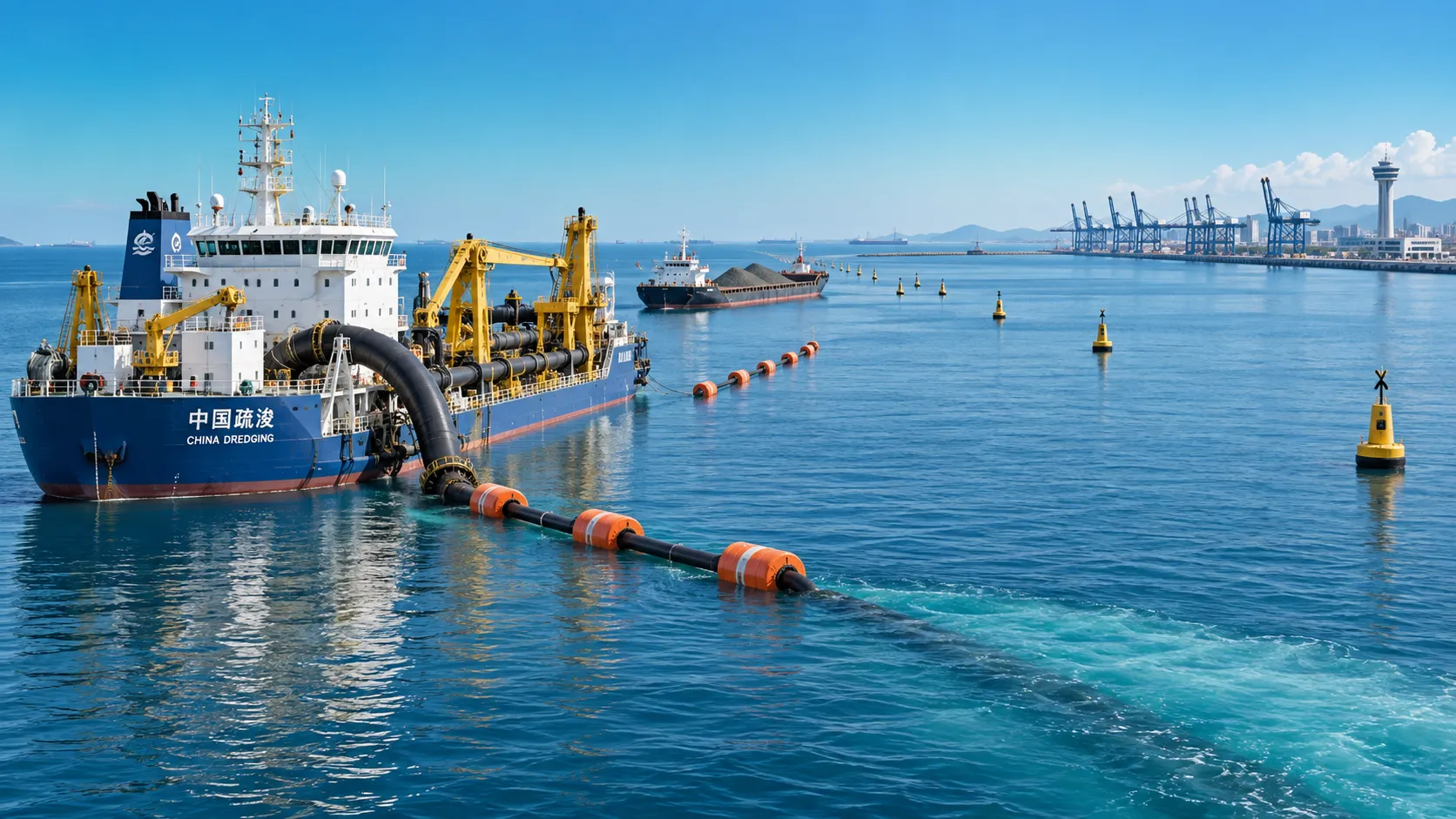
Marine logistics solutions for port coordination must then include hydrographic updates, draft restrictions, dredger scheduling, and temporary navigation constraints.
The challenge is not just engineering progress tracking.
It is preserving operational continuity while fairway conditions change.
PS-Nexus pays close attention to this intersection because dredging equipment data often affects terminal decisions much earlier than many plans assume.
Different Scenarios Change What the System Must Do
A useful comparison is to map the operational setting to the real coordination burden.
The table also shows why one architecture rarely fits every port environment.
Marine logistics solutions for port coordination must reflect where decisions are made, how fast conditions change, and which assets create the largest downstream risk.
System Requirements That Hold Up Under Real Port Pressure
In real deployments, a few system requirements appear repeatedly.
They matter because ports operate with mixed equipment generations, changing trade flows, and rising environmental reporting demands.
- Event-driven integration with cranes, sensors, TOS, maintenance platforms, and vessel planning tools.
- Reliable low-latency communication for remote or automated control layers.
- A scheduling engine that can re-optimize after berth changes, weather delays, or equipment faults.
- Data governance strong enough to standardize asset status across terminals and contractors.
- Environmental tracking for fuel use, idle time, dredging impact, and emission-related operating decisions.
Marine logistics solutions for port coordination also need a practical human layer.
If exception workflows are too rigid, supervisors return to calls, spreadsheets, and local overrides.
That breaks the value of the system even when integration looks complete on paper.
The strongest platforms usually combine analytics with operational tolerance for imperfect field conditions.
Where Ports Often Misjudge Fit
One recurring misjudgment is focusing on equipment capacity while ignoring coordination latency.
A faster crane does little if yard instructions arrive late or truck appointment data is unreliable.
Another issue is assuming similar terminals need identical marine logistics solutions for port coordination.
Two container ports may share annual volume levels, yet differ sharply in berth layout, labor model, and gate mix.
That changes integration priorities.
A third blind spot appears during procurement.
Initial software cost is measured carefully, while interface maintenance, sensor reliability, and implementation downtime receive less attention.
Over a long asset lifecycle, those ignored costs are often more decisive.
PS-Nexus frequently highlights this broader commercial logic.
Port intelligence is valuable because infrastructure trade is long-cycle, capital-heavy, and exposed to operational lock-in.
A Practical Way to Match Coordination Solutions to the Port
A grounded selection process begins with operational mapping rather than vendor comparison.
Marine logistics solutions for port coordination should be tested against a short list of local realities.
- Identify which event creates the largest cascade: vessel delay, yard congestion, stockpile mismatch, or navigation restriction.
- Check which assets still rely on manual status reporting.
- Measure how often plans are revised within one shift.
- Review whether contractors, dredging teams, and terminal systems share the same operational data model.
- Estimate integration effort across legacy controls, remote equipment, and environmental monitoring tools.
This approach keeps the decision tied to execution risk.
It also supports a more realistic roadmap.
Some ports need immediate dispatch visibility.
Others should begin with data normalization, asset interfaces, or marine works coordination.
What to Clarify Before the Next Deployment Decision
Marine logistics solutions for port coordination work best when the port first defines its operating context with precision.
That means separating high-frequency dispatch problems from structural access, equipment, or data issues.
It also means recognizing that smart port performance depends on both machinery and decision architecture.
The most useful next step is to document core scenarios, compare timing requirements, and rank integration constraints by operational impact.
After that, it becomes easier to judge whether current marine logistics solutions for port coordination can scale, or whether the port needs a more connected model across terminal gear, automation control, and marine engineering inputs.
That is usually where better throughput, lower disruption, and more credible long-range planning begin.
Related News
Smart Port Systems in Southeast Asia: Investment Priorities and Adoption Barriers
Smart port systems Southeast Asia: discover investment priorities, adoption barriers, and practical steps to build resilient, connected, high-performing terminals.
How to Evaluate Terminal Efficiency Solution Suppliers for High-Throughput Operations
Choose a terminal efficiency solutions supplier with confidence. Explore proven criteria for throughput, integration, lifecycle cost, safety, and reliable delivery.
How to Specify a Quay Crane for Container Terminals by Vessel Size and Throughput?
Quay crane for container terminals: learn how to match outreach, lift height, capacity, automation, and cycle performance to vessel size and throughput goals.
What Dredging Equipment Is Needed for Channel Deepening?
What dredging equipment is needed for channel deepening? Explore dredgers, pipelines, survey tools, and planning strategies for safer, more efficient port access.
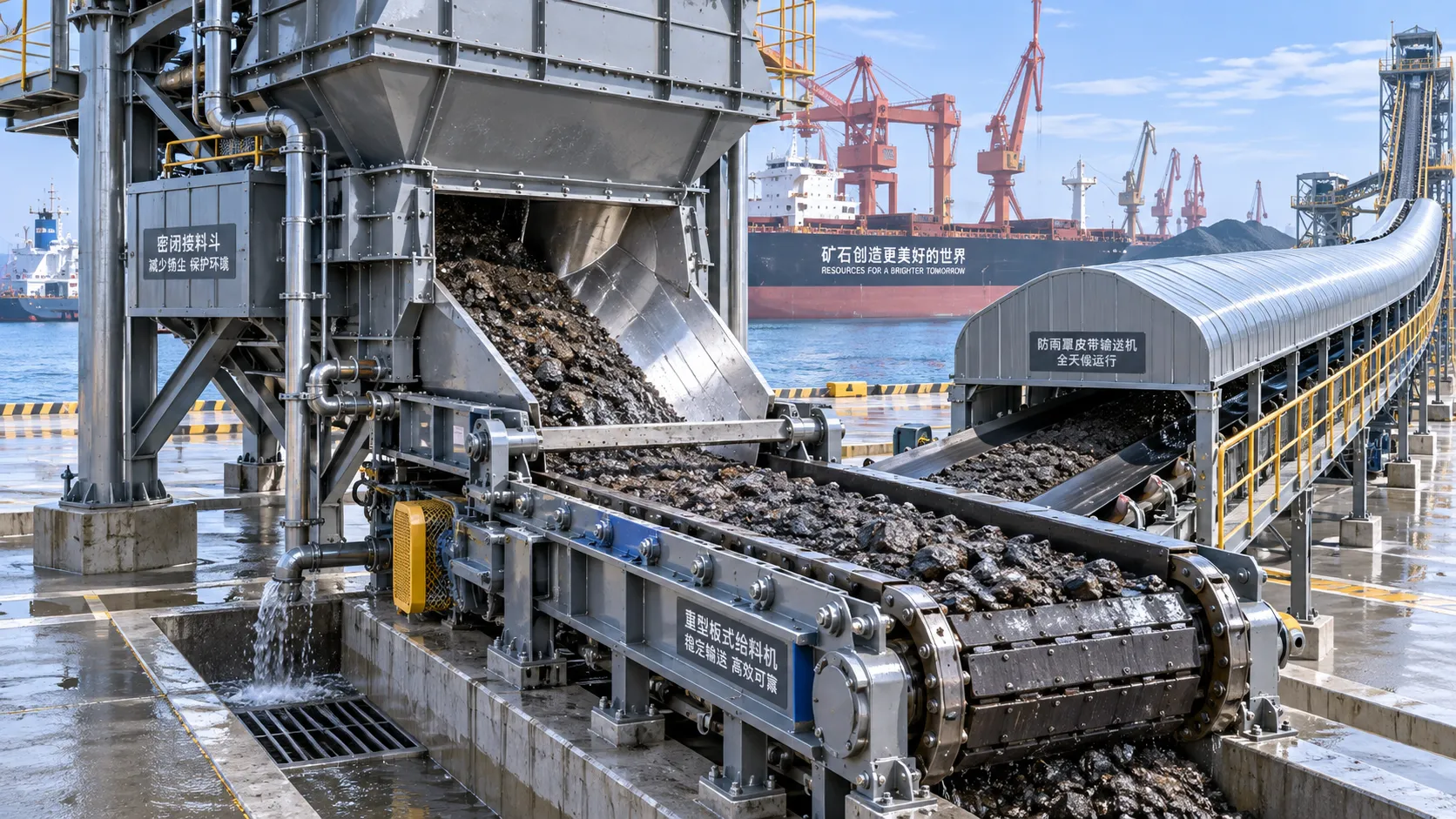
Which Bulk Handling Equipment Suits High-Moisture Cargo?
Which bulk handling equipment suits high-moisture cargo? Compare belt, apron, screw, drag, and slurry systems for reliable flow, less carryback, and higher terminal uptime.
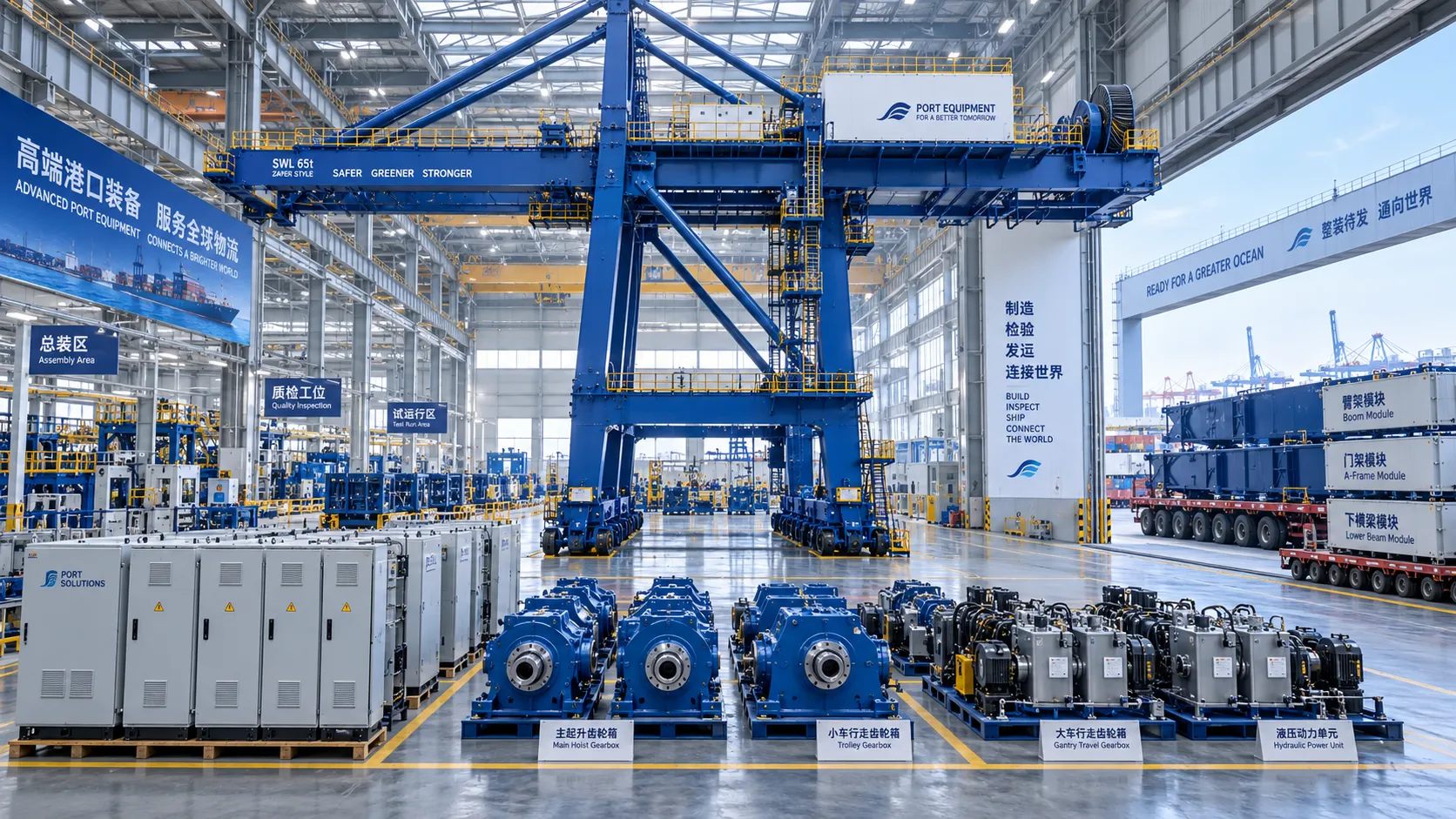
How Can Port Equipment Lead-Time Risk Be Managed?
How can port equipment lead-time risk be managed? Explore practical strategies to control critical paths, suppliers, transport, site readiness, and commissioning delays.
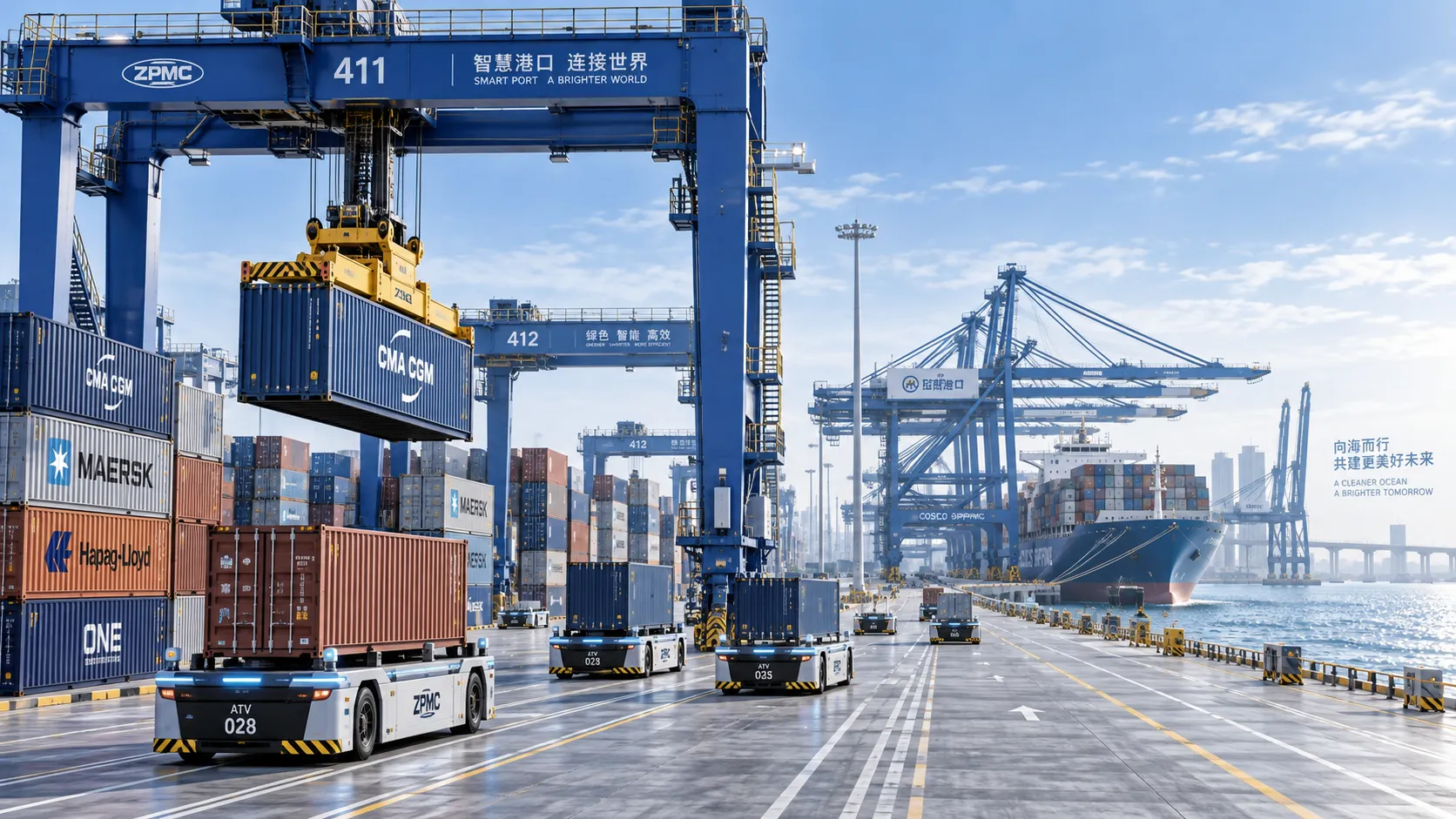
Terminal Automation Technologies That Raise Container Throughput Without Yard Disruption
Terminal automation technology that increases container throughput without disrupting yard flow. Explore smarter integration, resilient workflows, and phased deployment strategies.
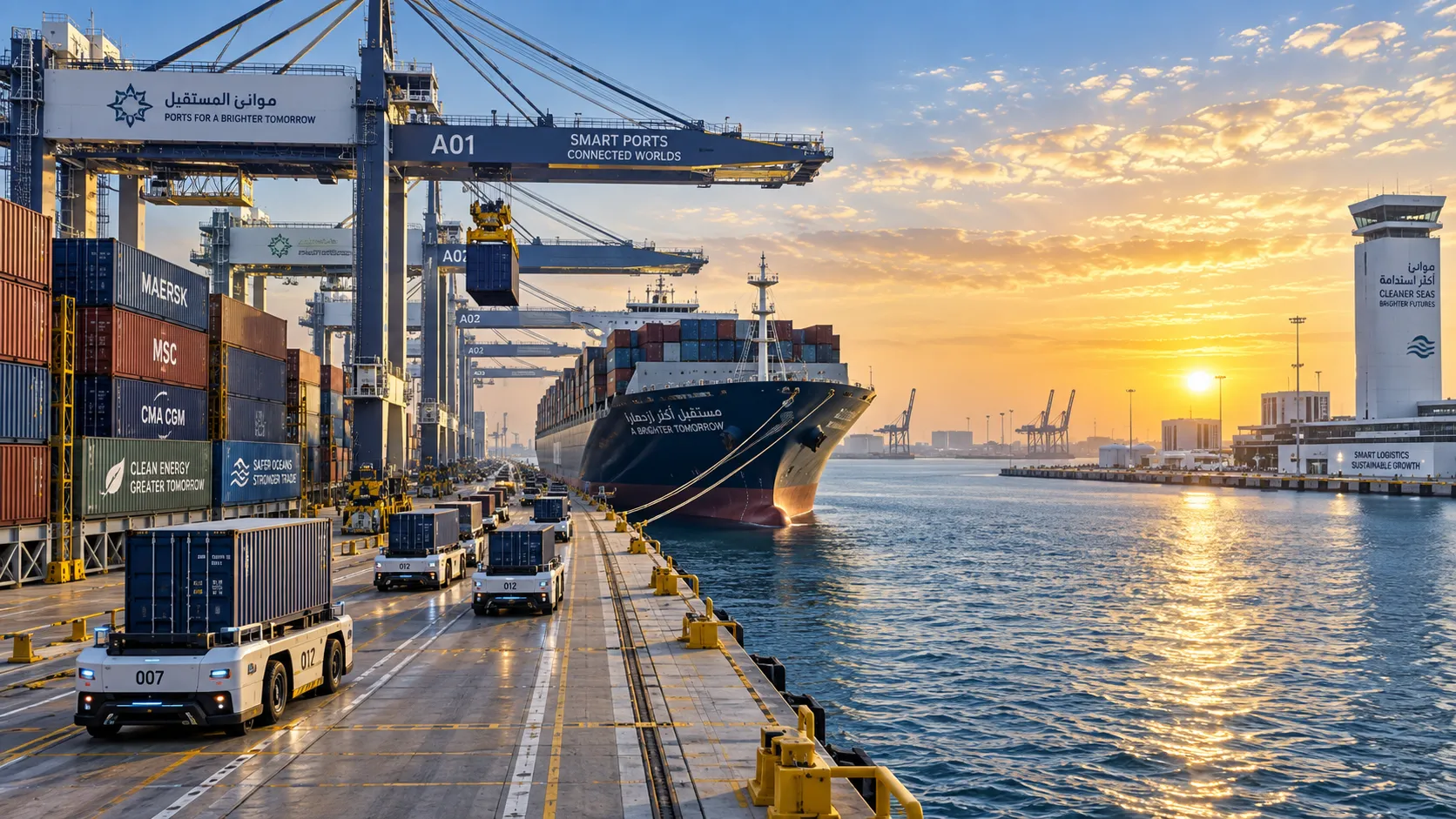
Middle East Port Automation: Key Market Drivers, Projects, and Investment Risks
Port automation systems Middle East: explore market drivers, flagship projects, integration challenges, and investment risks shaping smarter, resilient terminals.
Planning Offshore Dredging Operations: Key Risks, Methods, and Project Controls
Offshore dredging operations demand smart planning. Explore key risks, proven methods, environmental controls, and project strategies for reliable delivery.