Related News
- 00
0000-00
How to Evaluate Terminal Efficiency Solution Suppliers for High-Throughput Operations - 00
0000-00
What to Consider When Buying Electric Port Machinery for Container Terminals - 00
0000-00
How to Select Container Handling Equipment for Middle East Ports and Terminals - 00
0000-00
How to Evaluate a Port Machinery Exporter for Large-Scale Terminal Projects - 00
0000-00
Evaluating a Dredging Equipment Manufacturer for Mining Plant Supply
Port Control Systems for Gate Automation: Features to Compare Before Buying
Why do port control systems for gate automation deserve closer comparison?
Port gates are no longer simple entry points. They are traffic filters, security checkpoints, and data collection nodes tied to yard, vessel, and customs workflows.
That is why port control systems for gate automation affect much more than barrier movement. They influence queue length, truck turn time, labor allocation, and audit quality.
In practical terms, a weak system creates delays at the landside boundary. A strong one keeps identification, inspection, lane assignment, and release decisions moving together.
PS-Nexus tracks this area as part of port automation and control systems, the operational nerve center behind unmanned and semi-automated terminal logic.
For buyers, the main question is not whether to automate. The better question is which features reduce risk over the full equipment and software lifecycle.
What should a gate automation system actually control?
A surprising number of offers focus on hardware lists. That is only part of the picture. The real value comes from how the system coordinates decisions across devices.
At minimum, port control systems for gate automation should connect the following functions into one operating flow:
- vehicle identification through OCR, RFID, ANPR, or appointment data
- driver verification and access rights validation
- container number capture and transaction matching
- weighbridge, inspection, and exception routing
- barrier, signal light, and lane control
- event logging for disputes, compliance, and performance review
If these functions run as separate islands, gate staff will still need manual intervention. That usually means more delays during shift changes, outages, or peak truck arrivals.
A useful buying test is simple. Ask whether the system can process normal transactions, suspicious entries, and incomplete documents without forcing operators into offline workarounds.
Which features matter most before buying port control systems for gate automation?
Feature comparison is where many purchasing decisions become uneven. Some systems look complete in demonstrations but struggle once they face mixed truck flows and legacy terminal software.
The table below helps sort marketing claims from operational buying criteria.
The strongest port control systems for gate automation usually perform well in ordinary traffic and remain stable when lane conditions become messy, not just when they are ideal.
How do you judge compatibility with existing terminal operations?
This is where cost surprises often begin. A system may appear affordable until integration work, middleware changes, and device replacement are added.
Start with the operational map. Review how gate moves connect to appointment systems, customs clearance, yard instructions, weighbridge data, and billing events.
Then look at technical fit. Many terminals still operate mixed environments, with new OCR modules beside older PLCs, cameras, and database structures.
In that setting, open interfaces matter more than polished screens. The question is whether the software can absorb change without turning every upgrade into a custom project.
PS-Nexus often highlights low-latency communication and scheduling logic because gate decisions do not happen in isolation. They affect AGV dispatch, crane timing, and yard congestion.
A useful shortlist should therefore include checks on:
- supported data exchange standards and interface documentation
- ability to run with current lane hardware
- response time between gate events and terminal operating system updates
- local support capacity during commissioning and later upgrades
- scalability for new lanes, remote operations, or additional terminals
When compatibility is treated as a technical footnote, implementation timelines usually stretch. More often than not, the problem is not hardware but process alignment.
Where do cost and ROI assumptions usually go wrong?
The purchase price is only the visible layer. Total cost depends on integration scope, license structure, support model, spare parts, training, and expected uptime.
A low upfront bid can become expensive when every interface change needs paid customization. The same is true when analytics, redundancy, or cybersecurity tools are optional extras.
ROI should be tied to measurable gate outcomes. Truck turn time, manual intervention rate, missed appointments, inspection accuracy, and dispute resolution speed are better indicators than generic efficiency claims.
In real operations, gains also come from better predictability. A reliable automated gate helps yard planners and vessel operations because landside arrivals become easier to sequence.
Use this cost check before approval:
- separate capital cost from five-year operating cost
- price the integration work with existing terminal systems
- estimate downtime cost during migration or cutover
- confirm software update policy and cybersecurity maintenance
- measure whether lane throughput targets are contractually defined
Port control systems for gate automation should be judged on operational durability, not only on procurement-year savings.
What risks are easy to overlook during vendor comparison?
One common mistake is treating gate automation as a standalone security package. In reality, it is a transaction engine with physical consequences.
Another weak point is exception design. Ports deal with damaged plates, unreadable container codes, rerouted cargo, and last-minute customs holds every day.
If the system cannot handle those exceptions smoothly, staff will bypass it. Once bypass behavior becomes normal, data quality and control discipline fall quickly.
Vendor lock-in also deserves attention. Proprietary device rules, opaque data structures, and limited export options may reduce bargaining power later.
More careful evaluations usually ask for scenario testing, not just presentations. That means reviewing how port control systems for gate automation respond to outages, false reads, and network delays.
It is also worth checking whether the vendor understands broader maritime logistics. Gate logic should support terminal rhythm, not interrupt it.
What is the smartest next step before selecting a system?
Begin with a decision matrix built around real gate transactions. Map inbound, outbound, empty, hazardous, and exception flows before comparing supplier proposals.
Then request evidence, not only claims. Good proposals should show interface architecture, throughput benchmarks, exception logic, maintenance terms, and migration planning.
For complex terminals, it helps to evaluate gate automation in the context of the wider port stack. PS-Nexus consistently frames automation as part of a connected logistics system, not an isolated tool.
That wider view matters because gate decisions ripple into crane scheduling, yard density, truck appointment reliability, and even emissions from idling vehicles.
A practical selection path usually looks like this:
- define transaction types and service level targets
- document current systems, hardware, and interface constraints
- compare port control systems for gate automation using live scenarios
- score five-year cost, uptime support, and expansion flexibility
- run a pilot or staged rollout where traffic risk is manageable
The best buying decisions usually come from disciplined comparison. When features, compatibility, risk, and lifecycle cost are reviewed together, the shortlist becomes much clearer.
Related News
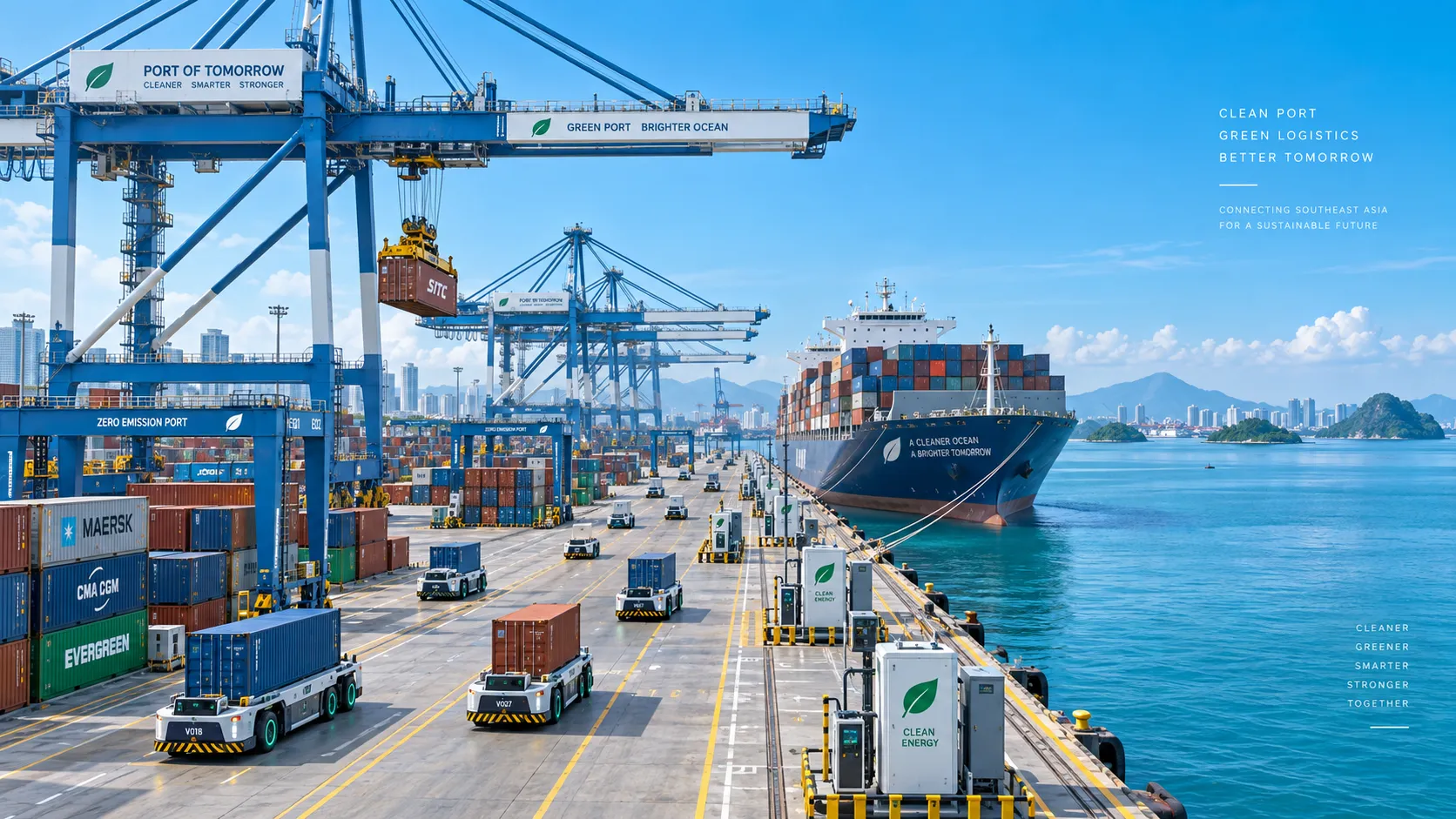
Smart Port Systems in Southeast Asia: Investment Priorities and Adoption Barriers
Smart port systems Southeast Asia: discover investment priorities, adoption barriers, and practical steps to build resilient, connected, high-performing terminals.

How to Evaluate Terminal Efficiency Solution Suppliers for High-Throughput Operations
Choose a terminal efficiency solutions supplier with confidence. Explore proven criteria for throughput, integration, lifecycle cost, safety, and reliable delivery.
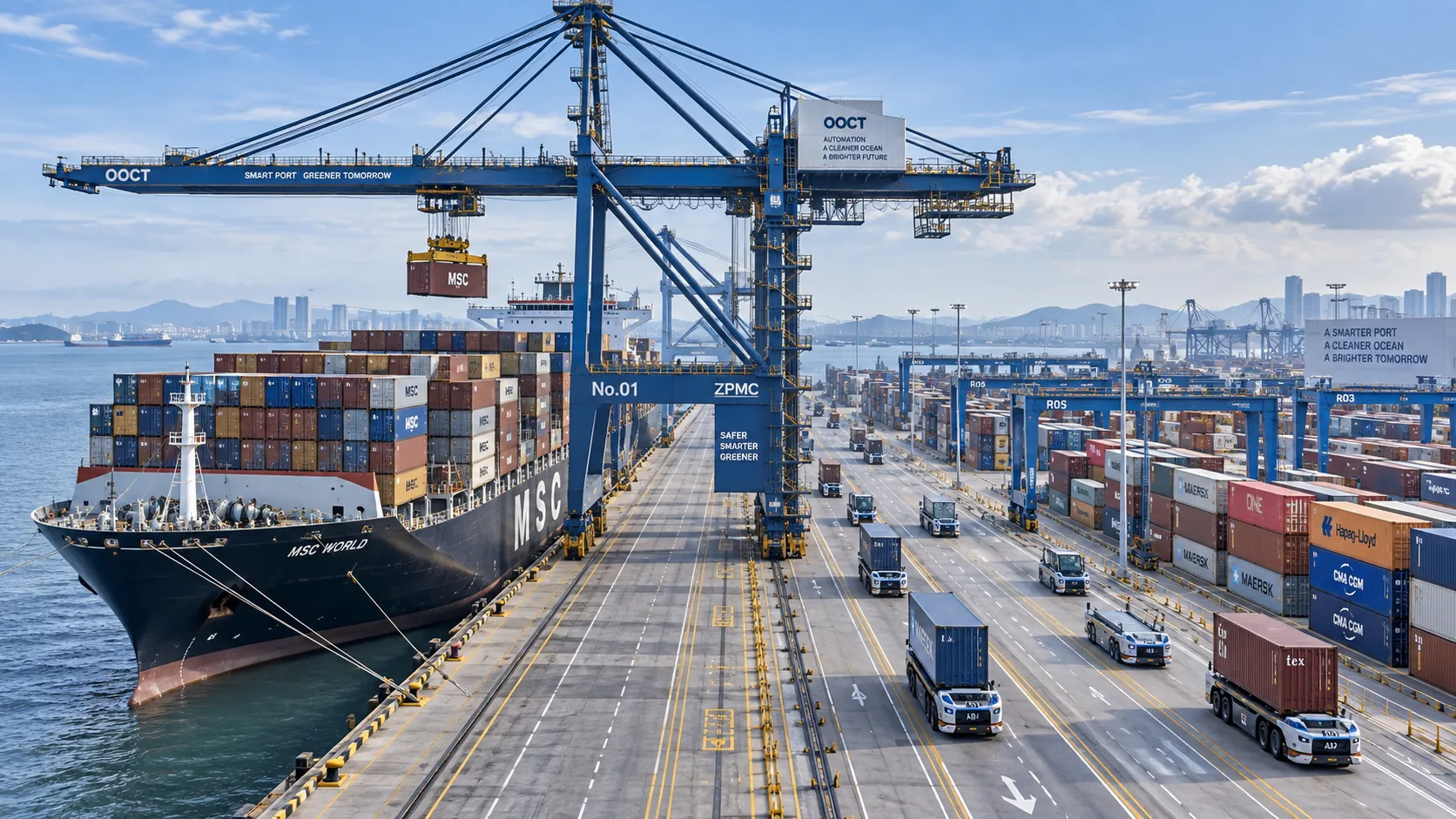
How to Specify a Quay Crane for Container Terminals by Vessel Size and Throughput?
Quay crane for container terminals: learn how to match outreach, lift height, capacity, automation, and cycle performance to vessel size and throughput goals.
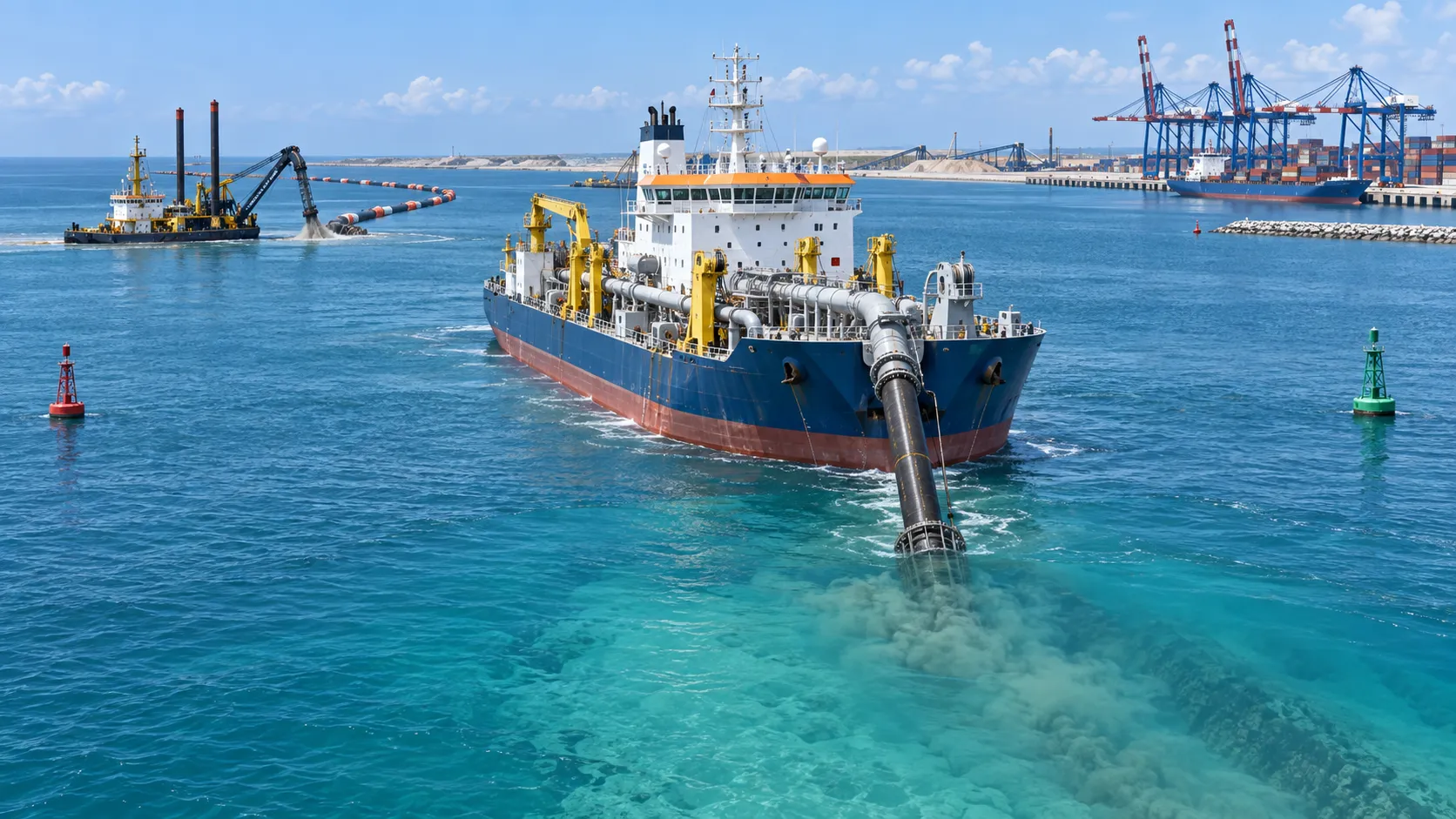
What Dredging Equipment Is Needed for Channel Deepening?
What dredging equipment is needed for channel deepening? Explore dredgers, pipelines, survey tools, and planning strategies for safer, more efficient port access.
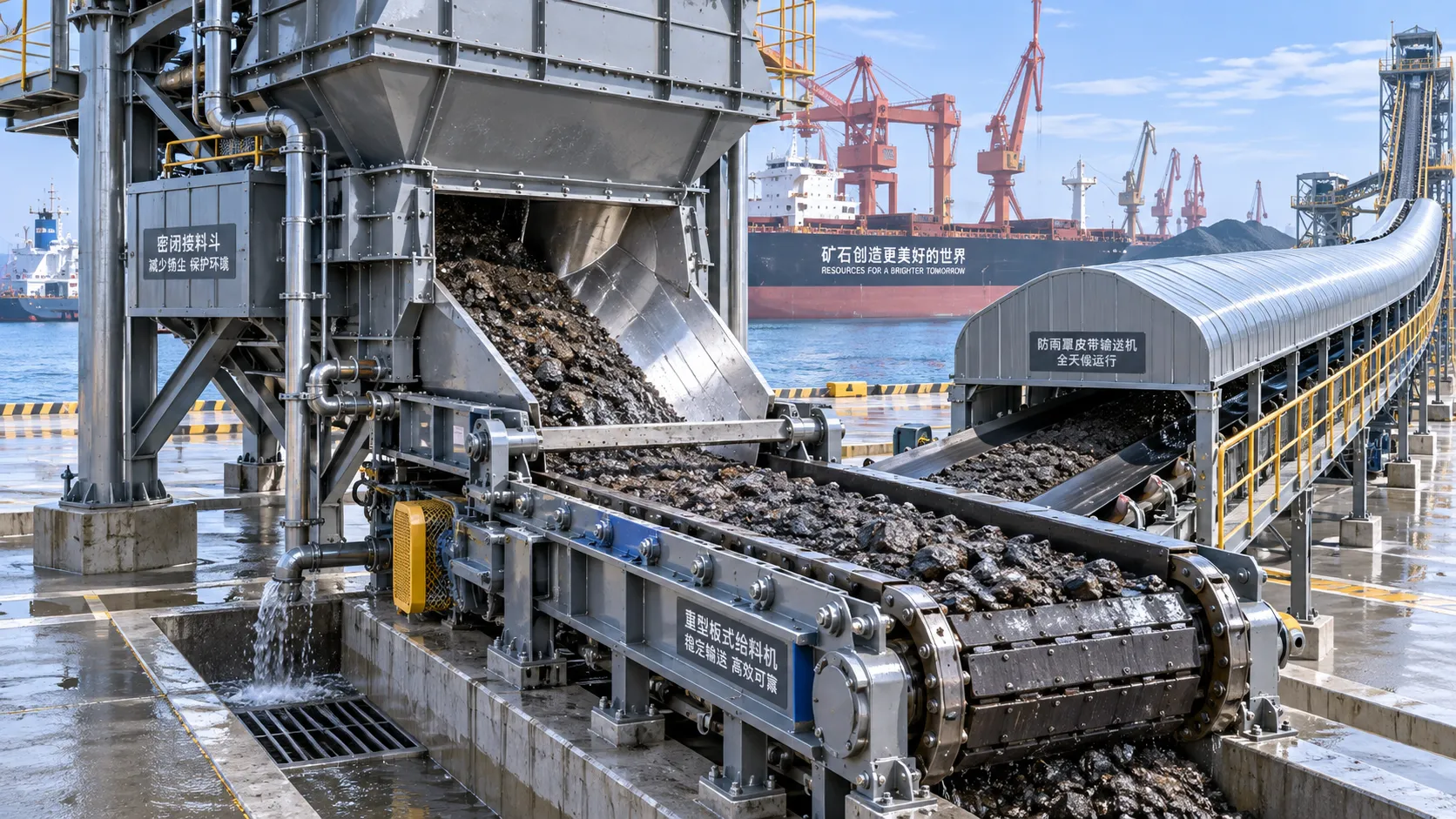
Which Bulk Handling Equipment Suits High-Moisture Cargo?
Which bulk handling equipment suits high-moisture cargo? Compare belt, apron, screw, drag, and slurry systems for reliable flow, less carryback, and higher terminal uptime.
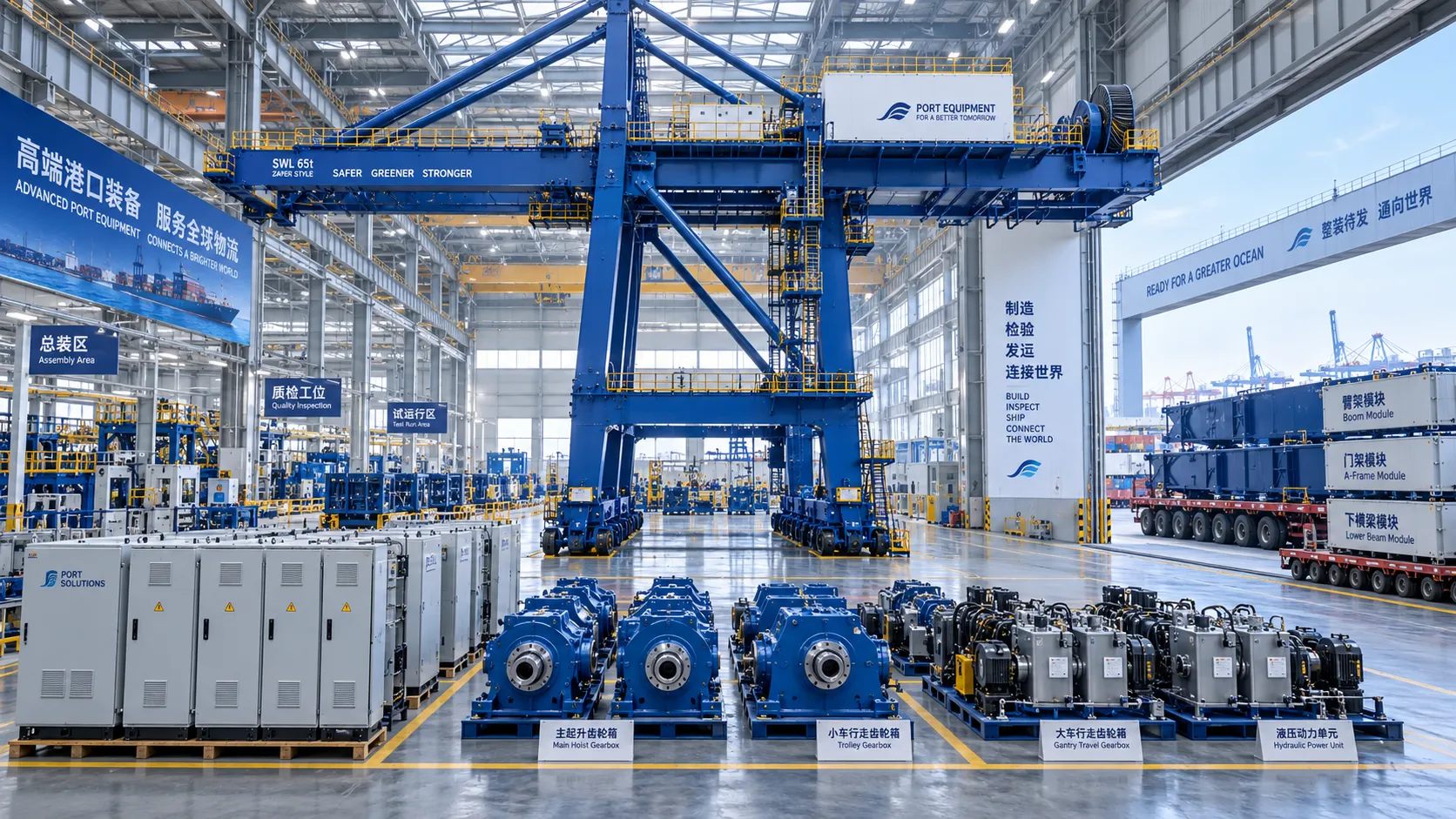
How Can Port Equipment Lead-Time Risk Be Managed?
How can port equipment lead-time risk be managed? Explore practical strategies to control critical paths, suppliers, transport, site readiness, and commissioning delays.
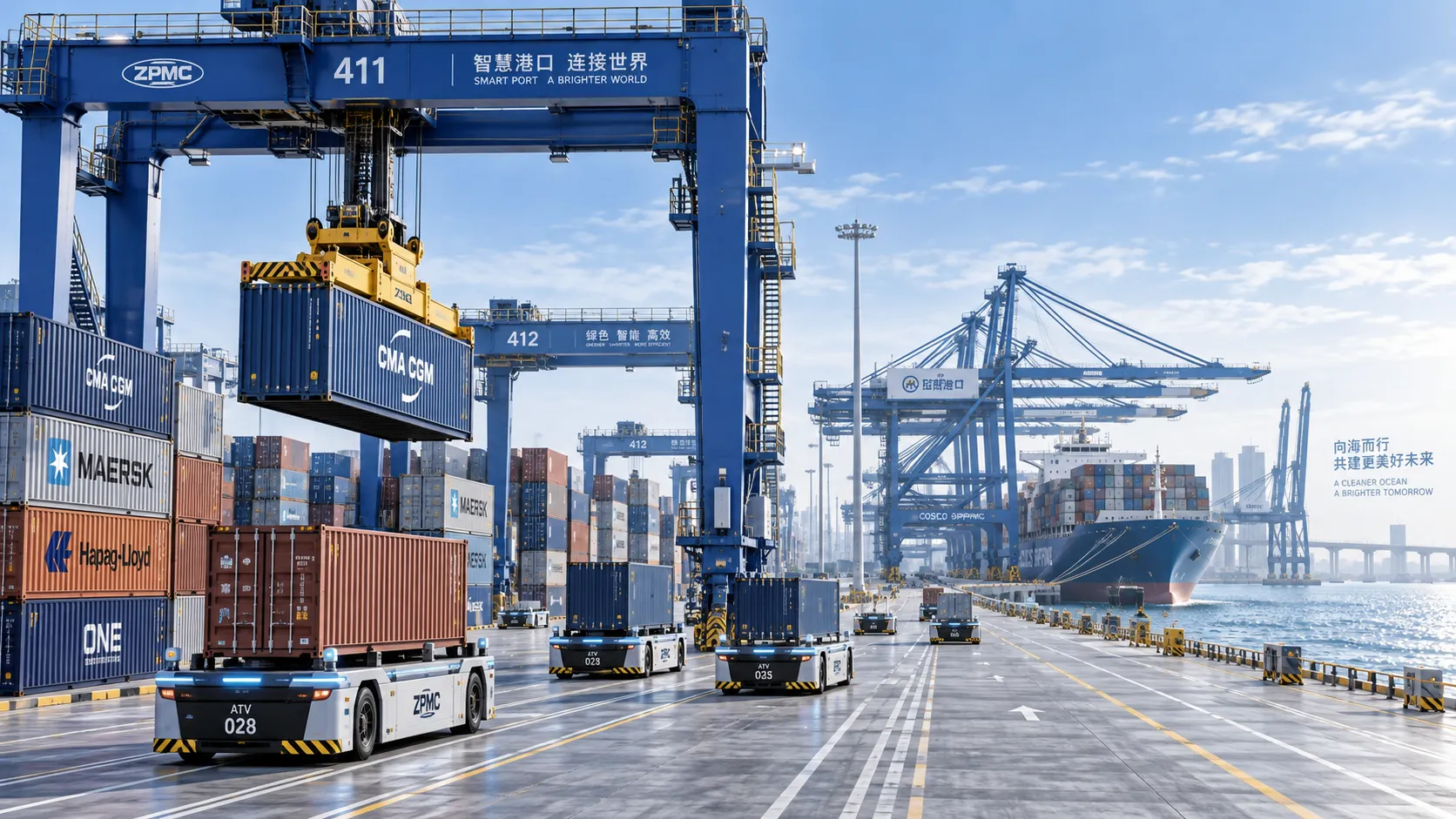
Terminal Automation Technologies That Raise Container Throughput Without Yard Disruption
Terminal automation technology that increases container throughput without disrupting yard flow. Explore smarter integration, resilient workflows, and phased deployment strategies.
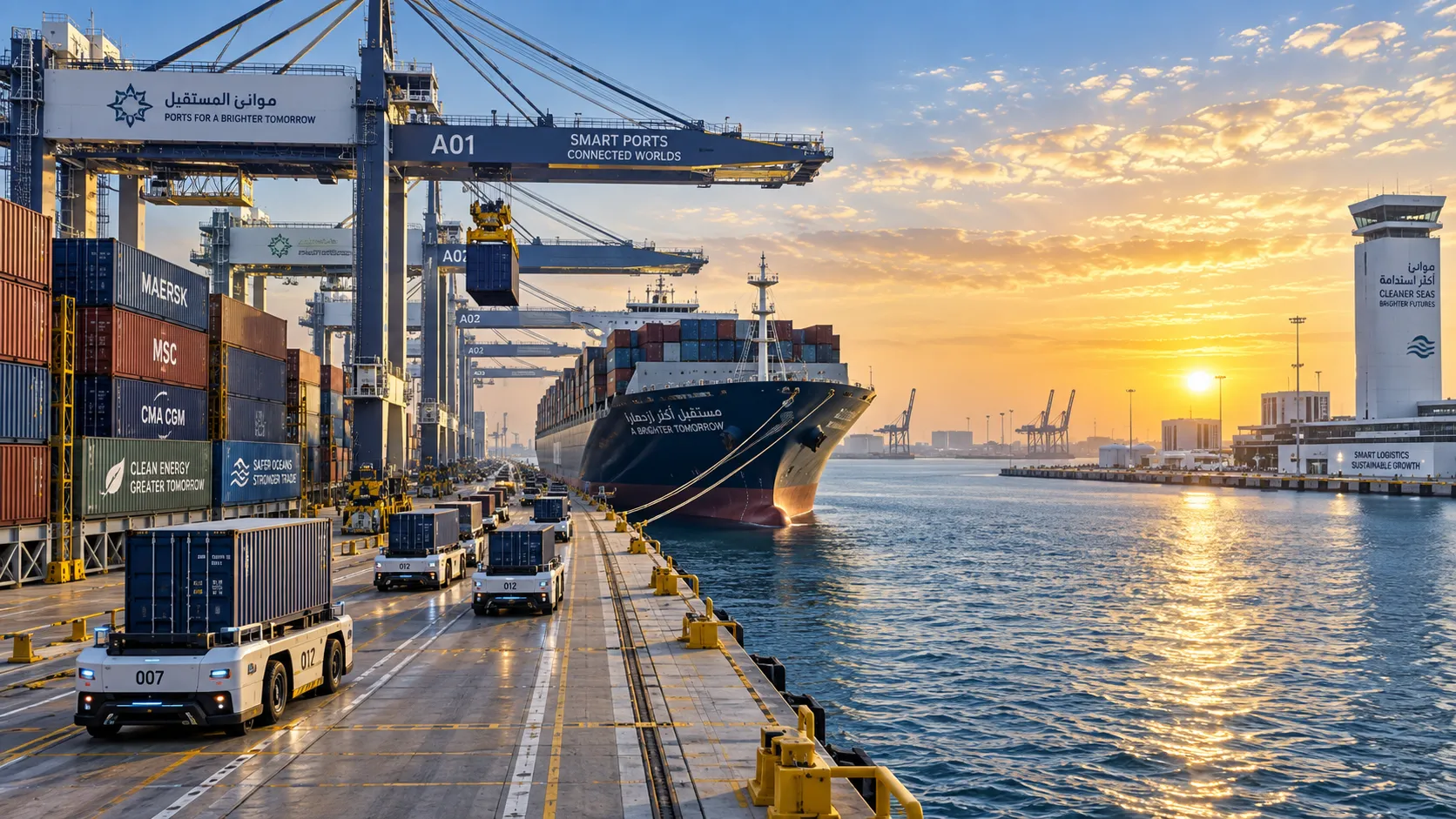
Middle East Port Automation: Key Market Drivers, Projects, and Investment Risks
Port automation systems Middle East: explore market drivers, flagship projects, integration challenges, and investment risks shaping smarter, resilient terminals.
Planning Offshore Dredging Operations: Key Risks, Methods, and Project Controls
Offshore dredging operations demand smart planning. Explore key risks, proven methods, environmental controls, and project strategies for reliable delivery.