Related News
- 00
0000-00
How to Evaluate Terminal Efficiency Solution Suppliers for High-Throughput Operations - 00
0000-00
What to Consider When Buying Electric Port Machinery for Container Terminals - 00
0000-00
How to Select Container Handling Equipment for Middle East Ports and Terminals - 00
0000-00
How to Evaluate a Port Machinery Exporter for Large-Scale Terminal Projects - 00
0000-00
Evaluating a Dredging Equipment Manufacturer for Mining Plant Supply
How an Automated Cargo Handling Systems Integrator Reduces Handover Delays
Why Handover Delays Often Start Long Before Final Testing
In port automation, handover rarely slips because of one dramatic failure. It usually slips through small disconnects between equipment, software, site conditions, and acceptance logic.
That is where an automated cargo handling systems integrator becomes commercially important. The role is not only technical. It is also about sequencing decisions across civil works, terminal gear, controls, and operating readiness.
For PS-Nexus, this matters because modern maritime logistics depends on synchronized performance. A quay crane, AGV fleet, yard control layer, and remote operation room cannot be commissioned as isolated assets.
The stronger automated cargo handling systems integrator reduces handover delays by connecting mechanical power, scheduling logic, and site acceptance into one executable path.
Actual Projects Diverge Once the Operating Context Changes
Two terminals may buy similar automation packages and still face different handover risks. The difference usually comes from berth layout, traffic density, labor model, and legacy system constraints.
A greenfield container hub often struggles with orchestration across many new systems at once. A brownfield upgrade usually struggles with coexistence, phased cutover, and keeping cargo moving during change.
Bulk handling environments add another layer. Conveyor interlocks, dust control, shiploader logic, and safety isolation can reshape how an automated cargo handling systems integrator plans testing windows.
More specialized yards may care less about peak speed and more about slot discipline, exception handling, and equipment recovery time. In practice, handover readiness depends on the weakest interface, not the strongest machine.
When New Automated Terminals Need Fast Startup
In a new-build terminal, the automated cargo handling systems integrator is judged first by interface discipline. Civil completion, power stability, PLC readiness, TOS mapping, and network latency all need aligned milestones.
The common mistake is to treat FAT success as proof of smooth startup. Site reality changes everything. Sensor placement, wheel slip, wind exposure, and wireless dead zones often appear only after physical commissioning begins.
A useful integrator starts site acceptance planning early. That includes naming failure modes, defining rollback conditions, and agreeing how exceptions are logged and cleared during trial operations.
This approach shortens handover because rework is found while dependencies are still manageable. It also prevents the terminal from reaching late-stage tests with unresolved control assumptions.
What usually deserves attention in this setting
- Control logic versioning across cranes, AGVs, and yard systems
- Real network performance rather than lab estimates
- Alarm priorities that support operators during transition
- Acceptance criteria tied to throughput and recovery behavior
Brownfield Upgrades Create a Different Type of Risk
An existing terminal rarely gets the luxury of a clean reset. Here, an automated cargo handling systems integrator must work around live operations, older control layers, and uneven asset conditions.
The biggest handover delays often come from assumptions about compatibility. Legacy PLCs may communicate, but timing behavior can still break coordinated moves. Old sensors may read, yet remain unreliable under automated duty cycles.
In these projects, phased commissioning matters more than headline automation depth. Keeping part of the yard manual while another part moves to semi-automatic control may actually reduce overall delay.
The better automated cargo handling systems integrator will define cutover zones, fallback procedures, and operating hours for disruptive tests. That sounds basic, but it is usually what protects the handover date.
Bulk, Container, and Mixed Cargo Sites Do Not Judge Integration the Same Way
Different cargo environments create different measures of success. A single integration philosophy does not fit every terminal, even if the automation stack looks similar on paper.
This is why PS-Nexus tracks not only machine trends, but also control architecture and logistics node behavior. Handover performance reflects how those layers interact under real cargo conditions.
The Best Integrators Reduce Delay by Managing Interfaces, Not Just Equipment
Many project teams still overfocus on individual asset performance. They check crane rates, AGV speed, or conveyor capacity, yet overlook the data handoffs that actually control acceptance.
A capable automated cargo handling systems integrator will make interface ownership explicit. That includes who validates tags, who signs off message mapping, and who resolves timestamp mismatches between subsystems.
This matters even more where low-latency communication supports remote-controlled cranes or dense AGV routing. Small delays in messaging can create larger delays in testing, because fault replication becomes inconsistent.
Integration quality also shapes energy performance. Net-zero goals, idle reduction, and smooth motion control are difficult to verify during handover if the baseline logic is still unstable.
Practical indicators worth checking before handover
- Whether interface registers are frozen before final tests
- Whether exception scenarios are tested, not only normal flow
- Whether operational reports match actual field events
- Whether recovery time is measured after induced faults
Where Projects Commonly Misjudge the Need for an Automated Cargo Handling Systems Integrator
One frequent misjudgment is assuming the OEM mix can coordinate itself. In reality, each supplier may optimize local performance while leaving cross-system behavior unresolved.
Another is choosing only on procurement cost. A cheaper package may increase handover delay if it lacks field commissioning depth, test orchestration, or legacy adaptation capability.
Some teams compare two terminals and assume they need the same integration method. But berth geometry, weather profile, labor interface, and digital maturity can change the commissioning path completely.
It is also common to underestimate documentation structure. Without disciplined cause-and-effect records, unresolved issues return during trial runs and extend acceptance cycles.
A Better Fit Usually Comes from Early Scenario Mapping
Before selecting or evaluating an automated cargo handling systems integrator, it helps to map the project by operating scenarios instead of by equipment list alone.
That means identifying high-density vessel windows, yard conflict zones, degraded network conditions, maintenance bypass needs, and temporary manual intervention points.
Once those scenarios are visible, the right questions become clearer. Can the integrator validate logic under peak stacking pressure? Can it manage phased turnover? Can it stabilize reporting for commercial acceptance?
This is often where intelligence-led evaluation helps. The PS-Nexus perspective is useful because system integration should be read against trade flow, port modernization pressure, and long-cycle infrastructure decisions.
A grounded shortlist should confirm
- Experience with similar cargo flow and terminal layout
- Ability to coordinate mechanical, software, and acceptance teams
- Method for phased testing, rollback, and issue closure
- Clarity on lifecycle support after formal handover
The Next Step Is to Define Handover by Scenario, Not by Assumption
An automated cargo handling systems integrator reduces handover delays when the scope reflects actual operating conditions, not a generic automation promise.
The practical next move is to sort project conditions into distinct scenarios, compare interface risks, and define acceptance evidence for each one. That creates a more reliable basis for timeline, cost, and implementation judgment.
In port infrastructure, smooth startup depends on whether mechanics, logic, and operational reality are synchronized early enough. That is the real value an automated cargo handling systems integrator is expected to deliver.
Related News
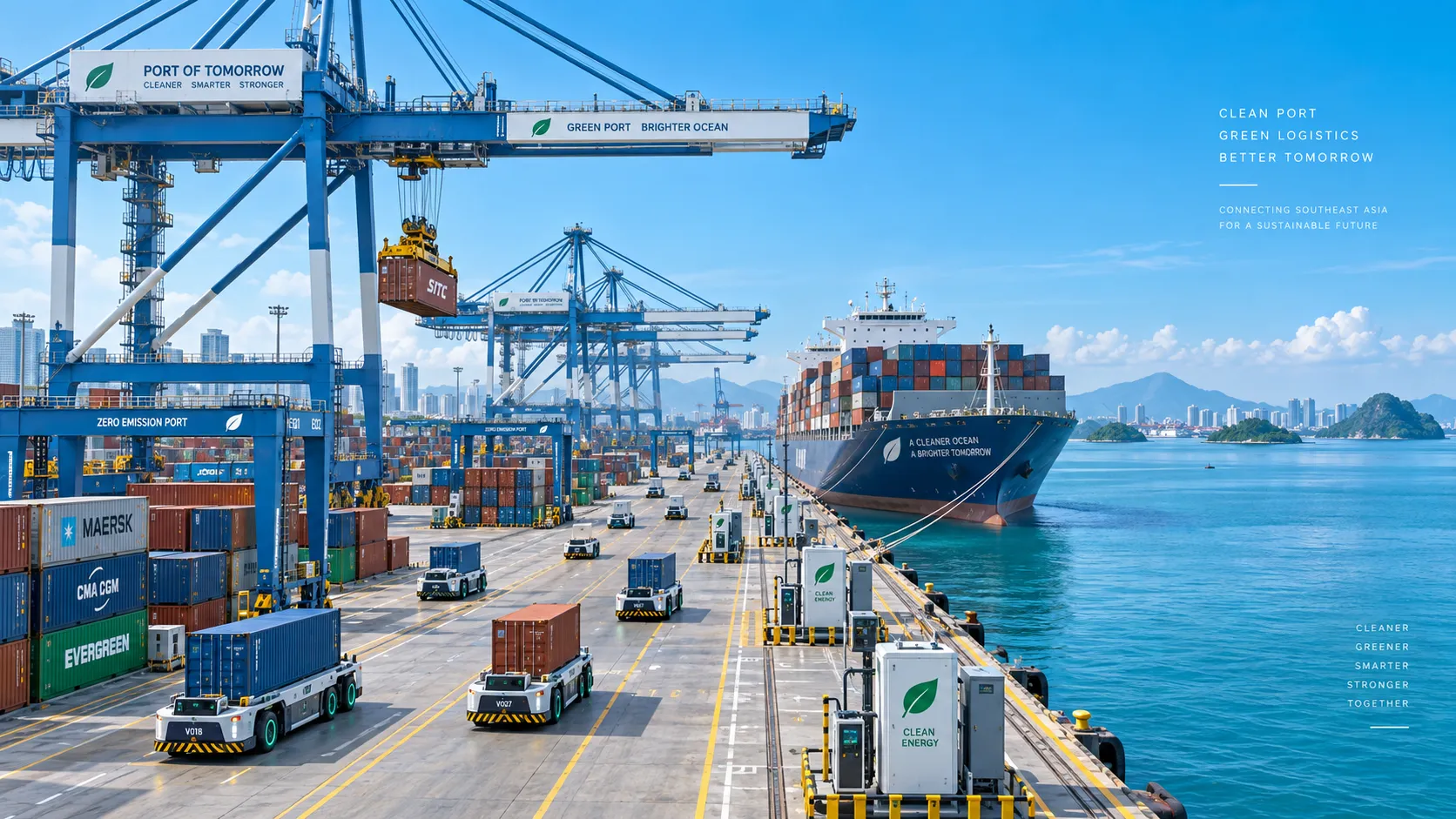
Smart Port Systems in Southeast Asia: Investment Priorities and Adoption Barriers
Smart port systems Southeast Asia: discover investment priorities, adoption barriers, and practical steps to build resilient, connected, high-performing terminals.

How to Evaluate Terminal Efficiency Solution Suppliers for High-Throughput Operations
Choose a terminal efficiency solutions supplier with confidence. Explore proven criteria for throughput, integration, lifecycle cost, safety, and reliable delivery.
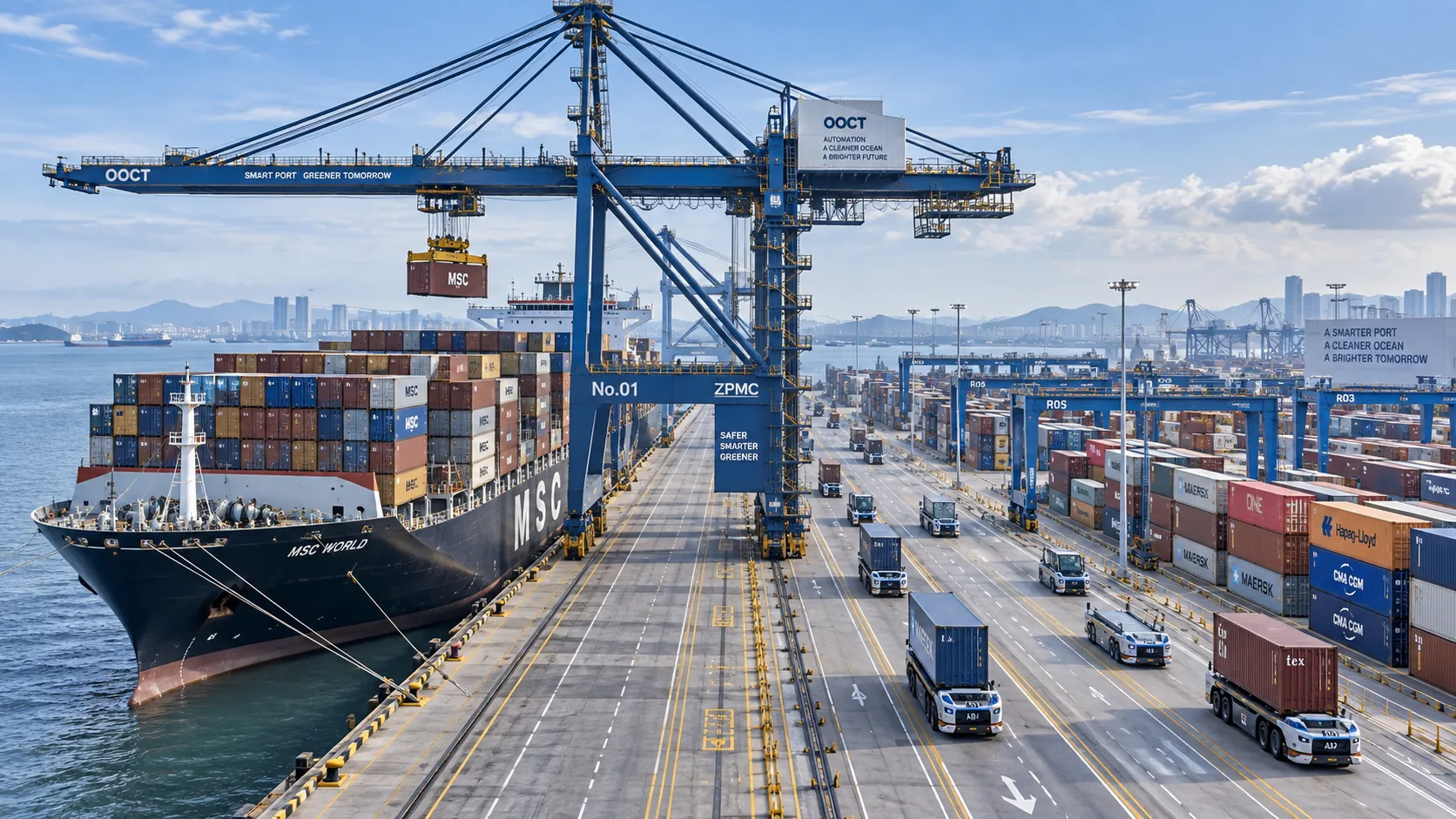
How to Specify a Quay Crane for Container Terminals by Vessel Size and Throughput?
Quay crane for container terminals: learn how to match outreach, lift height, capacity, automation, and cycle performance to vessel size and throughput goals.
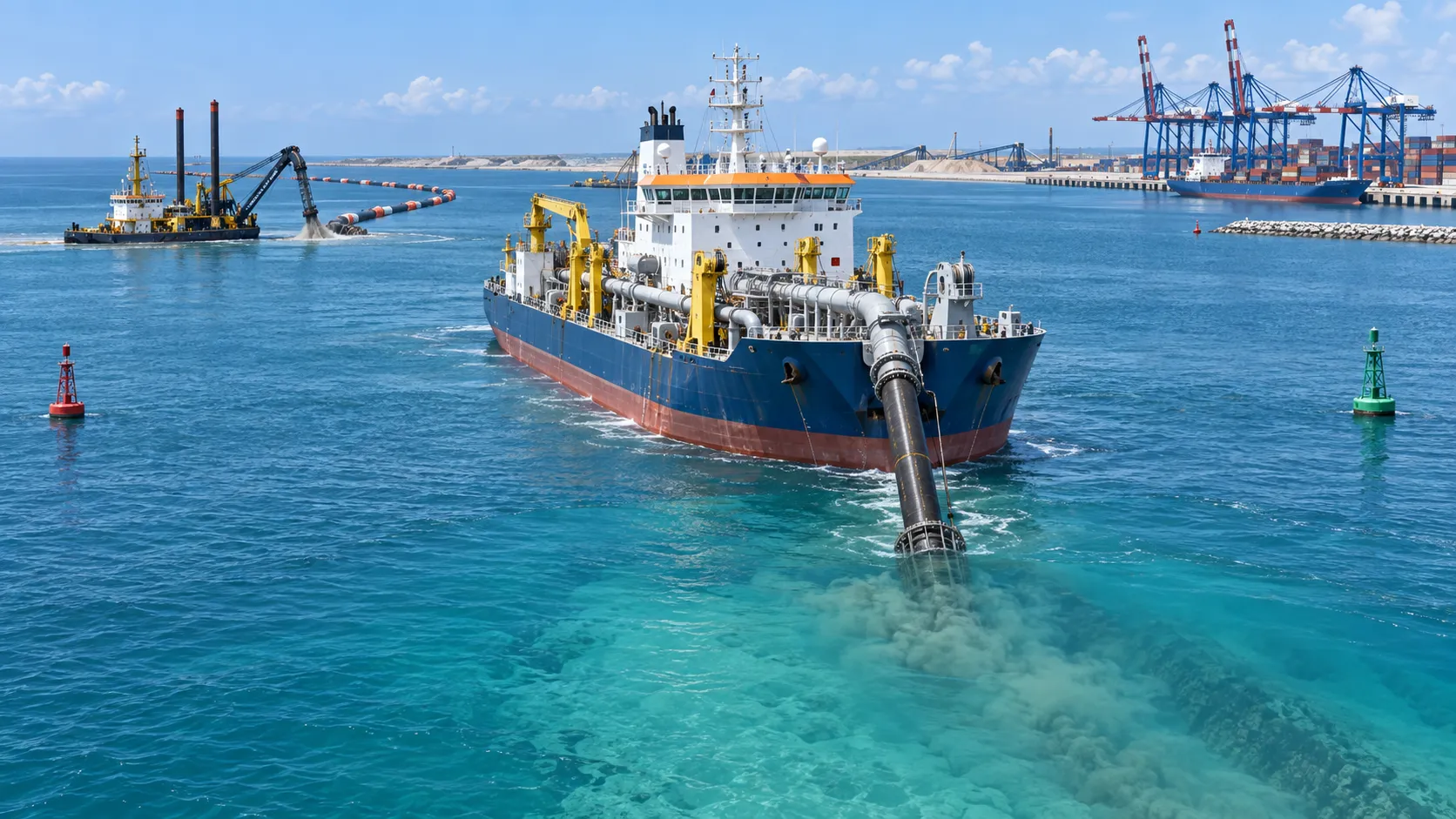
What Dredging Equipment Is Needed for Channel Deepening?
What dredging equipment is needed for channel deepening? Explore dredgers, pipelines, survey tools, and planning strategies for safer, more efficient port access.
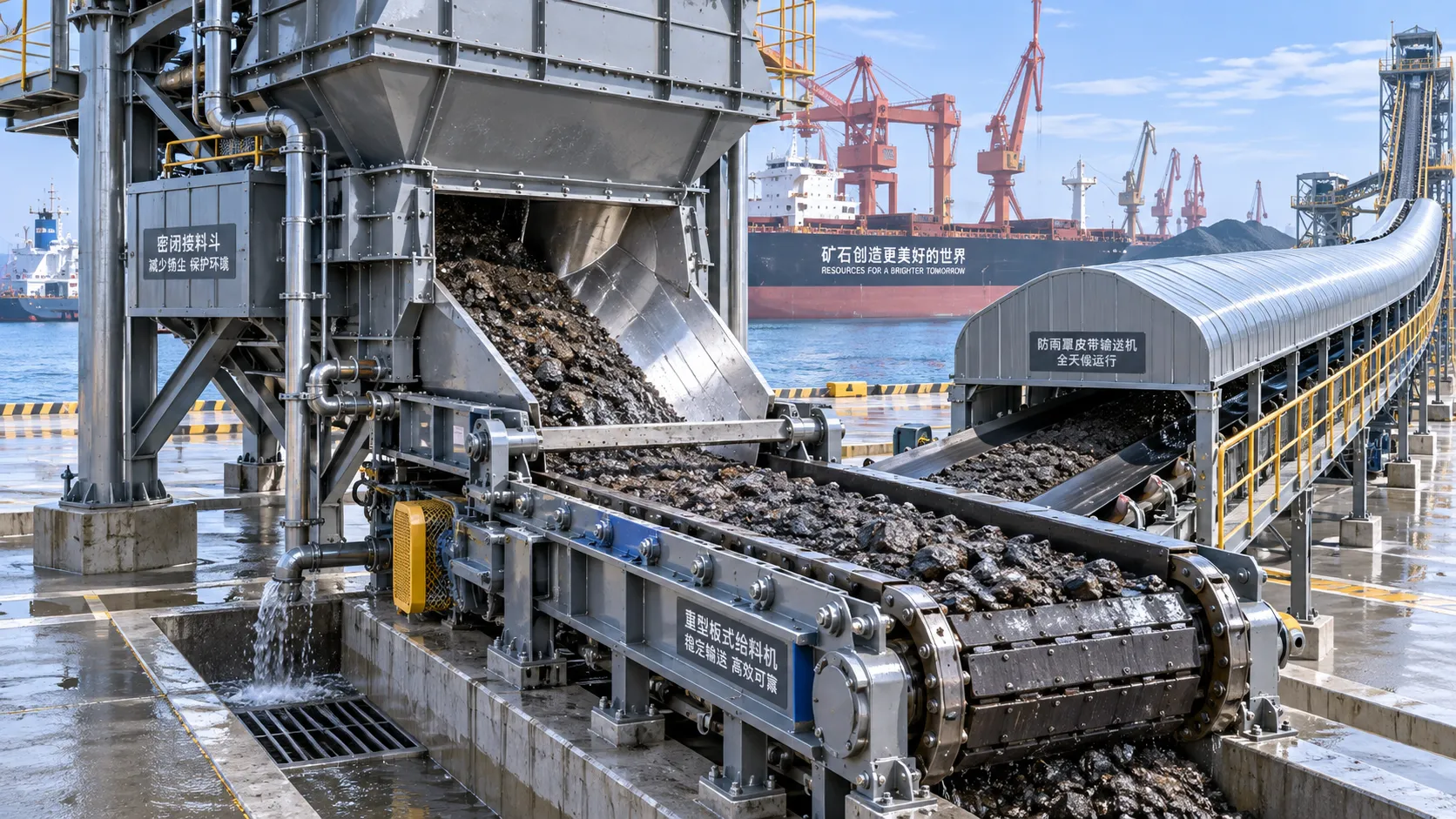
Which Bulk Handling Equipment Suits High-Moisture Cargo?
Which bulk handling equipment suits high-moisture cargo? Compare belt, apron, screw, drag, and slurry systems for reliable flow, less carryback, and higher terminal uptime.
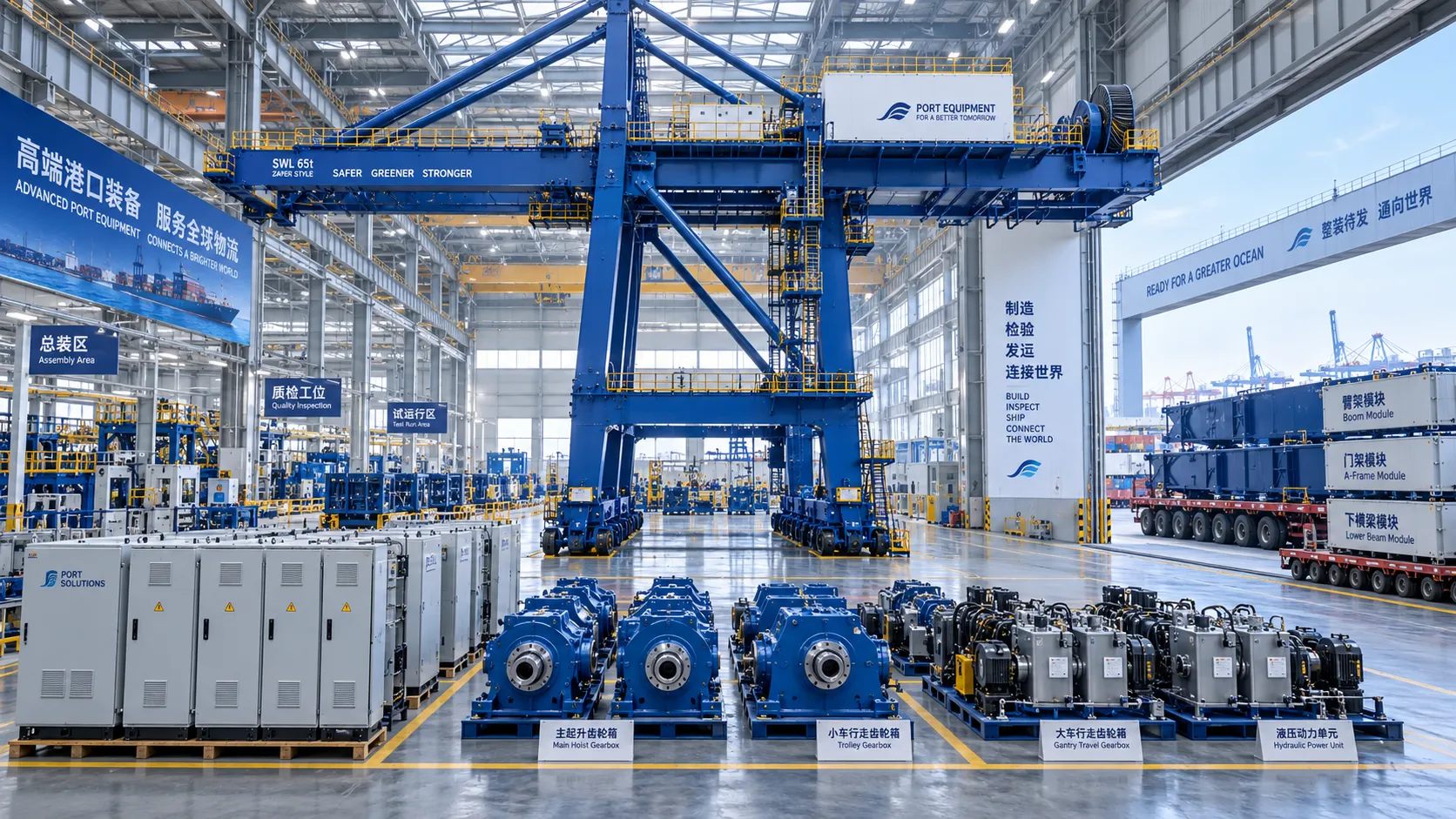
How Can Port Equipment Lead-Time Risk Be Managed?
How can port equipment lead-time risk be managed? Explore practical strategies to control critical paths, suppliers, transport, site readiness, and commissioning delays.
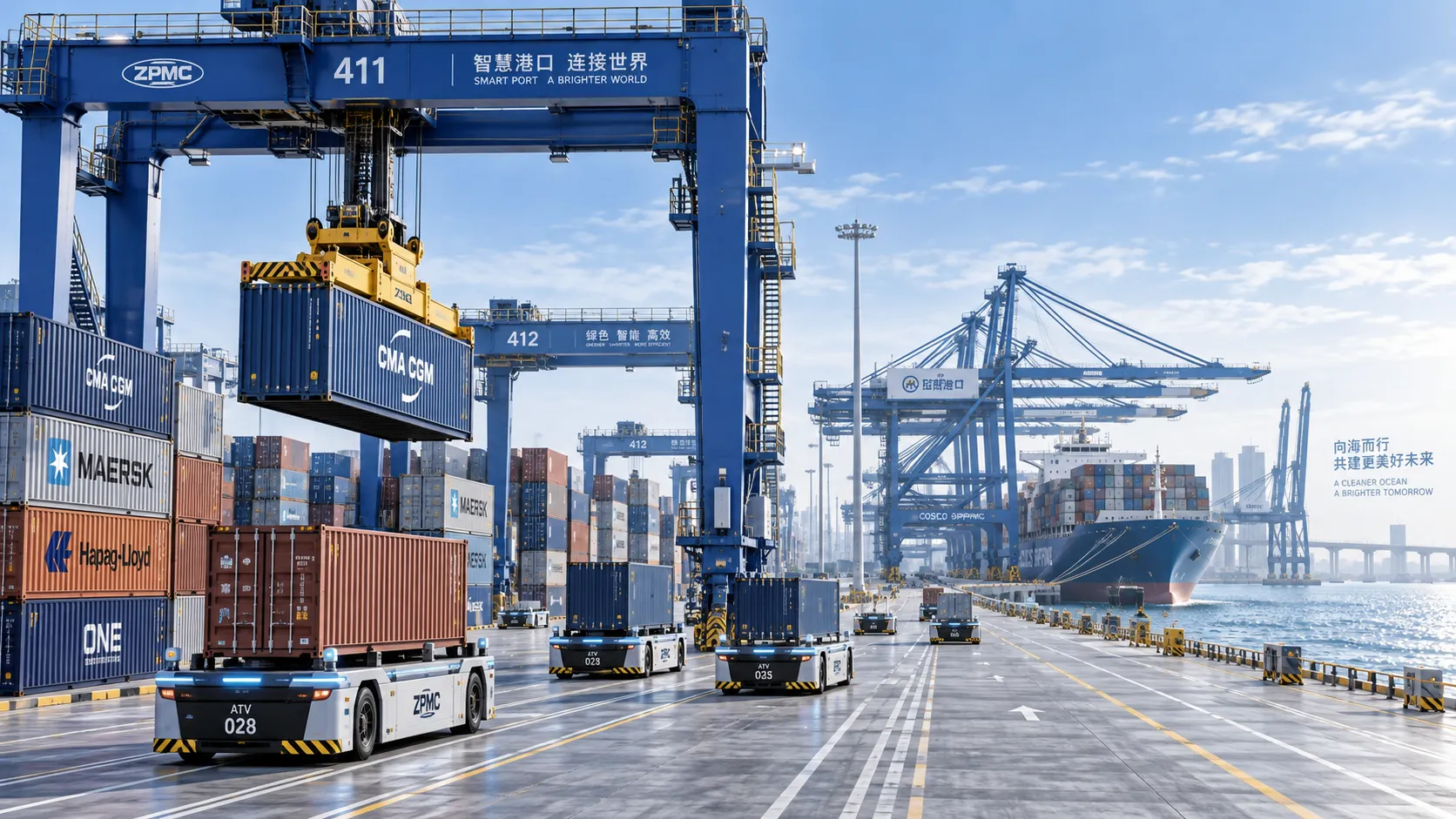
Terminal Automation Technologies That Raise Container Throughput Without Yard Disruption
Terminal automation technology that increases container throughput without disrupting yard flow. Explore smarter integration, resilient workflows, and phased deployment strategies.
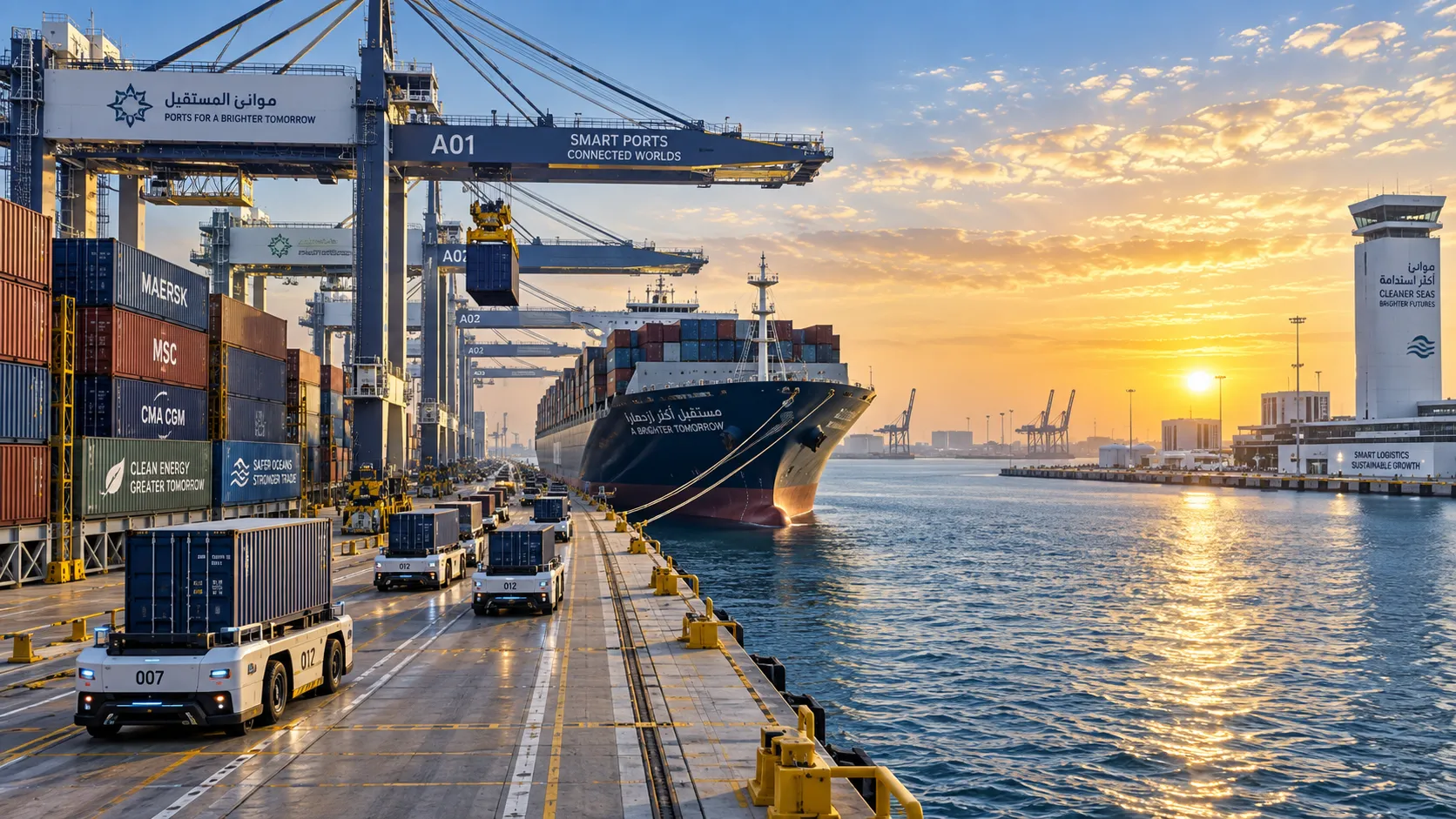
Middle East Port Automation: Key Market Drivers, Projects, and Investment Risks
Port automation systems Middle East: explore market drivers, flagship projects, integration challenges, and investment risks shaping smarter, resilient terminals.
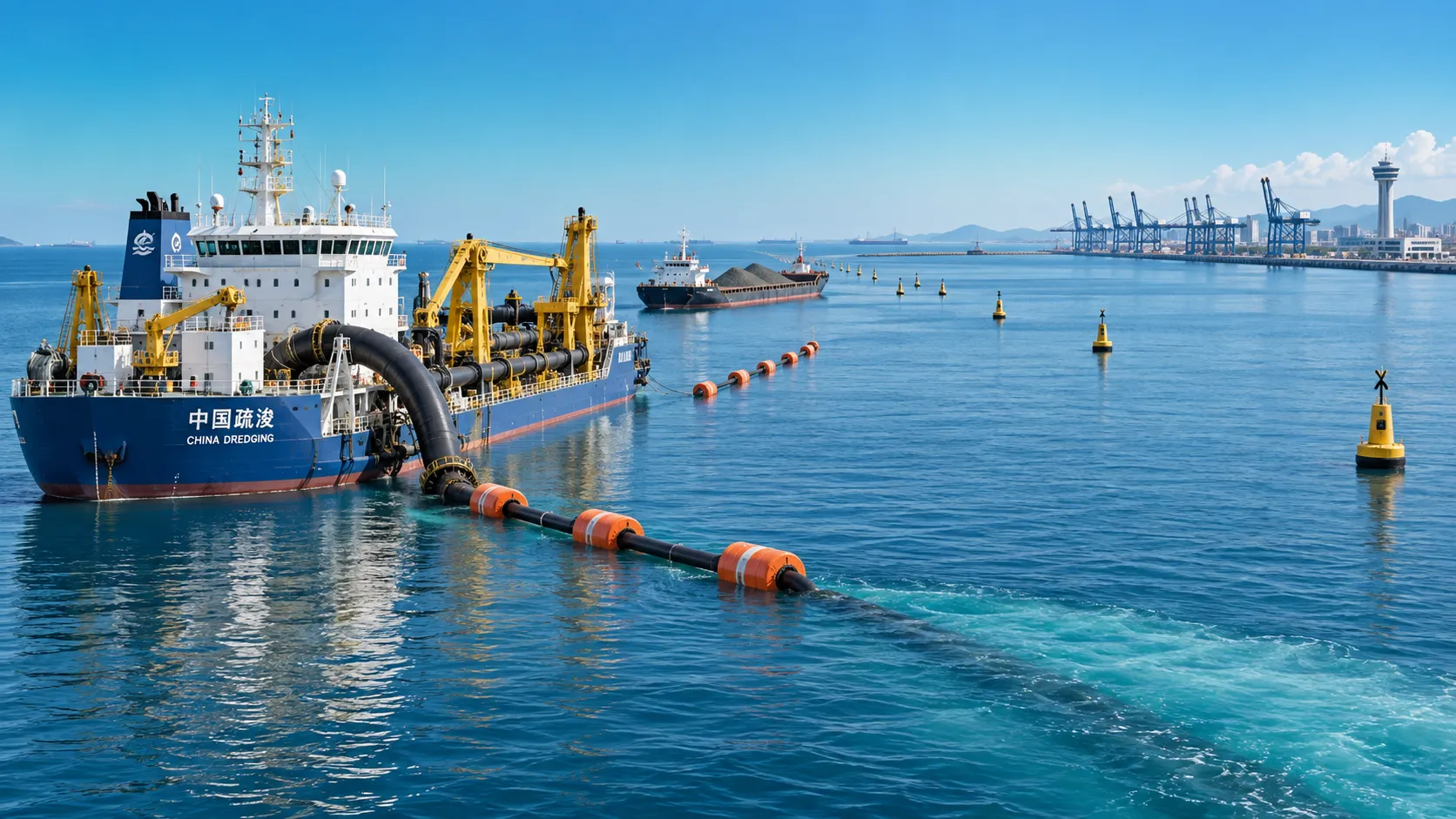
Planning Offshore Dredging Operations: Key Risks, Methods, and Project Controls
Offshore dredging operations demand smart planning. Explore key risks, proven methods, environmental controls, and project strategies for reliable delivery.