
Related News
- 00
0000-00
How to Specify a Quay Crane for Container Terminals by Vessel Size and Throughput? - 00
0000-00
Which Bulk Handling Equipment Suits High-Moisture Cargo? - 00
0000-00
Terminal Automation Technologies That Raise Container Throughput Without Yard Disruption - 00
0000-00
Planning Offshore Dredging Operations: Key Risks, Methods, and Project Controls - 00
0000-00
Where Do Automated Guided Vehicles Deliver the Fastest Warehouse Gains in the Middle East?
Smart Terminal Technology for Crane Automation: Core Systems and Integration Points
Smart Terminal Technology for Crane Automation: Core Systems and Integration Points
For terminal operators, smart terminal technology for crane automation has moved from pilot ambition to procurement reality.
The question is no longer whether to automate.
The real question is how each system connects, responds, and scales under live operating pressure.
In practice, crane automation succeeds when mechanical assets, control logic, and terminal software behave like one coordinated system.
That is why smart terminal technology for crane automation must be evaluated through architecture, interfaces, latency limits, and operating resilience.
This article breaks down the core systems and the integration points that usually decide real-world performance.
Why System Integration Defines Automation Value
A crane can be highly automated and still underperform if the surrounding terminal stack is fragmented.
That happens when control systems react faster than dispatching software, or when sensor data arrives without reliable context.
Smart terminal technology for crane automation creates value by aligning equipment motion with yard plans, safety logic, and fleet coordination.
This matters even more at dense container terminals, where vessel windows, truck queues, and yard congestion change by the hour.
A strong evaluation therefore starts with interfaces, not marketing claims about autonomy levels.
Core System 1: Crane Control and Motion Architecture
The first layer is the crane control architecture.
This includes PLCs, drive systems, anti-sway control, hoist management, gantry positioning, and emergency safety functions.
For smart terminal technology for crane automation, motion control must remain deterministic under variable load and weather conditions.
The best systems separate safety-critical control loops from higher-level optimization logic.
That separation improves fault isolation and makes software upgrades less disruptive.
Key evaluation points include:
- Control cycle stability during peak move intensity.
- Redundancy for controllers, drives, and power pathways.
- Recovery logic after communication loss or stop events.
- Support for remote operation fallback.
- Compatibility with OEM and retrofit equipment.
Core System 2: Sensor Fusion and Machine Perception
No crane automation platform can perform consistently without reliable perception.
This layer usually combines cameras, LiDAR, radar, encoders, DGPS, IMU units, and spreader or trolley position sensors.
Smart terminal technology for crane automation depends on sensor fusion because no single sensor remains perfect in rain, dust, glare, or vibration.
The integration challenge is not just data collection.
It is time synchronization, calibration drift control, and confidence scoring for uncertain conditions.
For example, container corner casting detection may perform well in daylight yet degrade at night unless multiple sensing methods support each other.
When comparing vendors, focus on these questions:
- How are false positives and false negatives measured?
- What happens when one sensor stream fails?
- How often is recalibration required?
- Can perception models be updated without long downtime?
- Are detection logs available for incident review?
Core System 3: Low-Latency Communications and Edge Processing
Communications are often treated as infrastructure, but they are central to automation quality.
Smart terminal technology for crane automation needs predictable latency, not just high bandwidth.
That requirement affects remote crane control, video streaming, command acknowledgement, and AGV coordination.
Many terminals now combine fiber backbones, industrial Wi-Fi, private LTE, or private 5G with edge computing nodes.
Edge processing reduces the need to push every perception and control decision to a centralized data center.
This also improves resilience during upstream network congestion.
A practical communications review should cover:
- End-to-end latency under normal and peak traffic.
- Packet loss impact on command execution.
- Handover stability across yard zones.
- Cybersecurity controls for operational networks.
- Local failover capability at the edge.
Core System 4: Terminal Operating System and Equipment Orchestration
The Terminal Operating System, or TOS, is where business intent turns into machine activity.
Without a strong orchestration layer, smart terminal technology for crane automation becomes a collection of local automations with uneven outcomes.
The TOS must exchange clean, timely instructions with quay cranes, yard cranes, AGVs, gate systems, and maintenance platforms.
Integration quality here directly affects berth productivity and yard balance.
In real operations, the bottleneck is often message consistency, not algorithm sophistication.
Task status, exception handling, and resource locks must be synchronized across systems.
Critical integration points usually include:
Standards, Interoperability, and Vendor Lock-In Risk
One of the biggest procurement risks is hidden dependency on a closed integration model.
Smart terminal technology for crane automation should support open, documented, and version-controlled interfaces wherever possible.
That does not mean every layer must be fully open.
It means critical data flows should remain portable and testable.
Technical teams should review protocol support, API governance, change management, and data ownership terms before deployment begins.
Relevant references may include IEC-oriented controls practices, industrial Ethernet standards, cybersecurity frameworks, and local port compliance rules.
The deeper point is simple: interoperability lowers future retrofit cost and shortens recovery time after system changes.
How to Evaluate Performance Beyond Demo Conditions
Vendor demonstrations usually show clean flows and limited exception cases.
Live terminals rarely look like that.
A better review of smart terminal technology for crane automation tests degraded conditions, mixed fleet realities, and operational edge cases.
Useful scenarios include:
- Temporary camera obstruction during container pickup.
- Network jitter during remote supervision.
- Task conflicts between quay and yard priorities.
- High wind restrictions with partial automation still active.
- Manual override and recovery after emergency stops.
These tests reveal whether the system fails gracefully or simply stops.
That distinction has direct impact on throughput, safety, and staffing models.
A Practical Assessment Framework
When assessing smart terminal technology for crane automation, a structured scorecard keeps decisions grounded.
A practical framework should rate:
- Control determinism and safety integrity.
- Perception reliability across environmental conditions.
- Communications latency and resilience.
- TOS and fleet integration maturity.
- Cybersecurity and access governance.
- Maintainability, spare support, and upgrade path.
- Interoperability and long-term expansion flexibility.
This kind of review aligns well with the intelligence-led perspective used across PS-Nexus coverage of automated terminal systems.
It also helps separate short-term performance claims from durable operational value.
In the current market, the strongest solutions are usually the ones with disciplined integration, not the loudest automation messaging.
For any terminal modernization roadmap, smart terminal technology for crane automation should be judged as a connected operating architecture, because that is where scalable efficiency is actually won.
Related News
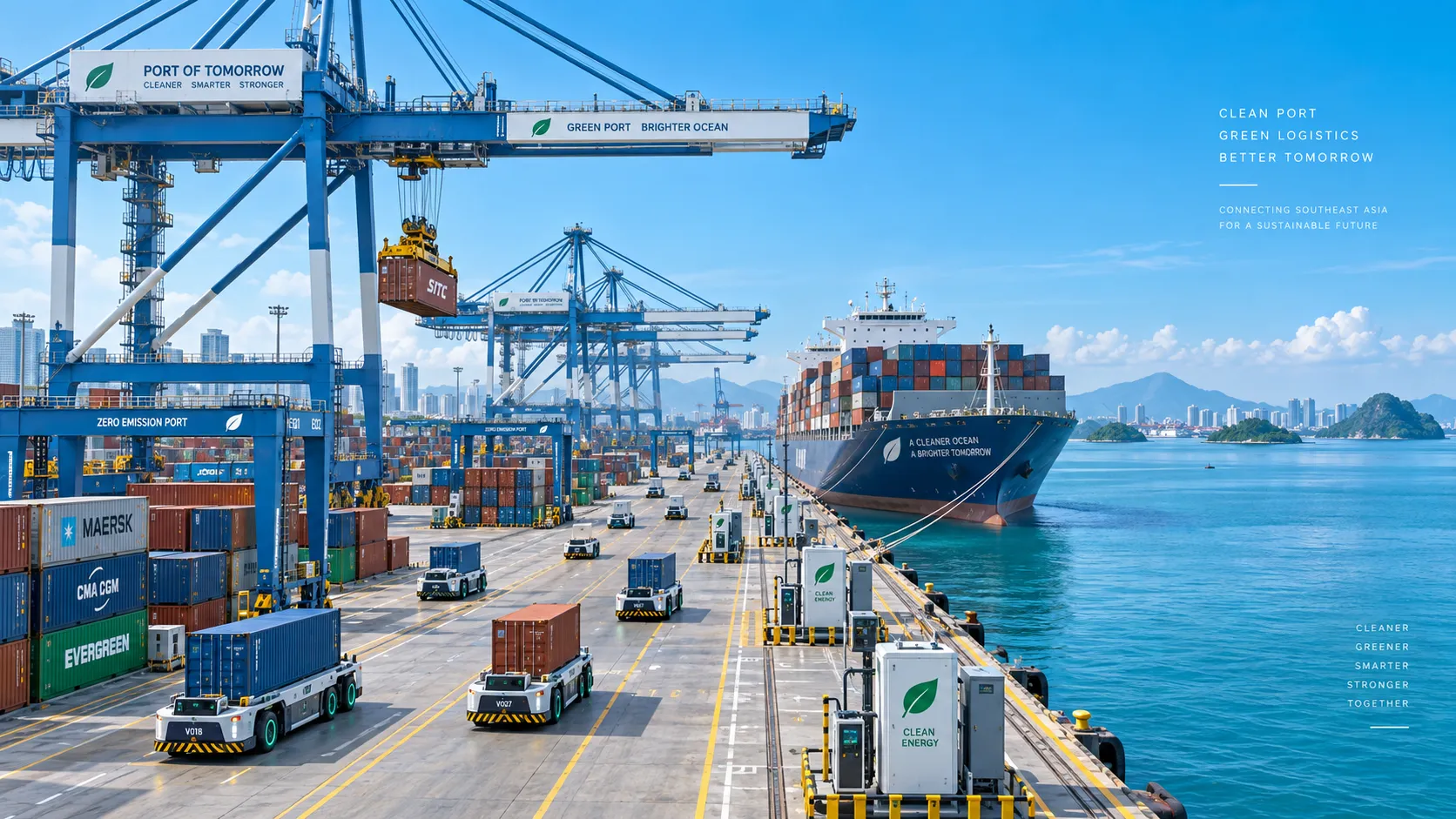
Smart Port Systems in Southeast Asia: Investment Priorities and Adoption Barriers
Smart port systems Southeast Asia: discover investment priorities, adoption barriers, and practical steps to build resilient, connected, high-performing terminals.

How to Evaluate Terminal Efficiency Solution Suppliers for High-Throughput Operations
Choose a terminal efficiency solutions supplier with confidence. Explore proven criteria for throughput, integration, lifecycle cost, safety, and reliable delivery.
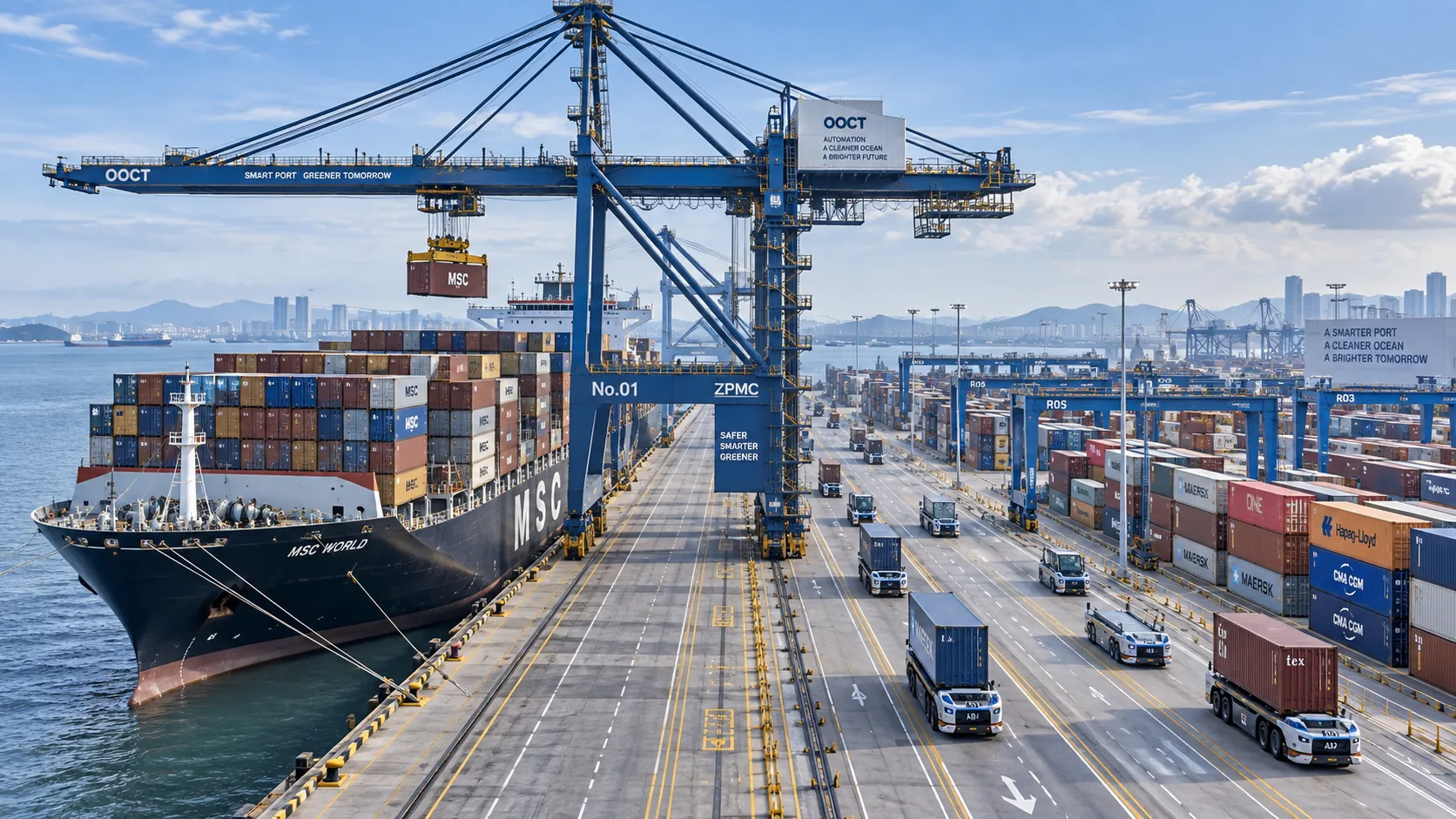
How to Specify a Quay Crane for Container Terminals by Vessel Size and Throughput?
Quay crane for container terminals: learn how to match outreach, lift height, capacity, automation, and cycle performance to vessel size and throughput goals.
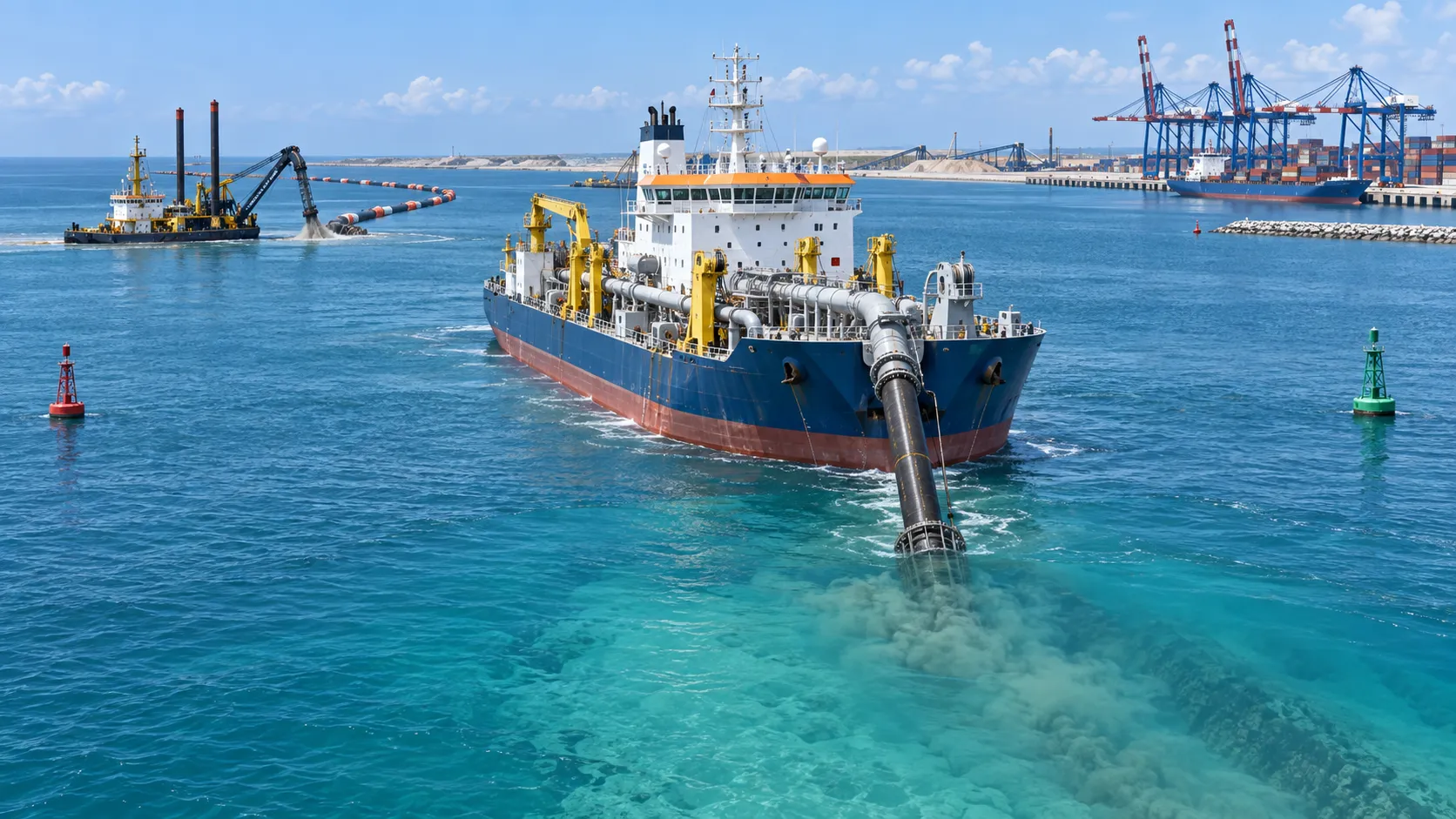
What Dredging Equipment Is Needed for Channel Deepening?
What dredging equipment is needed for channel deepening? Explore dredgers, pipelines, survey tools, and planning strategies for safer, more efficient port access.
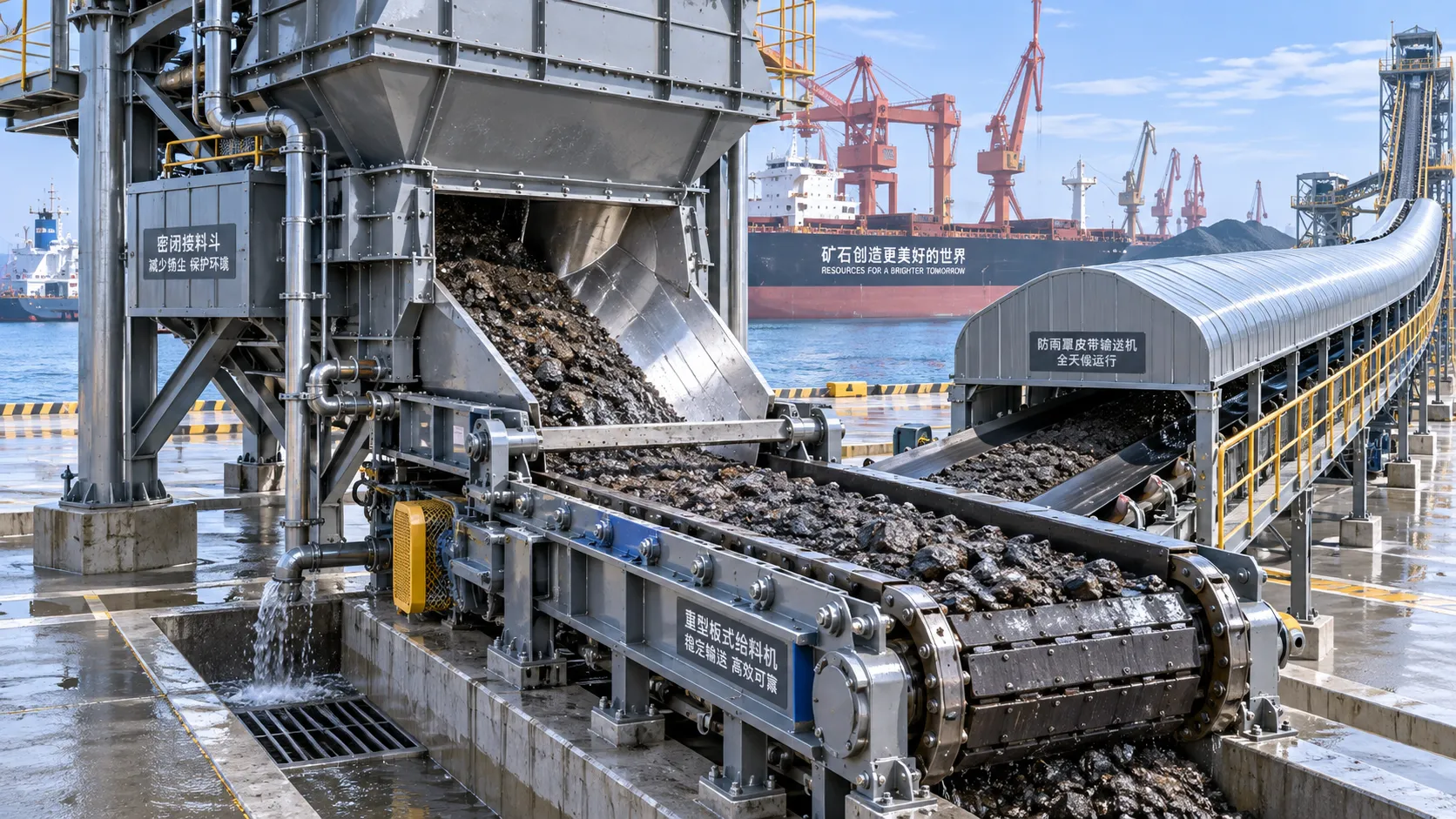
Which Bulk Handling Equipment Suits High-Moisture Cargo?
Which bulk handling equipment suits high-moisture cargo? Compare belt, apron, screw, drag, and slurry systems for reliable flow, less carryback, and higher terminal uptime.
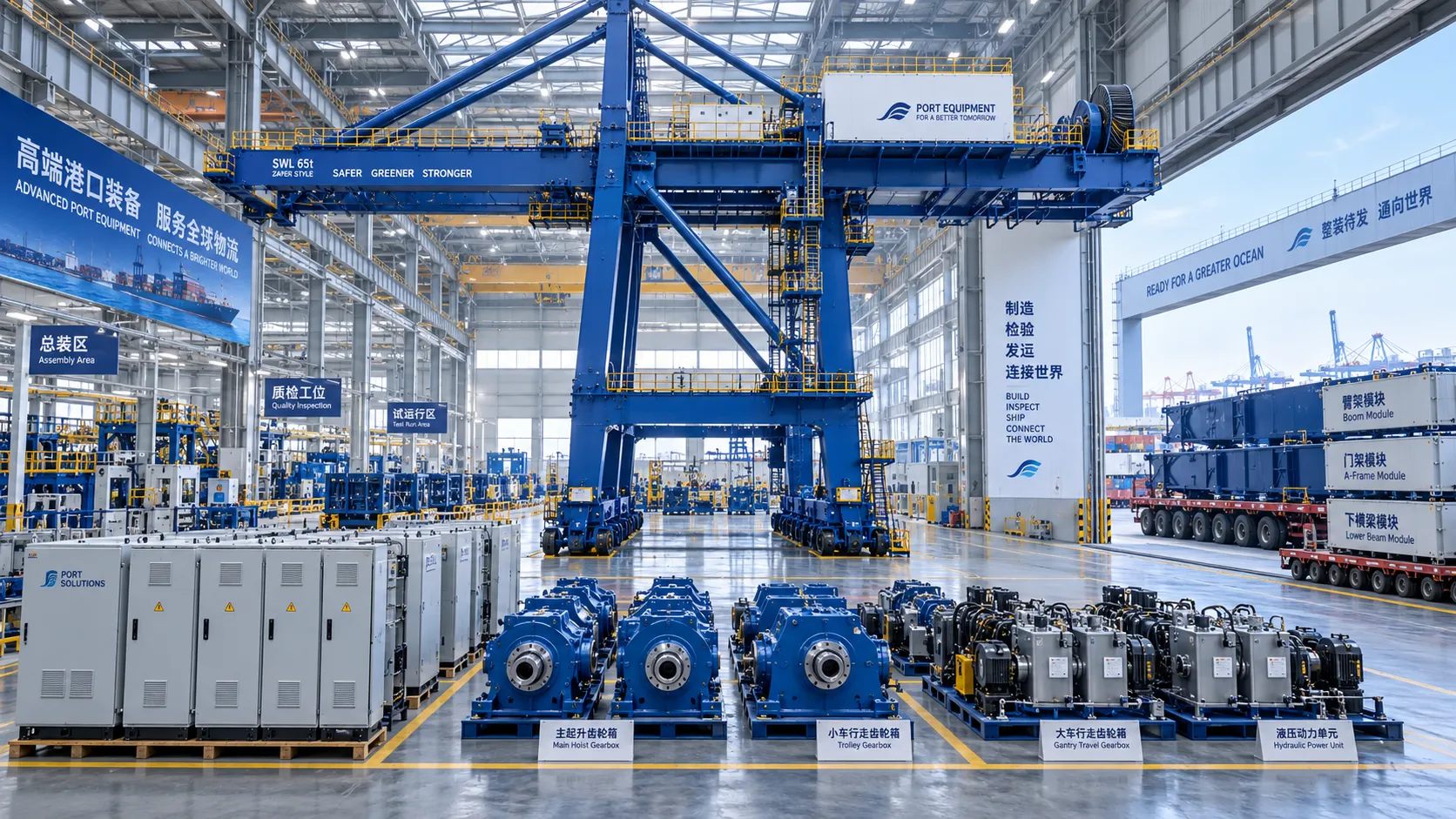
How Can Port Equipment Lead-Time Risk Be Managed?
How can port equipment lead-time risk be managed? Explore practical strategies to control critical paths, suppliers, transport, site readiness, and commissioning delays.
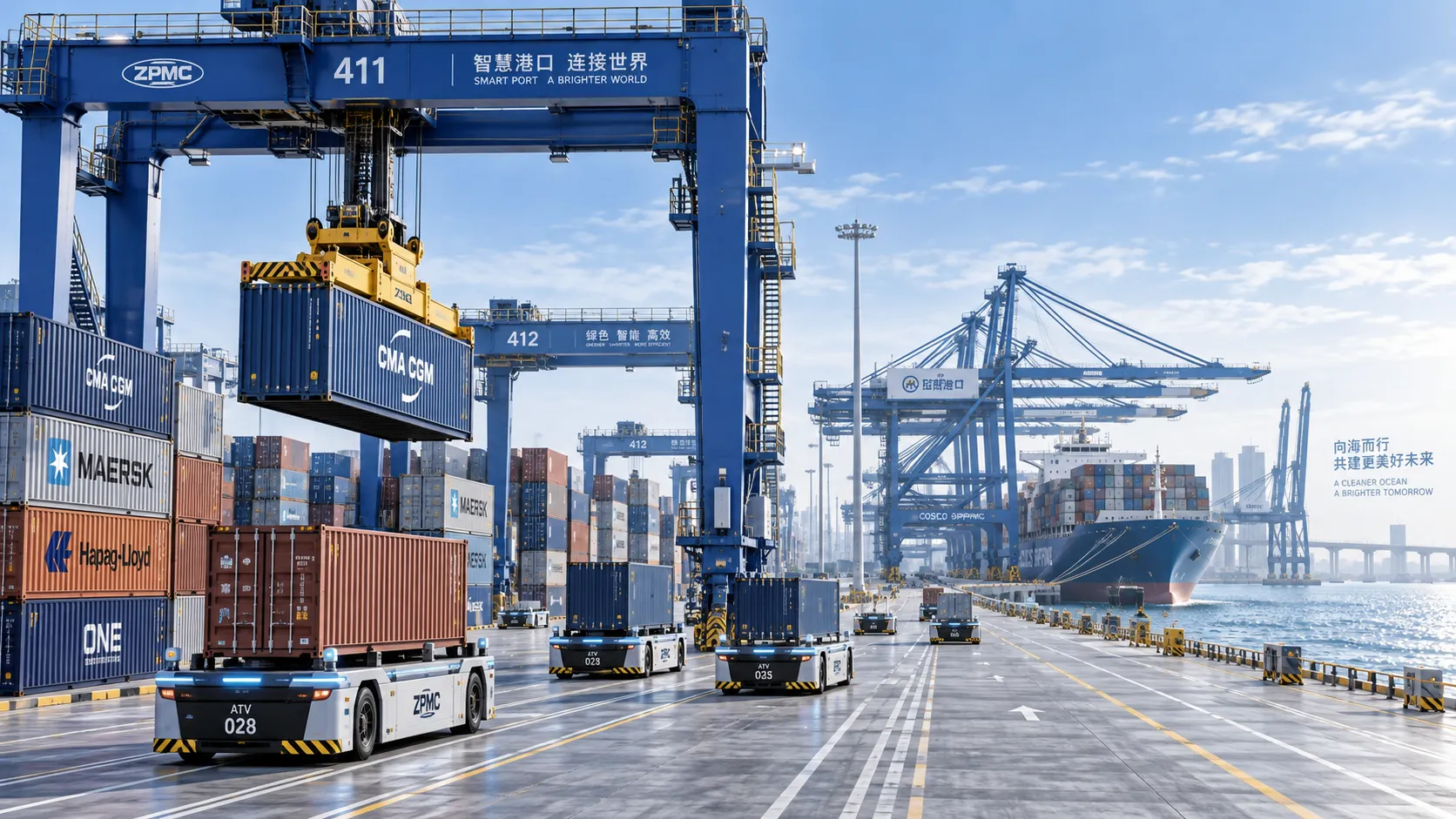
Terminal Automation Technologies That Raise Container Throughput Without Yard Disruption
Terminal automation technology that increases container throughput without disrupting yard flow. Explore smarter integration, resilient workflows, and phased deployment strategies.
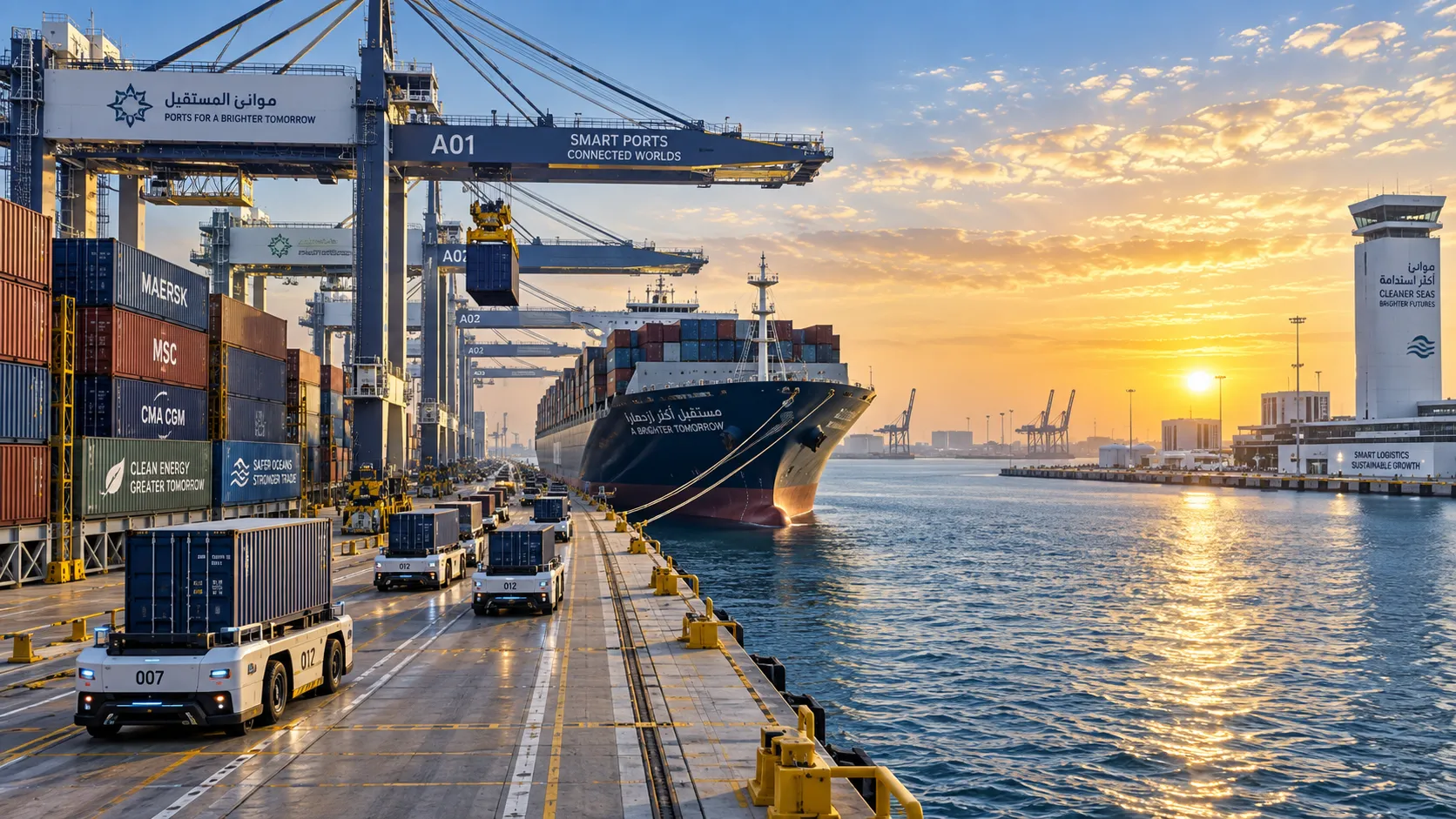
Middle East Port Automation: Key Market Drivers, Projects, and Investment Risks
Port automation systems Middle East: explore market drivers, flagship projects, integration challenges, and investment risks shaping smarter, resilient terminals.
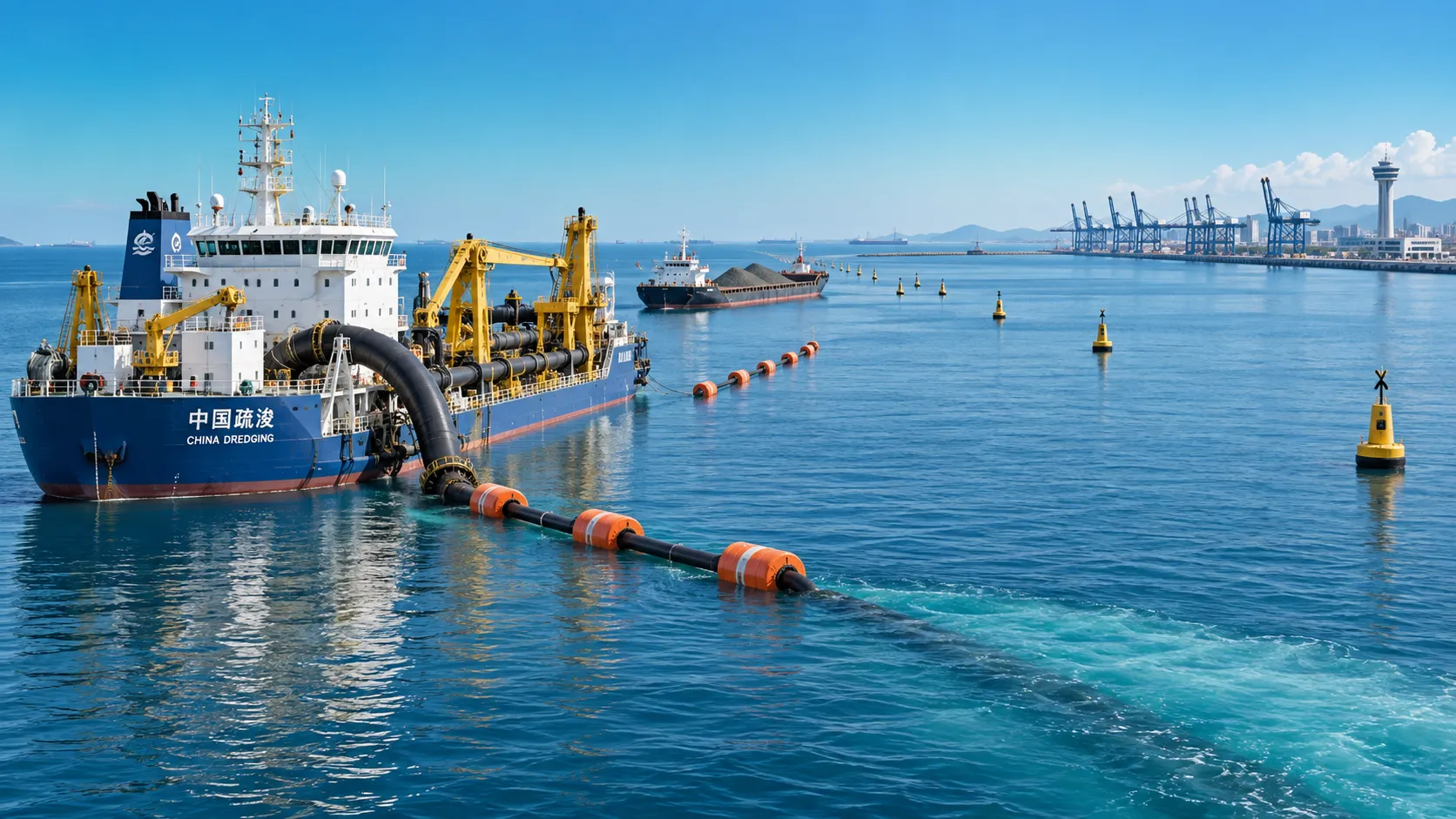
Planning Offshore Dredging Operations: Key Risks, Methods, and Project Controls
Offshore dredging operations demand smart planning. Explore key risks, proven methods, environmental controls, and project strategies for reliable delivery.