Related News
- 00
0000-00
How to Specify a Quay Crane for Container Terminals by Vessel Size and Throughput? - 00
0000-00
Which Bulk Handling Equipment Suits High-Moisture Cargo? - 00
0000-00
Terminal Automation Technologies That Raise Container Throughput Without Yard Disruption - 00
0000-00
Planning Offshore Dredging Operations: Key Risks, Methods, and Project Controls - 00
0000-00
Where Do Automated Guided Vehicles Deliver the Fastest Warehouse Gains in the Middle East?
What Are Smart Port Systems? Key ISO Compliance Requirements Explained
Why are smart port systems getting so much attention now?
Ports are no longer just physical transfer points. They are becoming data-driven operating environments where cranes, yard vehicles, gates, energy systems, and dredging support assets work as one connected system.
That shift explains why the phrase smart port systems ISO compliant is appearing more often in technical searches, procurement reviews, and infrastructure planning discussions.
In practical terms, a smart port system combines software, sensors, communications networks, control platforms, and heavy terminal equipment. The goal is not digitalization for its own sake. The goal is safer, faster, and more predictable cargo movement.
ISO compliance matters because smart systems touch mission-critical processes. A scheduling engine may affect berth allocation. A remote crane interface may affect operator safety. A data standard may determine whether devices can exchange reliable information.
From the perspective of PS-Nexus, this is where maritime logistics becomes strategic. Heavy terminal gear, automated container handling, and marine engineering now depend on both mechanical performance and digital discipline.
So the real question is not whether a port is becoming smart. It is whether the system is structured well enough to remain efficient, interoperable, and auditable over time.
What exactly counts as a smart port system?
A common mistake is to treat any port software as a smart port system. That definition is too loose. A true smart port environment links operational data with physical execution.
It usually includes terminal operating systems, equipment control systems, vessel and yard planning tools, AGV routing logic, maintenance monitoring, and networked field devices.
In more advanced deployments, the system also connects energy usage, emissions tracking, remote diagnostics, and dredging-related monitoring where channel access affects terminal performance.
That broader view matches what industry intelligence platforms such as PS-Nexus track closely. The operational story is no longer limited to cranes and containers. It also includes communication latency, path-planning reliability, equipment uptime, and infrastructure resilience.
A useful test is simple. If the platform can sense, decide, coordinate, and document action across multiple port assets, it fits the smart port category.
- Sensing: IoT devices, cameras, position systems, load data, environmental inputs.
- Decision-making: scheduling, dispatching, rule engines, safety interlocks.
- Coordination: crane-to-yard-to-gate workflows and equipment handoffs.
- Documentation: logs, audit trails, maintenance records, exception reporting.
Once those layers are integrated, ISO compliance stops being a side issue. It becomes part of the operating architecture.
Which ISO requirements usually matter most?
There is no single ISO label that certifies every smart port system. More often, compliance is built from several standards covering quality, security, safety, information handling, and environmental management.
The most relevant standards depend on the project scope, but several appear repeatedly in serious evaluations of smart port systems ISO compliant programs.
It is also worth checking standards outside ISO when machine safety, industrial cybersecurity, or communication protocols are involved. Ports often operate in mixed compliance environments.
The key point is that compliance should reflect the real operating risks. A dashboard may look advanced, but if network security, change control, and safety validation are weak, the system is not mature.
How do you tell whether a system is genuinely ISO compliant or just marketed that way?
This is one of the most important questions. Many solutions mention standards, but that does not always mean the deployed system meets them in a usable way.
A stronger evaluation starts with scope. Is the certification linked to the vendor organization, the software development process, the data center, the equipment line, or the full operating workflow?
Those are not the same thing. A certified quality process does not automatically prove secure integration between a terminal operating system and automated stacking cranes.
In actual reviews, these checks are more useful than generic compliance claims:
- Request the exact standard number and certification scope.
- Verify whether audits were performed by an accredited body.
- Check how software updates are controlled and documented.
- Review incident handling, backup, and recovery procedures.
- Confirm interoperability records with third-party devices and legacy systems.
- Ask for evidence from operating terminals, not only lab demonstrations.
The phrase smart port systems ISO compliant should lead to evidence, not assumptions. In ports, the cost of a weak assumption is usually operational disruption.
Where do compliance gaps usually appear during implementation?
Most compliance problems do not begin with the standard itself. They start in integration work, especially when old infrastructure and new automation must operate together.
For example, a terminal may deploy automated handling equipment with strong local controls, yet still rely on fragmented communication links between planning, dispatch, and maintenance systems.
That creates blind spots. Data may exist, but not in the right format. Alarms may be generated, but not routed with clear ownership. Changes may be made, but not logged consistently.
The most common gap areas look like this:
- Inconsistent device naming and asset registers.
- Weak segmentation between IT and OT networks.
- Manual overrides without traceable approval records.
- Incomplete training for remote operators and maintenance staff.
- Environmental monitoring that is collected but not tied to action thresholds.
In ports with dredging interfaces or channel dependency, one more issue appears. Marine access data may remain separated from terminal planning, even though berth availability and draft conditions are operationally linked.
That is why intelligence-led operators increasingly look beyond isolated equipment performance. They examine how standards connect across the full cargo and infrastructure chain.
Is ISO compliance mainly about safety, or does it affect cost and performance too?
Safety is a major driver, but it is not the only one. Well-structured compliance often improves throughput stability, maintenance planning, cybersecurity readiness, and even project financing credibility.
That happens because compliant systems are typically better documented, more measurable, and easier to audit. When a terminal expands automation, those qualities reduce operational friction.
The cost side is more nuanced. Compliance adds effort during design, validation, testing, and training. Yet the larger expense usually comes from retrofitting controls after deployment.
A simple comparison helps frame the decision.
So yes, smart port systems ISO compliant planning is partly a safety question, but it is equally a performance governance question.
What should be reviewed before selecting or upgrading a smart port system?
A useful starting point is to map the operational chain rather than the software list. That means berth, yard, gate, equipment control, maintenance, energy, and marine access where relevant.
Then review each layer against actual compliance needs, not assumed ones. A container terminal with AGVs will face different control priorities than a bulk facility with conveyor-heavy operations.
Before making decisions, focus on these checkpoints:
- Which ISO standards apply to quality, security, environment, safety, and asset management?
- Where are the highest interoperability risks between old and new systems?
- How is operational data governed across vendors and control layers?
- What evidence shows the system performs under real port conditions?
- How will updates, failures, and cyber incidents be managed over time?
This is where sector intelligence becomes valuable. Sources that follow terminal gear, automation logic, and marine engineering together can reveal dependencies that are easy to miss in isolated product reviews.
For that reason, many decision processes now rely on broader market and technical signals, including equipment evolution, control architecture trends, and infrastructure constraints tracked by platforms such as PS-Nexus.
A practical takeaway before moving forward
Understanding smart port systems ISO compliant requirements is really about understanding how digital control, heavy equipment, and operational accountability fit together.
The strongest systems do more than automate tasks. They create traceable, secure, and maintainable workflows across cranes, vehicles, yards, bulk handling assets, and supporting marine infrastructure.
If the next step is evaluation, begin with a compliance map tied to real operating scenarios. Then compare certification scope, integration maturity, lifecycle support, and evidence from live deployments.
That approach gives a clearer basis for judging risk, implementation effort, and long-term operational resilience across modern maritime logistics.
Related News
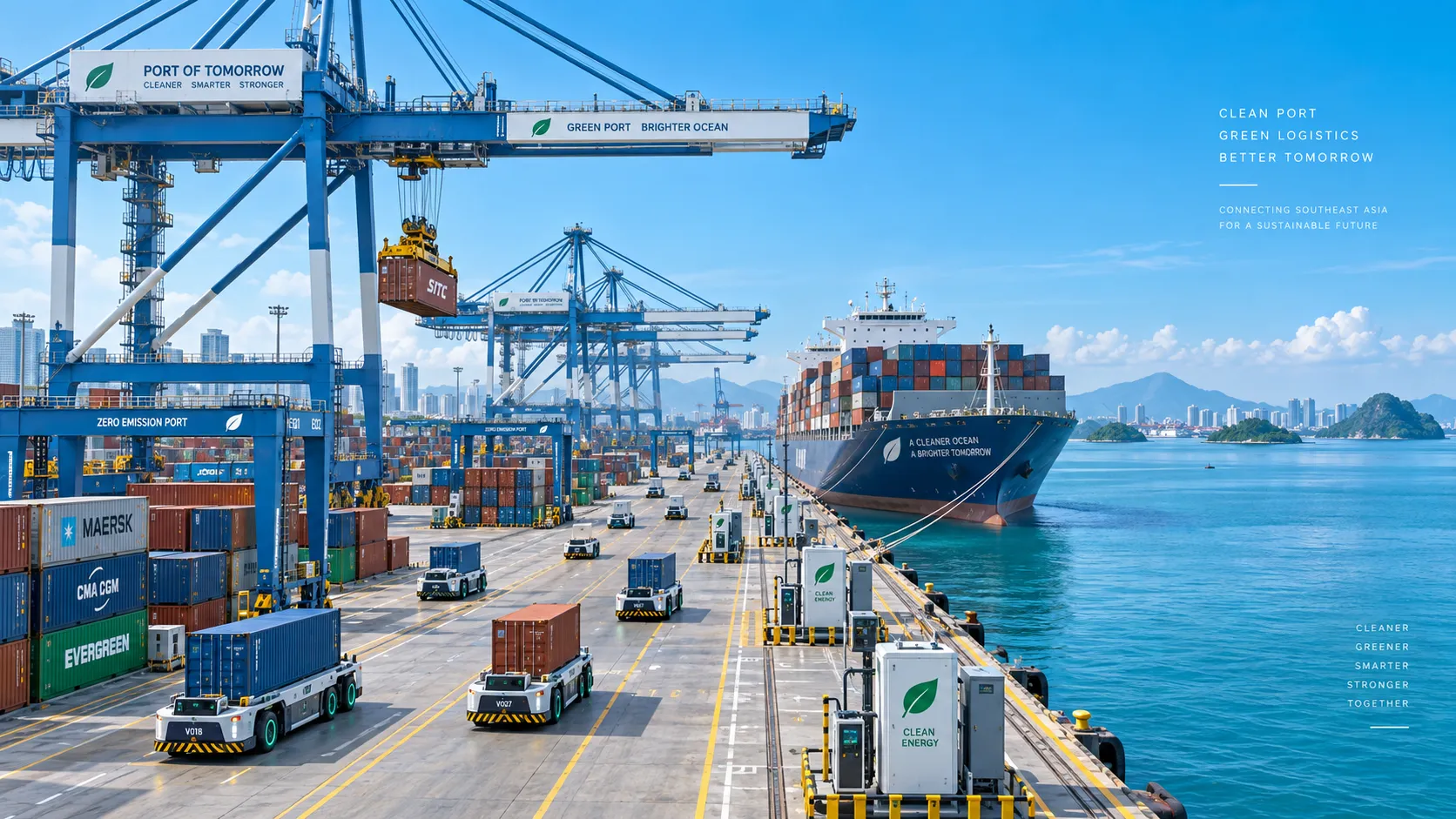
Smart Port Systems in Southeast Asia: Investment Priorities and Adoption Barriers
Smart port systems Southeast Asia: discover investment priorities, adoption barriers, and practical steps to build resilient, connected, high-performing terminals.

How to Evaluate Terminal Efficiency Solution Suppliers for High-Throughput Operations
Choose a terminal efficiency solutions supplier with confidence. Explore proven criteria for throughput, integration, lifecycle cost, safety, and reliable delivery.
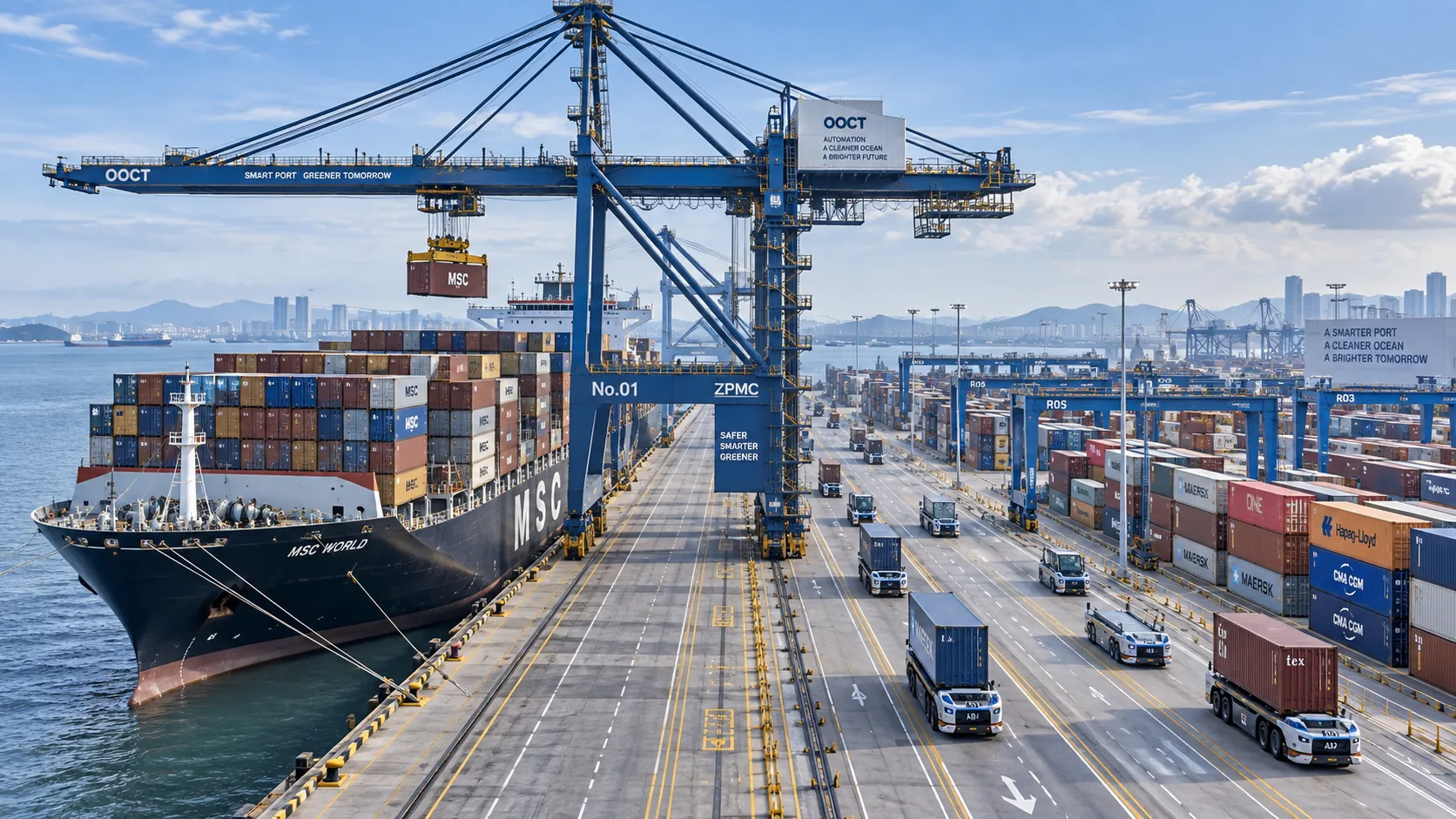
How to Specify a Quay Crane for Container Terminals by Vessel Size and Throughput?
Quay crane for container terminals: learn how to match outreach, lift height, capacity, automation, and cycle performance to vessel size and throughput goals.
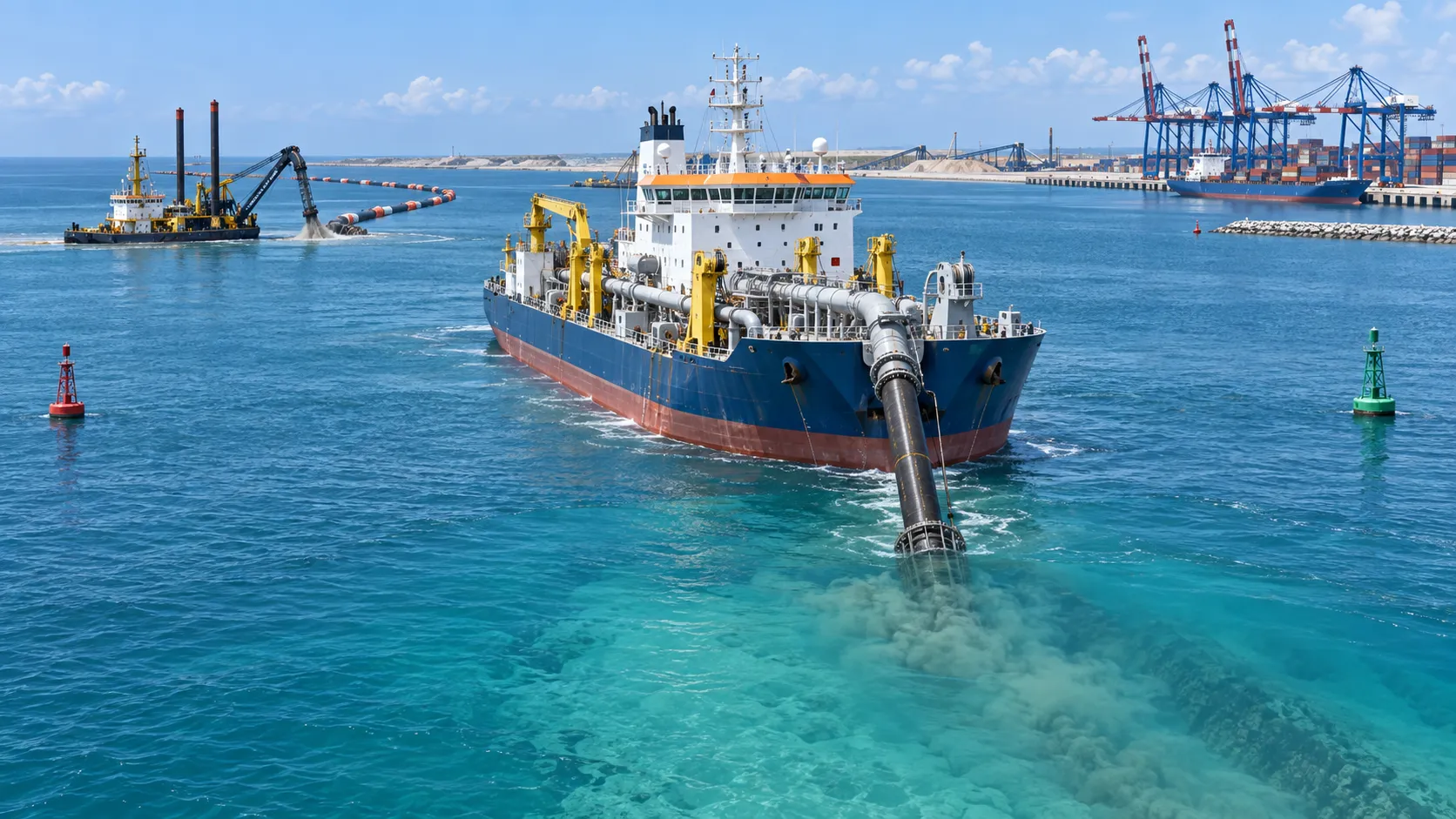
What Dredging Equipment Is Needed for Channel Deepening?
What dredging equipment is needed for channel deepening? Explore dredgers, pipelines, survey tools, and planning strategies for safer, more efficient port access.
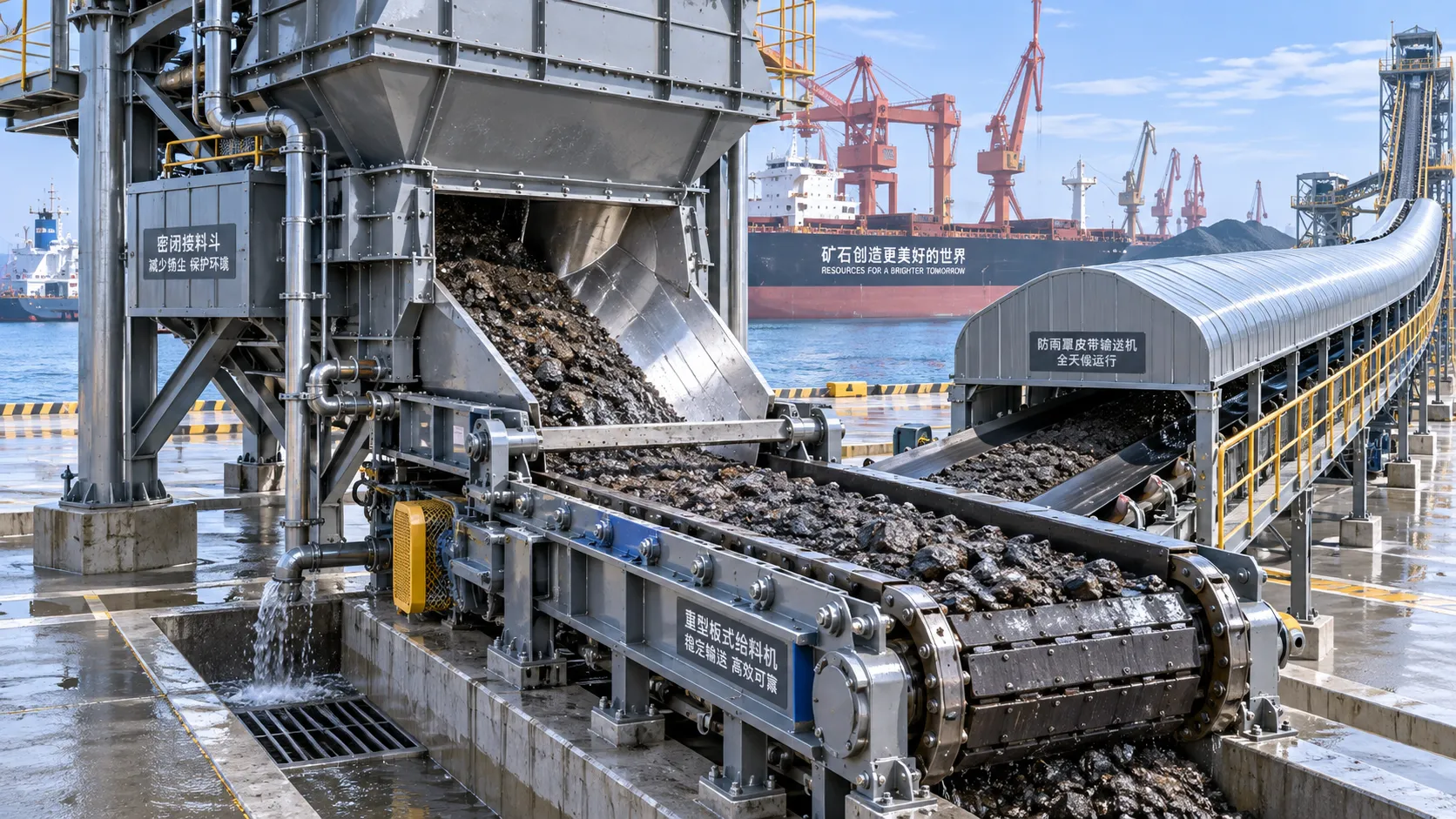
Which Bulk Handling Equipment Suits High-Moisture Cargo?
Which bulk handling equipment suits high-moisture cargo? Compare belt, apron, screw, drag, and slurry systems for reliable flow, less carryback, and higher terminal uptime.
How Can Port Equipment Lead-Time Risk Be Managed?
How can port equipment lead-time risk be managed? Explore practical strategies to control critical paths, suppliers, transport, site readiness, and commissioning delays.
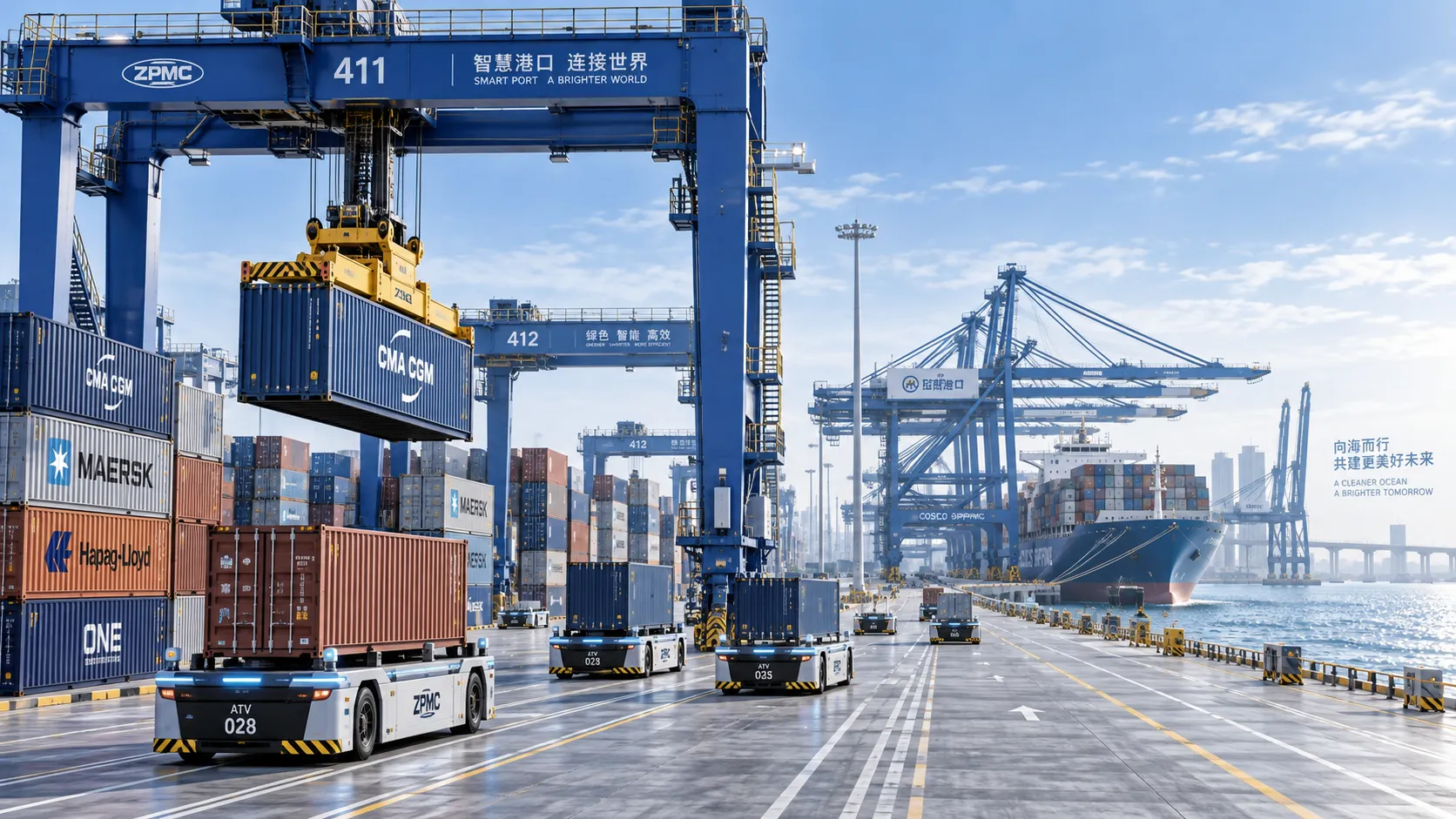
Terminal Automation Technologies That Raise Container Throughput Without Yard Disruption
Terminal automation technology that increases container throughput without disrupting yard flow. Explore smarter integration, resilient workflows, and phased deployment strategies.
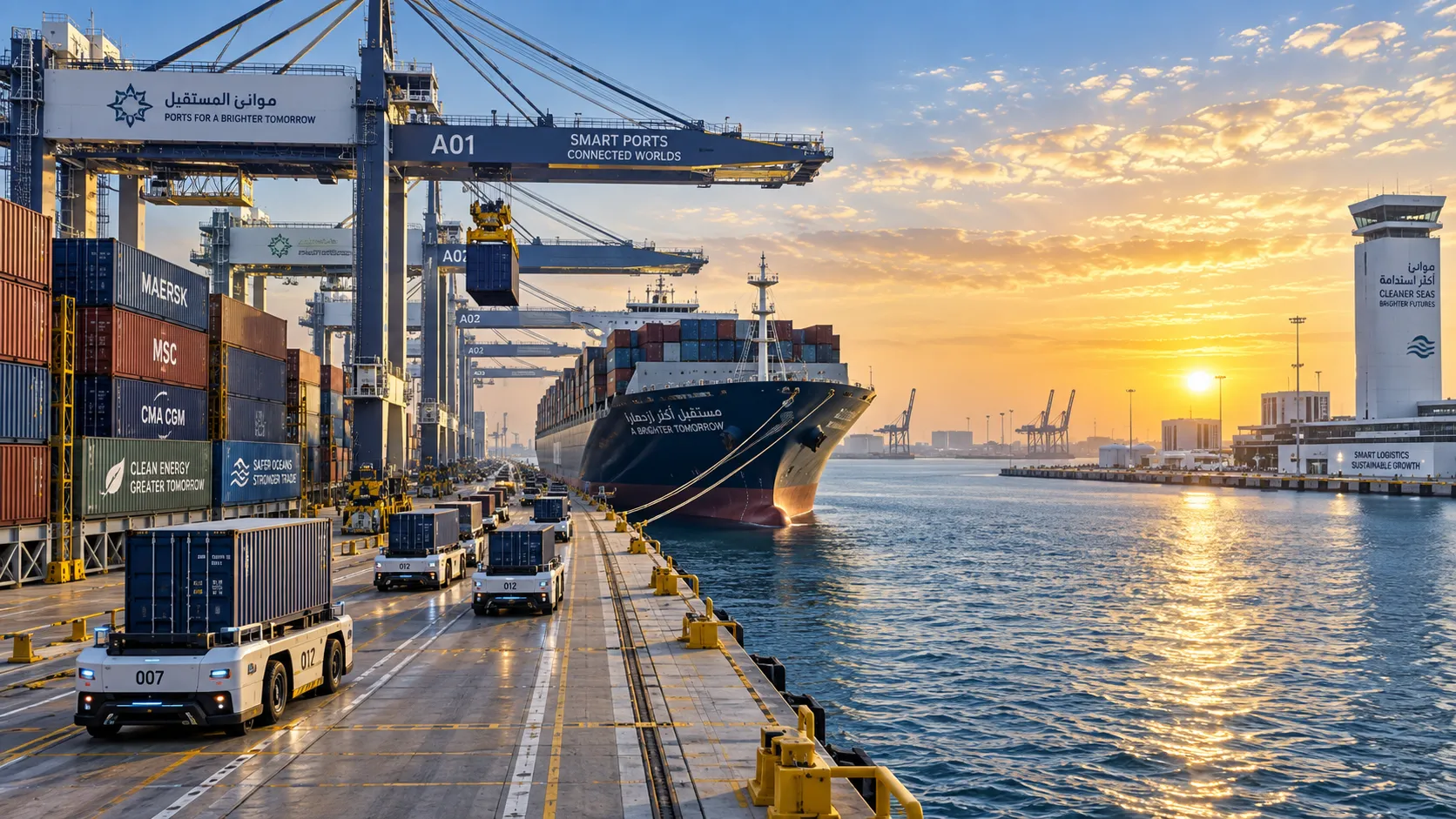
Middle East Port Automation: Key Market Drivers, Projects, and Investment Risks
Port automation systems Middle East: explore market drivers, flagship projects, integration challenges, and investment risks shaping smarter, resilient terminals.
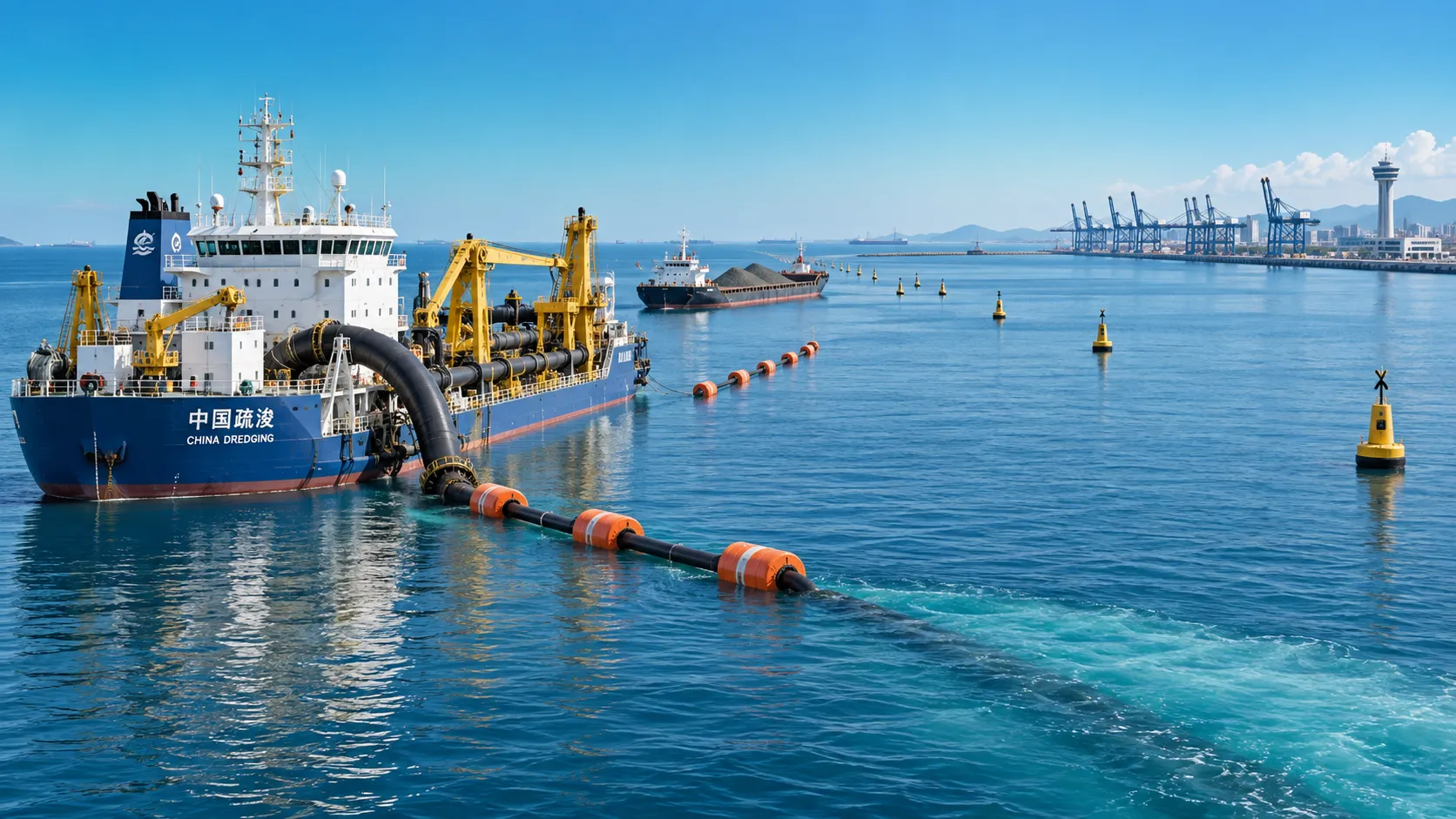
Planning Offshore Dredging Operations: Key Risks, Methods, and Project Controls
Offshore dredging operations demand smart planning. Explore key risks, proven methods, environmental controls, and project strategies for reliable delivery.