Related News
- 00
0000-00
How Can Port Equipment Lead-Time Risk Be Managed? - 00
0000-00
Maritime Logistics Operations: How Ports Can Reduce Container Dwell Time - 00
0000-00
What Does Logistics Node Monitoring Cost Across Warehouses and Transport Hubs? - 00
0000-00
How Can IoT Smart Port Solutions Improve Container Tracking and Yard Efficiency? - 00
0000-00
How Real-Time Port Logistics Intelligence Improves Container Yard Efficiency
Marine Logistics Solutions for Container Shipping: How to Cut Delays Across the Supply Chain
Marine Logistics Solutions for Container Shipping: How to Cut Delays Across the Supply Chain
For project teams under daily delivery pressure, delays rarely begin at one single point.
They build across berth plans, yard congestion, equipment downtime, customs timing, and inland handoff failures.
That is why marine logistics solutions for container shipping now sit at the center of operational planning.
The goal is not just faster vessel turnaround.
It is steadier cargo flow, lower exception costs, and stronger control from quay to hinterland.
In practice, the best marine logistics solutions for container shipping combine equipment visibility, scheduling discipline, and response playbooks.
They also depend on realistic data, not optimistic assumptions.
Why Container Shipping Delays Keep Escalating
Recent market shifts have made delay chains more complex.
Ports face tighter berth windows, larger vessels, and less room for schedule recovery.
At the same time, terminal systems must coordinate cranes, AGVs, yard blocks, trucks, and gate appointments in near real time.
A single missed handoff can push congestion into the next shift.
That is the operating reality behind many requests for marine logistics solutions for container shipping.
The visible symptom may be vessel waiting time.
The root cause is often fragmented coordination between marine operations, terminal assets, and inland release capacity.
Common trigger points include:
- Late berth reallocation after weather or tidal restrictions
- Quay crane imbalance across adjacent vessel calls
- Poor yard slot planning for transshipment peaks
- Unplanned downtime in spreaders, RTGs, AGVs, or control systems
- Weak truck appointment discipline at gate interfaces
- Limited visibility into customs, documentation, or inland rail readiness
When these issues stack together, buffer time disappears quickly.
What Effective Marine Logistics Solutions for Container Shipping Actually Look Like
Strong marine logistics solutions for container shipping are built around coordinated decisions, not isolated tools.
That means the berth plan, crane assignment, yard strategy, and gate release logic must support one operating picture.
For complex terminals, this often requires a layered model.
The most useful structure includes five parts:
1. Berth and vessel call synchronization
Arrival forecasts should update berth windows continuously.
Static plans created once per day are too slow for today’s traffic volatility.
Terminals need dynamic resequencing rules linked to ETA confidence, draft constraints, and labor availability.
2. Equipment health and productivity visibility
Marine logistics solutions for container shipping fail when critical assets look available on screen but are not performing in the field.
Quay cranes, automated stacking cranes, AGVs, and power systems need live condition monitoring.
This is where portals like PS-Nexus add value through intelligence on automation control, low-latency communication, and equipment reliability trends.
3. Yard flow logic
Yard congestion often matters more than berth congestion.
If import, export, empties, and transshipment units compete for the same slots, rehandles rise fast.
Better zoning, dwell-time rules, and move sequencing can cut hidden delays significantly.
4. Gate and hinterland integration
Marine logistics solutions for container shipping should extend beyond the quay.
Truck arrivals, rail departures, depot releases, and customs holds all shape container velocity.
Without those links, terminals solve one bottleneck while creating another downstream.
5. Exception response discipline
No supply chain remains disruption-free.
The difference is whether teams can isolate impact quickly.
Clear trigger thresholds and decision ownership reduce hours of avoidable drift.
Practical Steps to Cut Delays Across the Supply Chain
In real operations, improvement starts with a narrower question.
Where does delay time actually accumulate?
Once that is visible, marine logistics solutions for container shipping become easier to prioritize.
- Map the full call cycle from anchorage to inland release. Measure waiting, handling, transfer, and documentation time separately.
- Set one version of operational truth. Align ETA feeds, terminal operating system data, equipment telemetry, and gate schedules.
- Rebuild berth plans around variability, not ideal conditions. Use alternative crane deployment scenarios before the vessel arrives.
- Use predictive maintenance on high-impact assets. A short crane outage during a peak call can erase gains from weeks of planning.
- Segment the yard by cargo behavior. Separate fast-turn boxes from long-dwell or inspection-prone containers.
- Link gate appointments to real yard readiness. Appointment systems without operational discipline only shift queues.
- Create an exception board with action clocks. Every disruption should have an owner, escalation time, and recovery target.
These steps are practical because they connect planning with execution pressure.
How Automation Strengthens Marine Logistics Solutions for Container Shipping
Automation is not only about labor efficiency.
Its bigger value often comes from more stable execution.
For marine logistics solutions for container shipping, that stability matters when networks are under strain.
Automated cranes, AGV path planning, digital dispatch logic, and remote-control systems help reduce inconsistency between plan and field activity.
More importantly, they generate usable operating data.
That data supports three gains:
- Faster rescheduling when vessel sequences change
- Better move prediction for yard and crane workload balancing
- Earlier warning when network latency or equipment drift threatens throughput
This is especially relevant for ports expanding unmanned or semi-automated operations.
The system architecture behind control decisions becomes as important as the machinery itself.
Key Risks When Choosing a Solution Framework
Not every upgrade produces delay reduction.
Some programs add dashboards but leave decisions unchanged.
The most common risks include:
- Buying software without fixing process ownership
- Automating poor yard logic at larger scale
- Ignoring marine access factors such as channel draft, dredging cycles, or tidal constraints
- Treating equipment uptime and communications reliability as separate issues
- Using broad KPIs that hide where delays are really created
For that reason, marine logistics solutions for container shipping should be evaluated against actual delay pathways.
A credible framework ties investment decisions to measurable turnaround, dwell, and transfer improvements.
A Working Scorecard for Faster Maritime Operations
To manage improvement, the scorecard must stay operational.
Useful measures include:
This type of scorecard makes marine logistics solutions for container shipping easier to compare and refine.
Moving from Delay Response to Delay Prevention
The strongest operations do not rely on heroic recovery efforts.
They prevent small disruptions from turning into network-wide slowdowns.
That shift is the real value of marine logistics solutions for container shipping.
It brings together berth intelligence, terminal equipment coordination, automation logic, and supply chain visibility into one control approach.
For organizations managing port-linked projects, the next move is straightforward.
Identify the delay points that cost the most hours, then match them to specific operating fixes.
Use better telemetry, tighter scheduling rules, and clearer exception ownership.
That is how marine logistics solutions for container shipping start delivering measurable speed, resilience, and control across the supply chain.
Related News
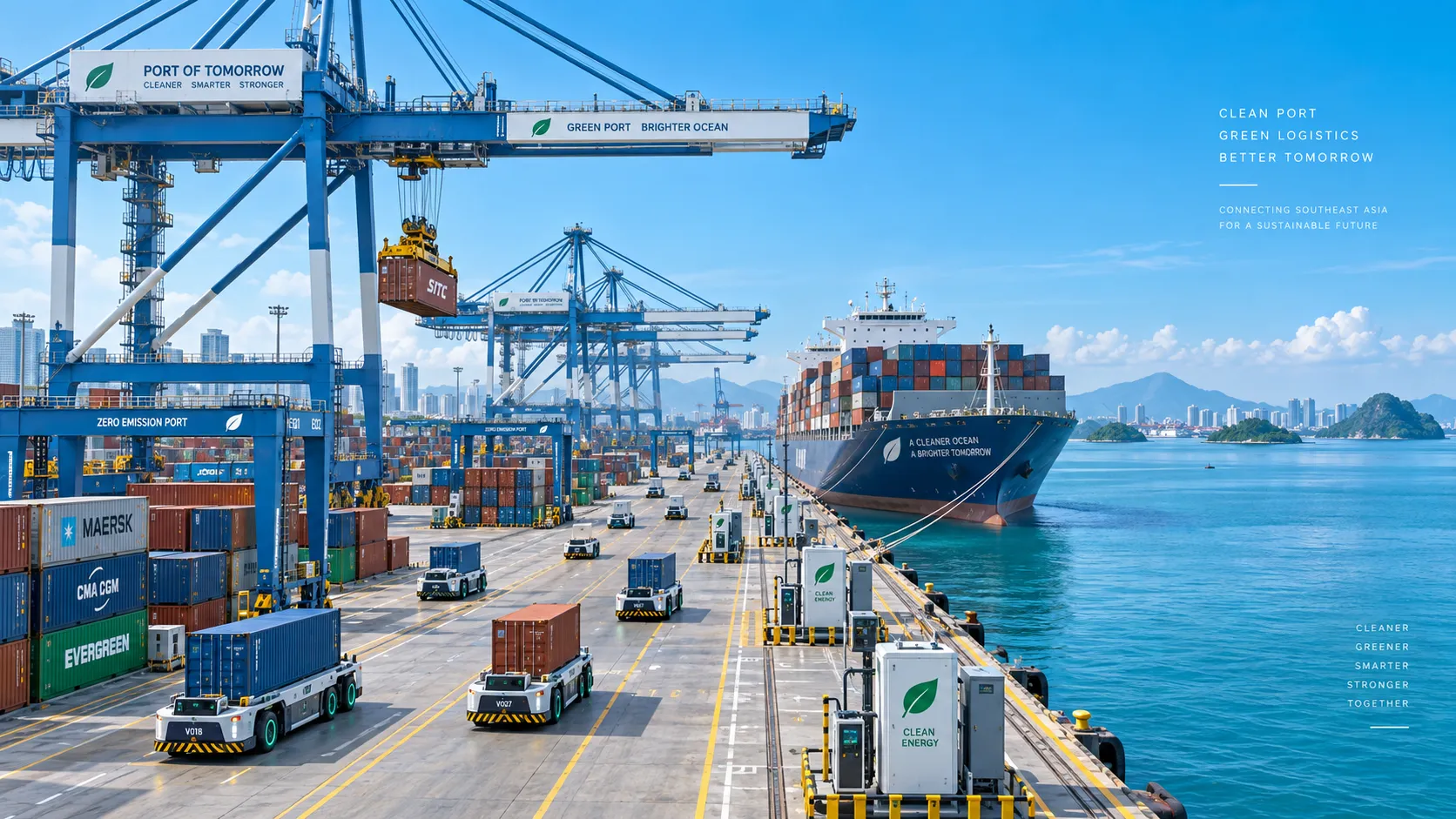
Smart Port Systems in Southeast Asia: Investment Priorities and Adoption Barriers
Smart port systems Southeast Asia: discover investment priorities, adoption barriers, and practical steps to build resilient, connected, high-performing terminals.
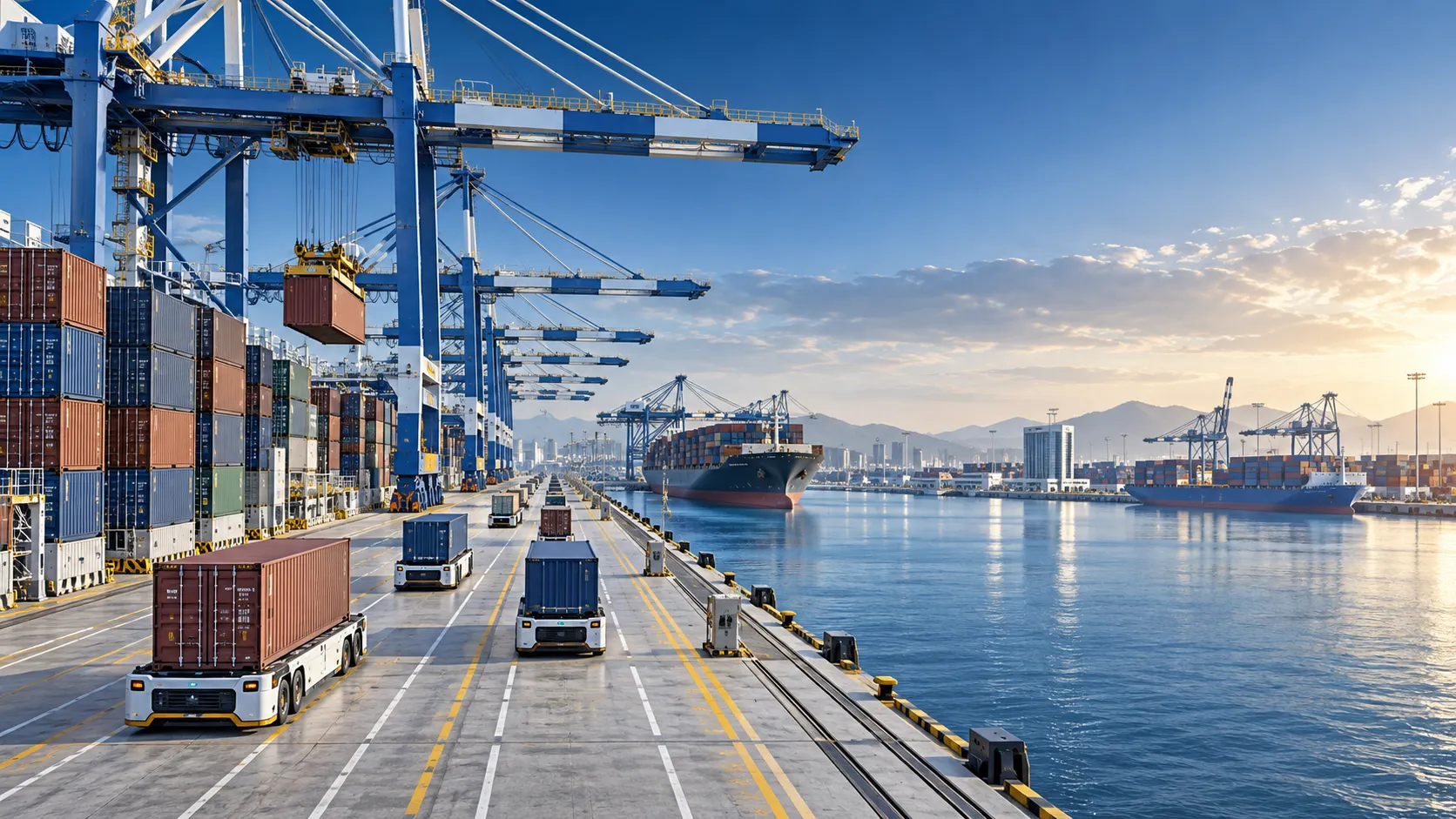
How to Evaluate Terminal Efficiency Solution Suppliers for High-Throughput Operations
Choose a terminal efficiency solutions supplier with confidence. Explore proven criteria for throughput, integration, lifecycle cost, safety, and reliable delivery.
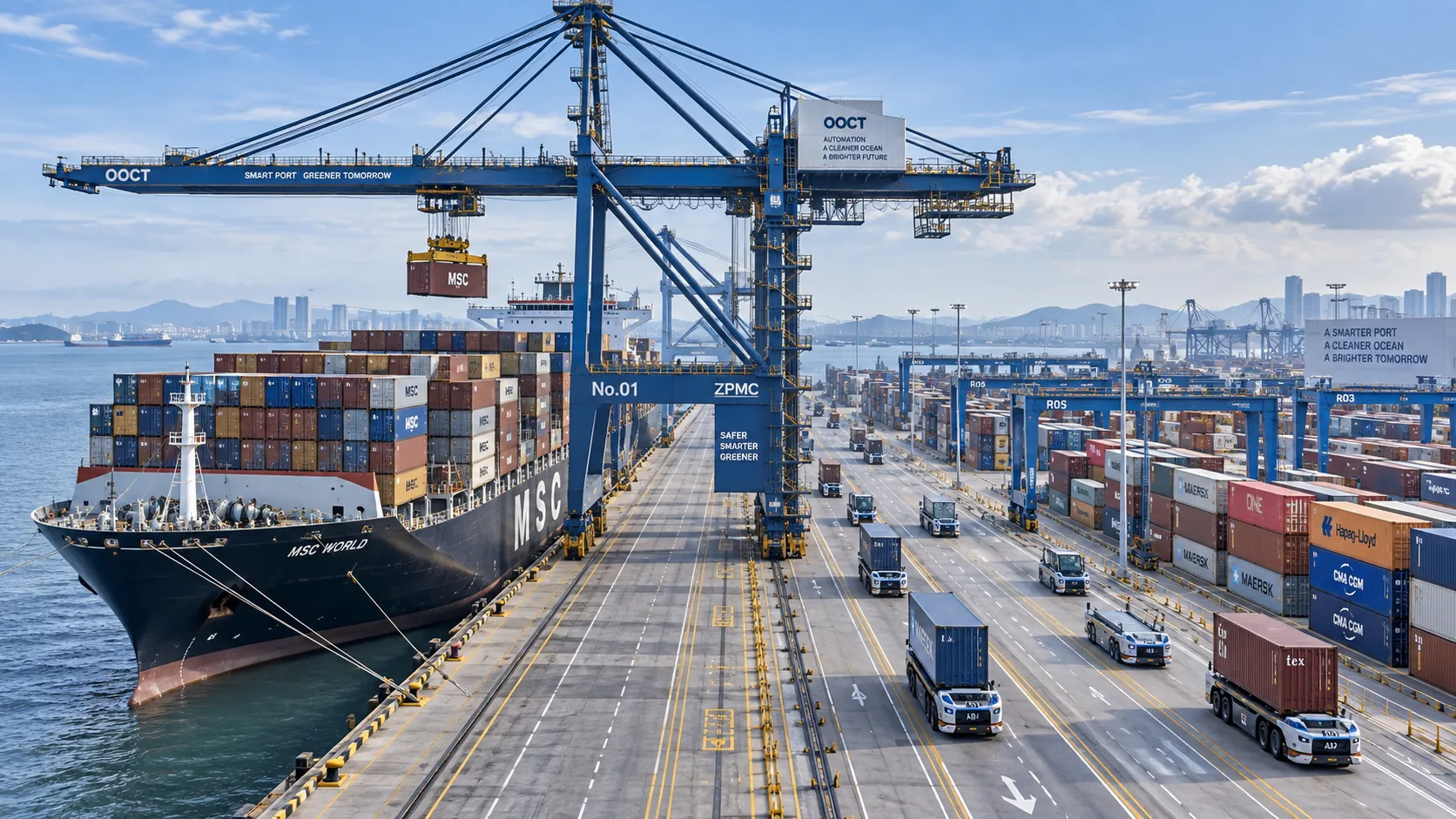
How to Specify a Quay Crane for Container Terminals by Vessel Size and Throughput?
Quay crane for container terminals: learn how to match outreach, lift height, capacity, automation, and cycle performance to vessel size and throughput goals.
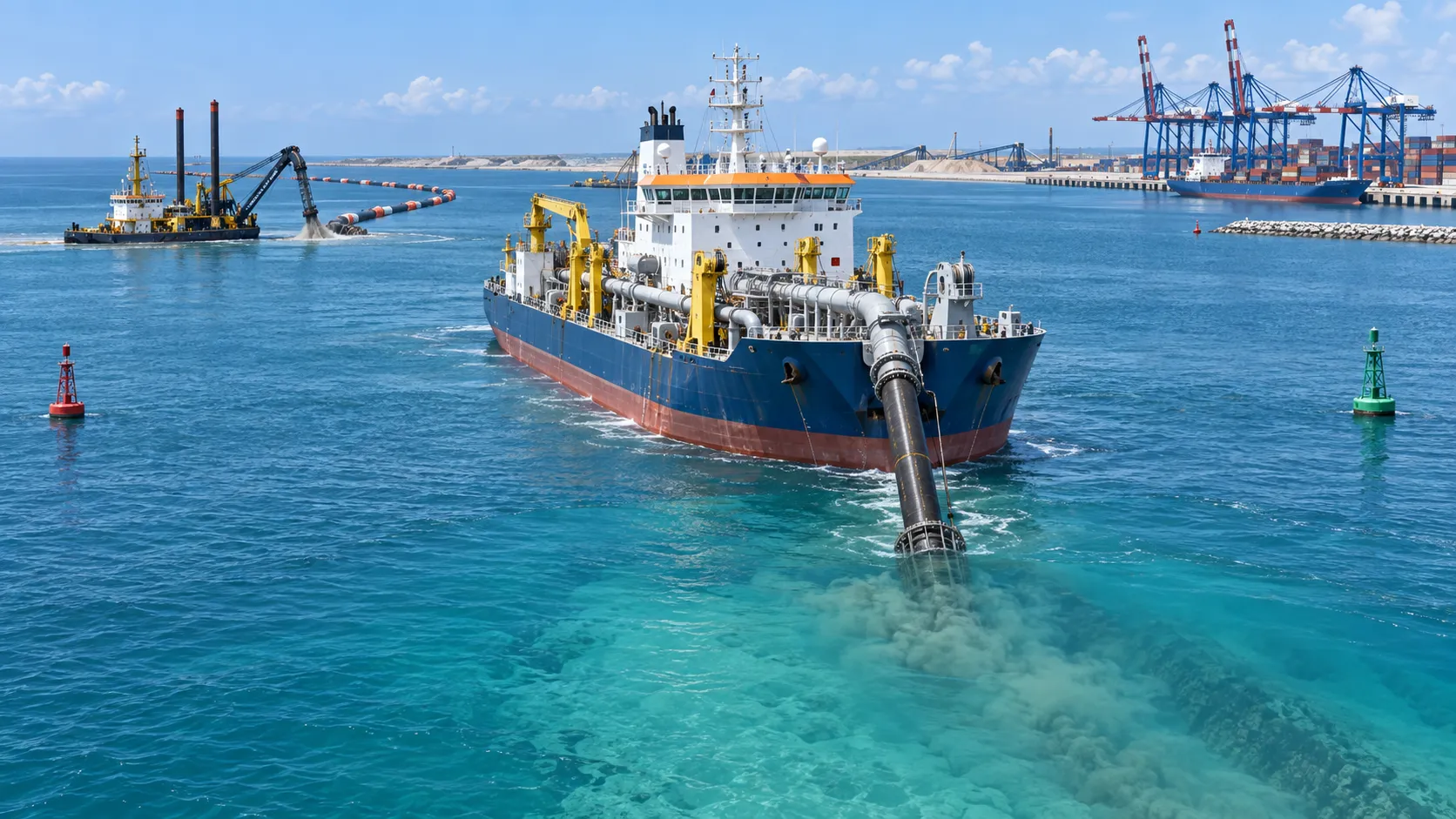
What Dredging Equipment Is Needed for Channel Deepening?
What dredging equipment is needed for channel deepening? Explore dredgers, pipelines, survey tools, and planning strategies for safer, more efficient port access.
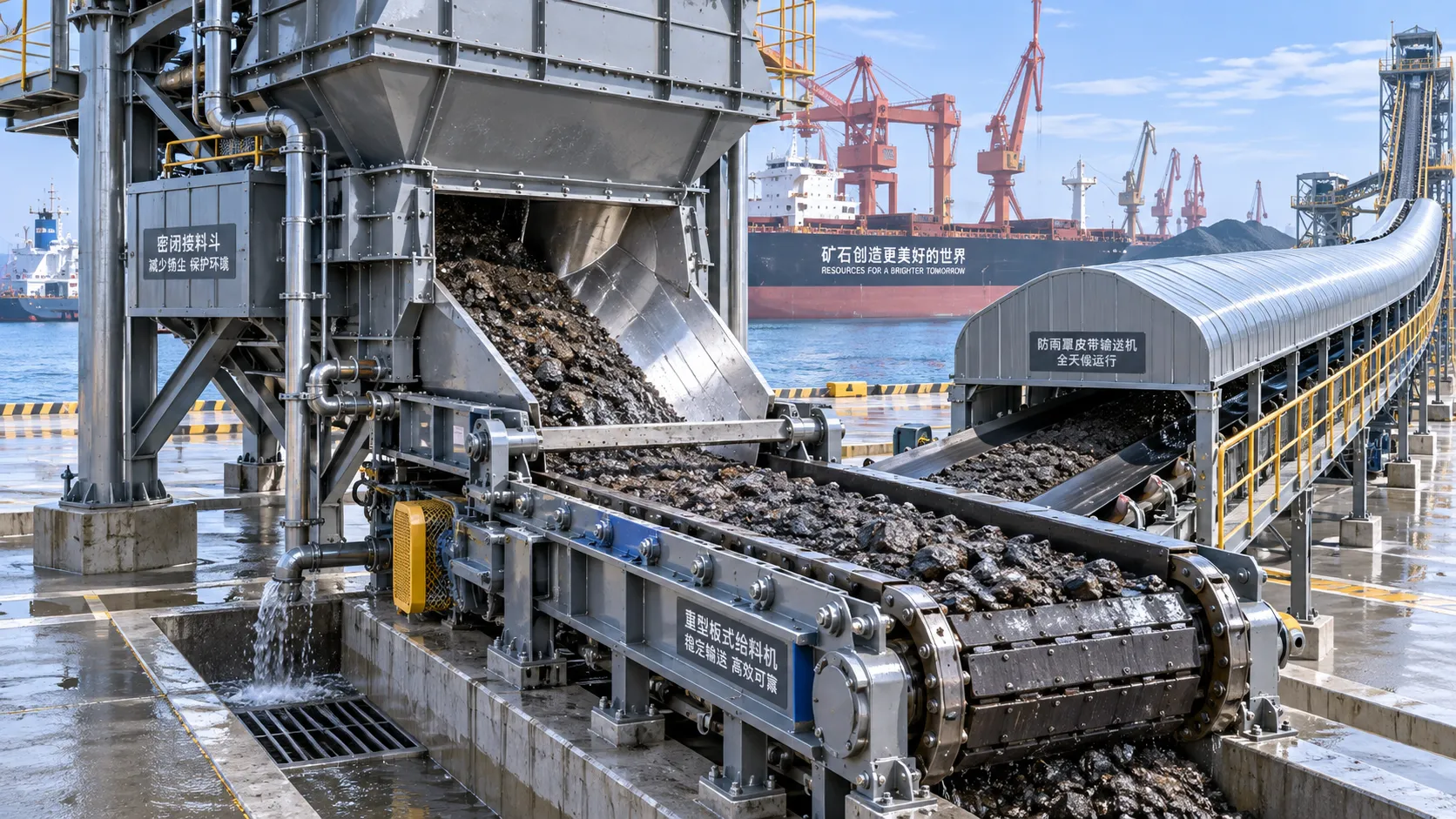
Which Bulk Handling Equipment Suits High-Moisture Cargo?
Which bulk handling equipment suits high-moisture cargo? Compare belt, apron, screw, drag, and slurry systems for reliable flow, less carryback, and higher terminal uptime.
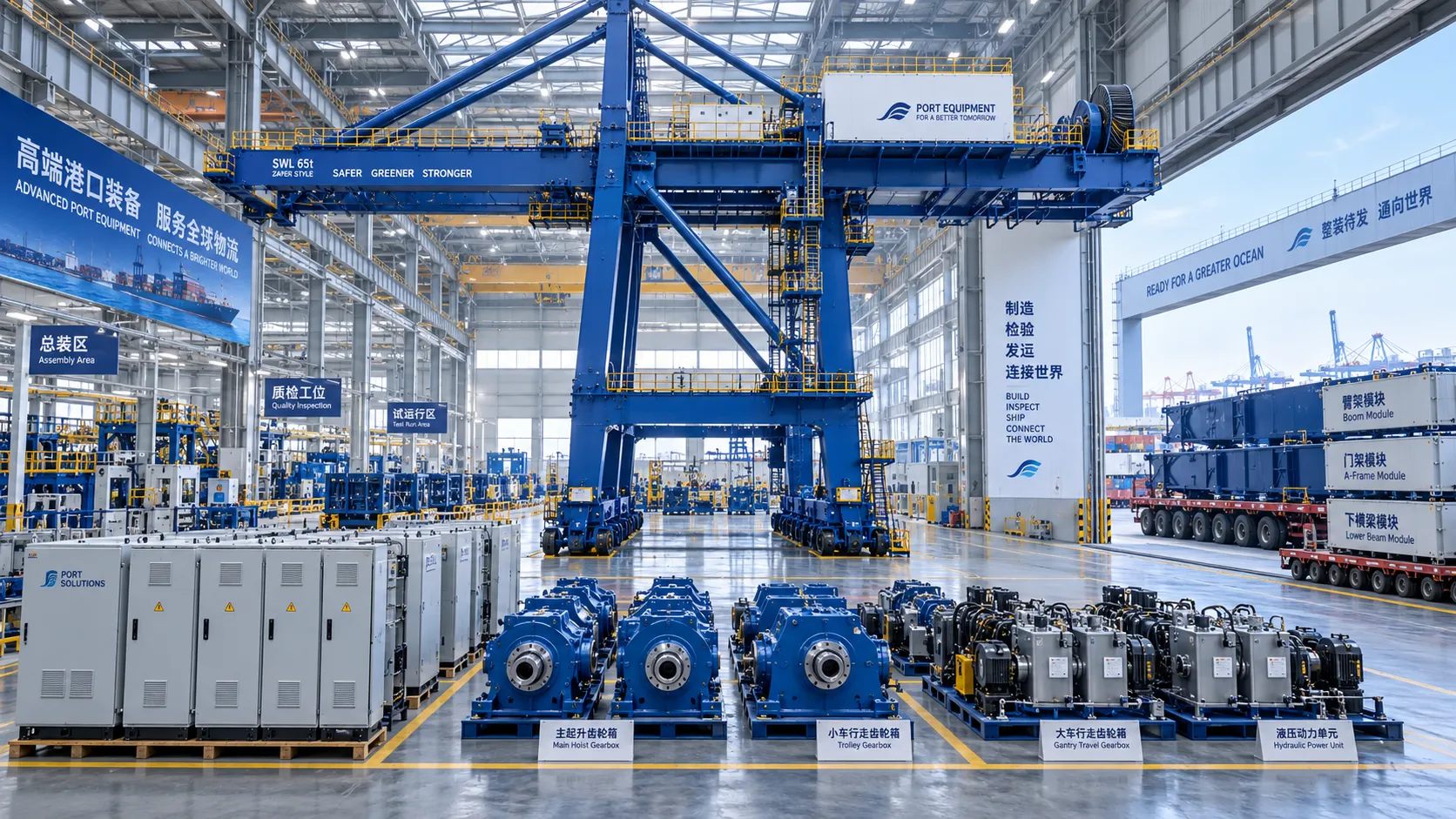
How Can Port Equipment Lead-Time Risk Be Managed?
How can port equipment lead-time risk be managed? Explore practical strategies to control critical paths, suppliers, transport, site readiness, and commissioning delays.
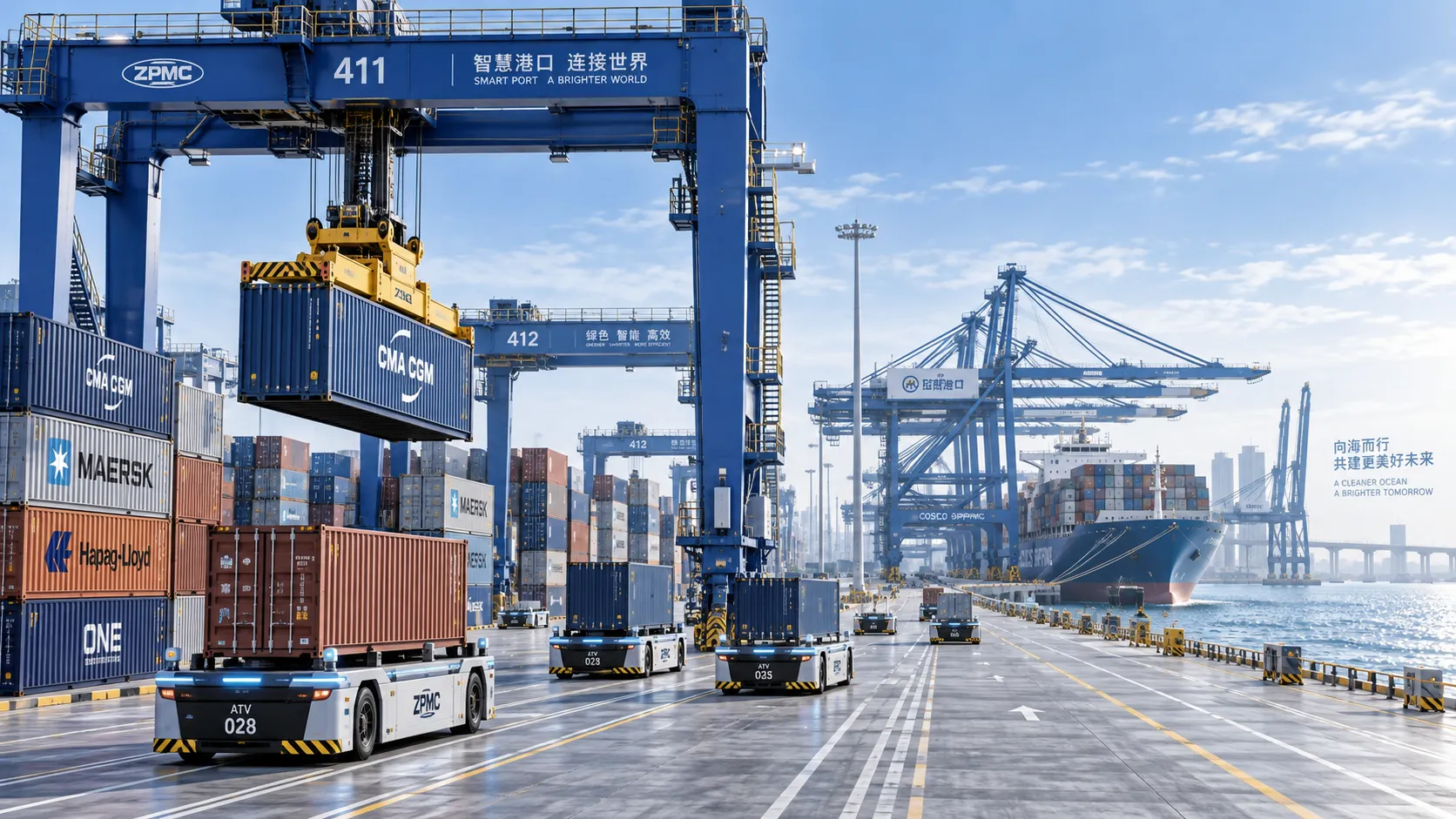
Terminal Automation Technologies That Raise Container Throughput Without Yard Disruption
Terminal automation technology that increases container throughput without disrupting yard flow. Explore smarter integration, resilient workflows, and phased deployment strategies.
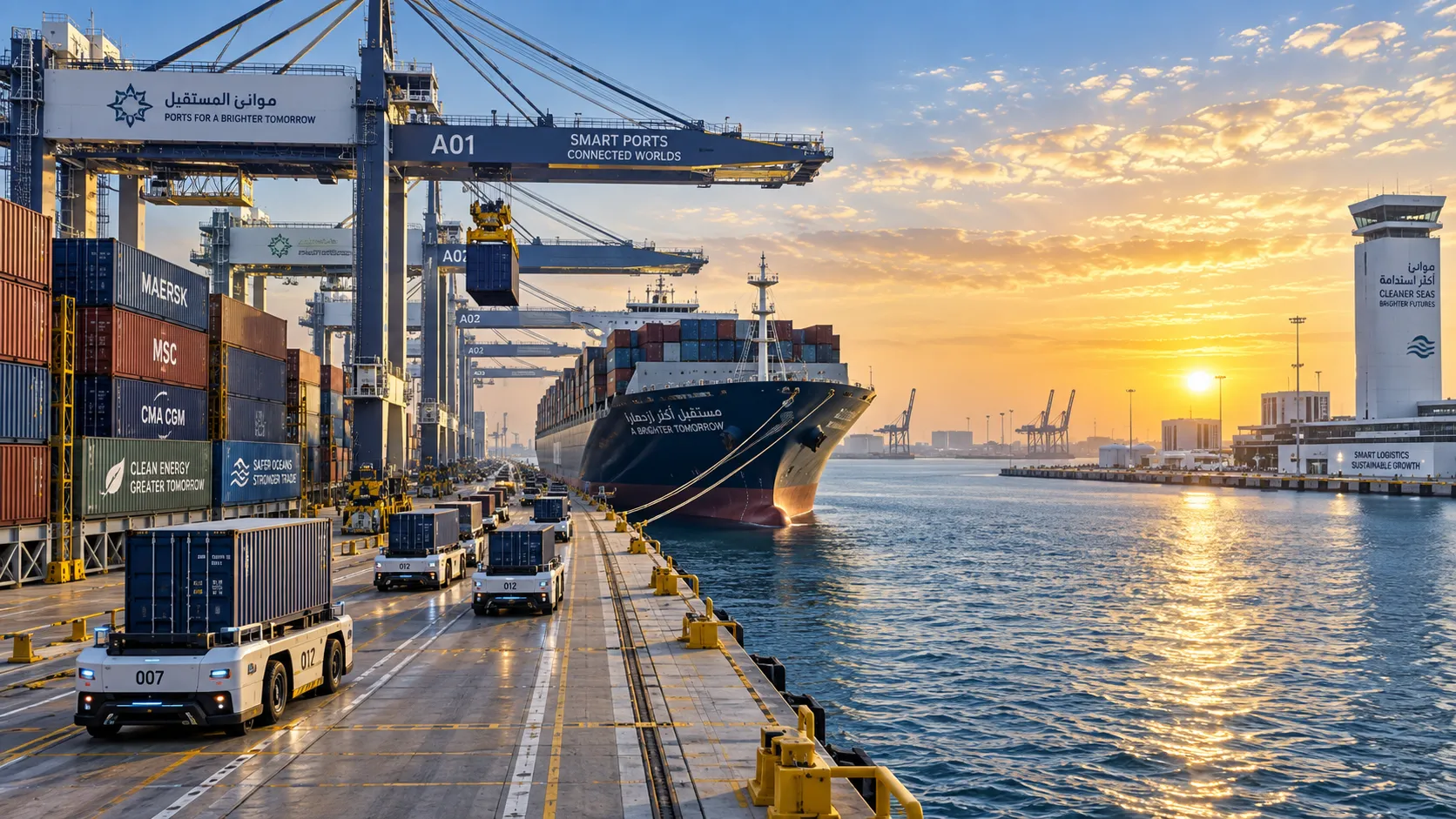
Middle East Port Automation: Key Market Drivers, Projects, and Investment Risks
Port automation systems Middle East: explore market drivers, flagship projects, integration challenges, and investment risks shaping smarter, resilient terminals.
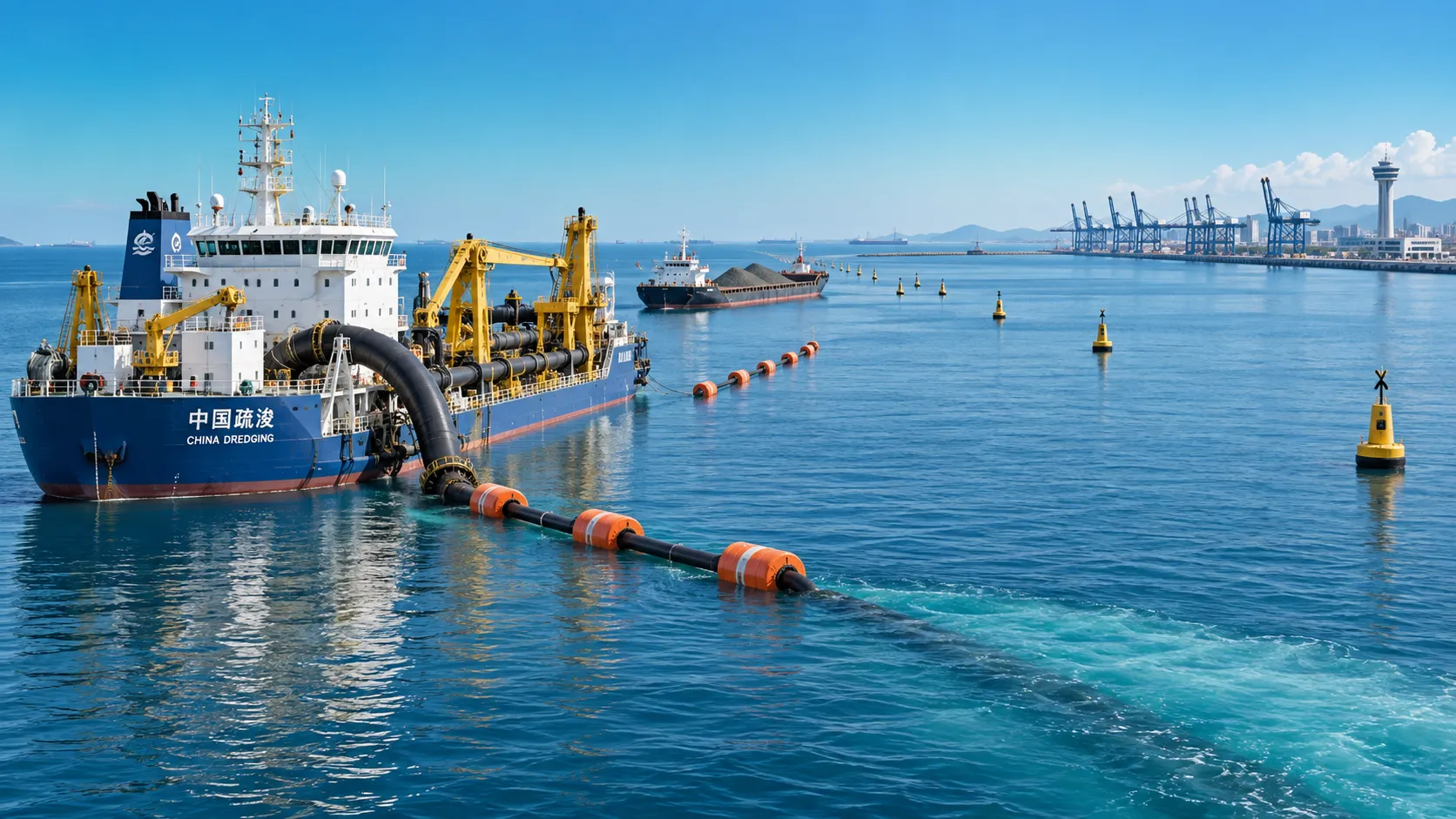
Planning Offshore Dredging Operations: Key Risks, Methods, and Project Controls
Offshore dredging operations demand smart planning. Explore key risks, proven methods, environmental controls, and project strategies for reliable delivery.