Related News
- 00
0000-00
How to Specify a Quay Crane for Container Terminals by Vessel Size and Throughput? - 00
0000-00
Which Bulk Handling Equipment Suits High-Moisture Cargo? - 00
0000-00
Terminal Automation Technologies That Raise Container Throughput Without Yard Disruption - 00
0000-00
Planning Offshore Dredging Operations: Key Risks, Methods, and Project Controls - 00
0000-00
Where Do Automated Guided Vehicles Deliver the Fastest Warehouse Gains in the Middle East?
How to Choose Heavy Terminal Gear That Resists Corrosion in Marine Conditions
How to Choose Heavy Terminal Gear That Resists Corrosion in Marine Conditions
In marine terminals, corrosion is not just a maintenance problem.
It affects safety, uptime, inspection results, and asset life.
That is why heavy terminal gear corrosion resistant performance matters early, not after failures appear.
Salt spray, standing moisture, abrasive dust, and cargo residues create a harsh mix.
Even strong equipment can degrade fast when materials and protection systems are mismatched.
From a practical standpoint, selection should focus on total exposure, not brochure claims.
The goal is simple: reduce failure risk while keeping operations stable and compliant.
Why Marine Corrosion Damages Heavy Terminal Gear Faster
Marine sites accelerate corrosion because exposure is constant and layered.
Chlorides attack coatings, creep into joints, and trigger pitting on vulnerable metals.
Humidity then keeps surfaces wet long enough for electrochemical reactions to continue.
In bulk terminals, dust and cargo fines trap moisture against steel surfaces.
In container yards, impact, vibration, and repeated washing wear away protection layers.
This means heavy terminal gear corrosion resistant design must handle chemistry, abrasion, and mechanical stress together.
Typical high-risk exposure points
- Boom hinges, spreader frames, and wheel assemblies
- Bolted joints, weld toes, and drain-poor cavities
- Cable trays, control boxes, and sensor housings
- Hydraulic fittings, cylinder rods, and exposed fasteners
- Undercarriages near splash zones or standing water
Start With the Real Service Environment
The best buying decisions begin with exposure mapping.
Not every terminal has the same corrosion profile, even on the same coastline.
Open quays face heavy salt mist.
Covered yards may have less spray but more trapped humidity.
Dredging support zones often add slurry splash and sediment abrasion.
A heavy terminal gear corrosion resistant specification should match those local realities.
This is where many procurement mistakes begin to show.
Questions that sharpen equipment selection
- How close is the gear to direct salt spray?
- Will the unit run continuously or in short bursts?
- Which surfaces see impact, scraping, or washdown?
- Are there hidden areas where water collects?
- What cleaning chemicals are used on site?
- How quickly can damaged coating be repaired?
Choose Materials That Match Marine Duty
Base material selection matters before any coating is applied.
Carbon steel remains common for structural strength and cost control.
Still, carbon steel alone is rarely enough in marine service.
Critical fittings often need stainless steel, duplex grades, or corrosion-resistant alloys.
Galvanic compatibility also matters when mixed metals are installed together.
Heavy terminal gear corrosion resistant performance can fail quickly if dissimilar metals are poorly isolated.
Material selection priorities
- Use higher-grade stainless steel for exposed fasteners and enclosures
- Prefer sealed bushings and protected pins in moving joints
- Check weld quality and post-weld treatment on structural parts
- Avoid material combinations that encourage galvanic attack
- Confirm spare parts use the same corrosion-resistant specification
Do Not Treat Coatings as a Secondary Detail
In real port operations, coatings carry a large share of corrosion protection.
The system matters more than a single paint name.
Surface preparation, primer, intermediate layer, and topcoat must work as one barrier.
For marine machinery, poor blasting and uneven film thickness create early weak points.
That is why supplier coating records deserve close review.
A truly heavy terminal gear corrosion resistant package should include traceable coating data and repair procedures.
What to verify in a coating system
- Surface prep standard and cleanliness level
- Dry film thickness targets by layer
- Salt spray or cyclic corrosion test references
- Edge retention performance on sharp geometry
- Touch-up compatibility during field maintenance
Look Closely at Sealing, Drainage, and Design Details
Corrosion often starts in small design oversights, not major components.
Water traps, open cable entries, and exposed cavities create long-term risk.
A heavy terminal gear corrosion resistant design should shed water, block contamination, and simplify inspection.
This becomes even more important on automated equipment with dense electrical architecture.
When seals fail, corrosion can spread from hidden compartments into controls and safety systems.
Design features worth paying for
- Sloped surfaces and proper drain paths
- Gaskets rated for marine UV and chemical exposure
- Protected routing for cables and hoses
- Accessible inspection points for hidden corrosion zones
- Shielding around sensors, connectors, and control cabinets
Use Standards, Testing, and Supplier Evidence
Specification language should be backed by evidence.
Terms like marine grade or weatherproof are not enough.
Request test records, inspection reports, and field references from similar terminals.
For heavy terminal gear corrosion resistant verification, evidence should cover both structure and subcomponents.
That includes motors, cabinets, hydraulic systems, and remote monitoring devices.
Evaluate Lifecycle Cost, Not Just Purchase Price
Low upfront pricing can hide expensive corrosion consequences later.
Recoating shutdowns, structural repairs, and sensor failures all raise total ownership cost.
This is especially true for automated terminals with tight asset availability targets.
A heavy terminal gear corrosion resistant investment usually pays back through reliability and longer service intervals.
In other words, corrosion protection is an operations decision, not only a materials decision.
Cost factors that deserve comparison
- Expected recoating frequency
- Replacement rate for fasteners and exposed fittings
- Downtime impact on vessel or yard throughput
- Labor demand for inspection and touch-up work
- Failure consequences for safety and compliance reporting
A Practical Selection Checklist for Port Operations
A usable selection process should be simple enough to repeat across projects.
That makes decisions easier to defend during audits, incident reviews, and supplier negotiations.
- Map the exact marine exposure by zone and operating cycle.
- Define which assemblies need the highest corrosion resistance.
- Review material grades, metal pairing, and sealing details.
- Verify coating system data, not marketing language.
- Ask for field references from comparable terminals.
- Score lifecycle cost alongside safety and uptime impact.
- Include repairability in the final approval decision.
At PS-Nexus, this broader view reflects how modern port assets should be assessed.
Heavy equipment, automation systems, and marine engineering now share the same risk environment.
A weak corrosion decision in one subsystem can ripple across the entire terminal workflow.
That is a clearer signal in today’s smarter, more connected port infrastructure.
Final Takeaway
Choosing heavy terminal gear corrosion resistant enough for marine conditions requires more than checking one specification line.
The stronger approach combines exposure mapping, smart material choices, robust coatings, sealed design, and supplier evidence.
When those factors align, equipment lasts longer, inspections become cleaner, and operational risk drops.
Use this framework during specification reviews, bid evaluation, and acceptance checks.
That is the most practical way to keep marine terminal assets dependable under real port pressure.
Related News
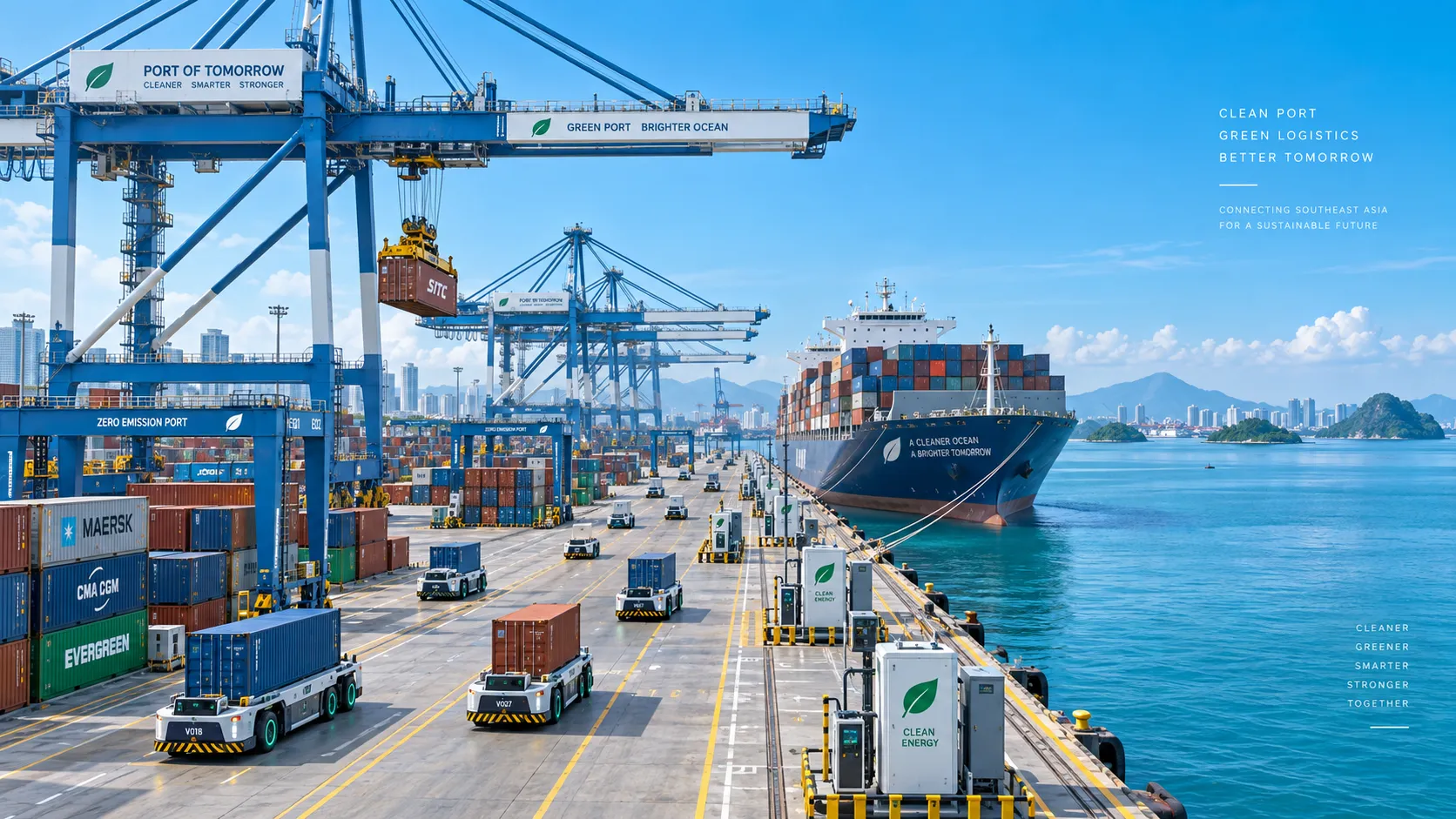
Smart Port Systems in Southeast Asia: Investment Priorities and Adoption Barriers
Smart port systems Southeast Asia: discover investment priorities, adoption barriers, and practical steps to build resilient, connected, high-performing terminals.
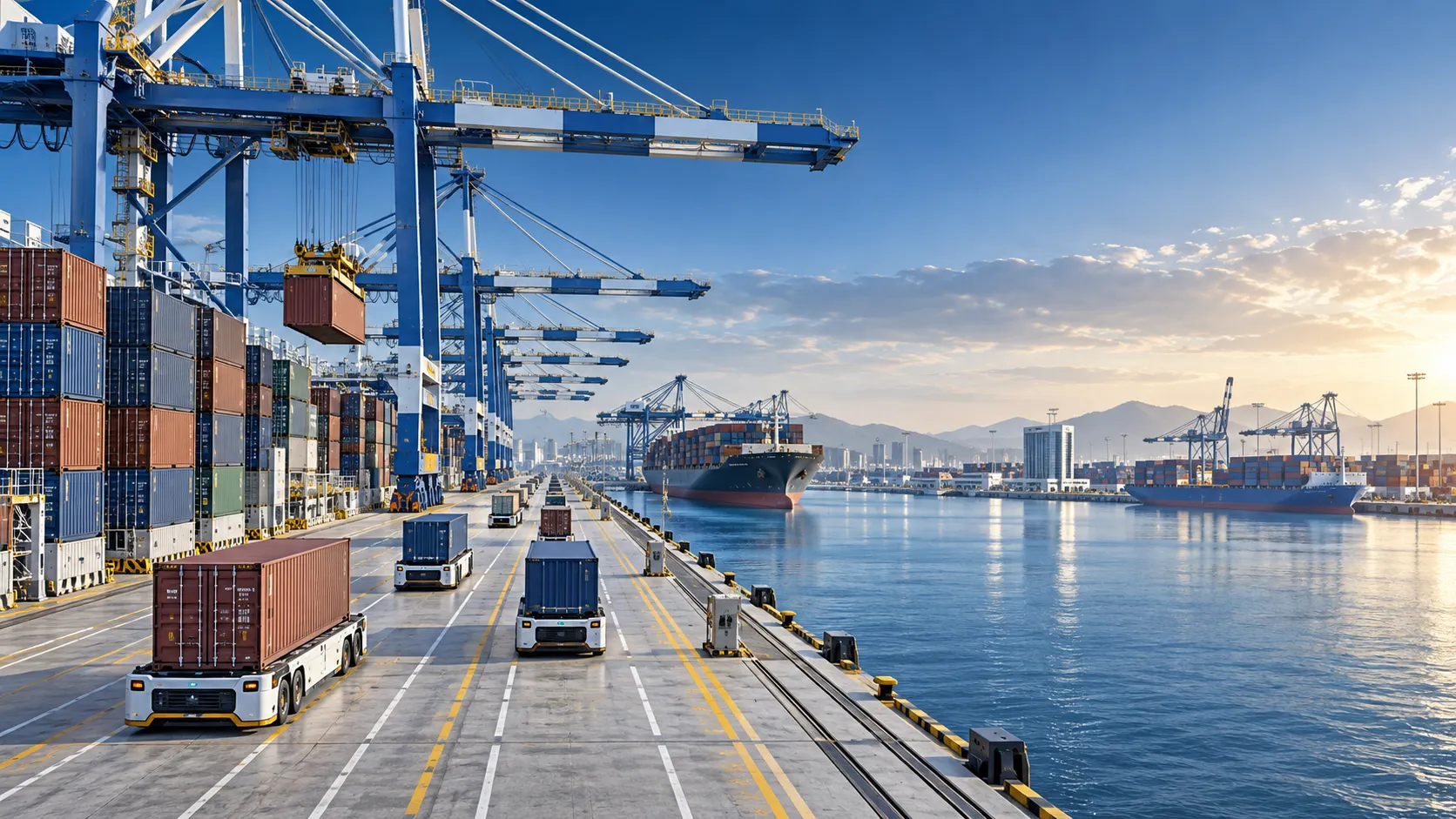
How to Evaluate Terminal Efficiency Solution Suppliers for High-Throughput Operations
Choose a terminal efficiency solutions supplier with confidence. Explore proven criteria for throughput, integration, lifecycle cost, safety, and reliable delivery.
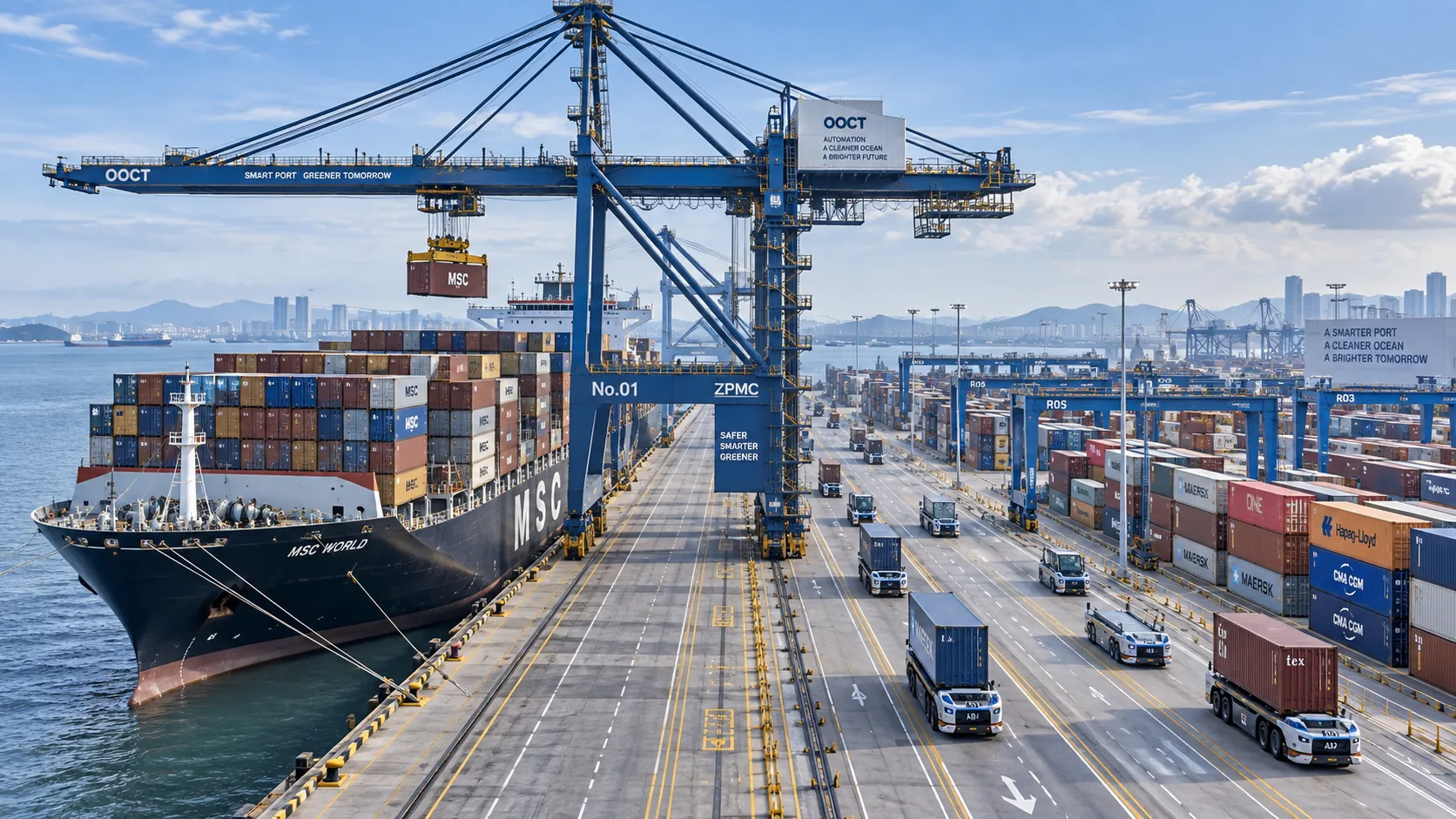
How to Specify a Quay Crane for Container Terminals by Vessel Size and Throughput?
Quay crane for container terminals: learn how to match outreach, lift height, capacity, automation, and cycle performance to vessel size and throughput goals.
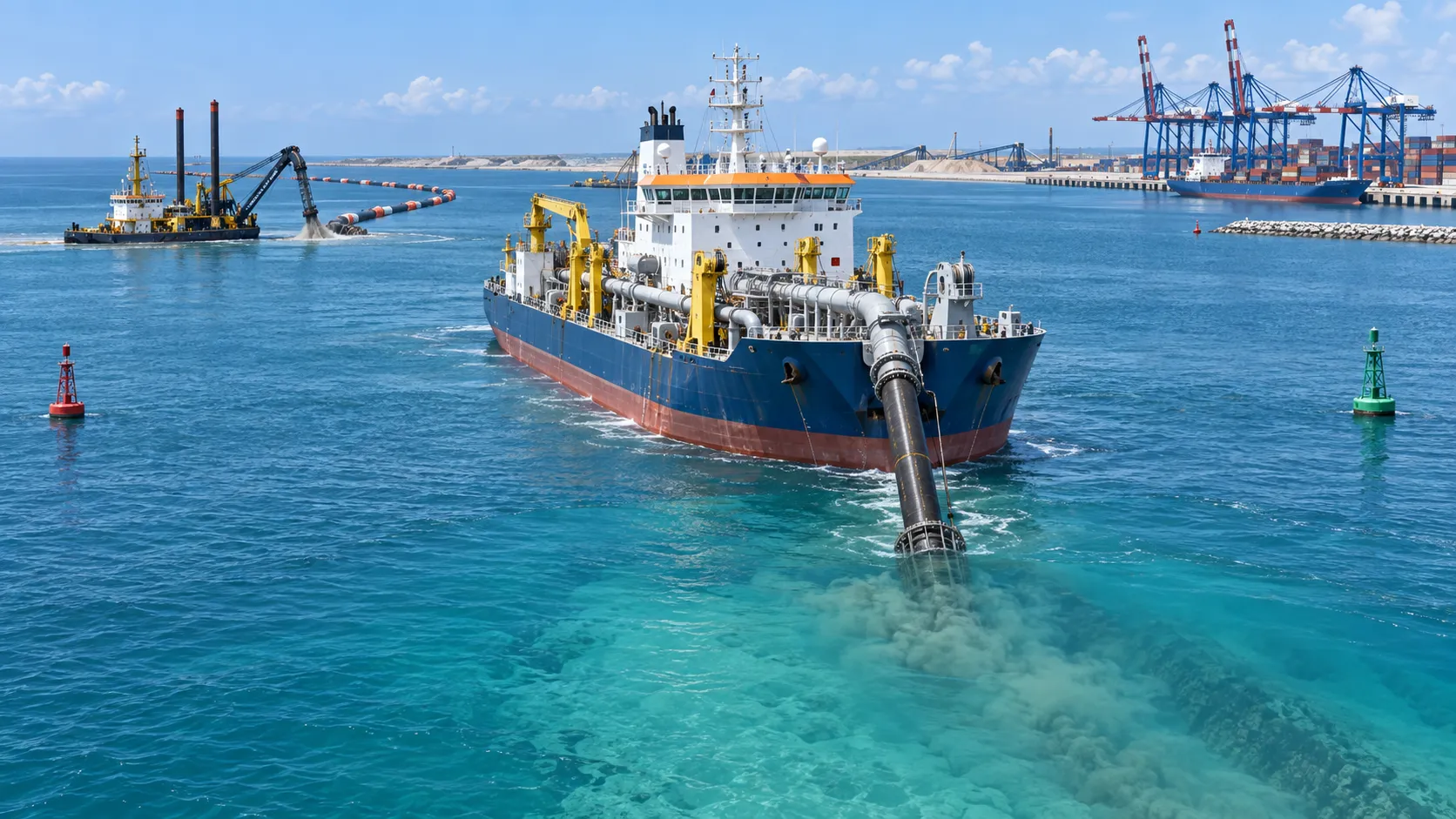
What Dredging Equipment Is Needed for Channel Deepening?
What dredging equipment is needed for channel deepening? Explore dredgers, pipelines, survey tools, and planning strategies for safer, more efficient port access.
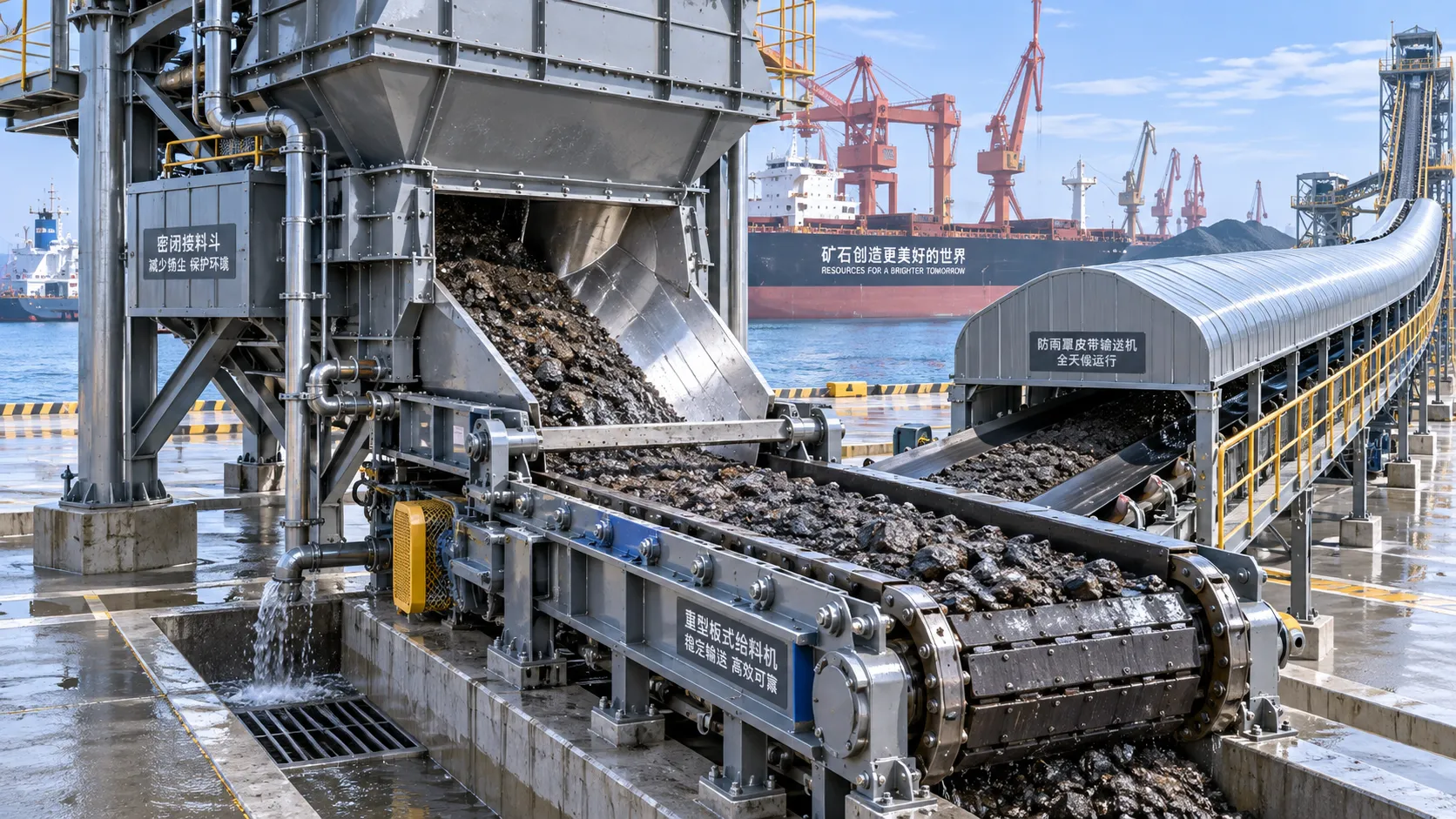
Which Bulk Handling Equipment Suits High-Moisture Cargo?
Which bulk handling equipment suits high-moisture cargo? Compare belt, apron, screw, drag, and slurry systems for reliable flow, less carryback, and higher terminal uptime.
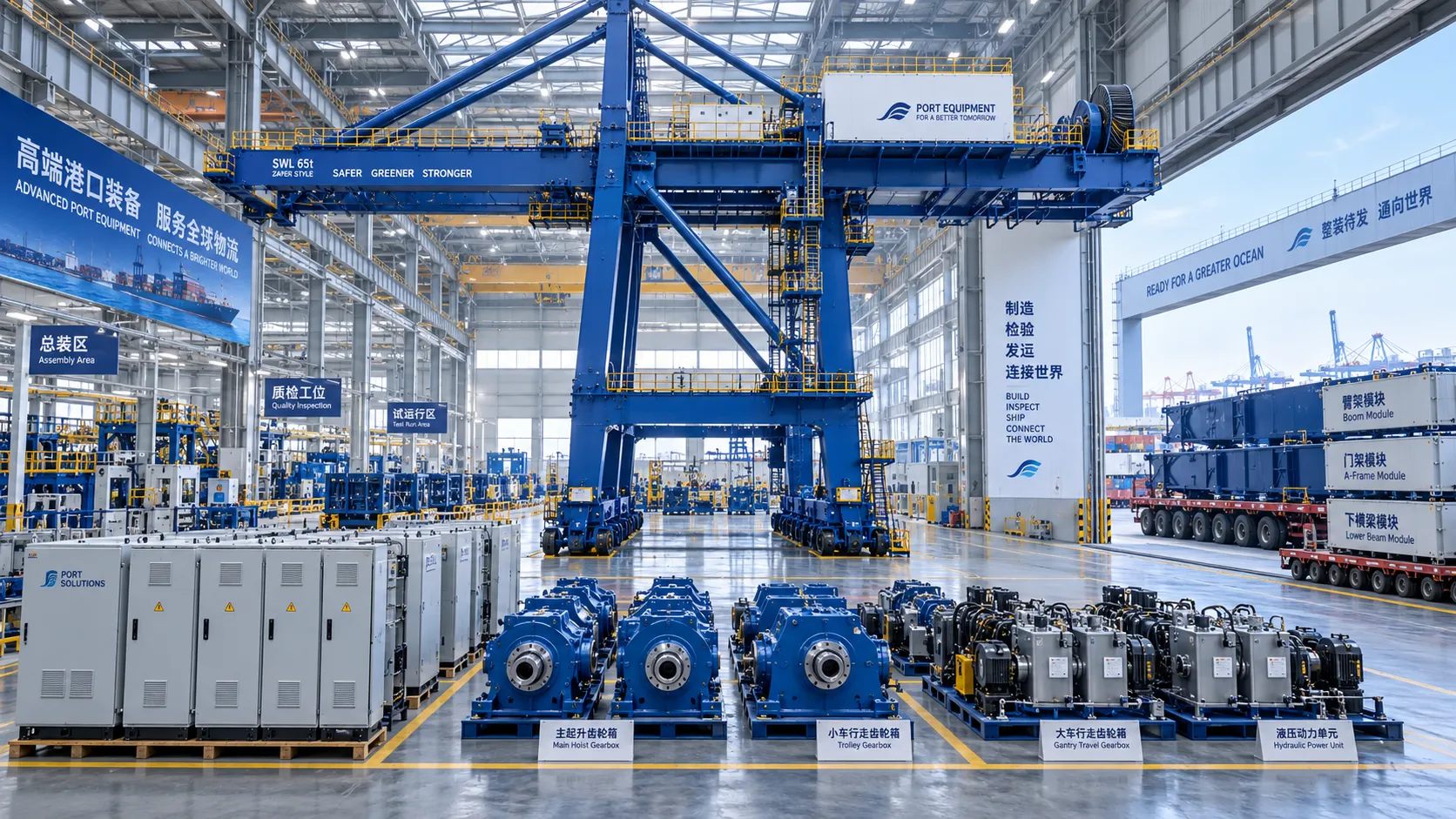
How Can Port Equipment Lead-Time Risk Be Managed?
How can port equipment lead-time risk be managed? Explore practical strategies to control critical paths, suppliers, transport, site readiness, and commissioning delays.
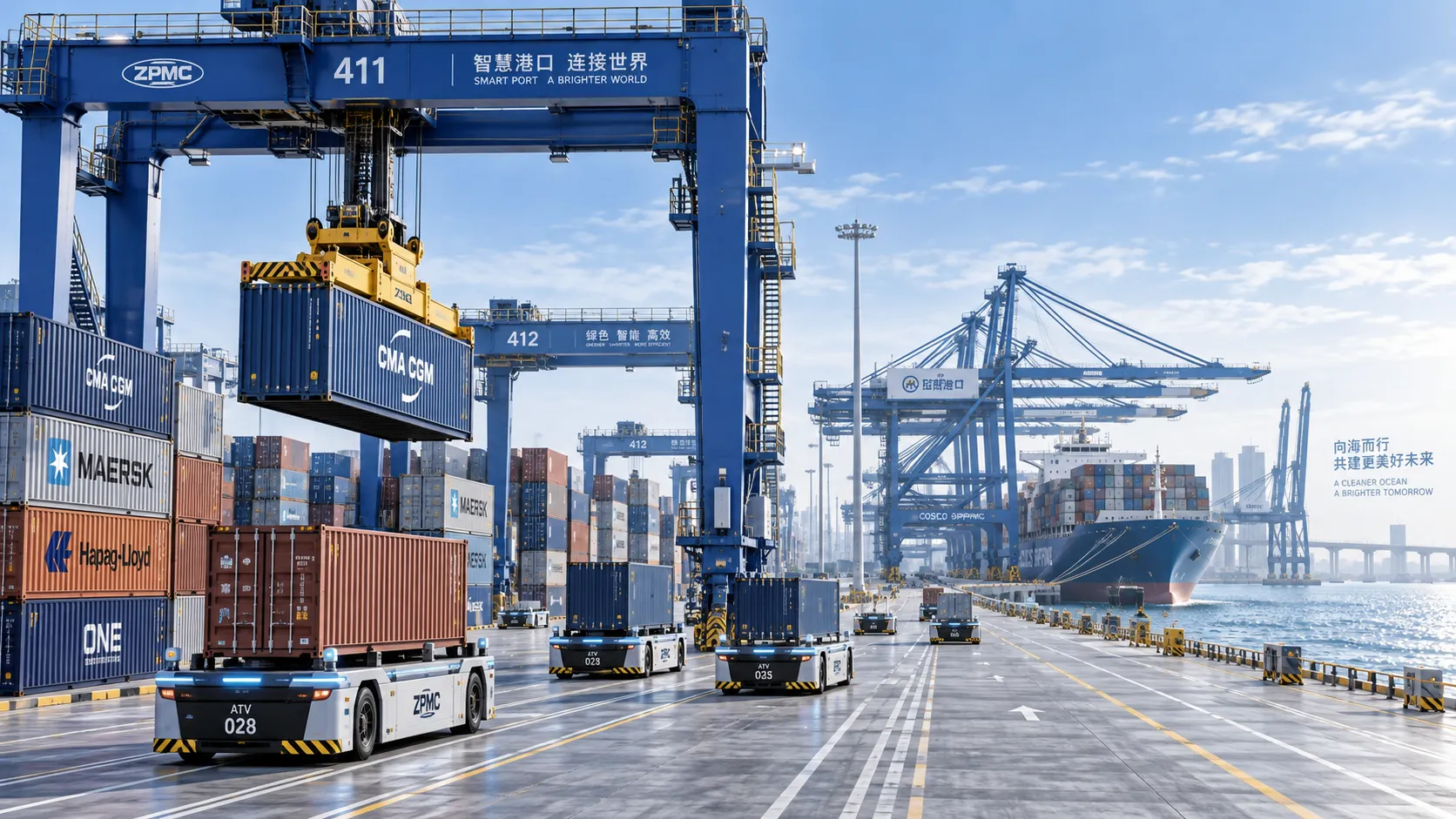
Terminal Automation Technologies That Raise Container Throughput Without Yard Disruption
Terminal automation technology that increases container throughput without disrupting yard flow. Explore smarter integration, resilient workflows, and phased deployment strategies.
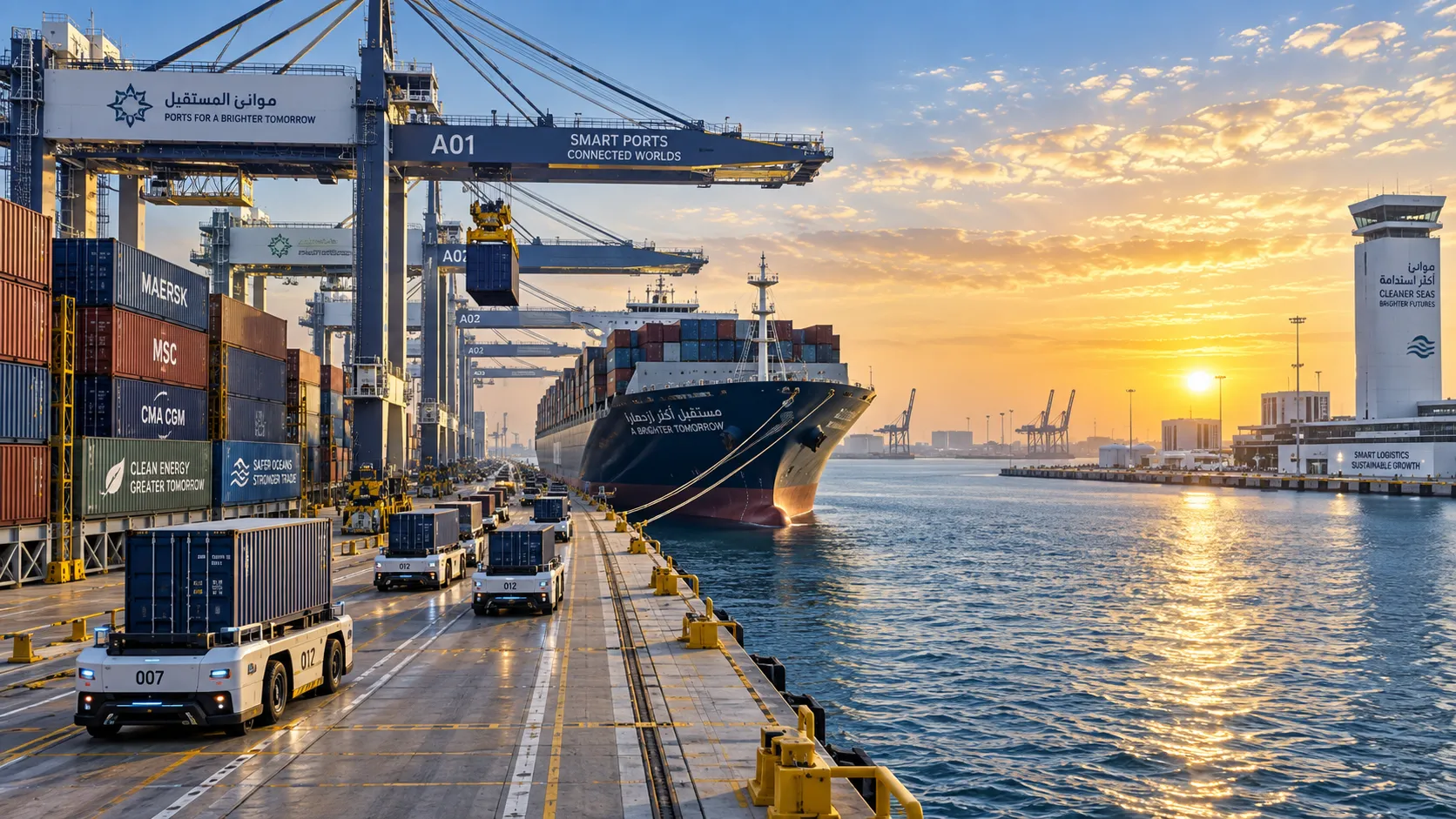
Middle East Port Automation: Key Market Drivers, Projects, and Investment Risks
Port automation systems Middle East: explore market drivers, flagship projects, integration challenges, and investment risks shaping smarter, resilient terminals.
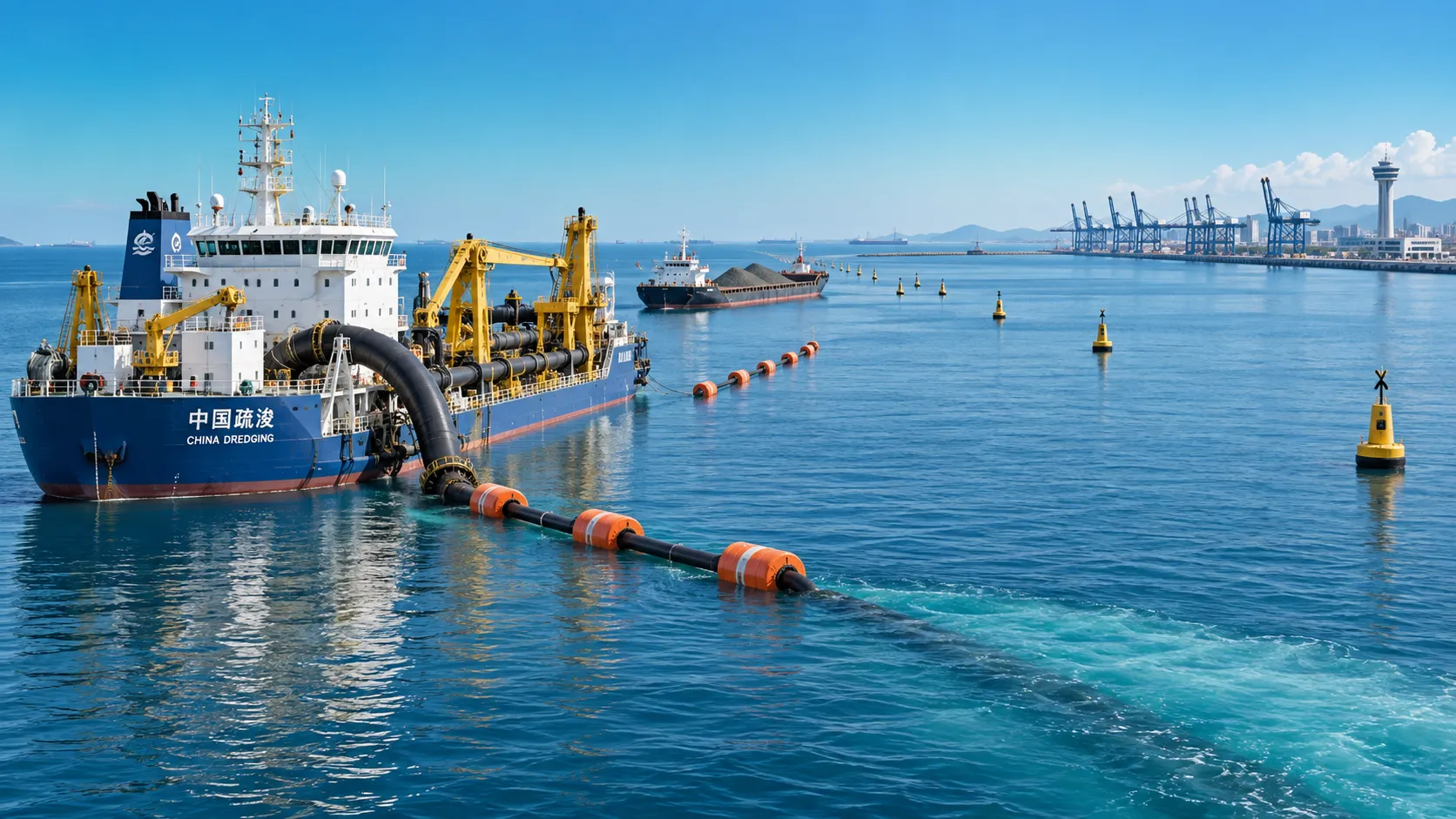
Planning Offshore Dredging Operations: Key Risks, Methods, and Project Controls
Offshore dredging operations demand smart planning. Explore key risks, proven methods, environmental controls, and project strategies for reliable delivery.