
Related News
- 00
0000-00
How to Specify a Quay Crane for Container Terminals by Vessel Size and Throughput? - 00
0000-00
Which Bulk Handling Equipment Suits High-Moisture Cargo? - 00
0000-00
Terminal Automation Technologies That Raise Container Throughput Without Yard Disruption - 00
0000-00
Planning Offshore Dredging Operations: Key Risks, Methods, and Project Controls - 00
0000-00
Where Do Automated Guided Vehicles Deliver the Fastest Warehouse Gains in the Middle East?
What Is a Quay Crane? Key Types, Capacity Ratings, and Port Use Cases
A quay crane sits at the edge of the terminal, but its influence reaches far beyond the berth. It affects vessel turnaround, labor rhythm, yard flow, and the commercial appeal of an entire port.
That is why the quay crane remains a central reference point in maritime logistics intelligence. When analysts compare port capacity, automation readiness, or infrastructure value, crane configuration is often one of the first indicators reviewed.
For PS-Nexus, which tracks heavy terminal gear, control systems, and coastal trade dynamics, the subject connects mechanical scale with operational logic. A crane is never just a machine. It is also a throughput constraint, a scheduling variable, and a long-cycle investment signal.
What a quay crane actually does
A quay crane is a large ship-to-shore lifting system used to move containers between a vessel and the quay. It is designed for repetitive, high-precision handling at the marine interface.
In practical terms, the crane lifts containers from the ship, transfers them across the waterside span, and places them onto trucks, terminal tractors, or automated transfer equipment.
This position makes the quay crane the front gate of container flow. If crane performance is weak, yard systems, gate operations, and inland connections cannot fully recover the lost time.
The basic structure usually includes the gantry, boom, trolley, hoist system, spreader, machinery house, and operator or remote-control interface. Each part influences reach, speed, stability, and maintenance demands.
Why the topic matters now
Ports are under pressure from larger vessels, tighter berth windows, and rising expectations for digital coordination. That pressure pushes the quay crane from a static asset category into a strategic planning issue.
A terminal may add yard automation, AGV routing, or low-latency remote control, but waterside productivity still depends on crane capability. If outreach, lift height, or hoist speed lags behind vessel demand, automation elsewhere brings limited value.
The energy transition also raises the stakes. Electrification, regenerative drives, and smarter motion control now affect both operating cost and emissions performance.
This is where intelligence platforms such as PS-Nexus add context. Equipment data becomes more meaningful when linked to shipping patterns, automation maturity, dredging depth, berth design, and the broader economics of port expansion.
Main quay crane types in current port operations
Not every quay crane is built for the same vessel class or operating model. The main differences usually relate to size, outreach, automation level, and terminal traffic profile.
Conventional ship-to-shore cranes
These are common in many established terminals. They rely on onboard operators and suit ports that need dependable performance without a full automation overhaul.
Post-Panamax and Super Post-Panamax cranes
These cranes are built for wider container ships. The classification usually reflects how many container rows can be reached across the beam of the vessel.
High-cube and twin-lift capable cranes
Some terminals prioritize flexibility in handling two containers at once or working mixed box sizes efficiently. In those settings, spreader capability matters as much as structural scale.
Semi-automated and automated quay crane systems
These cranes integrate remote operation, anti-sway control, positioning sensors, and terminal software links. They are increasingly used where labor safety, consistency, and cycle-time predictability are top priorities.
How capacity ratings should be interpreted
Capacity ratings are often misunderstood because buyers and analysts focus too narrowly on headline lifting tonnage. A more useful reading combines structural ratings with operational context.
A quay crane with a high lifting rating is not automatically the most productive option. If yard handoff is slow or vessel mix is moderate, a balanced specification may produce better returns.
In other words, crane capacity should be matched to berth design, channel depth, expected ship sizes, and the terminal’s digital operating model.
Typical port use cases
The same quay crane category can serve very different business environments. Use case matters because throughput targets, vessel patterns, and infrastructure constraints are rarely uniform.
- Mainline container hubs: high outreach, fast cycles, and integration with dense yard systems are critical.
- Regional feeder terminals: flexibility and maintainability may outweigh extreme scale.
- Transshipment ports: crane uptime and synchronized berth planning directly influence network reliability.
- Semi-automated terminals: remote operation, positioning accuracy, and software compatibility become central evaluation points.
- Expansion projects in dredged or reclaimed zones: crane selection must align with berth structure, seabed conditions, and future vessel forecasts.
This last case is often overlooked. A port may deepen channels or extend quays through dredging, yet fail to upgrade crane envelope and control architecture at the same pace.
When that happens, marine access improves, but berth-side handling remains the bottleneck. For long-horizon planning, crane strategy and waterside civil works should be assessed together.
Operational issues behind the specification sheet
Specification tables rarely show the full operating picture. The real value of a quay crane appears in reliability, control quality, maintainability, and fit with terminal processes.
Cycle stability
Consistent cycle times matter more than isolated peak performance. A crane that delivers stable moves per hour supports stronger berth planning and fewer downstream disruptions.
Digital integration
Modern terminals expect the quay crane to communicate with terminal operating systems, traffic control platforms, and diagnostics tools. Data quality now influences maintenance and dispatch decisions.
Remote control readiness
As PS-Nexus regularly tracks, low-latency communication and control architecture are becoming decisive. The crane must support safe remote visibility, responsive motion, and dependable fail-safe logic.
Energy performance
Power demand, regenerative systems, and duty-cycle efficiency affect both cost and sustainability targets. That makes energy behavior a practical metric, not just a reporting point.
How to assess a quay crane in business terms
A useful assessment starts with cargo reality, not equipment brochures. Vessel mix, annual volume, berth occupancy, labor model, and yard interface should define the first screening criteria.
Then compare the crane across five practical dimensions:
- Fit with target vessel classes and future fleet trends.
- Compatibility with transfer vehicles, automation layers, and terminal software.
- Lifecycle maintenance burden, parts access, and downtime risk.
- Energy profile under real operating cycles.
- Upgrade path for remote control, sensors, and data integration.
A quay crane should also be evaluated against port strategy. A gateway port, a transshipment hub, and a developing coastal terminal may all justify different technical priorities.
That broader view is increasingly important in a market shaped by trade route shifts, automation investment, and net-zero expectations.
Where to look next
Understanding what a quay crane is gives only the starting point. The stronger question is how crane choice interacts with berth design, vessel strategy, control systems, and capital timing.
A solid next step is to build a comparison framework that links crane type, capacity rating, automation features, and terminal use case. That makes market signals easier to interpret and investment assumptions easier to test.
For ongoing tracking, it helps to follow the subject through the wider port equipment ecosystem. Quay cranes reveal the front-end handling story, but their real value appears when connected to yard mobility, control architecture, dredging conditions, and trade flow intelligence.
Related News
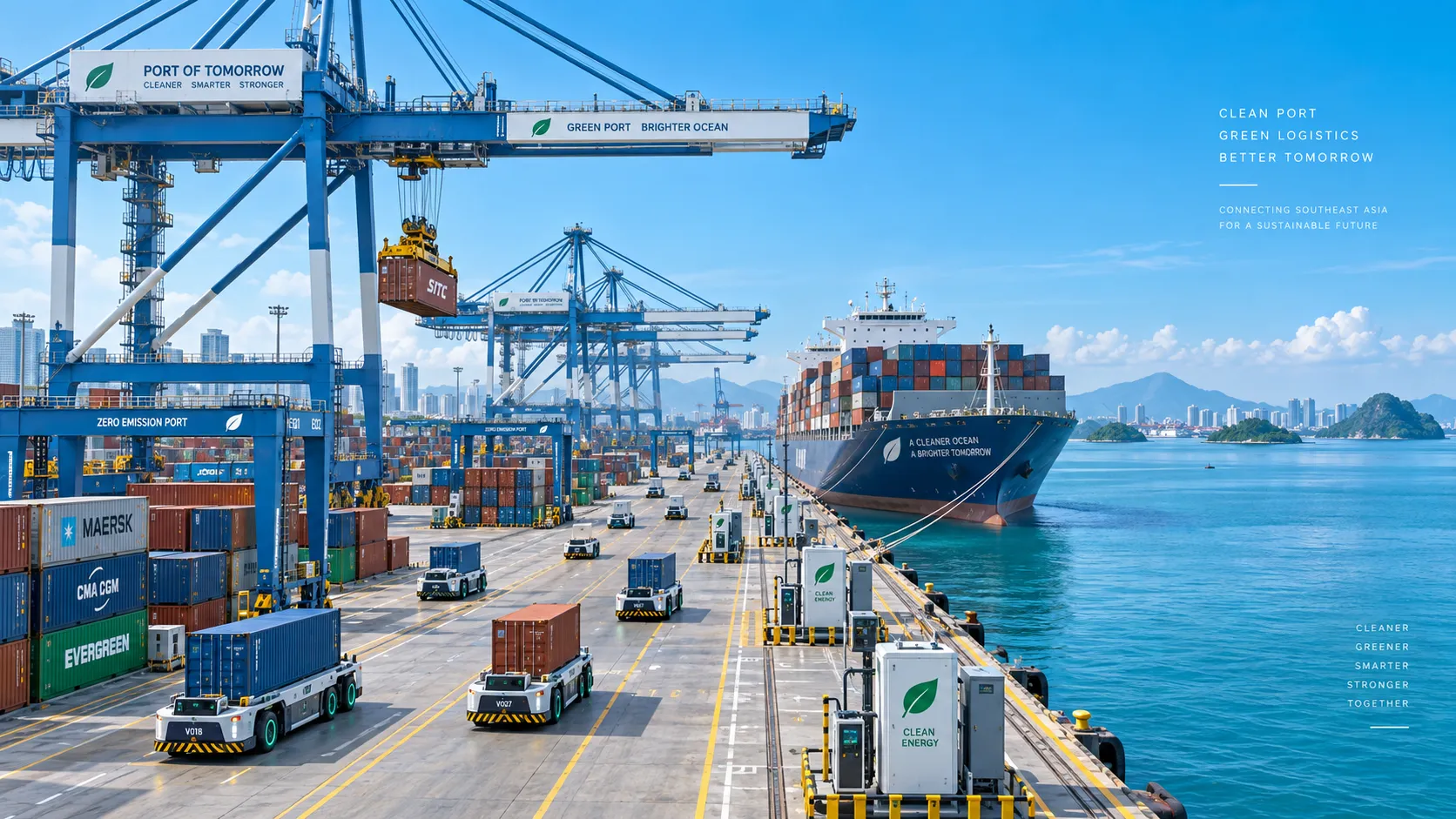
Smart Port Systems in Southeast Asia: Investment Priorities and Adoption Barriers
Smart port systems Southeast Asia: discover investment priorities, adoption barriers, and practical steps to build resilient, connected, high-performing terminals.

How to Evaluate Terminal Efficiency Solution Suppliers for High-Throughput Operations
Choose a terminal efficiency solutions supplier with confidence. Explore proven criteria for throughput, integration, lifecycle cost, safety, and reliable delivery.
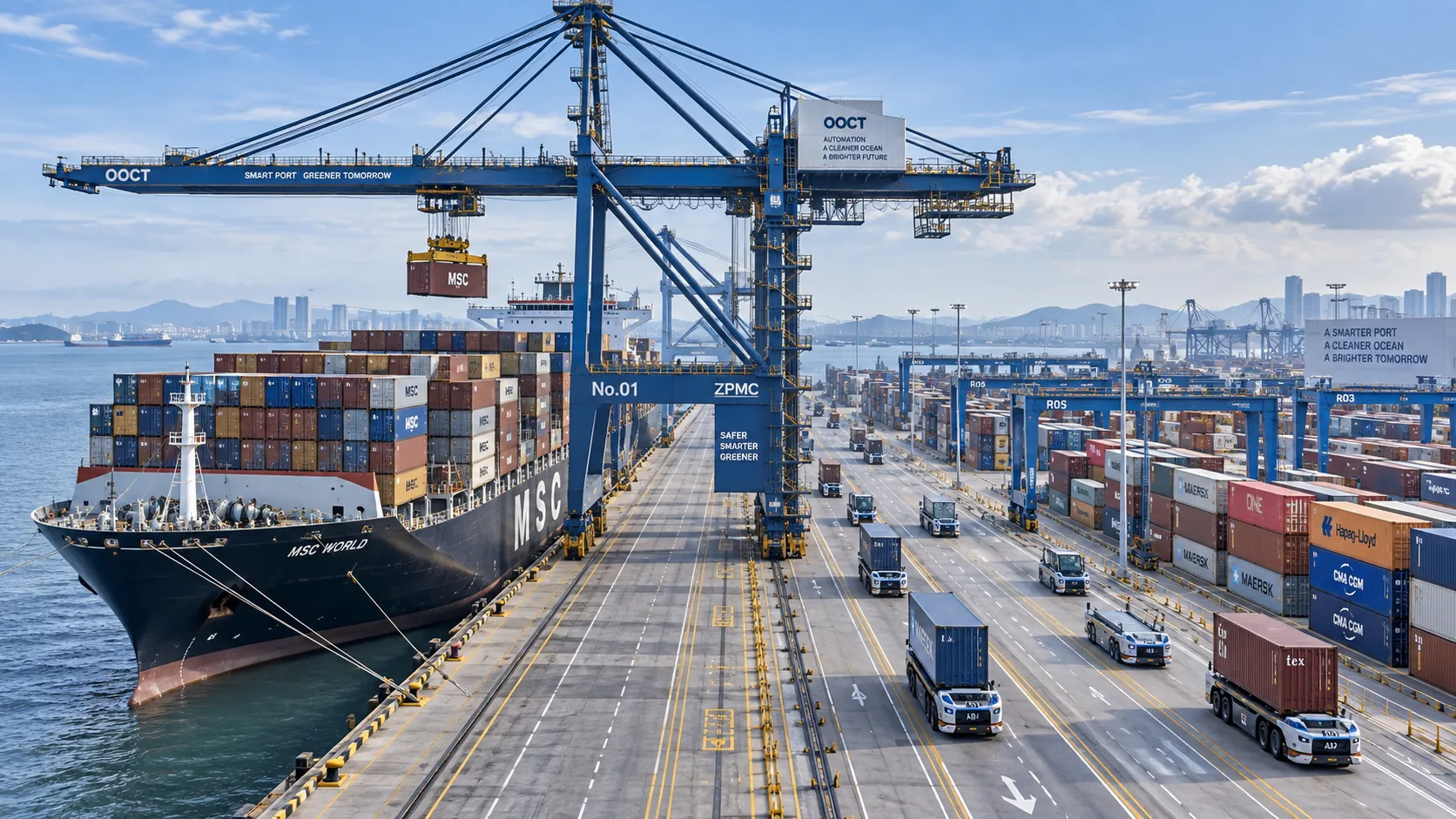
How to Specify a Quay Crane for Container Terminals by Vessel Size and Throughput?
Quay crane for container terminals: learn how to match outreach, lift height, capacity, automation, and cycle performance to vessel size and throughput goals.
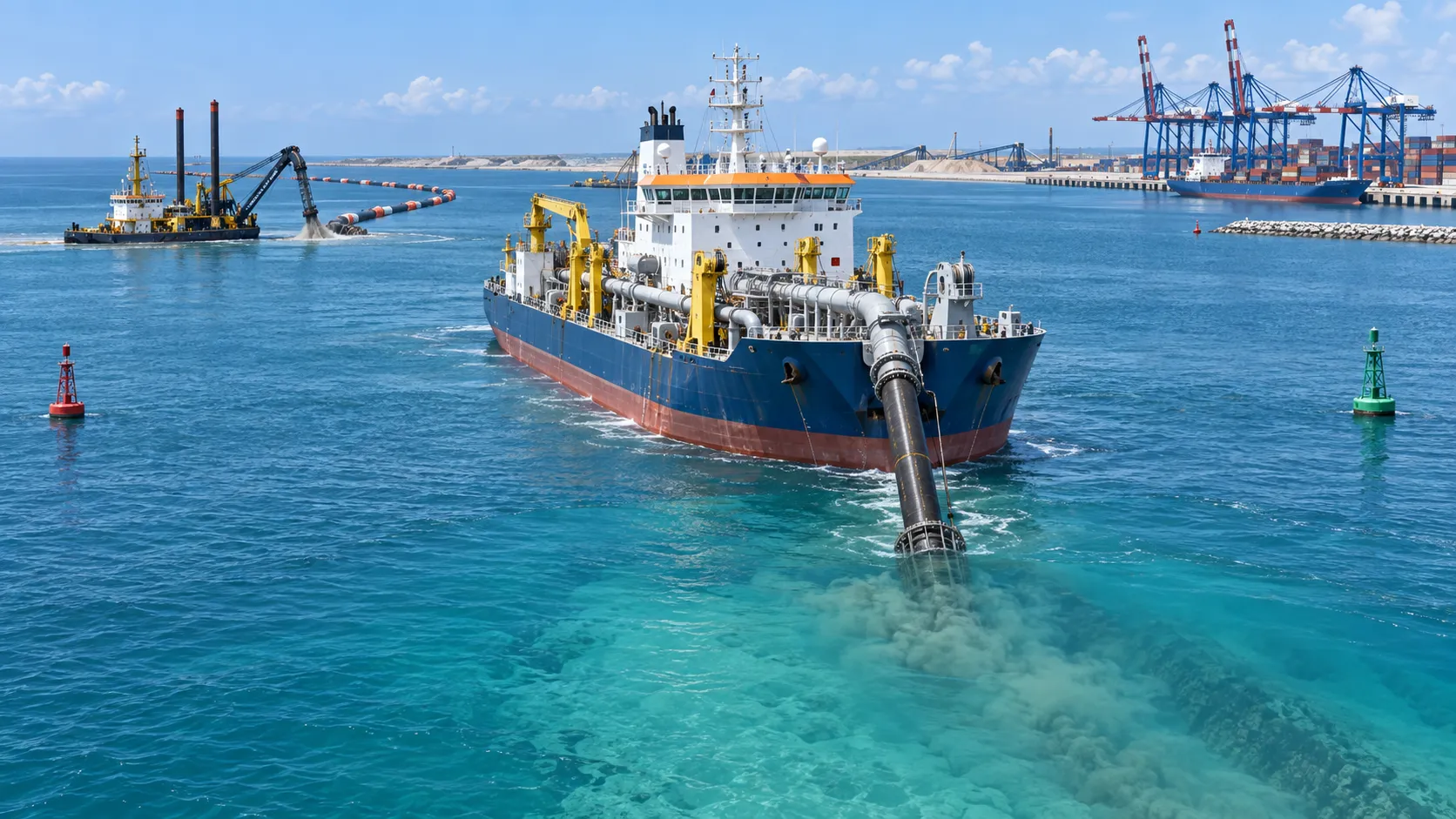
What Dredging Equipment Is Needed for Channel Deepening?
What dredging equipment is needed for channel deepening? Explore dredgers, pipelines, survey tools, and planning strategies for safer, more efficient port access.
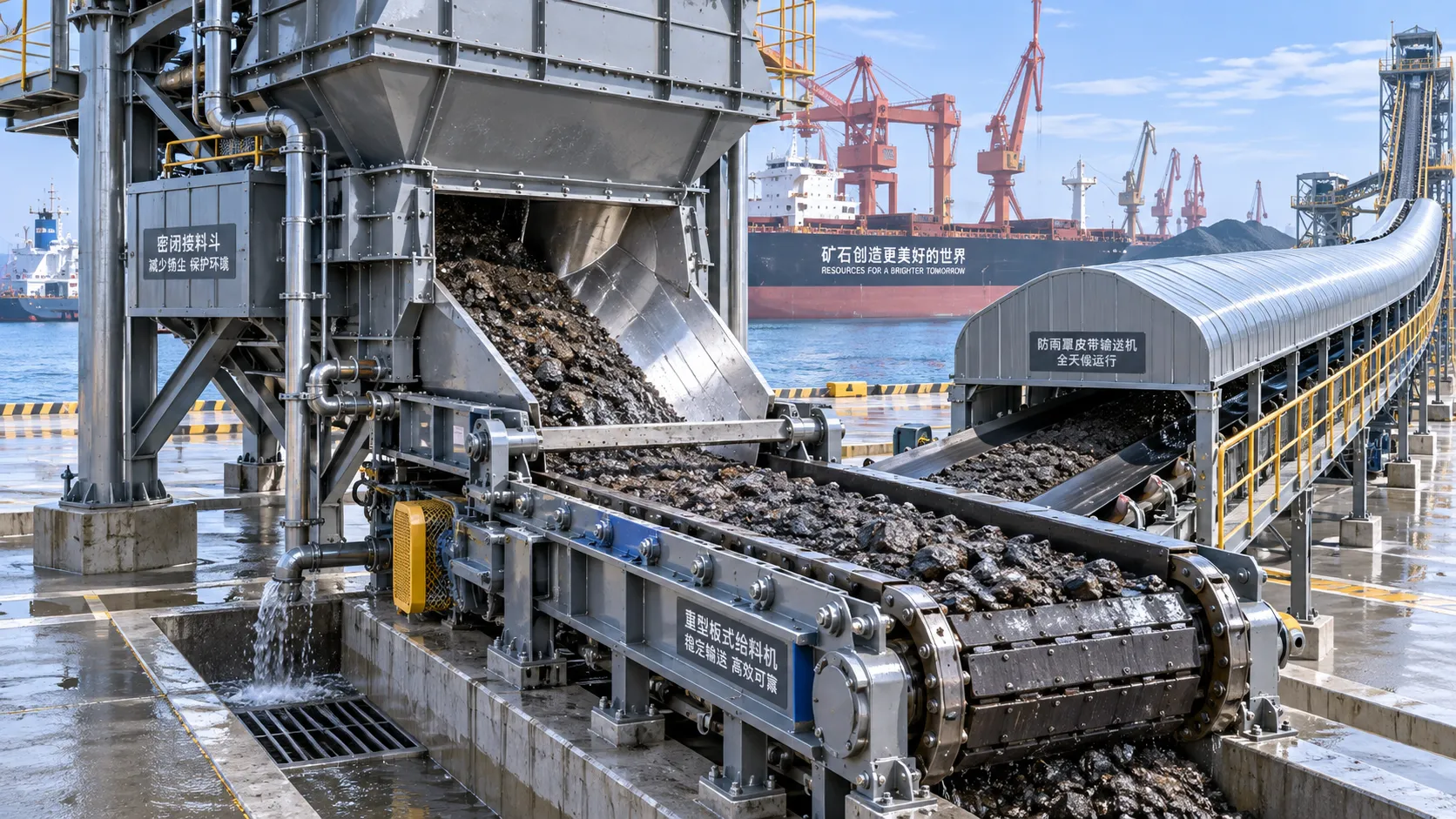
Which Bulk Handling Equipment Suits High-Moisture Cargo?
Which bulk handling equipment suits high-moisture cargo? Compare belt, apron, screw, drag, and slurry systems for reliable flow, less carryback, and higher terminal uptime.
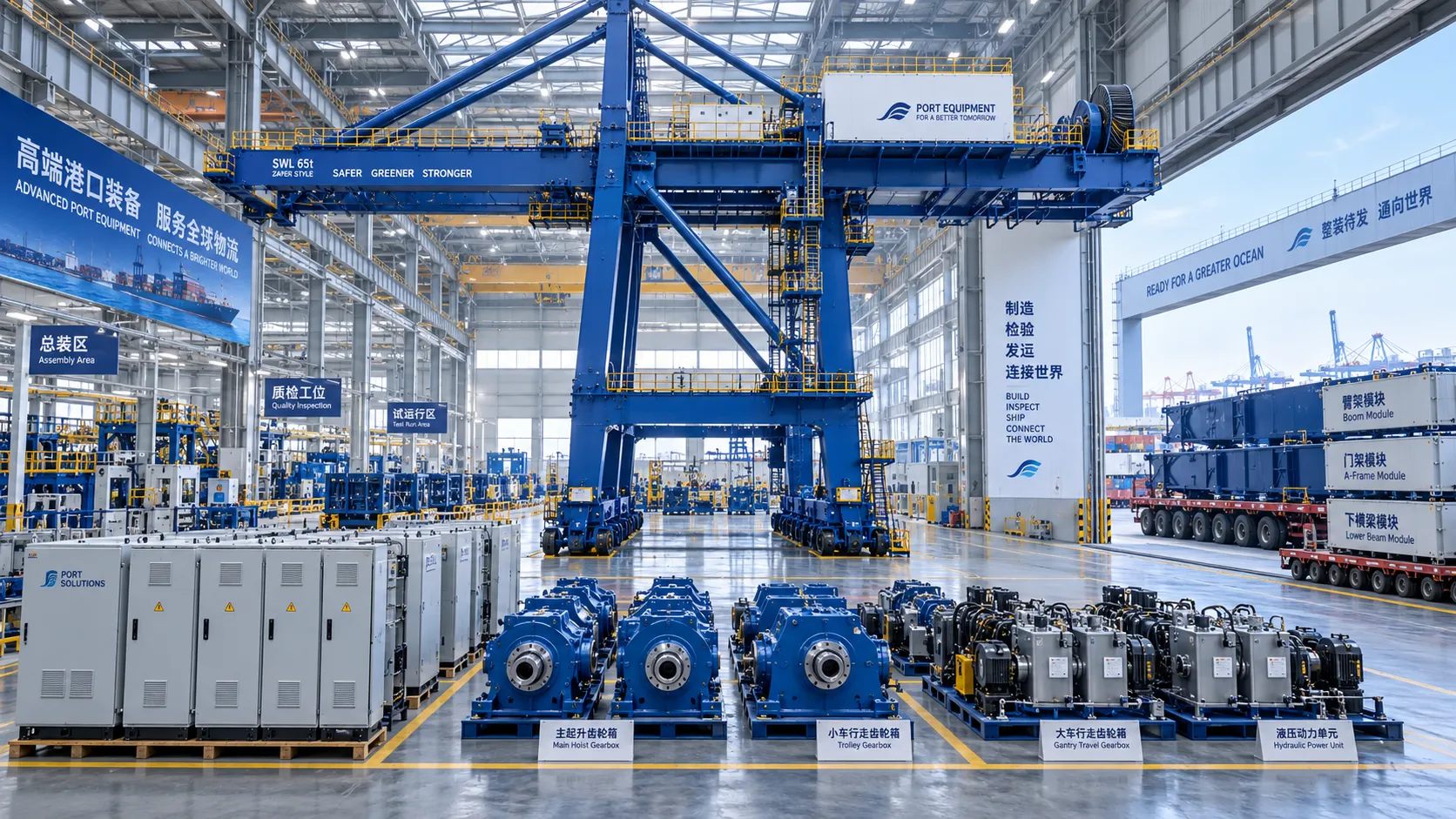
How Can Port Equipment Lead-Time Risk Be Managed?
How can port equipment lead-time risk be managed? Explore practical strategies to control critical paths, suppliers, transport, site readiness, and commissioning delays.
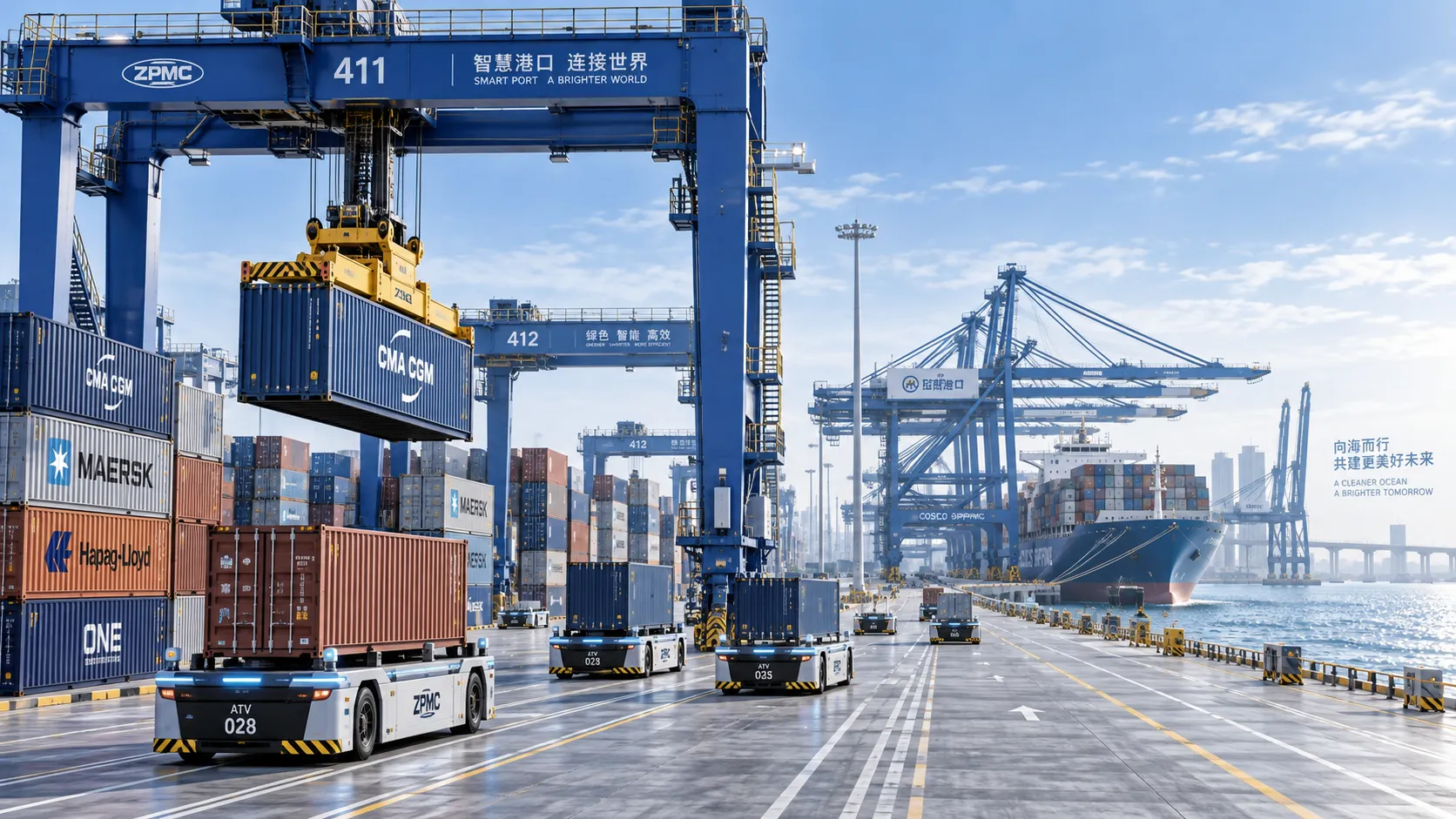
Terminal Automation Technologies That Raise Container Throughput Without Yard Disruption
Terminal automation technology that increases container throughput without disrupting yard flow. Explore smarter integration, resilient workflows, and phased deployment strategies.
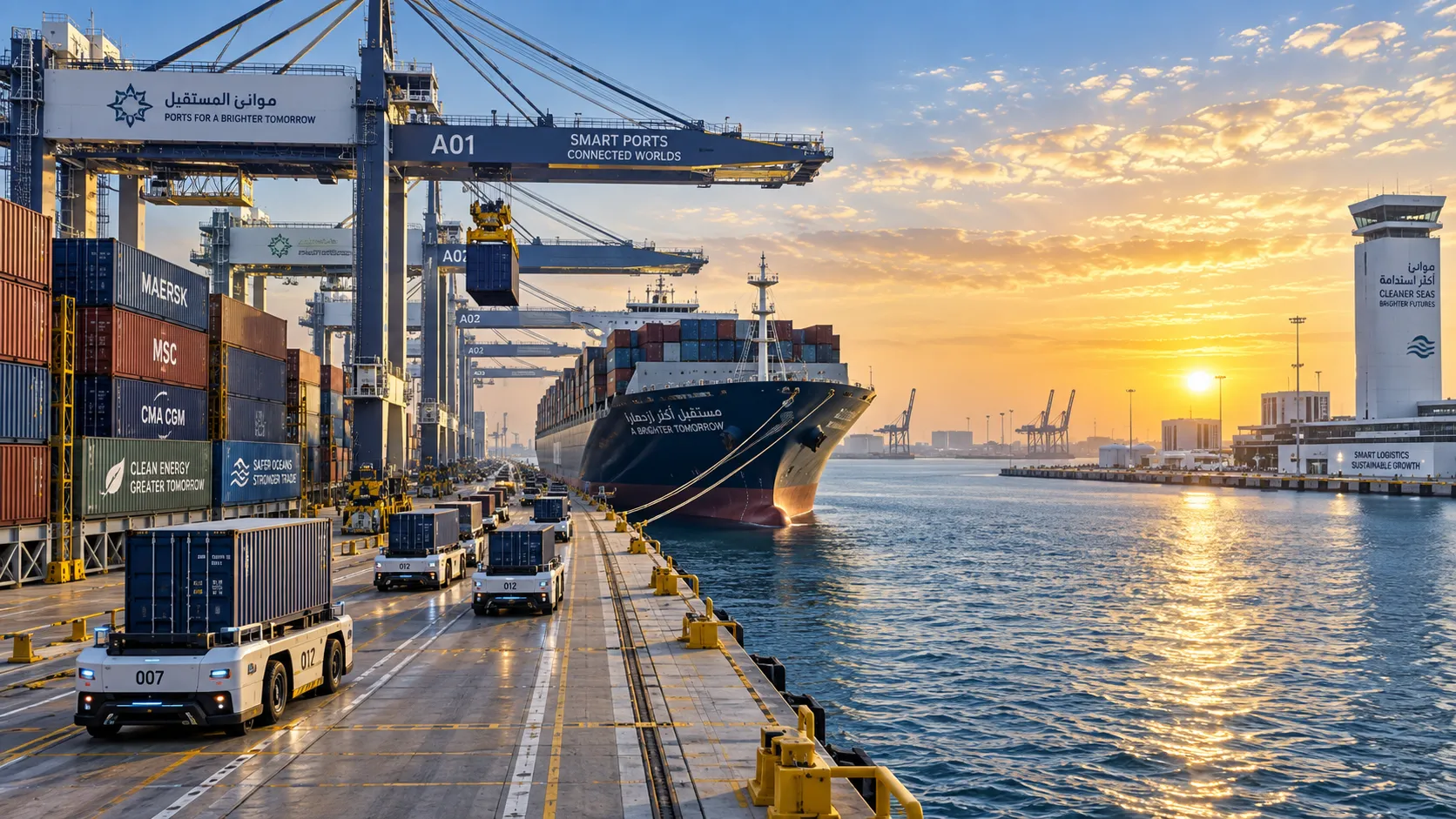
Middle East Port Automation: Key Market Drivers, Projects, and Investment Risks
Port automation systems Middle East: explore market drivers, flagship projects, integration challenges, and investment risks shaping smarter, resilient terminals.
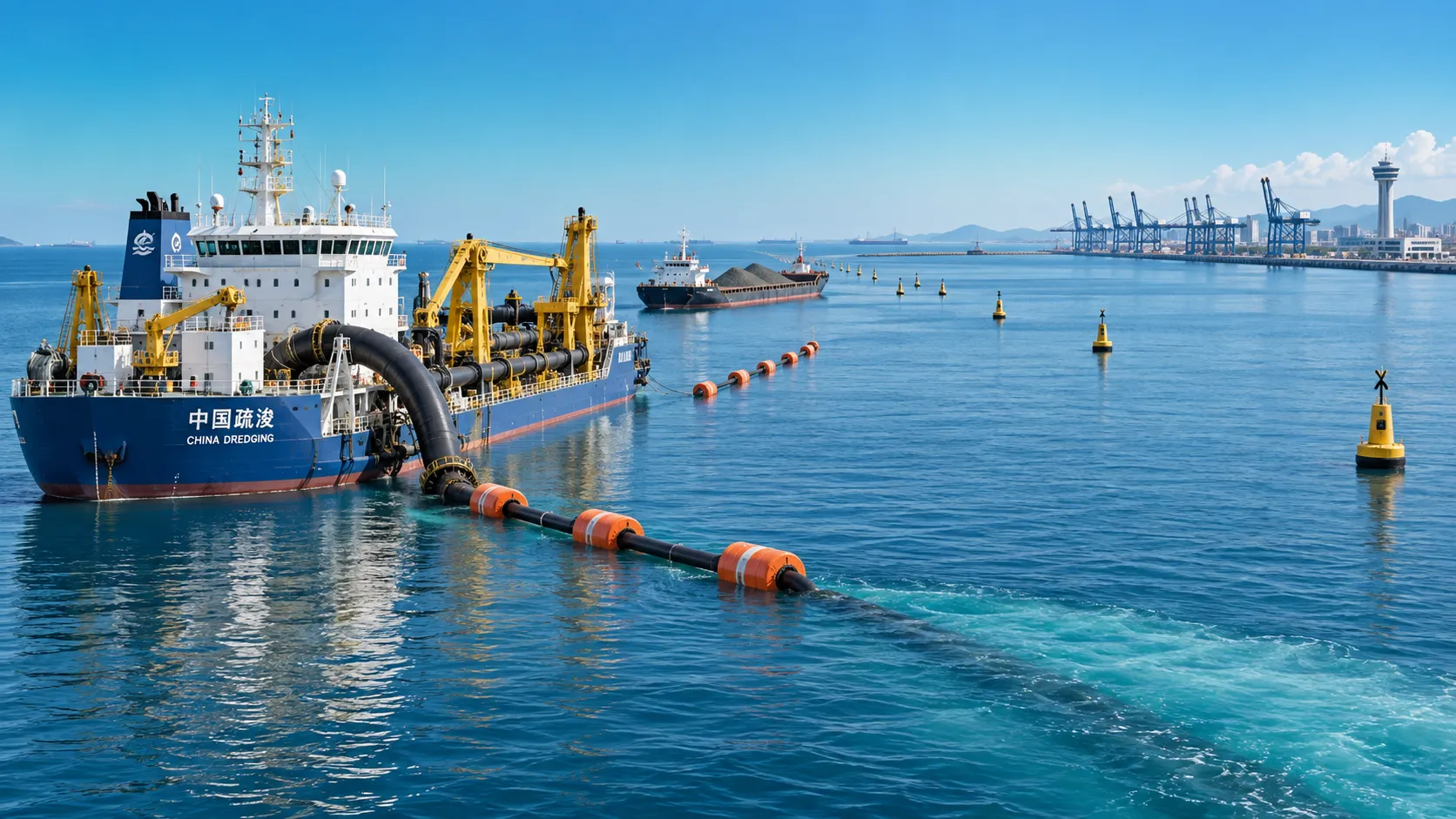
Planning Offshore Dredging Operations: Key Risks, Methods, and Project Controls
Offshore dredging operations demand smart planning. Explore key risks, proven methods, environmental controls, and project strategies for reliable delivery.