Related News
- 00
0000-00
How to Specify a Quay Crane for Container Terminals by Vessel Size and Throughput? - 00
0000-00
Which Bulk Handling Equipment Suits High-Moisture Cargo? - 00
0000-00
Terminal Automation Technologies That Raise Container Throughput Without Yard Disruption - 00
0000-00
Planning Offshore Dredging Operations: Key Risks, Methods, and Project Controls - 00
0000-00
Where Do Automated Guided Vehicles Deliver the Fastest Warehouse Gains in the Middle East?
Bulk Cargo Handling Systems for Mining: Which Configurations Fit Ore, Coal, and Concentrates?
Bulk cargo handling systems for mining start with material reality
Bulk cargo handling systems for mining shape terminal rhythm long before vessels berth. The right layout stabilizes flow, protects product quality, and avoids hidden transfer losses.
In port-linked mining logistics, ore, coal, and concentrates rarely behave alike. Their density, moisture response, dust profile, and segregation risk push terminals toward very different equipment choices.
That is why bulk cargo handling systems for mining cannot be selected from nameplate capacity alone. A high-tonnage line can still underperform if reclaiming, storage, or loading modes conflict with cargo behavior.
At PS-Nexus, the most useful view is operational rather than theoretical. Heavy terminal gear, automation logic, and coastal trade constraints meet at one point: whether the full chain moves reliably every shift.
A mining export terminal may look simple on plan drawings. In practice, upstream variability, berth windows, weather exposure, and environmental rules quickly change what “best configuration” actually means.
Why ore, coal, and concentrates create different system decisions
The first judgment is not equipment brand or control architecture. It is the cargo’s mechanical and environmental behavior across receiving, stacking, reclaiming, and shiploading.
Ore usually rewards robust structures and high belt loading. Coal often pushes dust suppression, fire prevention, and flexible blending. Concentrates demand containment, clean transfers, and strict spill management.
Even within one cargo family, terminal priorities differ. Short-haul feeder movements need agility, while export hubs handling capesize vessels care more about sustained peak throughput and berth productivity.
More important, bulk cargo handling systems for mining sit inside broader marine logistics. Stockyard geometry, dredged channel limits, and vessel scheduling software influence mechanical configuration just as much as the cargo itself.
A quick comparison before choosing the line-up
This is the practical baseline. From there, system design becomes a matter of matching flow path, storage logic, and control strategy to real operating conditions.
When ore dominates, durability and berth speed usually lead
Ore export terminals often favor direct, high-capacity flow paths. The cargo is dense, abrasive, and less forgiving to underdesigned chutes, pulleys, and impact zones.
In this setting, bulk cargo handling systems for mining usually work best with wide belt conveyors, low-transfer layouts, and stockyards served by boom-type stackers and bucket wheel reclaimers.
The logic is straightforward. Every extra transfer point raises wear rates, maintenance shutdowns, and spillage cleanup. For ore, simple mechanical paths often outperform flexible but fragmented arrangements.
Shiploaders should be selected for sustained loading, not just peak brochure numbers. Trim capability, outreach, and boom travel matter because large ore carriers punish interruptions more than smaller parcels do.
Where grades vary, reclaim strategy becomes the hidden issue. Blending by yard management and automated reclaim sequencing can be more valuable than adding another conveyor line.
Coal handling needs more than throughput on paper
Coal terminals often look similar to ore terminals in broad layout. The closer view is different. Dust, weather, and storage duration change the configuration priorities.
For coal, bulk cargo handling systems for mining usually benefit from enclosed conveyors, lined transfer towers, telescopic chutes, and water or foam-based suppression where regulations permit.
Long storage periods introduce another issue: heat buildup and quality drift. Stockpile design, temperature monitoring, and reclaim rotation need to be treated as core system elements, not secondary utilities.
A common practical choice is radial stacking combined with controlled reclaiming to preserve blending options. This helps when vessel programs shift, or when feed coal from inland mines arrives with uneven sizing.
Coal shiploading also demands attention to dust plume behavior over water. Chute design, loading height control, and wind-related operating limits deserve equal weight with hourly tonnage targets.
Concentrates call for containment, accuracy, and cleaner interfaces
Concentrates change the conversation again. Fine particle size, higher value, and stricter environmental handling make open transfer points far less acceptable.
In these cases, bulk cargo handling systems for mining often shift toward enclosed galleries, sealed hoppers, dust extraction, and loading systems that minimize free fall and off-spec mixing.
Storage decisions matter more than many early designs assume. Roofed sheds, moisture management, and controlled reclaiming protect both material consistency and surrounding compliance performance.
This is also where automation earns real value. Weight control, transfer interlocks, and spill alarms help maintain traceability while reducing cleanup-intensive manual interventions around berth operations.
If ore systems are built around brute endurance, concentrates systems are built around disciplined containment. Similar conveyor hardware may appear in both, but the acceptable operating margins are not the same.
What usually separates a workable design from a future bottleneck
The strongest bulk cargo handling systems for mining are judged across the full chain, not one machine at a time. Several conditions repeatedly decide whether the layout stays reliable after commissioning.
- Transfer count: fewer drops usually mean less wear, dust, and cleanup.
- Stockyard logic: stacking and reclaiming must match vessel sequence, not just land availability.
- Environmental exposure: wind, rainfall, salinity, and runoff controls shape enclosure needs.
- Automation depth: interlocks, stockpile tracking, and berth scheduling improve consistency.
- Maintenance access: liner change-out, pulley service, and chute inspection need realistic space.
PS-Nexus often frames these issues as part of port system intelligence. Mechanical power, yard movement, control logic, and marine timing must be synchronized, especially in high-volume export corridors.
Misjudgments that appear late and cost the most
One repeated mistake is treating ore, coal, and concentrates as variations of the same terminal recipe. Similar layouts on a drawing sheet do not mean similar operational tolerance.
Another is choosing bulk cargo handling systems for mining around peak tons per hour only. Annual reliability, campaign flexibility, and maintenance windows usually matter more to export continuity.
Some projects underweight dredging and berth interface constraints. Yet vessel size, draft windows, and loading duration can overturn the value of an inland stockyard concept that looked efficient on paper.
There is also a tendency to separate automation from mechanical design too early. In reality, reclaim sequencing, conveyor interlocks, and shiploader positioning should be considered together from the start.
Finally, low initial enclosure levels can become expensive later. Retrofits for dust control, spill capture, or environmental compliance usually cost more than integrating them during first-phase design.
A practical way to match configuration to the mining terminal
A sound decision process begins with cargo behavior mapping. Define particle size range, moisture range, abrasiveness, dust generation, blending need, and contamination tolerance before locking equipment types.
Next, map the terminal rhythm. Receiving mode, stockyard dwell time, reclaim pattern, vessel class, and environmental restrictions together narrow the viable bulk cargo handling systems for mining.
Then compare configuration paths:
- For dense ores, prioritize rugged, low-transfer, high-throughput lines.
- For coal, prioritize dust-managed layouts with flexible stacking and reclaiming.
- For concentrates, prioritize sealed handling, clean storage, and precise load control.
The final check should cover lifecycle fit. Confirm spare parts access, liner replacement intervals, control system integration, and future berth or stockyard expansion before freezing the specification.
That approach aligns with how PS-Nexus reads terminal infrastructure: not as isolated machines, but as coordinated assets inside maritime logistics, coastal economics, and long-cycle trade strategy.
When reviewing bulk cargo handling systems for mining, the next useful step is simple. Define the cargo profile, test the flow path against real berth conditions, and rank options by operating fit rather than nominal capacity alone.
Related News
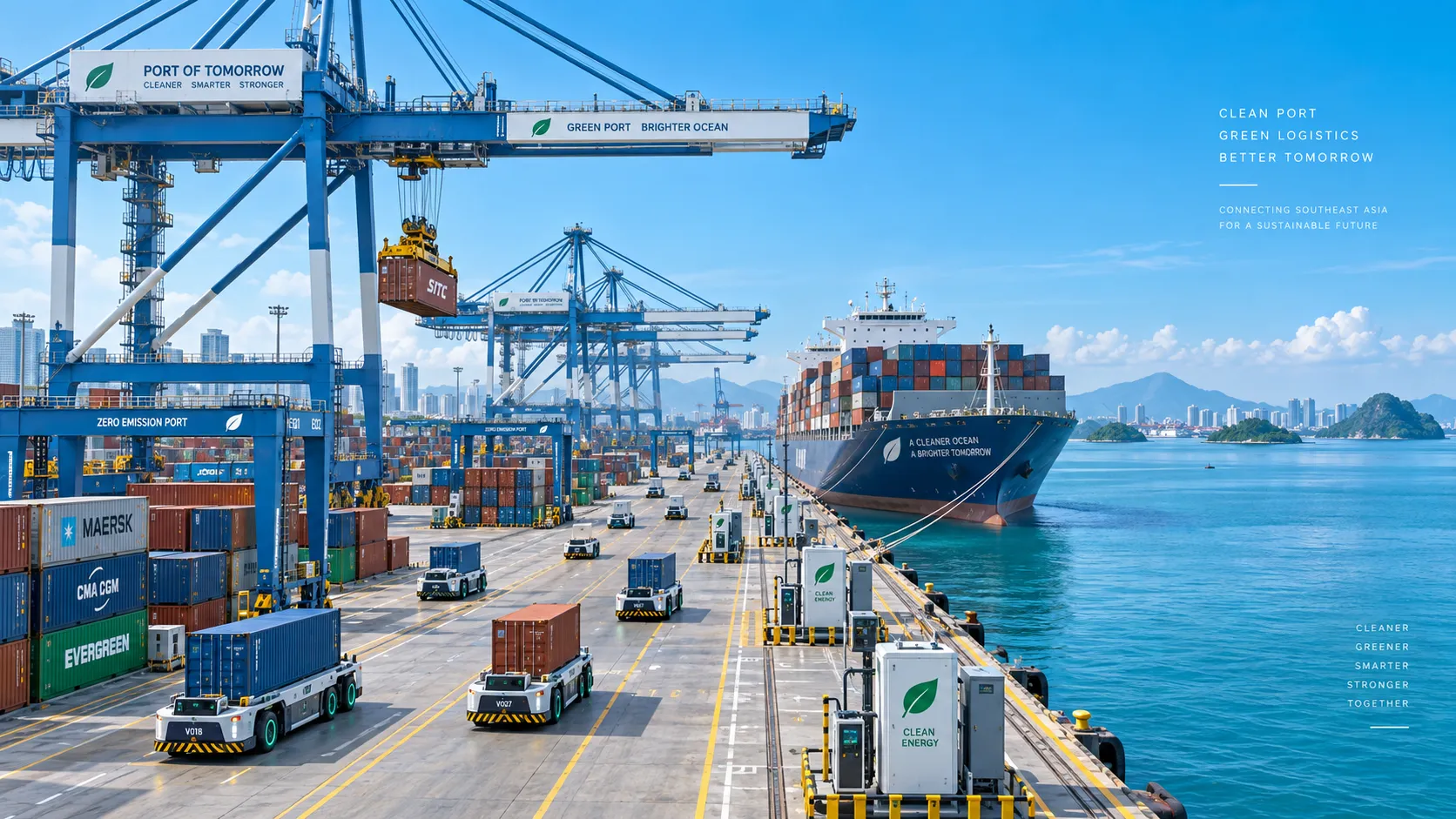
Smart Port Systems in Southeast Asia: Investment Priorities and Adoption Barriers
Smart port systems Southeast Asia: discover investment priorities, adoption barriers, and practical steps to build resilient, connected, high-performing terminals.
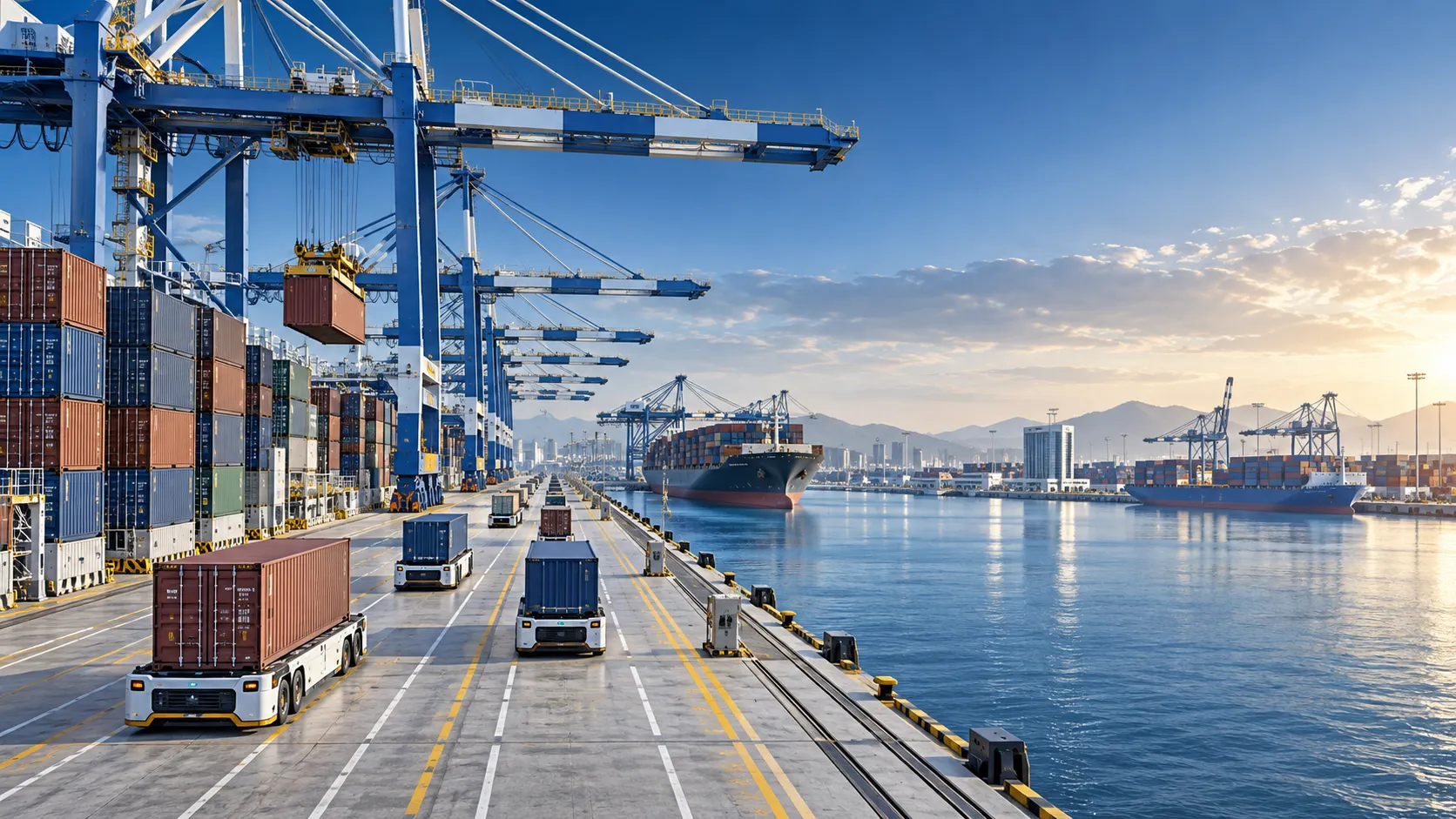
How to Evaluate Terminal Efficiency Solution Suppliers for High-Throughput Operations
Choose a terminal efficiency solutions supplier with confidence. Explore proven criteria for throughput, integration, lifecycle cost, safety, and reliable delivery.
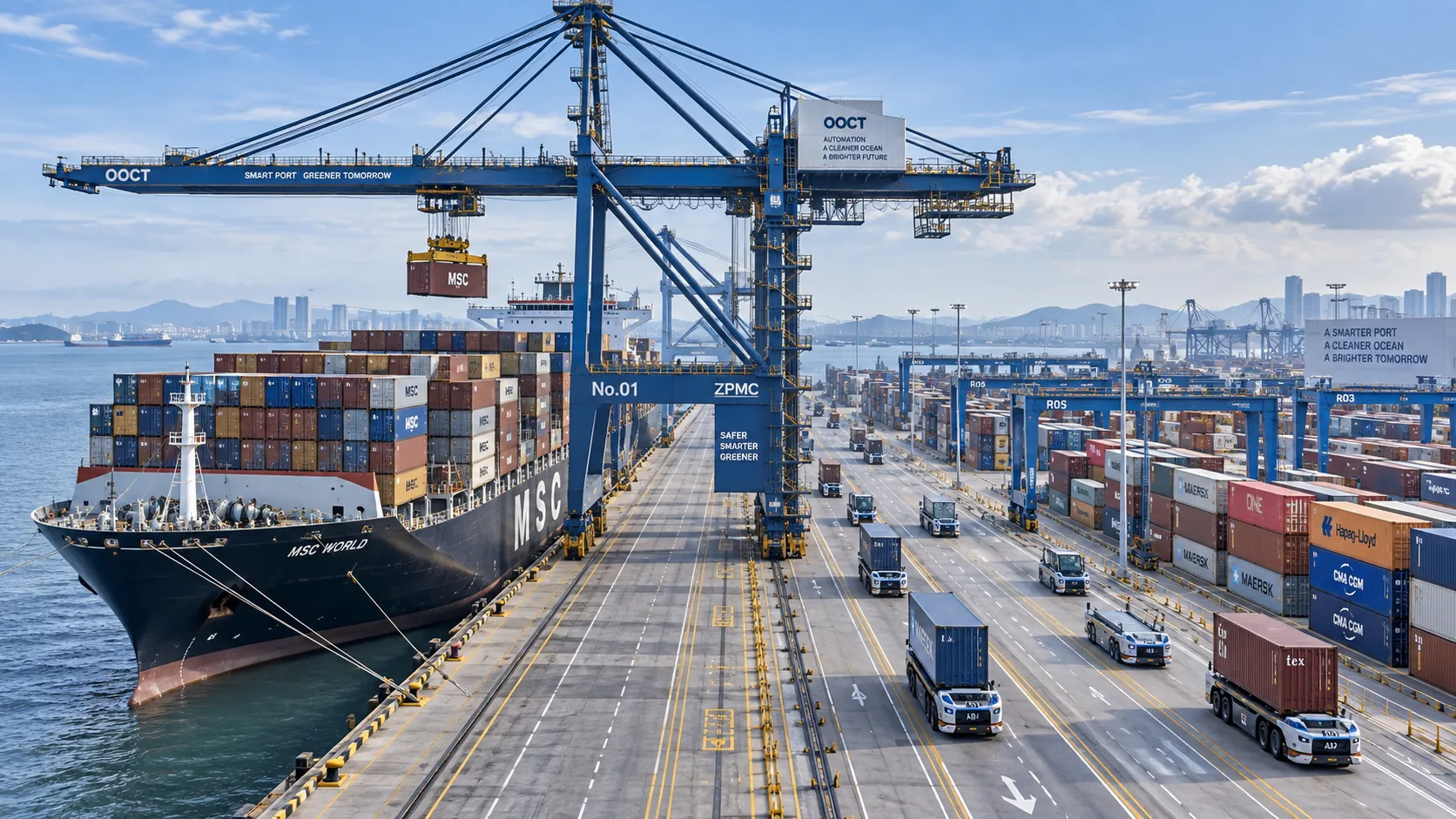
How to Specify a Quay Crane for Container Terminals by Vessel Size and Throughput?
Quay crane for container terminals: learn how to match outreach, lift height, capacity, automation, and cycle performance to vessel size and throughput goals.
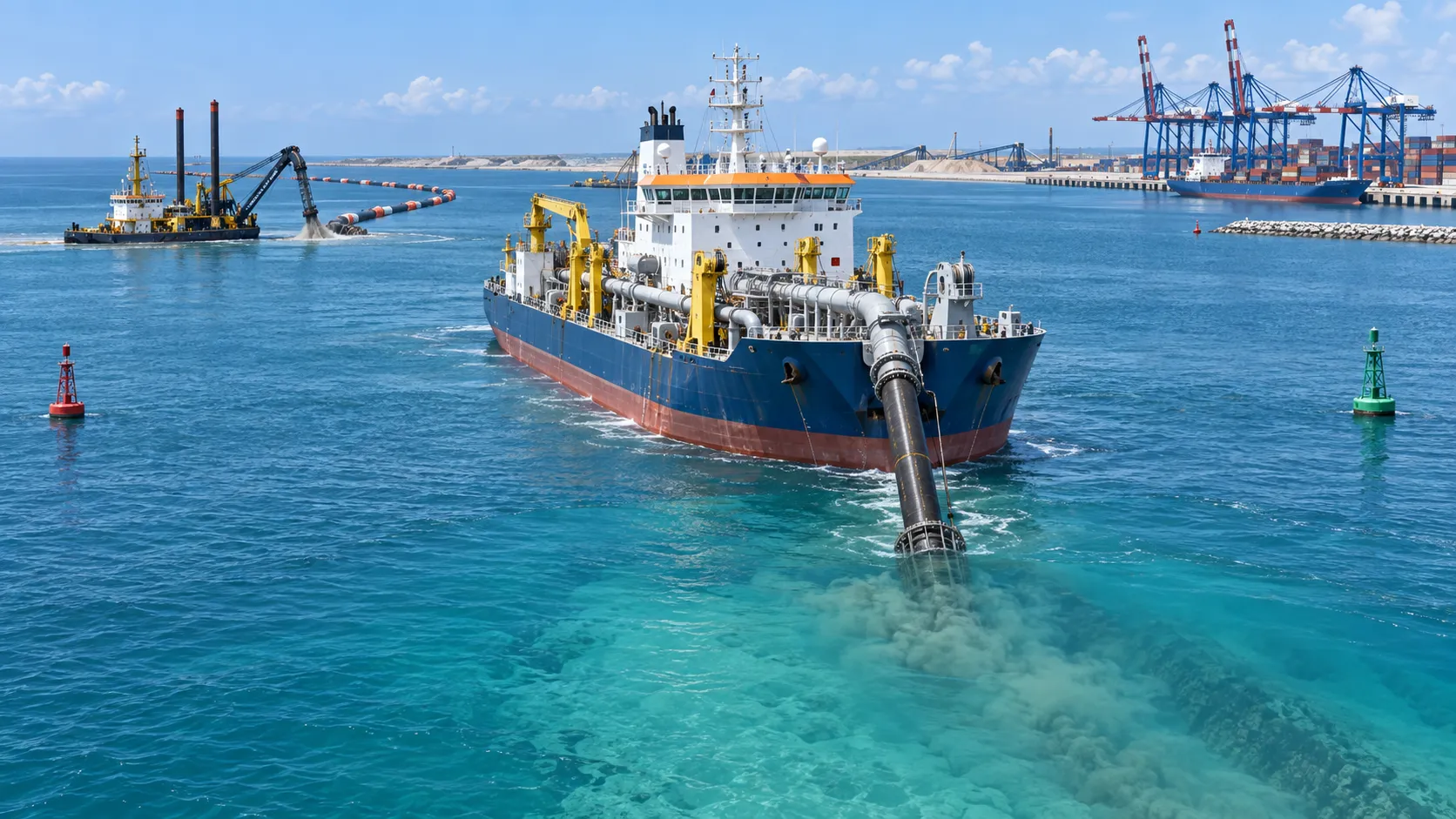
What Dredging Equipment Is Needed for Channel Deepening?
What dredging equipment is needed for channel deepening? Explore dredgers, pipelines, survey tools, and planning strategies for safer, more efficient port access.
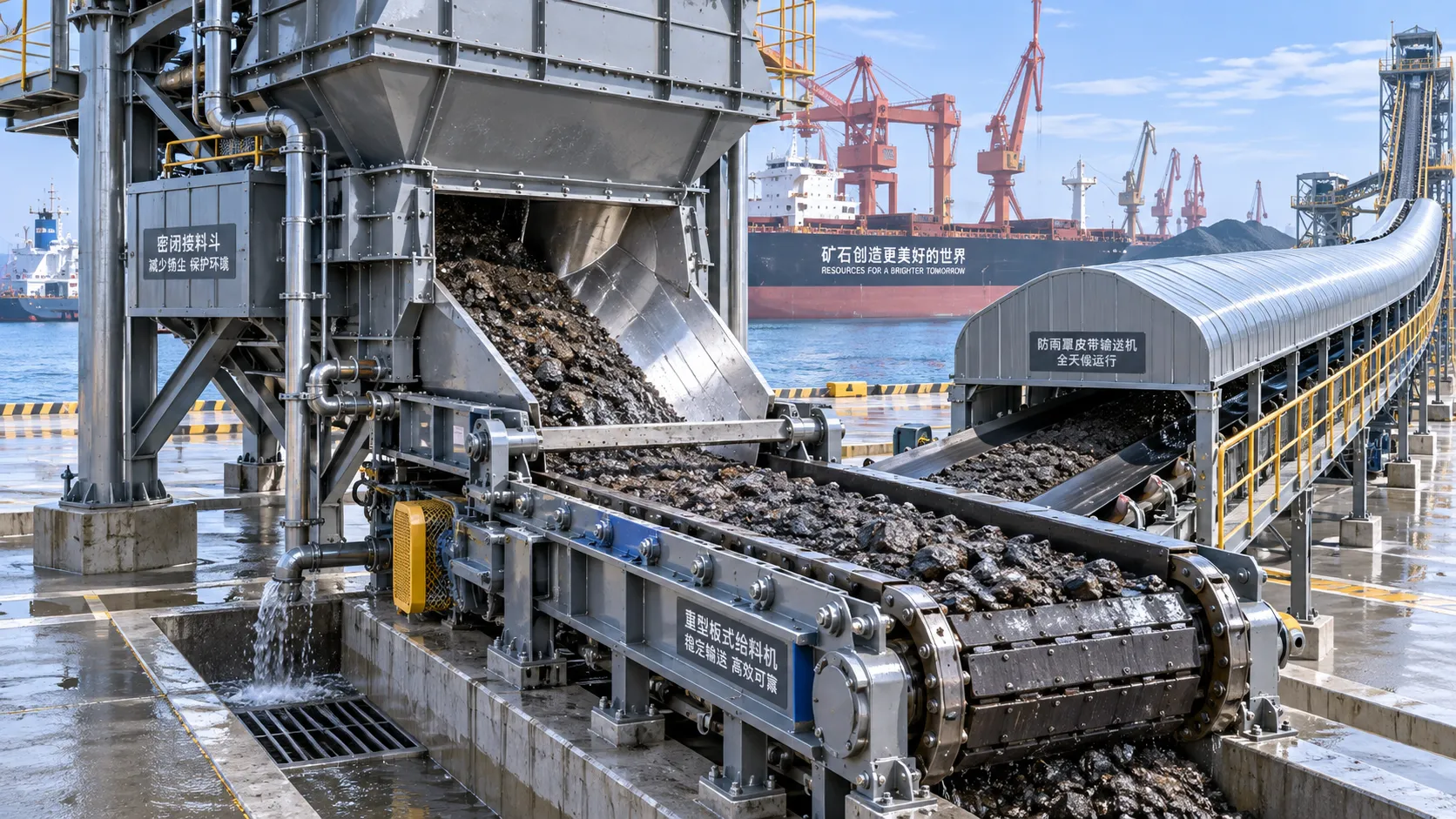
Which Bulk Handling Equipment Suits High-Moisture Cargo?
Which bulk handling equipment suits high-moisture cargo? Compare belt, apron, screw, drag, and slurry systems for reliable flow, less carryback, and higher terminal uptime.
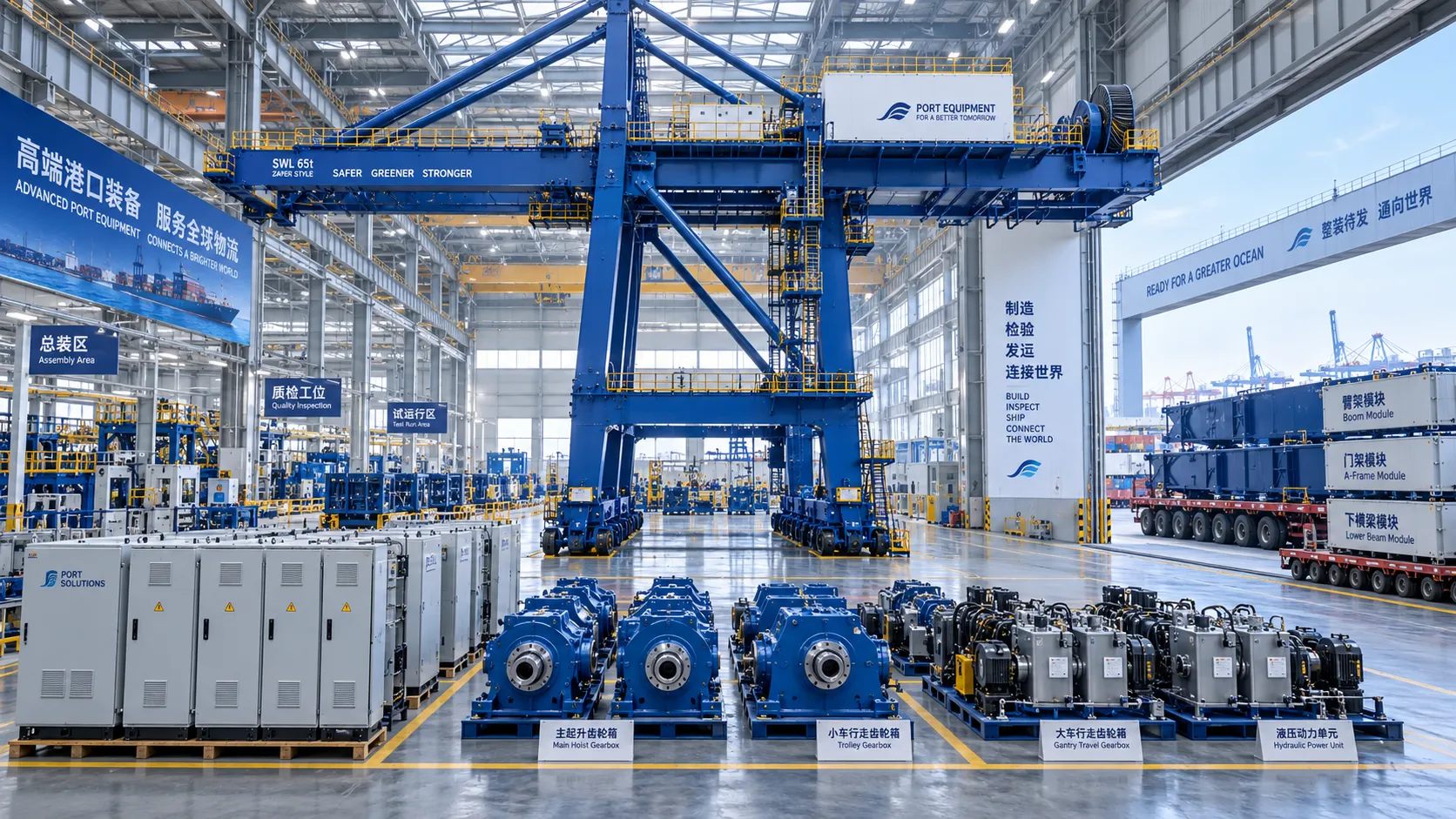
How Can Port Equipment Lead-Time Risk Be Managed?
How can port equipment lead-time risk be managed? Explore practical strategies to control critical paths, suppliers, transport, site readiness, and commissioning delays.
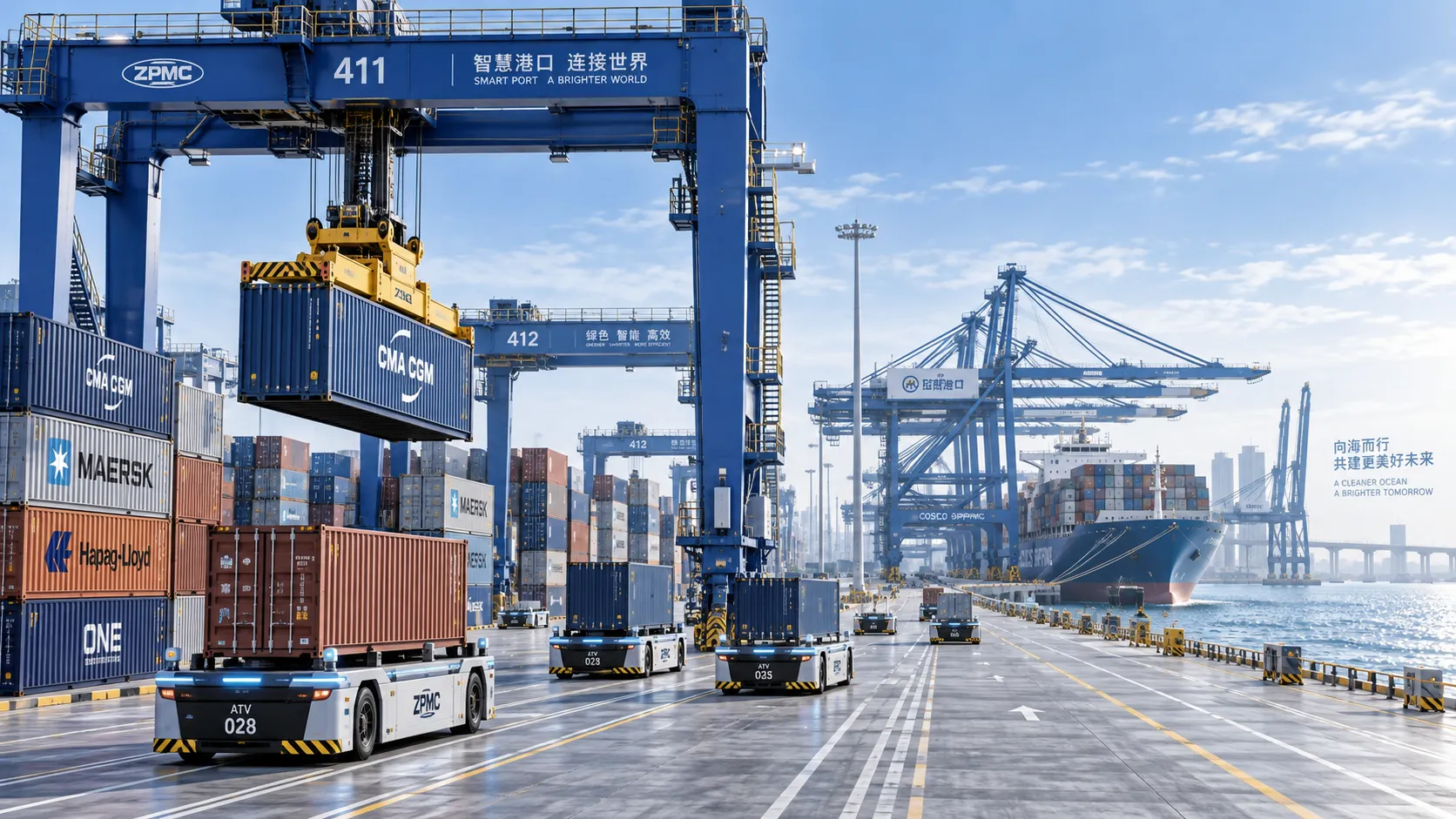
Terminal Automation Technologies That Raise Container Throughput Without Yard Disruption
Terminal automation technology that increases container throughput without disrupting yard flow. Explore smarter integration, resilient workflows, and phased deployment strategies.
Middle East Port Automation: Key Market Drivers, Projects, and Investment Risks
Port automation systems Middle East: explore market drivers, flagship projects, integration challenges, and investment risks shaping smarter, resilient terminals.
Planning Offshore Dredging Operations: Key Risks, Methods, and Project Controls
Offshore dredging operations demand smart planning. Explore key risks, proven methods, environmental controls, and project strategies for reliable delivery.