Related News
- 00
0000-00
How to Specify a Quay Crane for Container Terminals by Vessel Size and Throughput? - 00
0000-00
Which Bulk Handling Equipment Suits High-Moisture Cargo? - 00
0000-00
Terminal Automation Technologies That Raise Container Throughput Without Yard Disruption - 00
0000-00
Planning Offshore Dredging Operations: Key Risks, Methods, and Project Controls - 00
0000-00
Where Do Automated Guided Vehicles Deliver the Fastest Warehouse Gains in the Middle East?
Yard Mobility Solutions for Port Logistics: Which Options Improve Trailer Flow and Safety
Yard Mobility Solutions for Port Logistics: Which Options Improve Trailer Flow and Safety
In busy port yards, small delays can trigger major congestion, safety risks, and higher operating costs.
That is why yard mobility solutions for port logistics matter more than ever.
They shape trailer flow, driver behavior, equipment interaction, and the safe use of limited yard space.
The right setup can cut waiting time, reduce near misses, and keep terminal operations predictable under pressure.
This article looks at practical yard mobility solutions for port logistics and explains which options improve both flow and safety.
Why Trailer Flow Breaks Down in Port Yards
Most trailer delays do not begin with one major failure.
They usually come from many small friction points across gates, lanes, transfer zones, and staging areas.
A late handoff from a yard tractor can block a lane.
A poor turning radius can slow every trailer behind it.
A missing traffic rule at an equipment crossing can turn routine movement into a safety incident.
In actual operations, trailer flow is affected by three linked factors:
- traffic design inside the yard
- the mobility performance of tractors and handling units
- the quality of coordination between people, equipment, and control systems
That also means effective yard mobility solutions for port logistics need to solve movement, visibility, and decision timing together.
The Mobility Options That Deliver the Biggest Gains
1. Smarter Yard Tractors and Terminal Trailers
The first layer of yard mobility solutions for port logistics is still physical equipment.
Modern yard tractors with tighter steering, better braking control, and improved visibility can speed trailer positioning.
That matters most in dense transfer blocks and mixed traffic areas.
Low-profile terminal trailers also help.
They reduce loading instability and support faster alignment with cranes, reach stackers, or automated handling systems.
If a terminal still uses aging tractors with limited maneuverability, trailer flow will stay uneven even with software upgrades.
2. Traffic Guidance and Lane Control
One of the most effective yard mobility solutions for port logistics is structured traffic guidance.
This includes one-way routing, dedicated overtaking rules, marked waiting pockets, and protected crossing zones.
Simple design changes often produce faster gains than capital-heavy expansions.
Clear lane logic reduces hesitation.
It also lowers the chance of trailer conflicts near quay transfer points and yard intersections.
3. Real-Time Dispatch and Slot Coordination
Equipment alone cannot fix bad timing.
Real-time dispatch tools rank among the most valuable yard mobility solutions for port logistics because they reduce idle movement.
When dispatch systems match tractor availability with container readiness, trailer queues shrink quickly.
A slot-based approach also prevents several drivers from arriving at the same handoff point at once.
From a safety angle, fewer unplanned stops mean fewer risky reversals, lane changes, and blind-area conflicts.
4. Telematics, Sensors, and Driver Alerts
The next step is visibility.
Telematics systems show where trailers slow down, where tractors idle, and where traffic repeatedly bunches up.
That data turns assumptions into measurable patterns.
Proximity sensors, camera systems, speed governors, and in-cab alerts add another layer.
These yard mobility solutions for port logistics are especially useful in low-visibility weather and night operations.
5. Semi-Automated and Automated Yard Movement
For high-volume terminals, automated guidance can bring another level of consistency.
AGVs, automated yard tractors, and route-planning software reduce variation in trailer handling cycles.
They also support stable performance during labor shortages or peak vessel calls.
Still, automation is not a universal first move.
If lane discipline and dispatch logic are weak, advanced automation may simply move disorder faster.
Which Options Improve Safety Most Clearly
Safety gains usually come from layered controls, not a single purchase.
The strongest yard mobility solutions for port logistics reduce both human error and system ambiguity.
In most yards, the clearest safety improvements come from these actions:
- Separate trailer routes from pedestrian and maintenance paths.
- Install speed controls in congestion and transfer zones.
- Use digital dispatch to prevent simultaneous arrivals at narrow service points.
- Add cameras, alerts, and lighting support for blind spots.
- Review near-miss data weekly and adjust traffic rules quickly.
A useful rule is simple.
If a mobility option lowers conflict points, improves visibility, and limits unpredictable movement, it likely improves safety.
How to Choose the Right Yard Mobility Solutions for Port Logistics
Selection should begin with operating reality, not product features.
A port handling mixed cargo, manual transfer, and short dwell times needs different priorities than an automated container terminal.
Start by checking where delay and risk concentrate.
- Are trailers queuing at the gate or inside the yard?
- Do conflicts happen at intersections, crane blocks, or staging lanes?
- Is the issue equipment capability or dispatch timing?
- Are safety events linked to visibility, fatigue, or unclear routing?
That assessment helps rank the right yard mobility solutions for port logistics by payback and urgency.
For many sites, a practical roadmap looks like this:
Common Mistakes When Upgrading Yard Mobility
One common mistake is chasing full automation too early.
Another is treating safety as a training issue alone.
In many cases, unsafe behavior reflects poor route design or confusing handoff rules.
Some terminals also invest in equipment but ignore data feedback.
Without traffic analytics, recurring delay points stay hidden.
The best yard mobility solutions for port logistics are measurable, staged, and adjusted as yard conditions change.
A Practical Path Forward
Stronger trailer flow and safer yard movement rarely come from one dramatic project.
They come from choosing yard mobility solutions for port logistics that fit the site’s real pressure points.
For some terminals, that starts with lane control and dispatch discipline.
For others, it means upgrading tractors, adding sensor coverage, or moving toward guided automation.
What matters is sequencing the investment well.
Improve visibility first, remove conflict points next, and scale automation where process discipline already exists.
That approach gives yard mobility solutions for port logistics their real value: faster trailer flow, safer movement, and a yard that performs reliably under daily pressure.
Related News
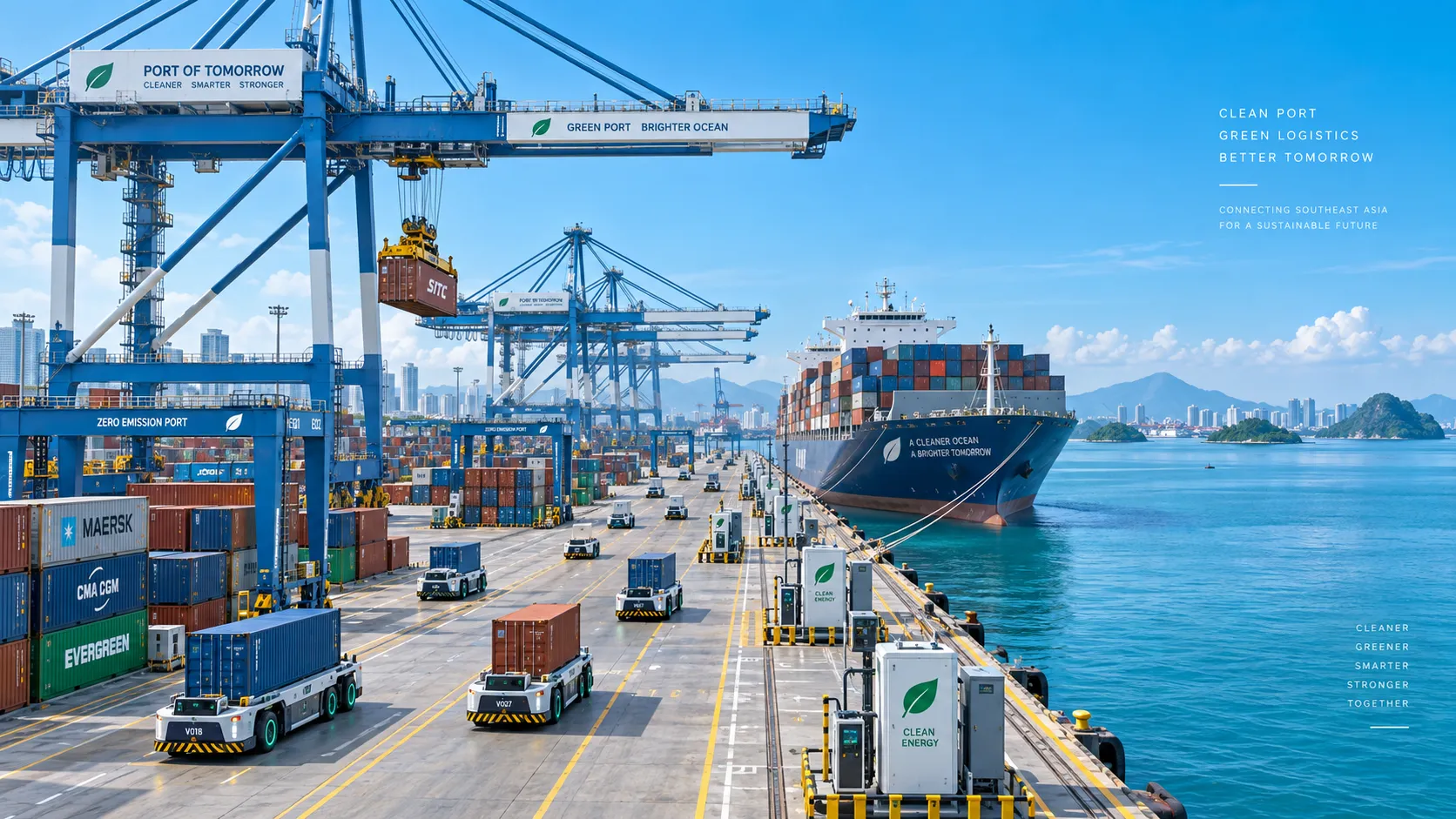
Smart Port Systems in Southeast Asia: Investment Priorities and Adoption Barriers
Smart port systems Southeast Asia: discover investment priorities, adoption barriers, and practical steps to build resilient, connected, high-performing terminals.
How to Evaluate Terminal Efficiency Solution Suppliers for High-Throughput Operations
Choose a terminal efficiency solutions supplier with confidence. Explore proven criteria for throughput, integration, lifecycle cost, safety, and reliable delivery.
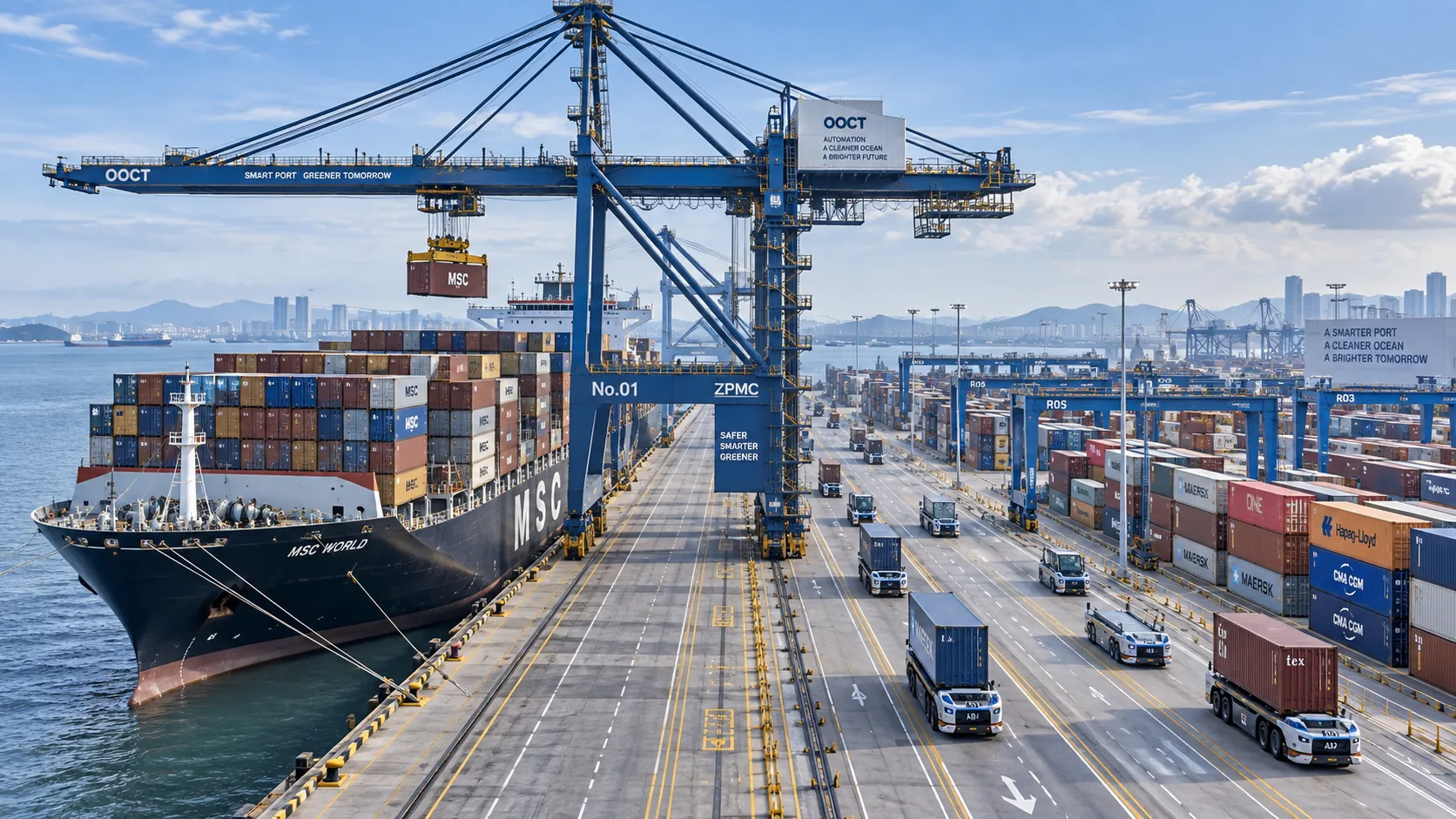
How to Specify a Quay Crane for Container Terminals by Vessel Size and Throughput?
Quay crane for container terminals: learn how to match outreach, lift height, capacity, automation, and cycle performance to vessel size and throughput goals.
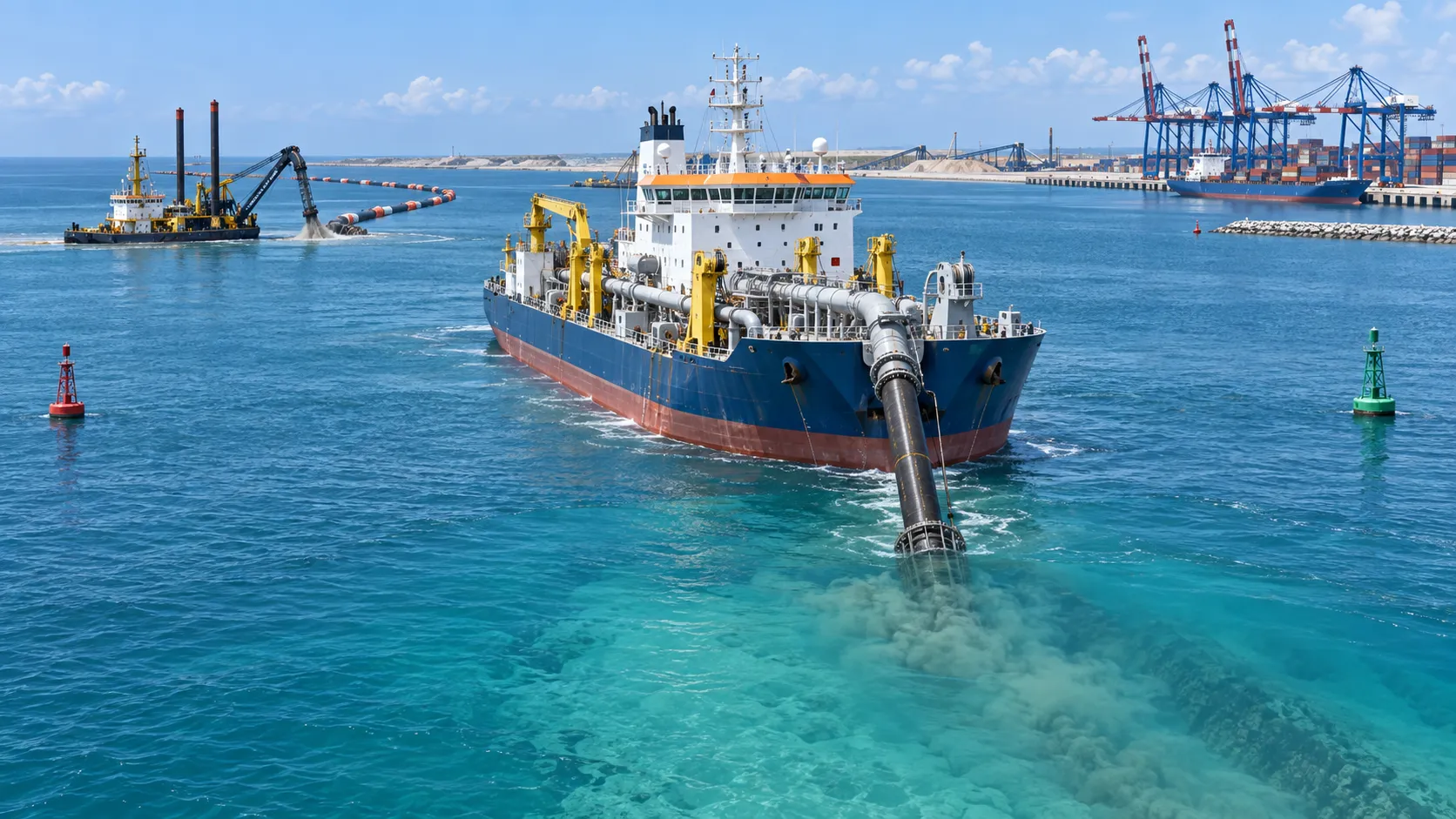
What Dredging Equipment Is Needed for Channel Deepening?
What dredging equipment is needed for channel deepening? Explore dredgers, pipelines, survey tools, and planning strategies for safer, more efficient port access.
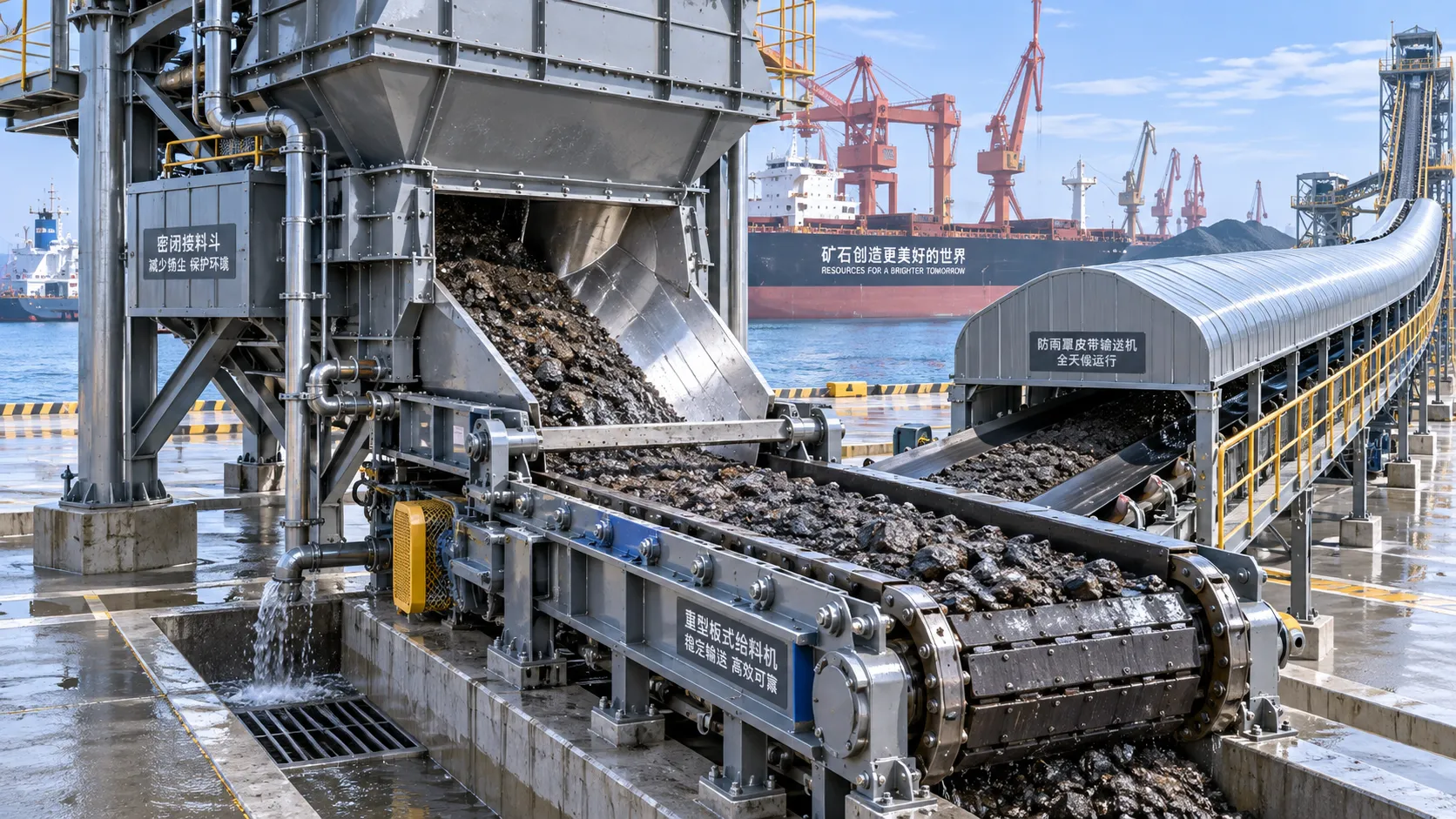
Which Bulk Handling Equipment Suits High-Moisture Cargo?
Which bulk handling equipment suits high-moisture cargo? Compare belt, apron, screw, drag, and slurry systems for reliable flow, less carryback, and higher terminal uptime.
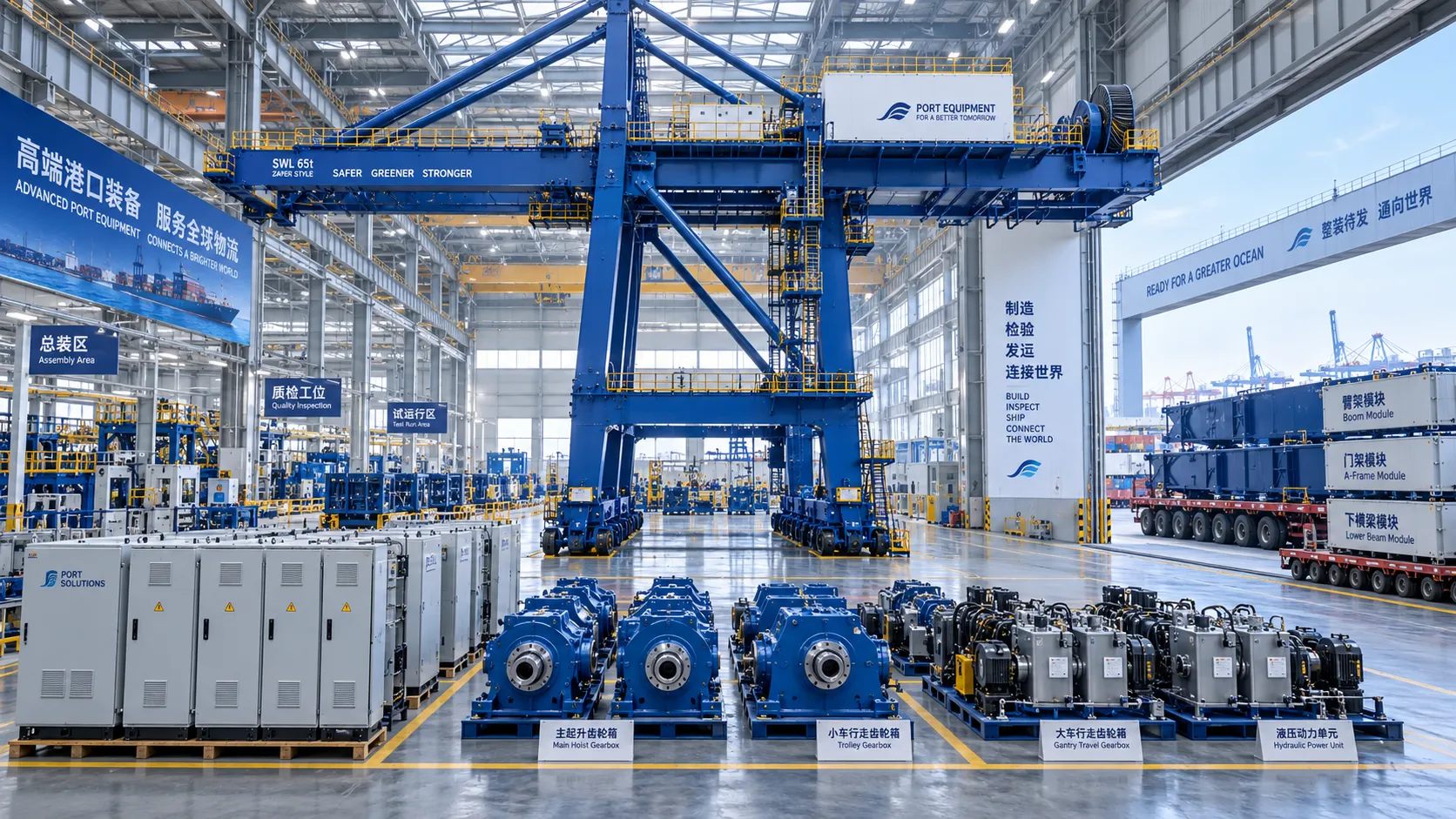
How Can Port Equipment Lead-Time Risk Be Managed?
How can port equipment lead-time risk be managed? Explore practical strategies to control critical paths, suppliers, transport, site readiness, and commissioning delays.
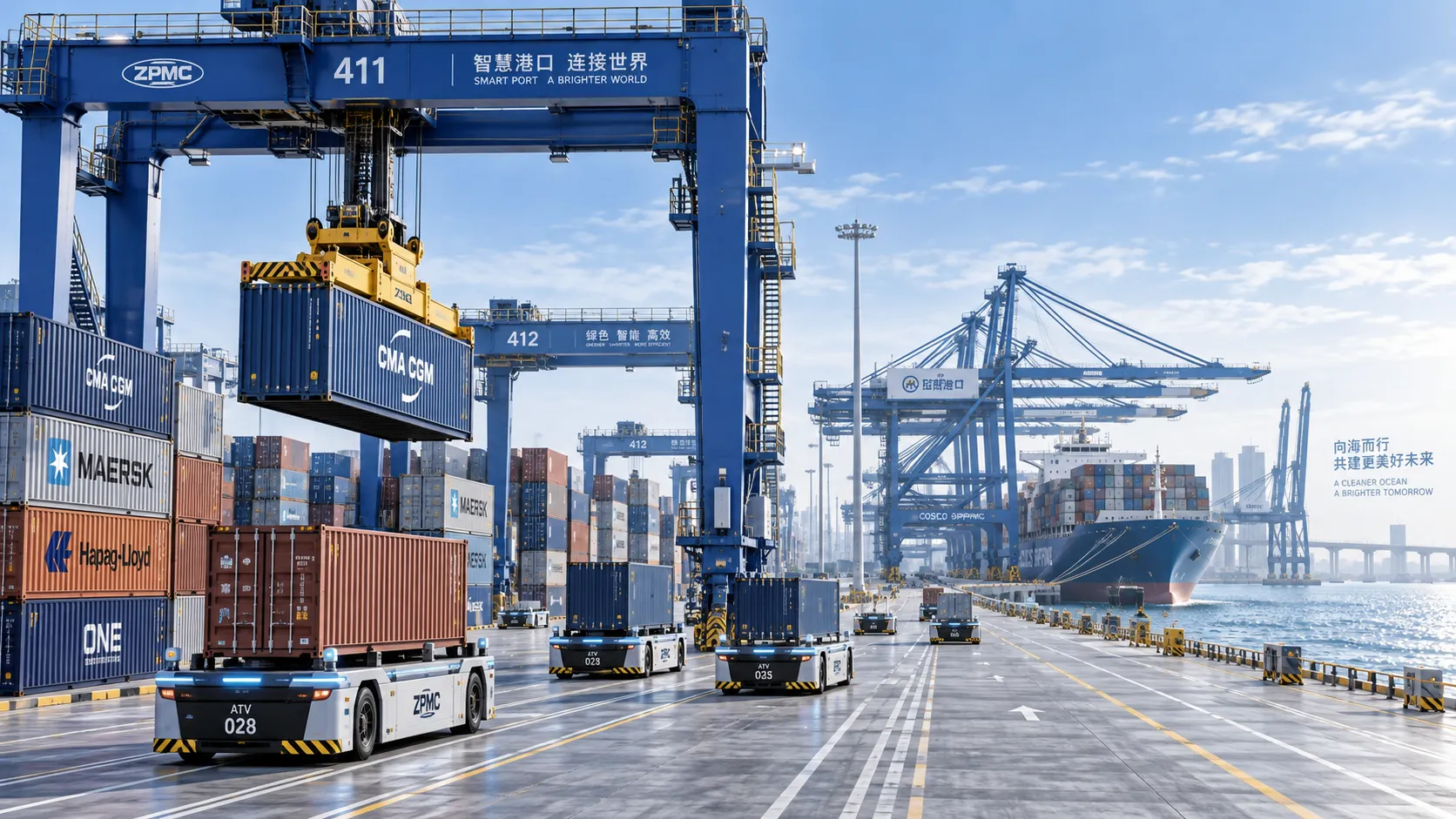
Terminal Automation Technologies That Raise Container Throughput Without Yard Disruption
Terminal automation technology that increases container throughput without disrupting yard flow. Explore smarter integration, resilient workflows, and phased deployment strategies.
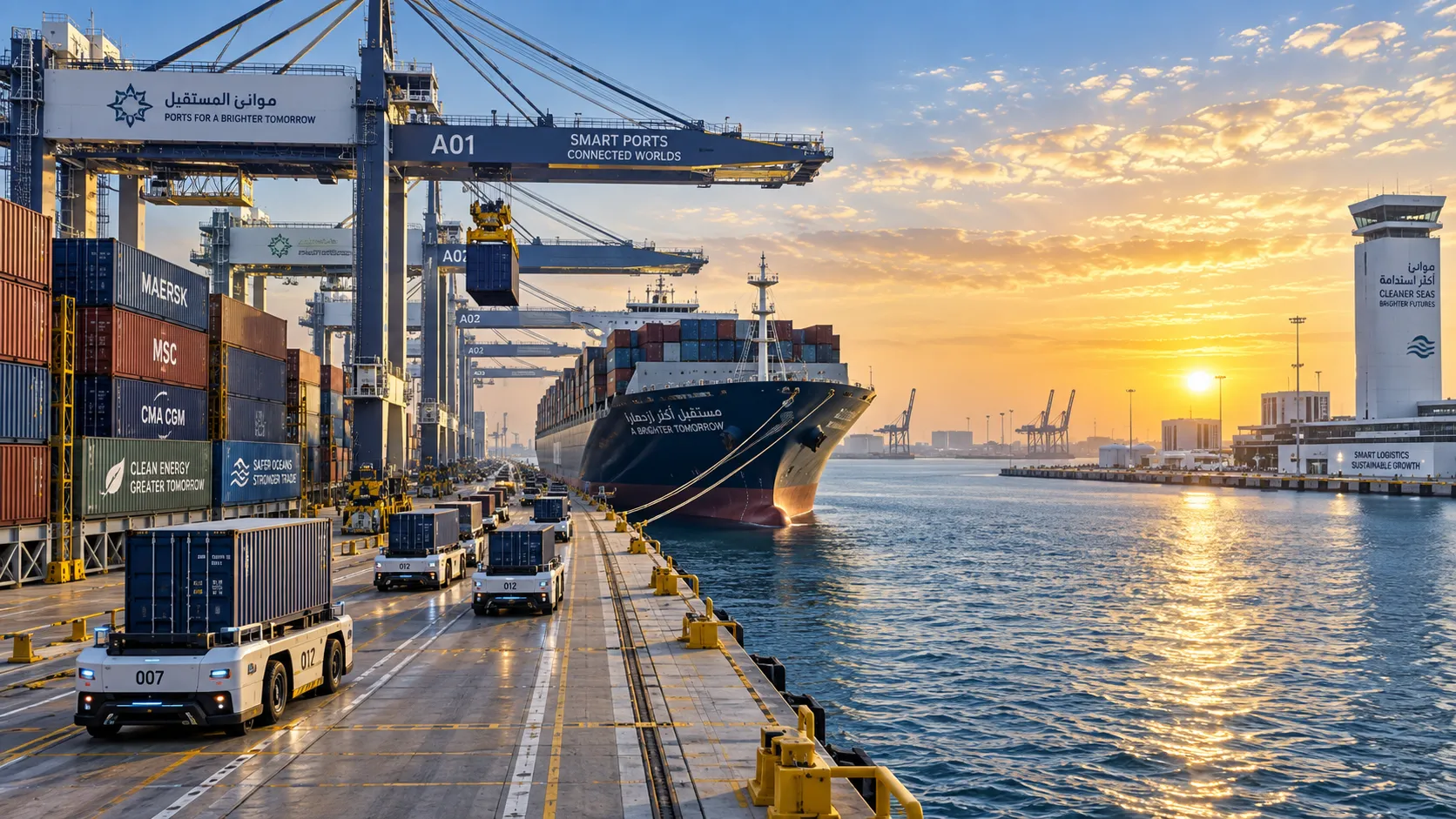
Middle East Port Automation: Key Market Drivers, Projects, and Investment Risks
Port automation systems Middle East: explore market drivers, flagship projects, integration challenges, and investment risks shaping smarter, resilient terminals.
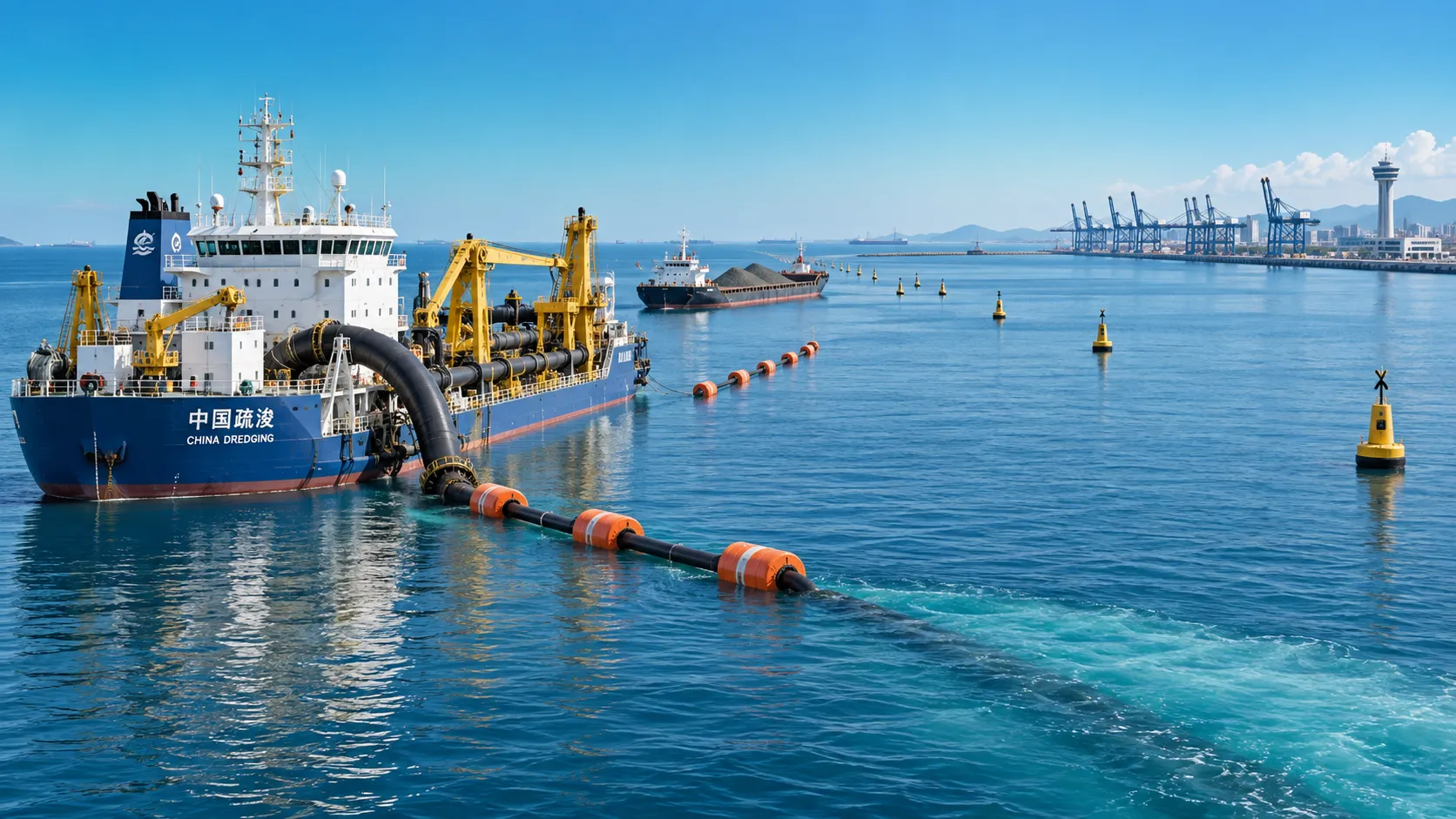
Planning Offshore Dredging Operations: Key Risks, Methods, and Project Controls
Offshore dredging operations demand smart planning. Explore key risks, proven methods, environmental controls, and project strategies for reliable delivery.