Related News
- 00
0000-00
How to Specify a Quay Crane for Container Terminals by Vessel Size and Throughput? - 00
0000-00
Which Bulk Handling Equipment Suits High-Moisture Cargo? - 00
0000-00
Terminal Automation Technologies That Raise Container Throughput Without Yard Disruption - 00
0000-00
Planning Offshore Dredging Operations: Key Risks, Methods, and Project Controls - 00
0000-00
Where Do Automated Guided Vehicles Deliver the Fastest Warehouse Gains in the Middle East?
Common Bottlenecks an Automated Cargo Handling Systems Integrator Can Solve in Port Expansion
Common Bottlenecks an Automated Cargo Handling Systems Integrator Can Solve in Port Expansion
As ports expand to meet rising cargo volumes, constraints rarely appear in one place alone.
They usually build across yard flow, equipment timing, software visibility, and operating rules.
That is where an automated cargo handling systems integrator becomes valuable.
Instead of treating cranes, AGVs, TOS platforms, and control layers as separate upgrades, integration aligns them into one operating model.
In practical terms, this reduces expansion risk and turns planned capacity into usable throughput.
Why Port Expansion Often Creates New Friction
Adding berths, yard blocks, or automated equipment does not automatically improve terminal performance.
In many projects, the physical footprint grows faster than control logic and workflow discipline.
A terminal may install faster cranes yet still lose time at handoff points.
It may deploy more AGVs yet create queueing because dispatch rules stay unchanged.
An automated cargo handling systems integrator looks across these dependencies before they become expensive constraints.
1. Yard Flow Bottlenecks That Shrink Real Capacity
Yard congestion is one of the first problems exposed during expansion.
More containers enter the system, but storage logic often remains static.
This leads to excessive reshuffles, uneven block utilization, and longer container travel paths.
A capable automated cargo handling systems integrator maps actual flow between quay, transfer lanes, yard cranes, and truck interfaces.
The goal is not just more slots.
The goal is better slot accessibility under live operating conditions.
Typical yard flow issues include:
- Poor stacking rules for mixed dwell times
- Transfer lanes that choke during peak vessel calls
- Mismatched crane cycle times across adjacent blocks
- Lack of dynamic reallocation when truck gates surge
By integrating yard planning, equipment dispatch, and exception handling, the automated cargo handling systems integrator helps convert nominal capacity into stable operating capacity.
2. Equipment Coordination Gaps Between Cranes, AGVs, and Yard Assets
Ports expanding into automation often discover that individual machines perform well, while the system still underperforms.
That usually points to coordination gaps.
A quay crane may finish moves faster than AGVs can arrive.
An automated stacking crane may wait because container sequencing from the quay side is unstable.
These delays rarely show up in supplier brochures, but they dominate real throughput.
An automated cargo handling systems integrator addresses this by synchronizing:
- Mission release timing
- Vehicle routing priorities
- Buffer management near quay and yard zones
- Recovery logic after delays or faults
The important point is system rhythm.
When machine cycles are aligned, small timing gains compound across every shift.
3. Data Visibility Problems That Delay Decisions
Expansion increases the number of systems producing operational data.
Without integration, that data remains fragmented across PLCs, TOS modules, maintenance tools, and traffic control platforms.
Teams end up reacting to symptoms instead of root causes.
A queue appears, but nobody sees whether the trigger was crane speed, lane conflict, or poor mission sequencing.
An automated cargo handling systems integrator creates a shared operating picture with consistent event definitions and synchronized timestamps.
That makes it easier to evaluate:
- Where idle time is accumulating
- Which assets are constraining vessel productivity
- How exception events affect shift output
- Whether added equipment is actually lifting throughput
Better visibility does not just improve reporting. It improves control decisions in the moment.
4. Control Logic That Does Not Scale With the New Terminal Layout
This is a common issue in phased port expansion.
A control scheme designed for a smaller footprint is stretched into a larger, more automated environment.
As a result, dispatching becomes rigid, conflict zones multiply, and exception handling turns manual.
The automated cargo handling systems integrator reviews whether the control architecture still matches the new operational geometry.
The review often covers:
- Routing logic for expanded traffic corridors
- Dispatch priorities during simultaneous vessel operations
- Fallback modes during subsystem outages
- Interface behavior between legacy and new automation layers
This matters because expansion rarely happens on a blank site.
Most terminals must integrate old assets, new assets, and changing service patterns without losing daily productivity.
5. Interface Risks Between Vendors and Legacy Systems
Multi-vendor environments are now standard in large port projects.
That creates interface risk long before commissioning starts.
Different equipment suppliers may follow different assumptions for messages, alarms, state models, and handoff timing.
Legacy subsystems may also lack the data granularity needed for modern orchestration.
An automated cargo handling systems integrator reduces this risk by defining interface ownership early and validating behavior before go-live.
In real projects, this usually means:
- Clear signal maps and message dictionaries
- Test scenarios for abnormal states
- Defined ownership for alarms and interlocks
- Simulation-based verification before full deployment
This discipline saves time later, especially when operational faults are difficult to reproduce on a live terminal.
6. Commissioning Delays and Underperforming Ramp-Up
Many expansion programs hit a familiar problem after installation.
The equipment is physically ready, but the operating system is not.
Ramp-up drags because workflows, traffic rules, and fault recovery have not been tested together.
An automated cargo handling systems integrator compresses this learning curve by treating commissioning as an operational readiness program, not a hardware checklist.
The strongest commissioning plans include:
- Scenario testing under realistic vessel mixes
- Progressive activation of traffic zones
- Measured KPIs for cycle stability and queue time
- Operational drills for failure recovery
This approach gives expansion teams a clearer path from installation to repeatable performance.
What to Assess Before Selecting an Automated Cargo Handling Systems Integrator
Selection should focus on system behavior, not presentation quality.
A useful automated cargo handling systems integrator should be able to show how constraints move across the terminal.
That includes both software interactions and physical operating limits.
Turning Expansion Into Reliable Throughput
Port expansion succeeds when more infrastructure also means more controlled flow.
That requires more than adding machines or software modules.
It requires a system view of how every move, queue, and control decision interacts.
A strong automated cargo handling systems integrator helps expose hidden friction before it limits vessel productivity and yard stability.
From yard flow and equipment coordination to interface risk and ramp-up discipline, the biggest gains usually come from integration quality.
For expansion programs under technical review, that is the difference between designed capacity and dependable output.
Related News
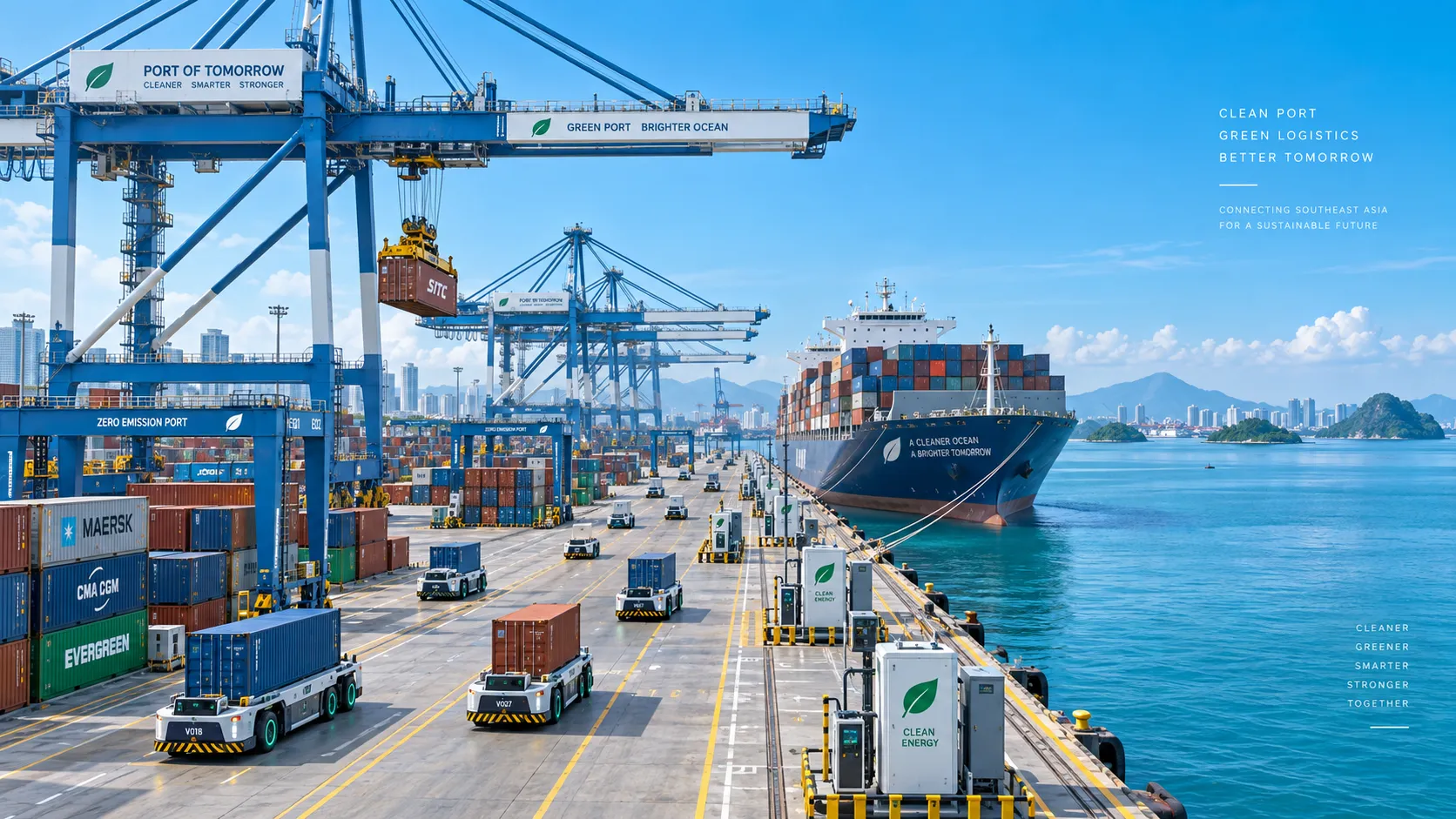
Smart Port Systems in Southeast Asia: Investment Priorities and Adoption Barriers
Smart port systems Southeast Asia: discover investment priorities, adoption barriers, and practical steps to build resilient, connected, high-performing terminals.
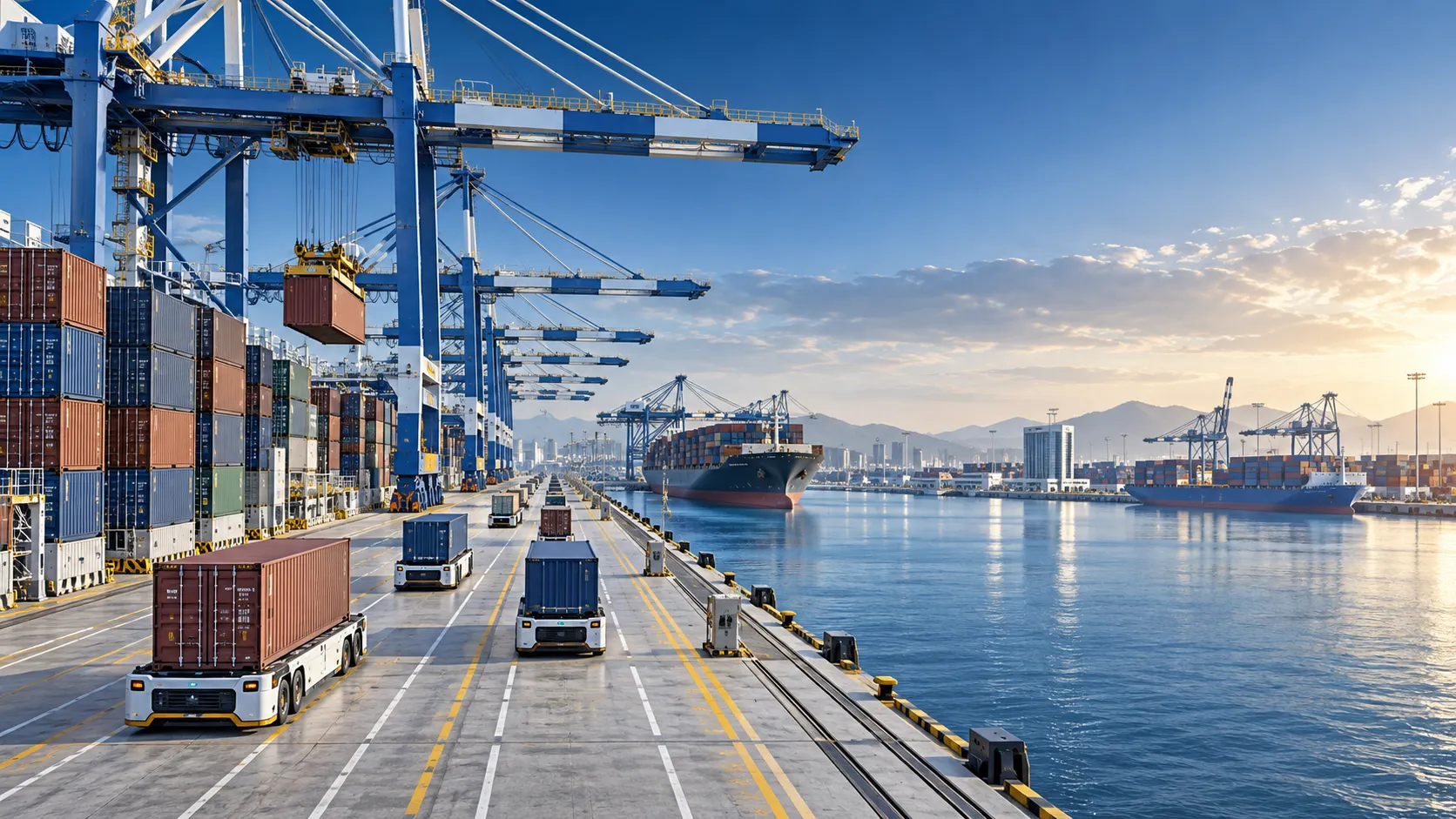
How to Evaluate Terminal Efficiency Solution Suppliers for High-Throughput Operations
Choose a terminal efficiency solutions supplier with confidence. Explore proven criteria for throughput, integration, lifecycle cost, safety, and reliable delivery.
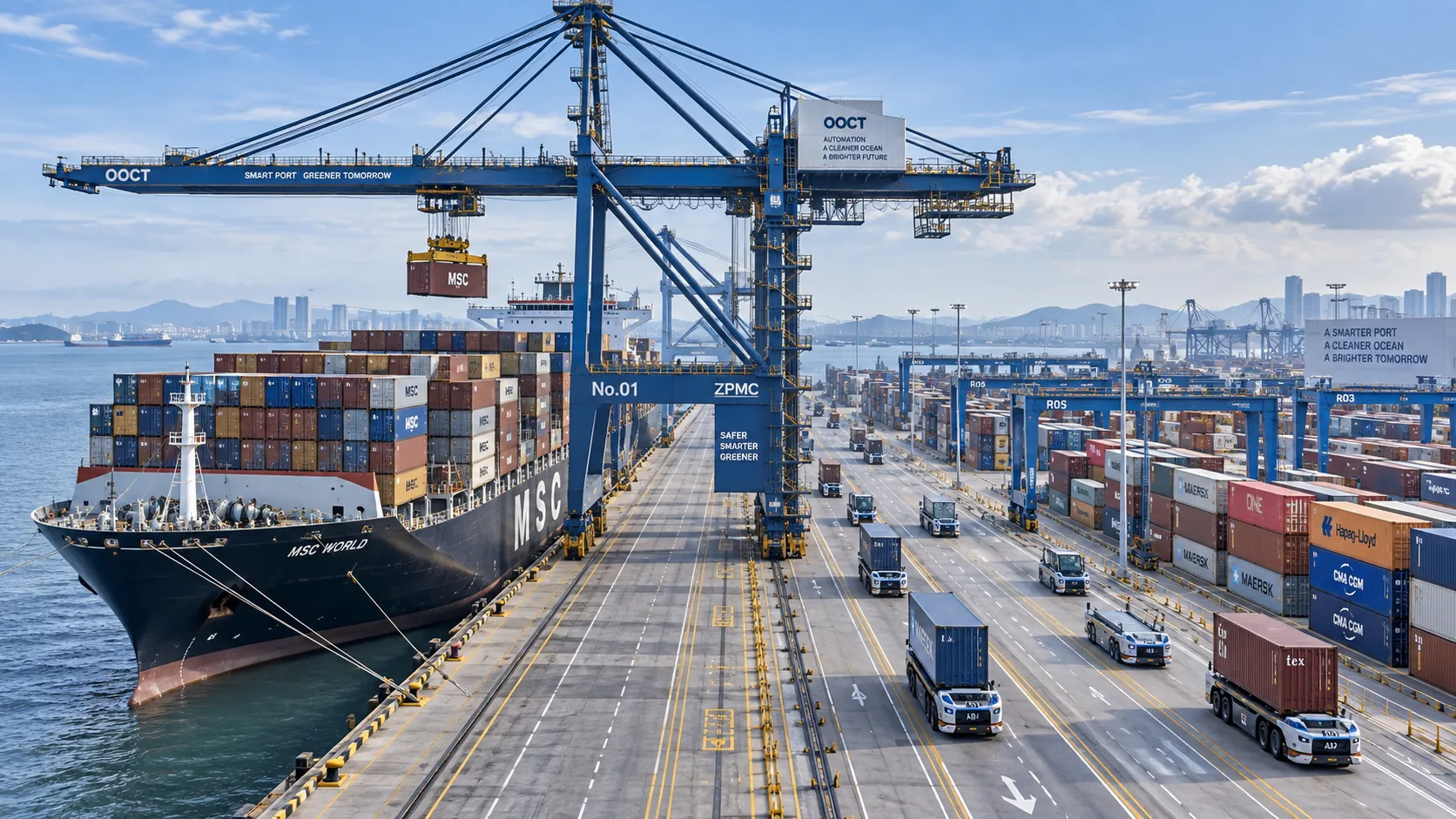
How to Specify a Quay Crane for Container Terminals by Vessel Size and Throughput?
Quay crane for container terminals: learn how to match outreach, lift height, capacity, automation, and cycle performance to vessel size and throughput goals.
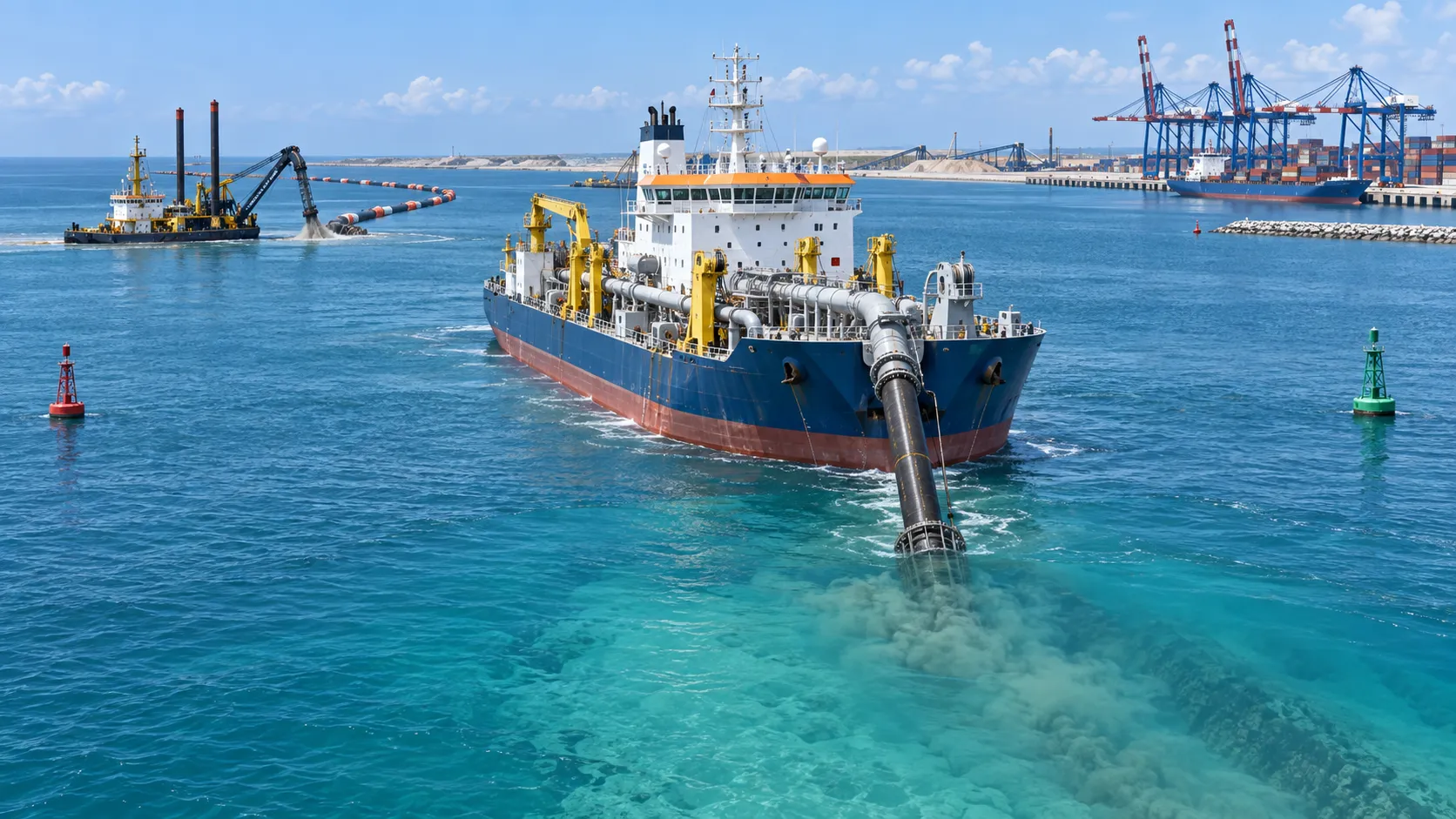
What Dredging Equipment Is Needed for Channel Deepening?
What dredging equipment is needed for channel deepening? Explore dredgers, pipelines, survey tools, and planning strategies for safer, more efficient port access.
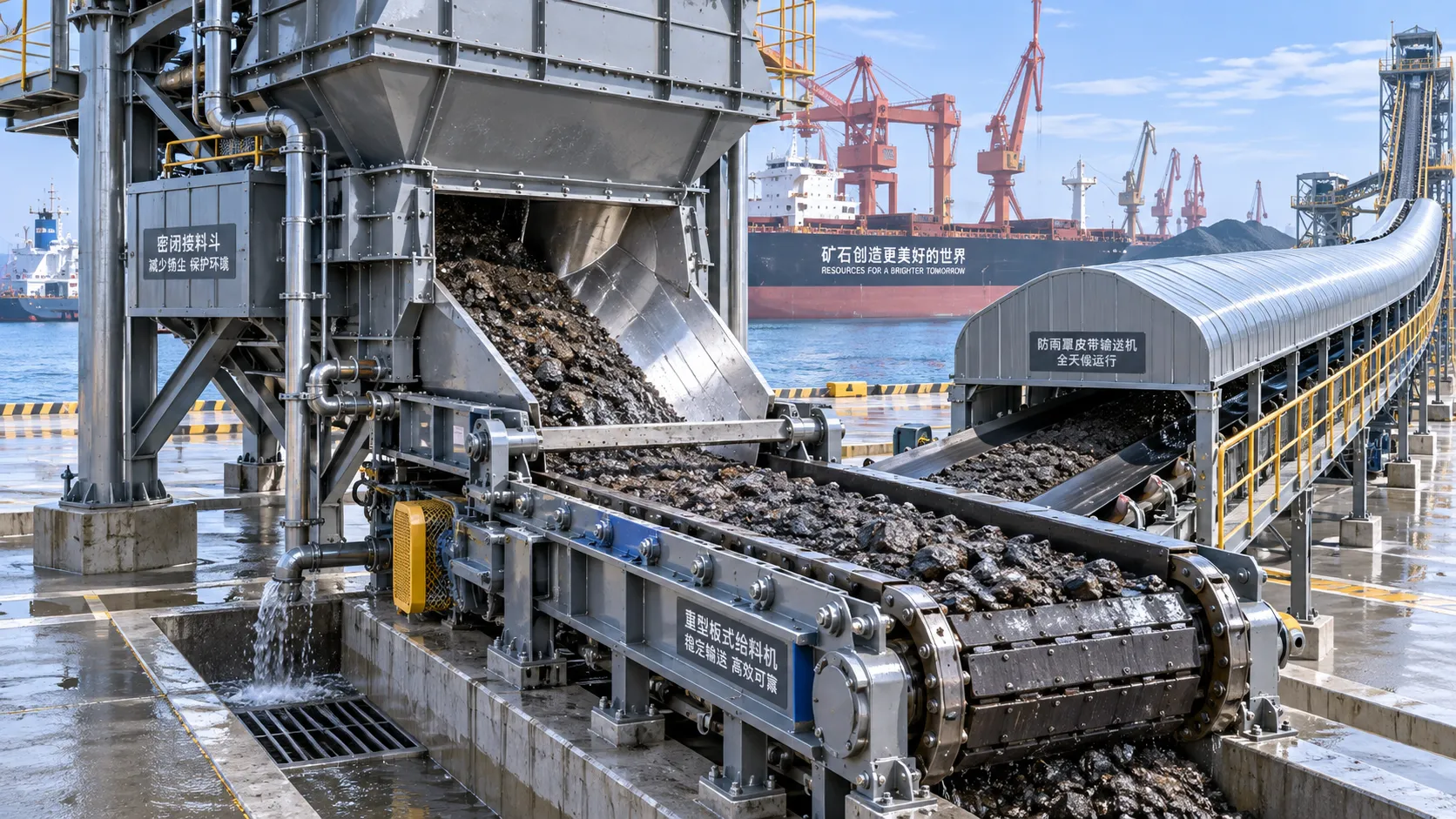
Which Bulk Handling Equipment Suits High-Moisture Cargo?
Which bulk handling equipment suits high-moisture cargo? Compare belt, apron, screw, drag, and slurry systems for reliable flow, less carryback, and higher terminal uptime.
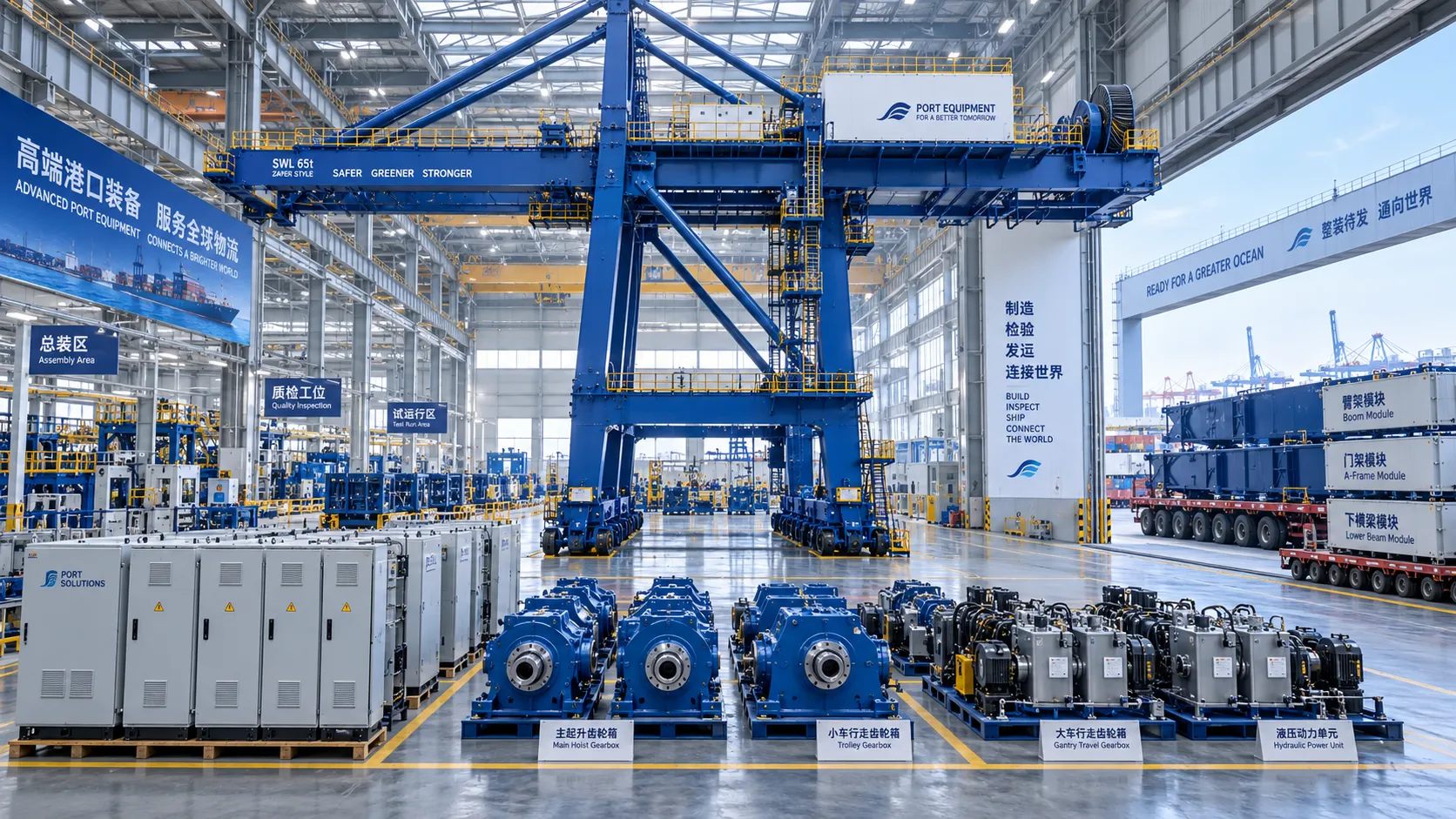
How Can Port Equipment Lead-Time Risk Be Managed?
How can port equipment lead-time risk be managed? Explore practical strategies to control critical paths, suppliers, transport, site readiness, and commissioning delays.
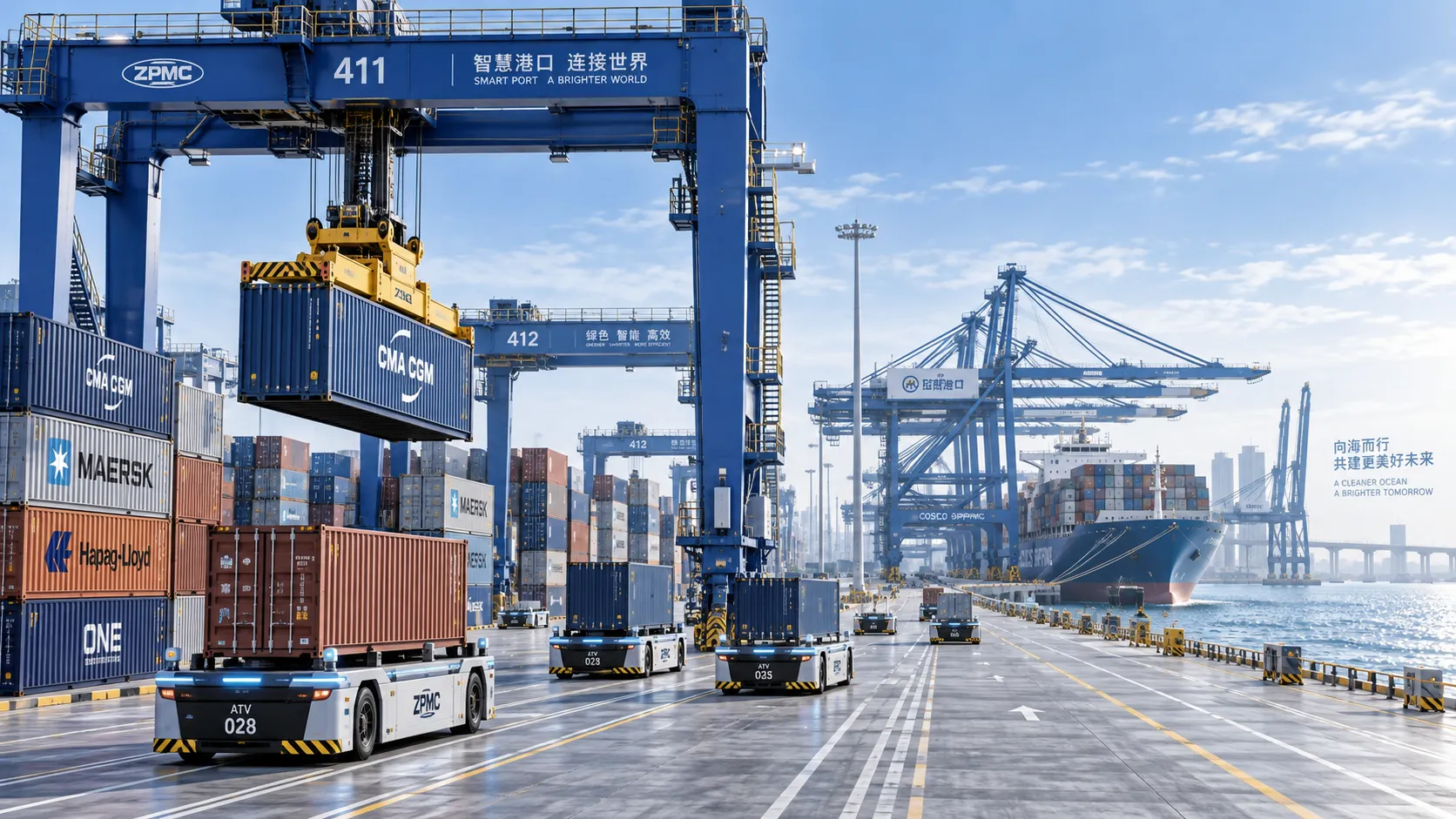
Terminal Automation Technologies That Raise Container Throughput Without Yard Disruption
Terminal automation technology that increases container throughput without disrupting yard flow. Explore smarter integration, resilient workflows, and phased deployment strategies.
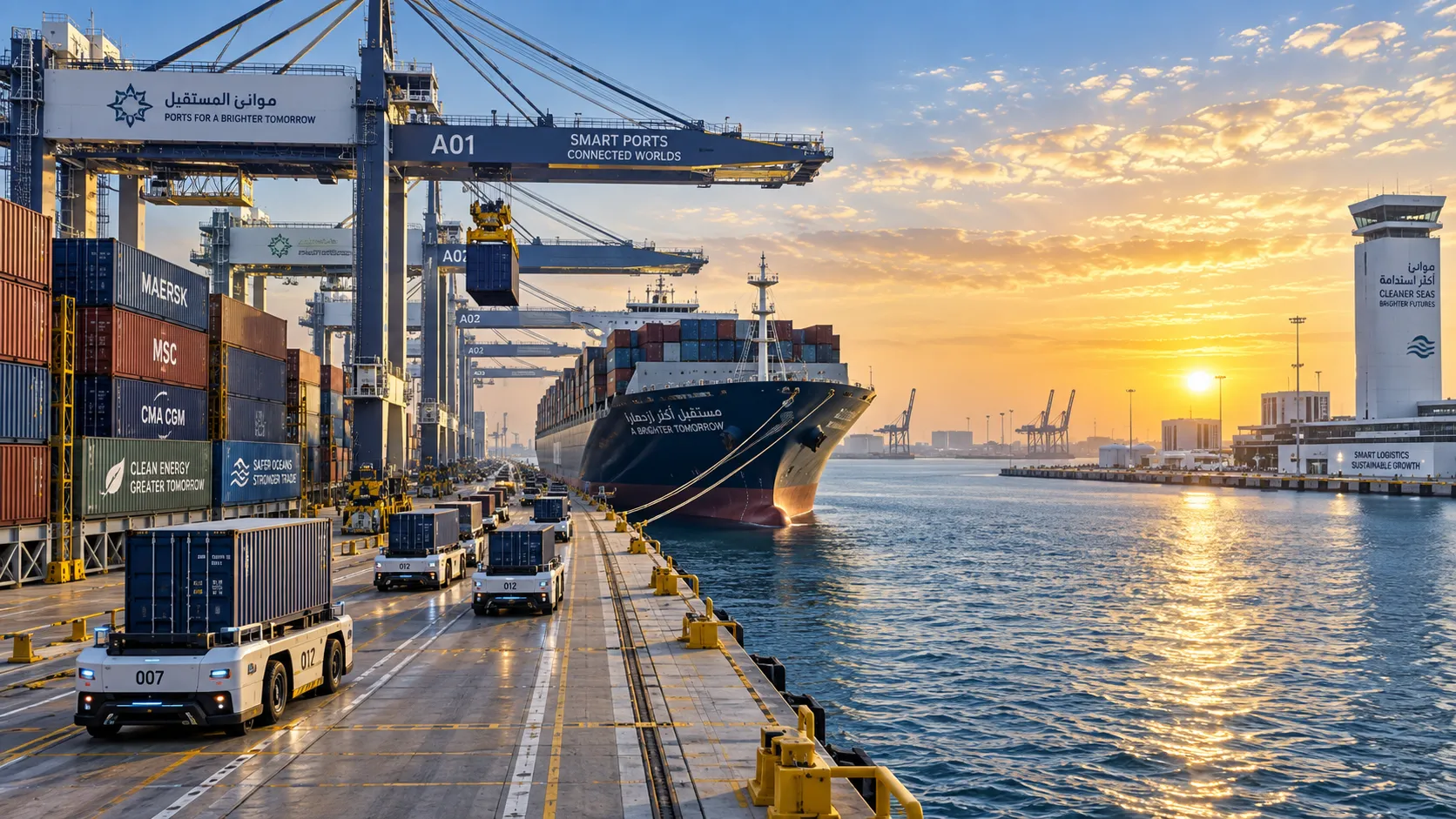
Middle East Port Automation: Key Market Drivers, Projects, and Investment Risks
Port automation systems Middle East: explore market drivers, flagship projects, integration challenges, and investment risks shaping smarter, resilient terminals.
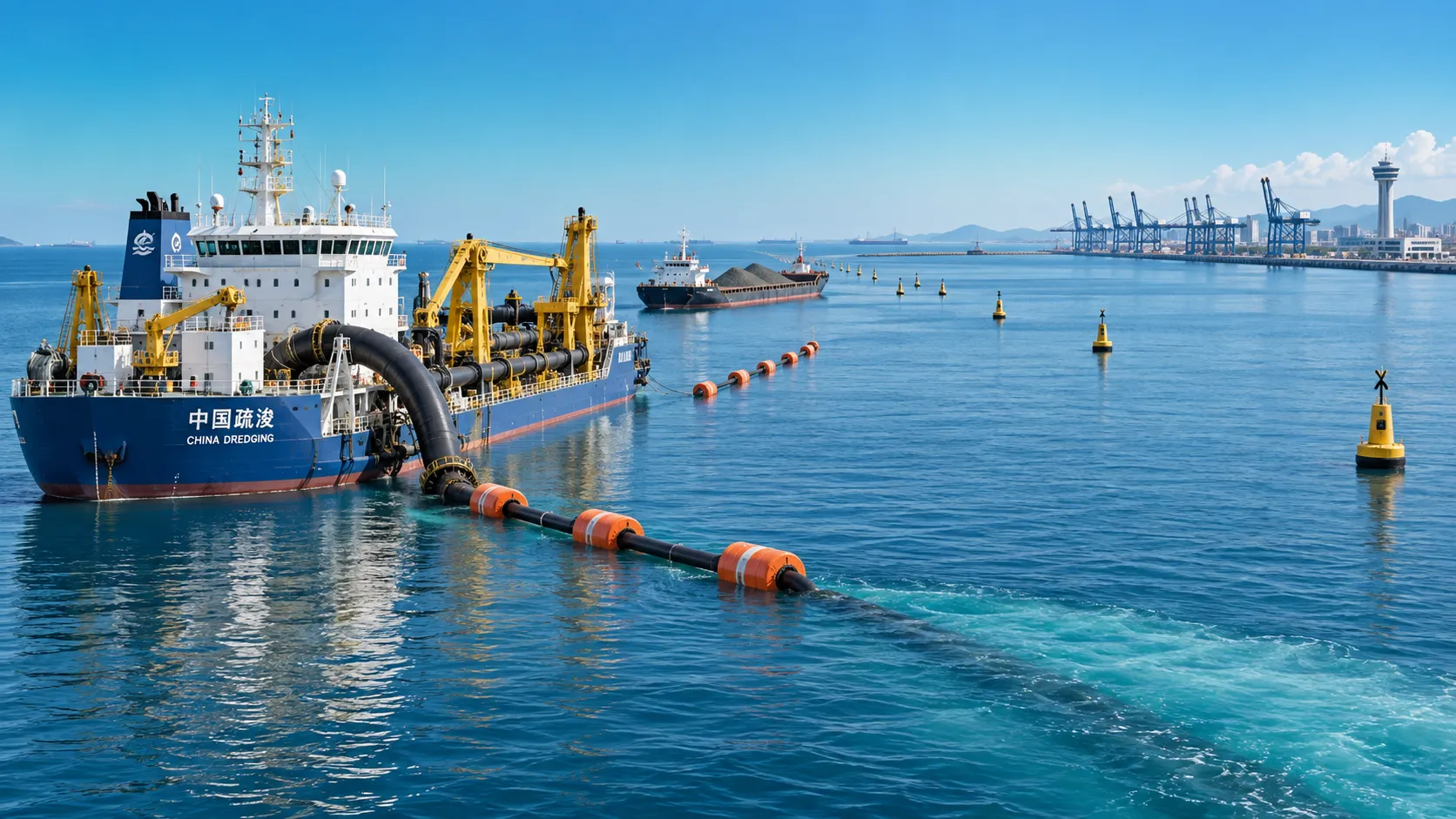
Planning Offshore Dredging Operations: Key Risks, Methods, and Project Controls
Offshore dredging operations demand smart planning. Explore key risks, proven methods, environmental controls, and project strategies for reliable delivery.