Related News
- 00
0000-00
How to Specify a Quay Crane for Container Terminals by Vessel Size and Throughput? - 00
0000-00
Which Bulk Handling Equipment Suits High-Moisture Cargo? - 00
0000-00
Terminal Automation Technologies That Raise Container Throughput Without Yard Disruption - 00
0000-00
Planning Offshore Dredging Operations: Key Risks, Methods, and Project Controls - 00
0000-00
Where Do Automated Guided Vehicles Deliver the Fastest Warehouse Gains in the Middle East?
How to Evaluate Yard Automation Systems for Ports: Key Functions, Integration, and ROI
How to Evaluate Yard Automation Systems for Ports: Key Functions, Integration, and ROI
Selecting the right yard automation systems for ports requires more than comparing features. The real task is matching automation logic to yard realities, equipment behavior, and business targets.
A strong evaluation starts with three questions. What functions are truly needed, how well will the system integrate, and when will the investment pay back?
That sounds simple, but in practice, yard automation systems for ports often fail at the boundary lines. The software may look capable, yet underperform once mixed fleets, legacy controls, and real peak patterns enter the picture.
For that reason, technical evaluation should focus less on brochure claims and more on operational fit. The goal is not just automation. The goal is stable, scalable yard performance.
Start with the Yard Operating Model
Before comparing vendors, define how the yard actually works. Different terminals need different automation depth, dispatch logic, and control response times.
A transshipment hub has different pressure points than a gateway port. One may prioritize stack density and crane synchronization. The other may care more about truck turn times and exception handling.
This is where many yard automation systems for ports are judged too early. Feature lists matter, but they are secondary to operational alignment.
Create a baseline around these factors:
- Yard layout, block design, and traffic separation
- Equipment mix, including RTGs, RMGs, ASC, AGVs, and terminal trucks
- Import, export, transshipment, and reefer handling ratios
- Peak vessel windows and landside congestion patterns
- Labor model, remote control strategy, and safety constraints
Once that baseline is clear, the selection process becomes more grounded. It also becomes easier to reject systems that are powerful in theory but weak in local fit.
Core Functions That Actually Matter
Not all automation functions deliver equal value. Some drive measurable productivity. Others only matter after the terminal reaches a certain maturity level.
When reviewing yard automation systems for ports, pay close attention to execution quality in the following areas.
Task Planning and Dispatch
This is the heart of yard performance. The system should dynamically assign moves based on equipment position, stack status, vessel priorities, and truck arrival conditions.
Look for rule engines that can balance throughput with energy use, reshuffle risk, and idle travel. Static dispatching usually breaks down during surges.
Stack Management and Slot Optimization
Good systems do more than record container positions. They predict conflict zones, reduce rehandles, and reserve space according to departure sequence and service commitments.
This is especially important for terminals with limited land, mixed cargo priorities, or strong seasonal peaks.
Equipment Coordination
The system should coordinate cranes, vehicles, and transfer points as one flow. If handoffs are poorly timed, automation only shifts delays from one asset to another.
Check whether the platform supports queue balancing, deadlock prevention, path reservation, and automated recovery after disruptions.
Exception Handling
A yard is never fully predictable. Weather delays, no-shows, damaged units, OCR mismatches, and manual overrides all need clear workflows.
In practice, this is where weak yard automation systems for ports create hidden cost. Recovery logic matters as much as nominal performance.
Operational Visibility
Dashboards should expose real bottlenecks, not just show equipment status. Useful views connect yard density, move backlog, cycle time, and resource utilization.
The best platforms also support simulation or what-if analysis for berth changes, stack policy shifts, and volume growth scenarios.
Integration Is Often the Deciding Factor
Even strong automation software can lose value if it sits in isolation. Integration is often where the real selection risk appears.
Most yard automation systems for ports must exchange data with the TOS, equipment control systems, PLC layers, OCR portals, gate systems, and maintenance platforms.
That means the evaluation should go beyond interface count. It should examine timing, ownership, recovery, and data quality across every integration path.
Key Integration Questions
- What protocol standards are supported, and how mature are the existing connectors?
- Which system owns job status, equipment state, and inventory truth at each step?
- How are message delays, duplicates, and dropped events detected and resolved?
- Can the platform work with mixed OEM equipment and phased automation upgrades?
- What cybersecurity controls protect remote operations and machine commands?
Low-latency communication is especially important in remote crane and vehicle control. A nice interface means little if command acknowledgment is inconsistent.
From a technical perspective, interoperability should be tested through live scenarios. Paper architecture alone is not enough.
How to Evaluate Performance Claims
Vendors often present productivity gains in broad terms. The issue is that terminal conditions vary widely, so generic percentages can mislead decision-making.
A better method is to ask for measurable proof under conditions similar to your own yard. That includes layout complexity, cargo mix, labor intervention, and equipment brands.
Use a scorecard built around operational KPIs:
- Moves per hour by equipment type
- Average truck turnaround time
- Rehandle ratio and stack reshuffle frequency
- Equipment idle time and empty travel distance
- Exception recovery time and service continuity
- System availability and failover performance
In recent projects, a clearer signal has been the ability to sustain performance during peak hours. Many systems look efficient at average load, then degrade sharply near saturation.
That also means stress testing matters. Ask for simulation outputs, pilot results, and post-go-live evidence from comparable terminals.
Building a Realistic ROI Model
ROI for yard automation systems for ports should not be reduced to labor savings alone. That approach usually understates both value and risk.
A solid model includes direct gains, avoided costs, and long-term operating resilience.
Value Drivers to Include
- Higher throughput without immediate yard expansion
- Lower rehandle rates and reduced fuel or power consumption
- Better asset utilization across cranes and transport fleets
- Reduced delay exposure during labor shortages or peak surges
- Improved safety performance and lower incident-related downtime
- Stronger service reliability for shipping lines and inland carriers
Costs That Are Often Missed
- Interface development and middleware adaptation
- Network upgrades and edge computing requirements
- Testing, simulation, and phased commissioning support
- Operator retraining and remote-control transition costs
- Ongoing software tuning after operational ramp-up
In real business terms, ROI improves when the automation roadmap matches terminal growth phases. Overbuying complexity too early can stretch payback unnecessarily.
The better approach is to compare baseline, moderate-growth, and peak-growth scenarios over five to ten years.
A Practical Evaluation Framework
To keep selection disciplined, use a staged evaluation model. This helps separate impressive demos from deployable solutions.
- Define operational objectives, constraints, and non-negotiable integration points.
- Map current workflows and identify where automation creates measurable value.
- Score vendors on functional depth, interface maturity, and exception handling.
- Run scenario-based workshops using real yard cases and peak conditions.
- Validate ROI with transparent assumptions, sensitivity ranges, and ramp-up timing.
- Check governance, support capability, cybersecurity readiness, and upgrade path.
This process makes vendor comparison more defensible. It also creates a stronger basis for procurement, commissioning, and long-term system ownership.
Final Decision Criteria
The best yard automation systems for ports are not always the ones with the longest feature catalog. They are the ones that fit the terminal’s control philosophy, integration landscape, and growth path.
A sound decision comes from balancing three things. First, the system must improve real yard flow. Second, it must connect cleanly with surrounding platforms. Third, it must produce credible ROI under realistic operating conditions.
When those three elements align, automation stops being a technology purchase. It becomes an operational advantage that supports throughput, resilience, and long-term terminal competitiveness.
For any team assessing yard automation systems for ports, the most practical next step is to convert broad requirements into testable scenarios, measurable KPIs, and a phased investment case. That is where better decisions usually begin.
Related News
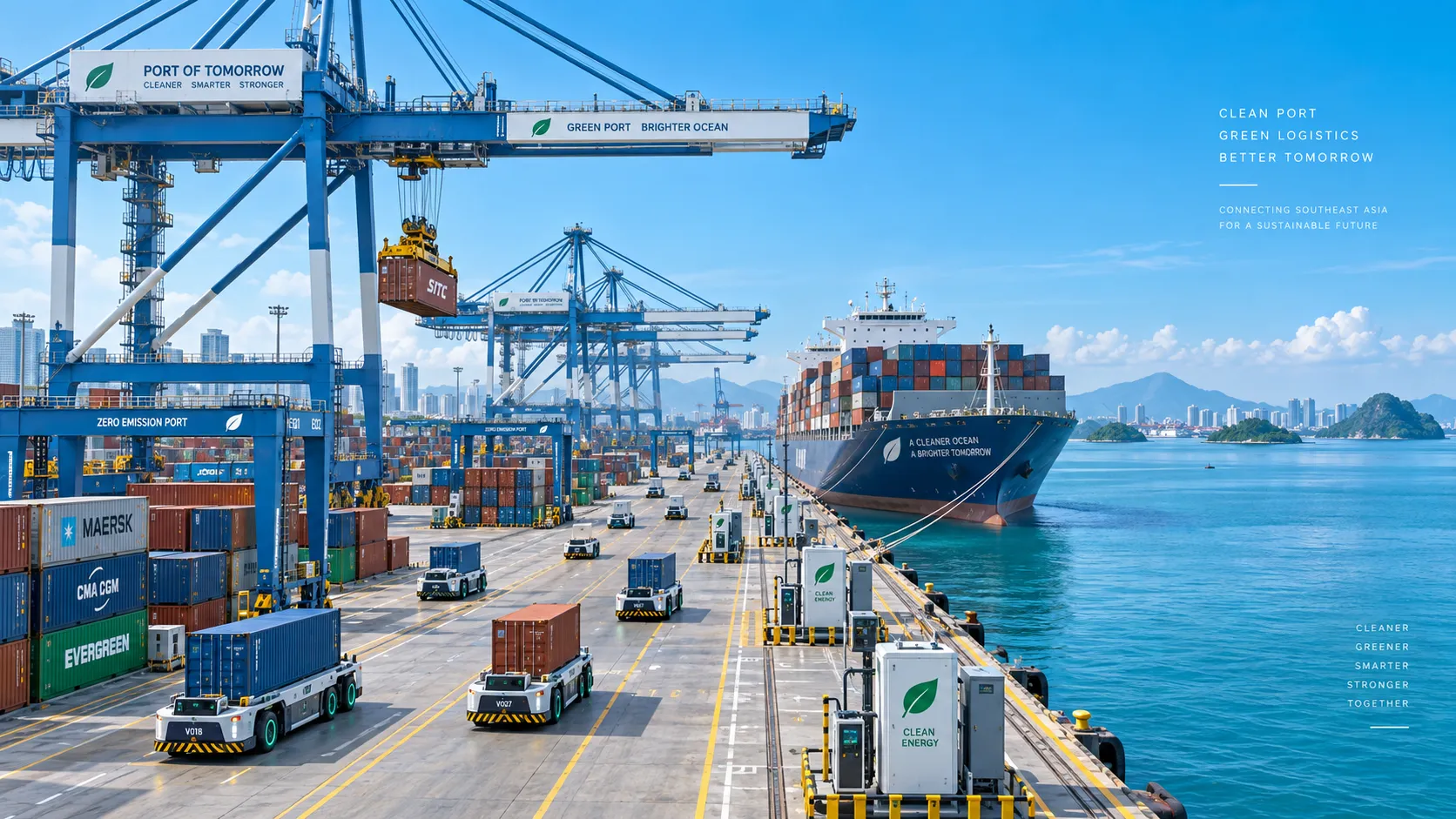
Smart Port Systems in Southeast Asia: Investment Priorities and Adoption Barriers
Smart port systems Southeast Asia: discover investment priorities, adoption barriers, and practical steps to build resilient, connected, high-performing terminals.

How to Evaluate Terminal Efficiency Solution Suppliers for High-Throughput Operations
Choose a terminal efficiency solutions supplier with confidence. Explore proven criteria for throughput, integration, lifecycle cost, safety, and reliable delivery.
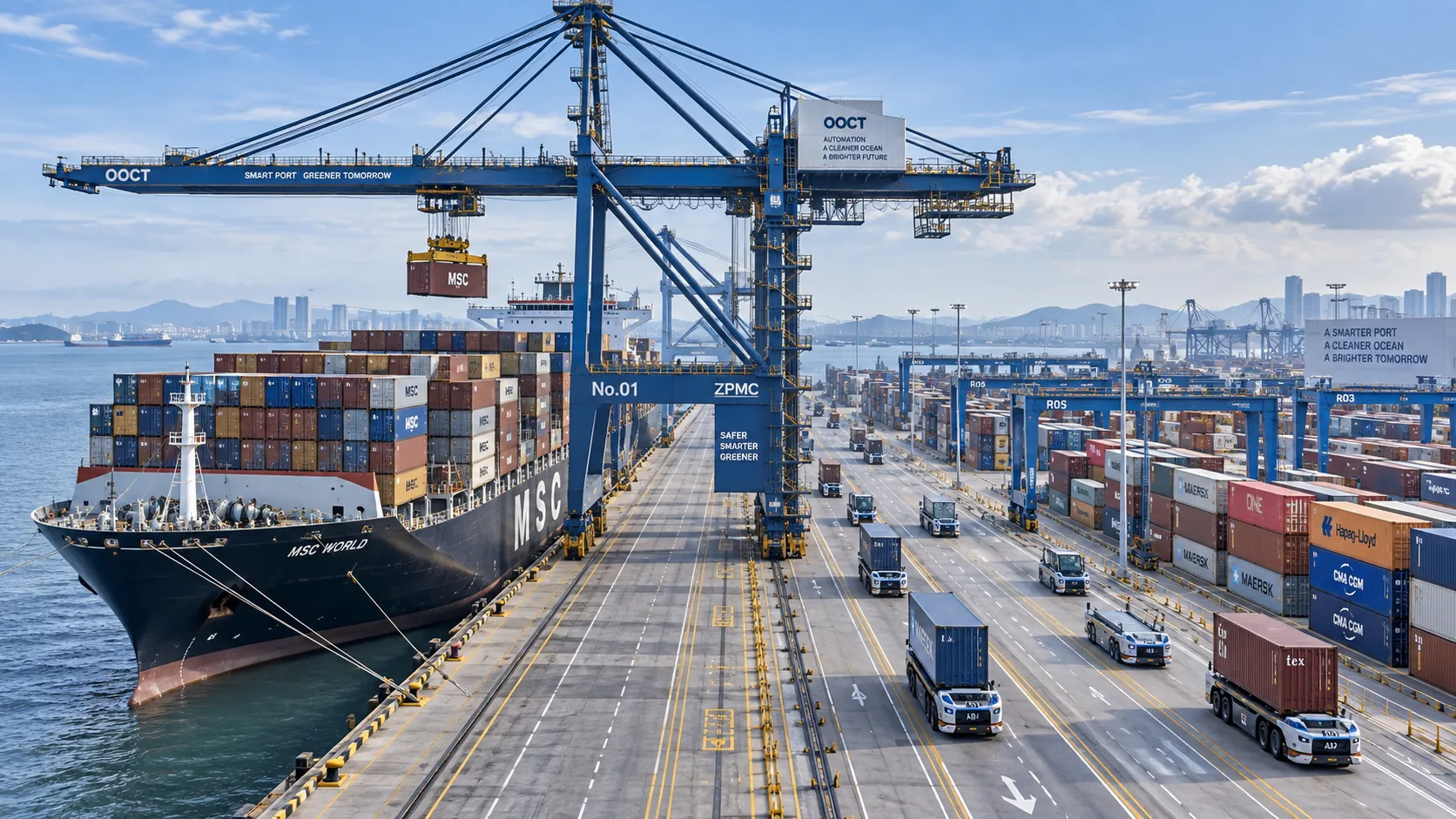
How to Specify a Quay Crane for Container Terminals by Vessel Size and Throughput?
Quay crane for container terminals: learn how to match outreach, lift height, capacity, automation, and cycle performance to vessel size and throughput goals.
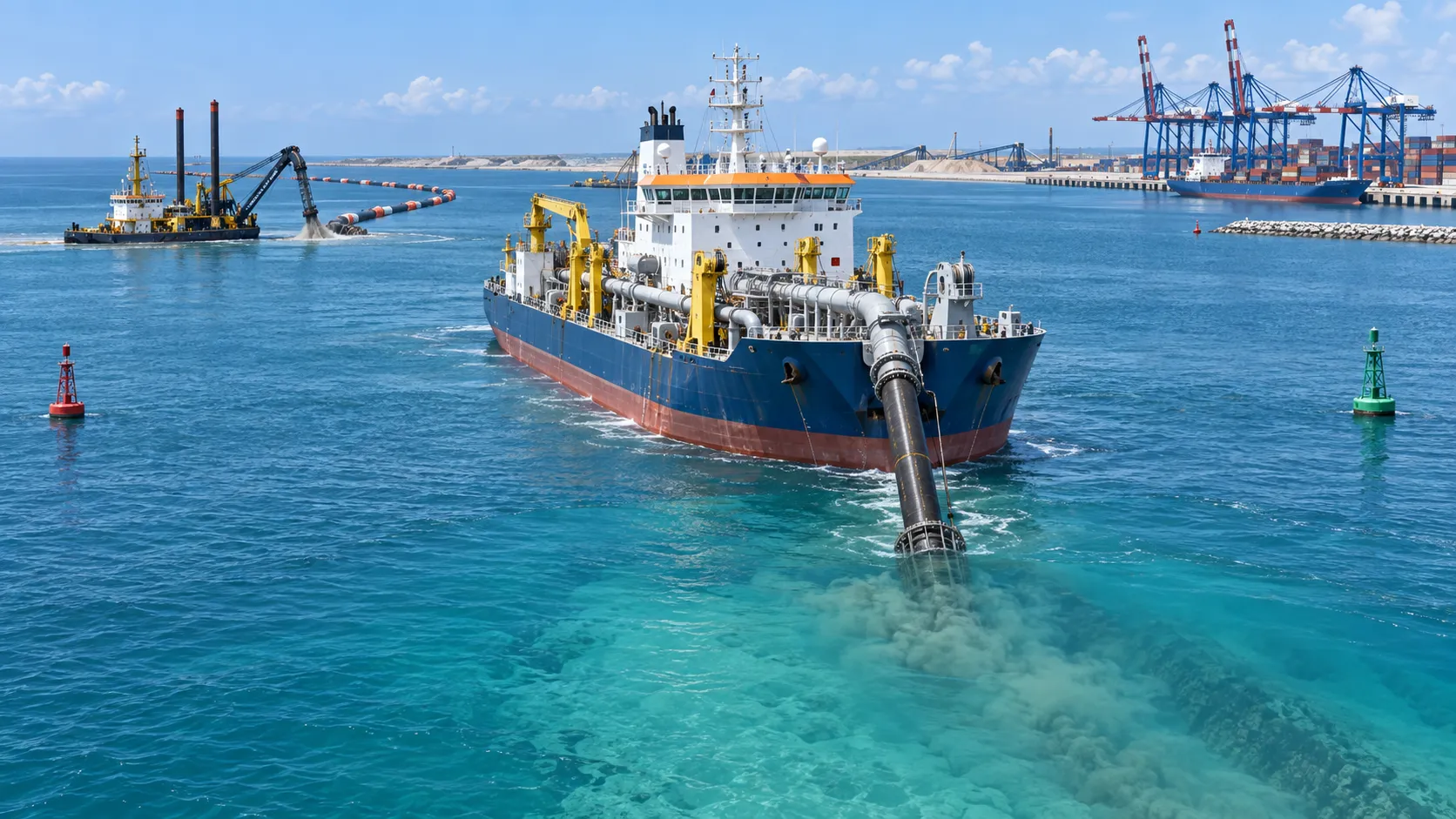
What Dredging Equipment Is Needed for Channel Deepening?
What dredging equipment is needed for channel deepening? Explore dredgers, pipelines, survey tools, and planning strategies for safer, more efficient port access.
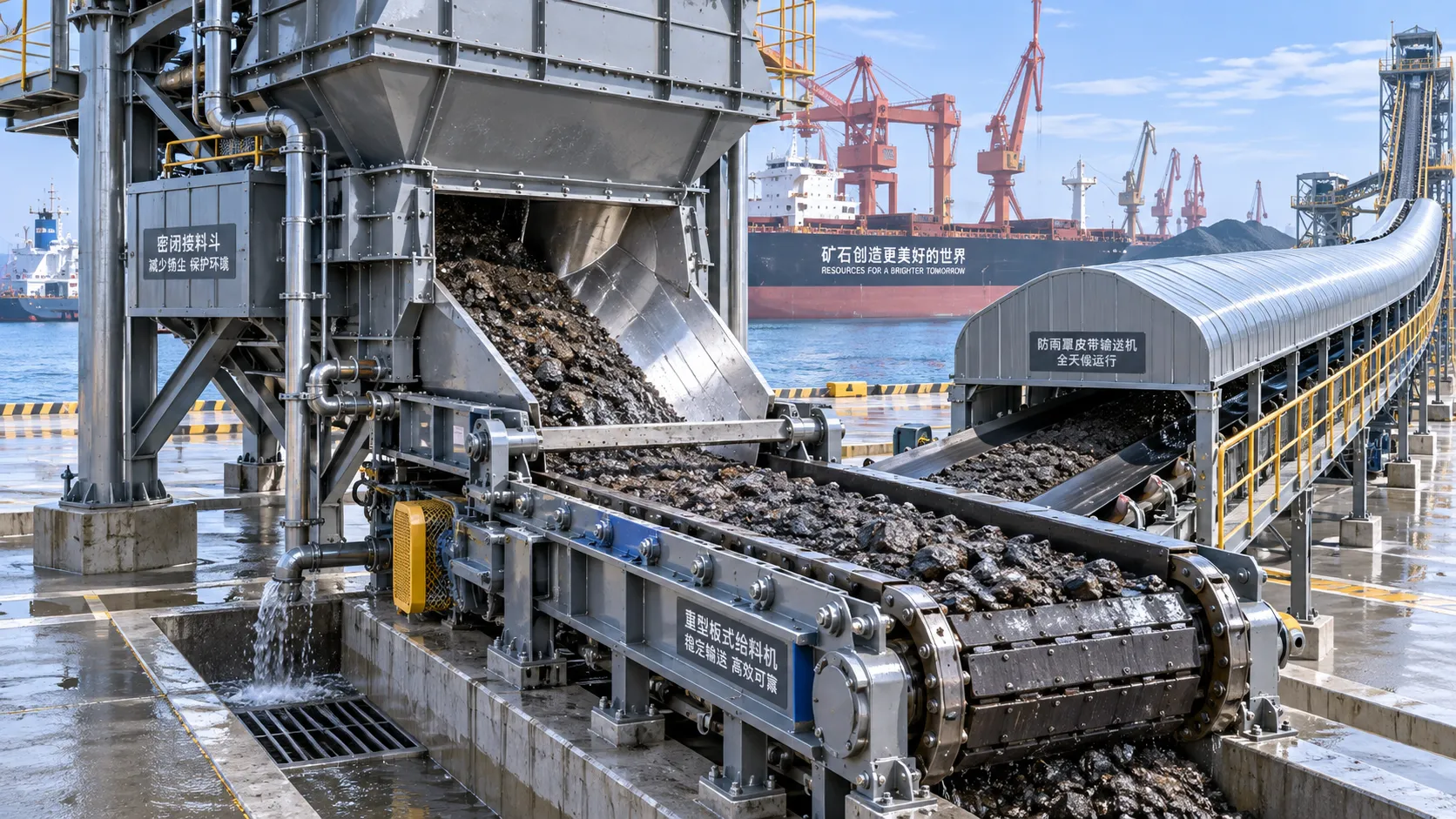
Which Bulk Handling Equipment Suits High-Moisture Cargo?
Which bulk handling equipment suits high-moisture cargo? Compare belt, apron, screw, drag, and slurry systems for reliable flow, less carryback, and higher terminal uptime.
How Can Port Equipment Lead-Time Risk Be Managed?
How can port equipment lead-time risk be managed? Explore practical strategies to control critical paths, suppliers, transport, site readiness, and commissioning delays.
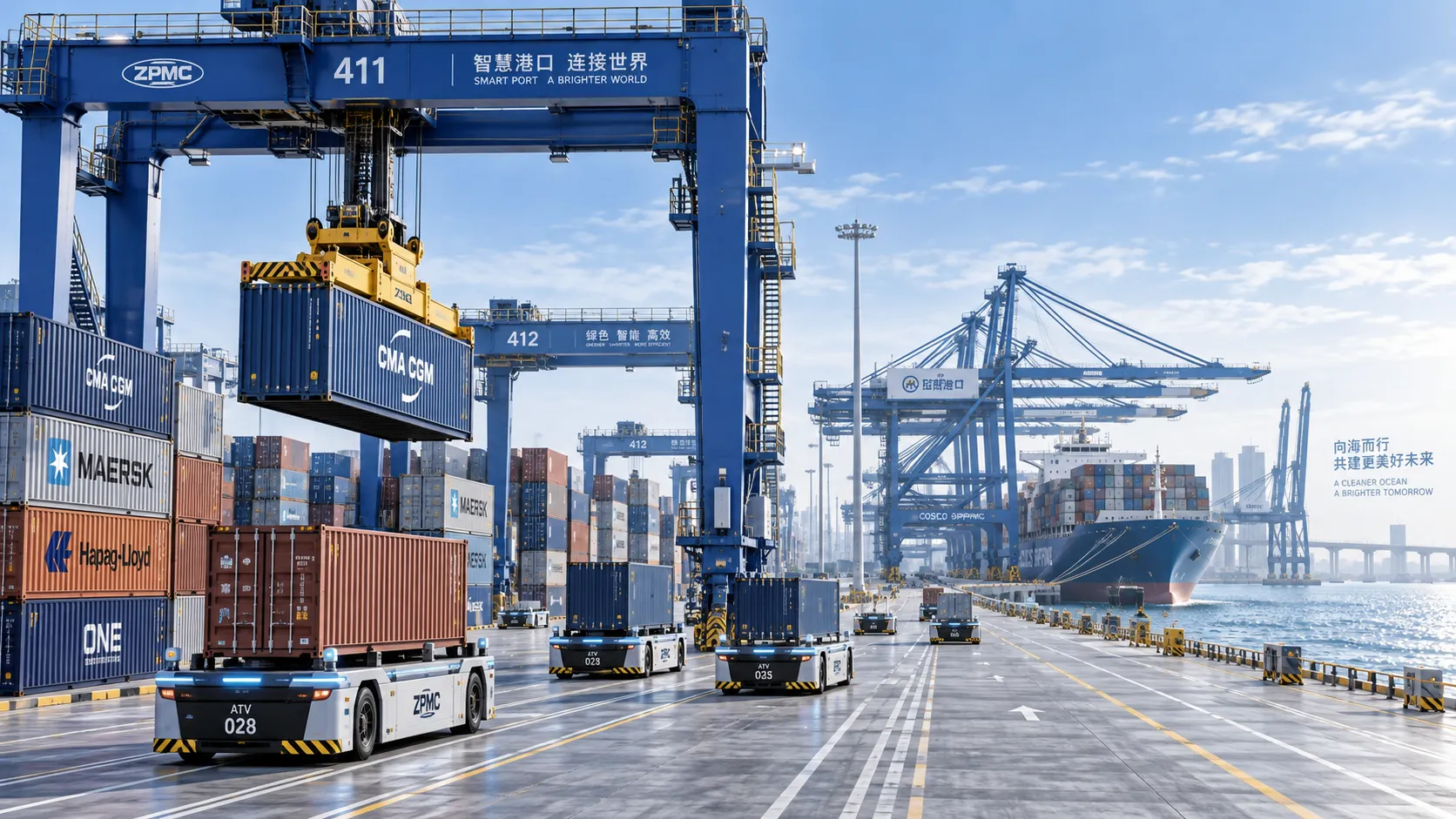
Terminal Automation Technologies That Raise Container Throughput Without Yard Disruption
Terminal automation technology that increases container throughput without disrupting yard flow. Explore smarter integration, resilient workflows, and phased deployment strategies.
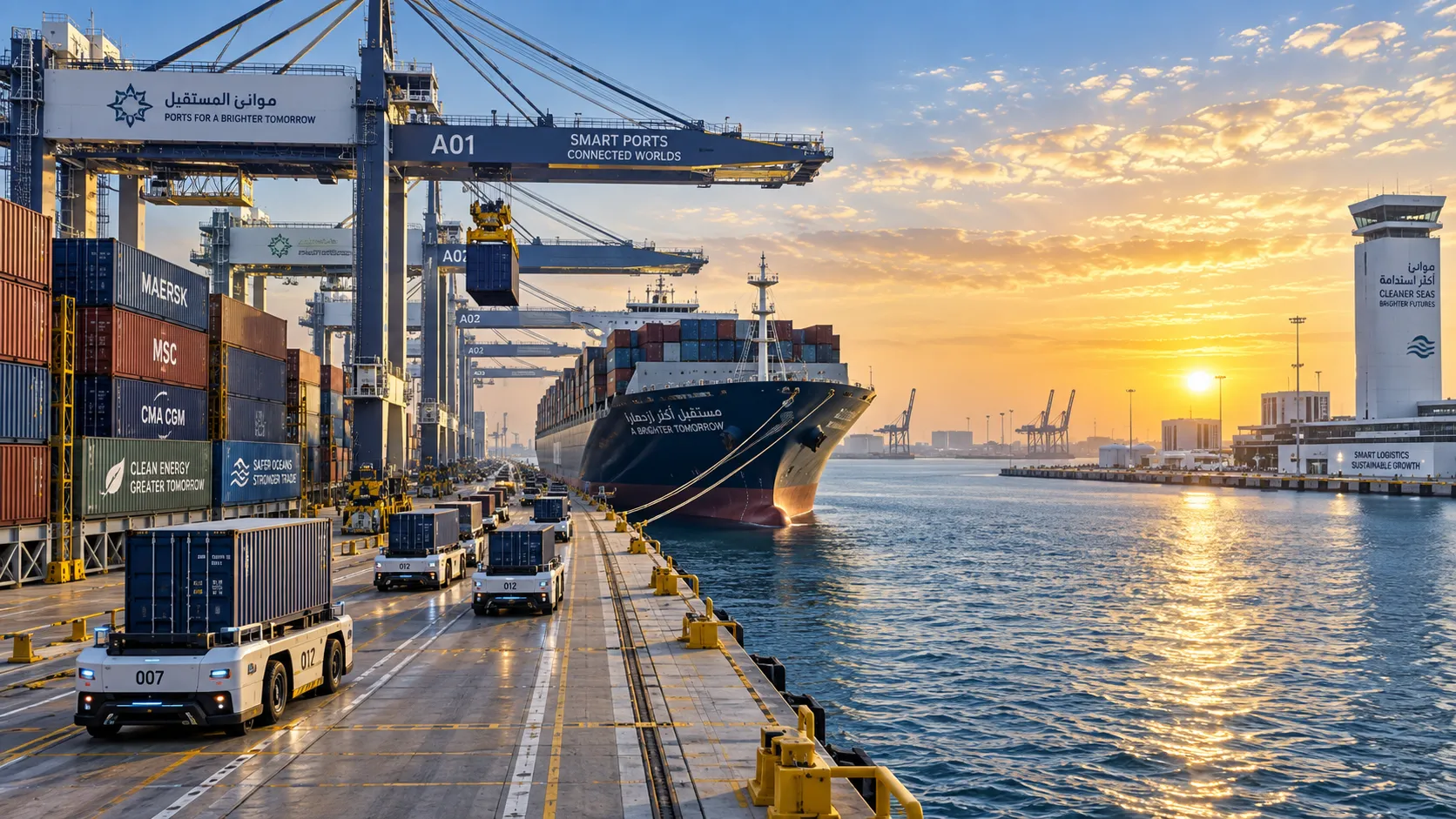
Middle East Port Automation: Key Market Drivers, Projects, and Investment Risks
Port automation systems Middle East: explore market drivers, flagship projects, integration challenges, and investment risks shaping smarter, resilient terminals.
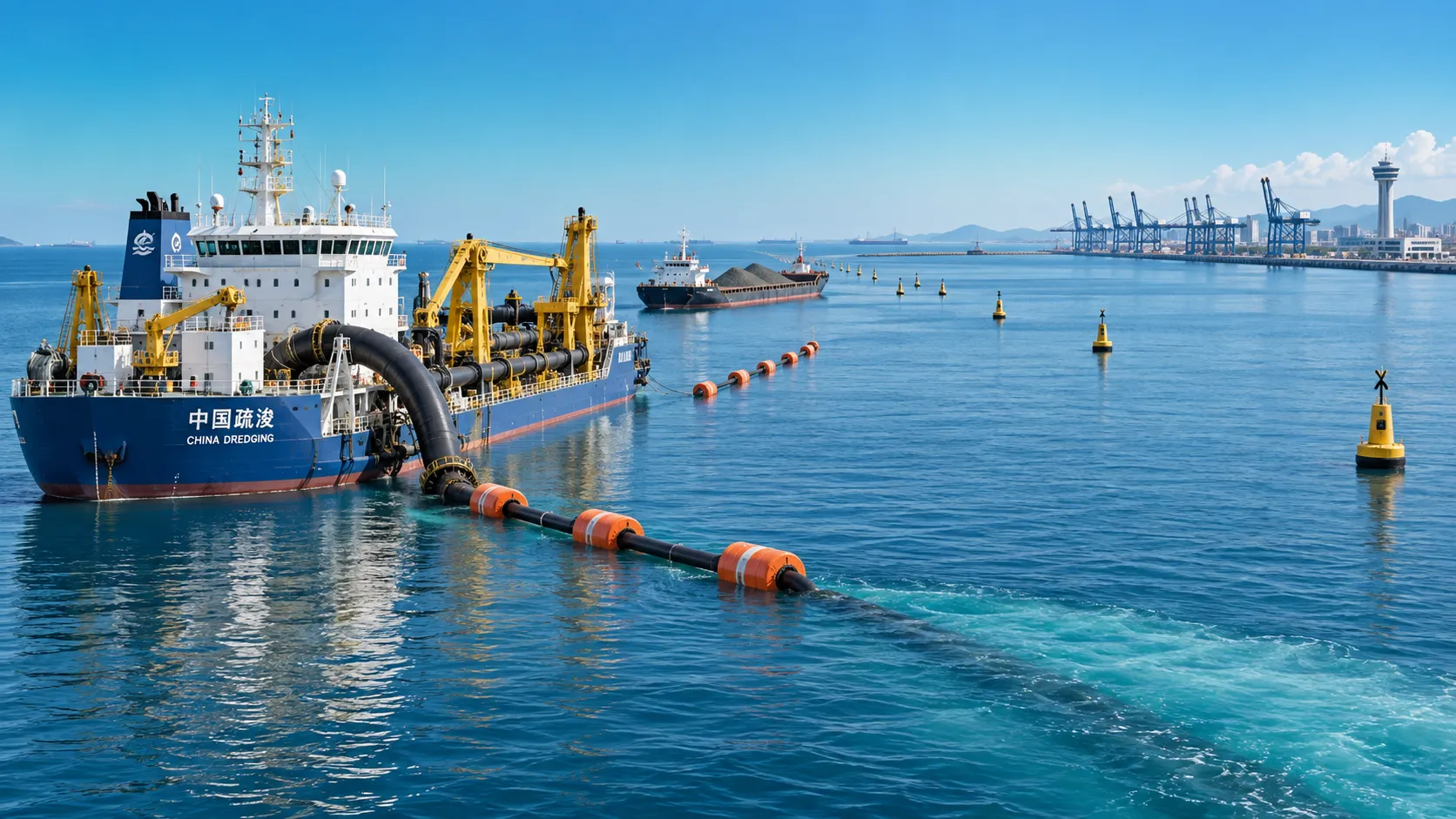
Planning Offshore Dredging Operations: Key Risks, Methods, and Project Controls
Offshore dredging operations demand smart planning. Explore key risks, proven methods, environmental controls, and project strategies for reliable delivery.