Related News
- 00
0000-00
How to Evaluate Terminal Efficiency Solution Suppliers for High-Throughput Operations - 00
0000-00
What to Consider When Buying Electric Port Machinery for Container Terminals - 00
0000-00
How to Select Container Handling Equipment for Middle East Ports and Terminals - 00
0000-00
How to Evaluate a Port Machinery Exporter for Large-Scale Terminal Projects - 00
0000-00
Evaluating a Dredging Equipment Manufacturer for Mining Plant Supply
Quay Crane Procurement Checklist: Specs, Power Needs, and Lifetime Cost Factors
Quay Crane Procurement Checklist: Specs, Power Needs, and Lifetime Cost Factors
Procuring a quay crane is a high-stakes decision with long operational consequences.
It shapes berth productivity, energy planning, maintenance spending, and asset utilization for years.
A smart quay crane comparison should look beyond headline lifting capacity.
In practice, the better decision often comes from understanding operating context.
That means matching technical specs, power availability, automation readiness, and lifetime cost assumptions.
This guide offers a practical checklist to evaluate a quay crane before capital approval.
Start with the Operating Profile
Every quay crane should be selected around the terminal’s real vessel mix and move patterns.
A larger crane is not automatically a better investment.
If the crane exceeds actual demand, utilization falls and lifetime cost rises.
If it is undersized, berth delays and service penalties can quickly erase savings.
Define the operating profile first:
- Typical vessel classes and future ship-size expectations
- Average and peak moves per hour targets
- Container mix, including standard, reefer, OOG, and twin-lift handling
- Berth layout, tidal conditions, rail gauge, and apron limitations
- Planned degree of automation and remote operation
This first step keeps the quay crane specification grounded in actual throughput economics.
It also helps separate must-have features from expensive extras.
Core Quay Crane Specifications to Compare
The most visible part of quay crane procurement is the technical specification sheet.
Still, numbers only matter when tied to your berth and cargo flow.
Outreach and Lift Height
Outreach must match the widest vessels you expect during the asset’s service life.
Backreach should also fit truck lanes, buffer areas, and landside transfer methods.
Lift height above rail matters for high on-deck container stacks.
Rated Load and Spreader Capability
Check rated load under spreader, twin-lift capability, and overload policy.
Not all quay crane suppliers define these values in the same practical way.
Ask how performance changes across the working envelope, not only at nominal conditions.
Hoist, Trolley, and Gantry Speeds
Higher speed looks attractive, but true cycle performance depends on coordinated motion.
Acceleration, deceleration, anti-sway behavior, and operator assistance often matter more.
A quay crane with balanced controls can outperform a faster but less stable unit.
Structural Design and Wind Resistance
Marine corrosion, seismic exposure, and wind conditions should influence the structural package.
Review steel grades, coating systems, fatigue assumptions, and storm locking arrangements.
This is where a cheap quay crane can become expensive later.
Power Requirements and Energy Planning
Power planning is often underestimated during quay crane procurement.
Yet grid capacity, cable routing, and energy quality can decide project feasibility.
A technically suitable quay crane may still be the wrong choice if site power is constrained.
Key power questions include:
- Connected load, peak demand, and average operating consumption
- Voltage level, frequency, and transformer compatibility
- Regenerative drive capability and energy recovery efficiency
- Cable reel, busbar, or alternative power feed arrangement
- Power quality sensitivity, including harmonics and voltage fluctuations
From a cost perspective, energy efficiency should be measured over annual moves.
That gives a better picture than comparing nameplate data alone.
More importantly, it reveals whether a premium quay crane can lower total operating expense.
If decarbonization is part of the investment case, ask for verified energy models.
The supplier should explain assumptions, duty cycles, and local grid dependencies.
Automation, Controls, and Data Integration
A modern quay crane is no longer just a mechanical asset.
It is also part of the port’s digital operating system.
That is why control architecture deserves the same attention as steel and motors.
Review these areas carefully:
- Remote operation readiness and camera coverage
- Anti-sway, positioning assistance, and auto-landing features
- Interfaces with TOS, maintenance systems, and energy dashboards
- Cybersecurity design, access control, and update policy
- Data ownership, protocol openness, and diagnostic access
This becomes even more important when mixed fleets are involved.
A quay crane with closed systems may create integration cost far beyond the purchase price.
In real operations, weak interoperability often slows automation adoption more than hardware limits.
Lifetime Cost Factors That Change the Business Case
The purchase price of a quay crane is only the opening number.
The stronger business case comes from total cost of ownership.
That includes energy, maintenance, downtime risk, parts availability, and upgrade pathways.
Major Lifetime Cost Categories
- Acquisition cost, transport, installation, and commissioning
- Civil works, rail adjustments, substations, and utility upgrades
- Annual power use across expected move volumes
- Preventive maintenance, wear parts, and planned shutdowns
- Corrective maintenance and unplanned outage exposure
- Software licenses, control updates, and automation expansion
Ask suppliers to present lifetime cost using the same traffic and duty assumptions.
Without a common basis, comparison becomes misleading very quickly.
A practical method is to compare cost per move over ten to twenty years.
This makes the quay crane decision easier to connect with terminal profitability.
Supplier Evaluation and Contract Risk Checks
Even a well-specified quay crane can underperform with weak supplier execution.
Procurement should examine the supplier’s operational reliability, not just engineering claims.
Focus on these points:
- Reference projects with similar vessel sizes and throughput targets
- Lead times for manufacturing, shipping, and commissioning support
- Local service capability and critical spare parts stock
- Warranty scope, response times, and performance guarantees
- Training depth for operators, technicians, and control room teams
Contract language matters just as much as equipment performance.
Pay close attention to acceptance testing, delay damages, and interface responsibilities.
This is especially important when third-party software or terminal upgrades are involved.
A Practical Quay Crane Procurement Checklist
Before final approval, make sure each quay crane option is checked against the same framework.
- Confirm vessel forecast, throughput targets, and berth constraints.
- Verify outreach, backreach, lift height, and rated load fit the demand profile.
- Check hoist, trolley, and gantry performance under realistic operating conditions.
- Review corrosion protection, wind design, and structural life assumptions.
- Validate connected load, peak demand, and site power compatibility.
- Compare automation features, control openness, and cybersecurity readiness.
- Model lifetime cost using identical traffic, energy, and maintenance assumptions.
- Test supplier support strength, contract terms, and long-term upgrade path.
A disciplined checklist reduces the chance of buying on headline specifications alone.
It also creates a clearer internal case for finance, operations, and engineering teams.
Final Takeaway
The right quay crane is not simply the biggest model or the lowest bid.
It is the option that fits vessel demand, site power, automation goals, and lifetime economics.
When evaluation stays disciplined, the quay crane becomes a productivity asset, not a long-term compromise.
Use this checklist to challenge supplier proposals, tighten assumptions, and support a more durable investment decision.
Related News
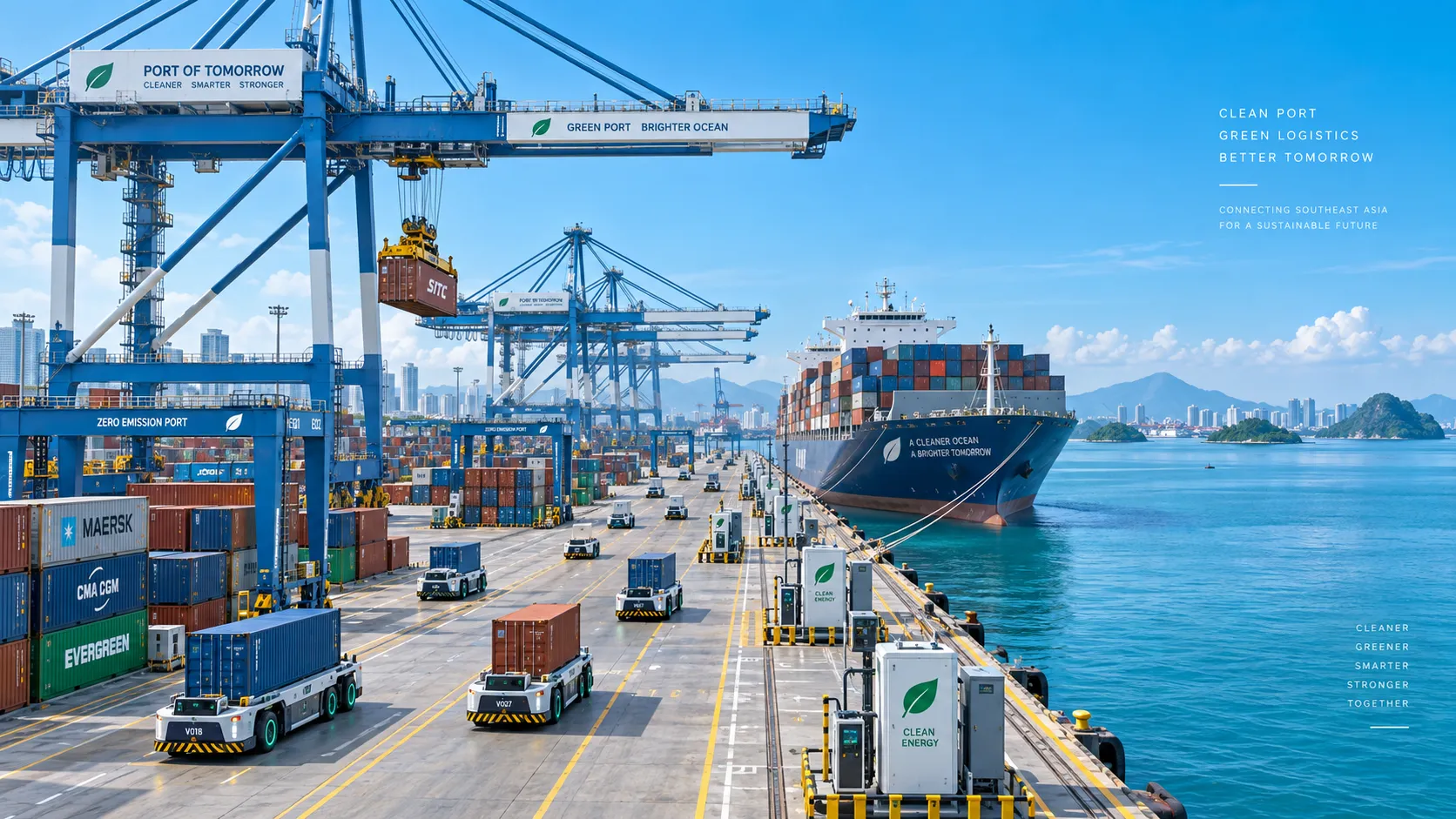
Smart Port Systems in Southeast Asia: Investment Priorities and Adoption Barriers
Smart port systems Southeast Asia: discover investment priorities, adoption barriers, and practical steps to build resilient, connected, high-performing terminals.

How to Evaluate Terminal Efficiency Solution Suppliers for High-Throughput Operations
Choose a terminal efficiency solutions supplier with confidence. Explore proven criteria for throughput, integration, lifecycle cost, safety, and reliable delivery.
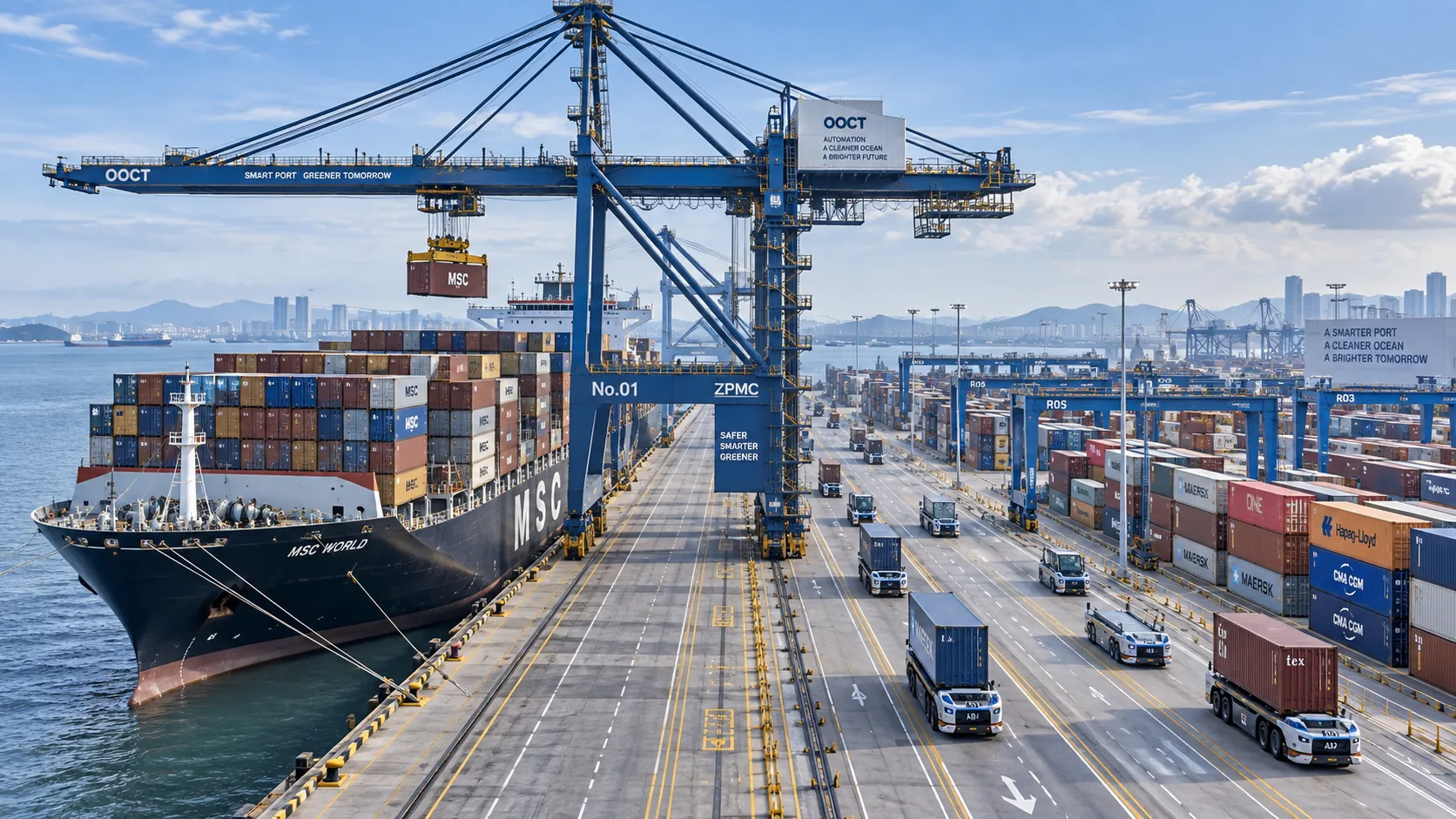
How to Specify a Quay Crane for Container Terminals by Vessel Size and Throughput?
Quay crane for container terminals: learn how to match outreach, lift height, capacity, automation, and cycle performance to vessel size and throughput goals.
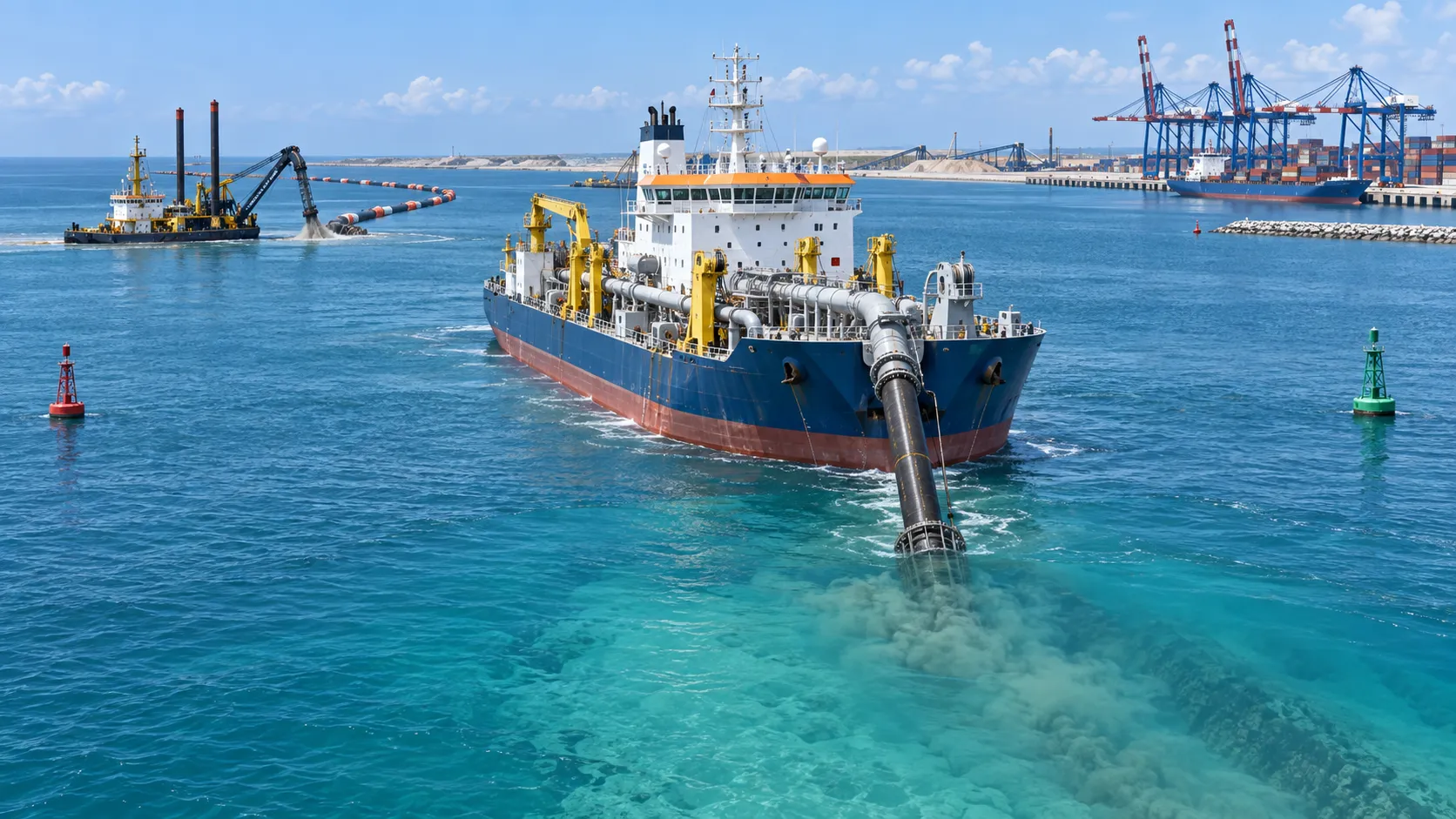
What Dredging Equipment Is Needed for Channel Deepening?
What dredging equipment is needed for channel deepening? Explore dredgers, pipelines, survey tools, and planning strategies for safer, more efficient port access.
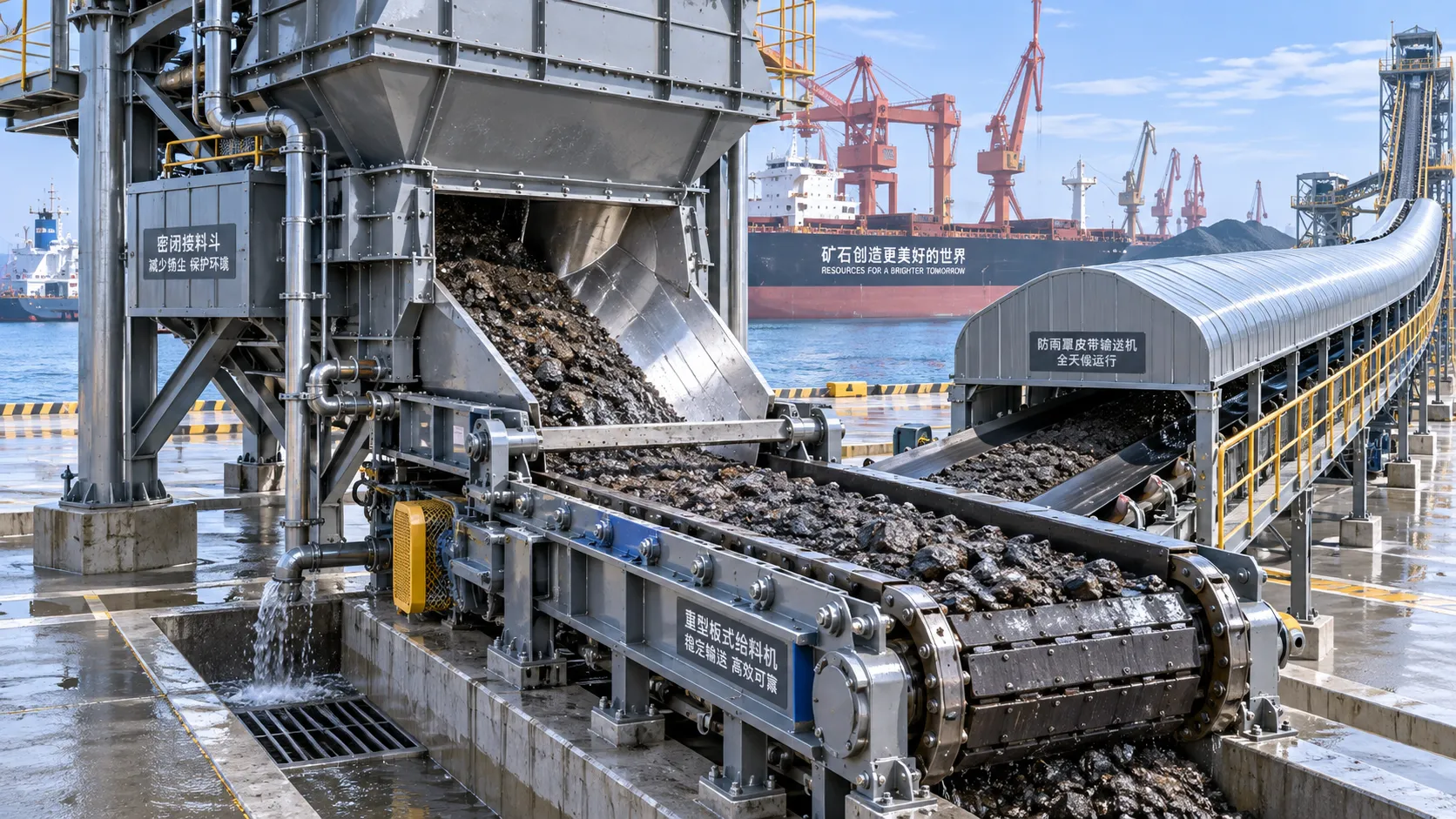
Which Bulk Handling Equipment Suits High-Moisture Cargo?
Which bulk handling equipment suits high-moisture cargo? Compare belt, apron, screw, drag, and slurry systems for reliable flow, less carryback, and higher terminal uptime.
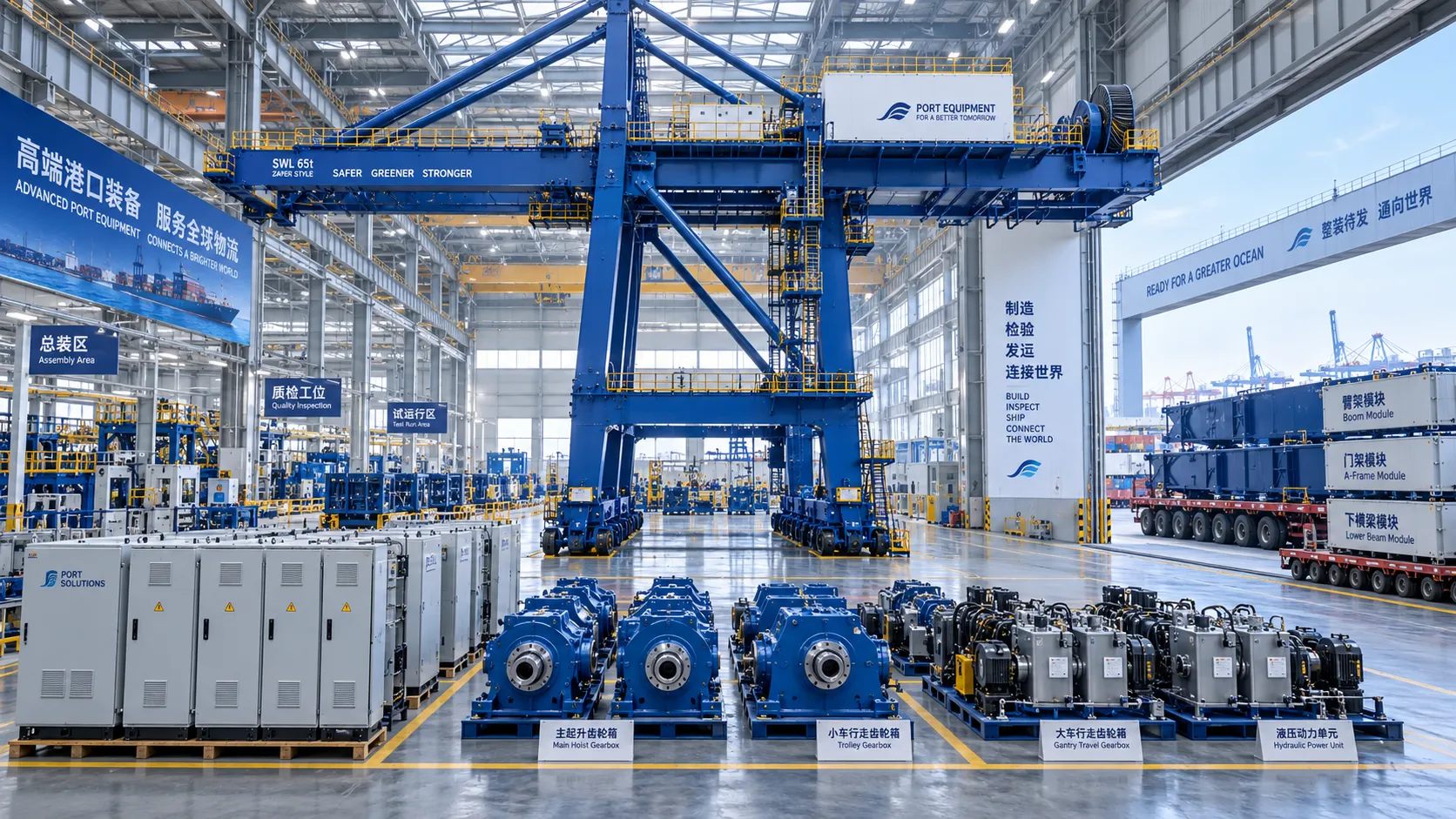
How Can Port Equipment Lead-Time Risk Be Managed?
How can port equipment lead-time risk be managed? Explore practical strategies to control critical paths, suppliers, transport, site readiness, and commissioning delays.
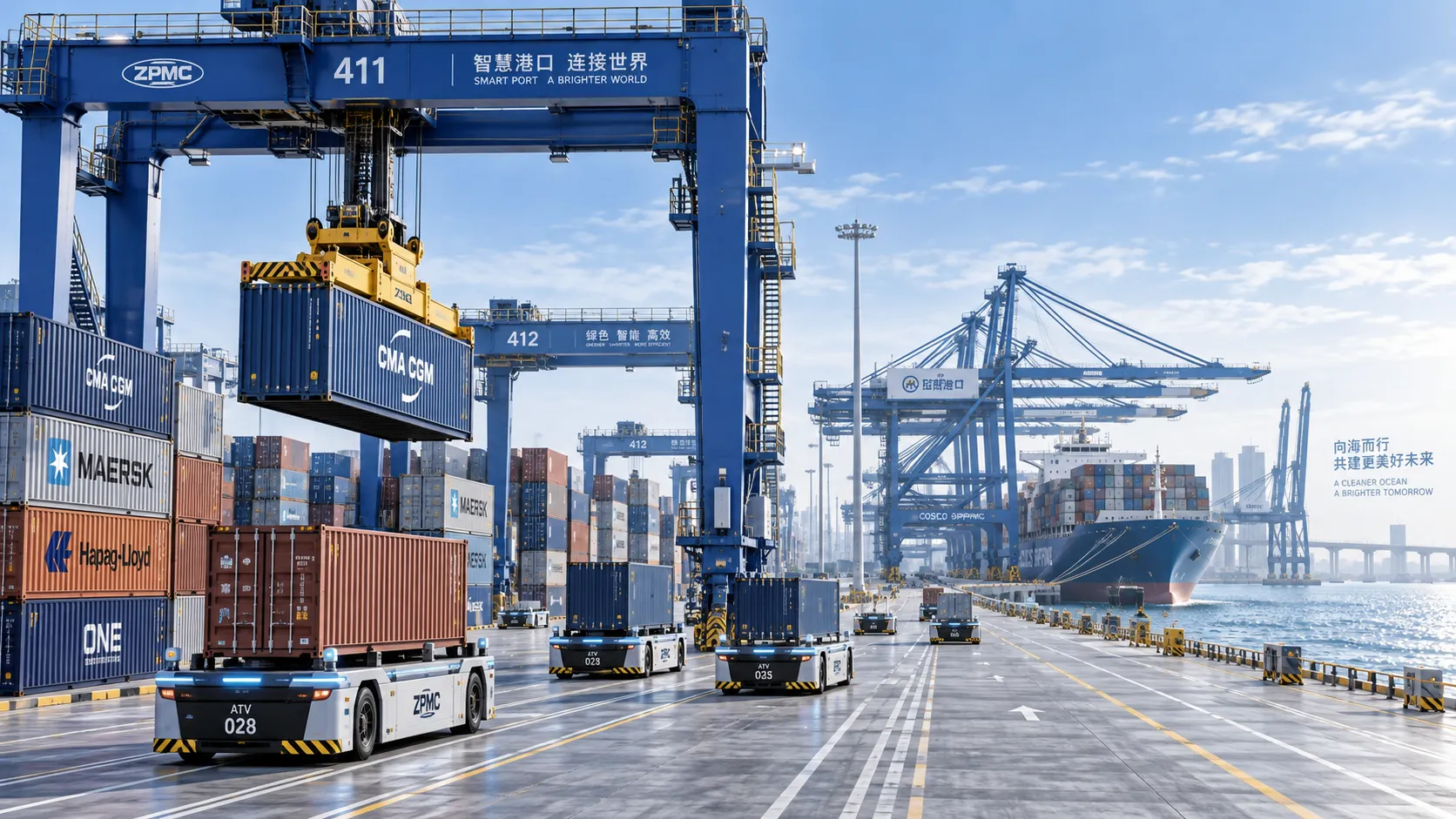
Terminal Automation Technologies That Raise Container Throughput Without Yard Disruption
Terminal automation technology that increases container throughput without disrupting yard flow. Explore smarter integration, resilient workflows, and phased deployment strategies.
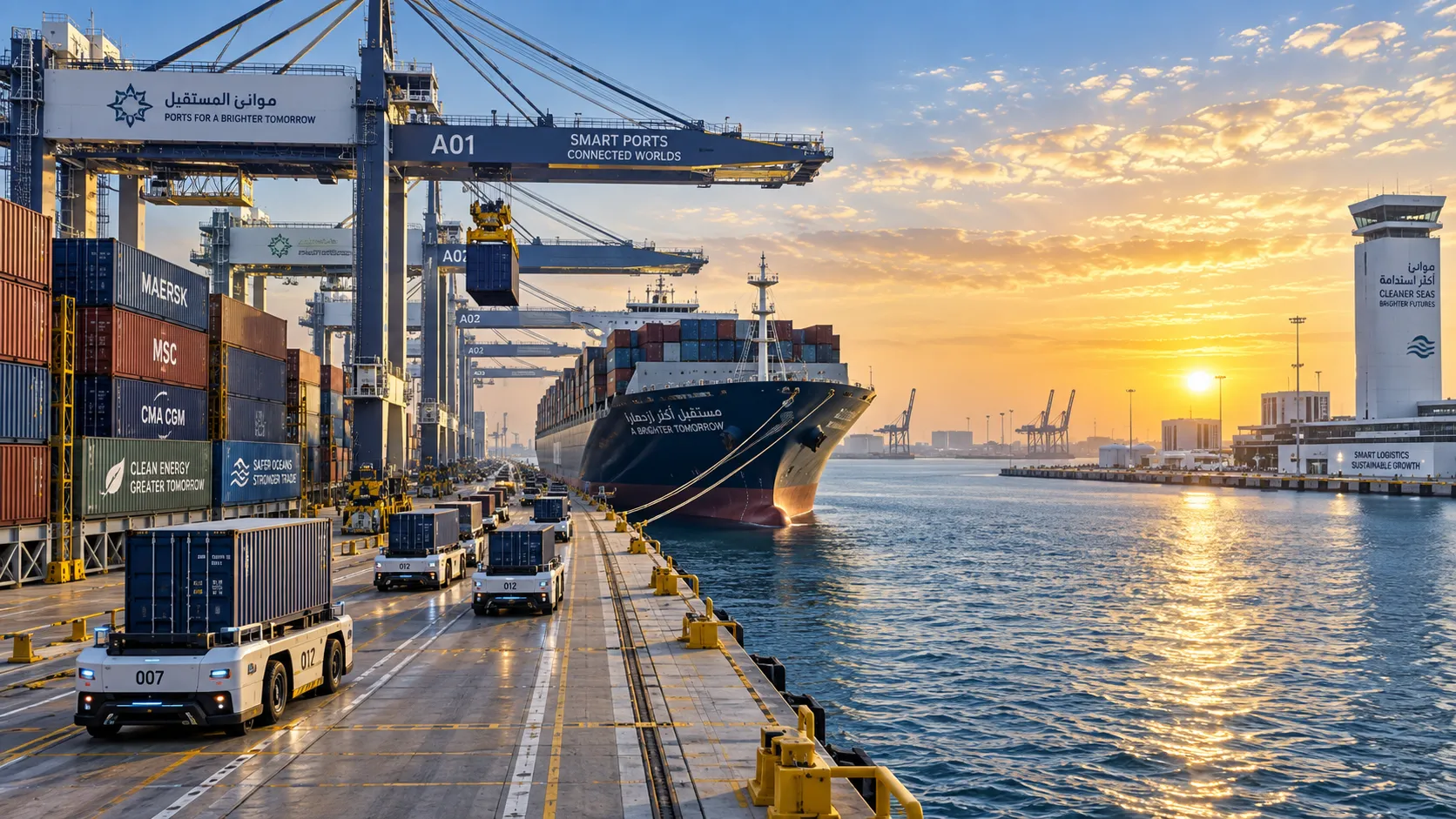
Middle East Port Automation: Key Market Drivers, Projects, and Investment Risks
Port automation systems Middle East: explore market drivers, flagship projects, integration challenges, and investment risks shaping smarter, resilient terminals.
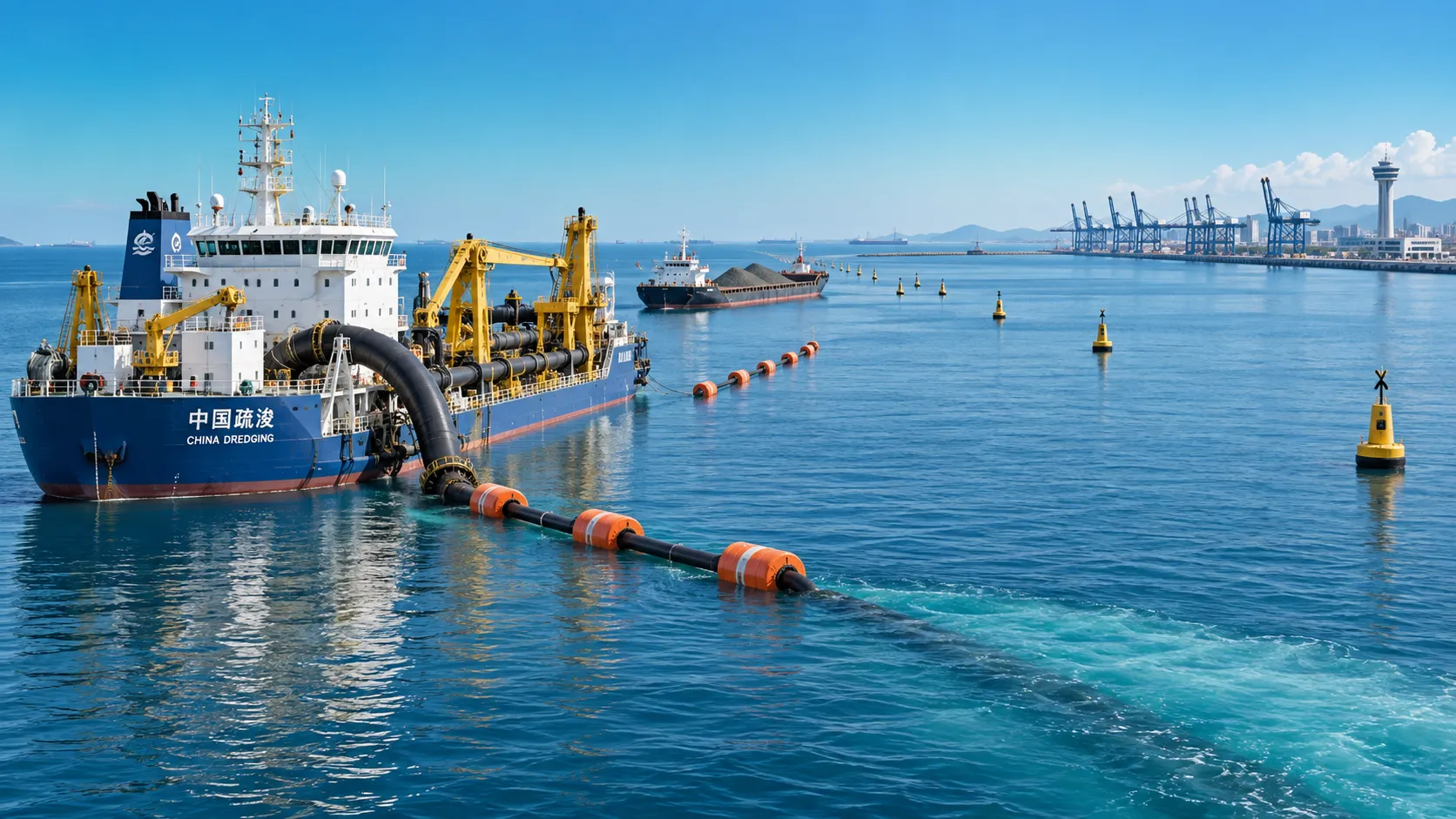
Planning Offshore Dredging Operations: Key Risks, Methods, and Project Controls
Offshore dredging operations demand smart planning. Explore key risks, proven methods, environmental controls, and project strategies for reliable delivery.