Related News
- 00
0000-00
How to Evaluate Terminal Efficiency Solution Suppliers for High-Throughput Operations - 00
0000-00
What to Consider When Buying Electric Port Machinery for Container Terminals - 00
0000-00
How to Select Container Handling Equipment for Middle East Ports and Terminals - 00
0000-00
How to Evaluate a Port Machinery Exporter for Large-Scale Terminal Projects - 00
0000-00
Evaluating a Dredging Equipment Manufacturer for Mining Plant Supply
How to Evaluate a Port Infrastructure Supplier for Capacity, Compliance, and Lifecycle Cost
Choosing a port infrastructure supplier is rarely a simple sourcing exercise. The decision shapes berth productivity, yard fluidity, safety exposure, and the long-term economics of marine assets. In a market shaped by automation, emissions targets, and tighter regulatory scrutiny, supplier evaluation has become a strategic discipline rather than a price comparison. For complex terminal and dredging projects, the most reliable choice is usually the one that proves capacity, manages compliance without friction, and delivers a credible lifecycle cost profile.
Why supplier evaluation now carries more operational weight
Port infrastructure has become more interconnected than in previous upgrade cycles. A quay crane, AGV route controller, yard transfer system, or dredging package no longer performs as a standalone asset.
Each system affects scheduling logic, maintenance planning, energy use, and vessel turnaround. A weak port infrastructure supplier can therefore create hidden bottlenecks far beyond the equipment scope.
This matters across several PS-Nexus focus areas. Mega terminal gear defines throughput ceilings. Automation systems govern dispatch quality. Dredging equipment influences channel reliability and expansion timing.
As ports pursue smart operations and net-zero pathways, supplier quality also determines how smoothly new assets fit digital control layers, emissions reporting, and future retrofit plans.
What a strong port infrastructure supplier actually represents
A capable port infrastructure supplier is not only a manufacturer or integrator. In practice, it is a delivery partner that can translate design intent into dependable field performance.
That includes engineering depth, fabrication discipline, supply chain resilience, documentation control, commissioning support, and post-handover service. In automated environments, software compatibility matters as much as mechanical robustness.
For marine and port projects, the supplier may cover one or several domains:
- Terminal structures and heavy loading systems
- Container handling machinery and mobility solutions
- Automation, remote control, and asset scheduling interfaces
- Bulk handling or energy logistics equipment
- Dredging engineering systems and monitoring tools
The wider the scope, the more important interface management becomes. That is often where bid-stage optimism fails under real operating conditions.
Capacity means more than rated output
Capacity is usually the first headline metric, but the useful question is broader. It is not only about how much equipment a supplier can build, but how reliably it can support the target operating profile.
Production and delivery capacity
A port infrastructure supplier should demonstrate factory throughput, critical component availability, and realistic lead times. This is especially important when projects depend on synchronized civil, marine, and equipment milestones.
Look beyond promised schedules. Ask how the supplier handled late design changes, steel price swings, transport disruptions, or control system shortages in recent projects.
Operational capacity in real conditions
Nameplate performance rarely tells the full story. Terminal assets must operate under weather variation, tidal constraints, corrosive environments, uneven cargo mix, and maintenance windows.
For example, crane cycle speed means little if the control architecture struggles with latency. Dredging output figures also need context on sediment type, pump wear, and monitoring accuracy.
Integration capacity
One of the most overlooked criteria is integration readiness. A capable port infrastructure supplier should be able to connect with terminal operating systems, energy management tools, remote diagnostics, and maintenance platforms.
This is where PS-Nexus-style intelligence becomes useful. Low-latency communication, AGV path-planning logic, and digital equipment monitoring often determine whether headline capacity becomes usable capacity.
Compliance should be treated as an operating safeguard
Compliance is often reviewed as a document package near award stage. That approach is risky. In port projects, compliance failures can delay commissioning, trigger redesign, or create insurance and liability complications.
A qualified port infrastructure supplier should show a mature process for codes, certifications, inspection records, and traceability. The standard set will vary by geography and asset type.
The core issue is not paperwork volume. It is whether compliance is embedded in engineering, manufacturing, testing, and site acceptance.
It is also worth testing how the supplier responds to regulatory change. Ports now face shifting expectations around electrification, digital security, and remote operations governance.
Lifecycle cost is where weak bids become expensive
The lowest initial quote can become the highest long-term burden. That is why lifecycle cost should sit beside technical scoring, not behind it.
A full review usually includes acquisition cost, installation, civil interfaces, training, energy use, wear parts, downtime probability, software support, and residual value.
For a port infrastructure supplier, credibility matters more than optimistic savings claims. The useful evidence includes service intervals, installed-base failure data, spare parts localization, and upgrade pathways.
Where hidden costs often appear
- Frequent shutdowns caused by control system instability
- Special spare parts with long import lead times
- Energy consumption above modeled assumptions
- Corrosion or wear rates unsuited to local conditions
- Contract exclusions around commissioning support
- Future software licensing or cybersecurity retrofits
This is especially relevant for automated handling systems and dredging assets. Sensors, remote links, and diagnostic layers can cut costs, but only when support obligations are clearly defined.
How to compare suppliers across different port scenarios
Not every port project should weigh criteria in the same way. The right port infrastructure supplier for a greenfield automated terminal may not be the best fit for a brownfield berth retrofit.
Typical decision contexts
This scenario-based comparison usually produces better decisions than a generic weighted matrix. It also helps identify where supplier references are truly relevant.
Practical signals that deserve closer attention
Several warning signs tend to appear before contract award, not after. They are often visible in clarification rounds, technical deviations, or overly polished performance claims.
- Capacity claims rely on ideal assumptions without site data
- Compliance statements are generic and not asset-specific
- Lifecycle models exclude downtime or software obligations
- Reference projects differ sharply in scale or environment
- After-sales support is outsourced without clear accountability
By contrast, a credible port infrastructure supplier usually answers with constraints, assumptions, and risk controls rather than perfect certainty. That is often a sign of engineering maturity.
A more disciplined next step
A sound evaluation process starts with a clear operating brief. Define throughput targets, duty cycles, environmental constraints, digital interfaces, maintenance philosophy, and compliance boundaries before comparing offers.
Then test each port infrastructure supplier against real scenarios rather than brochure promises. Review delivered performance, not only rated performance. Check whether lifecycle assumptions still hold under local operating conditions.
Where decisions involve automated container handling, heavy terminal gear, or dredging engineering, independent market intelligence can sharpen that review. Sources such as PS-Nexus are useful because they connect equipment capability, control logic, and trade-driven demand signals.
The most effective outcome is not simply selecting a port infrastructure supplier. It is building a decision framework that remains valid when technology shifts, regulations tighten, and terminal priorities change.
Related News
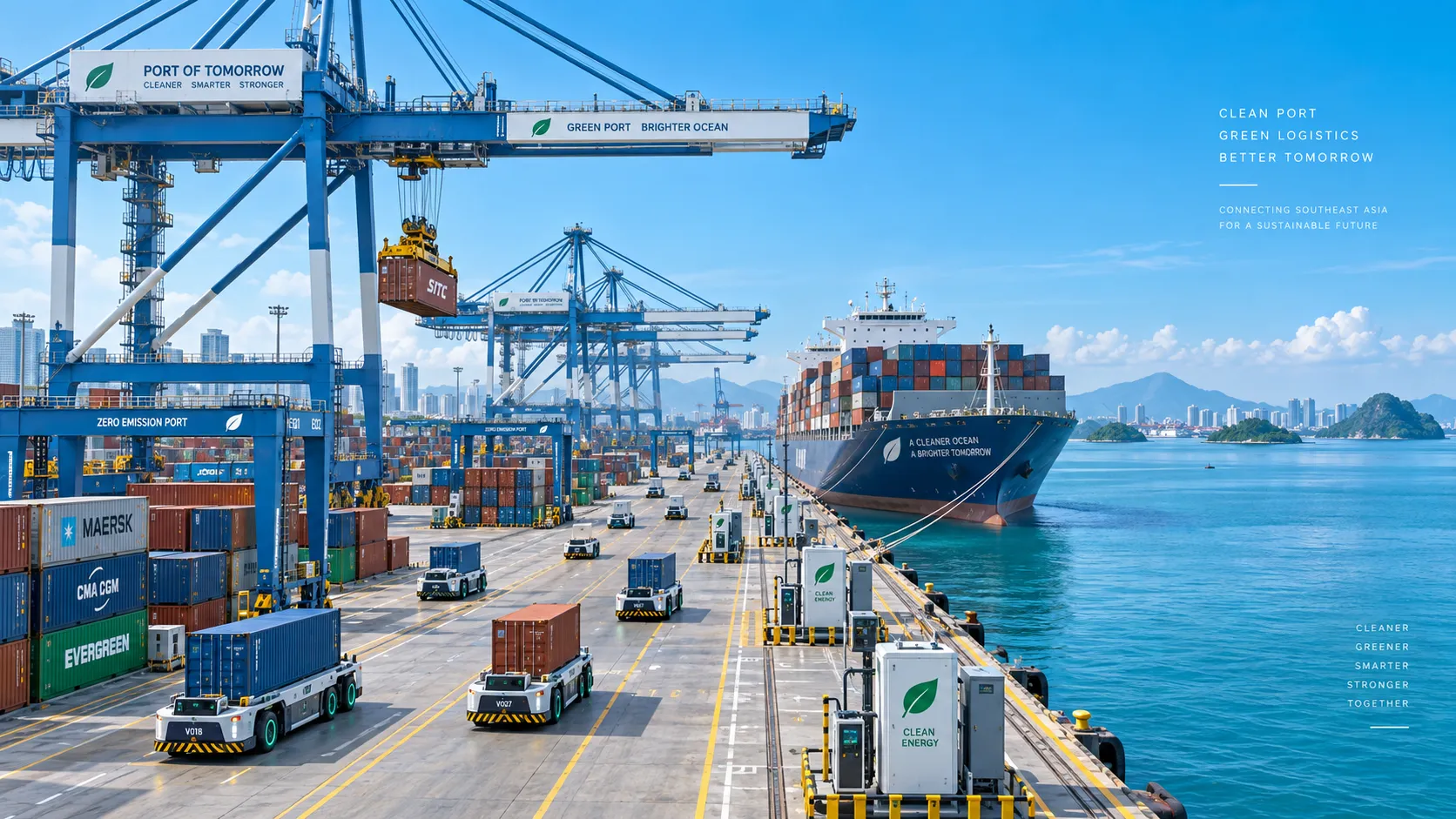
Smart Port Systems in Southeast Asia: Investment Priorities and Adoption Barriers
Smart port systems Southeast Asia: discover investment priorities, adoption barriers, and practical steps to build resilient, connected, high-performing terminals.

How to Evaluate Terminal Efficiency Solution Suppliers for High-Throughput Operations
Choose a terminal efficiency solutions supplier with confidence. Explore proven criteria for throughput, integration, lifecycle cost, safety, and reliable delivery.
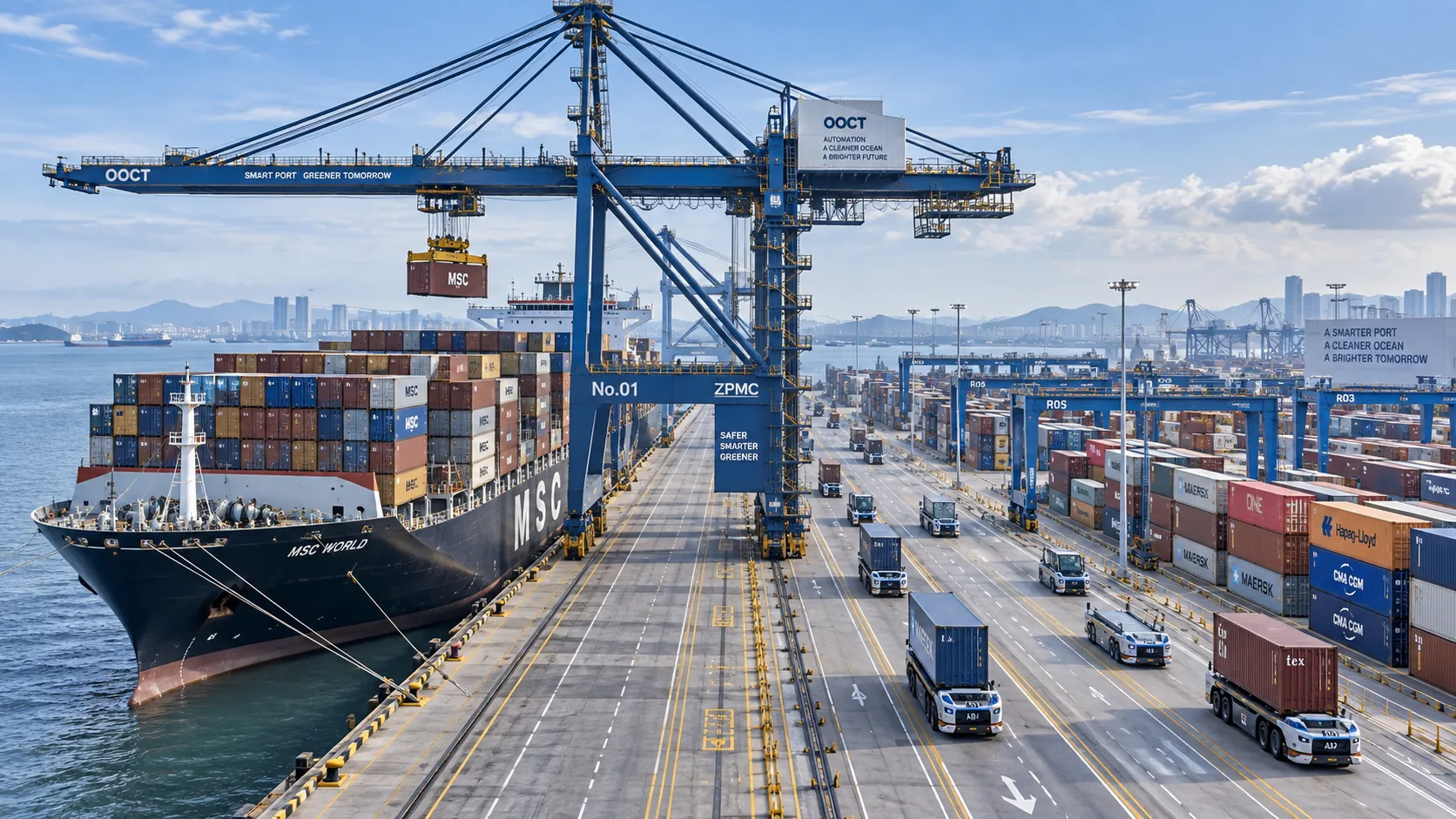
How to Specify a Quay Crane for Container Terminals by Vessel Size and Throughput?
Quay crane for container terminals: learn how to match outreach, lift height, capacity, automation, and cycle performance to vessel size and throughput goals.
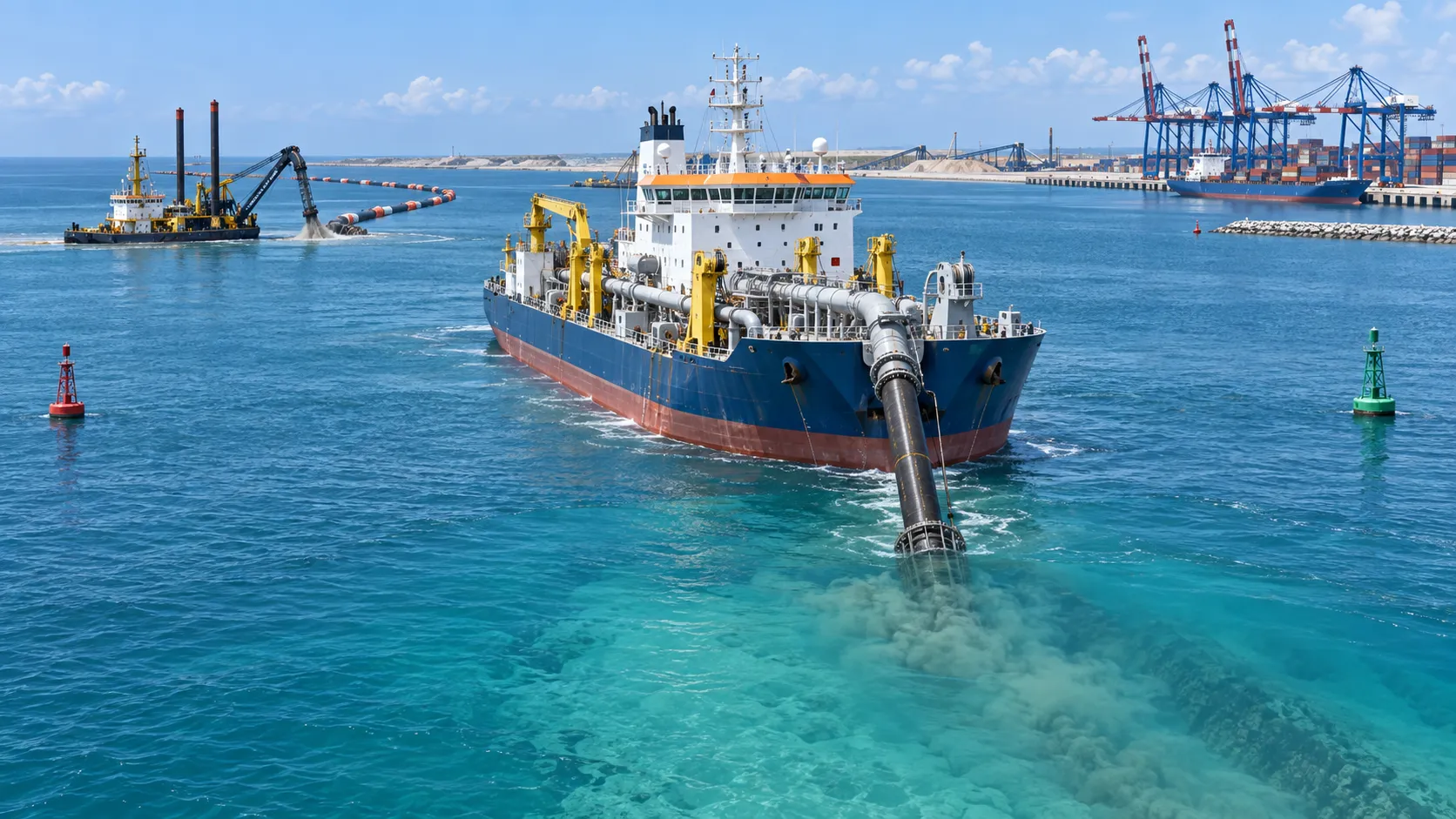
What Dredging Equipment Is Needed for Channel Deepening?
What dredging equipment is needed for channel deepening? Explore dredgers, pipelines, survey tools, and planning strategies for safer, more efficient port access.
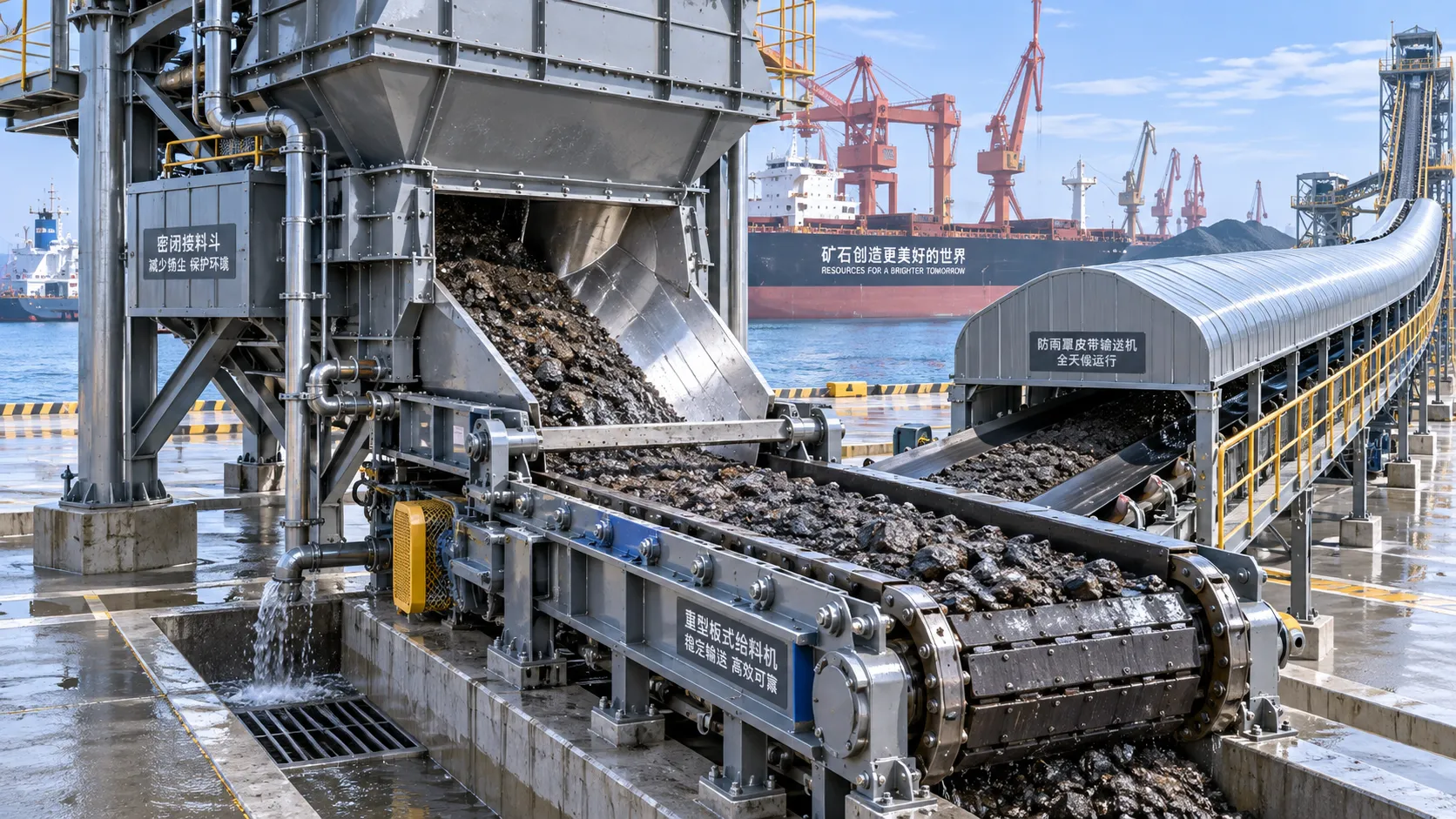
Which Bulk Handling Equipment Suits High-Moisture Cargo?
Which bulk handling equipment suits high-moisture cargo? Compare belt, apron, screw, drag, and slurry systems for reliable flow, less carryback, and higher terminal uptime.
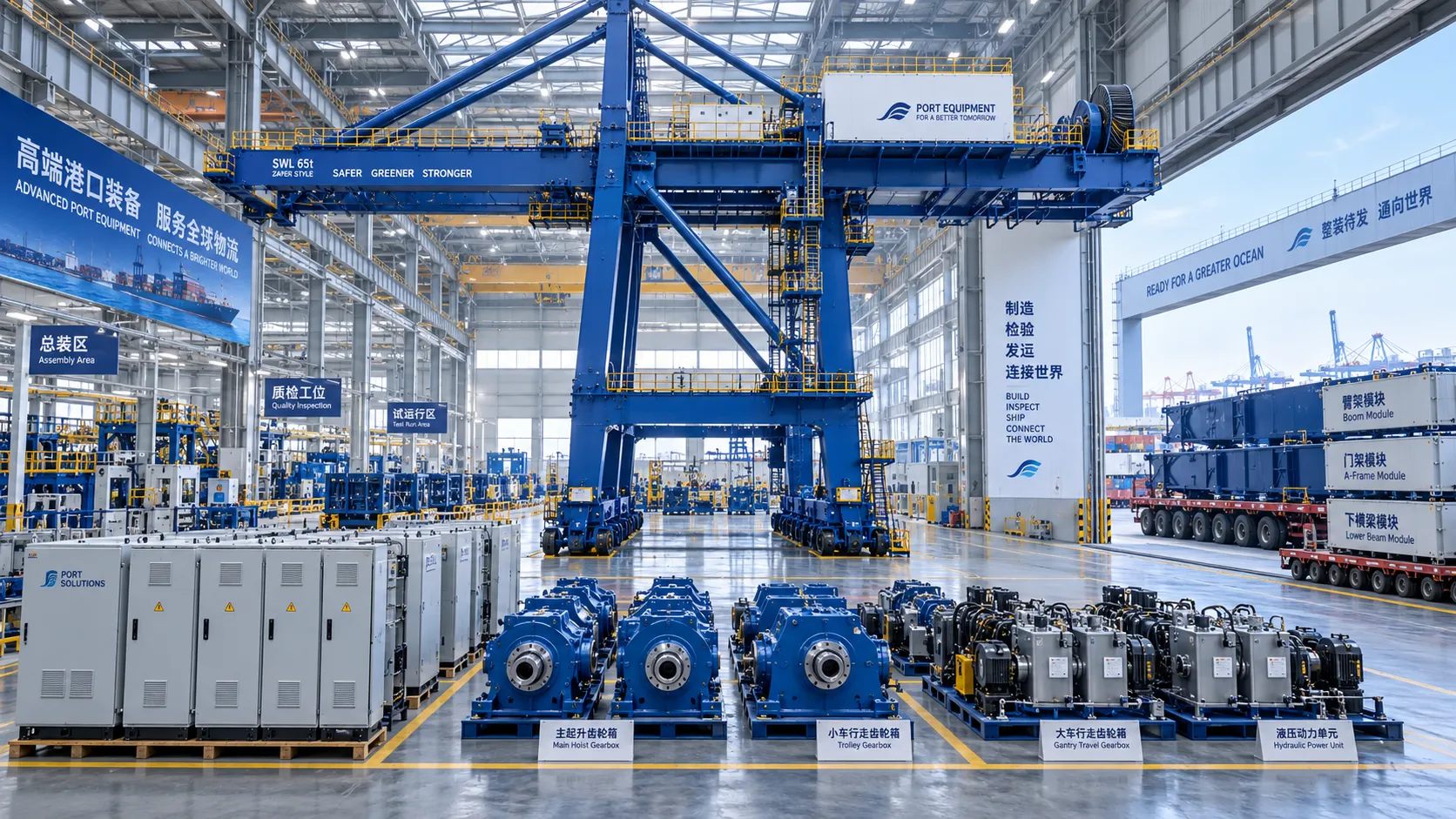
How Can Port Equipment Lead-Time Risk Be Managed?
How can port equipment lead-time risk be managed? Explore practical strategies to control critical paths, suppliers, transport, site readiness, and commissioning delays.
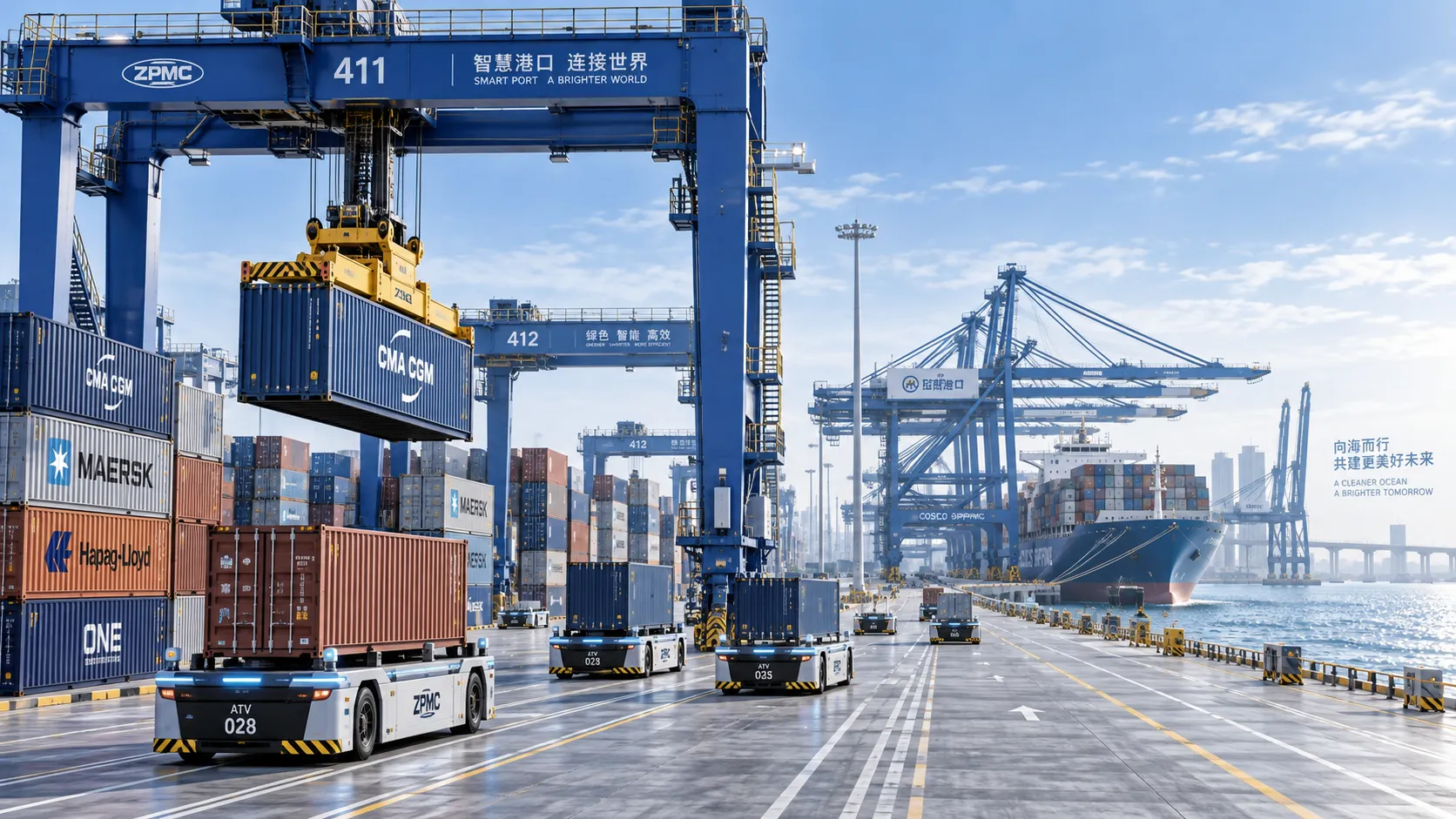
Terminal Automation Technologies That Raise Container Throughput Without Yard Disruption
Terminal automation technology that increases container throughput without disrupting yard flow. Explore smarter integration, resilient workflows, and phased deployment strategies.
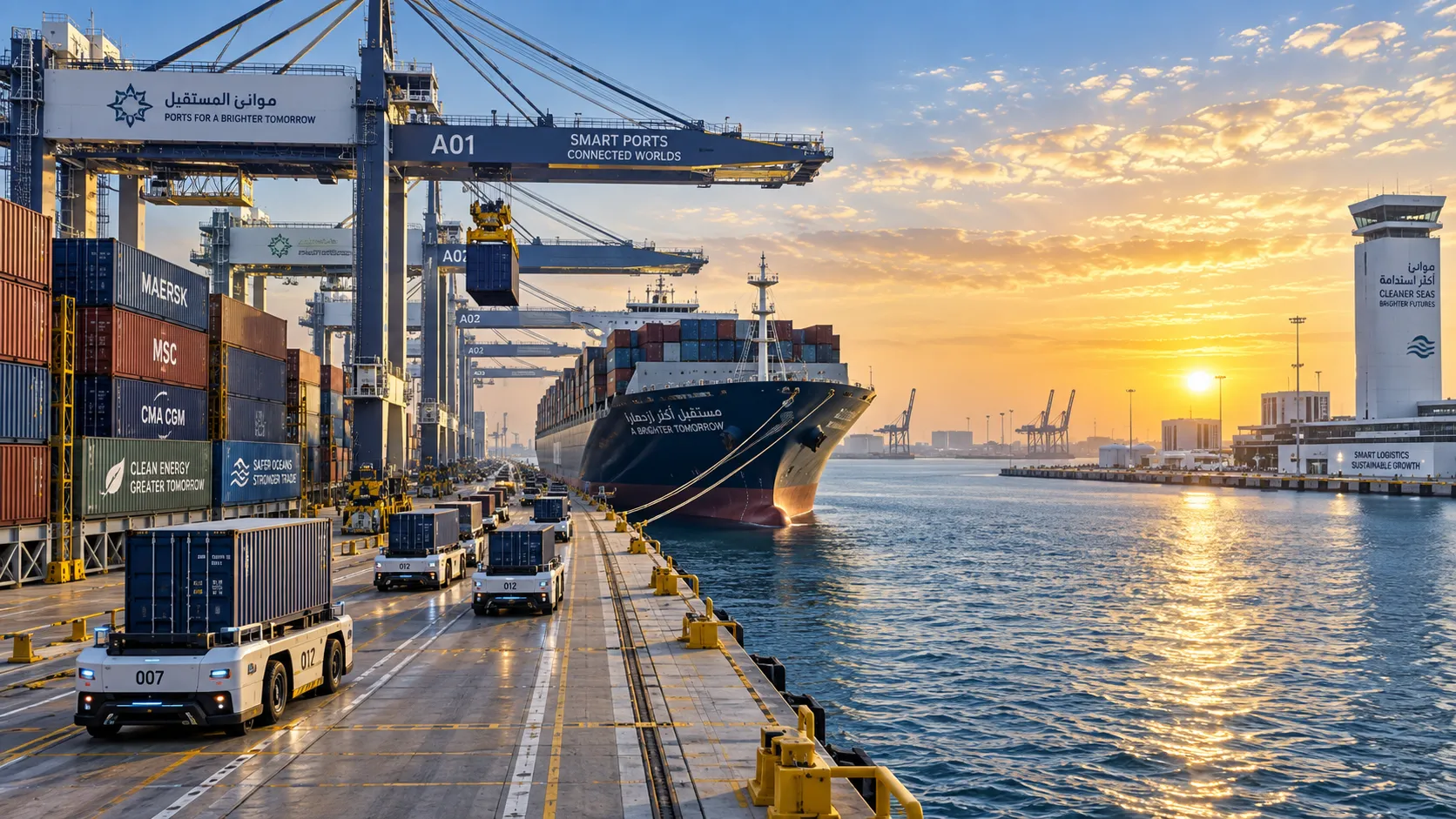
Middle East Port Automation: Key Market Drivers, Projects, and Investment Risks
Port automation systems Middle East: explore market drivers, flagship projects, integration challenges, and investment risks shaping smarter, resilient terminals.
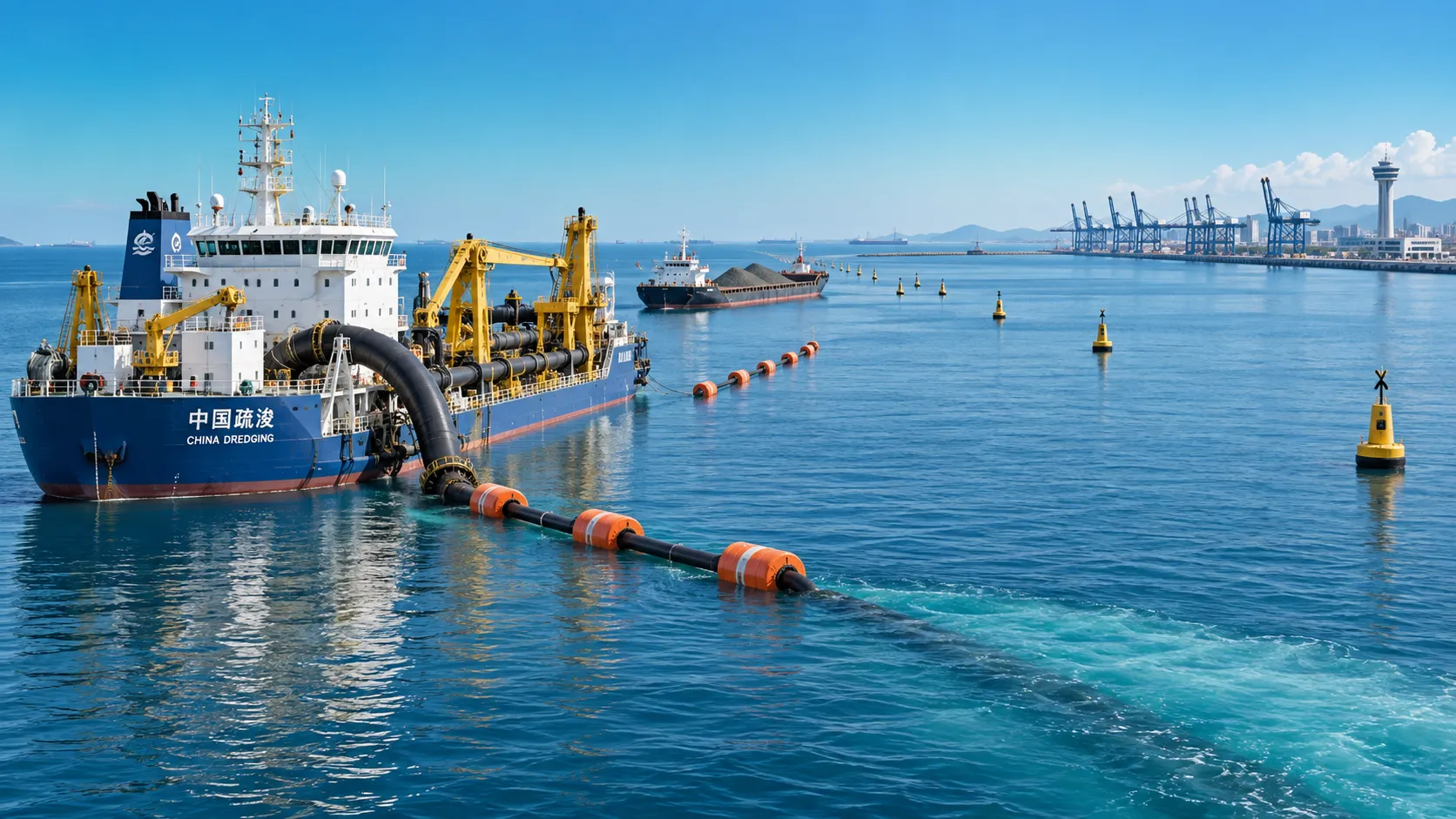
Planning Offshore Dredging Operations: Key Risks, Methods, and Project Controls
Offshore dredging operations demand smart planning. Explore key risks, proven methods, environmental controls, and project strategies for reliable delivery.