Related News
- 00
0000-00
How to Evaluate Terminal Efficiency Solution Suppliers for High-Throughput Operations - 00
0000-00
What to Consider When Buying Electric Port Machinery for Container Terminals - 00
0000-00
How to Select Container Handling Equipment for Middle East Ports and Terminals - 00
0000-00
How to Evaluate a Port Machinery Exporter for Large-Scale Terminal Projects - 00
0000-00
Evaluating a Dredging Equipment Manufacturer for Mining Plant Supply
Heavy Terminal Gear Buying Checklist: Load Rating, Duty Cycle, and Maintenance Costs
Why does buying heavy terminal gear need a stricter checklist now?
Buying heavy terminal gear rarely fails because of one obvious mistake. It usually goes wrong through small assumptions about load, hours, servicing, or integration.
That is why a checklist matters. In ports, bulk yards, and automated terminals, the price tag is only one part of the decision.
A lower purchase price can become expensive when downtime rises, spare parts slow operations, or energy demand exceeds the original estimate.
The better approach is to compare heavy terminal gear through three linked questions: can it carry the real load, sustain the real duty cycle, and remain affordable to maintain?
PS-Nexus often frames this wider context well. Heavy equipment decisions are no longer isolated mechanical choices. They sit inside trade flow volatility, automation logic, and long-cycle infrastructure planning.
In practical terms, that means the best heavy terminal gear is the one that fits both operational demand and the terminal’s future operating model.
How should load rating be read without misjudging real capacity?
Load rating is often treated as a simple headline number. It is not. The useful question is whether the rated capacity matches the actual working condition.
For heavy terminal gear, rated load depends on reach, lift height, attachment type, wind exposure, cargo density, and motion frequency.
A machine that performs well in standard testing may lose effective capacity in a terminal facing uneven loads, aggressive cycles, or irregular vessel schedules.
This is where many comparisons become distorted. One supplier may quote safe working load under ideal geometry, while another prices around a more conservative operating envelope.
A better buying question is not “What is the maximum load?” but “What load can this machine handle repeatedly under our daily operating window?”
Need to compare options quickly? Use a short validation list before advancing any quotation.
- Check rated load at the exact outreach and lift profile required.
- Confirm attachment weight is already included in the load figure.
- Review derating under wind, slope, temperature, and continuous operation.
- Match the rating to the heaviest routine load, not the average load.
- Ask for performance data from similar port or bulk handling applications.
When heavy terminal gear will support automated workflows, load rating also affects software scheduling. If the real capacity is overstated, algorithmic dispatch plans can become unreliable.
What does duty cycle really tell you about equipment life?
Duty cycle is one of the most underused buying filters. Yet it often reveals more about long-term suitability than the headline capacity figure.
In simple terms, duty cycle describes how hard and how often the machine is expected to work. It reflects repetition, load intensity, heat buildup, and rest periods.
For heavy terminal gear, a mismatch here can shorten component life even when the unit never exceeds its nominal load rating.
This matters in container transfer, bulk reclaiming, ship loading, and dredging support operations. Utilization patterns differ sharply across these environments.
Some machines are built for intermittent peaks. Others are engineered for near-continuous movement across long shifts, often with digital controls and remote monitoring.
The table below helps separate the questions worth asking before choosing heavy terminal gear for a high-throughput site.
If the seller cannot explain duty cycle in operational terms, the quotation is still incomplete. Real reliability begins where specification sheets stop.
Where do maintenance costs usually hide in heavy terminal gear proposals?
Maintenance cost is rarely hidden in one place. It is spread across parts, labor, consumables, diagnostics, downtime, and service access.
That is why two machines with similar capital cost can produce very different lifetime economics.
For heavy terminal gear, the most expensive maintenance issue is often lost availability. A delayed crane, stacker, or conveyor system affects far more than a repair invoice.
In busy terminals, one failure can disrupt yard planning, berth productivity, truck turnaround, and labor allocation. The real cost extends beyond the workshop.
More careful buyers therefore ask for a maintenance map, not just a maintenance promise.
- Preventive intervals for major components, not only daily checks.
- Lead times for critical spares in the operating region.
- Access requirements for service bays, lifting tools, and technician safety.
- Software licensing or remote diagnostics fees in automated systems.
- Expected overhaul timing for hydraulic, electrical, and structural systems.
PS-Nexus regularly highlights the value of digital monitoring in port automation and dredging equipment. That matters here because predictive maintenance can reduce surprise stoppages, but only if sensor support and data access are clear in the contract.
It is also worth checking whether maintenance tasks require proprietary tools. When heavy terminal gear depends on closed diagnostic systems, service flexibility may shrink over time.
How do you compare two similar machines without defaulting to price?
When two options appear close, price becomes tempting as the tie-breaker. That is often the wrong moment to simplify.
A stronger comparison uses operating fit. In other words, which heavy terminal gear creates the least mismatch with the site’s workflow, maintenance capability, and expansion plan?
Start by scoring each option against the same decision fields. This keeps sales language from overshadowing operating reality.
This kind of comparison is especially useful when terminal modernization is planned in phases. Heavy terminal gear bought today should not block tomorrow’s control architecture or emissions strategy.
Which buying mistakes show up most often after installation?
The most common mistake is specifying around ideal throughput rather than actual disruption. Ports and yards do not operate in perfect averages.
Another frequent error is treating maintenance as a post-purchase issue. For heavy terminal gear, maintenance structure should influence selection from day one.
A third mistake is ignoring system interaction. One machine may look efficient by itself, yet create delays when paired with existing cranes, AGVs, conveyors, or berth schedules.
There is also a financing bias. A lower initial quote can feel safer, even when it carries weaker durability, thinner support coverage, or higher downtime exposure.
The more reliable path is to build a short approval framework before final selection.
- Define the worst-case operating scenario, not only the standard shift.
- Request lifecycle cost assumptions in writing.
- Check compatibility with planned automation or emissions upgrades.
- Validate local spares coverage and technical response times.
- Use site-specific load and duty data during technical review.
In sectors tracked by PS-Nexus, the stronger decisions usually come from combining equipment data with trade patterns, throughput forecasts, and infrastructure constraints.
What is the smartest next step before issuing a final purchase decision?
The smartest next step is to turn the checklist into a comparison sheet based on the real site profile.
List the true load range, shift intensity, environmental conditions, maintenance capability, and control-system requirements. Then test each heavy terminal gear option against the same framework.
If the application touches container automation, bulk handling, or dredging-linked support work, include data visibility and remote diagnostics in the evaluation.
That reflects the direction of modern port operations, where mechanical strength and digital coordination increasingly move together.
A good buying checklist does not chase the biggest specification. It reduces uncertainty around load rating, duty cycle, and maintenance costs before those risks become operational problems.
When the comparison is structured this way, heavy terminal gear selection becomes clearer, more defensible, and more aligned with long-term terminal value.
Related News
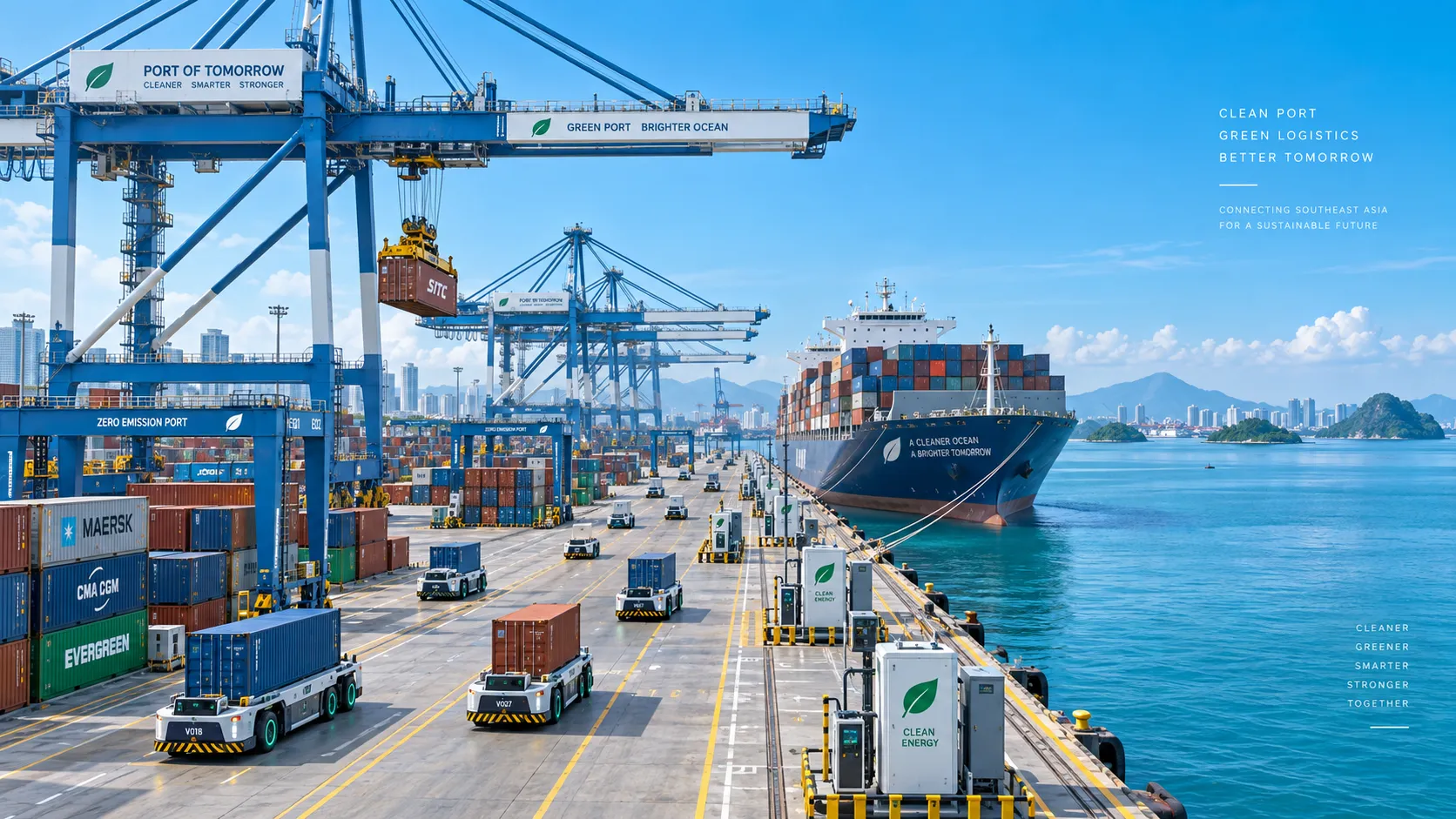
Smart Port Systems in Southeast Asia: Investment Priorities and Adoption Barriers
Smart port systems Southeast Asia: discover investment priorities, adoption barriers, and practical steps to build resilient, connected, high-performing terminals.
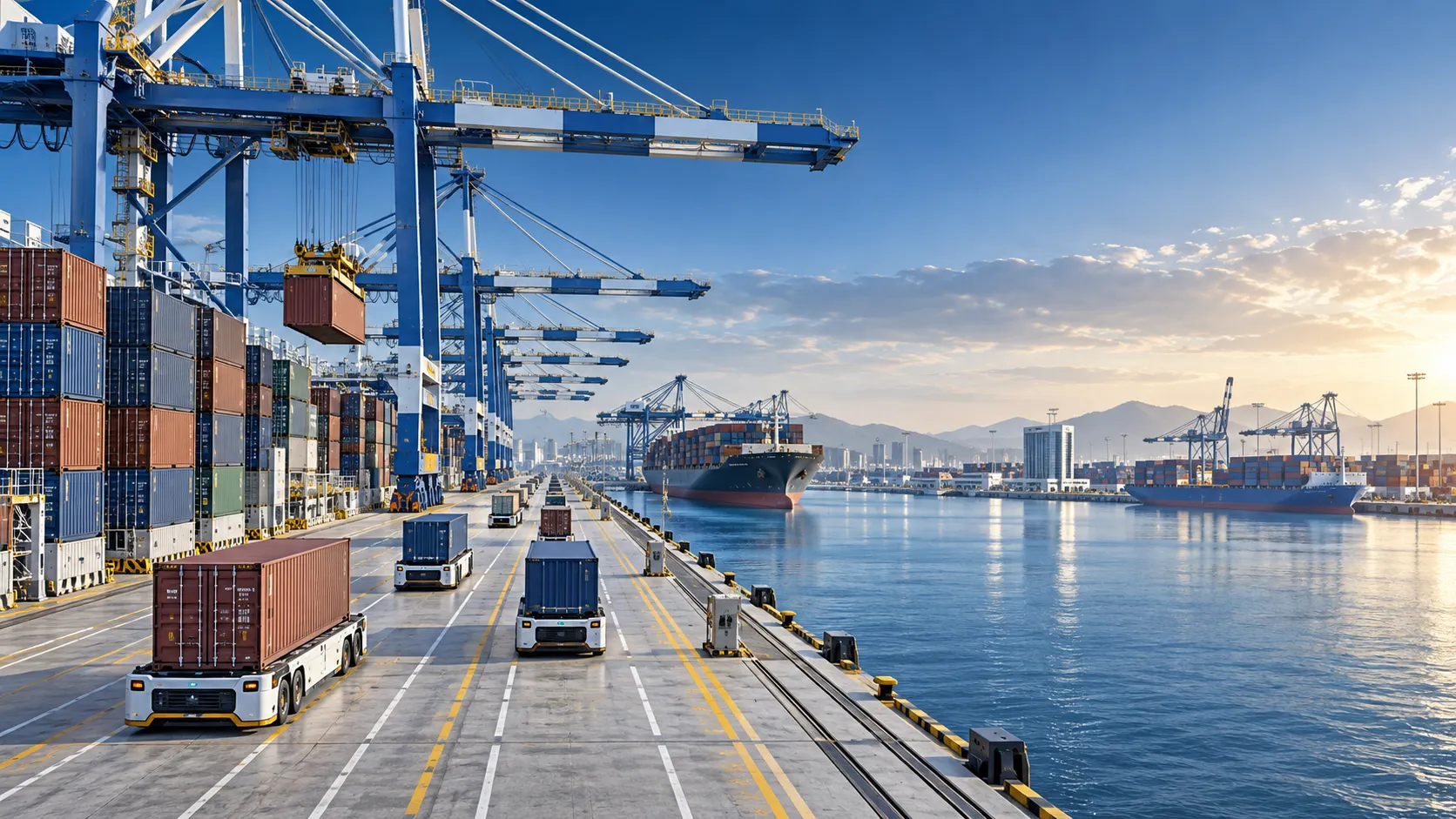
How to Evaluate Terminal Efficiency Solution Suppliers for High-Throughput Operations
Choose a terminal efficiency solutions supplier with confidence. Explore proven criteria for throughput, integration, lifecycle cost, safety, and reliable delivery.
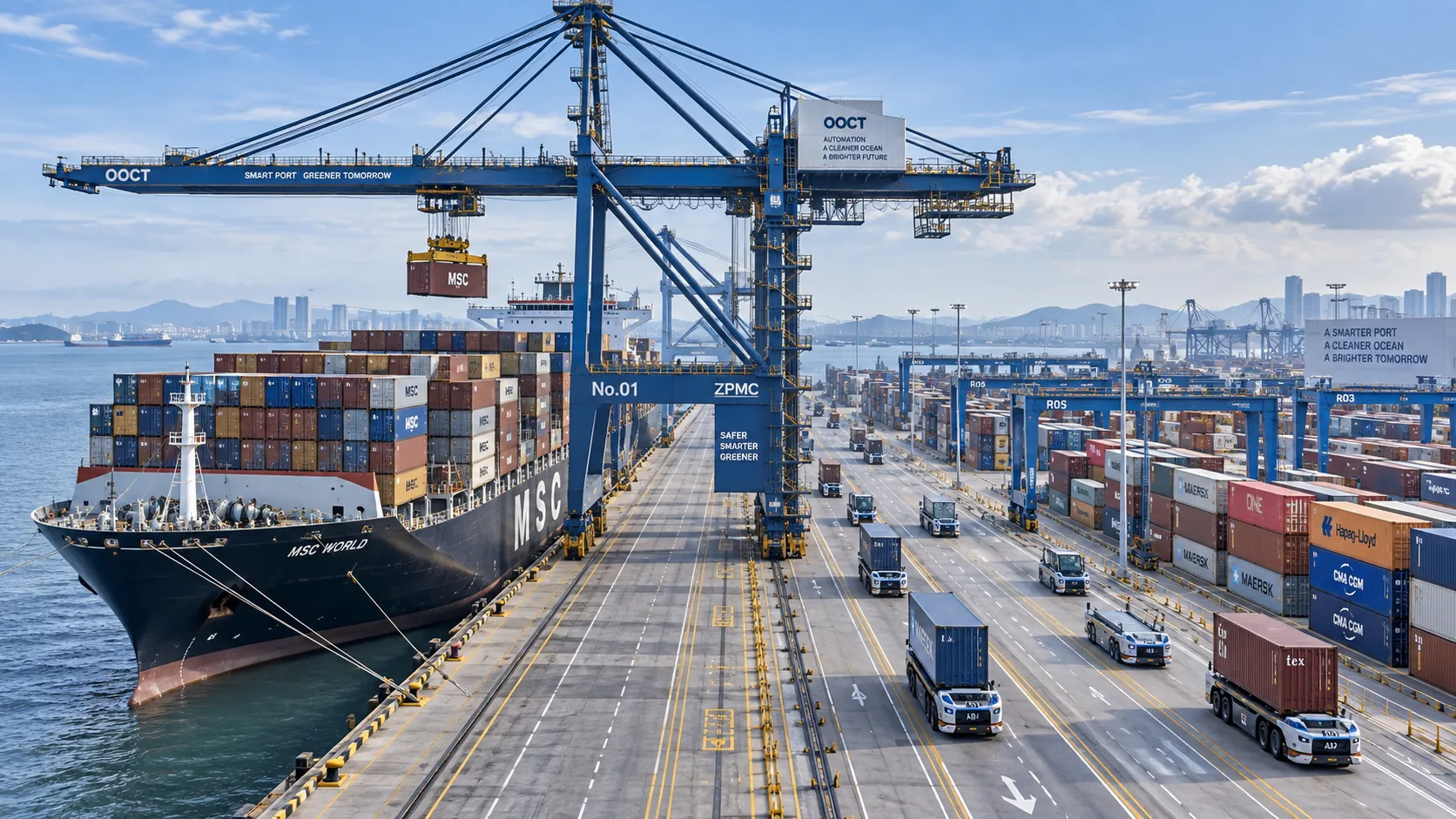
How to Specify a Quay Crane for Container Terminals by Vessel Size and Throughput?
Quay crane for container terminals: learn how to match outreach, lift height, capacity, automation, and cycle performance to vessel size and throughput goals.
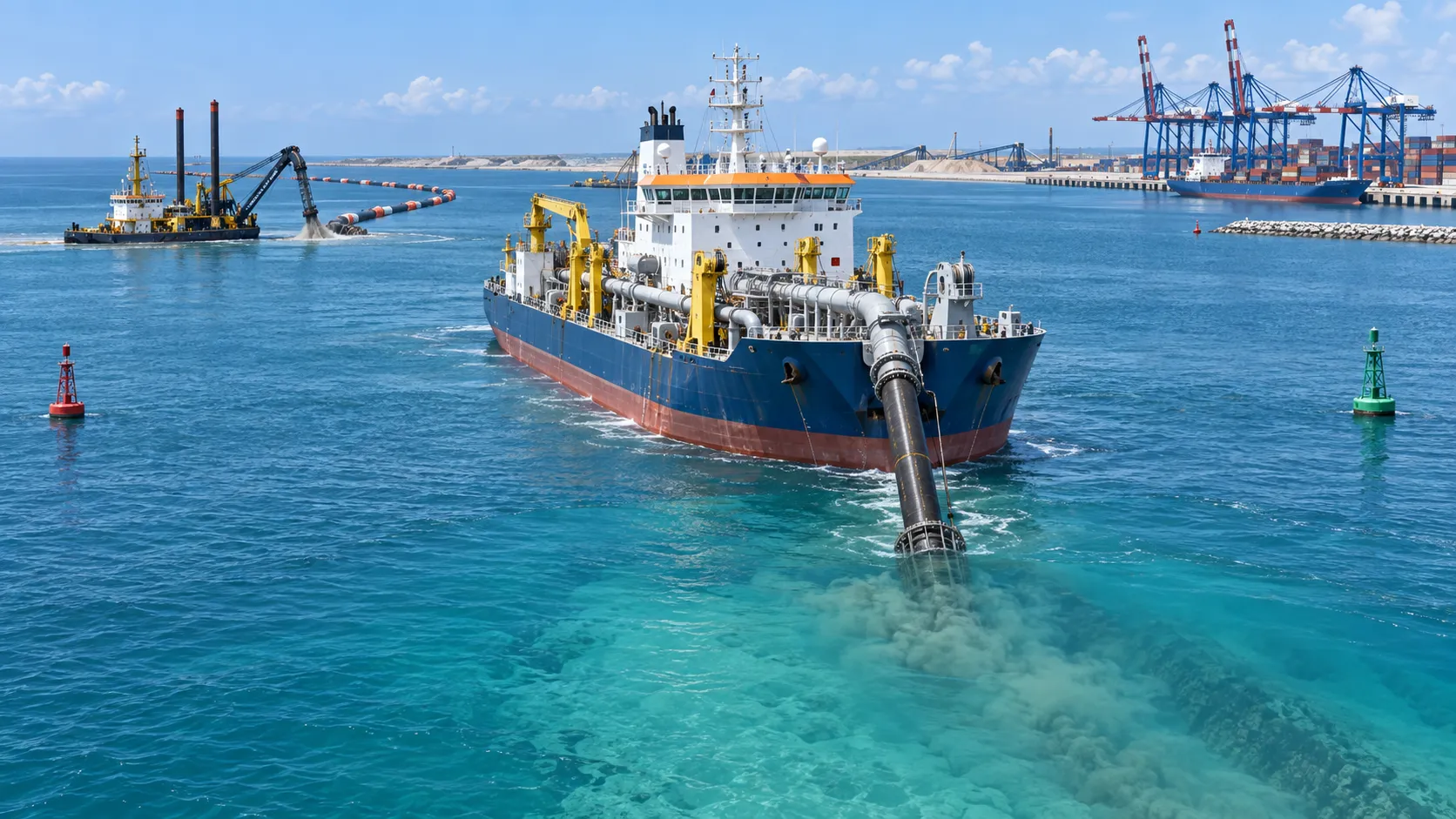
What Dredging Equipment Is Needed for Channel Deepening?
What dredging equipment is needed for channel deepening? Explore dredgers, pipelines, survey tools, and planning strategies for safer, more efficient port access.
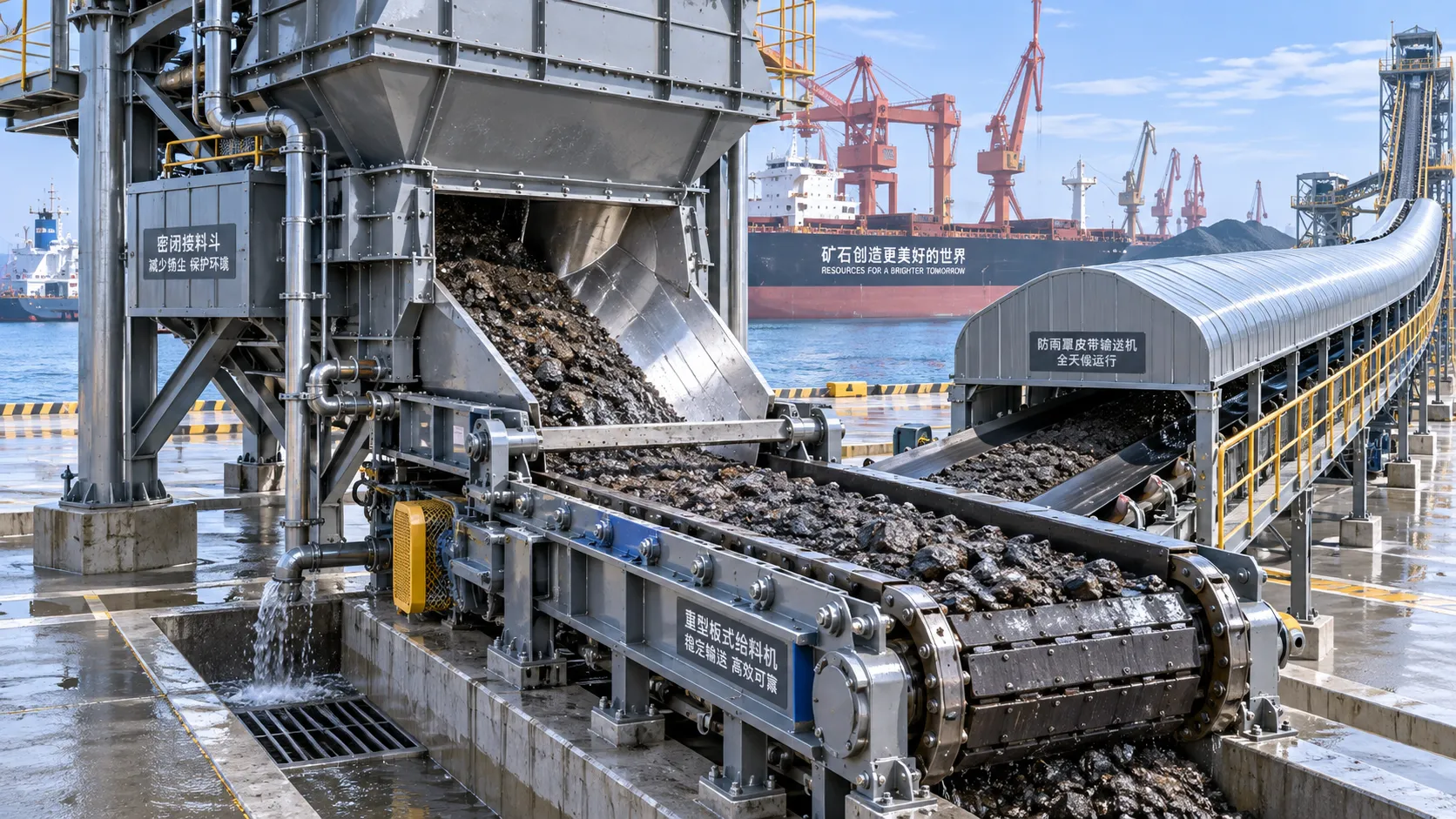
Which Bulk Handling Equipment Suits High-Moisture Cargo?
Which bulk handling equipment suits high-moisture cargo? Compare belt, apron, screw, drag, and slurry systems for reliable flow, less carryback, and higher terminal uptime.
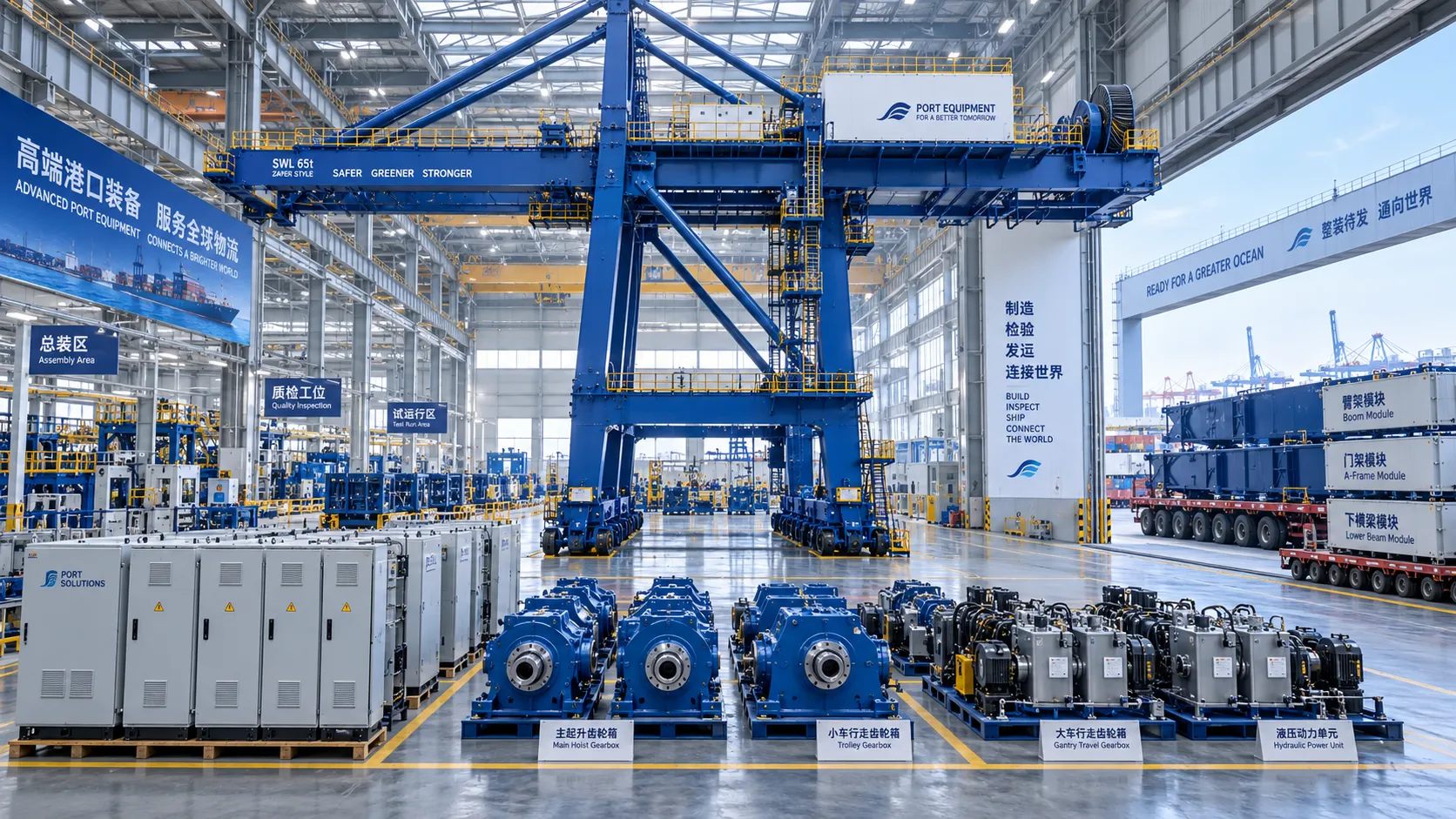
How Can Port Equipment Lead-Time Risk Be Managed?
How can port equipment lead-time risk be managed? Explore practical strategies to control critical paths, suppliers, transport, site readiness, and commissioning delays.
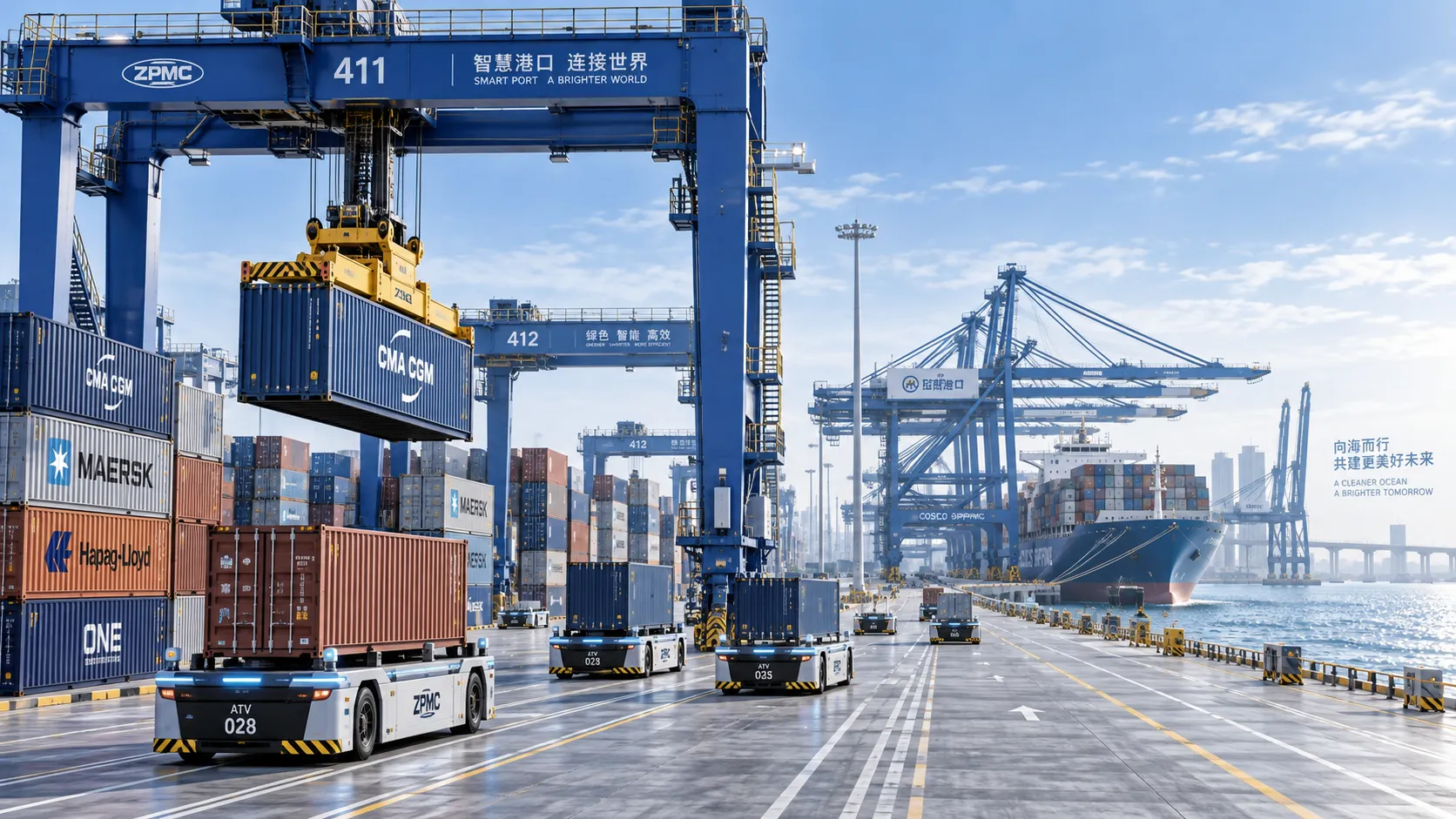
Terminal Automation Technologies That Raise Container Throughput Without Yard Disruption
Terminal automation technology that increases container throughput without disrupting yard flow. Explore smarter integration, resilient workflows, and phased deployment strategies.
Middle East Port Automation: Key Market Drivers, Projects, and Investment Risks
Port automation systems Middle East: explore market drivers, flagship projects, integration challenges, and investment risks shaping smarter, resilient terminals.
Planning Offshore Dredging Operations: Key Risks, Methods, and Project Controls
Offshore dredging operations demand smart planning. Explore key risks, proven methods, environmental controls, and project strategies for reliable delivery.