Related News
- 00
0000-00
How to Evaluate Terminal Efficiency Solution Suppliers for High-Throughput Operations - 00
0000-00
What to Consider When Buying Electric Port Machinery for Container Terminals - 00
0000-00
How to Select Container Handling Equipment for Middle East Ports and Terminals - 00
0000-00
How to Evaluate a Port Machinery Exporter for Large-Scale Terminal Projects - 00
0000-00
Evaluating a Dredging Equipment Manufacturer for Mining Plant Supply
Marine Engineering Solutions for Port Expansion: Key Systems, Risks, and Budget Factors
Marine engineering solutions for port expansion: what should be understood first?
Marine engineering solutions are not a single package. They combine civil works, dredging, equipment interfaces, utilities, and digital control planning.
That matters because port expansion usually fails at the connection points, not at one isolated asset.
A deeper berth without crane rail alignment creates delay. A wider yard without traffic logic creates congestion. New quay walls without sediment modeling create maintenance dredging pressure.
In practical terms, strong marine engineering solutions answer three linked questions.
- What vessel class and cargo mix will the port serve over the next ten to twenty years?
- Which systems must be built now, and which can be staged later without rework?
- How will structural, operational, and environmental decisions affect life-cycle cost?
This is where market intelligence becomes useful. Platforms such as PS-Nexus track heavy terminal gear, dredging engineering, automation control, and trade flow signals together.
That broader view helps teams avoid designing for yesterday’s vessel patterns or buying infrastructure that limits future automation.
If the early definition is weak, cost estimates may look attractive at first, but scope changes usually arrive later and at a higher price.
Which systems usually drive port expansion decisions?
The most important marine engineering solutions are usually the ones that shape capacity, vessel access, and operational continuity.
A useful way to review them is by asking where each system changes throughput or risk.
Berth and waterfront structures
Quay walls, piles, deck slabs, fenders, bollards, crane beams, and mooring layouts define the physical loading envelope.
These systems must match vessel dimensions, crane loads, seismic conditions, corrosion exposure, and maintenance philosophy.
Dredging and seabed engineering
Dredging scope is not just about target depth. It also involves soil behavior, disposal routes, slope stability, turbidity control, and future siltation rates.
Many budget overruns begin here because subsurface conditions were simplified too early.
Terminal equipment interfaces
Port expansion increasingly depends on how marine works connect with quay cranes, AGVs, yard blocks, substations, and charging systems.
The civil layout has to support both current handling equipment and likely upgrades.
Automation and control readiness
In newer projects, marine engineering solutions often include pathways for fiber networks, remote control rooms, sensor mounting, and low-latency communication zones.
This is one reason PS-Nexus follows both heavy machinery and algorithmic scheduling trends. The physical port and the digital port now mature together.
A simple checklist helps separate core systems from optional upgrades.
How do you judge whether a proposed solution really fits the port?
The better question is not whether a design is technically possible. It is whether the marine engineering solutions fit the operating model, trade outlook, and expansion sequence.
For example, a container hub, a bulk import terminal, and a mixed coastal logistics base need very different priorities.
One practical method is to test the proposal against five fit criteria.
- Throughput fit: does the layout remove the real bottleneck, or only add visible infrastructure?
- Vessel fit: can the berth safely serve the design fleet under tide, wind, and maneuvering limits?
- Equipment fit: do rail gauge, deck loading, cable routing, and maintenance zones support planned machinery?
- Automation fit: can the site support control integration, traffic logic, and data visibility later on?
- Expansion fit: can Phase 2 be added without major demolition or operational shutdown?
In real projects, the strongest proposals are rarely the cheapest on paper. They are the ones that keep options open without creating hidden rework.
That is also why external intelligence matters. Trade lane shifts, crane technology changes, and dredging equipment capability can alter the right answer within a short planning cycle.
Where do marine engineering risks usually hide?
Most teams watch construction risk. Fewer pay enough attention to interface risk, permitting risk, and operating risk.
These are the areas where marine engineering solutions often look complete but still fail under real conditions.
Ground and seabed uncertainty
Unexpected rock, weak layers, contaminated sediment, or aggressive scour conditions can change both design and execution method.
The common mistake is treating limited investigation data as bankable certainty.
Operational assumptions that never get tested
A berth may look adequate in drawings but underperform once truck queues, yard transfer conflicts, and crane maintenance windows appear.
Simulation and staged operating scenarios reduce this blind spot.
Environmental and approval delays
Dredging windows, habitat controls, disposal permissions, and emissions targets can all reshape schedule logic.
Projects tied to net-zero targets also need to check shore power, electrified equipment corridors, and future energy demand.
Late integration with automation
A port that adds digital systems after the marine design is frozen often pays more for trenching, relocation, and downtime.
PS-Nexus regularly highlights this issue because control architecture and heavy terminal gear are no longer separate planning streams.
If one risk review table is needed early, it should look something like this.
What actually shapes the budget more than expected?
When people discuss marine engineering solutions, they often focus on headline construction cost. That is only part of the decision.
In many expansions, budget pressure comes from scope interaction, not one oversized line item.
The main cost drivers usually include the following.
- Dredging volume variability and disposal distance.
- Foundation complexity caused by weak ground or seismic requirements.
- Crane and equipment loads that force heavier structural design.
- Temporary works needed to keep cargo moving during construction.
- Power, communication, and automation infrastructure added late.
- Environmental mitigation, monitoring, and permit compliance obligations.
A more realistic budget review compares capital cost with operating consequence.
For instance, a cheaper berth layout may increase tug dependence, reduce crane productivity, or require more maintenance dredging. That lower upfront price can disappear quickly.
The same applies to automation readiness. Installing conduits, spare power capacity, and structured data pathways early is often more economical than reopening finished works later.
This is where intelligence-led benchmarking helps. By following heavy gear demand, control system evolution, and dredging technology shifts, PS-Nexus supports a more realistic view of budget exposure across the project life cycle.
Before moving ahead, what should be checked to avoid expensive revisions?
The final check is less about one perfect design and more about decision discipline.
Well-structured marine engineering solutions usually emerge from a short list of confirmed facts, not broad assumptions.
- Lock the design vessel range and cargo forecast before fixing berth geometry.
- Match dredging plans with verified geotechnical and environmental data.
- Test layout decisions against equipment paths, service zones, and maintenance access.
- Build automation, energy, and data requirements into the marine base design.
- Review phaseability so future expansion does not destroy current value.
A useful next step is to prepare a comparison matrix for two or three expansion concepts using capacity, dredging risk, automation readiness, and life-cycle cost.
That approach makes technical trade-offs visible early and reduces the chance of selecting a solution that looks efficient only in concept drawings.
Port expansion now sits at the intersection of heavy mechanical systems, digital coordination, and coastal engineering reality.
The best marine engineering solutions are the ones that keep those elements aligned from the first budget discussion to long-term terminal performance.
Related News
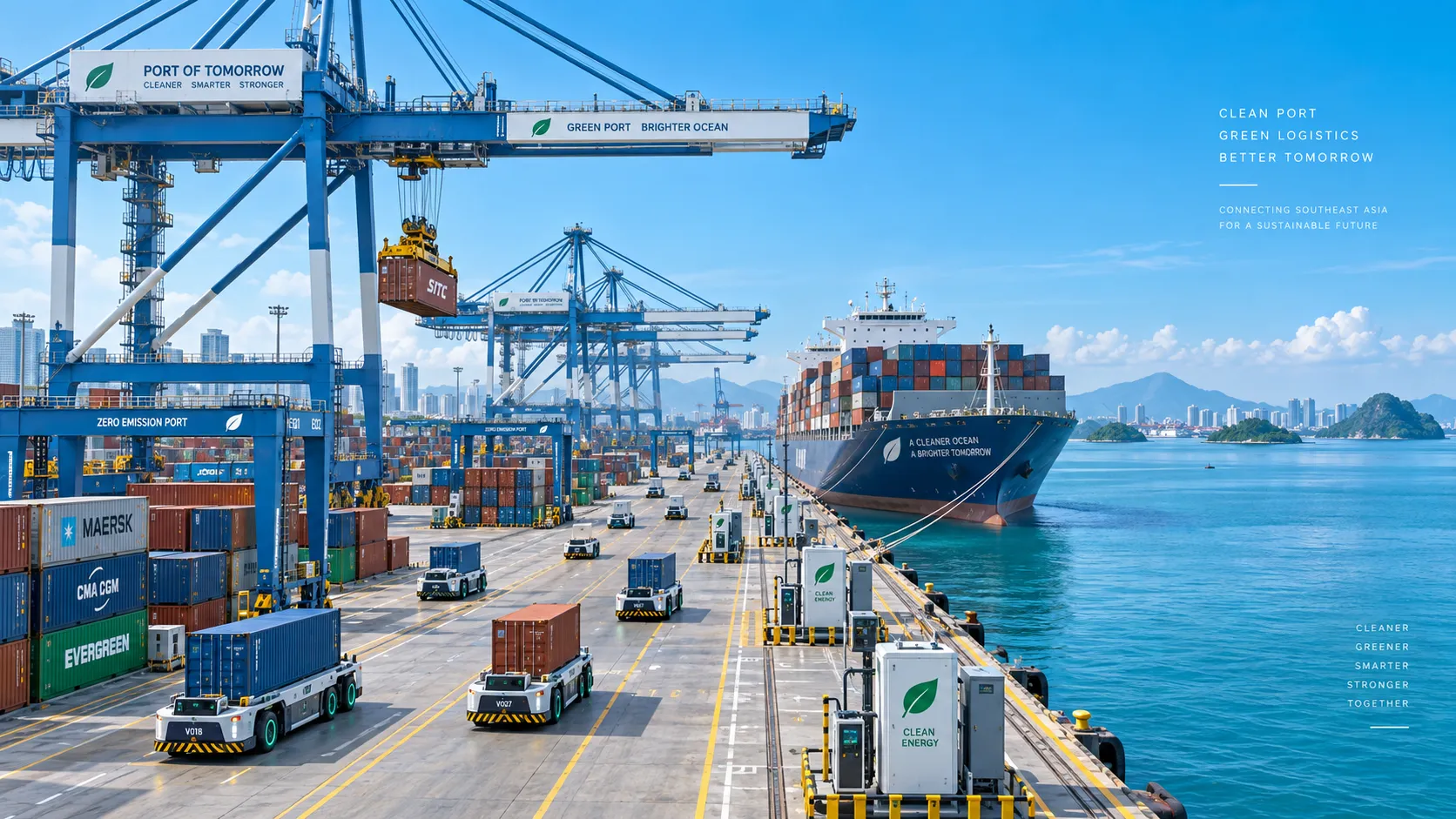
Smart Port Systems in Southeast Asia: Investment Priorities and Adoption Barriers
Smart port systems Southeast Asia: discover investment priorities, adoption barriers, and practical steps to build resilient, connected, high-performing terminals.
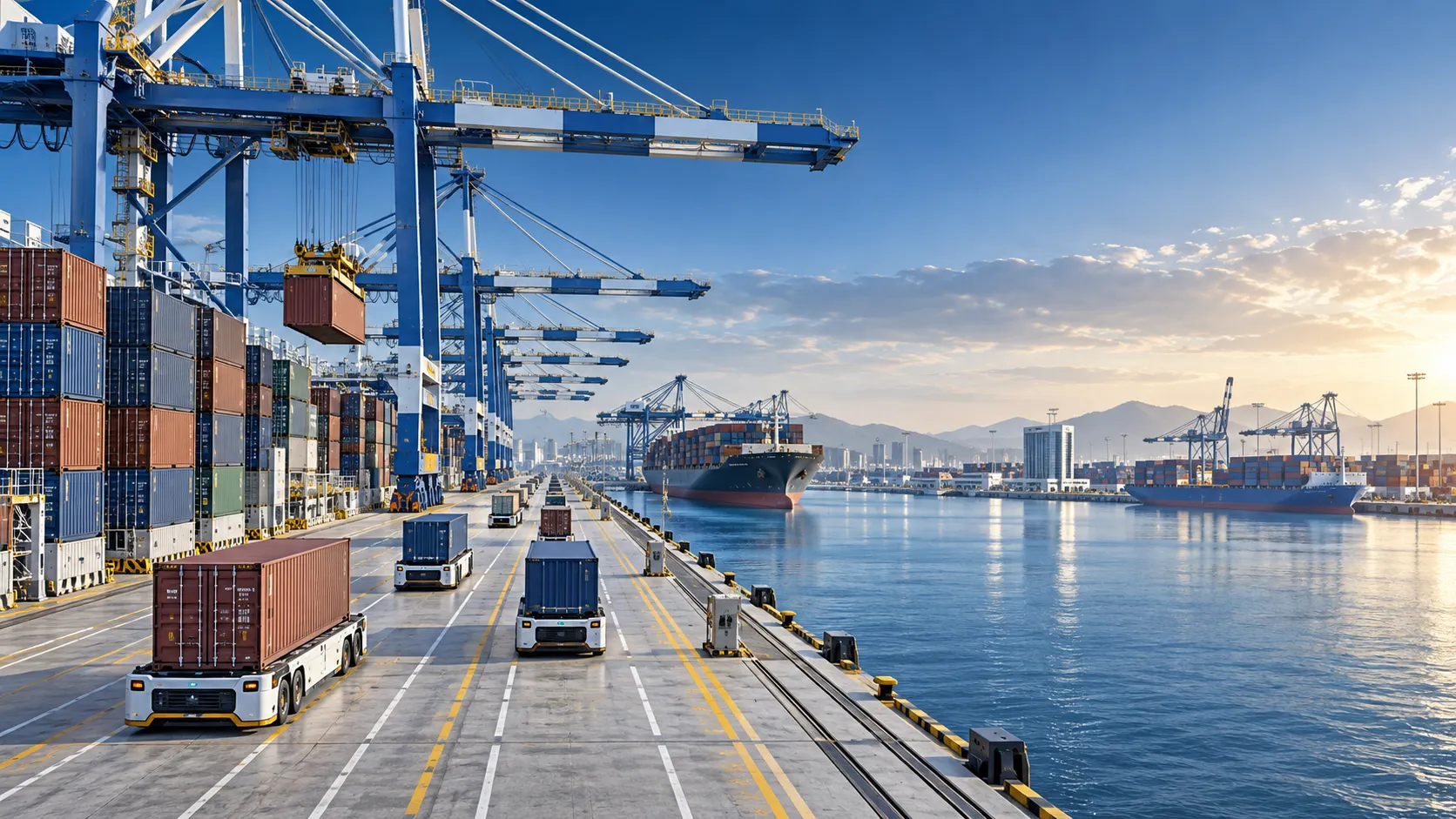
How to Evaluate Terminal Efficiency Solution Suppliers for High-Throughput Operations
Choose a terminal efficiency solutions supplier with confidence. Explore proven criteria for throughput, integration, lifecycle cost, safety, and reliable delivery.
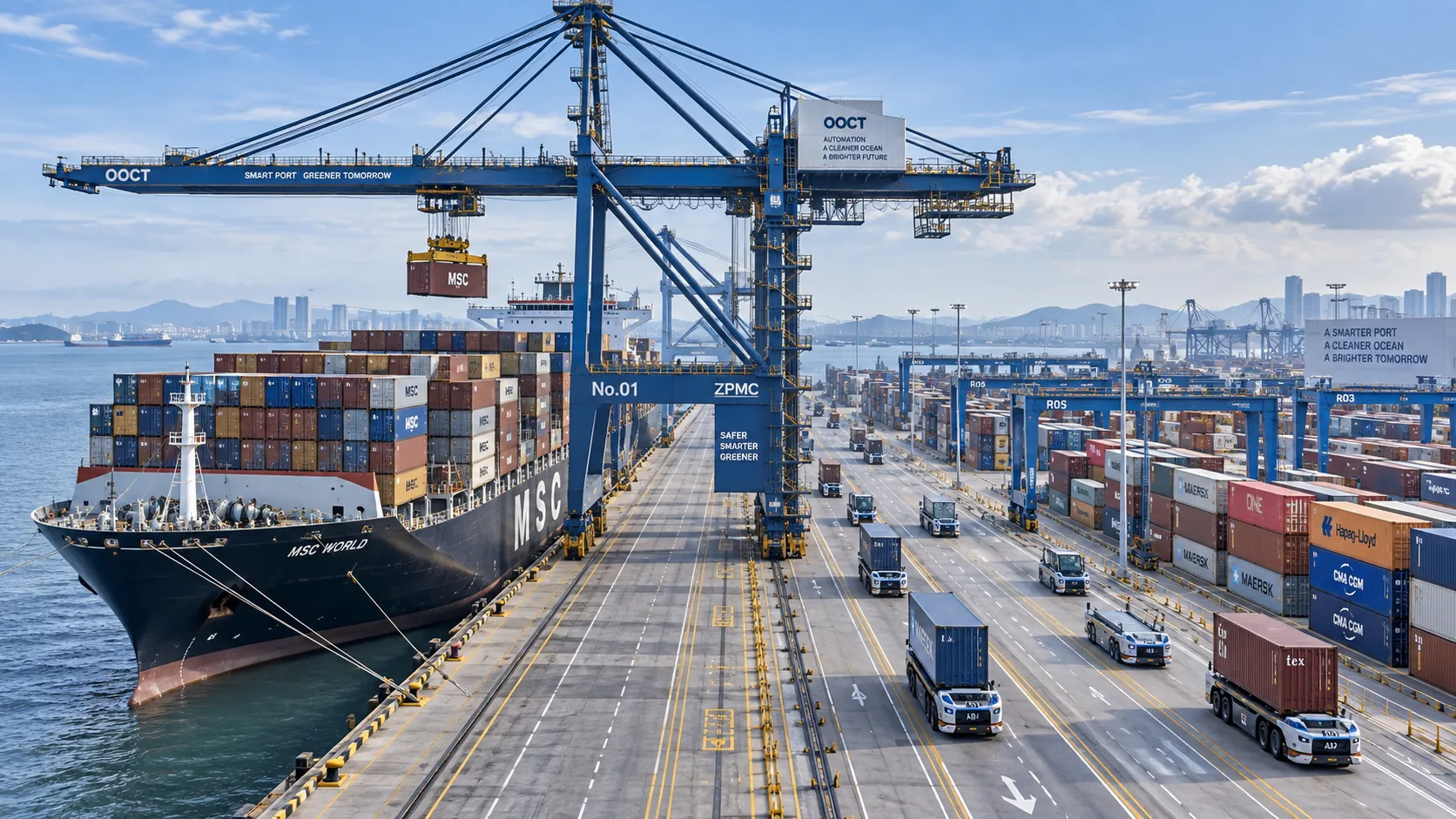
How to Specify a Quay Crane for Container Terminals by Vessel Size and Throughput?
Quay crane for container terminals: learn how to match outreach, lift height, capacity, automation, and cycle performance to vessel size and throughput goals.
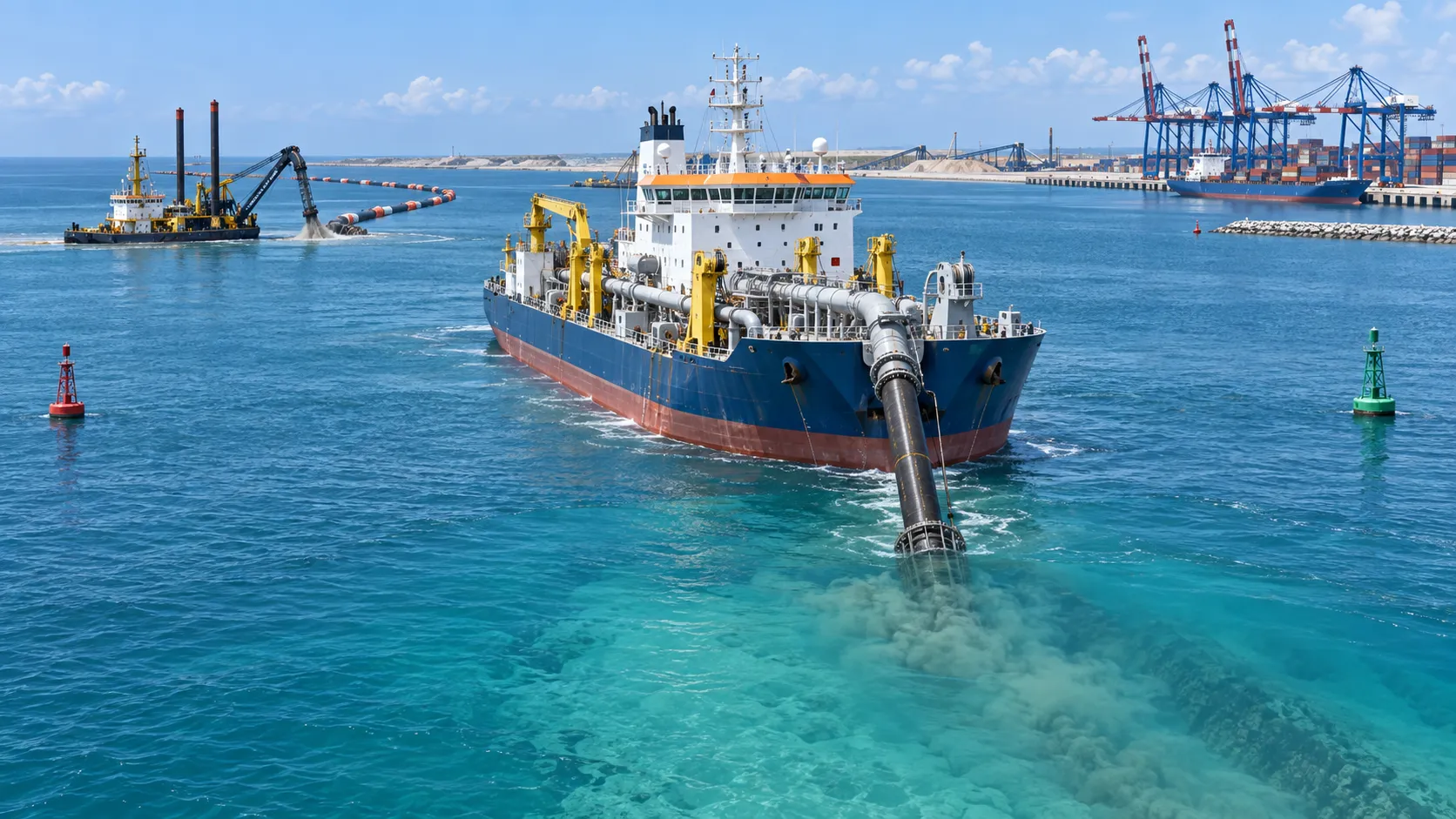
What Dredging Equipment Is Needed for Channel Deepening?
What dredging equipment is needed for channel deepening? Explore dredgers, pipelines, survey tools, and planning strategies for safer, more efficient port access.
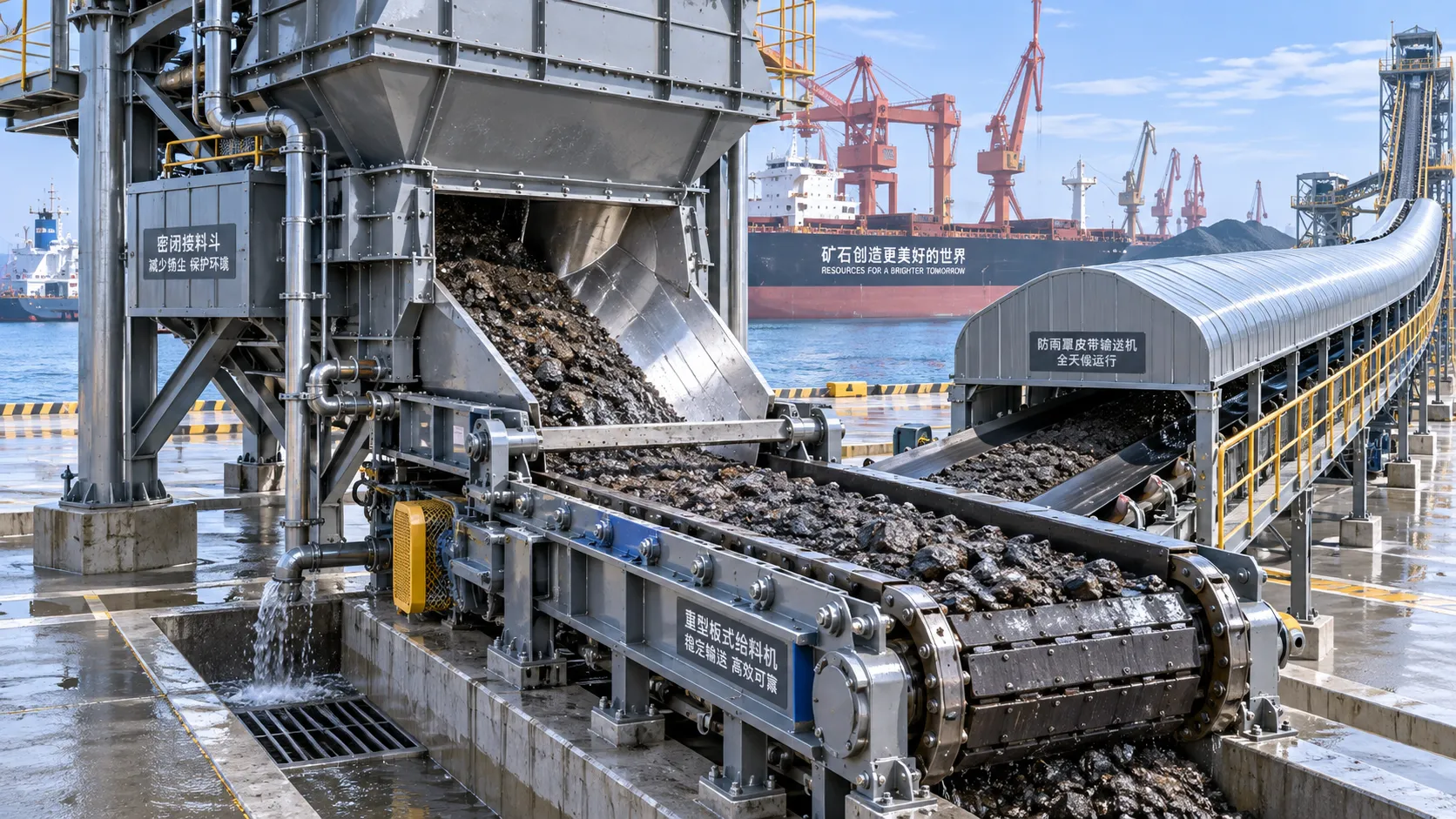
Which Bulk Handling Equipment Suits High-Moisture Cargo?
Which bulk handling equipment suits high-moisture cargo? Compare belt, apron, screw, drag, and slurry systems for reliable flow, less carryback, and higher terminal uptime.
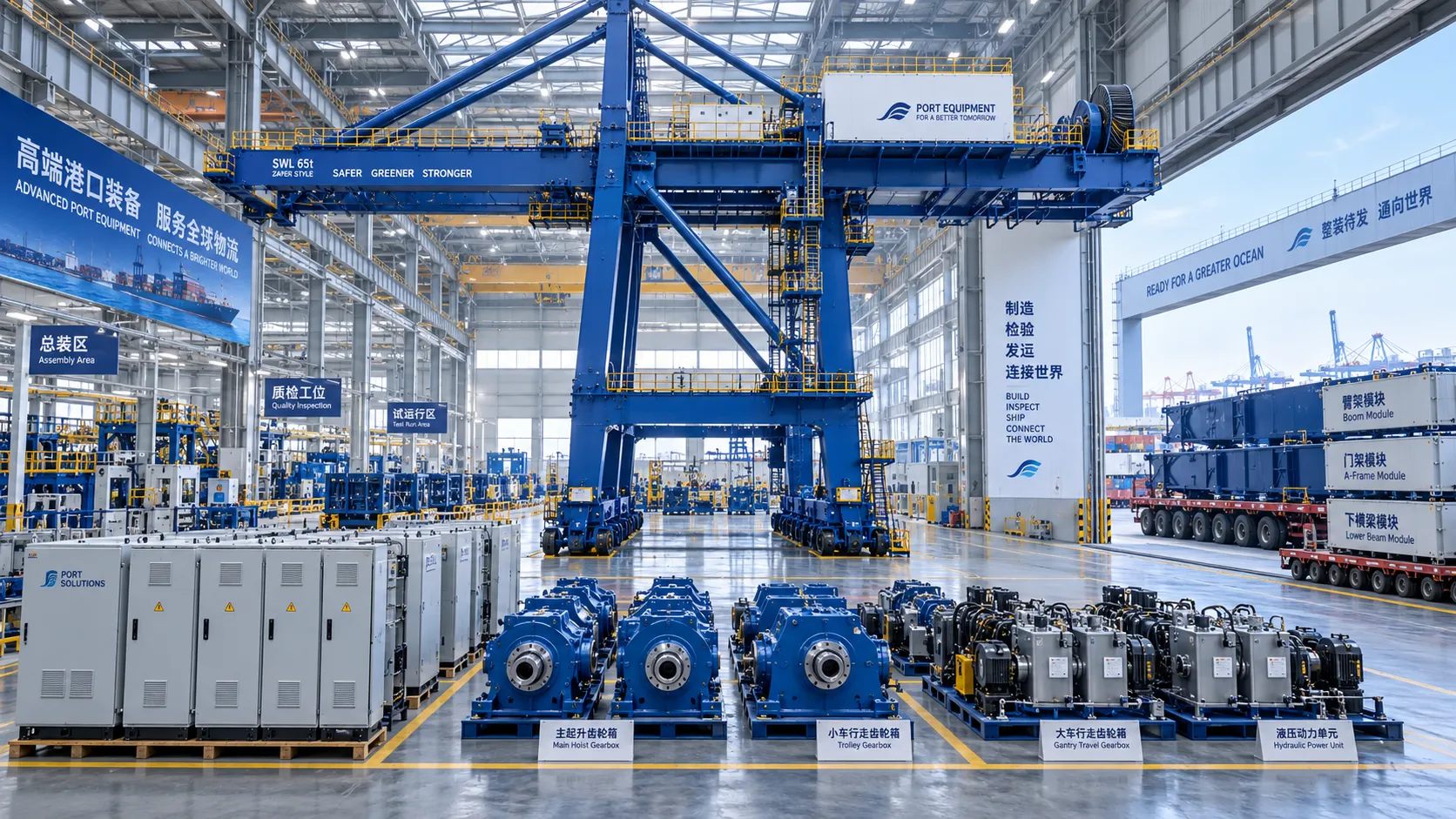
How Can Port Equipment Lead-Time Risk Be Managed?
How can port equipment lead-time risk be managed? Explore practical strategies to control critical paths, suppliers, transport, site readiness, and commissioning delays.
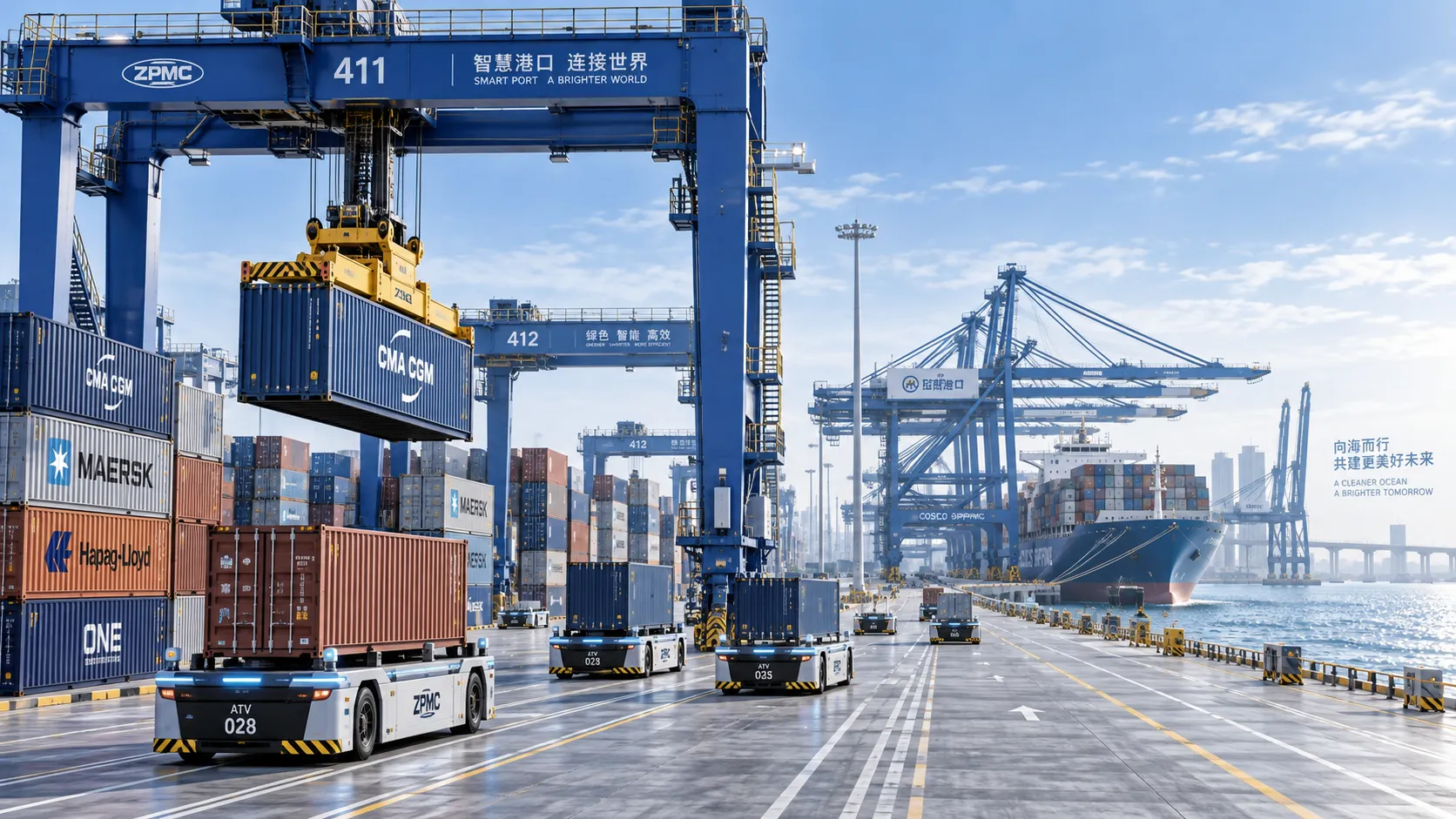
Terminal Automation Technologies That Raise Container Throughput Without Yard Disruption
Terminal automation technology that increases container throughput without disrupting yard flow. Explore smarter integration, resilient workflows, and phased deployment strategies.
Middle East Port Automation: Key Market Drivers, Projects, and Investment Risks
Port automation systems Middle East: explore market drivers, flagship projects, integration challenges, and investment risks shaping smarter, resilient terminals.
Planning Offshore Dredging Operations: Key Risks, Methods, and Project Controls
Offshore dredging operations demand smart planning. Explore key risks, proven methods, environmental controls, and project strategies for reliable delivery.