Related News
- 00
0000-00
How to Evaluate Terminal Efficiency Solution Suppliers for High-Throughput Operations - 00
0000-00
What to Consider When Buying Electric Port Machinery for Container Terminals - 00
0000-00
How to Select Container Handling Equipment for Middle East Ports and Terminals - 00
0000-00
How to Evaluate a Port Machinery Exporter for Large-Scale Terminal Projects - 00
0000-00
Evaluating a Dredging Equipment Manufacturer for Mining Plant Supply
Bulk Cargo Handling Systems: Key Equipment Types and How to Match Them to Material Flow
Choosing the right bulk cargo handling setup is rarely about one machine. It is about how material moves, where it slows down, and what it costs every hour that flow is interrupted.
For terminals, industrial yards, and marine logistics projects, the best answer usually comes from matching equipment to cargo behavior, berth conditions, storage layout, and expansion plans.
That is also where PS-Nexus adds value. Its intelligence focus on terminal gear, automation, and marine engineering helps connect equipment choice with real operating pressure, not just brochure specifications.
If the goal is a practical buying decision, start with material flow first. Then compare equipment types against that flow, not the other way around.
Start with the material flow, not the machine list
In most bulk cargo handling projects, poor fit happens when capacity numbers look right on paper, but the cargo stream is more variable than expected.
A terminal moving coal, clinker, grain, fertilizer, ores, or aggregates may use similar categories of equipment, but the flow pattern can be completely different.
Check these points early before comparing suppliers or layouts:
- Define hourly peak flow, not only annual tonnage, because surges at vessel discharge or rail unloading usually determine the real bulk cargo handling bottleneck.
- Confirm material density, lump size, moisture, and abrasiveness, since these directly affect belt selection, transfer chute wear, dust control, and feeder stability.
- Map every transfer point from ship to storage to truck or rail, because each extra handoff increases spillage risk, energy use, and maintenance exposure.
- Separate nominal capacity from sustainable capacity, especially where operators face weather delays, mixed cargoes, shift changes, or uneven upstream supply.
- Review expansion space early, because a low-cost starting layout may later block automation, enclosed conveying, or higher-throughput stacking routes.
This first pass often eliminates expensive mismatches. It also creates a better base for vendor discussions, especially when several equipment types seem technically feasible.
Key equipment types used in bulk cargo handling
Most bulk cargo handling systems are built from a few core equipment families. The real question is how each one behaves under different cargo and layout conditions.
Conveyors
Belt conveyors are often the backbone of high-volume, repeatable flow. They suit fixed routes, predictable throughput, and long horizontal distances with relatively low operating cost.
They become even more attractive when dust control, enclosed transport, and automation are priorities. Still, transfer point design matters as much as belt rating.
Stackers and reclaimers
For stockyard management, stackers and reclaimers shape the rhythm of the whole yard. They work best where large storage volumes and steady blending or reclaim demands are expected.
If the site handles strategic commodities, this equipment can reduce wheel-loader dependence and make bulk cargo handling more predictable over long cycles.
Ship loaders and unloaders
At the waterside, loading and unloading equipment defines vessel turnaround. Continuous ship unloaders suit high-throughput bulk streams, while grab-based cranes offer more flexibility across mixed cargoes.
The right choice depends on berth utilization, cargo variety, vessel mix, and how strongly the operation values speed versus versatility.
Hoppers, feeders, and chutes
These parts look secondary, but they often decide whether a bulk cargo handling line runs smoothly or constantly plugs, spills, or surges.
Poor hopper geometry, weak feeder control, or aggressive chute angles can turn a well-sized system into a maintenance problem within months.
Mobile equipment
Wheel loaders, mobile hoppers, truck unloaders, and mobile conveyors support flexible operations, temporary campaigns, and lower-volume terminals with changing cargo profiles.
They are useful where capex must stay controlled, though labor intensity and operating variability are usually higher than in fixed systems.
How to match equipment to real operating conditions
A good bulk cargo handling decision usually comes from matching equipment behavior to operating reality. The points below help narrow that choice quickly.
- Choose fixed conveyors for long, repetitive routes where volume is stable and transfer discipline is strong, especially between berth, stockyard, and inland dispatch zones.
- Use mobile equipment where cargo mix changes often, project phases are temporary, or site civil works are still evolving and layout flexibility has clear value.
- Favor continuous unloaders when berth time is expensive and vessel calls are frequent, provided material characteristics support consistent mechanical extraction.
- Keep grab cranes in consideration when several commodities share one berth, since they usually handle operational variation better than highly specialized unloading systems.
- Invest in stacker-reclaimer systems when stockpile blending, yard density, and reclaim consistency affect downstream process stability or contractual shipment quality.
- Upgrade feeders and chute engineering early when sticky or wet cargoes are involved, because flow interruptions usually start at interfaces, not at headline equipment.
Short scenarios that reveal the best fit
A coastal power-fuel terminal handling coal at high daily volume usually benefits from conveyors, stacker-reclaimer systems, and a continuous unloading path. The reason is simple: repeatability matters more than flexibility.
In that case, the critical checks are dust suppression, moisture behavior during rain, chute liners, and reclaim continuity. If any of those are weak, throughput losses appear fast.
A multipurpose port serving fertilizer, grains, and minerals often needs a different bulk cargo handling logic. Cargoes change, vessel parcels vary, and contamination control becomes a serious concern.
Here, grab cranes, mobile hoppers, selective enclosed conveyors, and well-zoned storage may outperform a fully fixed line. The best system is the one that preserves flexibility without creating cleanup chaos.
For quarry exports or construction aggregates, robustness often beats sophistication. Abrasion, impact, and outdoor exposure can punish delicate designs.
In these operations, wear parts, access for maintenance, and spare availability matter as much as nameplate capacity. A simpler line with easier service may deliver better long-term economics.
Common points that get missed during evaluation
Many bulk cargo handling investments run into trouble not because the core machine is wrong, but because adjacent details were treated as minor.
- Do not compare only by installed capacity; compare by effective tons per hour after moisture, cleanup, shift losses, and berth coordination are included.
- Check spare parts lead time and local service depth early, because marine and terminal downtime costs rise quickly when imported wear components are delayed.
- Review energy use across the full flow path, not just one machine, since poorly coordinated drives and repeated rehandling silently increase operating cost.
- Treat environmental compliance as a design input from day one, especially for dust, runoff, noise, and enclosed transfer expectations near urban ports.
- Confirm control system compatibility if automation is planned later, because disconnected sensors and legacy logic can block future optimization across the yard.
This matters even more as ports move toward smarter operations. PS-Nexus regularly tracks how automation logic, remote control, and equipment integration reshape equipment value over time.
A simple comparison table for faster screening
A practical way to narrow the final decision
When two or three options still look viable, reduce the decision to a smaller set of weighted factors. That keeps the bulk cargo handling review grounded and easier to defend internally.
- Score each option against peak throughput, cargo adaptability, maintenance access, environmental performance, and future automation readiness rather than purchase price alone.
- Request site-specific references with similar materials and weather exposure, because performance claims are only useful when operating conditions genuinely match.
- Ask for transfer-point, wear-part, and control philosophy details early, since these are common sources of hidden lifecycle cost in bulk cargo handling systems.
- Test the layout against one difficult scenario, such as wet cargo, vessel delay, or rail surge, to see which concept stays stable under stress.
The strongest decision is usually not the most complex one. It is the one that keeps tons moving reliably, stays serviceable, and leaves room for smarter operations later.
For anyone reviewing bulk cargo handling options across port, yard, and marine logistics settings, the next step is simple: build the material flow map, identify the hardest operating condition, and evaluate equipment around that reality.
That approach aligns with how PS-Nexus reads the market: not as isolated machines, but as connected assets inside a wider trade, automation, and coastal infrastructure system. It is a more grounded way to make a durable decision.
Related News
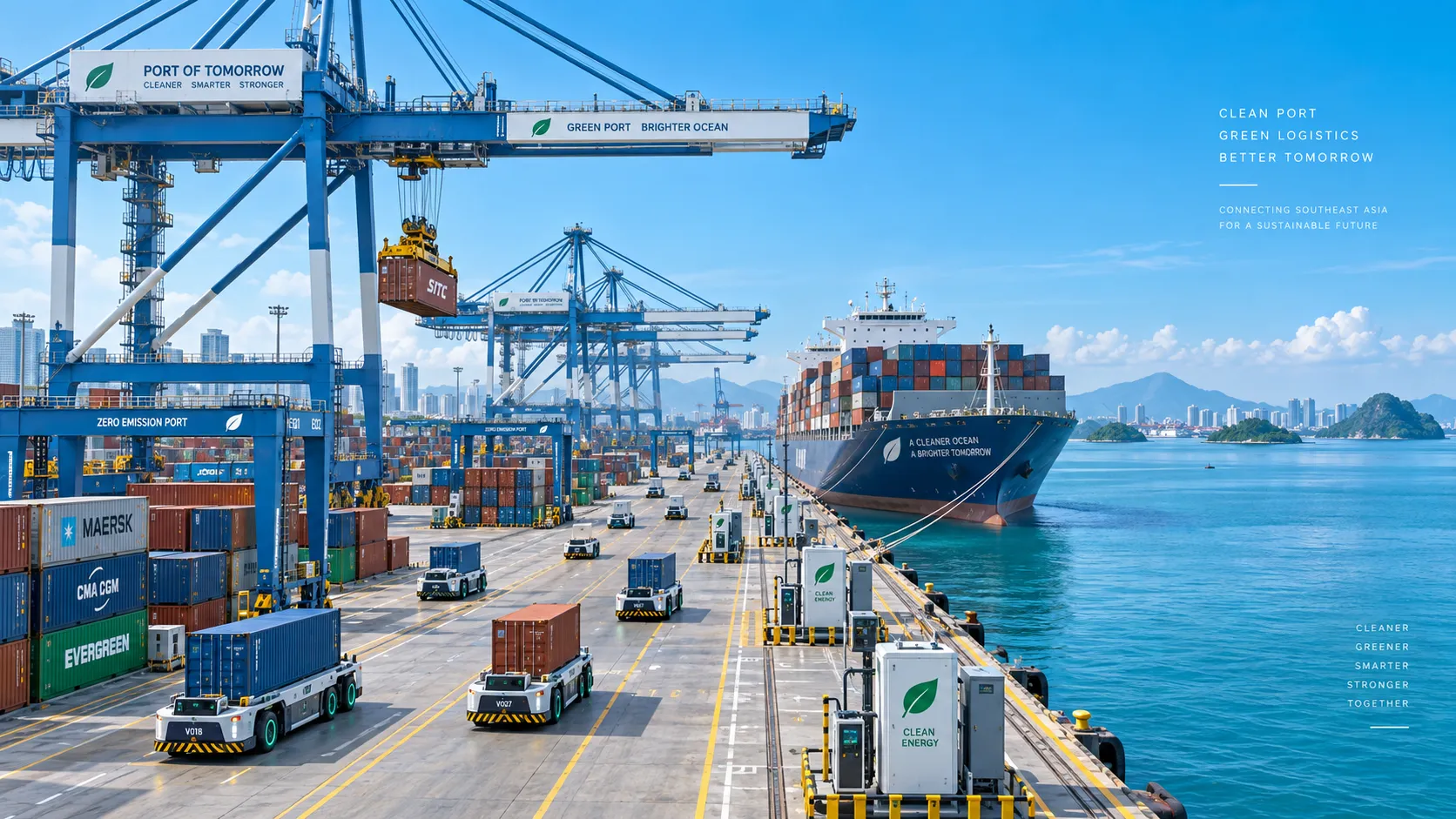
Smart Port Systems in Southeast Asia: Investment Priorities and Adoption Barriers
Smart port systems Southeast Asia: discover investment priorities, adoption barriers, and practical steps to build resilient, connected, high-performing terminals.
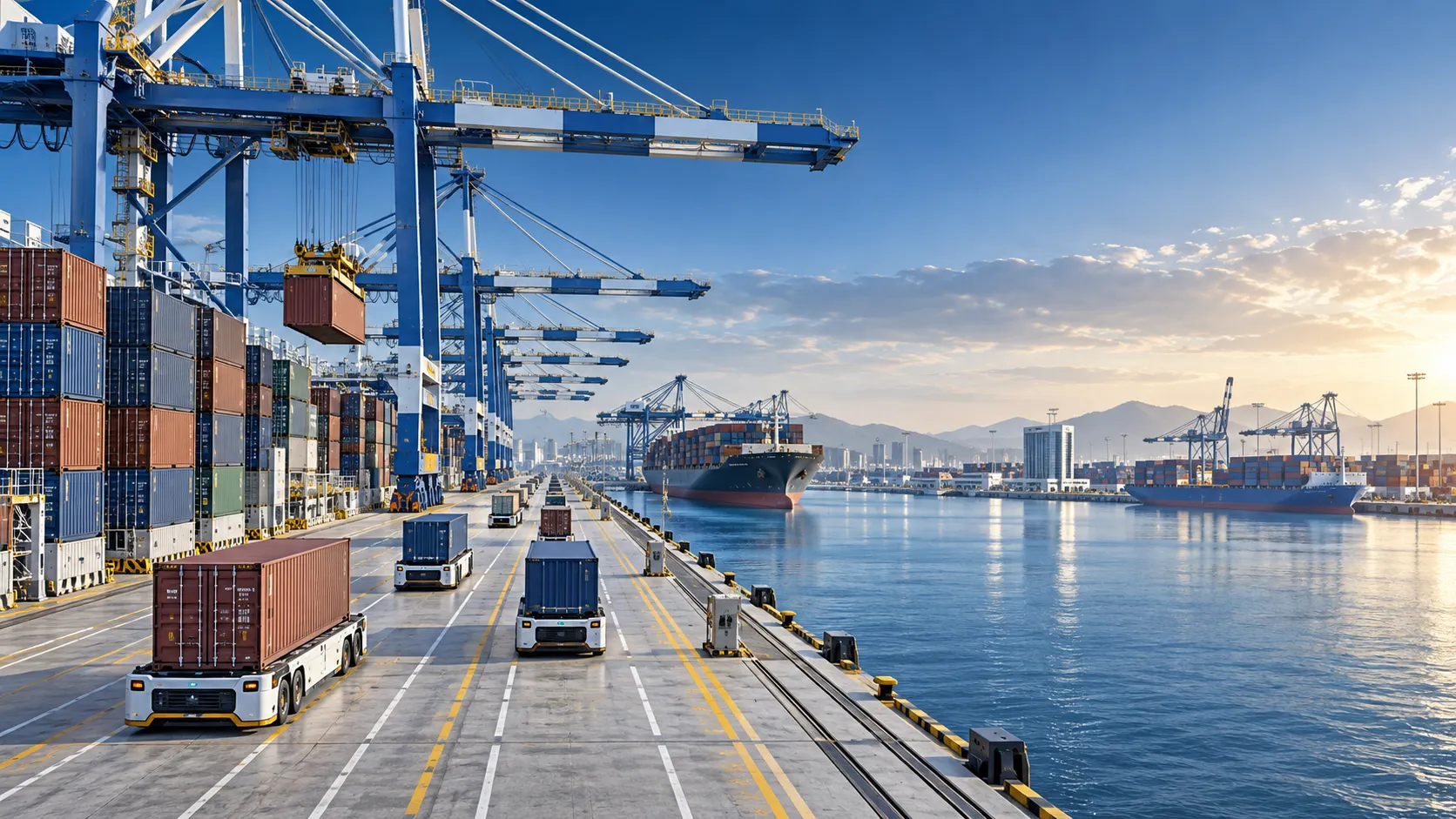
How to Evaluate Terminal Efficiency Solution Suppliers for High-Throughput Operations
Choose a terminal efficiency solutions supplier with confidence. Explore proven criteria for throughput, integration, lifecycle cost, safety, and reliable delivery.
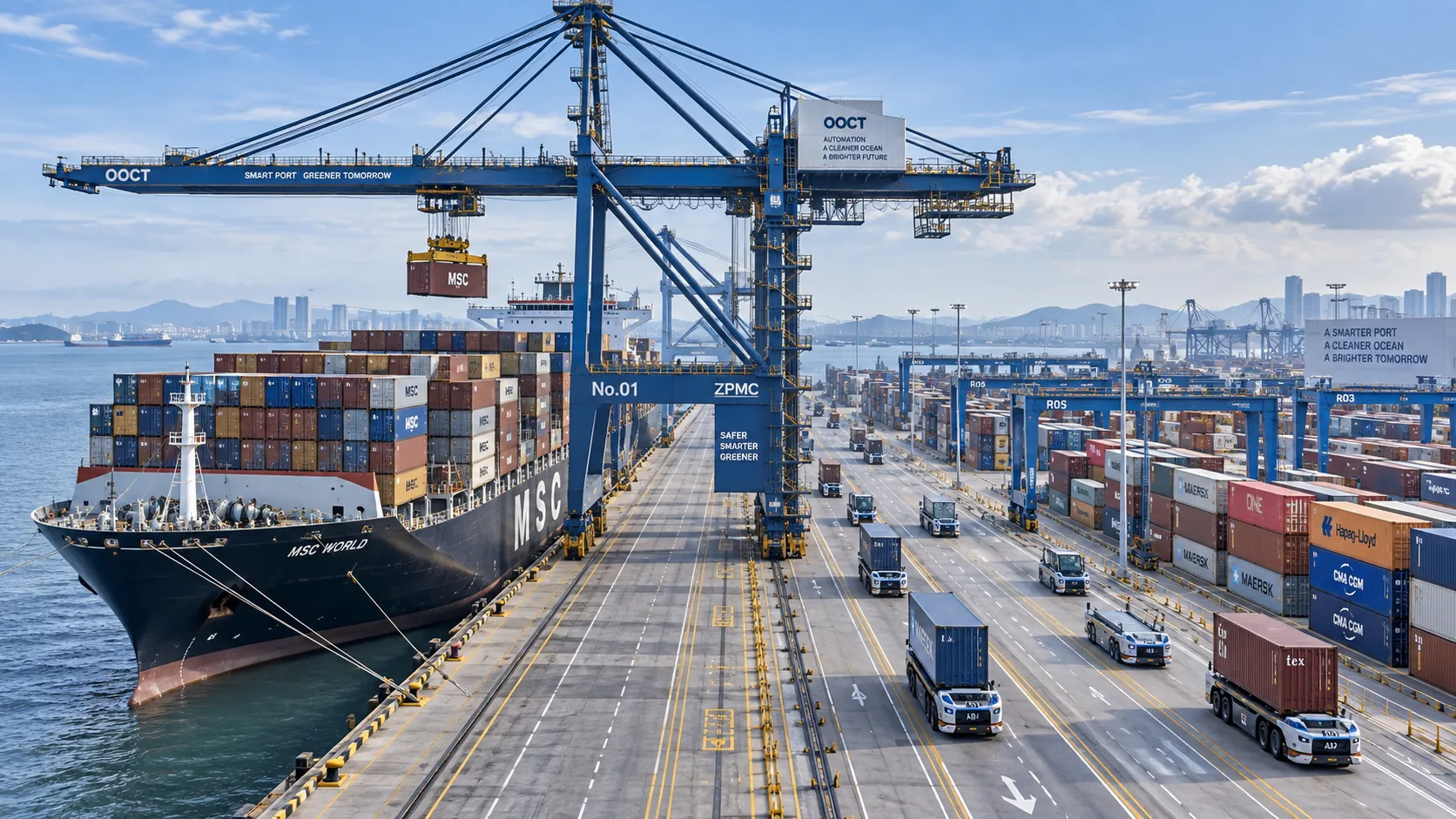
How to Specify a Quay Crane for Container Terminals by Vessel Size and Throughput?
Quay crane for container terminals: learn how to match outreach, lift height, capacity, automation, and cycle performance to vessel size and throughput goals.
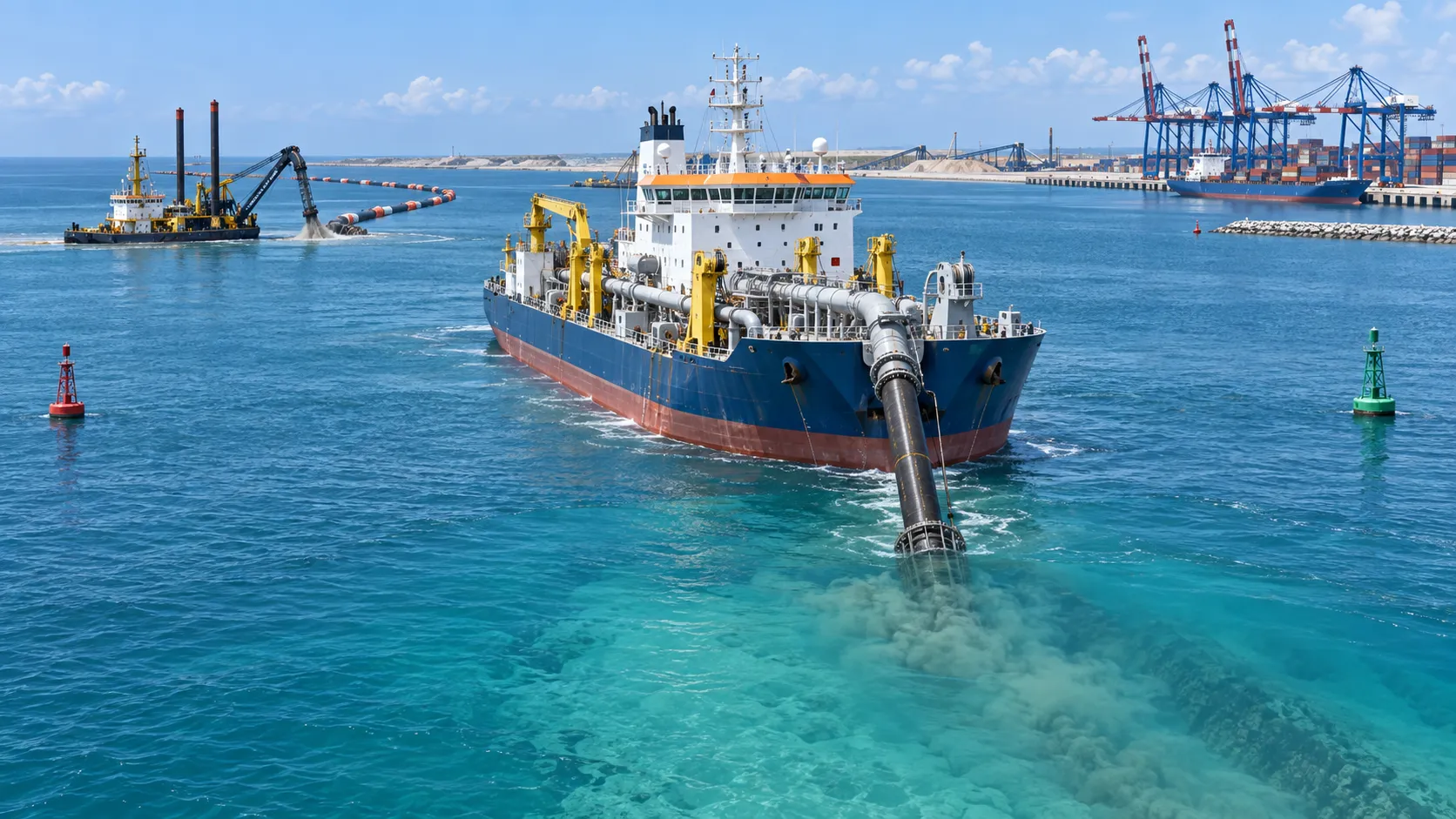
What Dredging Equipment Is Needed for Channel Deepening?
What dredging equipment is needed for channel deepening? Explore dredgers, pipelines, survey tools, and planning strategies for safer, more efficient port access.
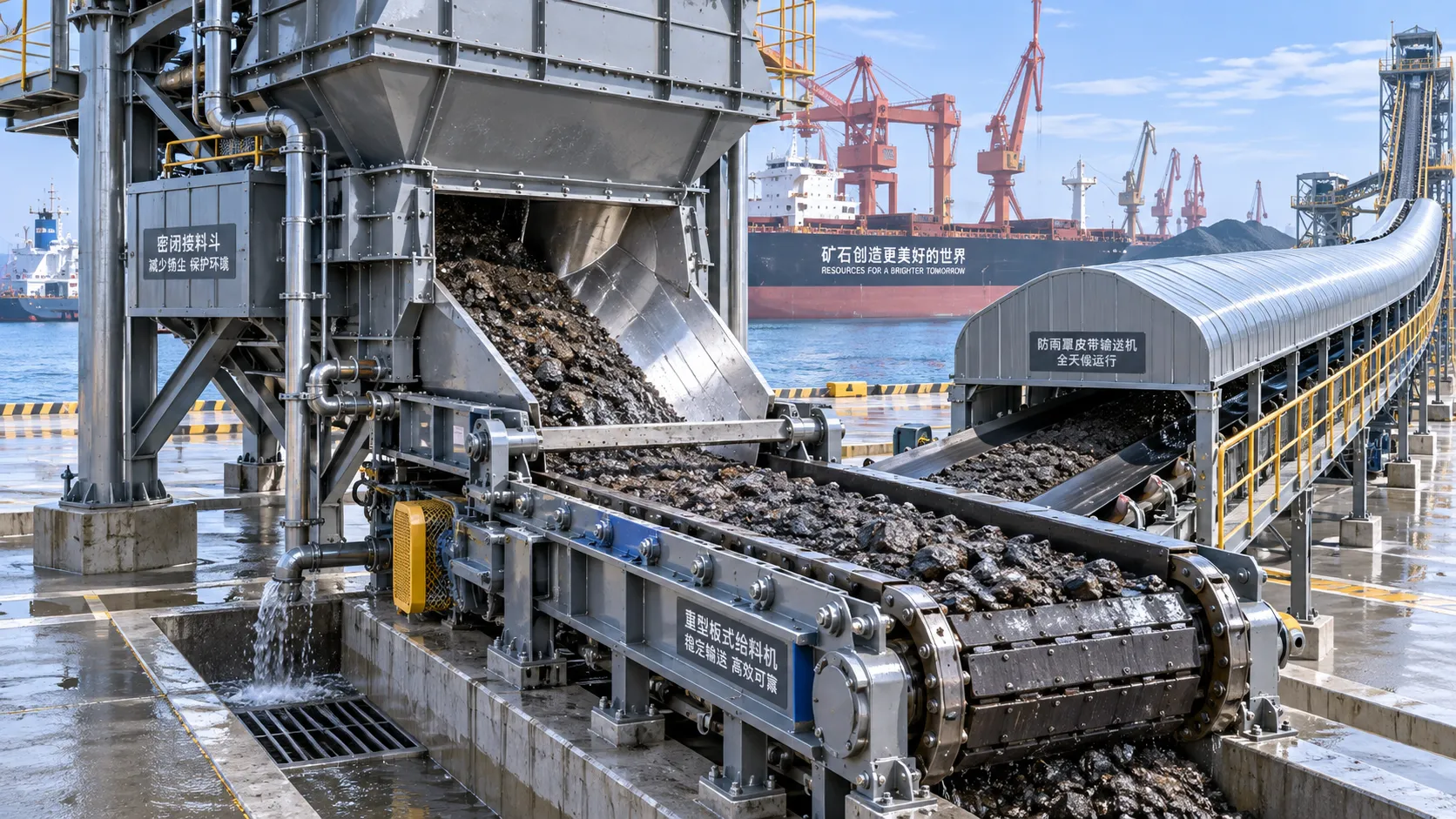
Which Bulk Handling Equipment Suits High-Moisture Cargo?
Which bulk handling equipment suits high-moisture cargo? Compare belt, apron, screw, drag, and slurry systems for reliable flow, less carryback, and higher terminal uptime.
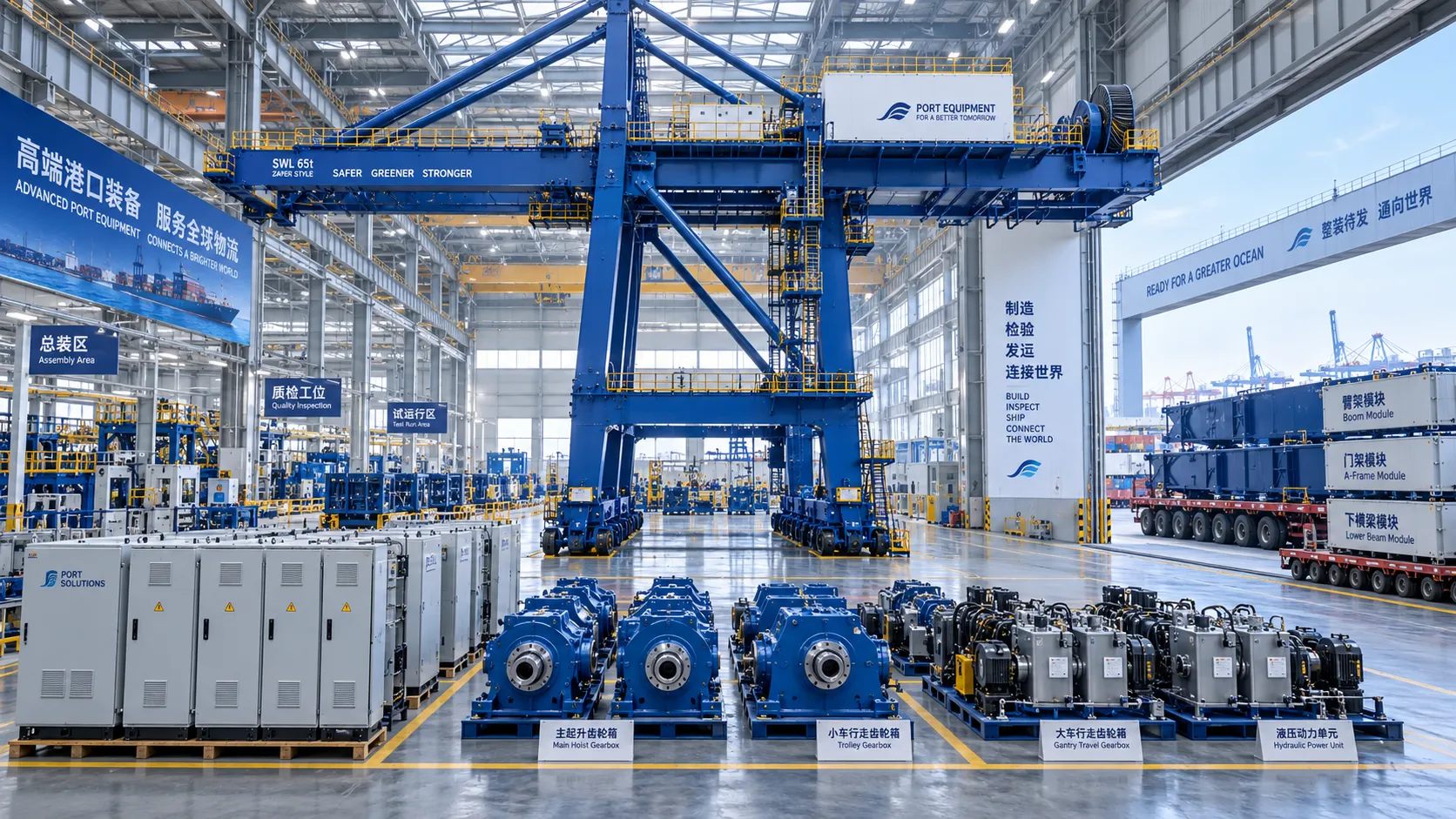
How Can Port Equipment Lead-Time Risk Be Managed?
How can port equipment lead-time risk be managed? Explore practical strategies to control critical paths, suppliers, transport, site readiness, and commissioning delays.
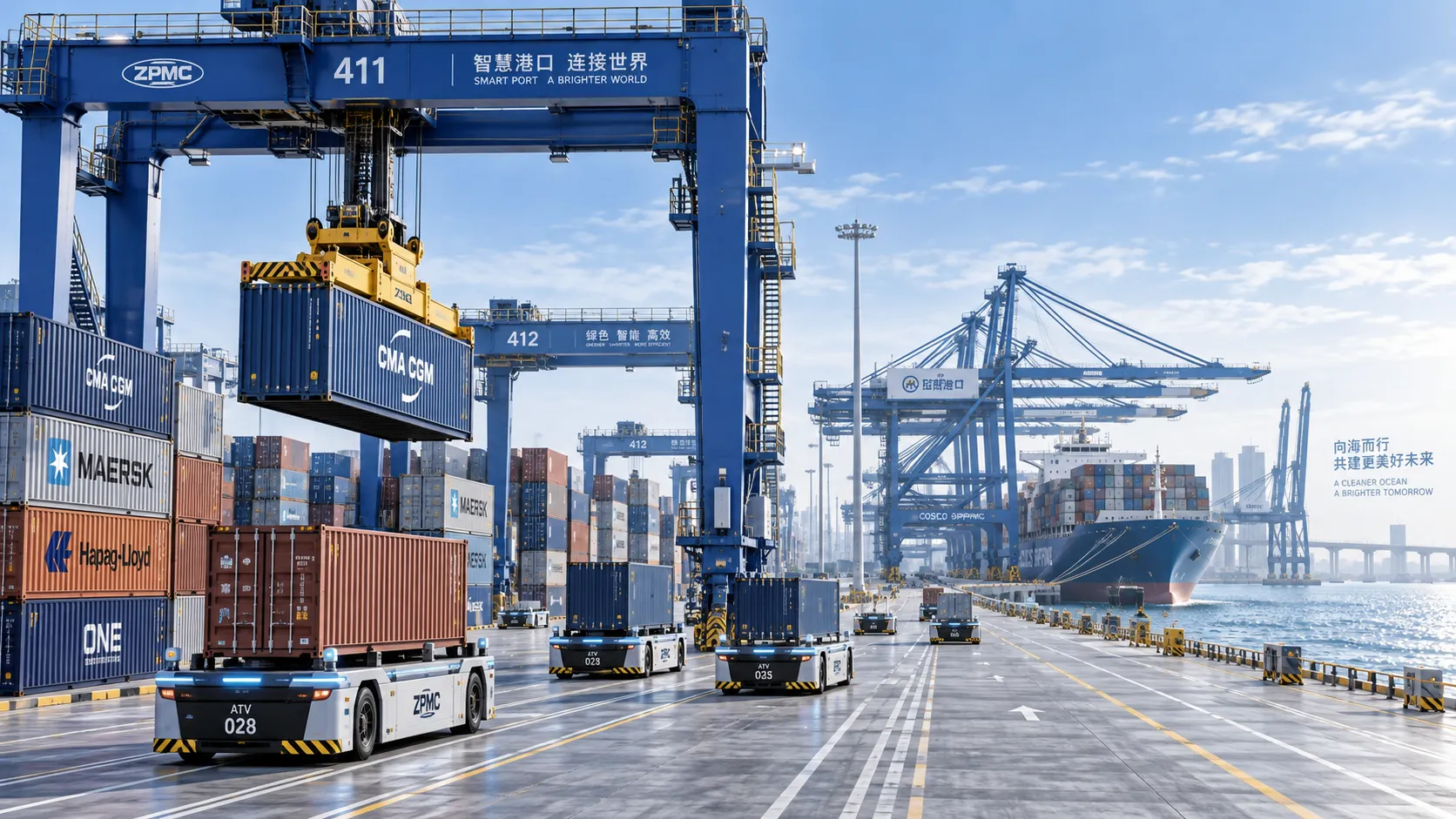
Terminal Automation Technologies That Raise Container Throughput Without Yard Disruption
Terminal automation technology that increases container throughput without disrupting yard flow. Explore smarter integration, resilient workflows, and phased deployment strategies.
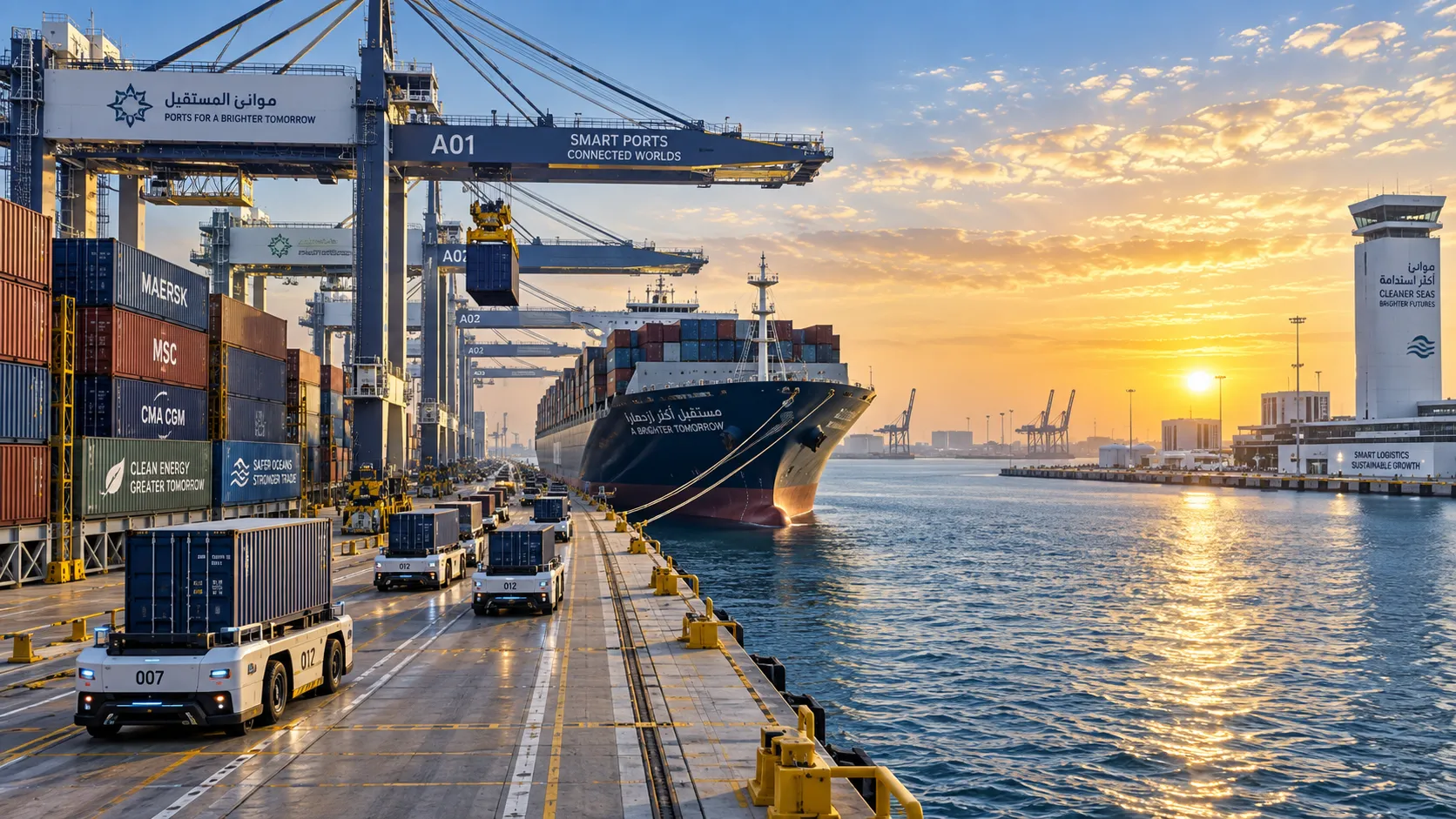
Middle East Port Automation: Key Market Drivers, Projects, and Investment Risks
Port automation systems Middle East: explore market drivers, flagship projects, integration challenges, and investment risks shaping smarter, resilient terminals.
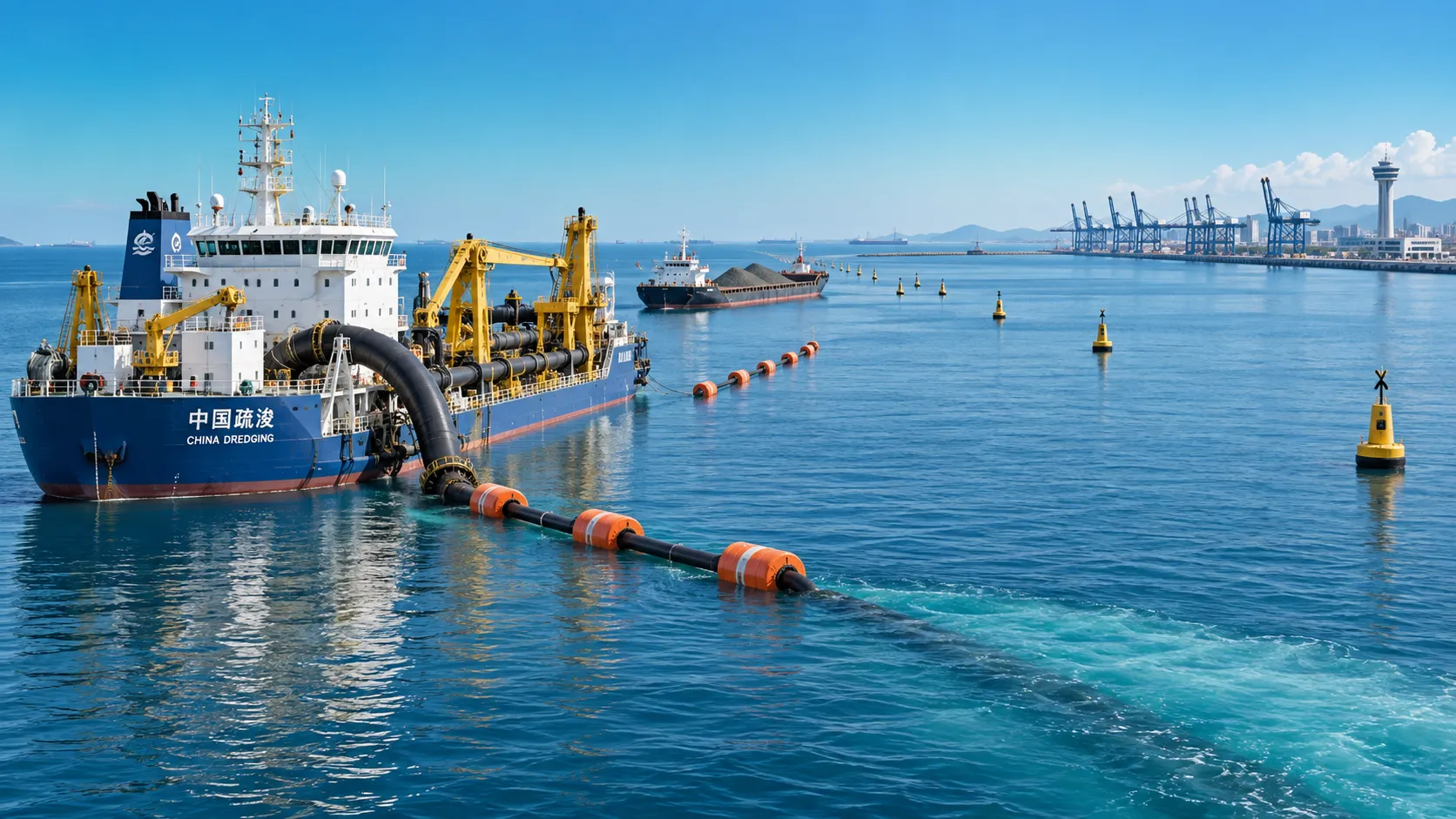
Planning Offshore Dredging Operations: Key Risks, Methods, and Project Controls
Offshore dredging operations demand smart planning. Explore key risks, proven methods, environmental controls, and project strategies for reliable delivery.