Related News
- 00
0000-00
How to Evaluate Terminal Efficiency Solution Suppliers for High-Throughput Operations - 00
0000-00
What to Consider When Buying Electric Port Machinery for Container Terminals - 00
0000-00
How to Select Container Handling Equipment for Middle East Ports and Terminals - 00
0000-00
How to Evaluate a Port Machinery Exporter for Large-Scale Terminal Projects - 00
0000-00
Evaluating a Dredging Equipment Manufacturer for Mining Plant Supply
Port Terminal Equipment Buying Guide: Key Specs, Lifecycle Cost, and Maintenance Factors
Why does port terminal equipment buying feel more complex now?
Choosing port terminal equipment used to start with lifting capacity and price. That is no longer enough.
Today, every equipment decision affects berth productivity, yard flow, energy use, software integration, and maintenance exposure.
A crane, reach stacker, RTG, AGV, or bulk handler is not an isolated asset. It sits inside a larger logistics system.
That is why port terminal equipment buying now depends on operational fit, lifecycle cost, and service resilience.
PS-Nexus often frames this shift through a wider maritime lens. Heavy mechanical power must work with scheduling logic, terminal data, and trade volatility.
In practical terms, the best purchase is not always the cheapest machine. It is the asset that keeps the terminal stable under real operating pressure.
What should be defined before comparing any port terminal equipment?
A useful comparison starts with the job profile, not the brochure.
The first question is throughput. How many container moves, bulk tons, or vessel calls must the site handle each hour or each shift?
The second question is operating environment. Quay operations, yard transfer, rail interface, and dredging support all create different equipment demands.
Space also matters more than many buyers expect. Turning radius, stacking height, lane width, and pavement loading can eliminate some options quickly.
Automation readiness is another filter. Some port terminal equipment works well in manual terminals, but struggles inside semi-automated workflows.
Need to connect with TOS, fleet control, remote monitoring, or digital twin systems? That should be defined early.
Energy strategy is also shaping procurement. Diesel, hybrid, electric, and regenerative systems have very different charging, infrastructure, and uptime implications.
- Required hourly throughput and peak load pattern
- Cargo mix, vessel size, and yard density
- Existing control systems and integration standards
- Power supply, emissions targets, and charging capacity
- Maintenance access, parts lead time, and local support depth
When those basics are clear, port terminal equipment selection becomes much less subjective.
Which specifications actually matter, and which ones are often overrated?
Headline numbers attract attention, but operating balance matters more.
For container handling, lifting height, outreach, safe working load, wheel loads, acceleration, and cycle time should be reviewed together.
For bulk handling machinery, the critical specs shift toward material density, boom geometry, reclaim rate, dust control, and structural durability.
If the equipment will operate in automated or remote environments, sensor suite quality becomes a core specification, not an accessory.
That includes positioning accuracy, anti-sway performance, obstacle detection, communications latency, and control interface stability.
A common mistake is buying oversized port terminal equipment for “future growth” without checking daily utilization.
Oversized machines can increase idle cost, energy waste, and maintenance complexity without improving real terminal flow.
A more reliable approach is to compare specifications against bottlenecks. Ask which parameter actually limits vessel turnaround or yard velocity today.
A quick decision table helps separate useful specs from marketing noise
This kind of table is more useful than comparing brochures line by line.
How should lifecycle cost be judged beyond the purchase price?
Lifecycle cost is where many equipment decisions become clearer.
The purchase price of port terminal equipment may represent only part of the total ownership burden over ten to twenty years.
Energy consumption is usually one of the largest long-term variables. That is especially true in high-cycle terminals or electrification programs.
Maintenance intervals, tire wear, spreader parts, wire ropes, hydraulic systems, and software licenses should all be priced into the model.
Downtime cost is often underestimated. One unavailable crane or transfer unit can affect vessel departure windows, truck queues, and labor planning.
Residual value also deserves attention. Some machines hold secondary market value better because of brand acceptance, parts availability, or simpler architecture.
In actual evaluations, PS-Nexus coverage often points to a broader industry pattern. Smart equipment creates value only when software reliability and service response remain consistent.
A cheaper unit with weak diagnostic support can become the more expensive option within a few years.
- Acquisition cost, taxes, freight, installation, and commissioning
- Power or fuel cost under realistic duty cycles
- Scheduled maintenance hours and consumable replacement cost
- Unplanned downtime probability and revenue impact
- Control software updates, cybersecurity support, and retrofit potential
When lifecycle cost is modeled correctly, the buying conversation becomes more strategic and less reactive.
What maintenance factors deserve more attention before signing?
Maintenance is not just a workshop issue. It is a purchasing issue from day one.
The first point is access. Components that are difficult to inspect or replace usually increase downtime and safety exposure.
The second point is diagnostic depth. Modern port terminal equipment should provide fault codes, condition data, and remote troubleshooting support.
That matters even more in automated terminals, where software faults can stop operations as effectively as mechanical failure.
Parts strategy is another area that separates stable assets from risky ones. Long lead items should be identified before procurement is finalized.
It is also wise to ask whether critical components are proprietary. Exclusive parts may improve system performance, but they can create service dependence.
A sensible review usually includes these questions:
- What are the mean time between failure benchmarks?
- Which parts must be stocked locally?
- How fast can technical support reach the site?
- Can updates be delivered without long operating interruptions?
- Is condition monitoring included or sold separately?
Maintenance planning becomes even more important in marine environments, where salt, humidity, vibration, and dust accelerate wear.
Where do buyers misjudge automation compatibility and future upgrades?
The biggest mistake is assuming “automation ready” means fully interoperable.
Some port terminal equipment can accept sensors and remote controls, but still requires expensive custom integration later.
It helps to check whether the machine supports open interfaces, standardized data exchange, and stable communication with yard and berth systems.
Upgrade path matters too. A terminal may start with manual operations, then add positioning assistance, remote operation, and finally autonomous functions.
If the original hardware cannot support that roadmap, the retrofit cost may be severe.
This is where the PS-Nexus perspective is useful. Port equipment, automation logic, and dredging-linked infrastructure are all part of one evolving coastal system.
A machine should be judged not only by current output, but also by how well it fits net-zero targets, digital control trends, and future yard orchestration.
In other words, futureproofing is not hype. It is a cost control method.
So what does a sound port terminal equipment decision look like?
A sound decision usually looks disciplined rather than dramatic.
It links the equipment choice to berth strategy, yard density, service support, automation pathway, and whole-life economics.
The most reliable buying process compares port terminal equipment against real duty cycles, not idealized sales assumptions.
It also tests maintenance access, software compatibility, and downtime risk before contract signature.
If the next step is unclear, start with a practical shortlist.
- Map site constraints and operational bottlenecks
- Score each option on throughput, integration, and serviceability
- Build a ten-year lifecycle cost scenario
- Confirm parts strategy, software support, and upgrade path
- Review the decision against emissions and automation objectives
That process keeps port terminal equipment selection grounded in performance, resilience, and long-term trade efficiency.
In a market shaped by larger vessels, tighter schedules, and smarter terminals, careful equipment judgment is now a competitive capability.
Related News
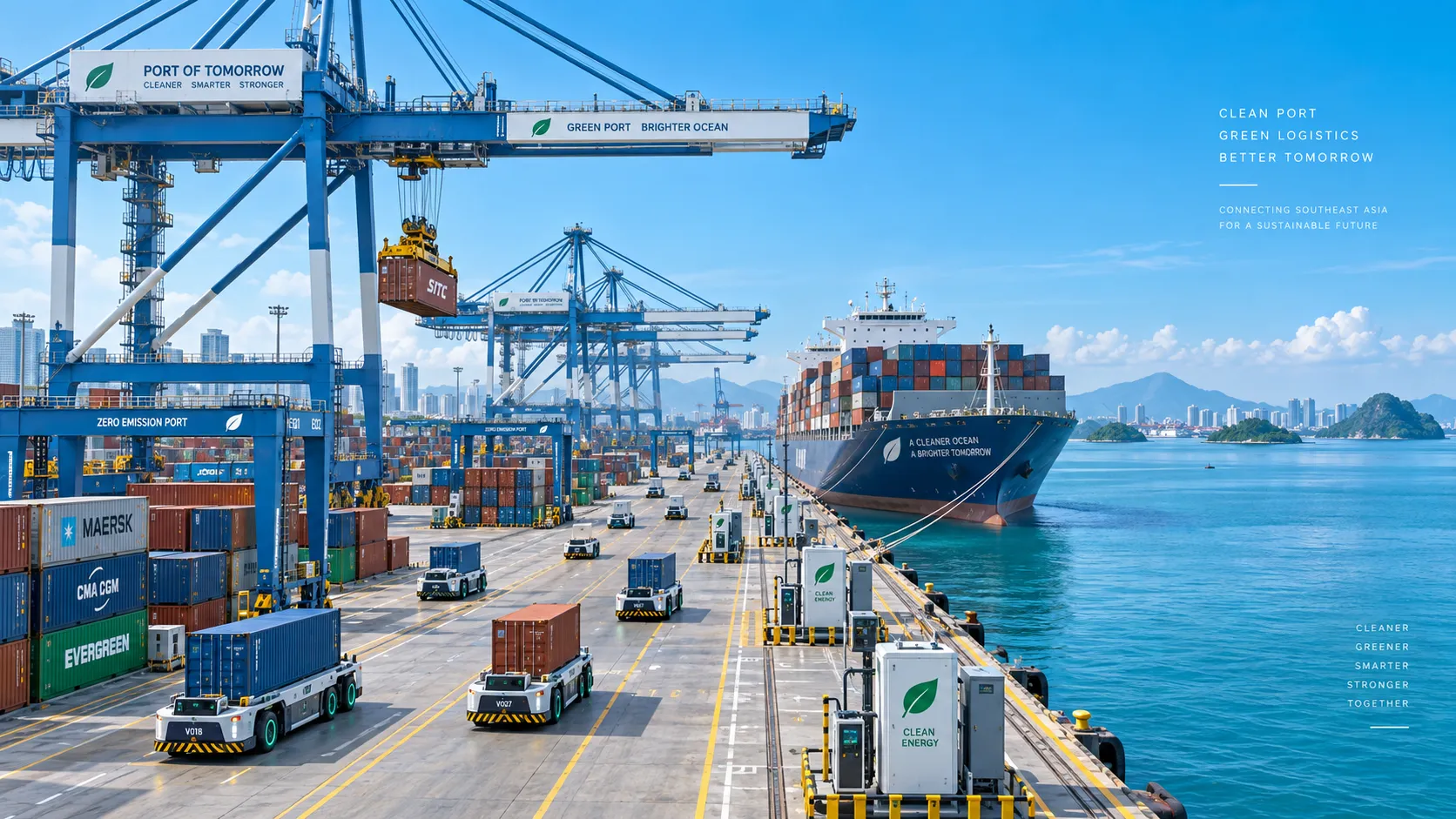
Smart Port Systems in Southeast Asia: Investment Priorities and Adoption Barriers
Smart port systems Southeast Asia: discover investment priorities, adoption barriers, and practical steps to build resilient, connected, high-performing terminals.
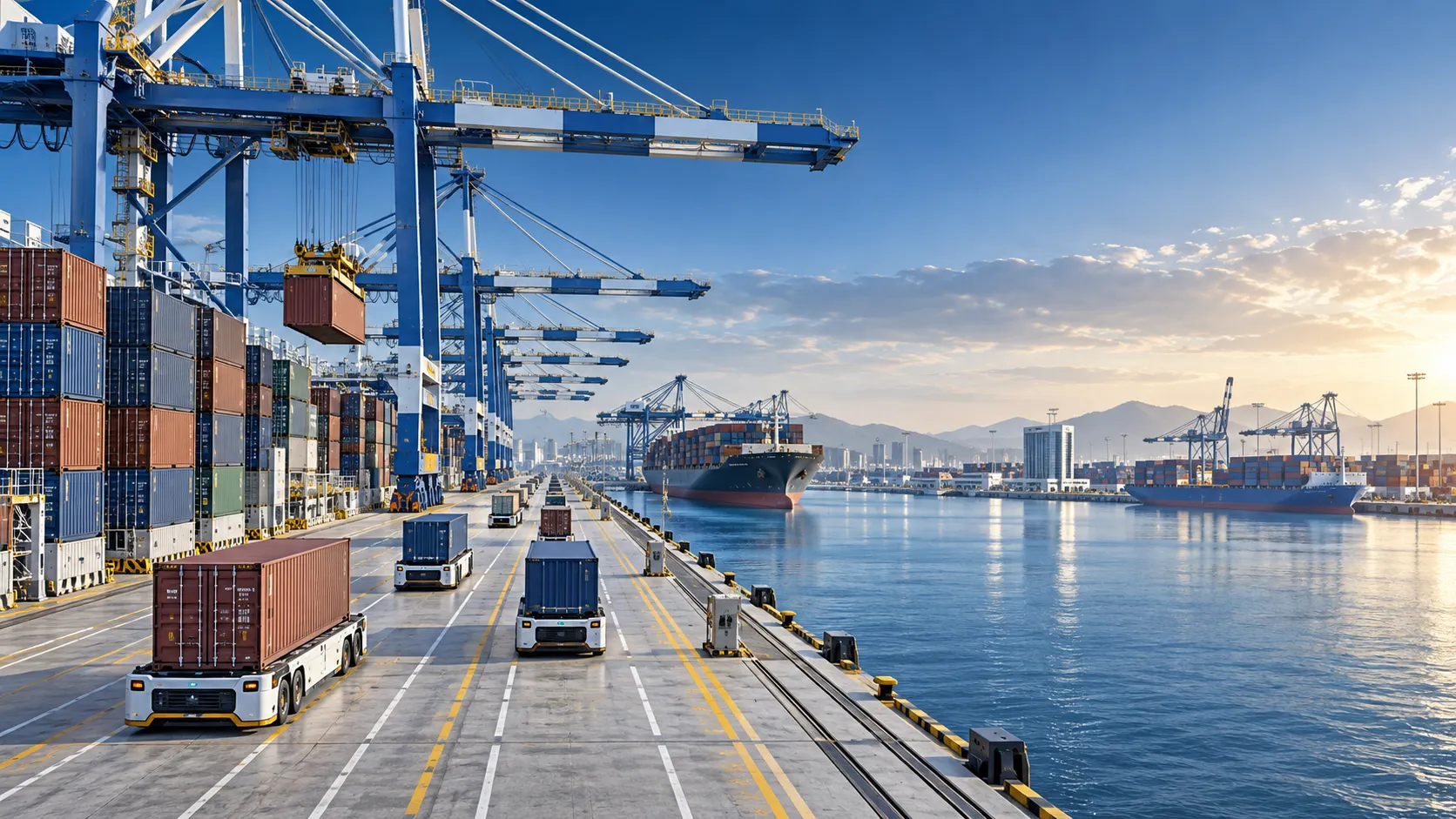
How to Evaluate Terminal Efficiency Solution Suppliers for High-Throughput Operations
Choose a terminal efficiency solutions supplier with confidence. Explore proven criteria for throughput, integration, lifecycle cost, safety, and reliable delivery.
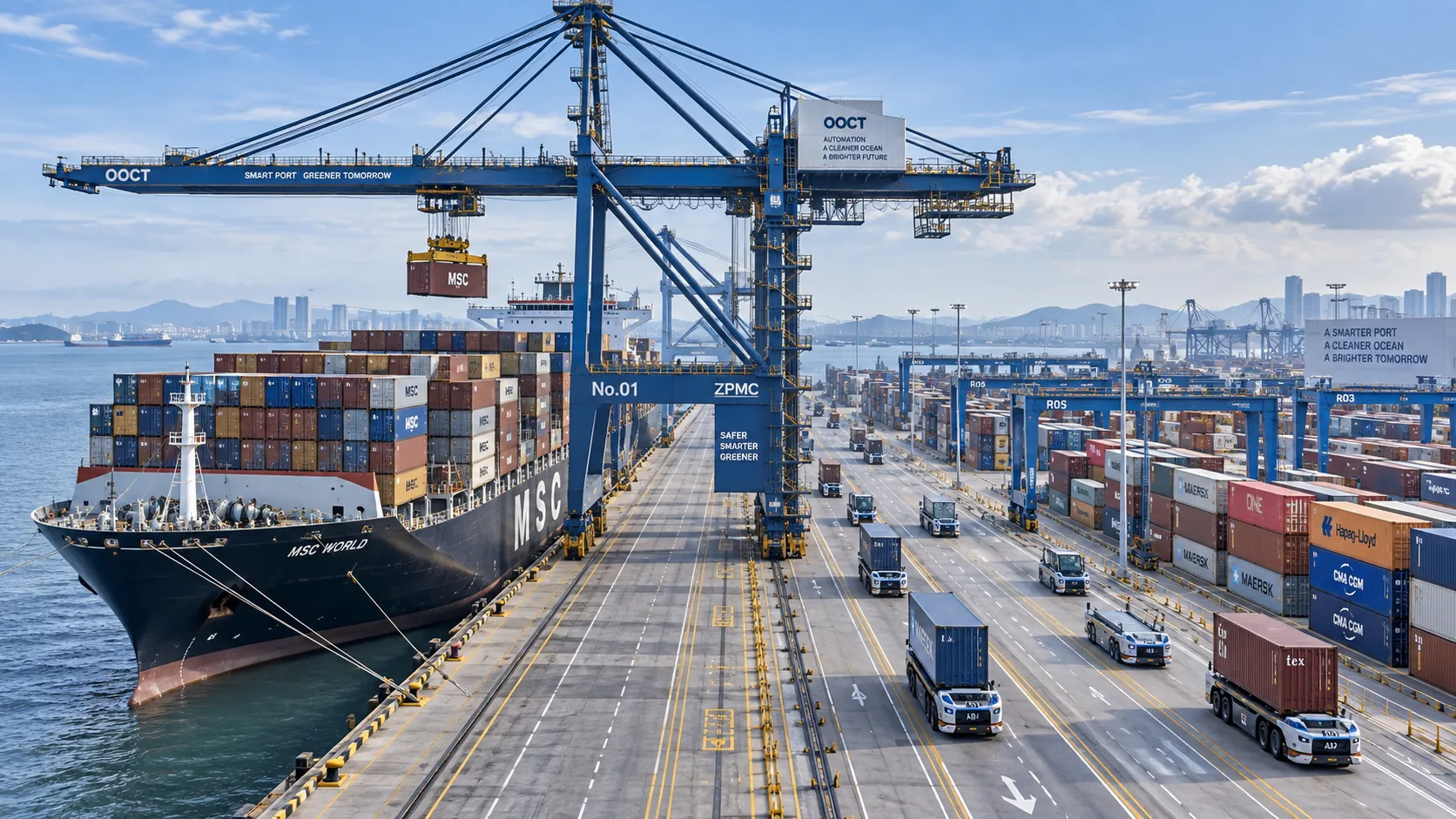
How to Specify a Quay Crane for Container Terminals by Vessel Size and Throughput?
Quay crane for container terminals: learn how to match outreach, lift height, capacity, automation, and cycle performance to vessel size and throughput goals.
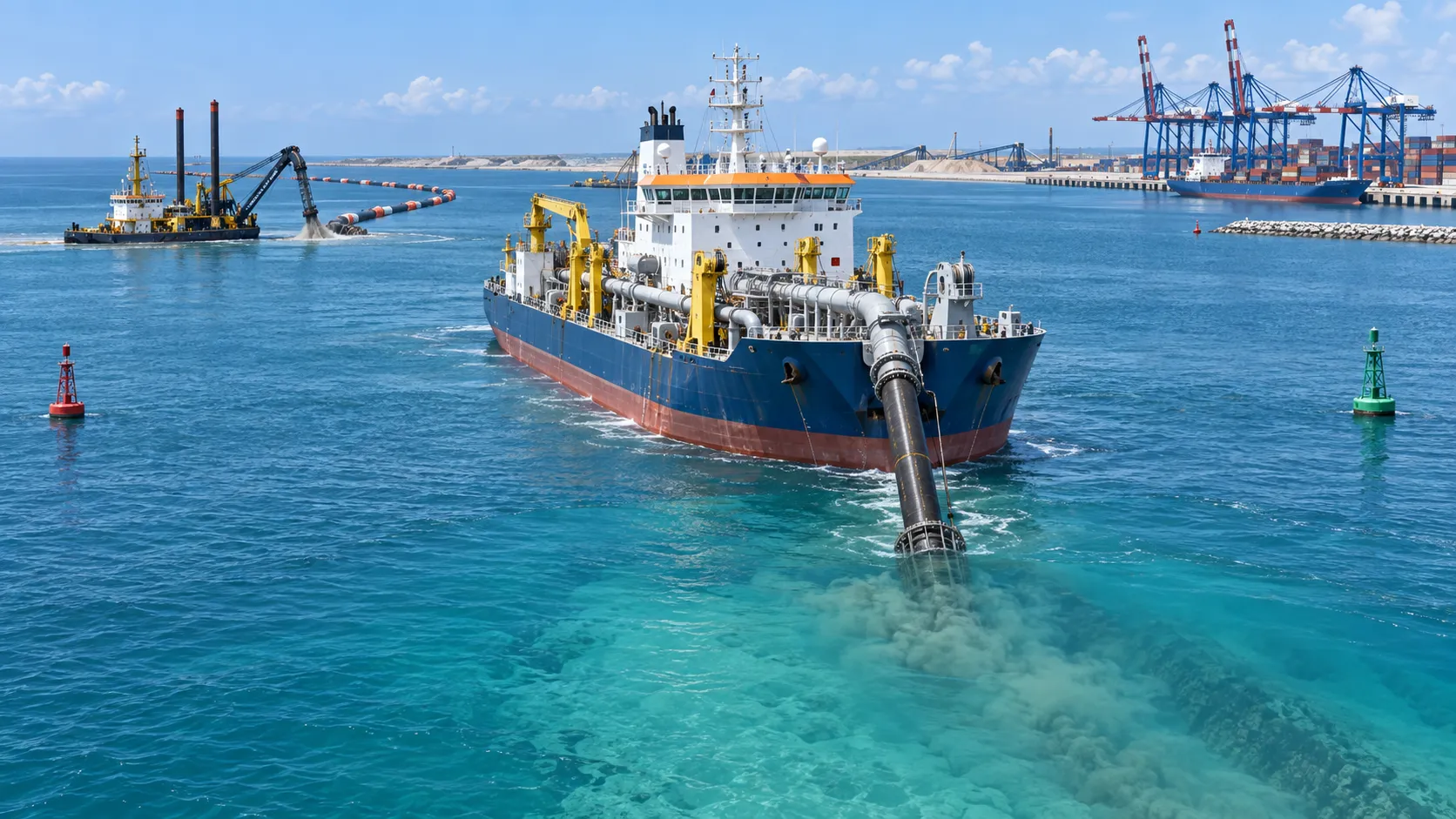
What Dredging Equipment Is Needed for Channel Deepening?
What dredging equipment is needed for channel deepening? Explore dredgers, pipelines, survey tools, and planning strategies for safer, more efficient port access.
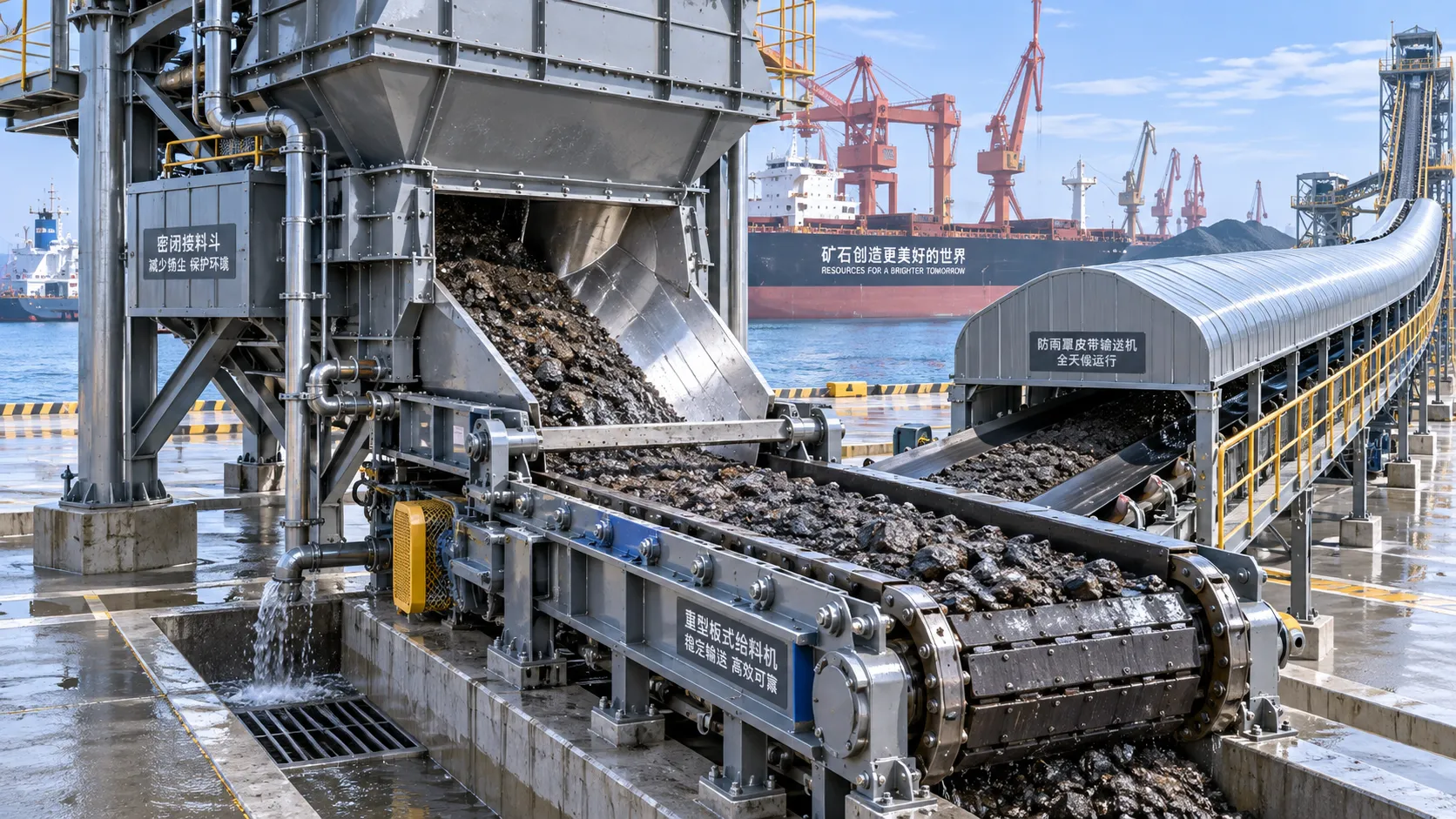
Which Bulk Handling Equipment Suits High-Moisture Cargo?
Which bulk handling equipment suits high-moisture cargo? Compare belt, apron, screw, drag, and slurry systems for reliable flow, less carryback, and higher terminal uptime.
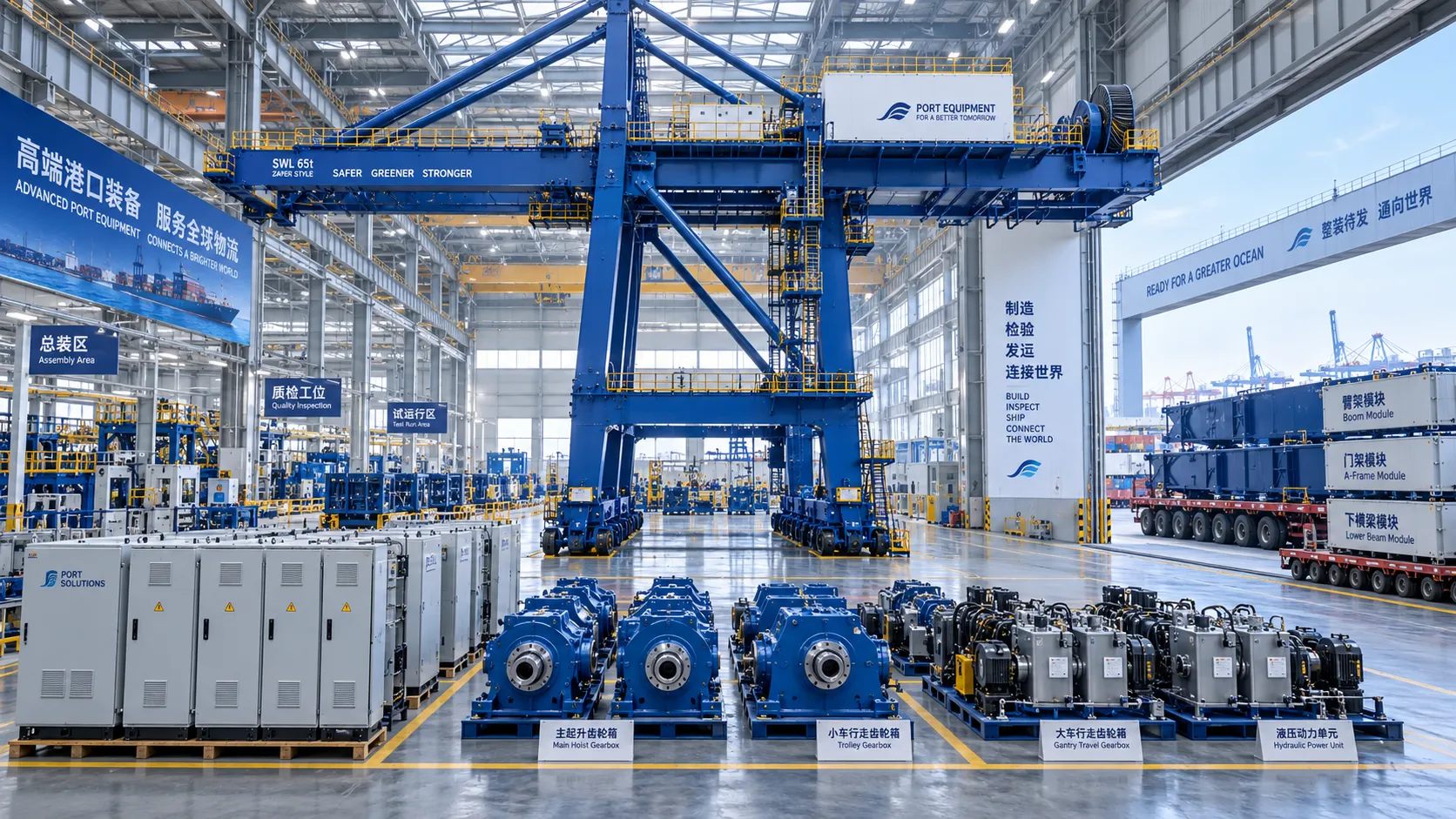
How Can Port Equipment Lead-Time Risk Be Managed?
How can port equipment lead-time risk be managed? Explore practical strategies to control critical paths, suppliers, transport, site readiness, and commissioning delays.
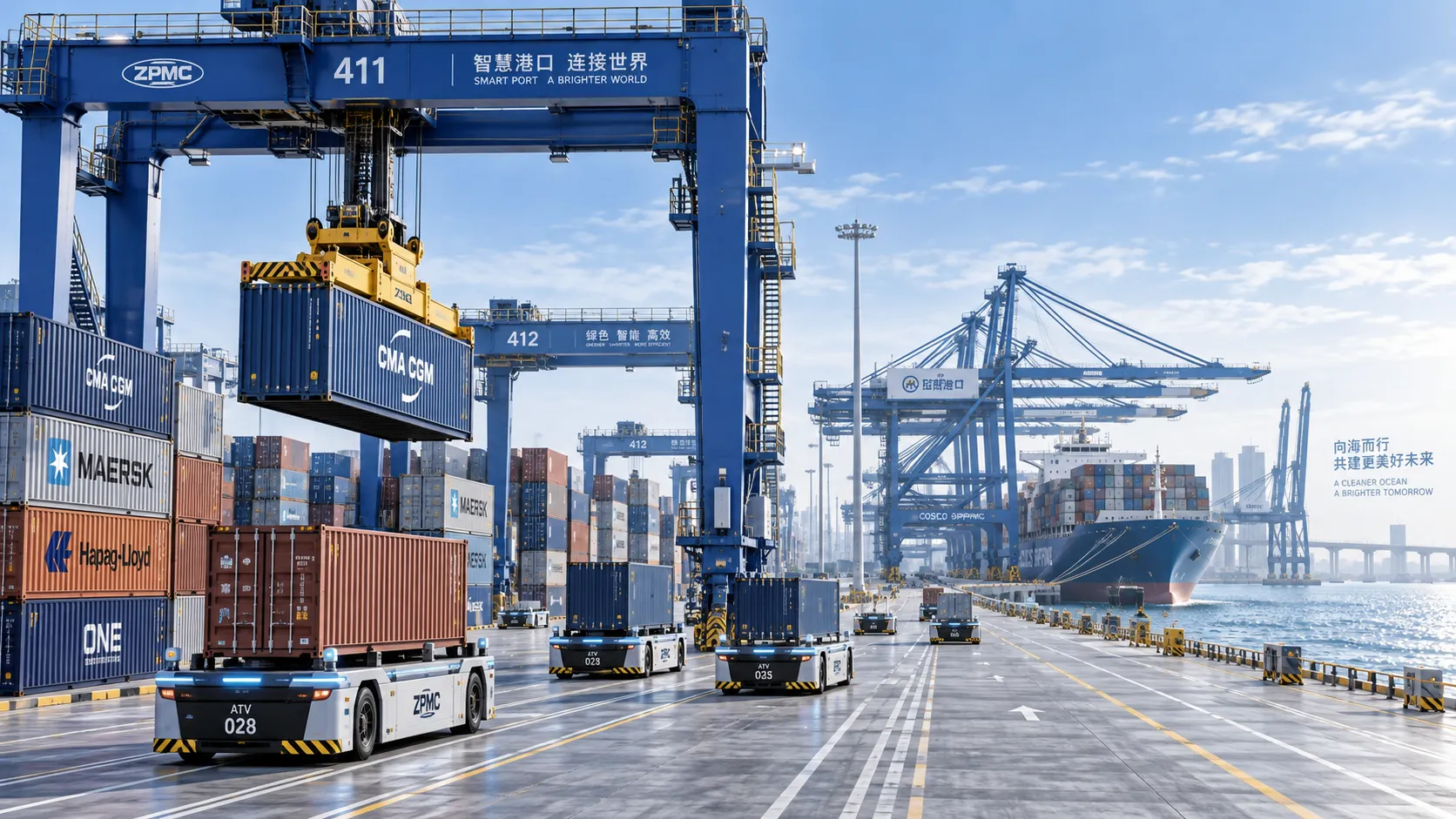
Terminal Automation Technologies That Raise Container Throughput Without Yard Disruption
Terminal automation technology that increases container throughput without disrupting yard flow. Explore smarter integration, resilient workflows, and phased deployment strategies.
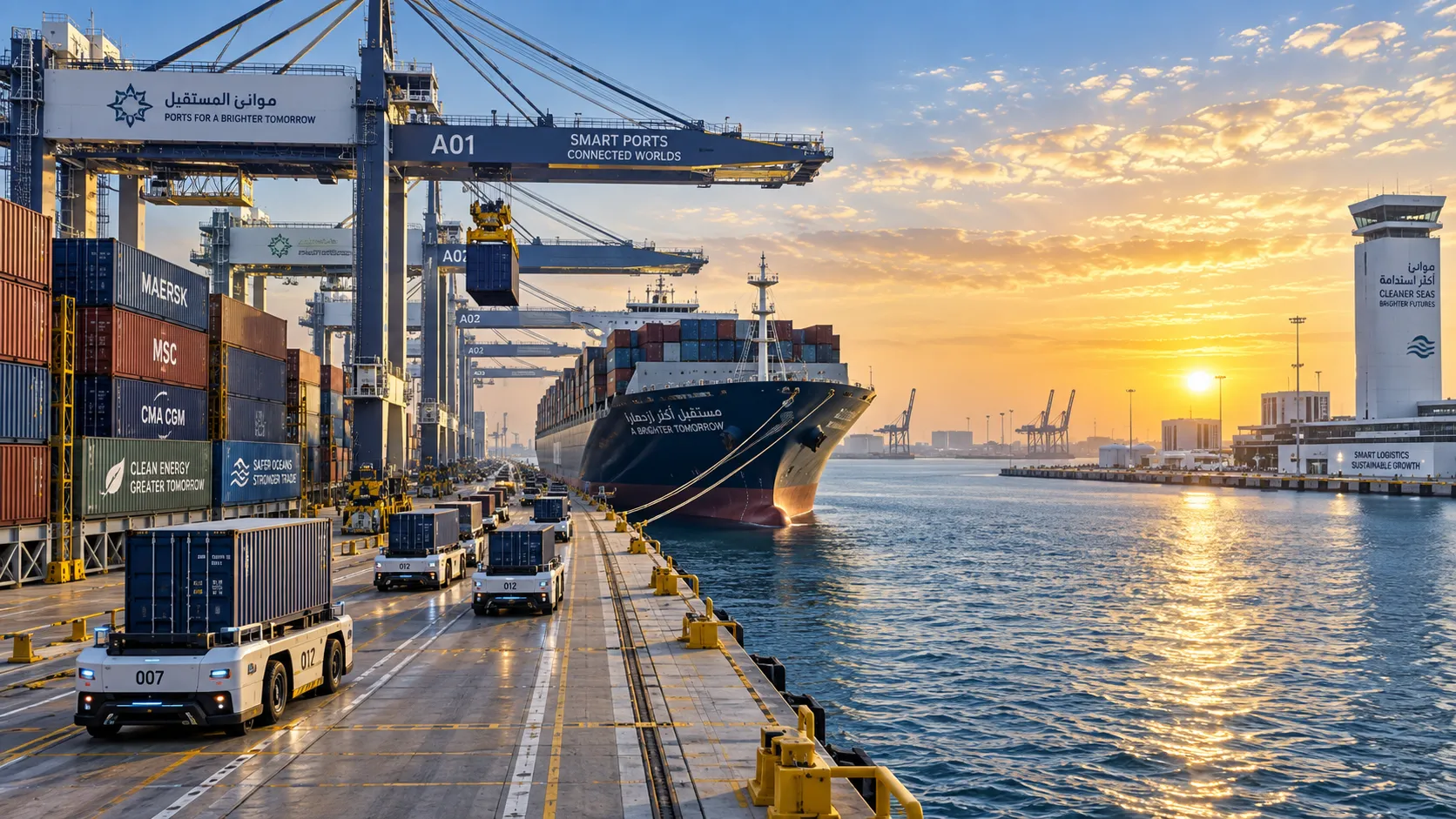
Middle East Port Automation: Key Market Drivers, Projects, and Investment Risks
Port automation systems Middle East: explore market drivers, flagship projects, integration challenges, and investment risks shaping smarter, resilient terminals.
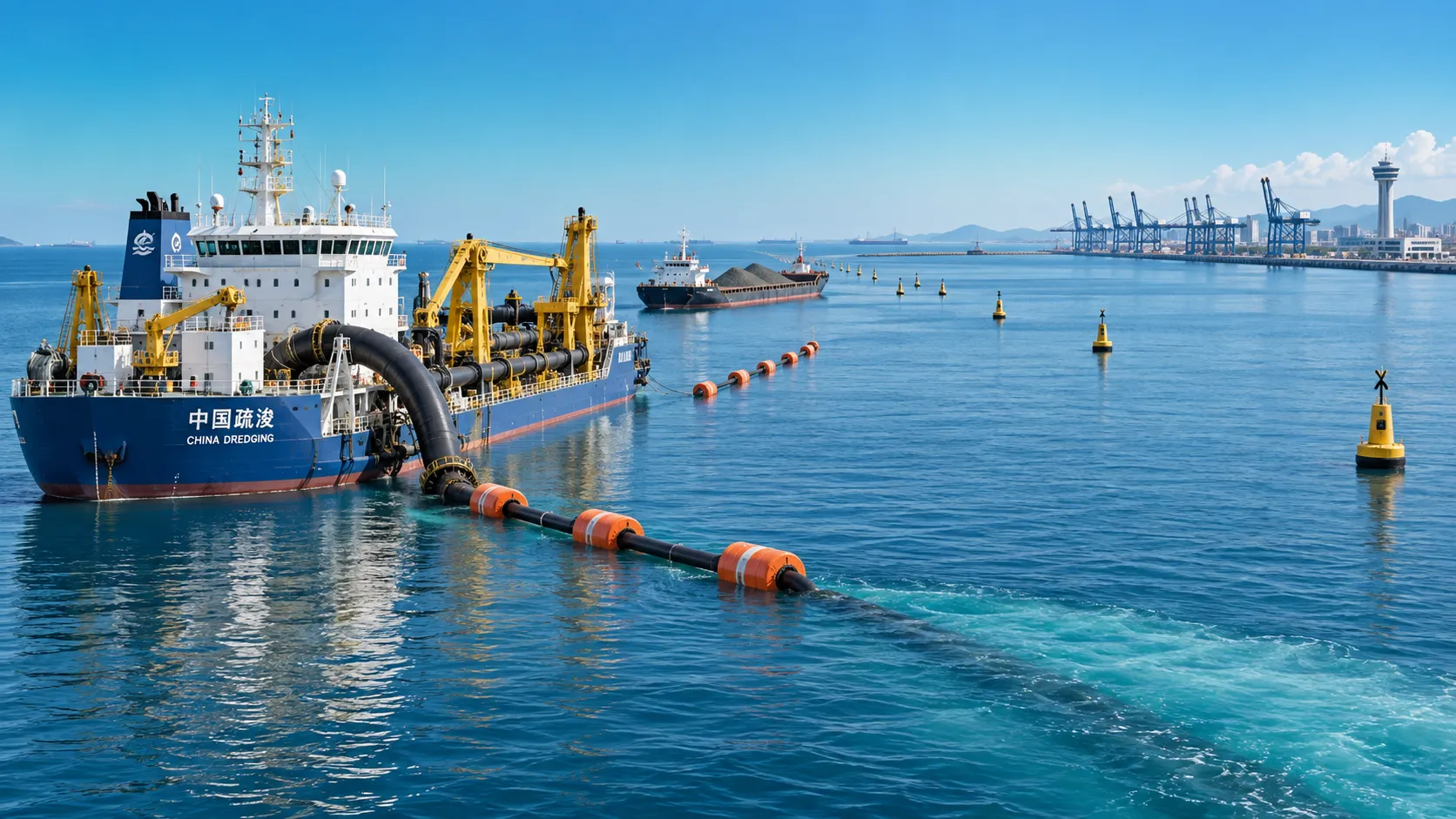
Planning Offshore Dredging Operations: Key Risks, Methods, and Project Controls
Offshore dredging operations demand smart planning. Explore key risks, proven methods, environmental controls, and project strategies for reliable delivery.