Related News
- 00
0000-00
How to Specify a Quay Crane for Container Terminals by Vessel Size and Throughput? - 00
0000-00
Which Bulk Handling Equipment Suits High-Moisture Cargo? - 00
0000-00
Terminal Automation Technologies That Raise Container Throughput Without Yard Disruption - 00
0000-00
Planning Offshore Dredging Operations: Key Risks, Methods, and Project Controls - 00
0000-00
Where Do Automated Guided Vehicles Deliver the Fastest Warehouse Gains in the Middle East?
Automated Cargo Handling Systems for Terminal Transfer: What to Compare Before Buying
Automated Cargo Handling Systems for Terminal Transfer: What to Compare Before Buying
For technical evaluation, automated cargo handling systems for terminal transfer are never a simple equipment purchase.
They shape berth productivity, yard flow, labor planning, safety control, and long-term operating cost.
A system that looks efficient on paper can still fail under real terminal pressure.
That usually happens when buyers compare machine speed, but ignore integration depth, software logic, or maintenance realities.
In practice, the right decision depends on how well the system fits your transfer routes, vessel mix, yard design, and automation roadmap.
This guide breaks down what to compare before buying automated cargo handling systems for terminal transfer, with a clear focus on procurement value and lifecycle performance.
Start with the actual transfer mission
Before comparing suppliers, define the transfer task in measurable terms.
Automated cargo handling systems for terminal transfer may serve quay-to-yard, yard-to-yard, rail interface, or gate buffer movement.
Each mission creates different demands for speed, path control, traffic logic, and handoff accuracy.
A terminal moving dense import containers faces different constraints than one handling transshipment peaks or mixed cargo flows.
This is why performance claims should always be tested against your operating profile.
- Peak moves per hour at each transfer node
- Container size mix, weight range, and special handling requirements
- Distance between cranes, buffer zones, stack blocks, and delivery points
- Expected growth in throughput over five to ten years
- Tolerance for downtime during maintenance or software upgrades
If this baseline is weak, every later comparison becomes distorted, especially cost comparisons.
Compare control logic, not just machine hardware
Many buying teams focus first on vehicles, cranes, lifts, and conveyors.
That matters, but the real advantage in automated cargo handling systems for terminal transfer often sits in the control layer.
Control logic decides dispatch priority, route optimization, conflict handling, buffer management, and recovery after disruption.
A fast machine with weak orchestration can create congestion instead of throughput.
Ask vendors how their system handles simultaneous moves, interrupted tasks, and dynamic resequencing.
More importantly, request evidence from comparable terminals, not only simulation outputs.
Key software questions
- How does the scheduler prioritize urgent vessel work against yard balancing?
- Can the system reroute equipment in seconds after a blocked lane or failed unit?
- Does the platform support rule-based logic and adaptive optimization together?
- What data latency is typical between field devices and the central controller?
- How are exceptions visualized for operators and maintenance teams?
In current buying decisions, this software comparison is often the difference between a smooth terminal and a fragile one.
Check compatibility with your existing terminal ecosystem
Automated cargo handling systems for terminal transfer rarely operate alone.
They depend on interfaces with TOS platforms, crane controls, OCR portals, safety PLCs, weigh systems, and energy infrastructure.
Even strong equipment can underperform when integration is shallow or proprietary.
So the buying decision should include interface architecture from the beginning.
Look closely at communication standards, API maturity, failover logic, and cybersecurity support.
A common problem appears when suppliers promise integration later, but leave major responsibility with the terminal team.
That usually leads to higher commissioning cost and slower time to stable operation.
Integration points to verify
- TOS command exchange and job confirmation cycle
- Crane handshake timing at pickup and drop-off points
- Battery charging or power rail coordination
- Positioning accuracy across GNSS, lidar, or embedded guidance systems
- Remote diagnostics, patching, and user-access permissions
Measure scalability in operational terms
Scalability is often described too vaguely in supplier proposals.
For automated cargo handling systems for terminal transfer, scalability should be tested in physical, digital, and organizational terms.
Can you add more vehicles without degrading route efficiency?
Can another yard block, berth lane, or rail zone be integrated without rebuilding the control core?
Can your team support expansion without depending entirely on the original vendor?
These are procurement questions because poor scalability turns future growth into an expensive retrofit.
A system that is cheap today can become the most expensive option after the second expansion phase.
Compare safety architecture and recovery behavior
Safety in automated cargo handling systems for terminal transfer is more than obstacle detection.
It includes zone management, human-machine separation, emergency logic, degraded modes, and restart procedures.
This also affects uptime.
An overly sensitive system can cause false stops and throughput loss.
A weak safety design creates operational risk and difficult approvals.
Recent market signals show buyers paying closer attention to recovery behavior after faults.
The practical question is simple: after an interruption, how fast can the terminal resume coordinated transfer work?
- Safety certification and compliance scope
- Fallback operation when sensors fail or communication drops
- Manual takeover design and operator visibility
- Incident logging and root-cause traceability
- Restart time after emergency stop or subsystem reset
Look beyond purchase price to lifecycle cost
For procurement teams, this is where disciplined comparison becomes essential.
The headline price of automated cargo handling systems for terminal transfer tells only part of the story.
You need a full cost model covering commissioning, software licensing, training, spares, support, energy use, and upgrade paths.
Downtime cost should also be quantified, especially in high-volume terminals.
In many cases, the cheaper bid carries hidden cost through proprietary parts, frequent intervention, or expensive software changes.
By contrast, a higher initial investment can deliver lower total cost per move over the asset life.
Cost categories to compare side by side
Demand transparency in data and performance reporting
Data visibility is now a buying issue, not just an operations issue.
Automated cargo handling systems for terminal transfer should give clear access to utilization, delay causes, energy performance, queue time, and exception trends.
Without that, optimization becomes guesswork.
This also matters during vendor negotiation.
If the supplier controls all critical data, benchmarking and future migration become harder.
A practical procurement requirement is ownership of operational data and access to exportable performance records.
Build a better buying shortlist
When comparing automated cargo handling systems for terminal transfer, a useful shortlist should balance technical fit, integration depth, and long-term cost.
Supplier reputation matters, but evidence matters more.
Look for proven references in similar terminal environments, clear acceptance criteria, and transparent support commitments.
In real projects, the strongest proposal is usually the one that explains limits honestly.
That gives you a more reliable basis for cost planning and risk control.
- Define target throughput, transfer routes, and service constraints.
- Score software orchestration and exception handling separately from hardware.
- Map every integration point and assign interface responsibility.
- Model lifecycle cost per move, not purchase price alone.
- Require data transparency, safety evidence, and realistic expansion terms.
For buyers in maritime logistics, that approach leads to a more durable decision.
It also aligns better with the broader direction of smart terminals, lower emissions, and more resilient global trade infrastructure.
Before signing, compare automated cargo handling systems for terminal transfer as operating platforms, not isolated machines. That is where the real procurement value appears.
Related News
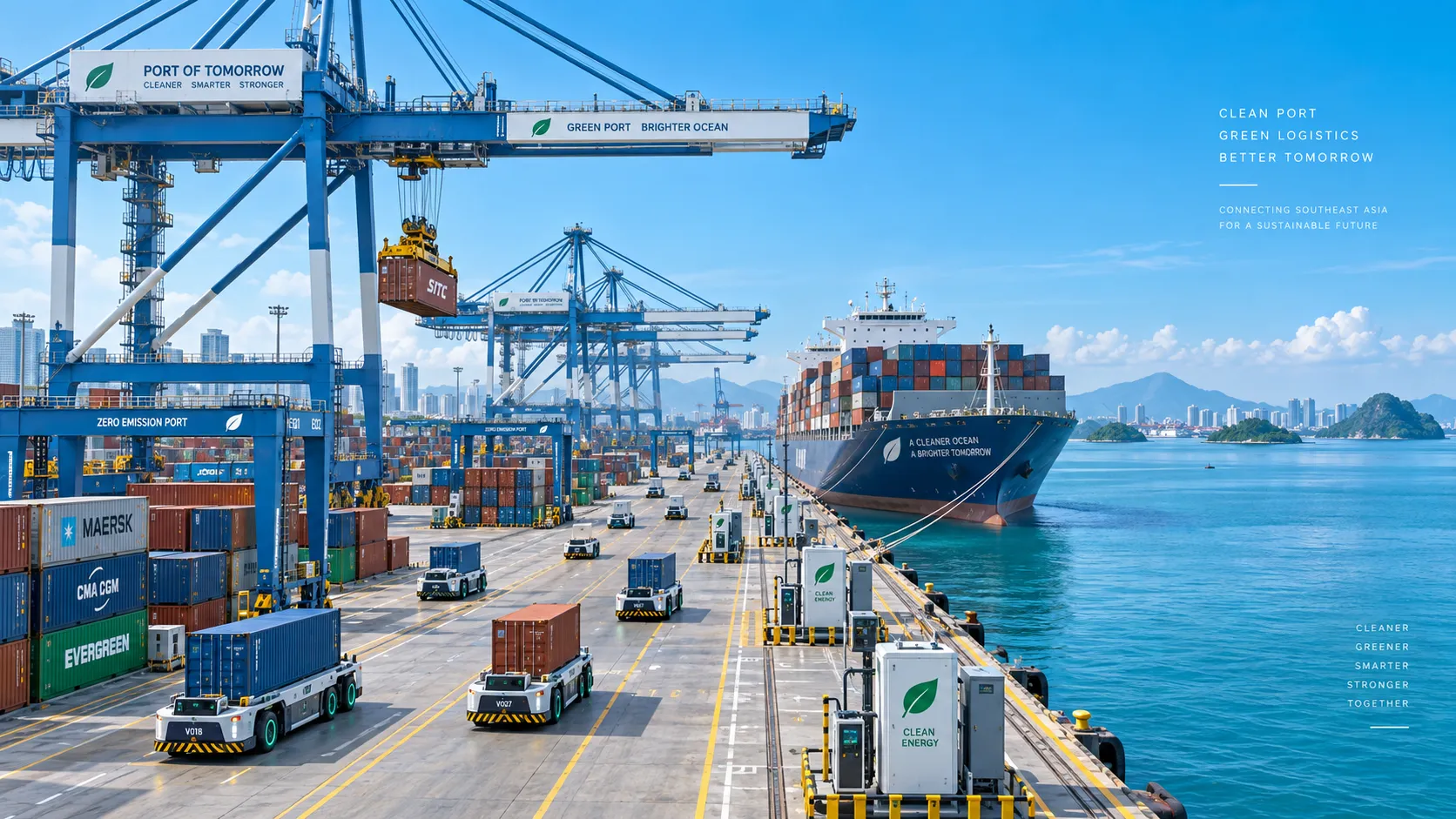
Smart Port Systems in Southeast Asia: Investment Priorities and Adoption Barriers
Smart port systems Southeast Asia: discover investment priorities, adoption barriers, and practical steps to build resilient, connected, high-performing terminals.
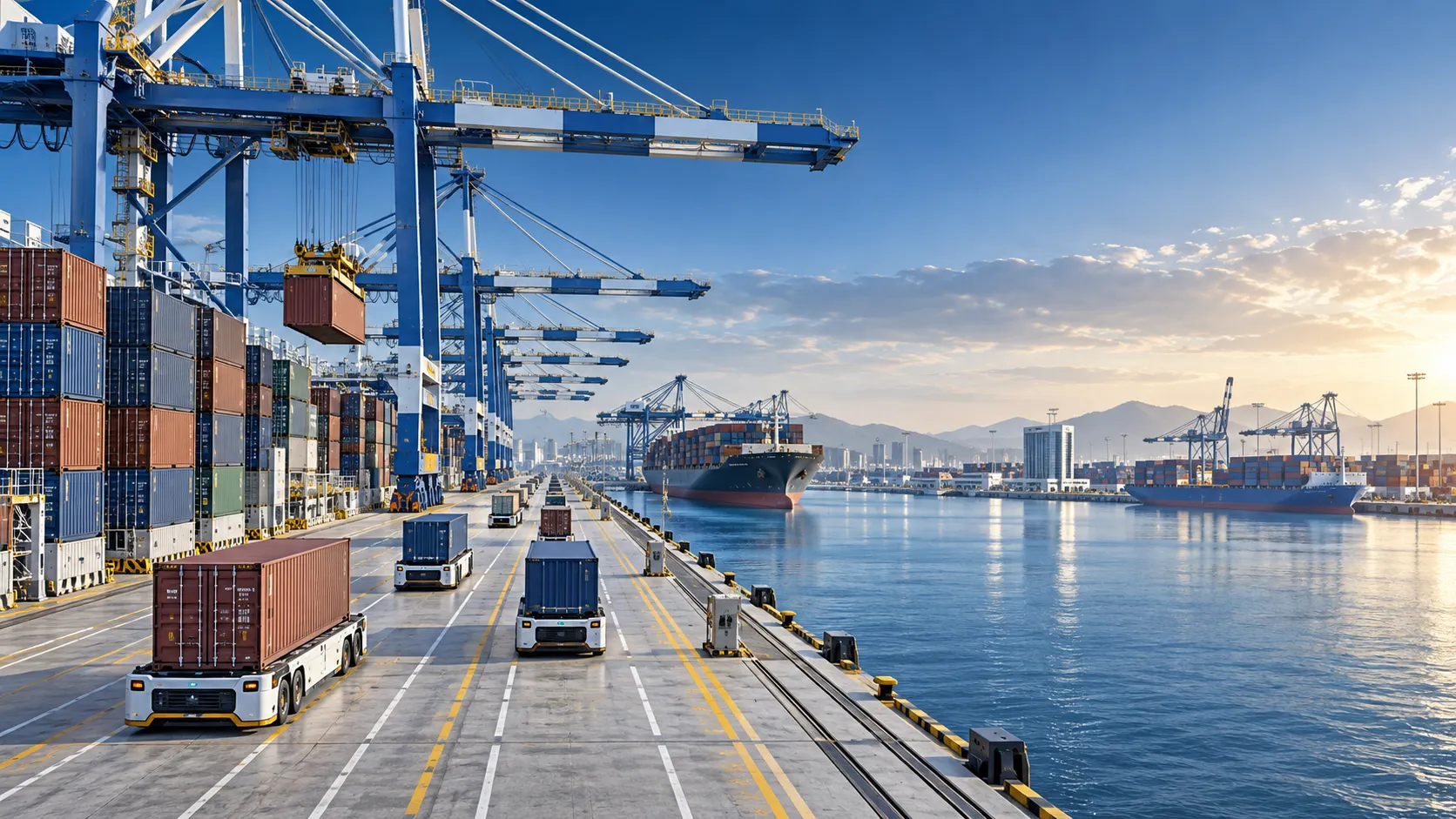
How to Evaluate Terminal Efficiency Solution Suppliers for High-Throughput Operations
Choose a terminal efficiency solutions supplier with confidence. Explore proven criteria for throughput, integration, lifecycle cost, safety, and reliable delivery.
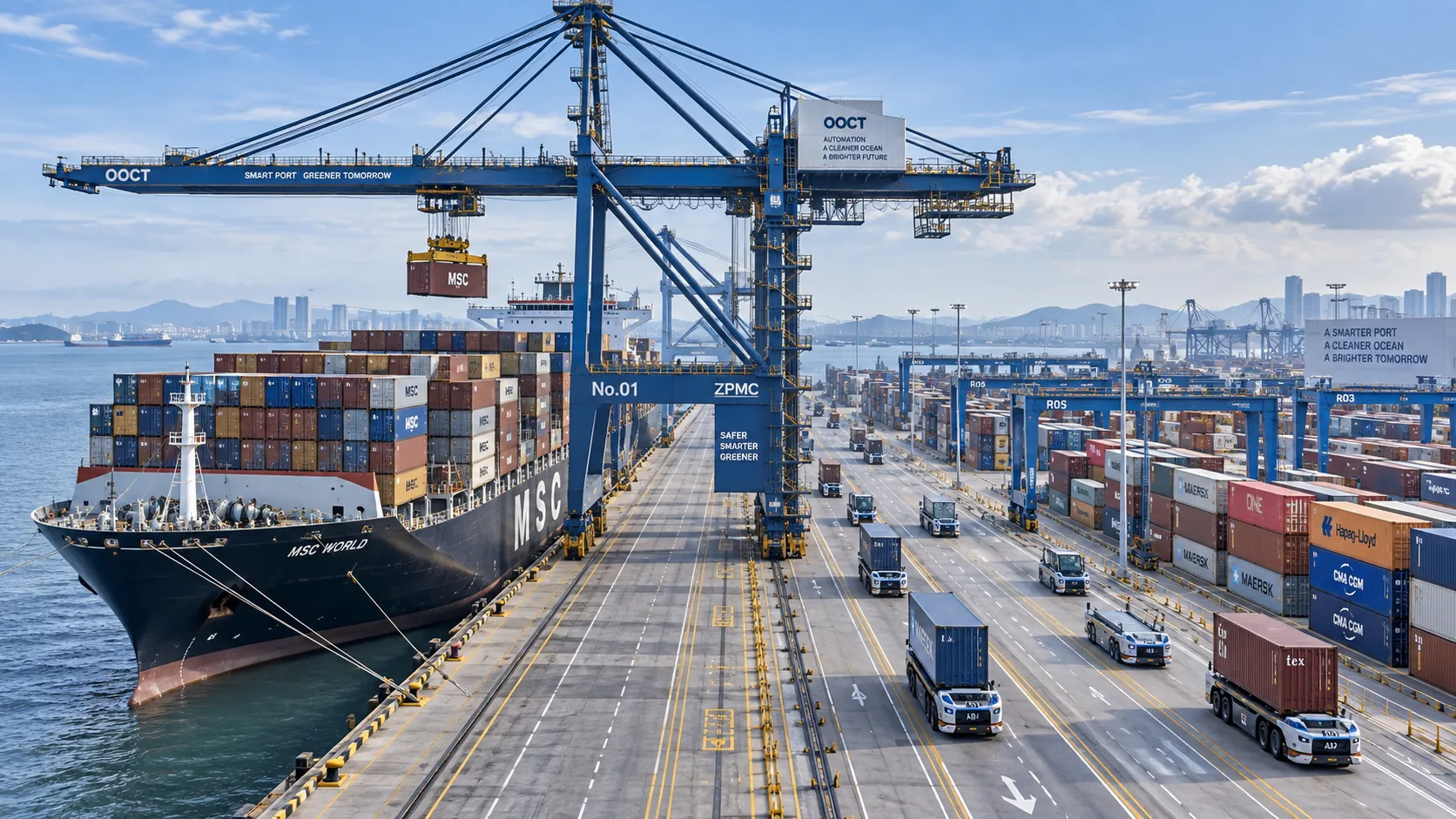
How to Specify a Quay Crane for Container Terminals by Vessel Size and Throughput?
Quay crane for container terminals: learn how to match outreach, lift height, capacity, automation, and cycle performance to vessel size and throughput goals.
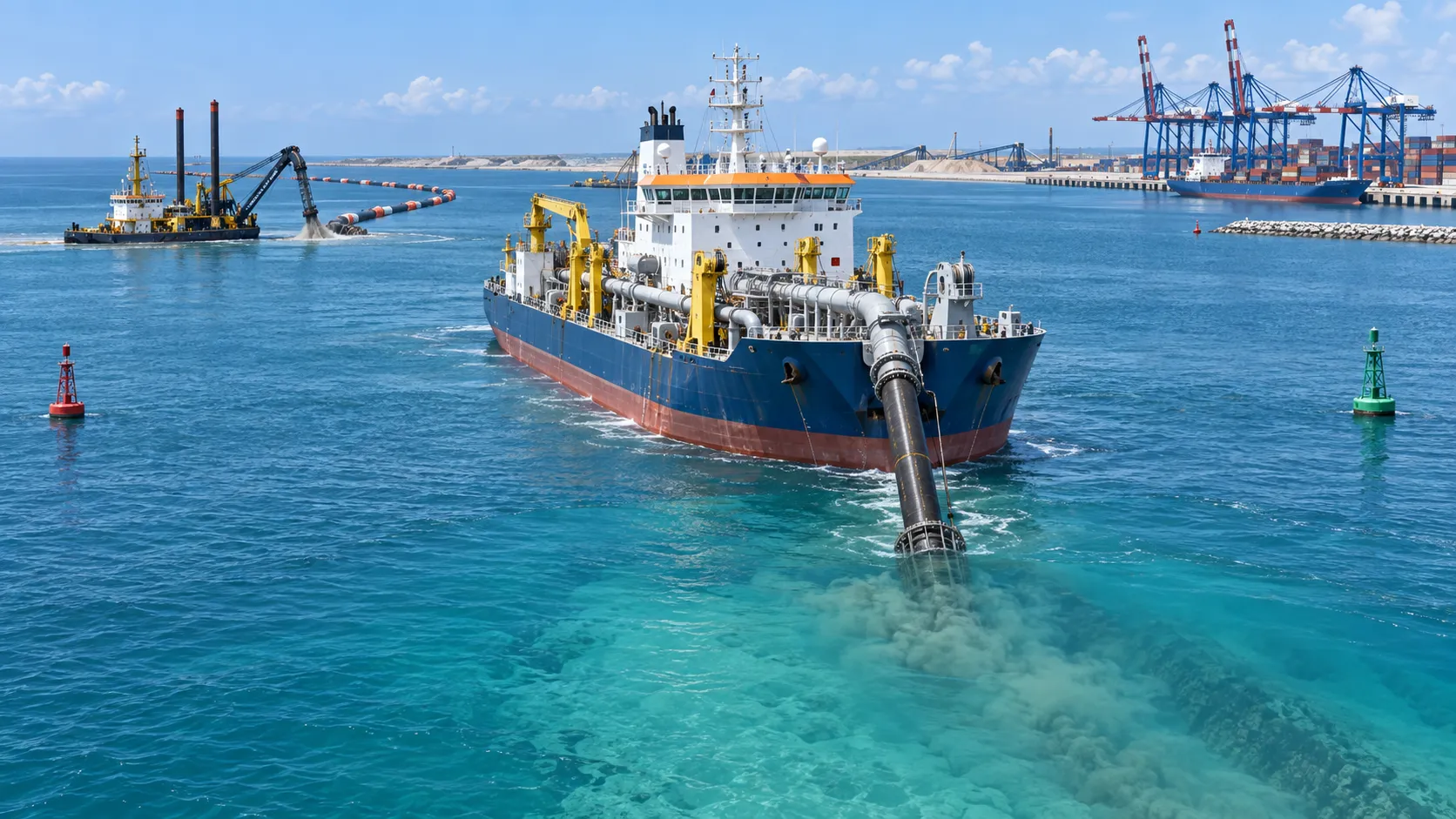
What Dredging Equipment Is Needed for Channel Deepening?
What dredging equipment is needed for channel deepening? Explore dredgers, pipelines, survey tools, and planning strategies for safer, more efficient port access.
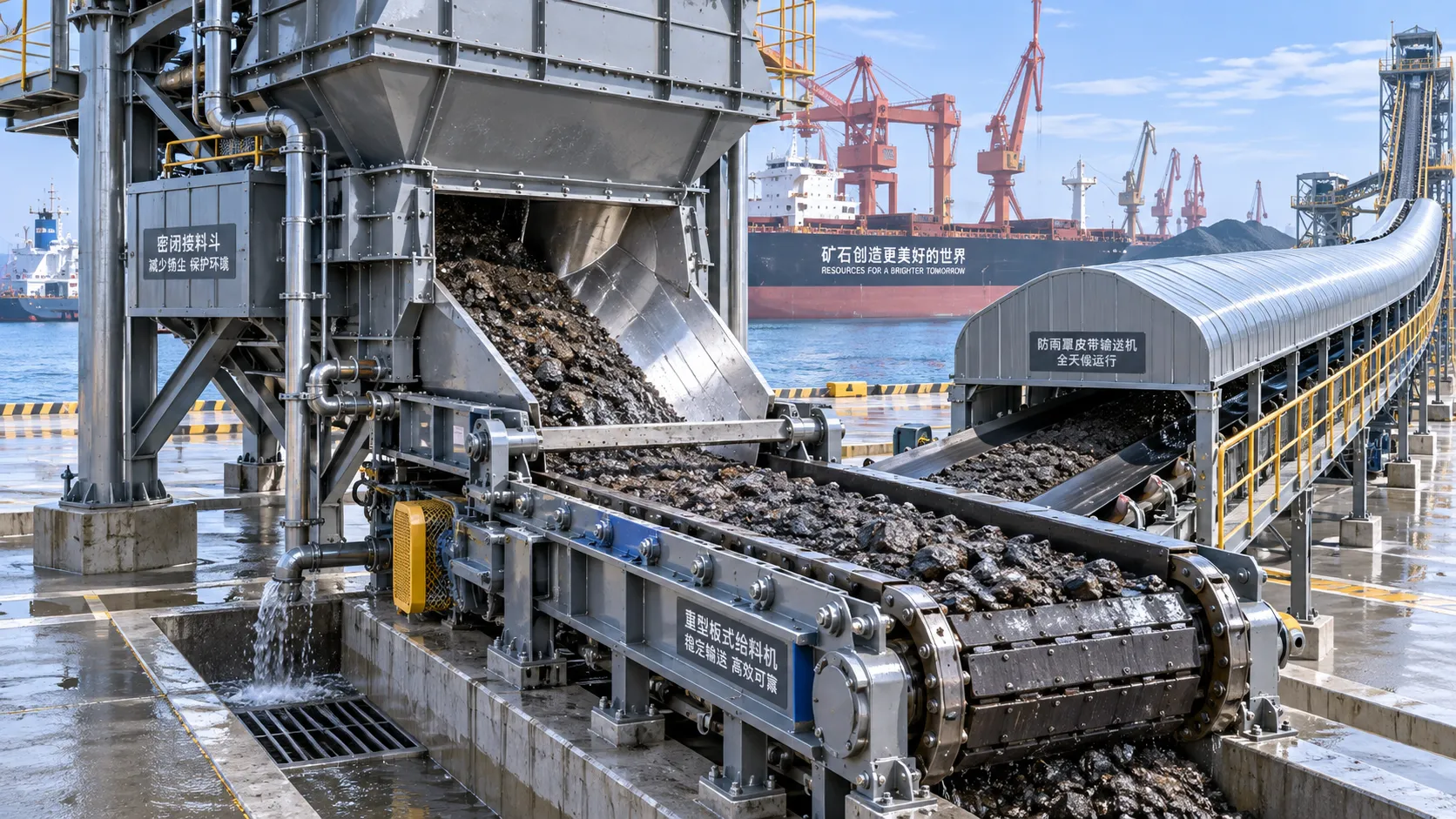
Which Bulk Handling Equipment Suits High-Moisture Cargo?
Which bulk handling equipment suits high-moisture cargo? Compare belt, apron, screw, drag, and slurry systems for reliable flow, less carryback, and higher terminal uptime.
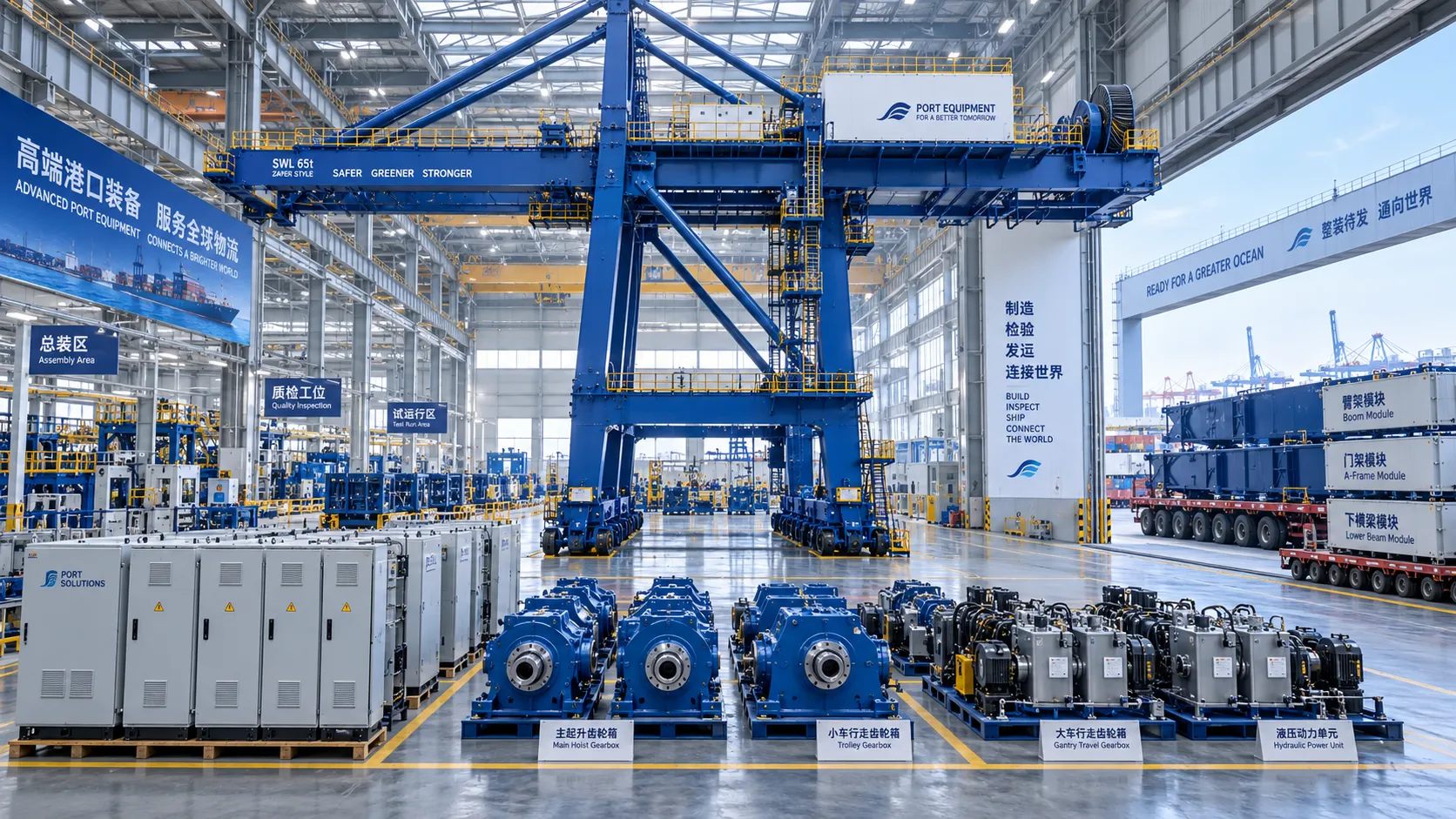
How Can Port Equipment Lead-Time Risk Be Managed?
How can port equipment lead-time risk be managed? Explore practical strategies to control critical paths, suppliers, transport, site readiness, and commissioning delays.
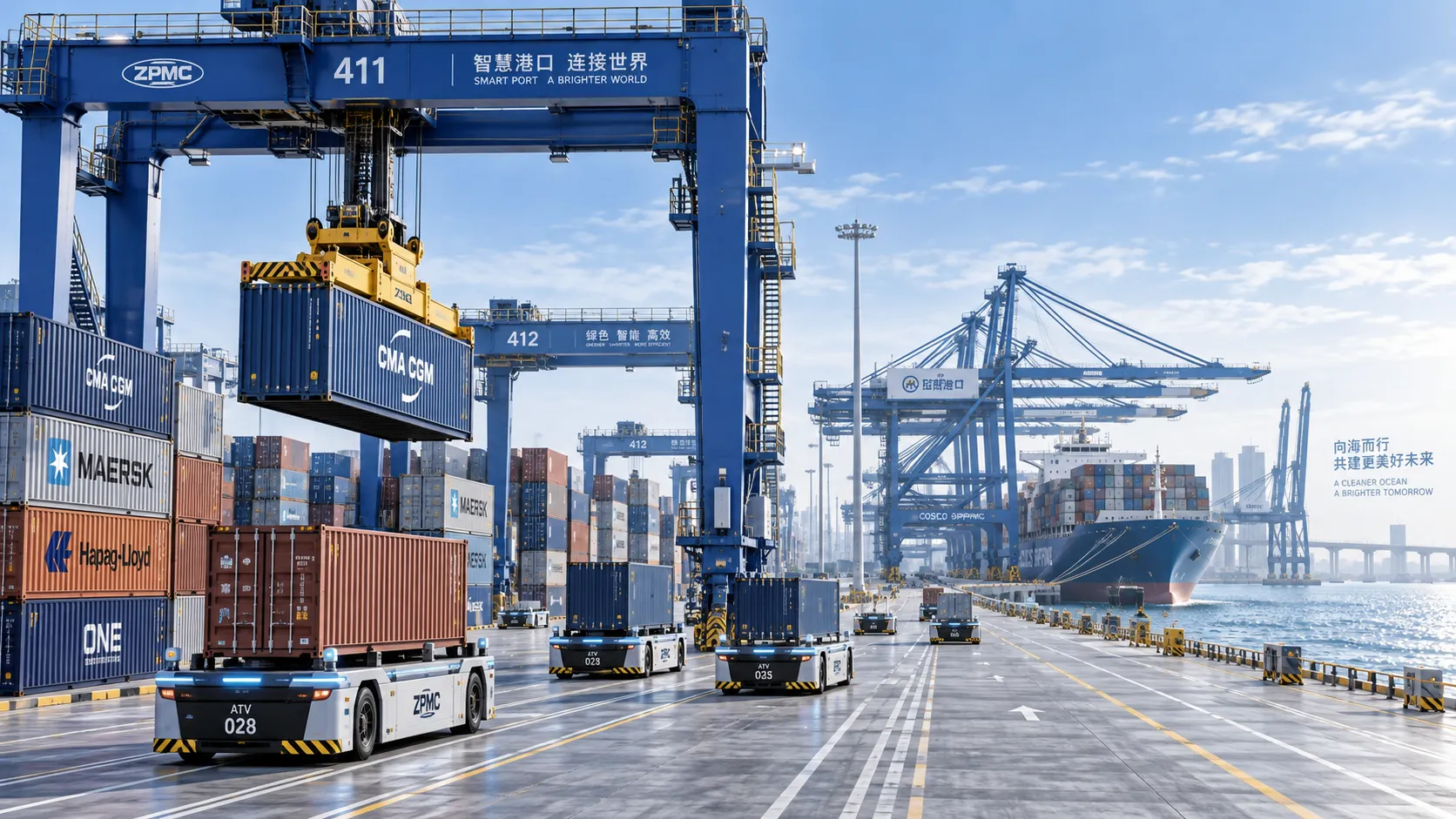
Terminal Automation Technologies That Raise Container Throughput Without Yard Disruption
Terminal automation technology that increases container throughput without disrupting yard flow. Explore smarter integration, resilient workflows, and phased deployment strategies.
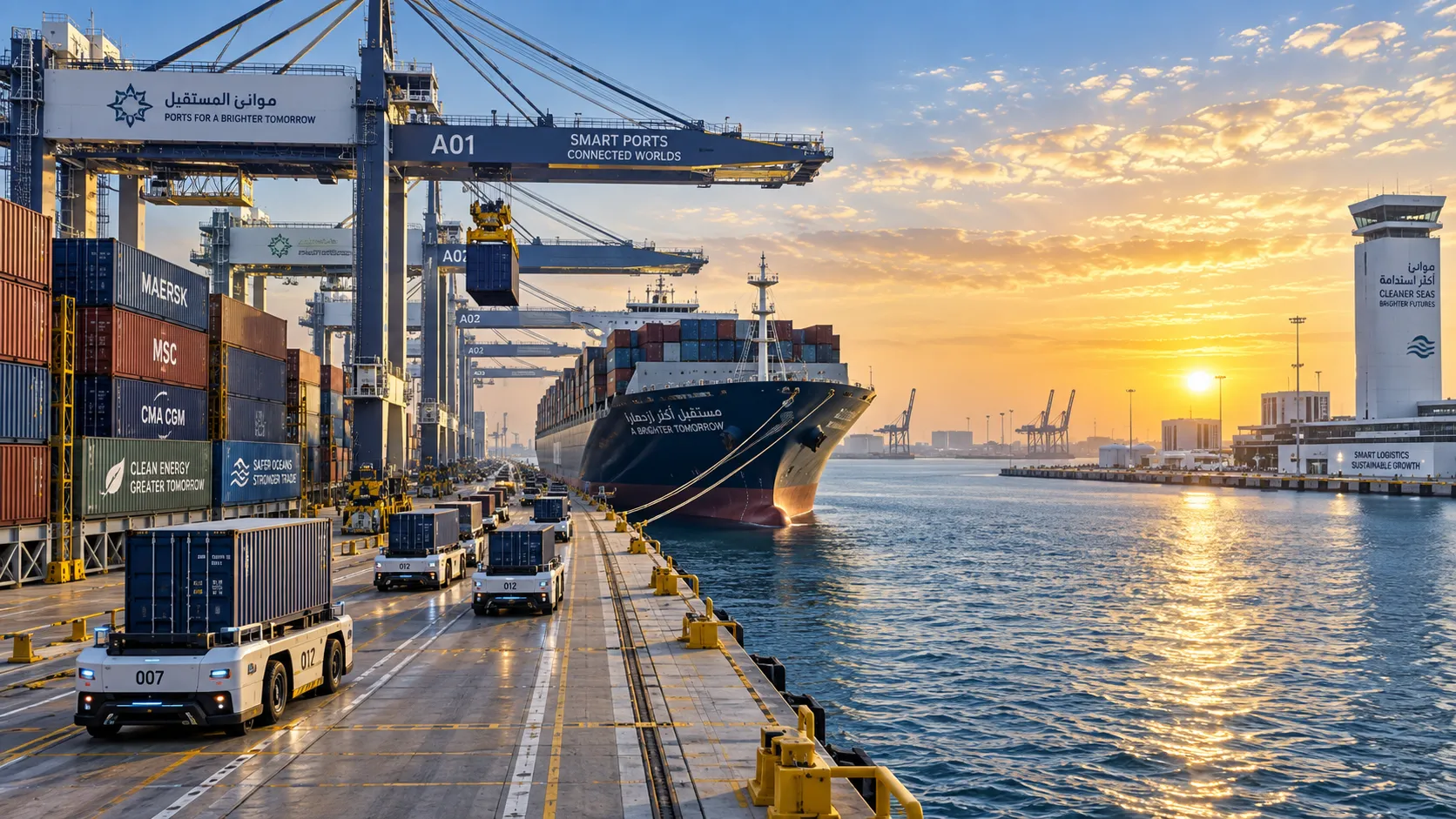
Middle East Port Automation: Key Market Drivers, Projects, and Investment Risks
Port automation systems Middle East: explore market drivers, flagship projects, integration challenges, and investment risks shaping smarter, resilient terminals.
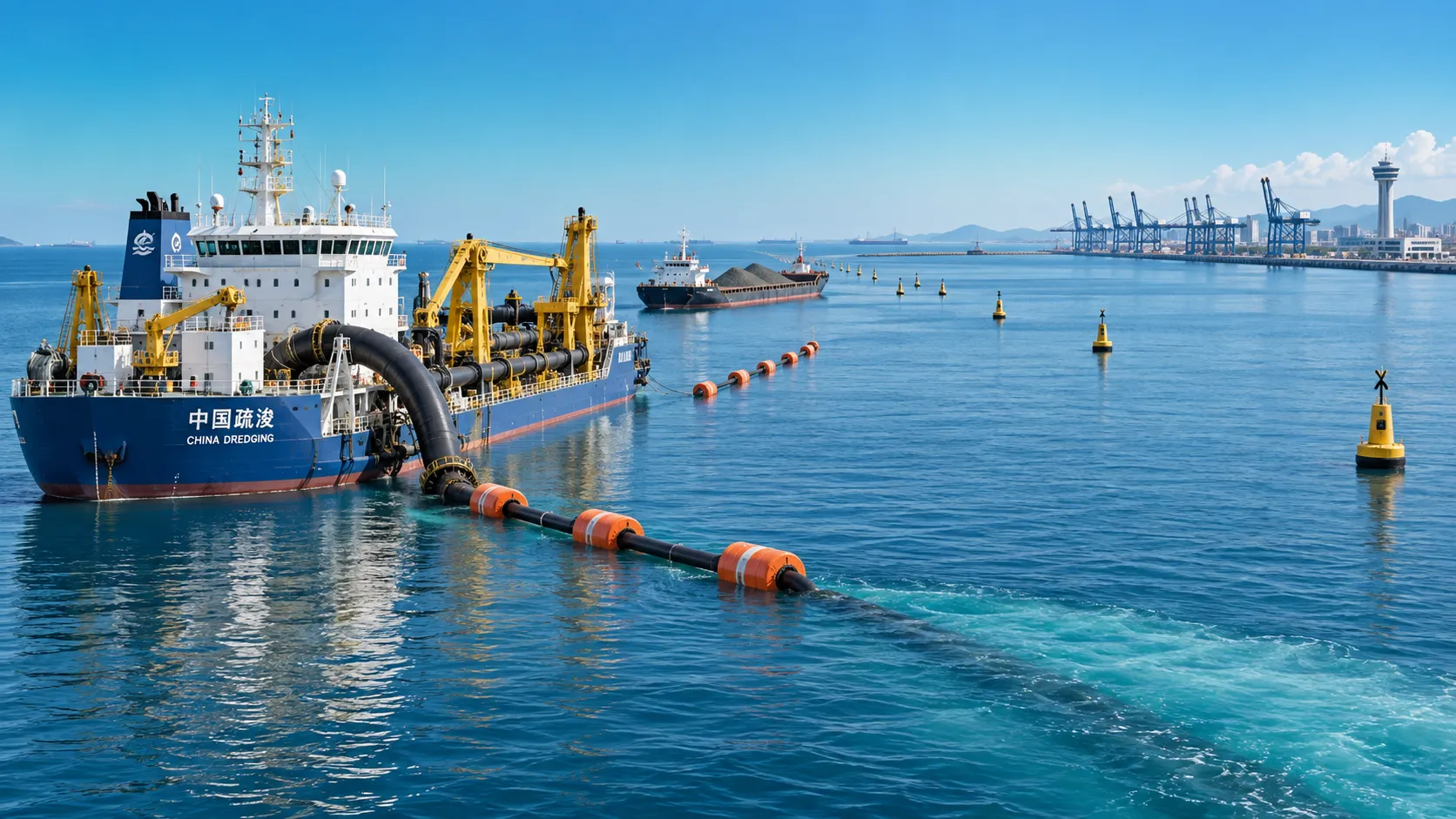
Planning Offshore Dredging Operations: Key Risks, Methods, and Project Controls
Offshore dredging operations demand smart planning. Explore key risks, proven methods, environmental controls, and project strategies for reliable delivery.