Related News
- 00
0000-00
How to Specify a Quay Crane for Container Terminals by Vessel Size and Throughput? - 00
0000-00
Which Bulk Handling Equipment Suits High-Moisture Cargo? - 00
0000-00
Terminal Automation Technologies That Raise Container Throughput Without Yard Disruption - 00
0000-00
Planning Offshore Dredging Operations: Key Risks, Methods, and Project Controls - 00
0000-00
Where Do Automated Guided Vehicles Deliver the Fastest Warehouse Gains in the Middle East?
How to Evaluate Port Logistics Intelligence for Terminals Before System Deployment
How to Evaluate Port Logistics Intelligence for Terminals Before System Deployment
Before investing in a new platform, terminals need more than a good demo.
They need a practical way to assess port logistics intelligence for terminals in real operating conditions.
That means checking data quality, operational fit, integration depth, and automation readiness before deployment starts.
A disciplined review reduces project risk, protects capital, and exposes gaps that usually surface too late.
In real terminal environments, those gaps often affect berth planning, yard balance, crane moves, truck turn time, and control system stability.
This guide breaks down how to evaluate port logistics intelligence for terminals with a decision-focused, field-ready framework.
Start with the terminal’s real operating model
Many evaluations fail because teams begin with software features instead of terminal constraints.
Port logistics intelligence for terminals only creates value when it matches actual flow logic.
Map your operating model first.
- Berth profile, vessel mix, and peak call patterns
- Quay crane strategy and handoff timing
- Yard block layout, density targets, and rehandle tolerance
- Truck, rail, and gate synchronization requirements
- Automation scope for ASC, AGV, RTG, or hybrid fleets
This baseline matters because intelligence tools often look strong in generic workflows.
The real test is whether port logistics intelligence for terminals supports your exceptions, not only your ideal flow.
Examine data quality before judging algorithm quality
A scheduling engine is only as reliable as the signals it receives.
That is why port logistics intelligence for terminals should be evaluated from the data layer upward.
Look at availability, structure, latency, and consistency across systems.
Key data questions to test
- Are TOS, ECS, PLC, gate, OCR, and maintenance systems using aligned identifiers?
- How often do equipment status feeds drop or arrive late?
- Can the platform distinguish planned moves from executed moves in near real time?
- Are yard inventory records accurate enough for automated dispatch?
- Is timestamp resolution sufficient for crane and vehicle coordination?
Poor source data can make a strong product look weak.
It can also make a weak product look acceptable during scripted demos.
When reviewing port logistics intelligence for terminals, ask vendors to run scenarios using messy, delayed, and incomplete operational data.
Validate scheduling logic against terminal friction points
The value of port logistics intelligence for terminals sits inside daily decision loops.
So the evaluation should focus on where terminals actually lose time and capacity.
Typical friction points include yard congestion, crane starvation, twin-lift imbalance, and AGV queuing.
Scenario tests worth running
- Vessel bunching with overlapping berth windows
- Equipment outage during peak discharge
- Late customs release causing stack reshuffling
- Gate surge that competes with vessel work for yard capacity
- Mixed manual and automated equipment operating in one traffic zone
In each case, examine how the system reprioritizes moves, manages conflicts, and communicates decisions.
You are not only checking optimization speed.
You are testing whether port logistics intelligence for terminals remains stable when the terminal behaves like a terminal.
Measure integration depth, not interface count
Vendors often highlight how many systems they can connect.
That is useful, but it is not enough.
Port logistics intelligence for terminals depends on how deeply those systems interact.
A shallow interface may transfer status messages.
A deep integration supports event-level control, exception handling, and feedback into planning logic.
When comparing port logistics intelligence for terminals, integration depth usually predicts deployment difficulty more accurately than feature lists do.
Check automation readiness across equipment and control layers
Automation readiness is often treated as a future issue.
In practice, it should shape the evaluation from day one.
Port logistics intelligence for terminals must support both current workflows and future control complexity.
Review how the platform handles machine states, routing rules, fallback modes, and safety boundaries.
This is especially important in mixed fleets where manual RTGs, automated stacking cranes, and remote-controlled quay cranes share dependencies.
- Can the system absorb variable latency from remote-control operations?
- Does it support path-planning constraints for AGVs or terminal trucks?
- Can safety interlocks be represented without breaking scheduling continuity?
- How does it recover from sensor loss, zone block, or vehicle rerouting?
A strong port logistics intelligence for terminals platform should improve performance today while keeping expansion paths open for automation upgrades.
Assess decision visibility and operator trust
Even good recommendations fail if operators cannot trust them.
That is why port logistics intelligence for terminals should be explainable at the action level.
Users need to see why the system changed a berth sequence, reassigned a crane, or relocated a container stack.
During evaluation, ask for clear operator views, audit trails, and override logic.
Look for transparency in priorities, penalties, and conflict rules.
When port logistics intelligence for terminals behaves like a black box, adoption slows and manual workarounds return quickly.
Use a weighted evaluation matrix for final selection
A final decision should not rely on demos, references, or vendor claims alone.
Build a weighted matrix that reflects terminal priorities.
This keeps the selection process consistent and defensible.
Suggested scoring categories
- Operational fit for berth, yard, gate, and intermodal flows
- Data reliability and event processing quality
- Scheduling logic under stress scenarios
- Integration depth with TOS, ECS, and equipment layers
- Automation readiness and future scalability
- Decision visibility, override design, and user trust
- Implementation effort, vendor support, and lifecycle cost
Weight each category based on terminal strategy.
A greenfield automated terminal may prioritize control integration and latency.
A brownfield site may care more about coexistence with legacy systems and phased rollout risk.
That distinction matters when evaluating port logistics intelligence for terminals in realistic investment conditions.
Make the deployment decision with fewer assumptions
The best evaluation process reduces surprises after contract award.
It also separates attractive software from deployable software.
That is the core goal when assessing port logistics intelligence for terminals.
Start with the operating model.
Test the data layer.
Challenge the scheduling logic with real disruptions.
Measure integration depth and automation readiness in practical terms.
Then score options against terminal priorities, not vendor narratives.
With that approach, port logistics intelligence for terminals becomes a strategic decision tool, not just another IT purchase.
Related News
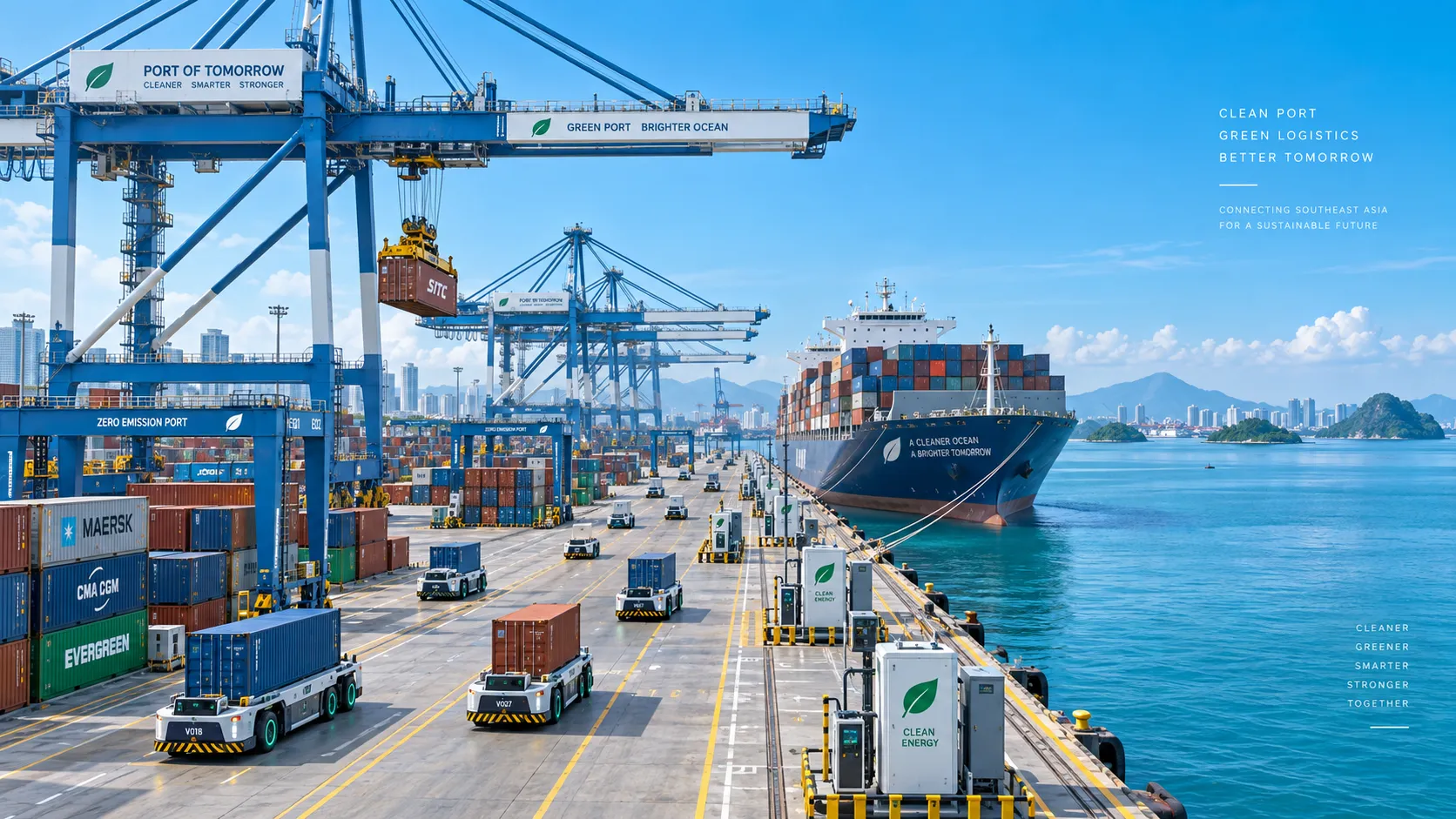
Smart Port Systems in Southeast Asia: Investment Priorities and Adoption Barriers
Smart port systems Southeast Asia: discover investment priorities, adoption barriers, and practical steps to build resilient, connected, high-performing terminals.

How to Evaluate Terminal Efficiency Solution Suppliers for High-Throughput Operations
Choose a terminal efficiency solutions supplier with confidence. Explore proven criteria for throughput, integration, lifecycle cost, safety, and reliable delivery.
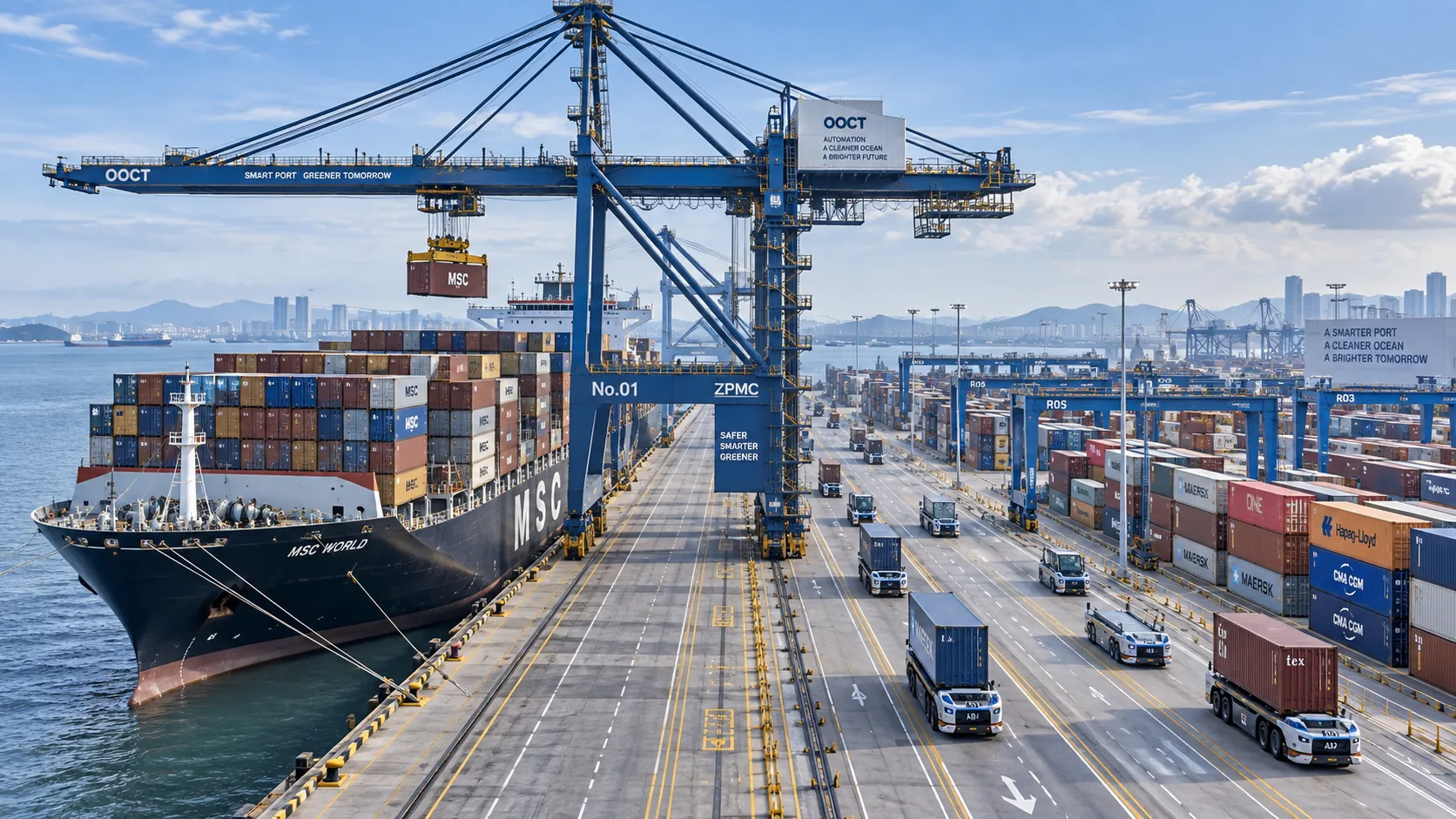
How to Specify a Quay Crane for Container Terminals by Vessel Size and Throughput?
Quay crane for container terminals: learn how to match outreach, lift height, capacity, automation, and cycle performance to vessel size and throughput goals.
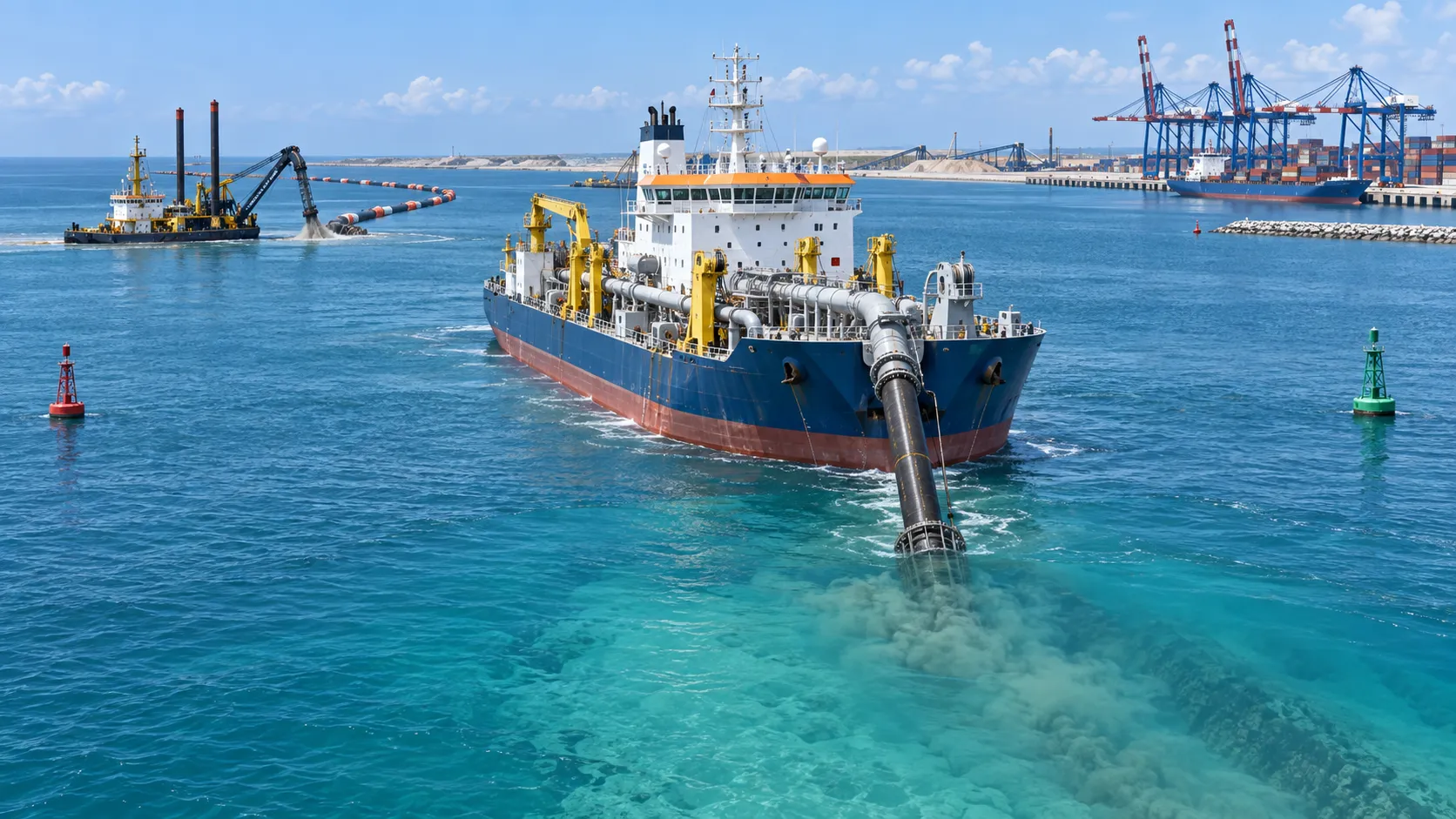
What Dredging Equipment Is Needed for Channel Deepening?
What dredging equipment is needed for channel deepening? Explore dredgers, pipelines, survey tools, and planning strategies for safer, more efficient port access.
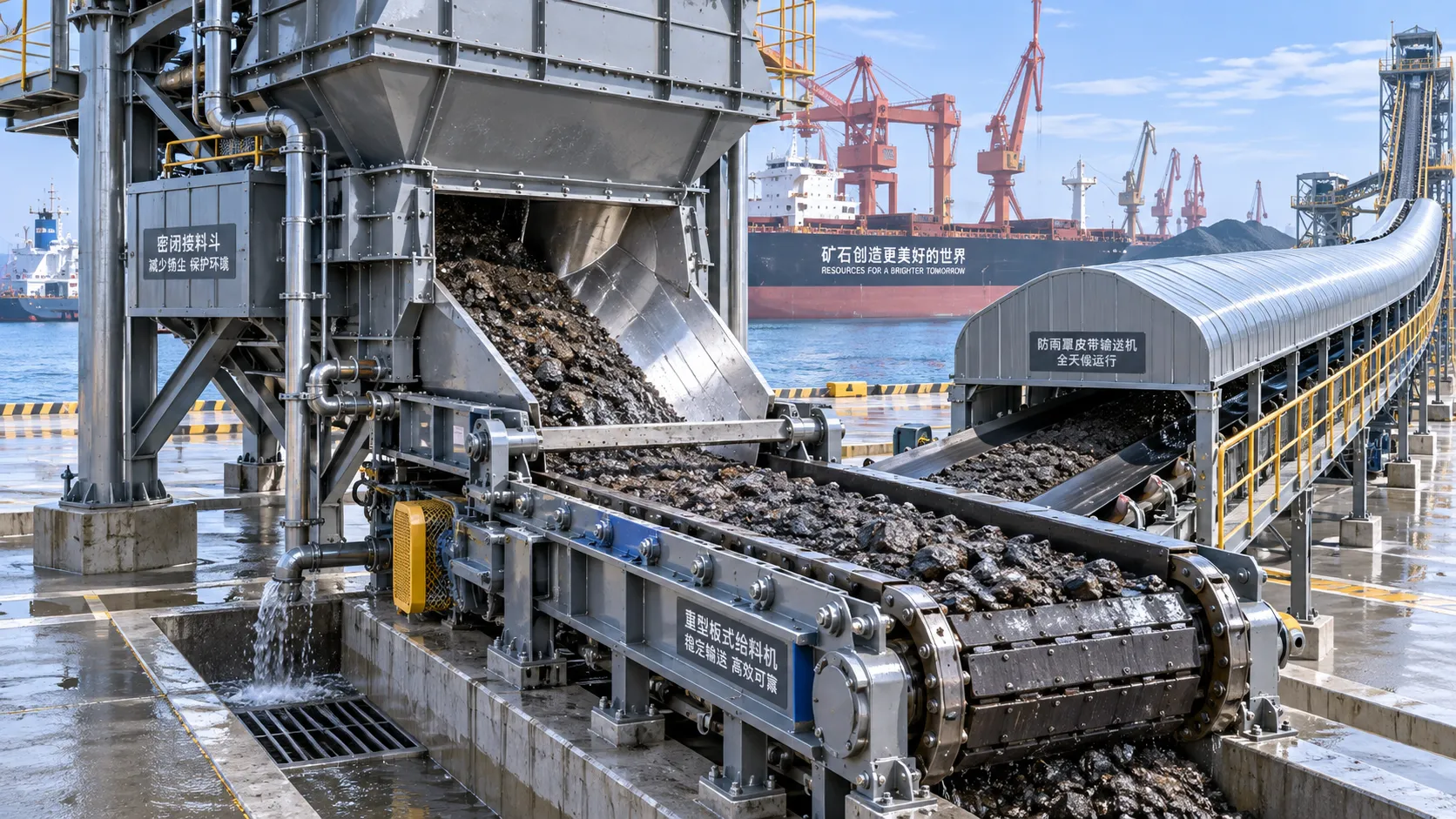
Which Bulk Handling Equipment Suits High-Moisture Cargo?
Which bulk handling equipment suits high-moisture cargo? Compare belt, apron, screw, drag, and slurry systems for reliable flow, less carryback, and higher terminal uptime.
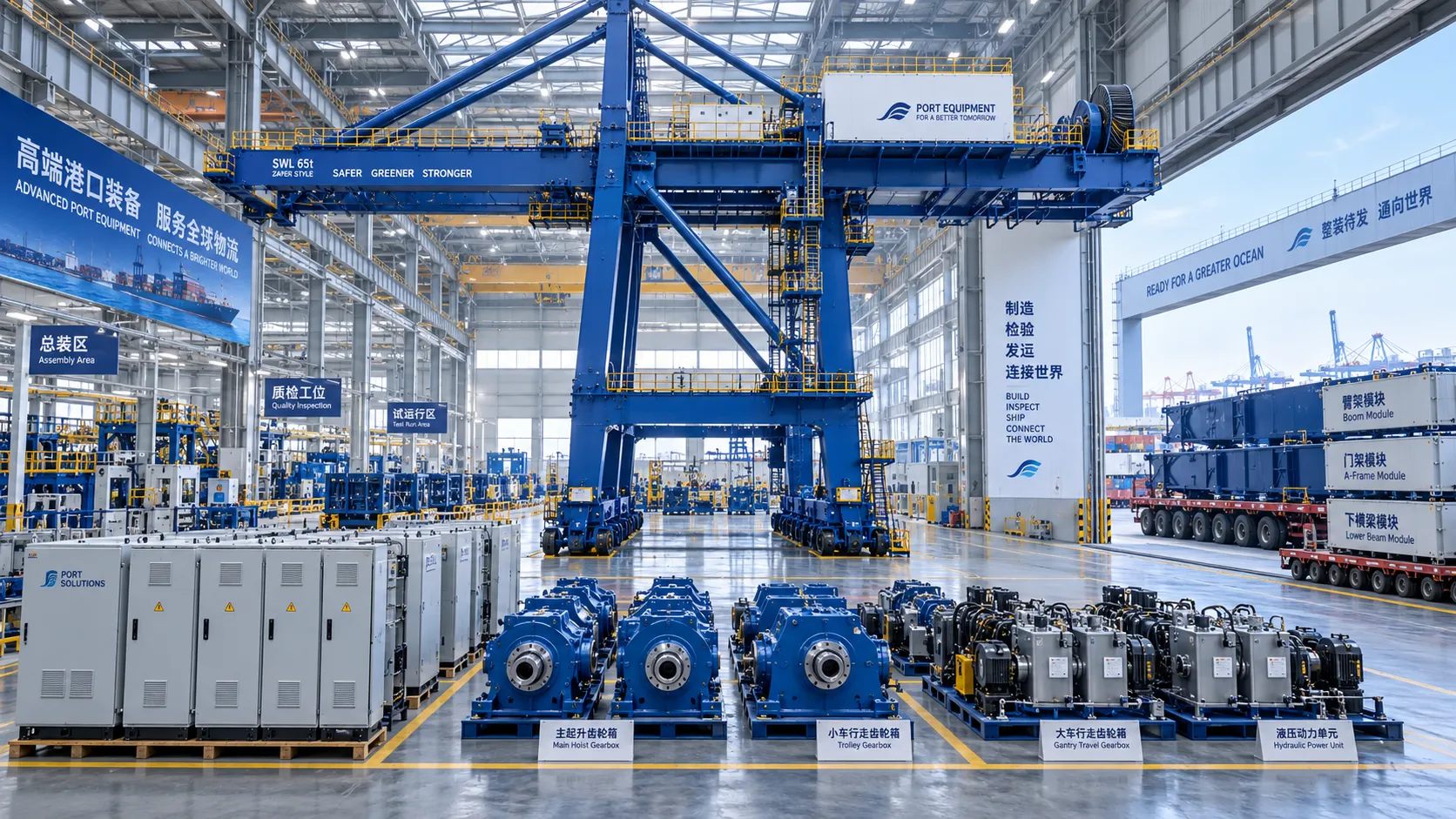
How Can Port Equipment Lead-Time Risk Be Managed?
How can port equipment lead-time risk be managed? Explore practical strategies to control critical paths, suppliers, transport, site readiness, and commissioning delays.
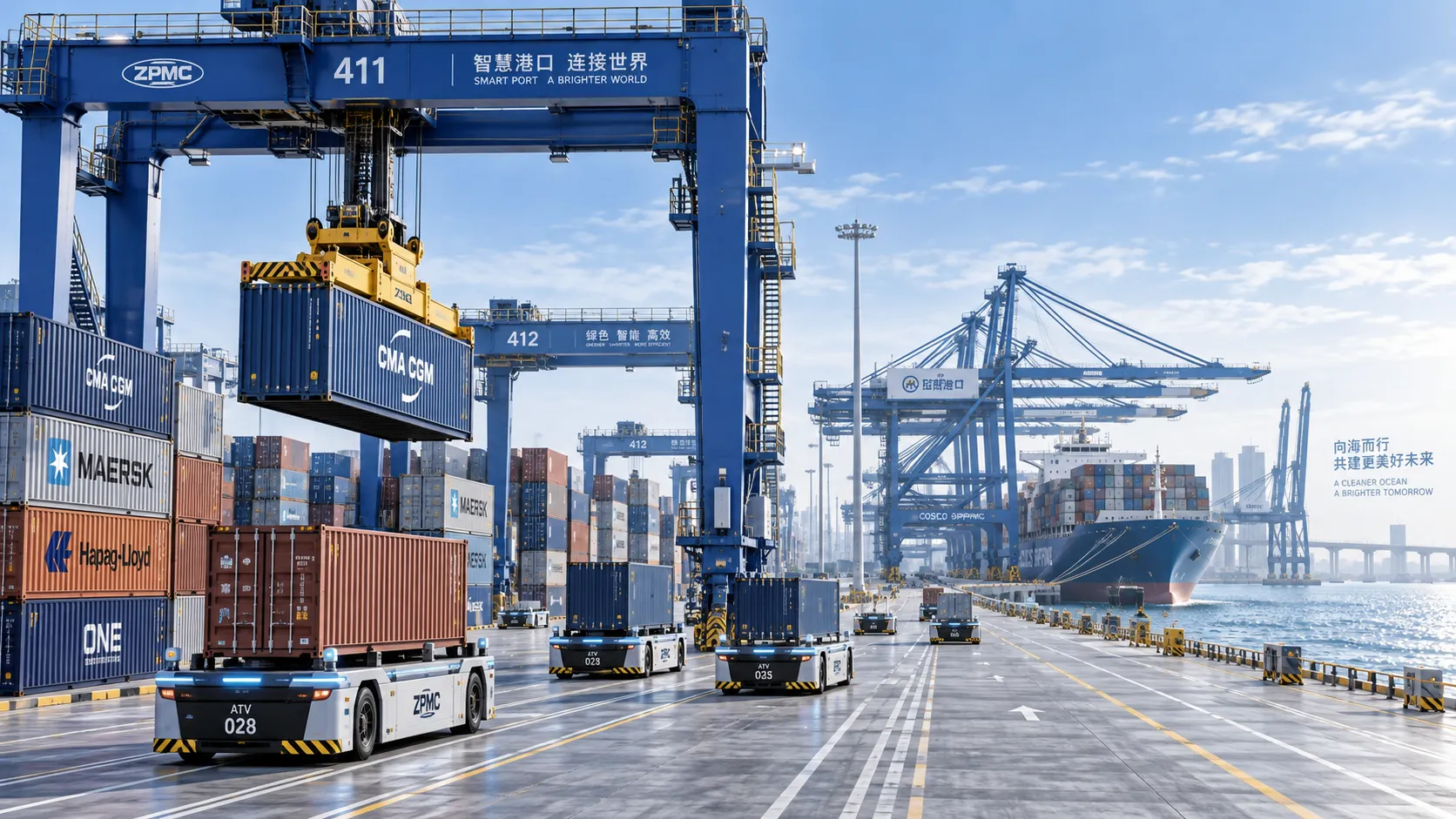
Terminal Automation Technologies That Raise Container Throughput Without Yard Disruption
Terminal automation technology that increases container throughput without disrupting yard flow. Explore smarter integration, resilient workflows, and phased deployment strategies.
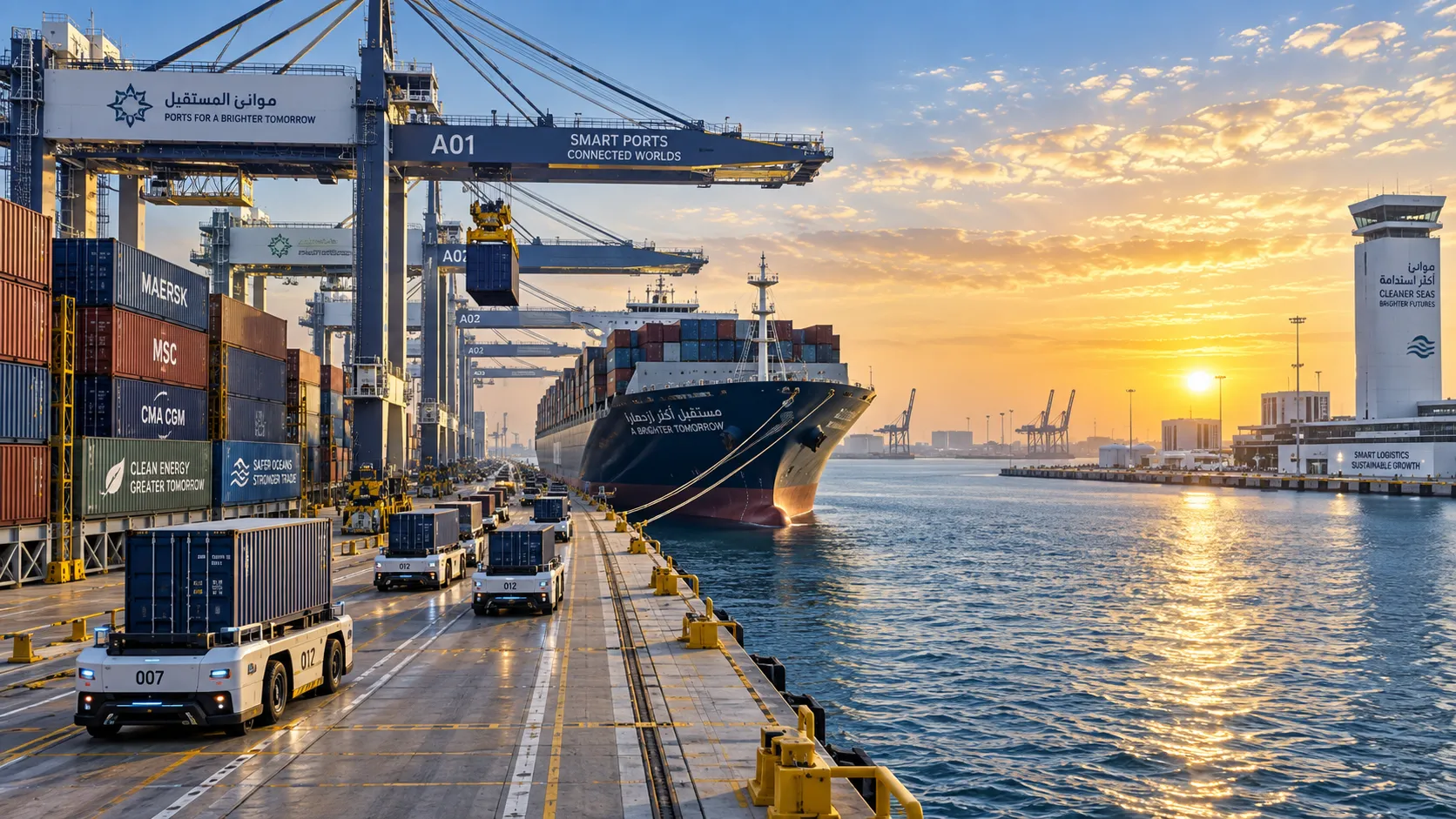
Middle East Port Automation: Key Market Drivers, Projects, and Investment Risks
Port automation systems Middle East: explore market drivers, flagship projects, integration challenges, and investment risks shaping smarter, resilient terminals.
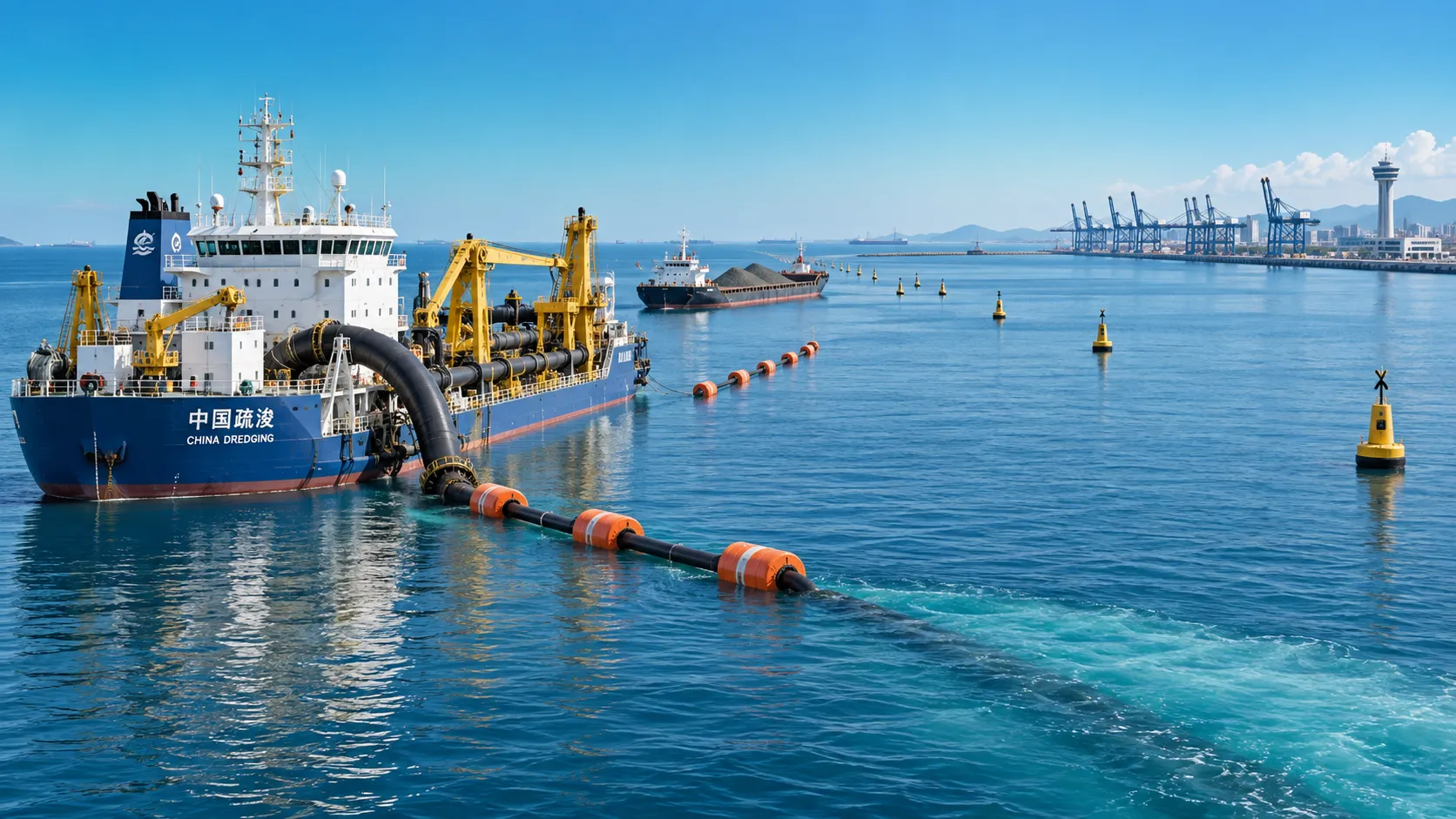
Planning Offshore Dredging Operations: Key Risks, Methods, and Project Controls
Offshore dredging operations demand smart planning. Explore key risks, proven methods, environmental controls, and project strategies for reliable delivery.