Related News
- 00
0000-00
How to Specify a Quay Crane for Container Terminals by Vessel Size and Throughput? - 00
0000-00
Which Bulk Handling Equipment Suits High-Moisture Cargo? - 00
0000-00
Terminal Automation Technologies That Raise Container Throughput Without Yard Disruption - 00
0000-00
Planning Offshore Dredging Operations: Key Risks, Methods, and Project Controls - 00
0000-00
Where Do Automated Guided Vehicles Deliver the Fastest Warehouse Gains in the Middle East?
What Defines High Throughput Bulk Cargo Handling at Large Export Terminals?
Why does high throughput bulk cargo handling matter so much at export terminals?
High throughput bulk cargo handling is not just about moving more tons per hour.
At large export terminals, it reflects how well the whole operation performs under pressure.
That includes berth use, stockyard balance, reclaim speed, conveyor continuity, vessel loading rhythm, and maintenance discipline.
In practical terms, a terminal can own massive machines and still miss true high throughput bulk cargo handling.
The bottleneck often sits between systems, not inside one machine.
This is why the topic attracts attention across maritime logistics, coastal economics, and heavy infrastructure research.
When export volumes surge, the strongest terminals are usually the ones with synchronized flows.
They recover faster from weather delays, vessel bunching, and upstream supply variation.
PS-Nexus often examines this through a wider lens.
Heavy terminal gear matters, but so do automation logic, yard mobility, dredging readiness, and trade pattern shifts.
That broader view helps explain why throughput leadership is rarely accidental.
So what actually defines high throughput bulk cargo handling?
A useful definition starts with sustained performance, not short peak bursts.
If a terminal hits a record loading rate for one shift, that alone proves little.
High throughput bulk cargo handling means the terminal can repeatedly move large volumes with predictable timing, limited interruption, and controlled risk.
The most common indicators include:
- Average and sustained tons per hour across full vessel calls.
- Low dwell time between yard discharge and shiploading.
- Minimal stoppages from chute changes, blending issues, or conveyor faults.
- Stable berth productivity during tide, wind, and traffic constraints.
- Low variance between planned throughput and actual throughput.
In other words, the definition combines speed, continuity, and control.
A terminal handling iron ore, coal, grain, or bauxite may use different equipment layouts.
Still, the same principle applies.
The loading chain must stay balanced from inland arrival to vessel departure.
A quick way to separate headline capacity from real capability
Researchers often compare nameplate capacity with effective operating throughput.
That gap reveals a lot.
This is usually a better test than marketing figures alone.
Is the main driver bigger equipment, or smarter coordination?
The honest answer is both, but coordination usually decides the ceiling.
Large stacker-reclaimers, conveyors, grab unloaders, and shiploaders create the physical potential.
Without enough mechanical strength, high throughput bulk cargo handling simply cannot happen.
Yet many terminals lose capacity because the machines are not synchronized.
For example, reclaiming may outrun blending instructions, or berthing plans may ignore yard readiness.
That creates stop-start loading, which damages real throughput.
This is where port automation and control systems become decisive.
PS-Nexus regularly tracks how scheduling logic, remote monitoring, and low-latency communications influence terminal flow.
The same thinking used in automated container yards now shapes bulk operations too.
Not because bulk terminals become identical to container terminals, but because orchestration matters in both.
A strong export terminal usually shows coordination across four layers:
- Equipment layer: loaders, reclaimers, conveyors, and sampling systems stay balanced.
- Yard layer: stockpiles are positioned for minimal rehandling and correct grade control.
- Marine layer: berth windows, draft limits, and channel availability align with cargo readiness.
- Control layer: dispatch, maintenance, and operations share one usable picture of constraints.
When these layers drift apart, throughput drops even if installed capacity looks impressive.
Which operational conditions separate top-performing terminals from average ones?
Top-performing sites usually win through consistency in ordinary hours, not heroics during crisis periods.
Several conditions show up again and again.
1. The yard is designed for flow, not storage alone
A large stockyard can hide poor design.
High throughput bulk cargo handling needs direct paths, clear pile logic, and limited internal conflict.
If cargo is moved multiple times before loading, effective output falls quickly.
2. Marine access supports the cargo system
A terminal may have excellent inland machinery but weak nautical access.
Draft restrictions, tidal windows, or channel congestion can erase throughput gains.
This is one reason dredging engineering remains part of the bigger performance discussion.
If fairways cannot support deeper or more frequent vessel calls, the loading chain stays constrained.
3. Maintenance is predictive, not reactive
A conveyor trip or chute blockage during vessel loading is more than a technical fault.
It affects berth windows, demurrage exposure, and downstream shipping schedules.
Digital monitoring of motors, bearings, pumps, and structural stress is increasingly valuable here.
4. Planning absorbs trade volatility
Export terminals rarely operate in a stable pattern for long.
Cargo mix changes, shipping rates move, and inland supply can tighten suddenly.
The stronger the planning system, the easier it is to preserve high throughput bulk cargo handling through those shifts.
What mistakes lead people to misread high throughput bulk cargo handling?
One common mistake is treating throughput as a single machine metric.
That misses the chain effect.
Another mistake is ignoring utilization quality.
A terminal can run equipment hard and still perform poorly if queuing, rehandling, or off-spec blending consumes time.
There is also a tendency to compare terminals without adjusting for cargo characteristics.
Grain, coal, ores, and fertilizers create different dust, moisture, density, and contamination challenges.
So throughput figures need context.
A more grounded evaluation usually checks these questions:
- Is the throughput sustained across full operating cycles?
- How much of the delay comes from marine constraints rather than equipment?
- Does the yard layout support the actual export mix?
- Are automation and dispatch systems reducing conflict or adding complexity?
- What happens when weather, grade changes, or vessel arrivals shift unexpectedly?
These checks are more useful than asking for one headline number.
How should someone evaluate a terminal’s throughput claims or future potential?
Start with operational evidence, then move outward to strategic conditions.
A good review does not stop at installed equipment lists.
It asks whether the terminal can preserve high throughput bulk cargo handling as volume, vessel size, and environmental pressure all increase.
A practical evaluation path looks like this:
- Check sustained shiploading performance over multiple calls, not one peak event.
- Review how stockyard logic supports sequencing, blending, and low rehandling.
- Confirm berth, draft, and channel conditions, including dredging dependency.
- Assess the control architecture behind dispatch, alarms, and recovery decisions.
- Look for resilience indicators such as maintenance maturity and schedule recovery speed.
This is where intelligence platforms such as PS-Nexus can be useful in a non-promotional sense.
They connect terminal gear, automation logic, dredging engineering, and trade movement into one analytical frame.
That makes it easier to judge whether a throughput claim is structural or temporary.
In the end, high throughput bulk cargo handling is defined by system discipline.
The best terminals align machinery, data, marine access, and operating decisions so that cargo keeps moving without costly friction.
The next sensible step is to build a comparison checklist around sustained rate, flow continuity, yard logic, berth coordination, and recovery capability.
That approach usually leads to clearer judgments than capacity headlines alone.
Related News
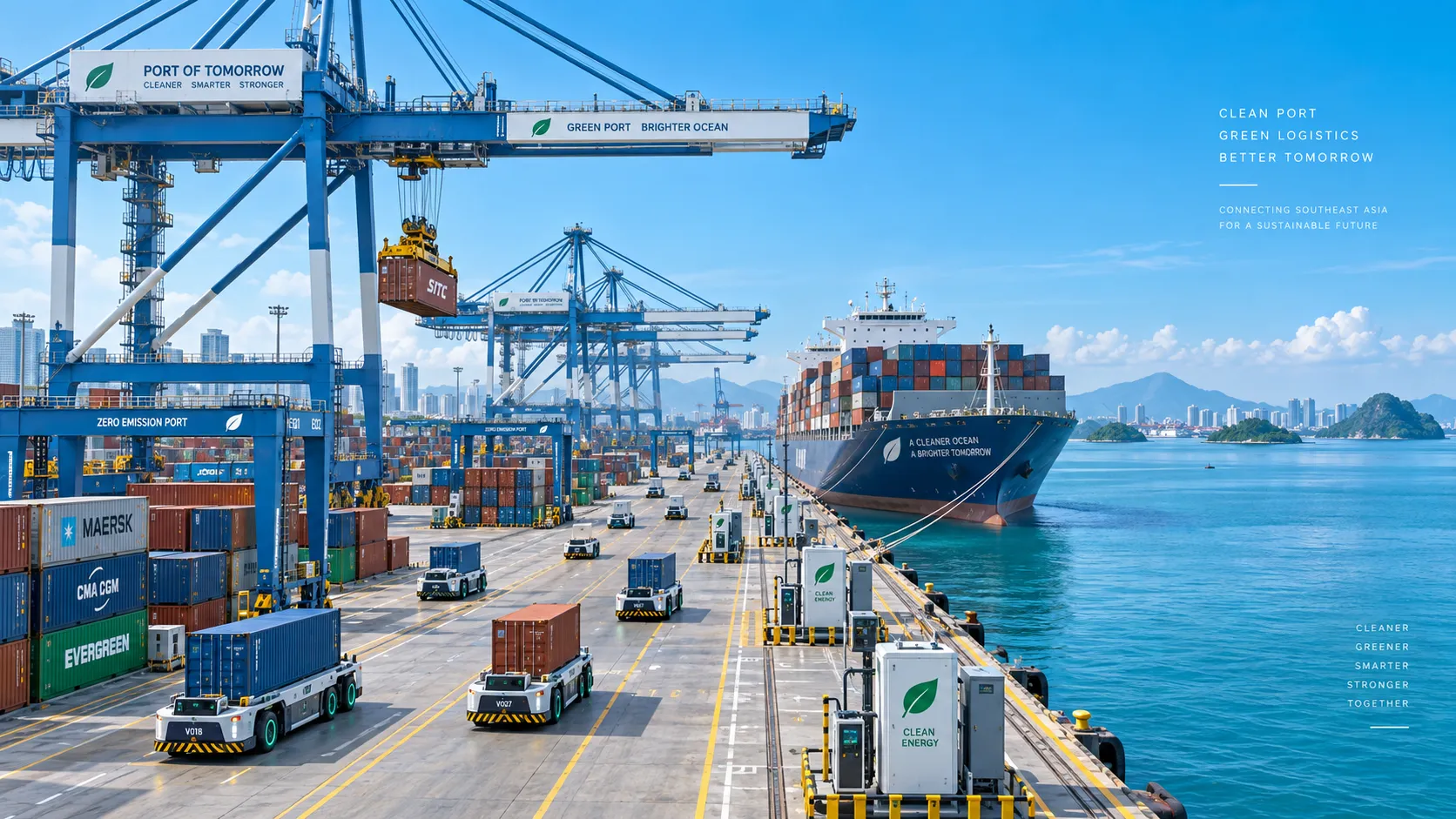
Smart Port Systems in Southeast Asia: Investment Priorities and Adoption Barriers
Smart port systems Southeast Asia: discover investment priorities, adoption barriers, and practical steps to build resilient, connected, high-performing terminals.
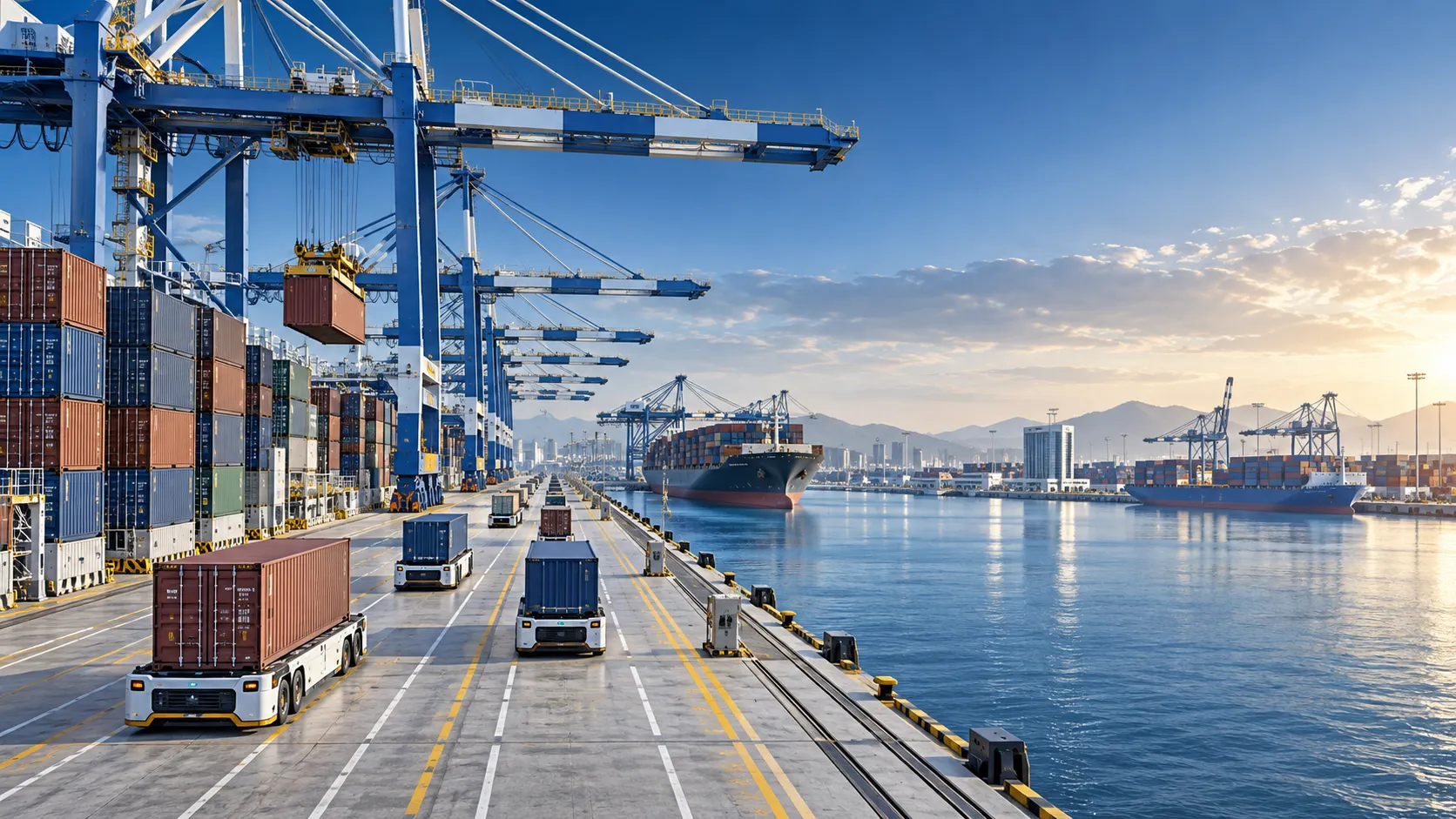
How to Evaluate Terminal Efficiency Solution Suppliers for High-Throughput Operations
Choose a terminal efficiency solutions supplier with confidence. Explore proven criteria for throughput, integration, lifecycle cost, safety, and reliable delivery.
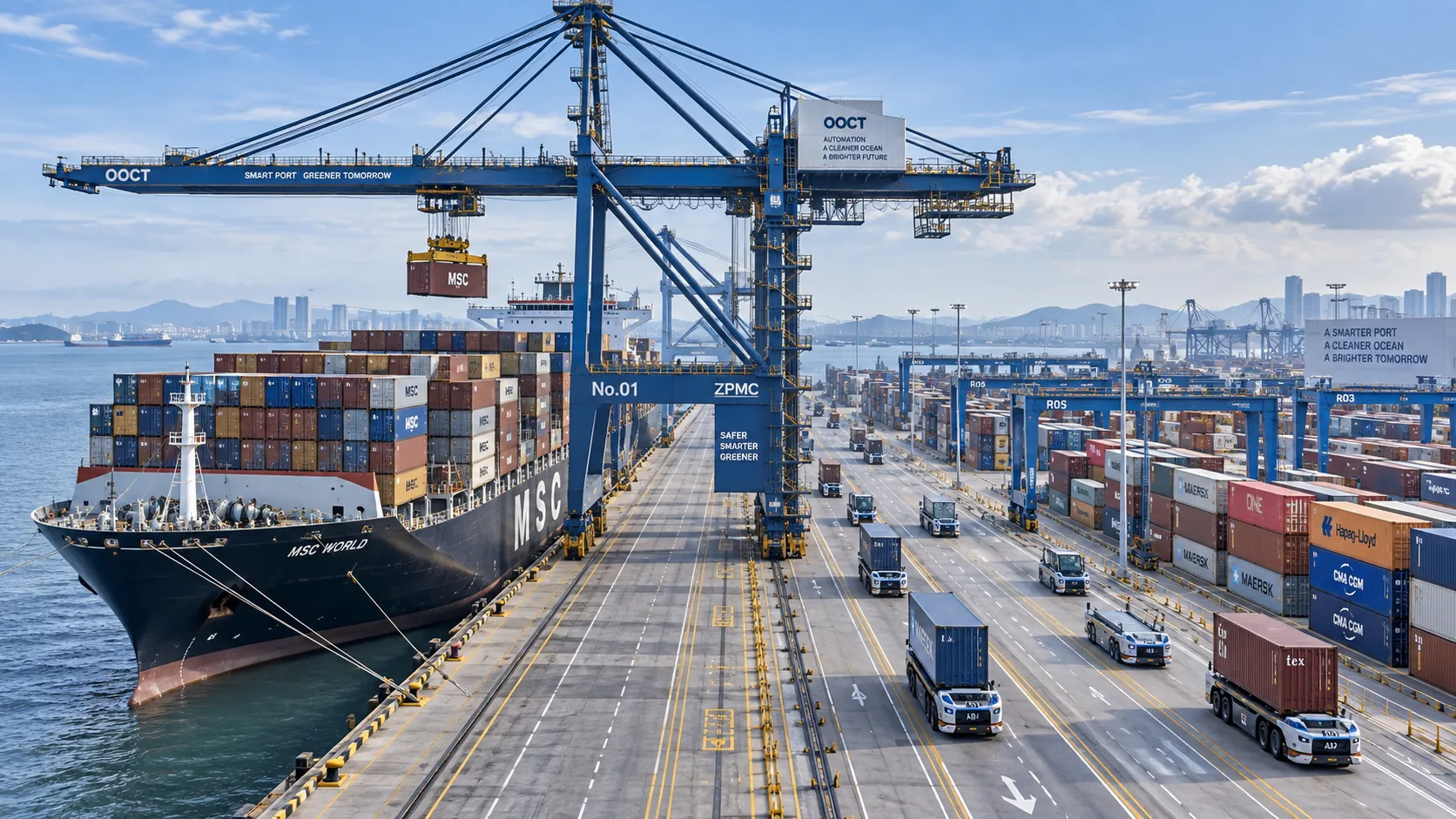
How to Specify a Quay Crane for Container Terminals by Vessel Size and Throughput?
Quay crane for container terminals: learn how to match outreach, lift height, capacity, automation, and cycle performance to vessel size and throughput goals.
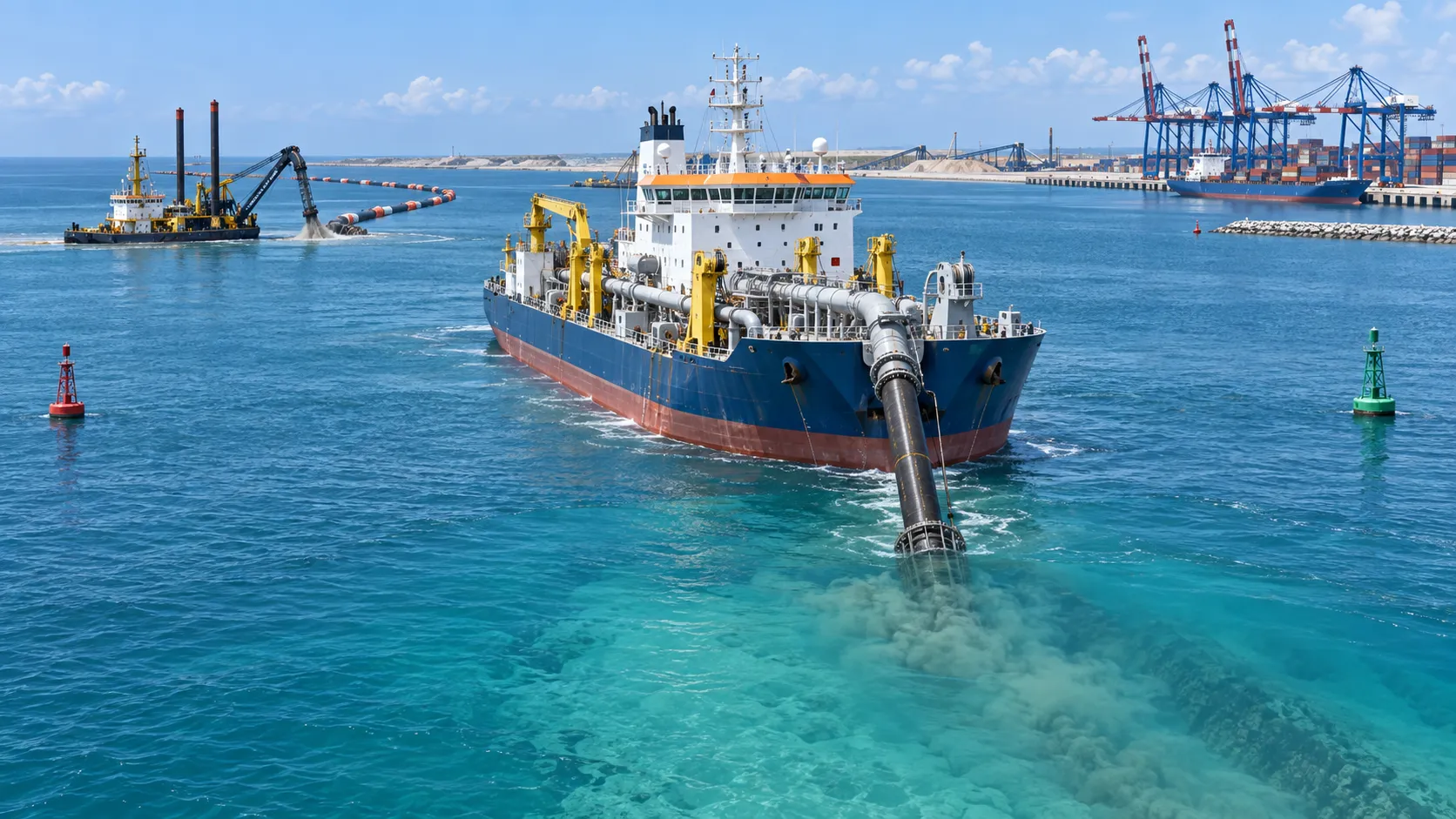
What Dredging Equipment Is Needed for Channel Deepening?
What dredging equipment is needed for channel deepening? Explore dredgers, pipelines, survey tools, and planning strategies for safer, more efficient port access.
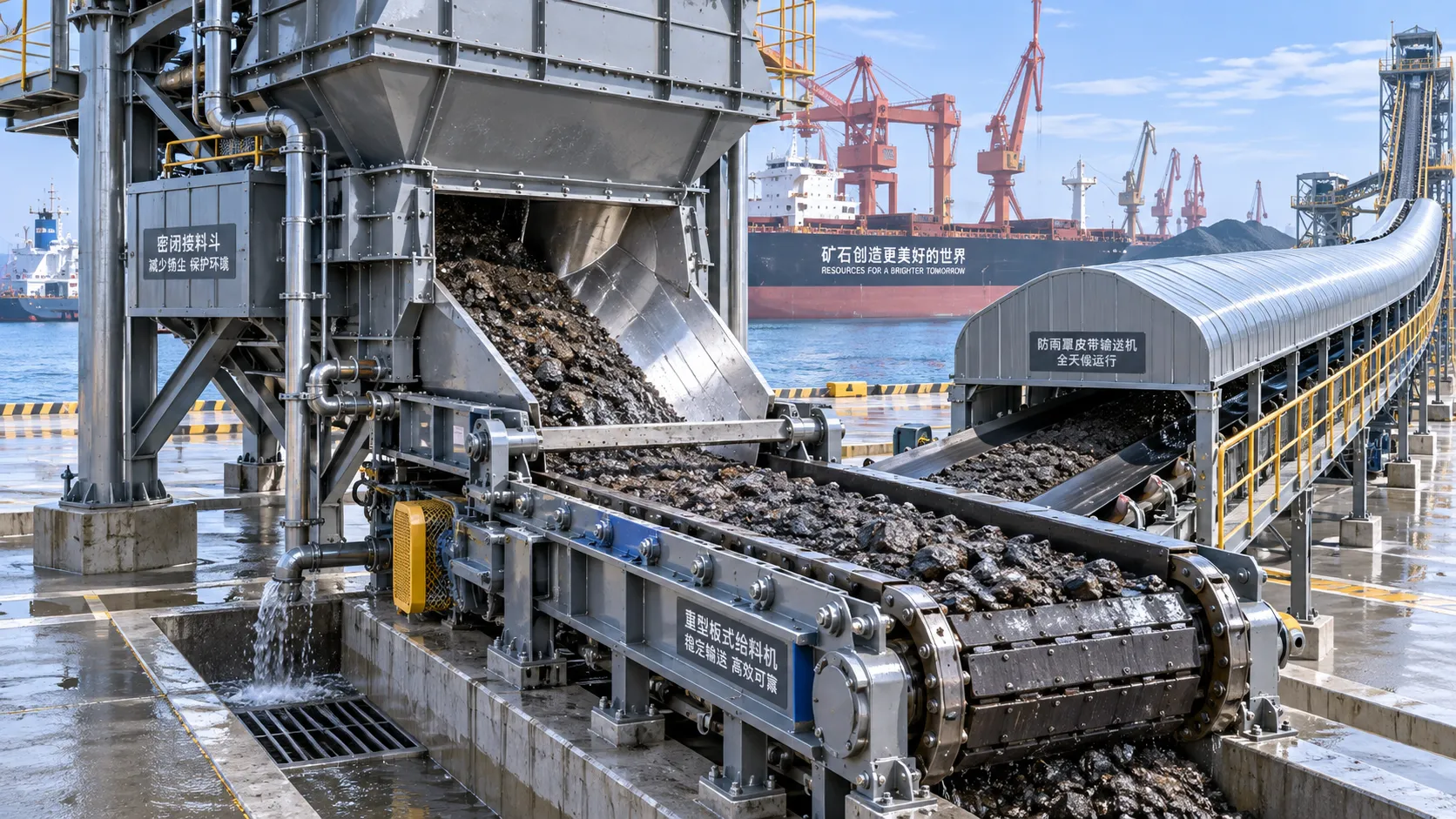
Which Bulk Handling Equipment Suits High-Moisture Cargo?
Which bulk handling equipment suits high-moisture cargo? Compare belt, apron, screw, drag, and slurry systems for reliable flow, less carryback, and higher terminal uptime.
How Can Port Equipment Lead-Time Risk Be Managed?
How can port equipment lead-time risk be managed? Explore practical strategies to control critical paths, suppliers, transport, site readiness, and commissioning delays.
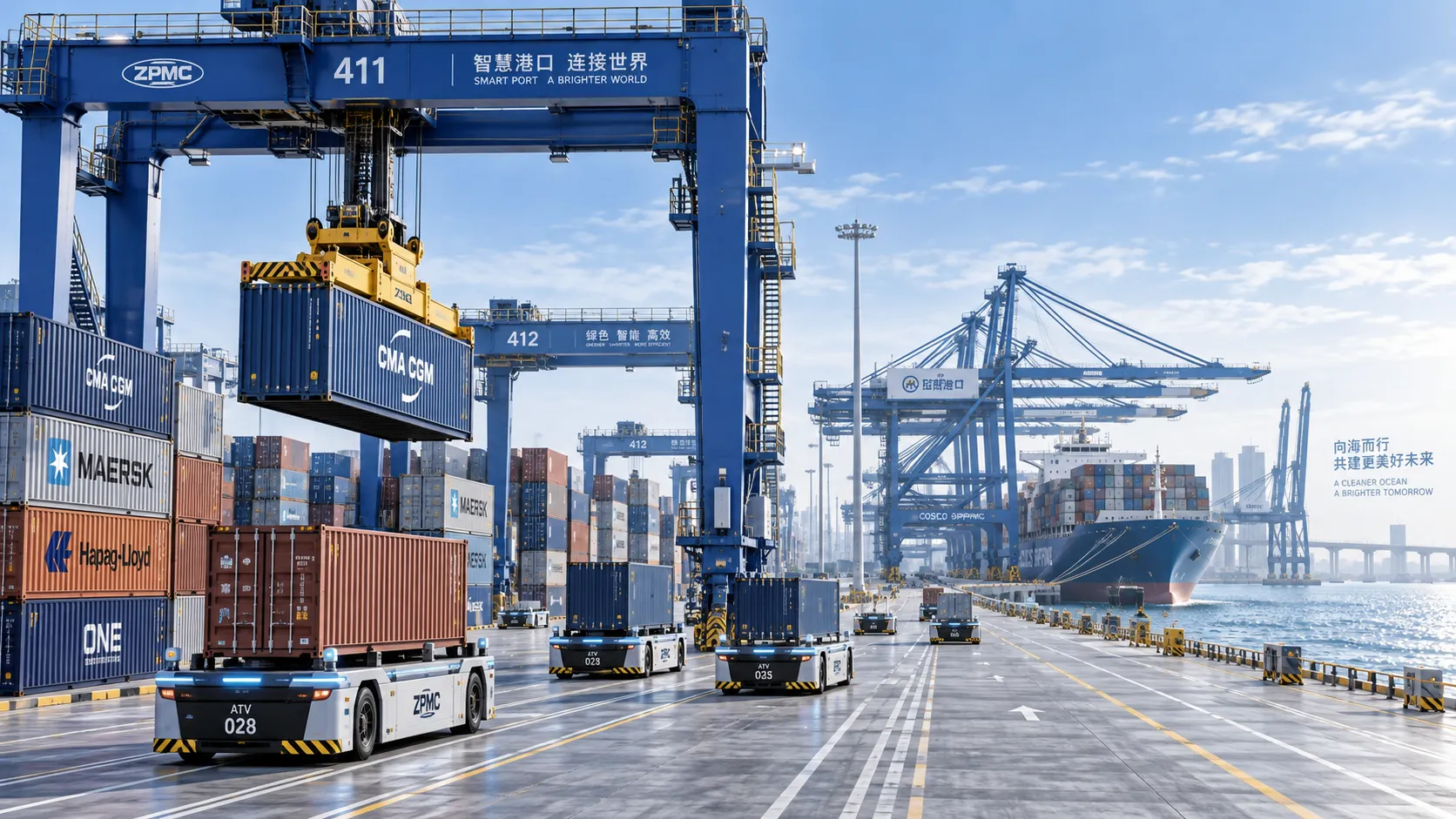
Terminal Automation Technologies That Raise Container Throughput Without Yard Disruption
Terminal automation technology that increases container throughput without disrupting yard flow. Explore smarter integration, resilient workflows, and phased deployment strategies.
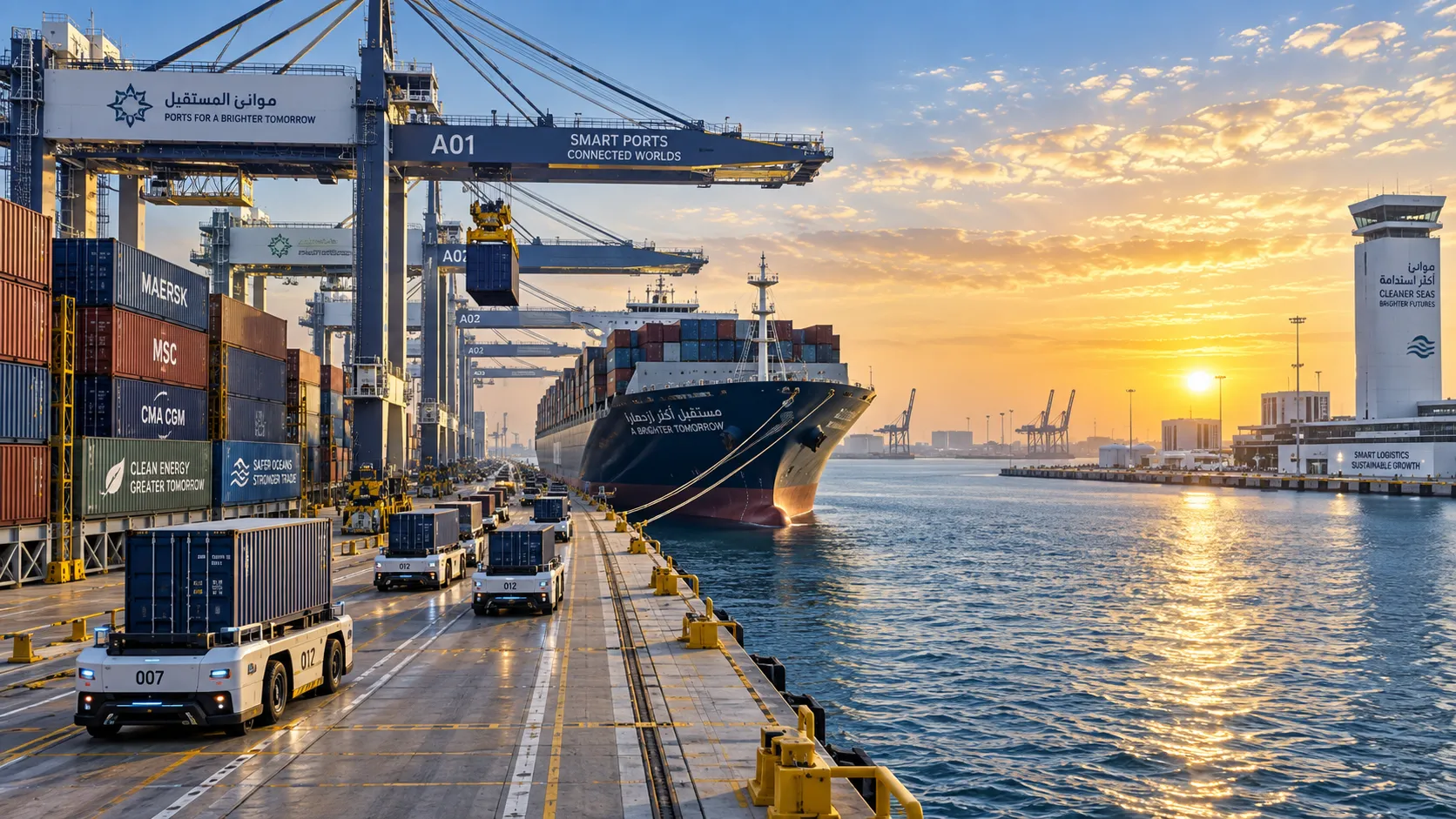
Middle East Port Automation: Key Market Drivers, Projects, and Investment Risks
Port automation systems Middle East: explore market drivers, flagship projects, integration challenges, and investment risks shaping smarter, resilient terminals.
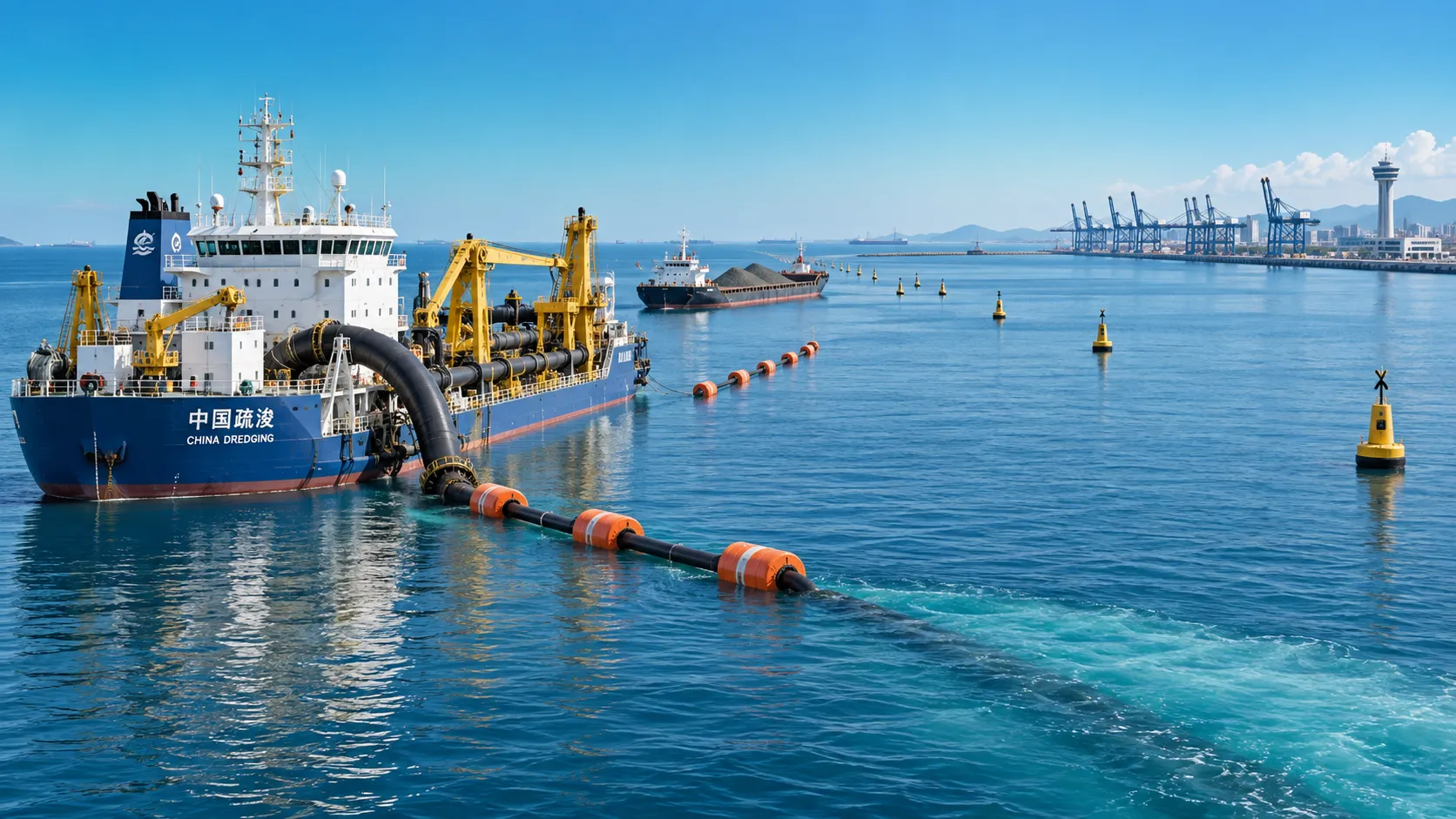
Planning Offshore Dredging Operations: Key Risks, Methods, and Project Controls
Offshore dredging operations demand smart planning. Explore key risks, proven methods, environmental controls, and project strategies for reliable delivery.