Related News
- 00
0000-00
How to Evaluate Terminal Efficiency Solution Suppliers for High-Throughput Operations - 00
0000-00
What to Consider When Buying Electric Port Machinery for Container Terminals - 00
0000-00
How to Select Container Handling Equipment for Middle East Ports and Terminals - 00
0000-00
How to Evaluate a Port Machinery Exporter for Large-Scale Terminal Projects - 00
0000-00
Evaluating a Dredging Equipment Manufacturer for Mining Plant Supply
How to Evaluate a Quay Crane Manufacturer: Capacity, Standards, Service, and Lead Time
Choosing a quay crane manufacturer is rarely a simple price comparison. In most port projects, the better question is whether the supplier can support throughput, safety, automation, and lifetime reliability.
That matters even more now. Terminal upgrades are tied to vessel upsizing, tighter emissions goals, and more pressure for data-driven operations across global maritime logistics.
From the PS-Nexus perspective, heavy terminal gear never stands alone. A quay crane manufacturer should fit into a wider port system, including yard flow, controls, energy strategy, and maintenance planning.
So when comparing options, focus on four basics first: capacity, standards, service, and lead time. Then test how well those claims hold up in real operating conditions.
Start with production and engineering capacity
A capable quay crane manufacturer should prove more than annual output numbers. The real issue is whether engineering, fabrication, testing, and delivery can stay stable under project pressure.
If a supplier handles large ship-to-shore cranes, automated features, and retrofits at the same time, capacity bottlenecks can appear fast. Ask what is reserved, outsourced, or shared.
- Check workshop scale, annual crane output, and heavy fabrication resources. A strong quay crane manufacturer should show stable steel processing, machining, painting, assembly, and load-testing capability.
- Ask how many projects run in parallel. If engineering teams are stretched, drawing approval, software integration, and factory testing often slow down before the problem appears on schedules.
- Review key component sourcing. Motors, drives, spreaders, cables, PLCs, and anti-sway systems can delay delivery if the quay crane manufacturer depends on fragile external supply chains.
- Request references for similar outreach, lift height, and automation level. Capacity on paper means little if the supplier has not delivered comparable cranes for similar terminal conditions.
- Verify in-house engineering depth for structural, electrical, and control systems. Ports increasingly need one quay crane manufacturer that can align mechanics with smart terminal operations.
One common miss is assuming installed base equals current ability. A long history helps, but recent output, staffing stability, and supplier resilience matter more for present execution.
Why this matters in real projects
A greenfield terminal usually needs synchronized delivery across civil works, electrification, and yard systems. If the quay crane manufacturer slips, the whole commissioning path shifts.
In brownfield upgrades, the risk is different. Installation windows are tight, and engineering errors can interrupt vessel operations. That makes proven retrofit experience just as important as factory scale.
Check standards, certifications, and technical compliance
A reliable quay crane manufacturer should explain compliance clearly, not hide behind general statements like “international quality” or “built to global norms.” Specifics matter.
At minimum, compare structural design codes, welding qualifications, electrical standards, safety logic, and testing procedures. For automated or remote-controlled cranes, software architecture also deserves scrutiny.
- Confirm which international and local standards apply. A dependable quay crane manufacturer should map design, fabrication, electrical systems, and commissioning requirements to project-specific compliance needs.
- Review fatigue design assumptions and duty classification. Ports with high cycle rates need more than nominal lifting capacity; they need long-term structural durability under real workload patterns.
- Check safety systems in detail, including overload protection, emergency stops, anti-collision logic, wind monitoring, and fail-safe controls for manual and semi-automated operations.
- For automated terminals, ask about cybersecurity, remote diagnostics, and control redundancy. A modern quay crane manufacturer should understand that software reliability now affects crane availability.
- Ask for factory acceptance and site acceptance test protocols early. Clear test scope reduces disputes later, especially when performance guarantees involve speed, sway, positioning, or energy targets.
PS-Nexus follows the broader trend here: terminal equipment is increasingly judged as part of an intelligent operating network, not only as steel and hoisting machinery.
Look closely at service, spare parts, and lifecycle support
This is where many comparisons become too shallow. A quay crane manufacturer may win the order with technical specs, then underperform once the crane enters daily service.
After-sales support should cover commissioning, training, preventive maintenance, troubleshooting response, spare parts planning, and upgrade pathways for controls and energy systems.
- Ask for the service model by region. A quay crane manufacturer with local technicians, remote diagnostics, and spare stock usually reduces downtime and travel-related service delays.
- Review recommended spare parts by year one, year three, and major overhaul stage. Good planning avoids urgent purchases at premium cost during peak terminal operations.
- Check training depth for operators and maintenance teams. Effective handover should include manuals, fault logic, software access levels, and practical troubleshooting scenarios.
- Clarify warranty boundaries in writing. Some quay crane manufacturer proposals look strong until exclusions for wear parts, software faults, or third-party components become visible later.
- Ask about modernization support. Ports often need energy-saving upgrades, remote-control modules, or anti-sway improvements before replacing the full crane fleet.
In many terminals, the real cost of a weak supplier appears after handover. A few days of unplanned crane downtime can erase any savings achieved during contract award.
A practical way to test service promises
Instead of asking only for a service brochure, request response-time commitments, parts availability lists, escalation contacts, and sample maintenance reports.
It also helps to speak with operators using the same quay crane manufacturer in similar climates. Corrosion, heat, humidity, and grid quality change service realities quickly.
Treat lead time as a risk topic, not just a schedule line
Lead time is often presented as one clean number. In practice, it is a chain of risks covering engineering release, procurement, fabrication, shipping, site readiness, and commissioning.
A credible quay crane manufacturer should break that chain into milestones and identify what can actually move the date. If they cannot explain it, the timeline may be optimistic.
- Request a milestone schedule from design kickoff to final acceptance. A serious quay crane manufacturer should identify critical-path items, approval gates, and long-lead purchased components.
- Ask which assumptions support the promised delivery date. Site readiness, transport permits, utility access, and owner approvals often sit outside the factory but still affect completion.
- Check shipping and erection strategy early. Large quay cranes may ship in big modules, and transport constraints can change both cost and practical delivery windows.
- Review buffer time for commissioning and operator training. Mechanical completion does not mean operational readiness, especially when automation and terminal software must be integrated.
- Compare recent delivery performance, not only bid promises. A trustworthy quay crane manufacturer should provide evidence of schedule accuracy on recently completed international projects.
This point connects directly with PS-Nexus market intelligence. Across maritime logistics, equipment timing now affects berth productivity, network planning, and even commercial positioning in regional trade lanes.
Do not ignore integration with the wider port system
A quay crane manufacturer may offer strong mechanical design but still become the weak link if crane controls do not integrate well with TOS, yard automation, or energy management systems.
This is especially relevant for terminals expanding remote operation, AGV coordination, smart maintenance, and lower-emission power strategies.
- Confirm interface responsibility early. The best quay crane manufacturer clearly defines data exchange, alarms, commands, and testing responsibility with terminal software and automation partners.
- Check energy and emissions options. Electrification efficiency, regenerative systems, and power quality behavior increasingly influence both operating cost and sustainability targets.
- Ask whether condition monitoring is standard or optional. Digital visibility into motors, brakes, structures, and control cabinets improves maintenance planning and asset life decisions.
For ports moving toward net-zero and smart operations, these integration details are not secondary. They can shape future upgrade cost and terminal flexibility for years.
A simple comparison method that keeps decisions grounded
When several suppliers look similar, use a weighted review. Score each quay crane manufacturer on proven delivery, compliance depth, service reach, integration ability, and schedule credibility.
If needed, add commercial terms as a separate line rather than letting price distort technical judgement. That usually makes trade-offs easier to see.
Final thoughts before making the short list
The right quay crane manufacturer is not simply the one with the lowest bid or the most polished presentation. It is the one that can prove fit across design, compliance, service, and timing.
In today’s market, that proof should extend beyond the crane itself. It should include how the equipment supports smart terminals, resilient maritime logistics, and long-cycle infrastructure value.
A practical next step is to build a comparison sheet using the points above, then validate each claim with references, documents, and milestone evidence. That approach usually reveals the strongest quay crane manufacturer quickly.
For projects tied to automation, dredging expansion, or wider terminal modernization, PS-Nexus intelligence can also help frame the decision in the context of regional trade patterns and future operating demands.
Related News
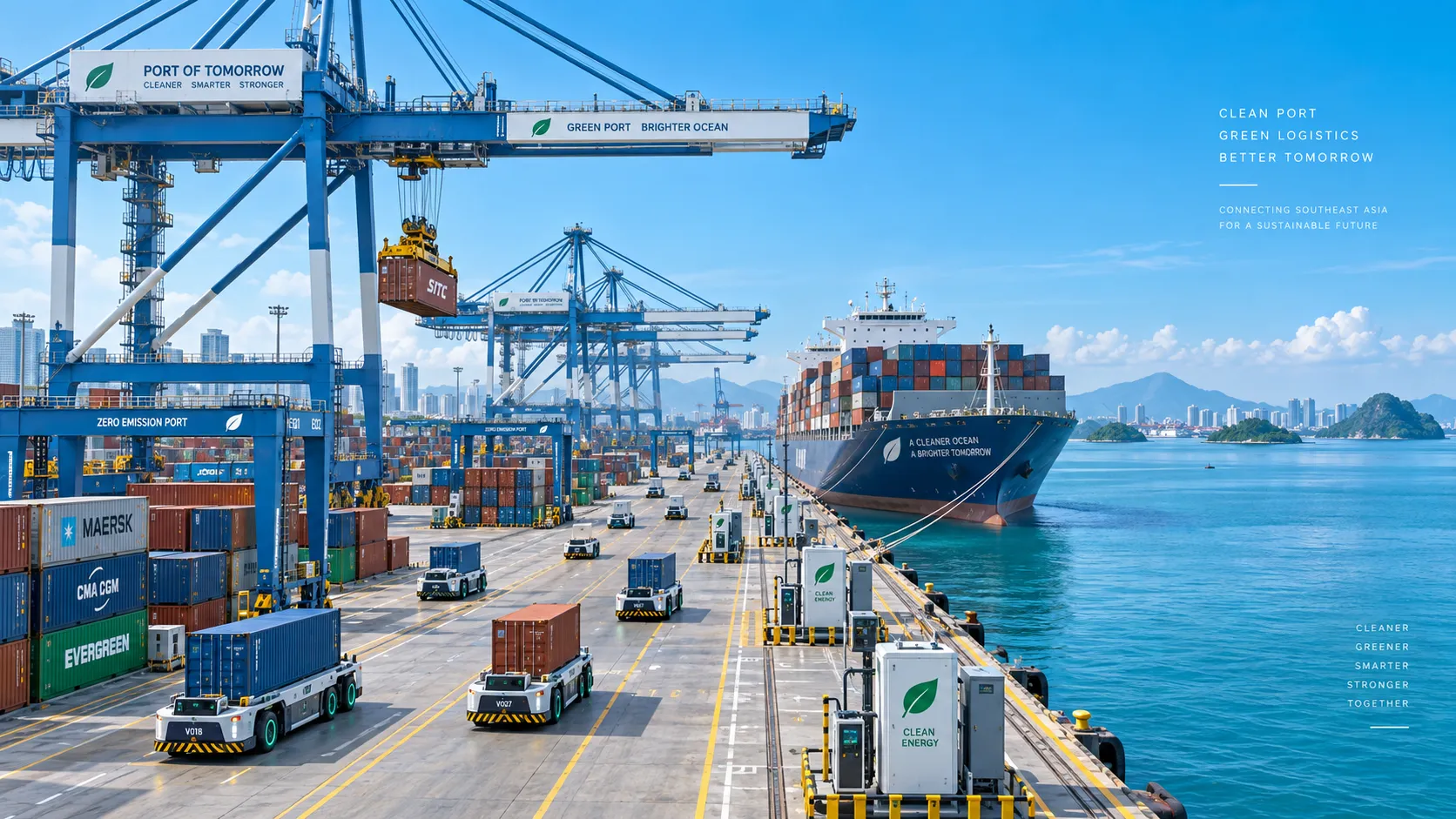
Smart Port Systems in Southeast Asia: Investment Priorities and Adoption Barriers
Smart port systems Southeast Asia: discover investment priorities, adoption barriers, and practical steps to build resilient, connected, high-performing terminals.

How to Evaluate Terminal Efficiency Solution Suppliers for High-Throughput Operations
Choose a terminal efficiency solutions supplier with confidence. Explore proven criteria for throughput, integration, lifecycle cost, safety, and reliable delivery.
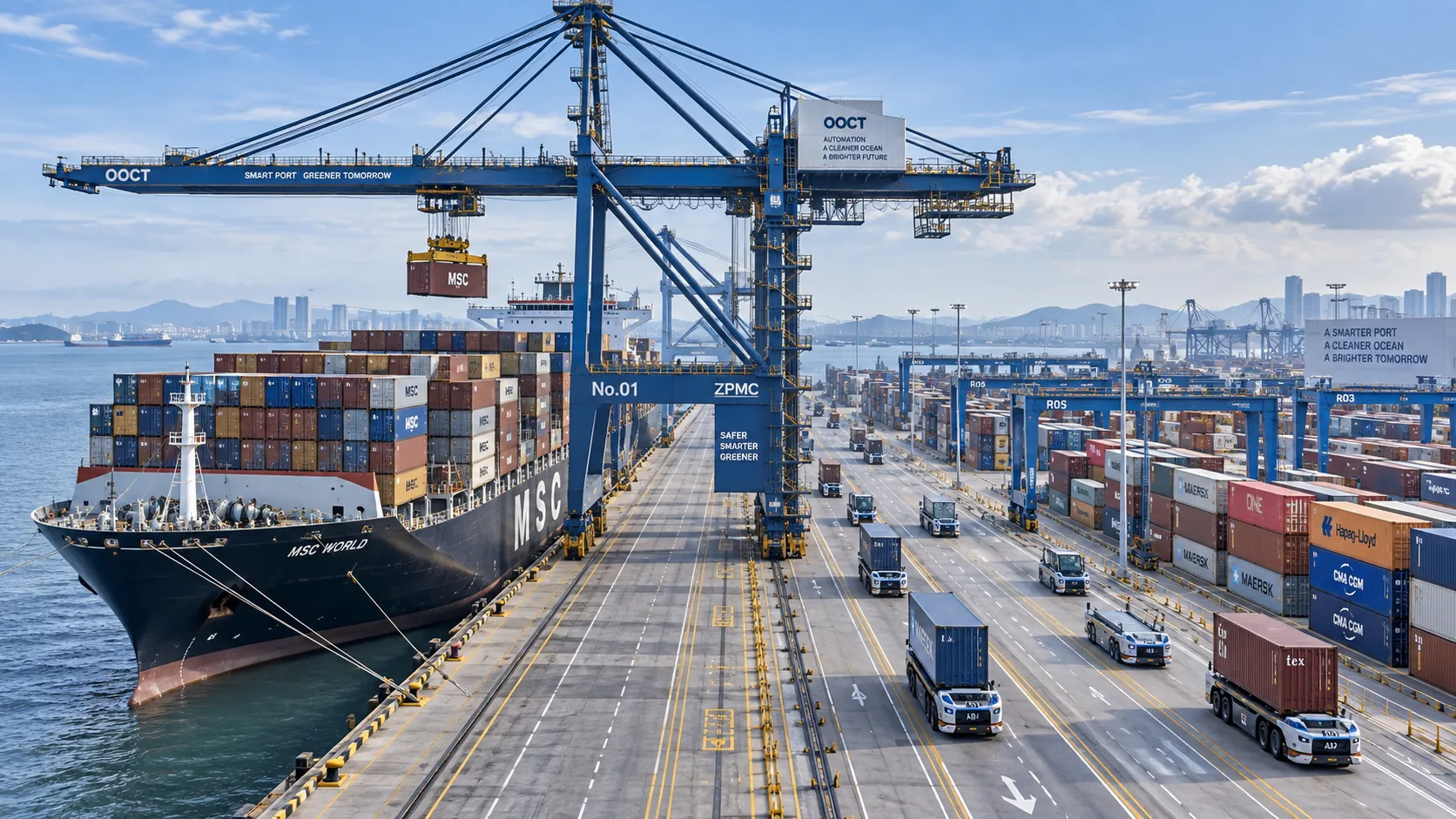
How to Specify a Quay Crane for Container Terminals by Vessel Size and Throughput?
Quay crane for container terminals: learn how to match outreach, lift height, capacity, automation, and cycle performance to vessel size and throughput goals.
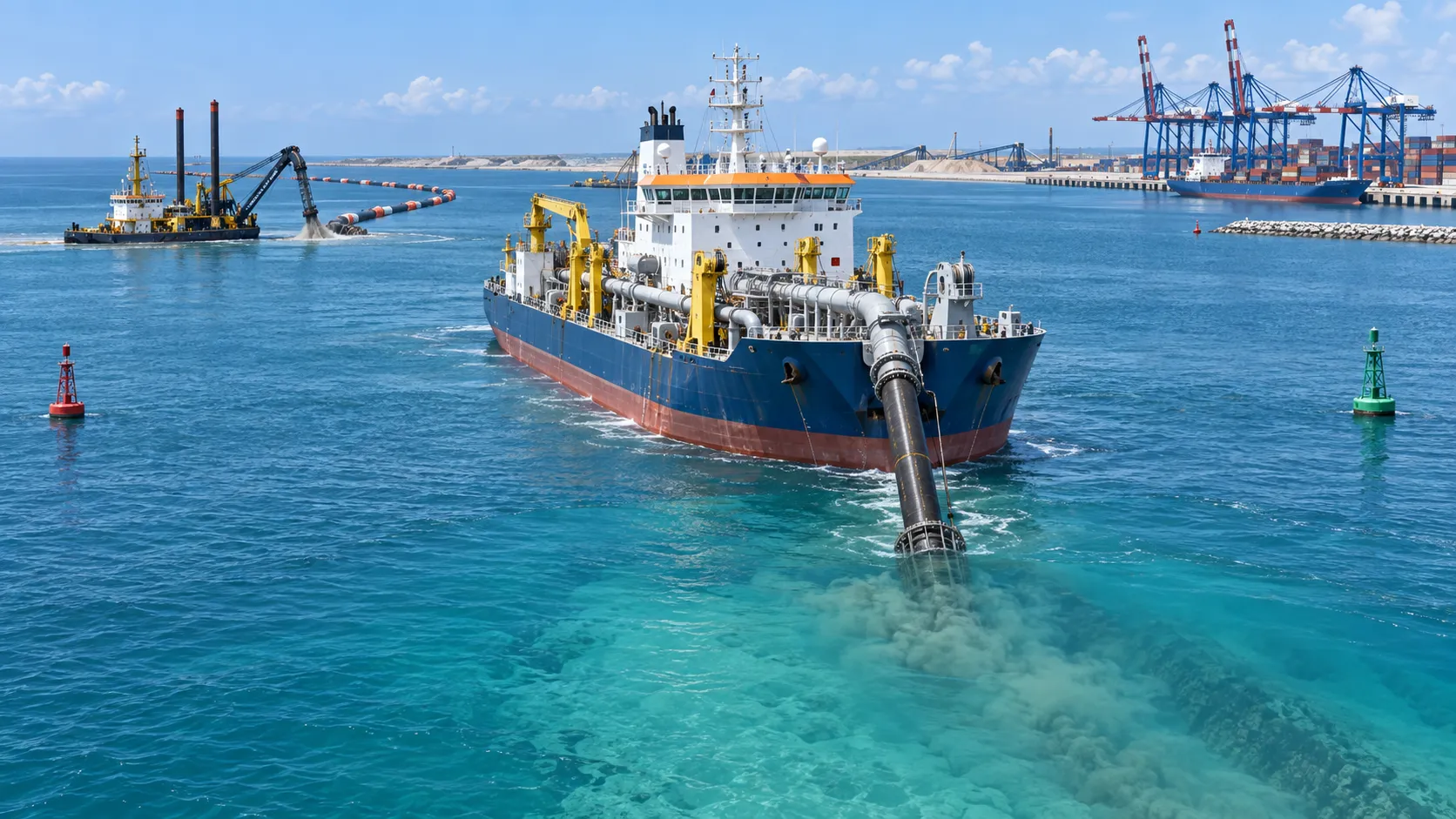
What Dredging Equipment Is Needed for Channel Deepening?
What dredging equipment is needed for channel deepening? Explore dredgers, pipelines, survey tools, and planning strategies for safer, more efficient port access.
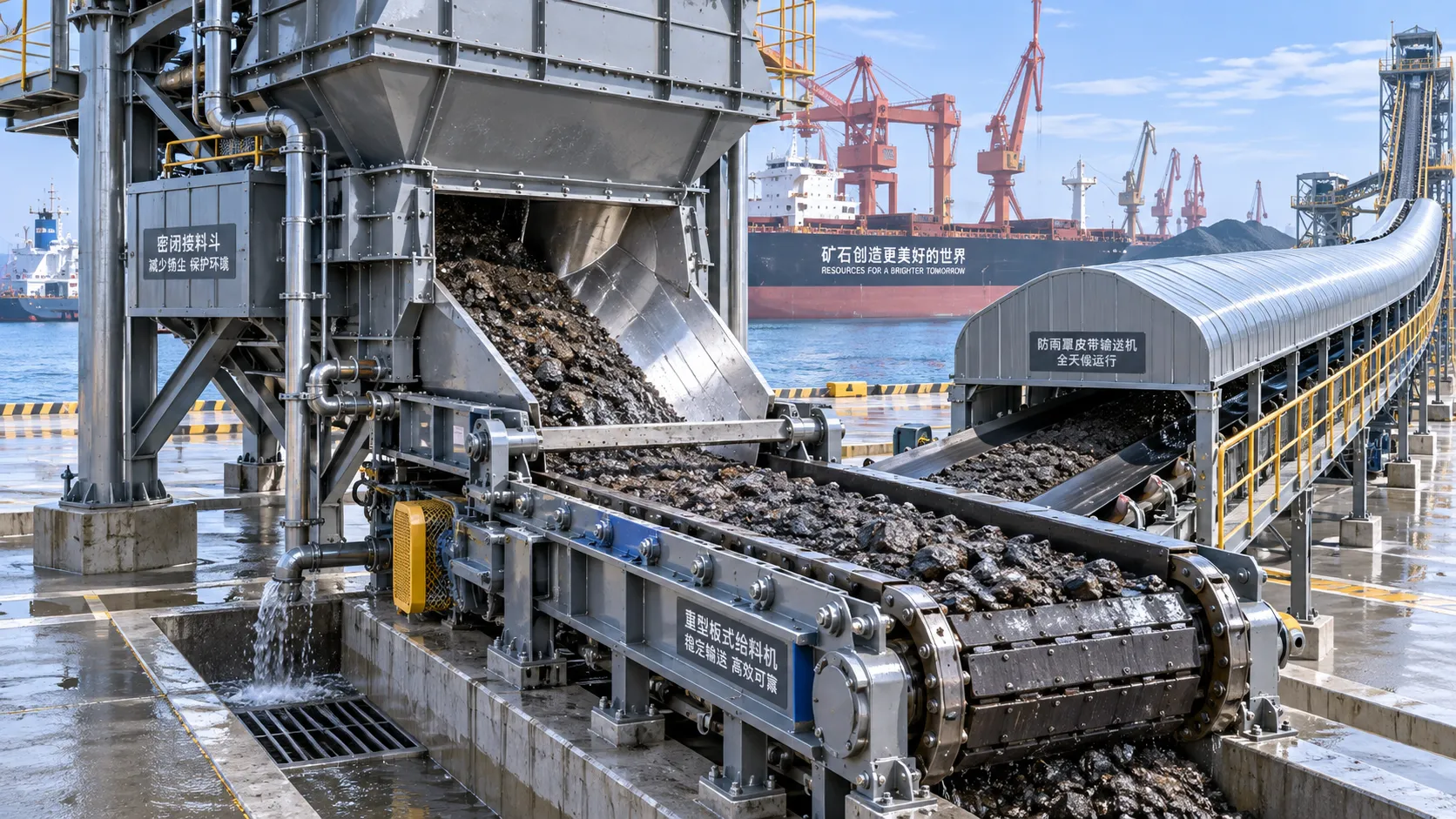
Which Bulk Handling Equipment Suits High-Moisture Cargo?
Which bulk handling equipment suits high-moisture cargo? Compare belt, apron, screw, drag, and slurry systems for reliable flow, less carryback, and higher terminal uptime.
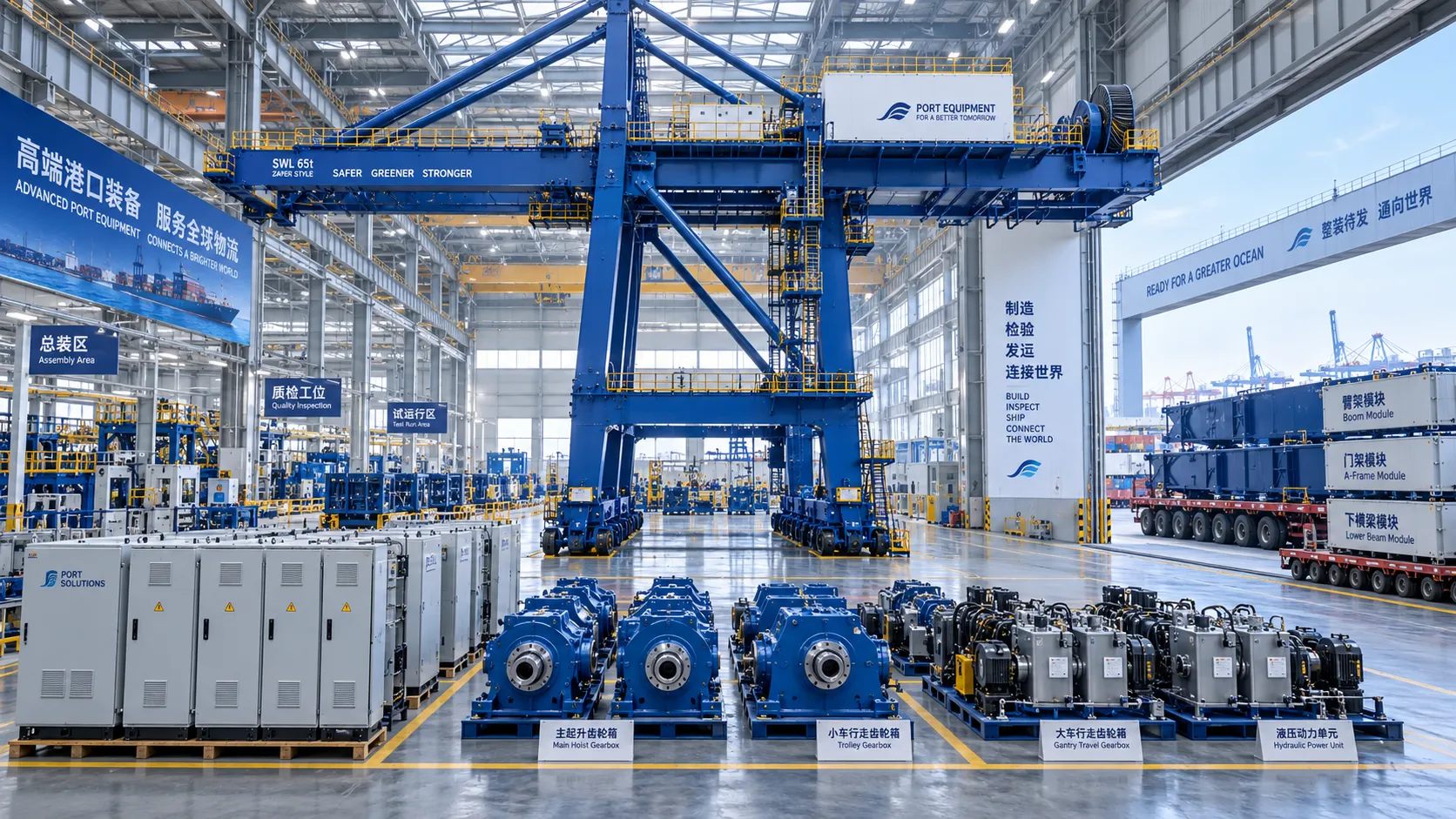
How Can Port Equipment Lead-Time Risk Be Managed?
How can port equipment lead-time risk be managed? Explore practical strategies to control critical paths, suppliers, transport, site readiness, and commissioning delays.
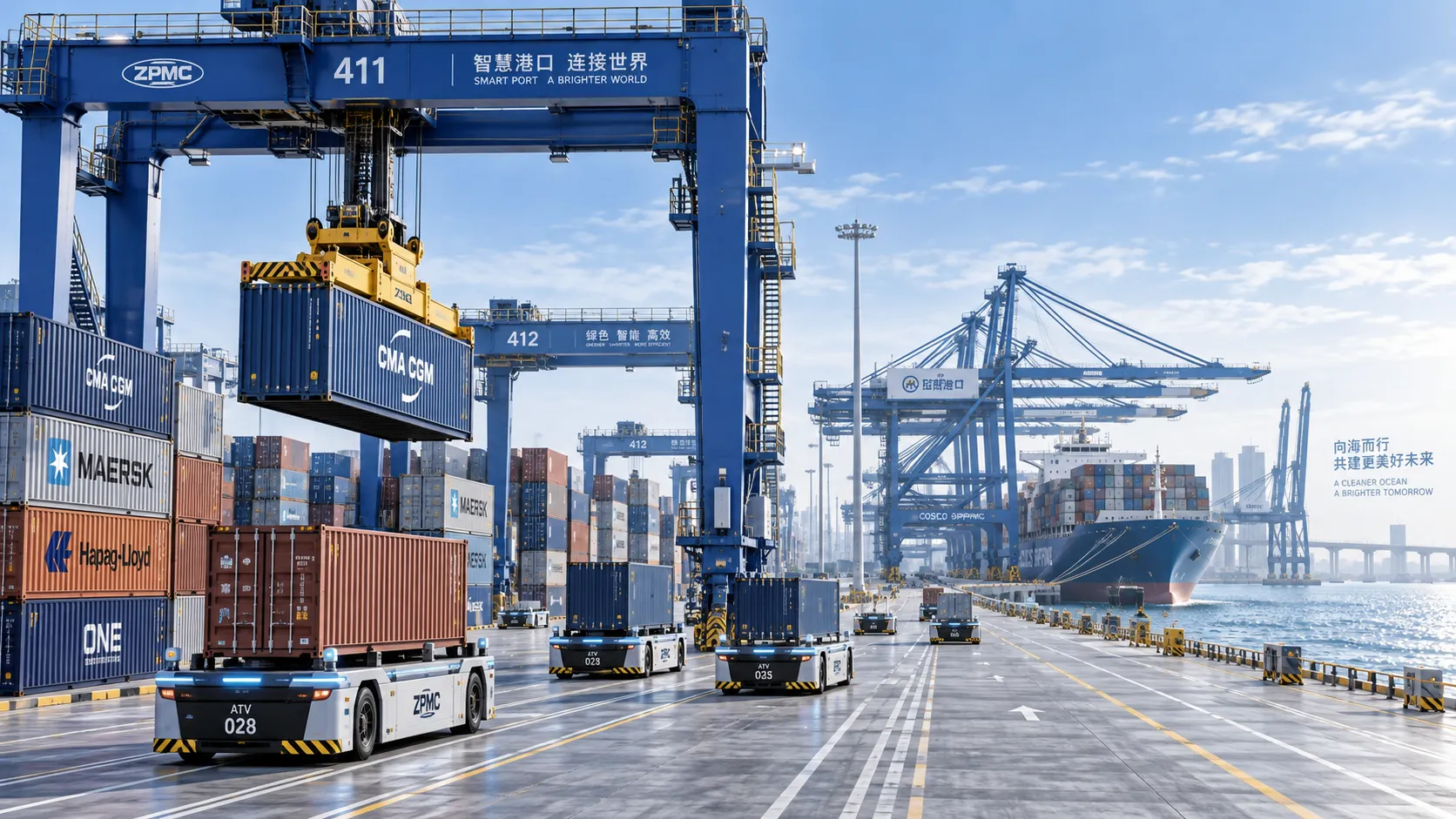
Terminal Automation Technologies That Raise Container Throughput Without Yard Disruption
Terminal automation technology that increases container throughput without disrupting yard flow. Explore smarter integration, resilient workflows, and phased deployment strategies.
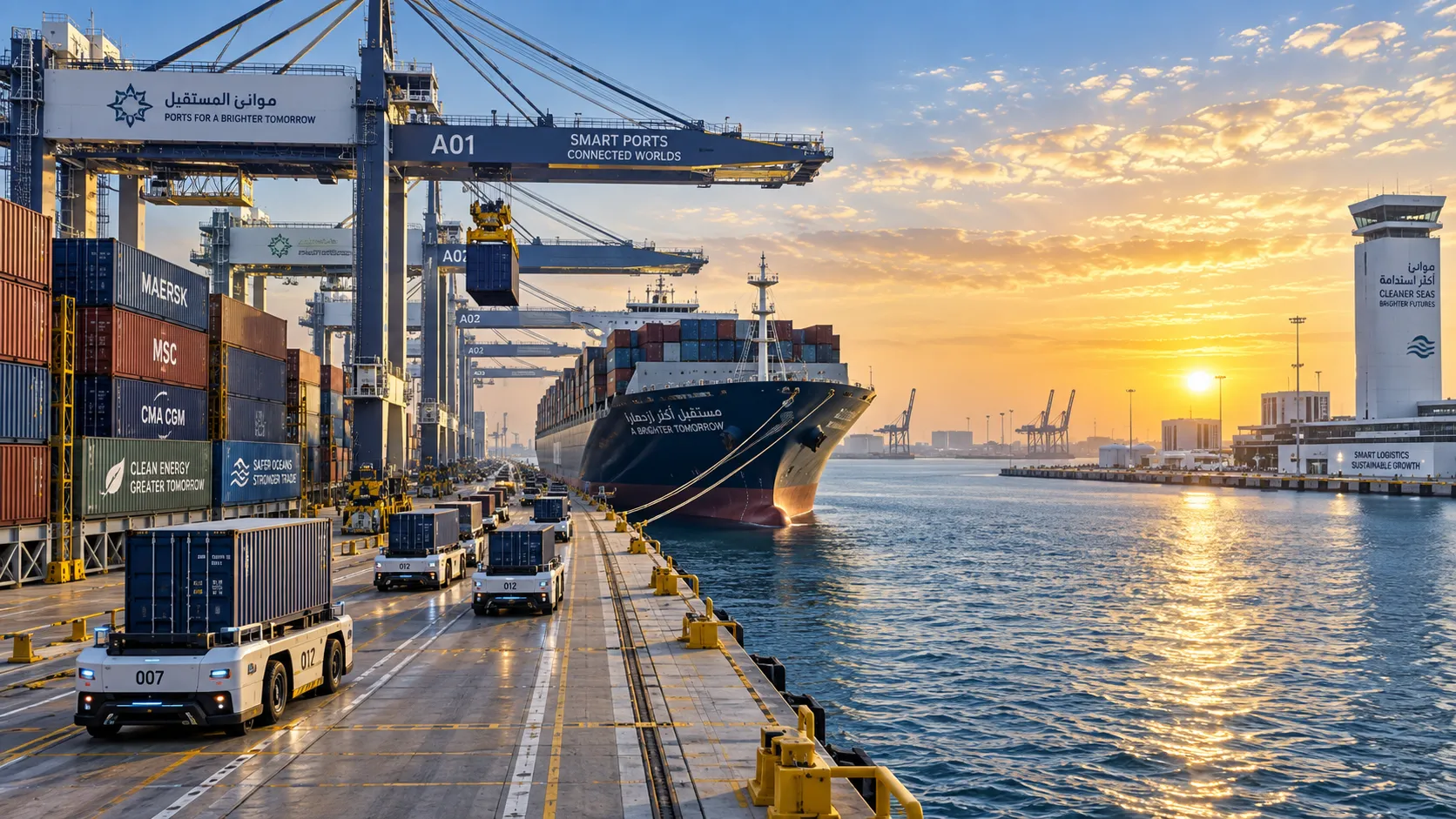
Middle East Port Automation: Key Market Drivers, Projects, and Investment Risks
Port automation systems Middle East: explore market drivers, flagship projects, integration challenges, and investment risks shaping smarter, resilient terminals.
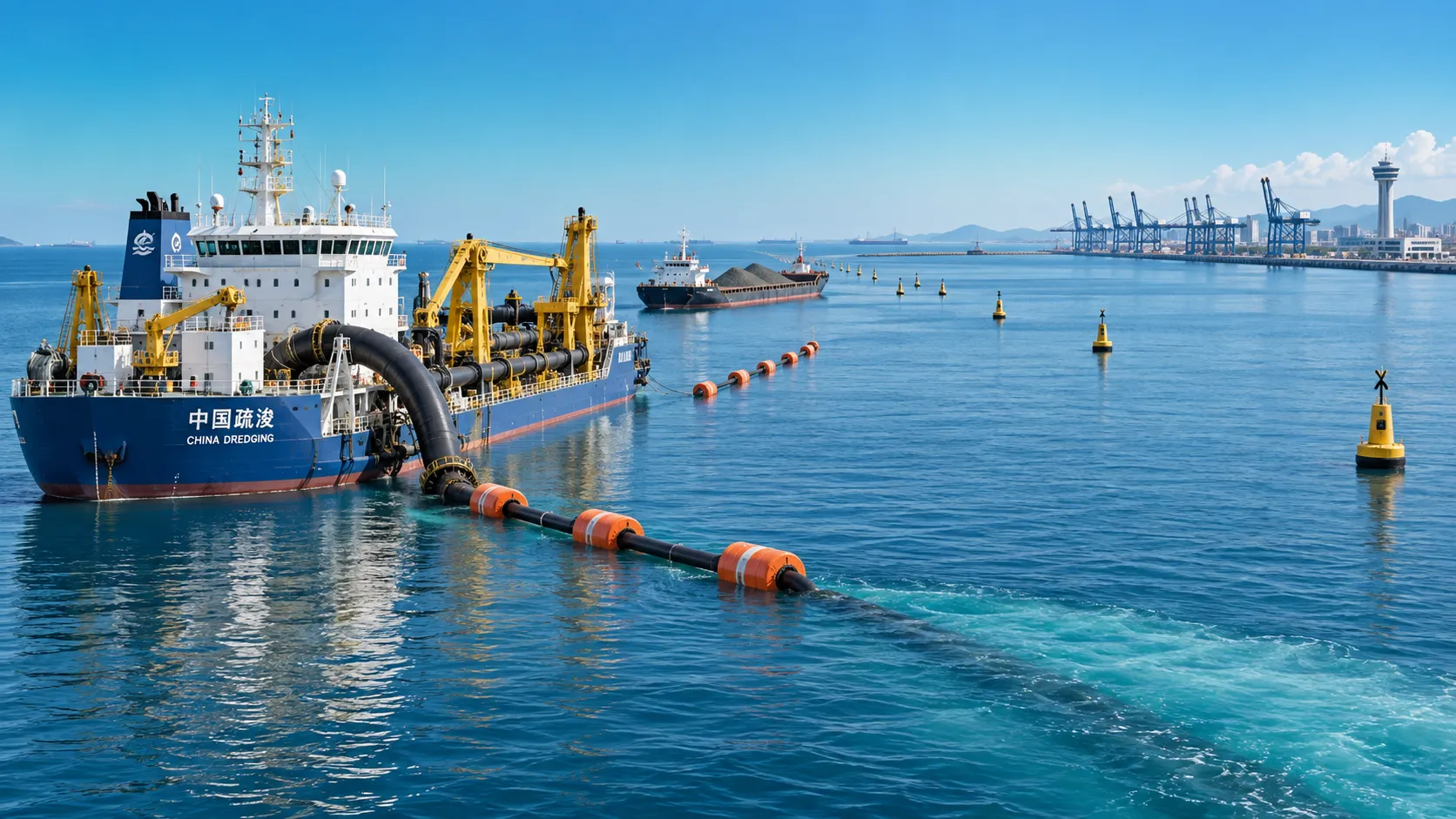
Planning Offshore Dredging Operations: Key Risks, Methods, and Project Controls
Offshore dredging operations demand smart planning. Explore key risks, proven methods, environmental controls, and project strategies for reliable delivery.