Related News
- 00
0000-00
How to Evaluate Terminal Efficiency Solution Suppliers for High-Throughput Operations - 00
0000-00
What to Consider When Buying Electric Port Machinery for Container Terminals - 00
0000-00
How to Select Container Handling Equipment for Middle East Ports and Terminals - 00
0000-00
How to Evaluate a Port Machinery Exporter for Large-Scale Terminal Projects - 00
0000-00
Evaluating a Dredging Equipment Manufacturer for Mining Plant Supply
How to Vet a Port Infrastructure Supplier Before Bidding
Before committing capital to cranes, automation systems, dredging assets, or terminal handling equipment, procurement teams must look beyond price and delivery promises. Vetting a port infrastructure supplier requires a structured review of technical capability, project track record, compliance discipline, lifecycle support, and financial resilience. In a market shaped by smart ports, net-zero targets, and complex global logistics, the right supplier can reduce operational risk and strengthen long-term terminal performance—while the wrong one can delay bids, inflate costs, and compromise port competitiveness.
Why supplier vetting matters before a port infrastructure bid
A port infrastructure supplier is not simply a vendor of machines. In many projects, the supplier influences quay productivity, yard density, energy consumption, safety exposure, and future automation readiness.
Procurement teams often face pressure from tight bidding windows, public tender rules, limited technical staff, and uncertain shipping demand. A structured pre-bid assessment prevents decisions based only on brochure capacity or initial equipment price.
- For quay crane projects, vetting should confirm structural design maturity, wind resistance assumptions, automation interfaces, and maintenance accessibility.
- For bulk terminals, procurement should examine dust control, wear protection, throughput stability, and spares availability for high-abrasion operations.
- For automated container handling, the supplier must prove software integration capability, cybersecurity discipline, and reliable control logic under peak yard traffic.
- For dredging equipment, buyers need evidence of pump performance, geotechnical suitability, fuel efficiency, and digital monitoring capability.
PS-Nexus tracks port terminal gear, specialized container handling, automation systems, and dredging engineering from a maritime logistics perspective. This helps procurement teams read supplier claims against sector trends, not isolated sales presentations.
Build a pre-bid profile of the port infrastructure supplier
Before issuing an RFQ, create a supplier profile that separates proven capability from marketing language. The goal is to understand whether the port infrastructure supplier can support the exact operating environment.
Start with project relevance, not company size
A large supplier may still be unsuitable if its references are in different cargo types, climates, control architectures, or regulatory environments. Relevance is more useful than general scale.
Procurement should request a reference matrix showing equipment type, terminal layout, commissioning date, duty cycle, operating hours, and service response history. This makes supplier comparison more objective.
The following table converts supplier background checks into procurement-ready evidence. It helps identify which claims need engineering review before a bid moves forward.
A strong profile does not guarantee selection, but it reveals where bid conditions should be tightened. It also helps buyers reject weak proposals before technical clarification consumes internal resources.
Technical capability: what procurement must verify beyond specifications
Specifications define minimum requirements, but supplier competence appears in how equipment performs under constraints. A port infrastructure supplier should demonstrate design logic, integration discipline, and maintenance practicality.
Check the engineering assumptions behind the offer
For heavy terminal gear, capacity figures are meaningful only when connected to duty cycle, outreach, rail gauge, wind conditions, structural fatigue, and operator workflow.
For automation systems, ask how control logic handles exception cases. Missed container IDs, AGV congestion, signal latency, and equipment handover failures can reduce throughput even when individual machines look strong.
- Request technical drawings at the appropriate review stage, not only promotional layouts or simplified renderings.
- Ask for integration responsibility between cranes, terminal operating systems, yard equipment, sensors, and network infrastructure.
- Review maintainability, including access platforms, lubrication points, diagnostic screens, and replacement procedures for high-wear components.
- Confirm whether energy-saving claims are based on site simulation, comparable terminals, or general equipment assumptions.
PS-Nexus monitors low-latency crane control, AGV path-planning algorithms, and digital dredging pump monitoring. These intelligence layers help procurement teams question whether a port infrastructure supplier is prepared for smart operations.
Compare suppliers by operational fit, not only purchase price
Initial price remains important, especially under public procurement rules. Yet lifecycle cost, delay exposure, and capacity loss can outweigh a lower bid from an unsuitable port infrastructure supplier.
A practical comparison should map supplier type to terminal scenario. This is useful when multiple bidders offer different technology routes or financing structures.
This comparison prevents one-dimensional evaluation. A cheaper supplier may be acceptable for a limited retrofit, but risky for a fully automated terminal where interfaces decide operational success.
Compliance, certification, and risk controls to include in the bid file
Ports operate in demanding regulatory environments. A port infrastructure supplier must support technical compliance, labor safety, environmental requirements, and documentation traceability across the project lifecycle.
Use standards as screening tools, not as decorative language
Procurement should avoid vague statements such as “international standard design.” Instead, identify which standards apply to lifting machinery, electrical systems, welding, environmental controls, cybersecurity, or marine construction.
The exact standard set depends on country, terminal ownership, cargo profile, and insurance requirements. Buyers should confirm applicability with engineers, legal teams, and local authorities.
Compliance review should be completed before final bid submission, not after contract award. Late discovery of missing documentation can affect permits, financing milestones, and delivery acceptance.
Lifecycle cost: where low bids become expensive
Procurement teams are often measured against budget, but port assets are long-cycle investments. A port infrastructure supplier should be evaluated on ownership economics, not just acquisition cost.
Model the cost drivers before negotiation
Lifecycle cost includes installation, commissioning, training, energy consumption, spares, software updates, inspections, downtime, and eventual modernization. These items can shift the real winner.
- Ask bidders to separate base equipment price from civil interface work, electrical integration, software licensing, and optional automation modules.
- Require a recommended spare parts list for the first two to five years, including critical lead-time items and consumables.
- Evaluate whether remote diagnostics, condition monitoring, and predictive maintenance tools are included or priced separately.
- Consider vessel waiting cost, berth productivity loss, and dredging downtime when calculating supplier performance impact.
In automated terminals, software maintenance deserves special attention. Updates to control logic, interfaces, cybersecurity patches, and data platforms can become recurring costs if contract terms are unclear.
For dredging assets, fuel consumption, wear parts, pump efficiency, and sediment conditions often dominate operating cost. Procurement should request scenario-based consumption estimates, not only nominal capacity values.
A practical vetting workflow for procurement teams
A disciplined workflow protects buyers from rushed choices. It also gives every port infrastructure supplier a fair opportunity to prove capability under the same criteria.
- Define the operating scenario, including cargo mix, annual throughput target, berth constraints, yard layout, dredging depth, and automation ambition.
- Create a longlist of suppliers, then remove firms that lack relevant references, service coverage, or required documentation discipline.
- Issue a prequalification questionnaire covering engineering ownership, production capacity, compliance, financial resilience, and after-sales support.
- Hold technical clarification meetings with engineers, operations managers, maintenance teams, IT specialists, and safety representatives.
- Score proposals using weighted criteria for technical fit, lifecycle cost, delivery risk, sustainability, and contract support.
- Negotiate commercial terms only after technical exclusions, interface risks, and documentation gaps are clearly understood.
Who should participate in the review?
Procurement should not vet alone. A strong review includes terminal operations, civil engineering, marine engineering, automation architecture, finance, legal, environmental, and maintenance teams.
PS-Nexus supports this multidisciplinary view through intelligence connecting heavy mechanical power, algorithmic scheduling, coastal economics, and global trade dynamics. That wider context improves procurement judgment.
Common red flags when evaluating a port infrastructure supplier
Some warning signs appear early but are overlooked because the quoted price is attractive. Procurement teams should document red flags and require corrective clarification before bid acceptance.
- The supplier refuses to identify critical subcontractors or avoids explaining who owns control software, structural design, or installation supervision.
- Reference projects are presented without operating data, commissioning dates, terminal context, or permission for buyer verification.
- Delivery promises are shorter than industry norms but lack a production schedule, logistics plan, and risk allowance for inspections.
- Warranty terms exclude high-risk components, software support, corrosion exposure, or duty-cycle assumptions that affect the actual project.
- The proposal depends on broad “equivalent standard” language without clear technical documents or acceptance criteria.
How to respond to red flags
Not every red flag requires immediate disqualification. However, each one should trigger written clarification, revised documentation, or a conditional evaluation score.
If a port infrastructure supplier cannot resolve a critical gap before bidding, the risk usually grows after contract award. Early discipline is less costly than late recovery.
FAQ: questions buyers ask before choosing a port infrastructure supplier
How early should procurement start vetting suppliers?
Start before the formal tender whenever possible. Early market screening helps define realistic specifications, budget ranges, delivery windows, and compliance requirements without favoring a single supplier.
What matters most for automated terminal projects?
The decisive issues are interface responsibility, control logic maturity, network reliability, cybersecurity, exception handling, and software support terms. Equipment capacity alone does not prove automation readiness.
Should buyers choose a global supplier or a local integrator?
It depends on project complexity. Global suppliers may offer deeper product engineering, while local integrators can improve service access and regulatory coordination. The contract must define responsibility clearly.
How can procurement reduce delivery delay risk?
Require milestone schedules, inspection hold points, logistics planning, manufacturing capacity evidence, and liquidated damage terms that reflect real terminal impact rather than symbolic penalties.
What documents should be mandatory before final selection?
Mandatory documents often include technical drawings, compliance matrix, quality plan, service plan, spare parts proposal, warranty conditions, interface responsibility matrix, and financial or performance security terms.
Why choose PS-Nexus for supplier intelligence and bid preparation
Selecting a port infrastructure supplier is a strategic decision for terminals, distributors, EPC teams, and public port authorities. The decision affects throughput, resilience, sustainability, and long-term competitiveness.
PS-Nexus provides intelligence across mega port terminal gear, bulk handling machinery, specialized container handling, port automation, control systems, and dredging engineering equipment. This cross-domain view helps buyers avoid isolated evaluation.
- Consult PS-Nexus when confirming technical parameters for cranes, AGVs, yard systems, bulk handling lines, or dredging configurations.
- Use PS-Nexus insights to compare supplier positioning, automation trends, net-zero equipment options, and long-cycle demand signals.
- Request support for bid evaluation structures, supplier shortlisting logic, delivery cycle questions, and compliance documentation review.
- Discuss customized intelligence needs, including scenario analysis, certification expectations, service model comparison, and quotation communication preparation.
Before your next tender, use structured intelligence to challenge assumptions, clarify risks, and align procurement with terminal operations. PS-Nexus helps your team turn supplier vetting into a stronger bid strategy.
- heavy terminal gear
- automated container handling
- maritime logistics
- coastal economics
- mega port terminal
- bulk handling machinery
- specialized container handling
- port automation
- control systems
- dredging equipment
- remote-controlled cranes
- path-planning algorithms
- AGVs
- port infrastructure
- smart operations
- quay crane
- port infrastructure supplier
- terminal operating systems
Related News
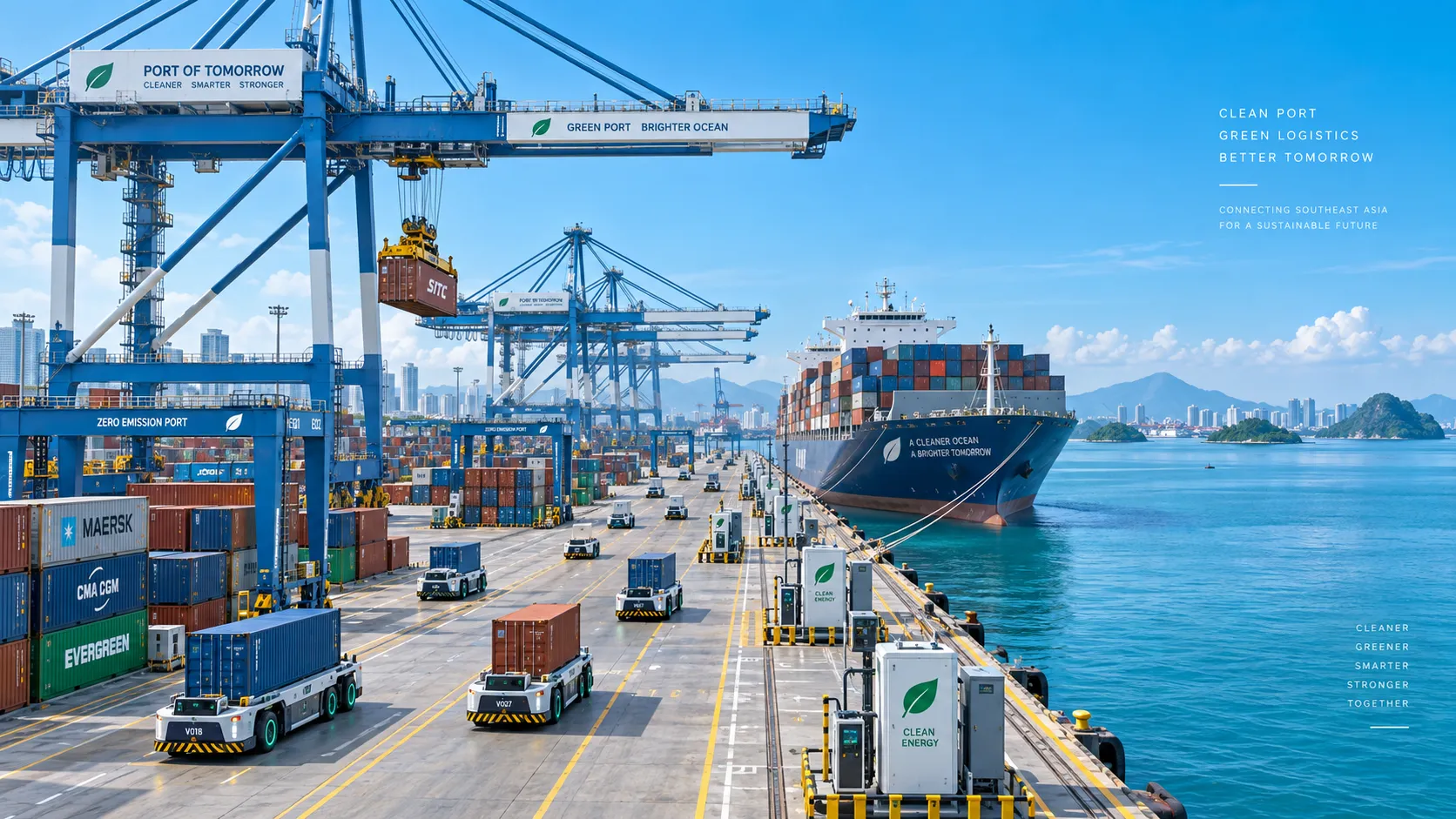
Smart Port Systems in Southeast Asia: Investment Priorities and Adoption Barriers
Smart port systems Southeast Asia: discover investment priorities, adoption barriers, and practical steps to build resilient, connected, high-performing terminals.

How to Evaluate Terminal Efficiency Solution Suppliers for High-Throughput Operations
Choose a terminal efficiency solutions supplier with confidence. Explore proven criteria for throughput, integration, lifecycle cost, safety, and reliable delivery.
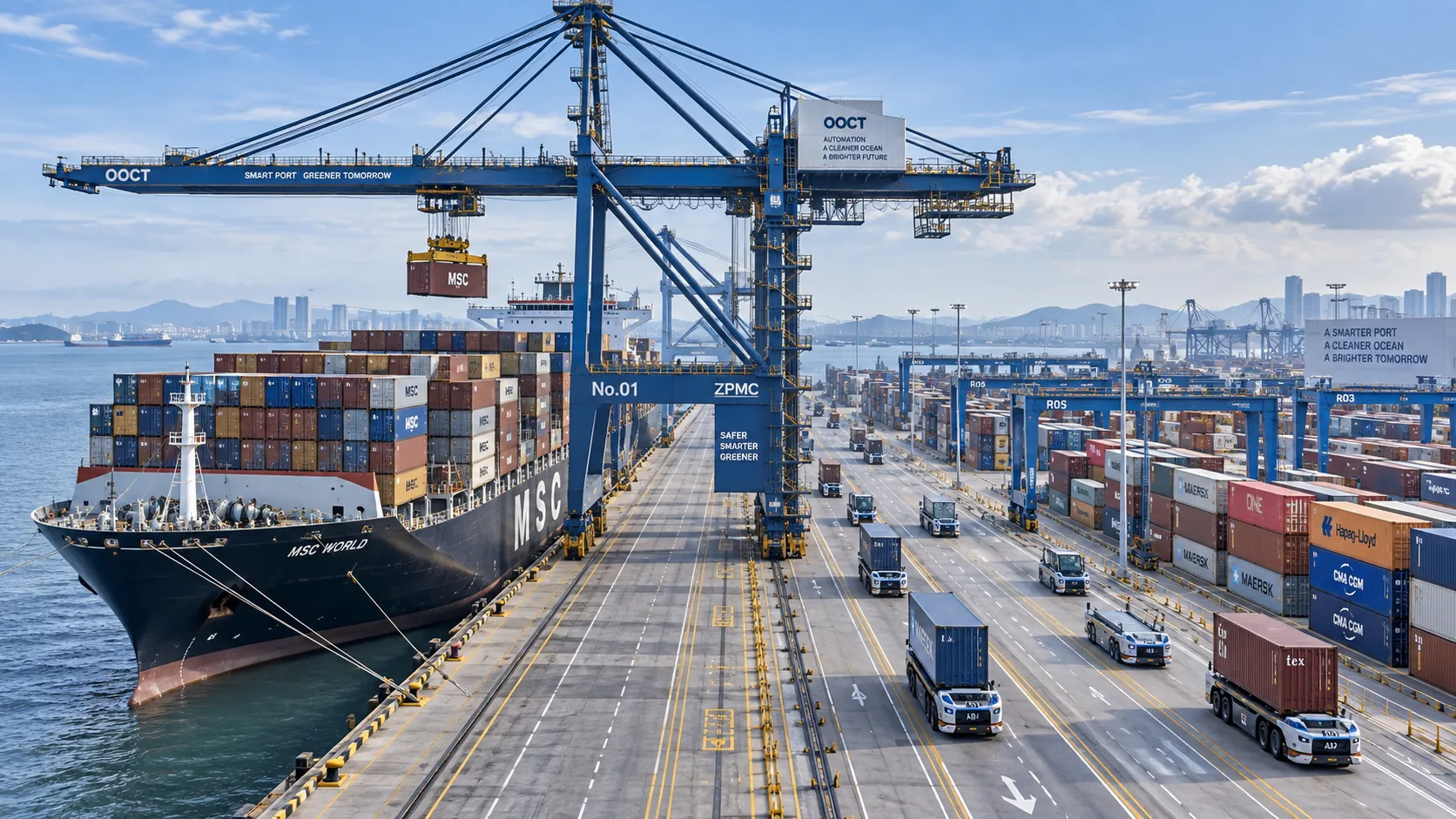
How to Specify a Quay Crane for Container Terminals by Vessel Size and Throughput?
Quay crane for container terminals: learn how to match outreach, lift height, capacity, automation, and cycle performance to vessel size and throughput goals.
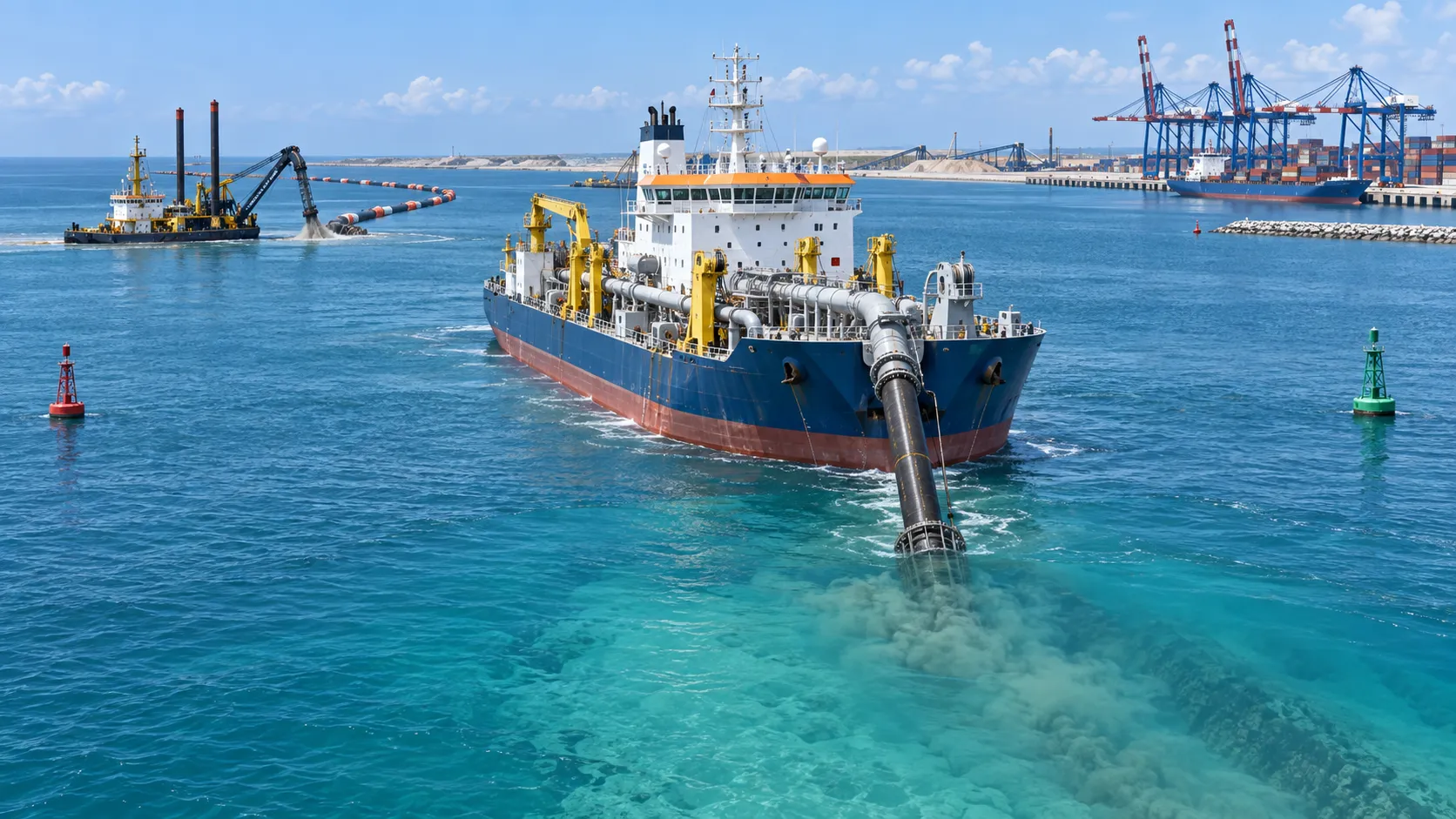
What Dredging Equipment Is Needed for Channel Deepening?
What dredging equipment is needed for channel deepening? Explore dredgers, pipelines, survey tools, and planning strategies for safer, more efficient port access.
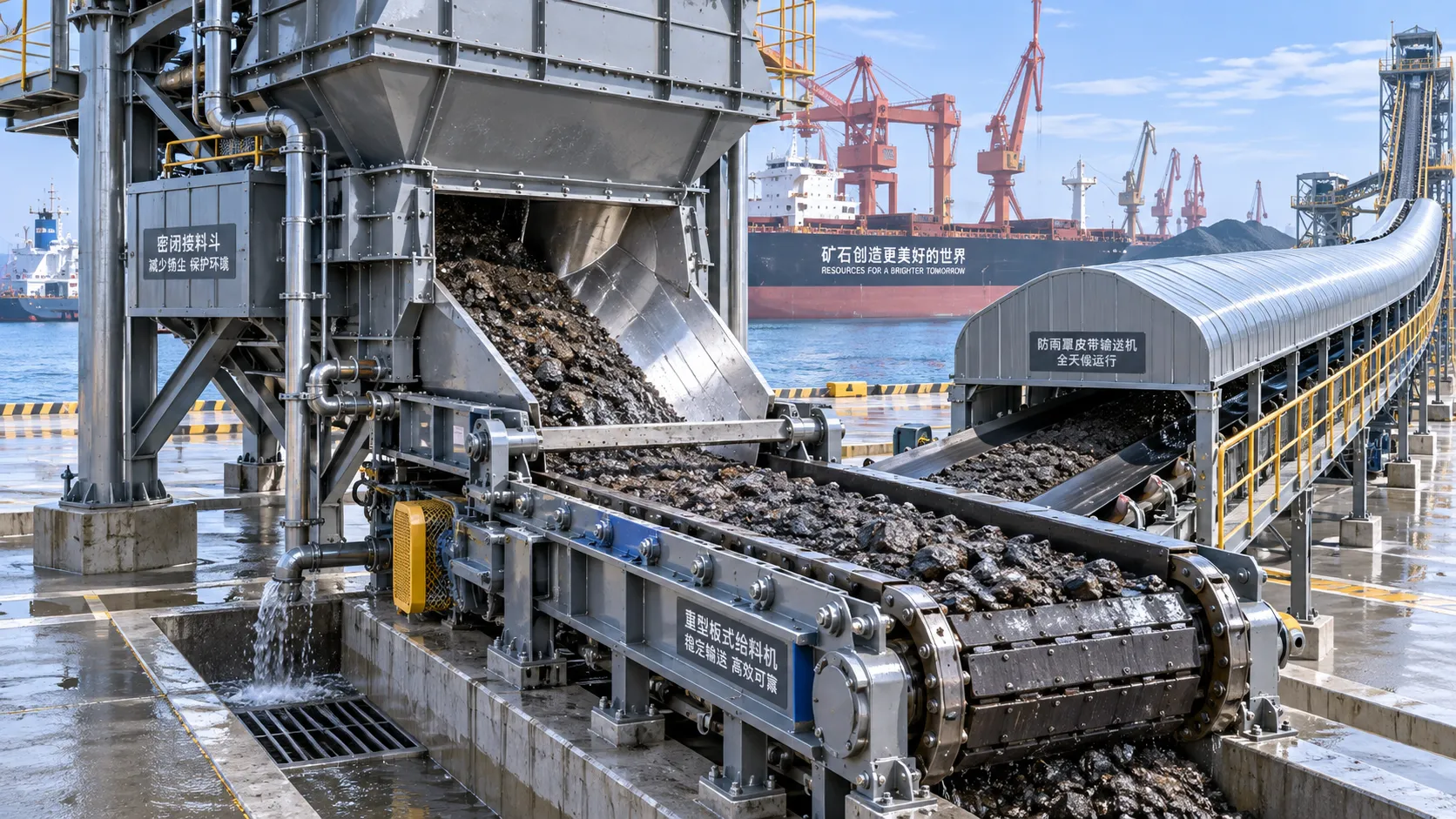
Which Bulk Handling Equipment Suits High-Moisture Cargo?
Which bulk handling equipment suits high-moisture cargo? Compare belt, apron, screw, drag, and slurry systems for reliable flow, less carryback, and higher terminal uptime.
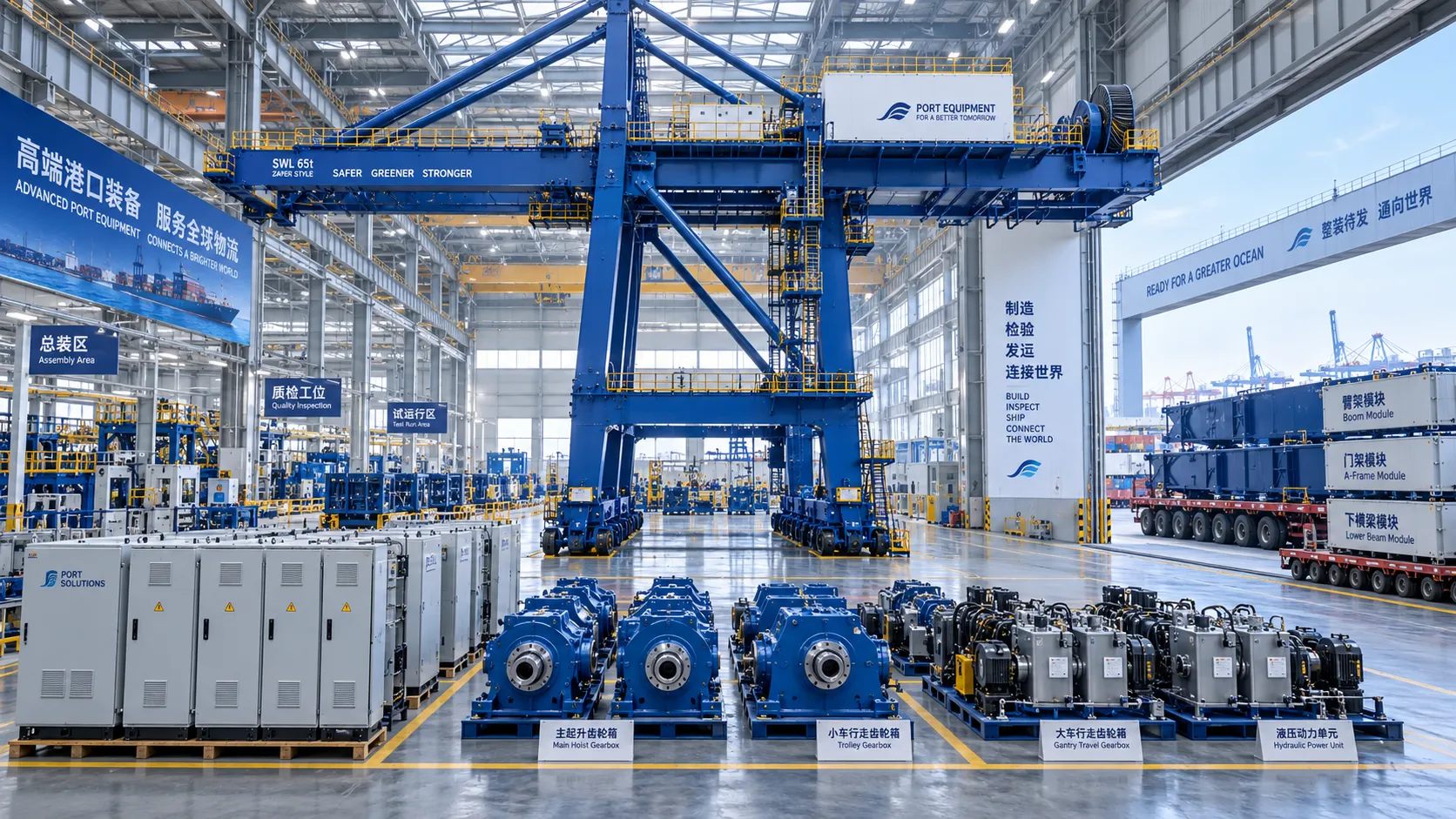
How Can Port Equipment Lead-Time Risk Be Managed?
How can port equipment lead-time risk be managed? Explore practical strategies to control critical paths, suppliers, transport, site readiness, and commissioning delays.

Terminal Automation Technologies That Raise Container Throughput Without Yard Disruption
Terminal automation technology that increases container throughput without disrupting yard flow. Explore smarter integration, resilient workflows, and phased deployment strategies.

Middle East Port Automation: Key Market Drivers, Projects, and Investment Risks
Port automation systems Middle East: explore market drivers, flagship projects, integration challenges, and investment risks shaping smarter, resilient terminals.
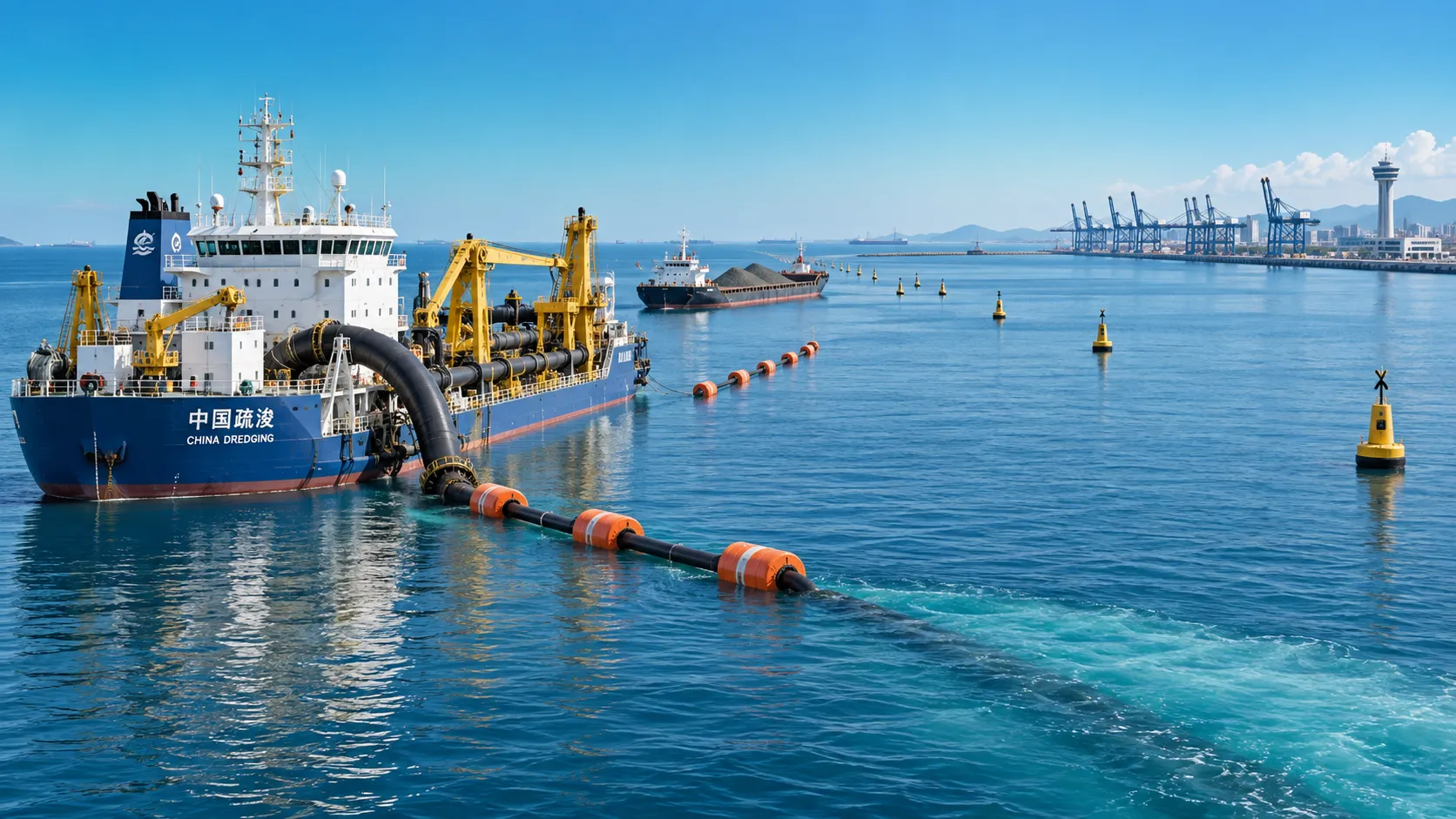
Planning Offshore Dredging Operations: Key Risks, Methods, and Project Controls
Offshore dredging operations demand smart planning. Explore key risks, proven methods, environmental controls, and project strategies for reliable delivery.