Related News
- 00
0000-00
How to Evaluate Terminal Efficiency Solution Suppliers for High-Throughput Operations - 00
0000-00
What to Consider When Buying Electric Port Machinery for Container Terminals - 00
0000-00
How to Select Container Handling Equipment for Middle East Ports and Terminals - 00
0000-00
How to Evaluate a Port Machinery Exporter for Large-Scale Terminal Projects - 00
0000-00
Evaluating a Dredging Equipment Manufacturer for Mining Plant Supply
How to compare a quay crane manufacturer before buying
Choosing a quay crane manufacturer affects berth productivity, vessel turnaround, maintenance cost, and future automation plans. A low purchase price can hide higher downtime, retrofit expense, or weaker service coverage.
To compare a quay crane manufacturer before buying, focus on operating scenario, technical fit, delivery credibility, digital integration, and lifecycle support. The best decision usually comes from total value, not headline cost alone.
Why comparison depends on terminal scenario first
Every quay crane manufacturer claims strong performance. Yet crane value changes by vessel mix, berth layout, labor model, grid conditions, and automation maturity.
A gateway port handling ultra-large container vessels needs different strengths than a regional feeder terminal. Comparing suppliers without a scenario baseline often leads to overspecification or weak expansion flexibility.
Start with five operating facts:
- Current and future vessel size range
- Expected annual throughput growth
- Peak moves per hour target
- Manual, remote, or automated operation plan
- Maintenance staffing and spare parts readiness
These inputs help compare each quay crane manufacturer on relevant performance instead of broad marketing claims. They also improve bid clarity and reduce later variation requests.
Scenario one: comparing suppliers for high-volume hub terminals
Large hub terminals need a quay crane manufacturer with proven heavy-duty structures, high hoist speeds, stable trolley travel, and fatigue-resistant design for intense duty cycles.
In this scenario, project references matter more than brochure specifications. Ask for cranes operating at similar outreach, lift height, wind class, and yearly move intensity.
Core judgment points for hub-port buying
- Twin-lift or tandem-lift operating stability
- Container positioning accuracy under high wind
- Anti-sway control effectiveness at peak speed
- Electrical system reliability and redundancy
- Availability guarantees and fault response time
A qualified quay crane manufacturer should show measured field performance, not only design targets. Review acceptance reports, uptime records, and major component replacement intervals.
Scenario two: comparing a quay crane manufacturer for growing regional terminals
Regional terminals often need balance. Capital discipline, flexible vessel coverage, and simple maintenance may outweigh extreme handling speed.
Here, the right quay crane manufacturer should offer modular options, practical standardization, and upgrade paths. A crane that fits today but blocks growth tomorrow can become expensive quickly.
What to compare in this scenario
- Can outreach and lift height support larger future calls?
- Can automation modules be added later?
- Are spare parts shared with other crane models?
- Is operator training included and repeatable?
- How difficult is local maintenance execution?
This is where lifecycle simplicity can outweigh premium performance. An experienced quay crane manufacturer should explain which options add real future value and which only raise complexity.
Scenario three: choosing for automation, remote control, or smart terminal upgrades
If remote operation or automated workflows are planned, compare more than steel structure and motor ratings. Digital architecture becomes a deciding factor.
A modern quay crane manufacturer should support sensor integration, camera systems, anti-collision logic, remote diagnostics, and clean interfaces with TOS, PLC, and yard automation platforms.
Automation-fit checks before buying
- Open communication protocols for future integration
- Cybersecurity design and access control structure
- Remote troubleshooting and software update process
- Data quality for maintenance and performance analytics
- Human-machine interface usability in control rooms
A quay crane manufacturer with weak software governance can create integration delays and operational risk. Ask for existing remote-control projects and commissioning timelines.
How different operating scenarios change supplier priorities
How to score each quay crane manufacturer with practical criteria
Use a weighted comparison model. It keeps evaluation disciplined and reduces the influence of attractive but secondary features.
- Define mandatory technical requirements.
- Separate must-have items from preference items.
- Assign weights to performance, delivery, service, and cost.
- Score each quay crane manufacturer against evidence.
- Test total ownership cost across ten to twenty years.
A useful scoring structure may include technical capability, project references, automation readiness, energy efficiency, warranty terms, commissioning support, spare part availability, and commercial transparency.
Questions that expose hidden risk
- Which critical components are in-house and which are outsourced?
- What delays occurred in the last similar projects?
- What is excluded from the quoted price?
- How are sea fastening, erection, and testing managed?
- What local technical support exists after handover?
Common mistakes when comparing a quay crane manufacturer
One common error is comparing nominal speeds without checking loaded conditions, control smoothness, or actual productivity at the ship interface.
Another mistake is ignoring maintenance design. Access platforms, cable routing, lubrication points, and parts standardization strongly affect long-term crane availability.
Some buyers also underestimate integration risk. A quay crane manufacturer may deliver sound hardware but struggle with software interfaces, remote vision systems, or terminal commissioning coordination.
Price-only decisions are especially risky when delivery certainty is critical. Delayed berth readiness can cost more than the initial equipment savings.
Action steps for a smarter buying decision
Build a short list of suppliers only after defining your operating scenario. Then issue a structured technical questionnaire and require evidence-based answers from each quay crane manufacturer.
Visit reference sites if possible. Speak with operating teams about reliability, software stability, spare lead times, and post-handover support quality.
Finally, compare lifecycle value instead of purchase price alone. The right quay crane manufacturer is the one that fits your terminal strategy, not just today’s budget target.
For complex port investment decisions, structured intelligence helps separate marketing claims from operational reality. A disciplined comparison framework leads to safer contracts and stronger long-term terminal performance.
Related News
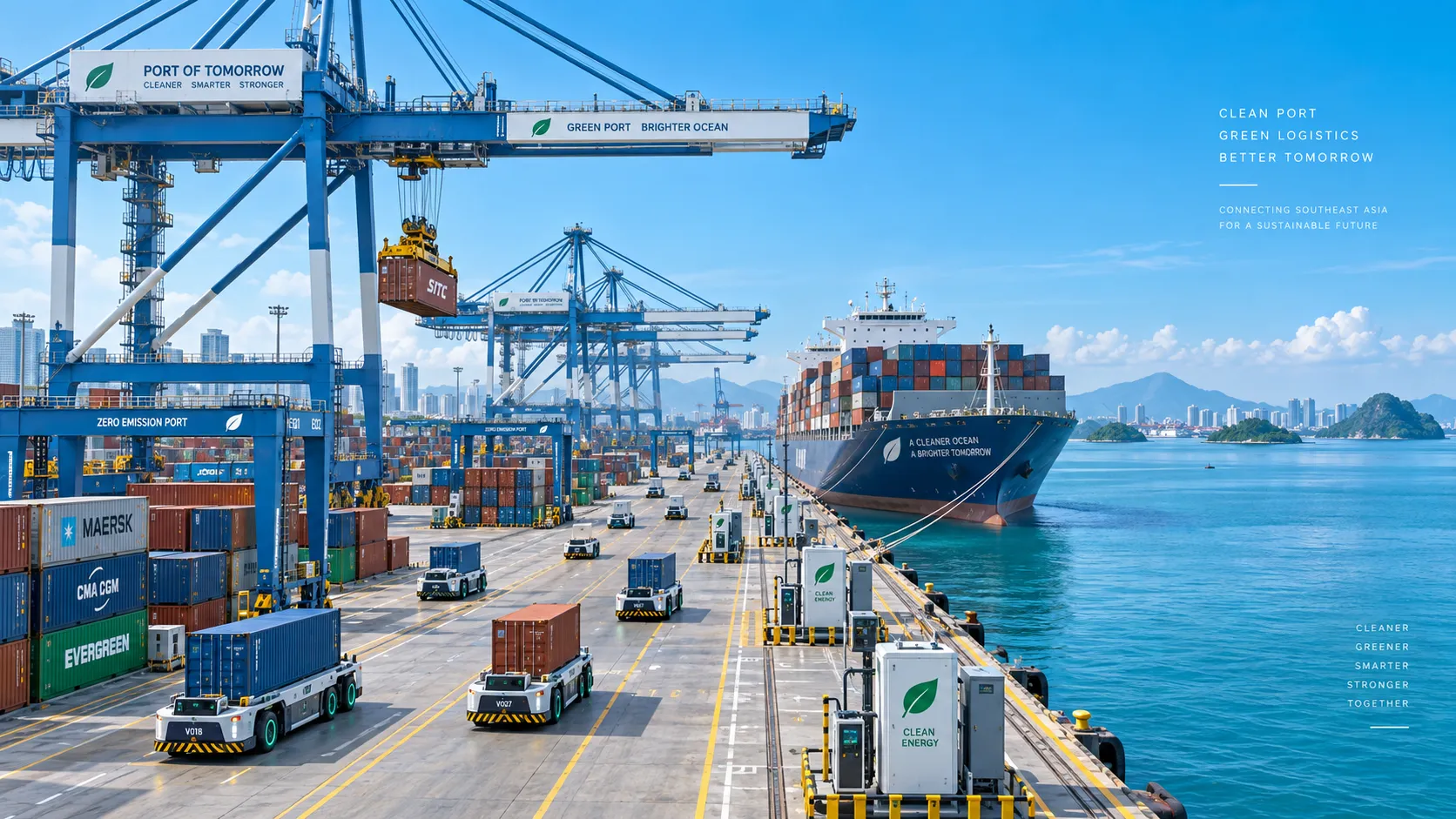
Smart Port Systems in Southeast Asia: Investment Priorities and Adoption Barriers
Smart port systems Southeast Asia: discover investment priorities, adoption barriers, and practical steps to build resilient, connected, high-performing terminals.

How to Evaluate Terminal Efficiency Solution Suppliers for High-Throughput Operations
Choose a terminal efficiency solutions supplier with confidence. Explore proven criteria for throughput, integration, lifecycle cost, safety, and reliable delivery.
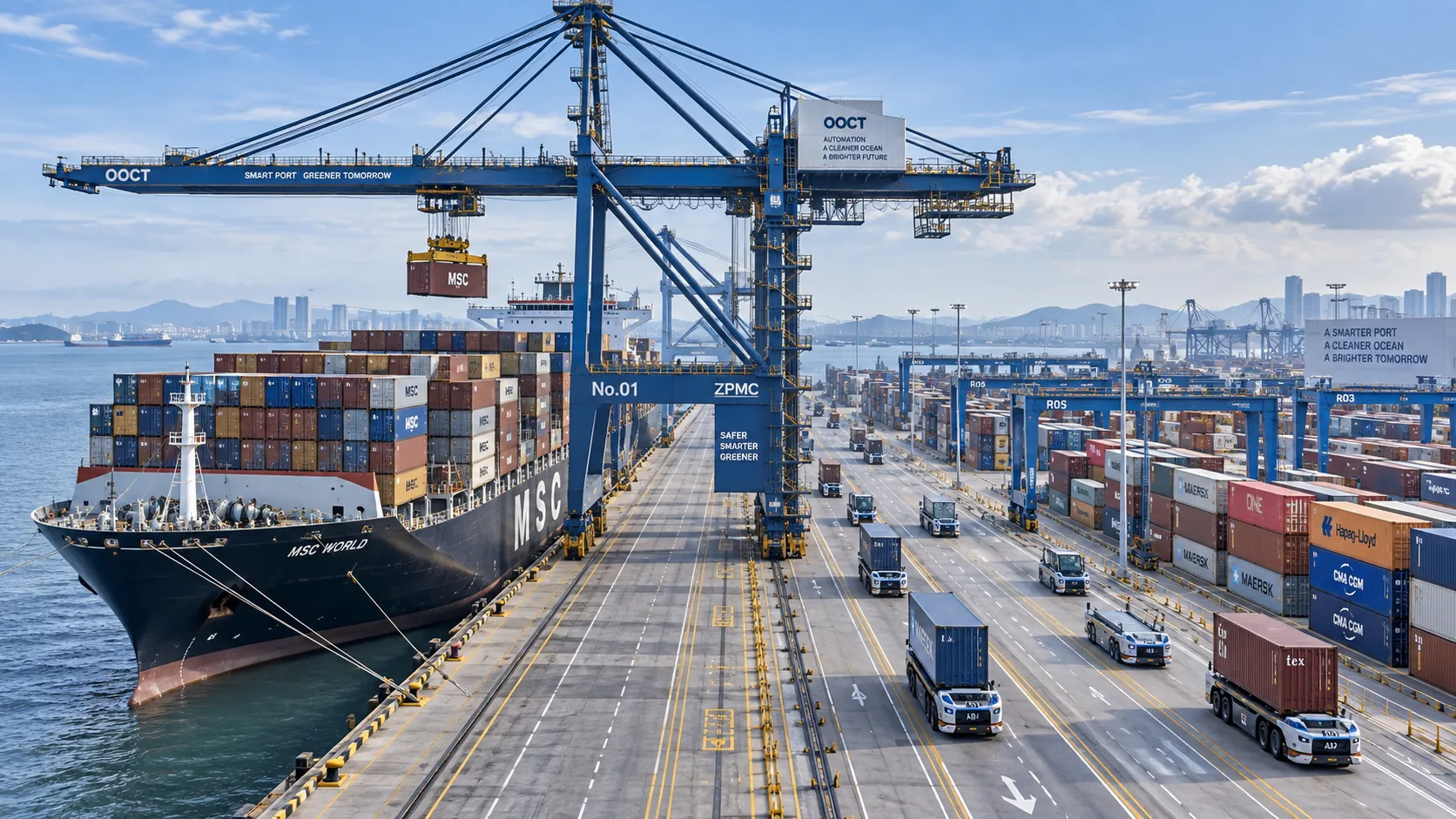
How to Specify a Quay Crane for Container Terminals by Vessel Size and Throughput?
Quay crane for container terminals: learn how to match outreach, lift height, capacity, automation, and cycle performance to vessel size and throughput goals.
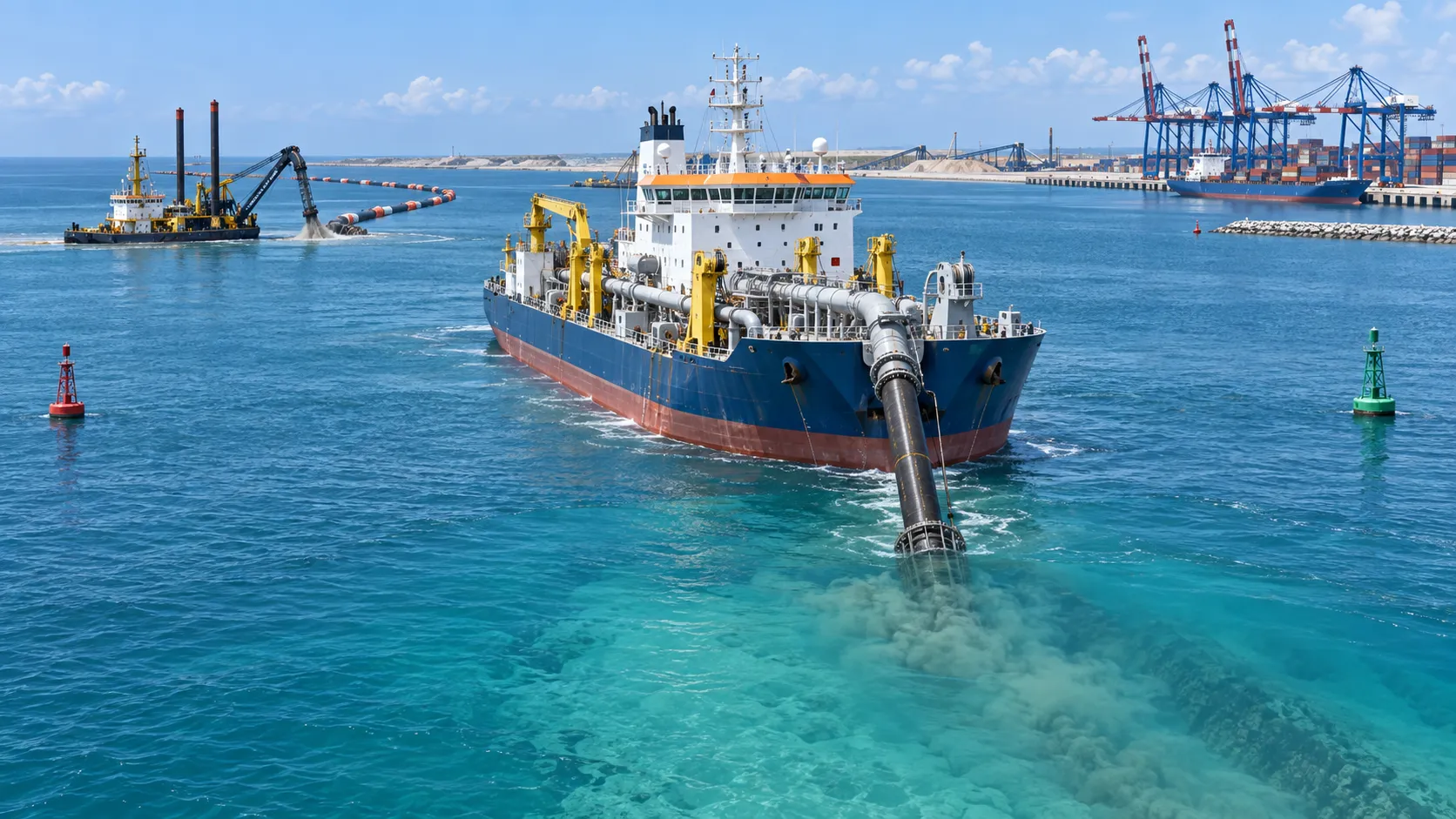
What Dredging Equipment Is Needed for Channel Deepening?
What dredging equipment is needed for channel deepening? Explore dredgers, pipelines, survey tools, and planning strategies for safer, more efficient port access.
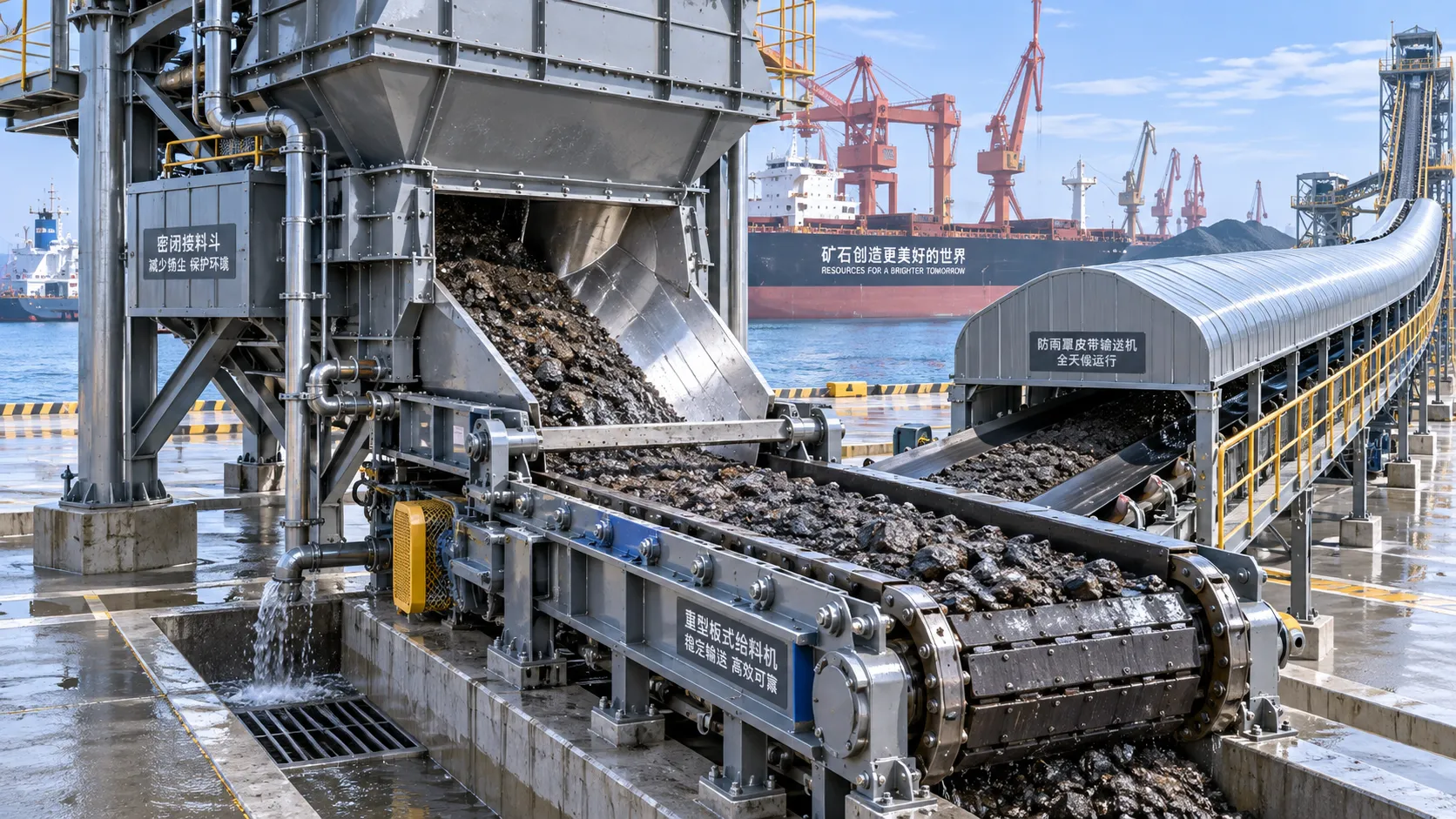
Which Bulk Handling Equipment Suits High-Moisture Cargo?
Which bulk handling equipment suits high-moisture cargo? Compare belt, apron, screw, drag, and slurry systems for reliable flow, less carryback, and higher terminal uptime.
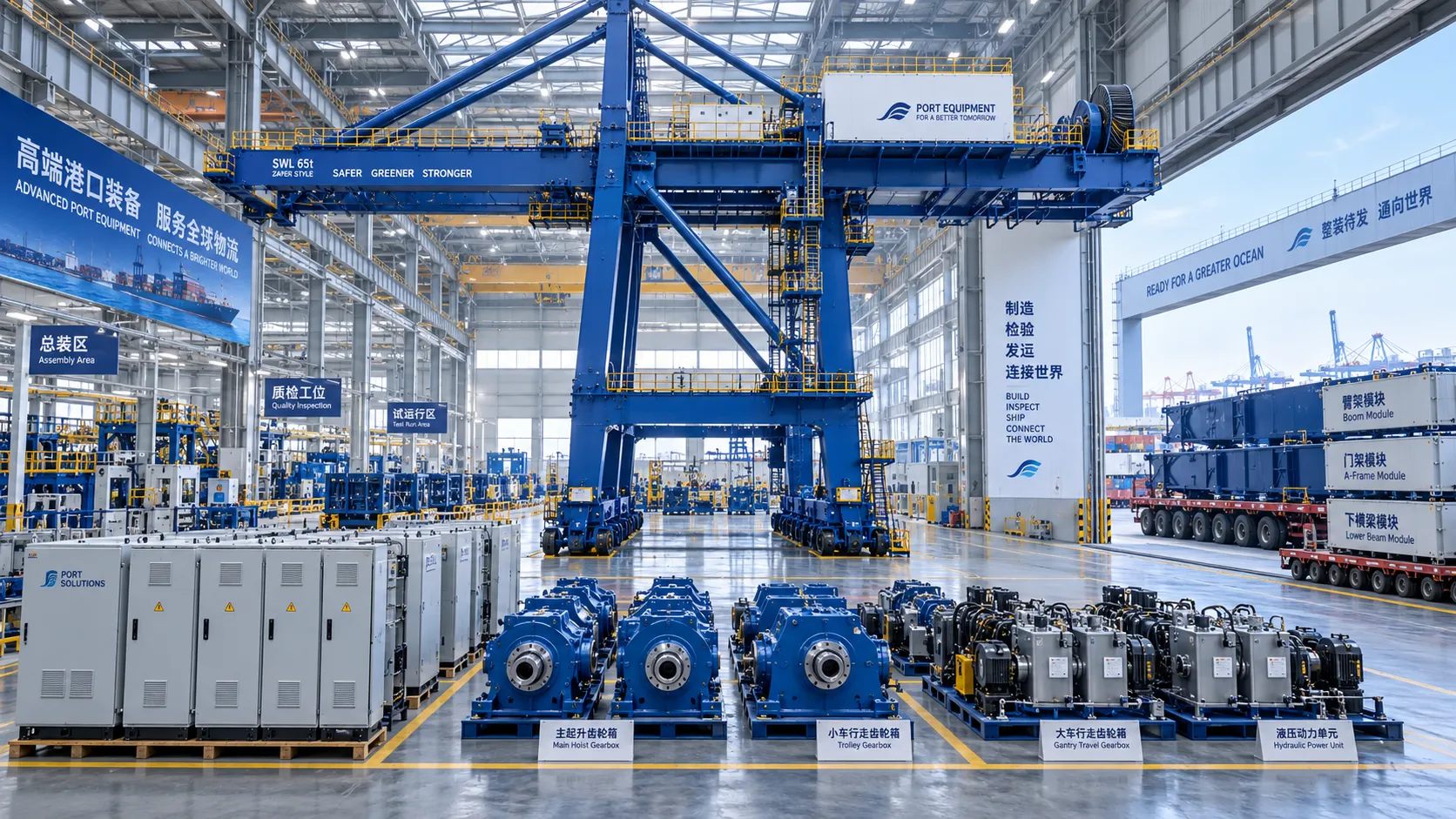
How Can Port Equipment Lead-Time Risk Be Managed?
How can port equipment lead-time risk be managed? Explore practical strategies to control critical paths, suppliers, transport, site readiness, and commissioning delays.
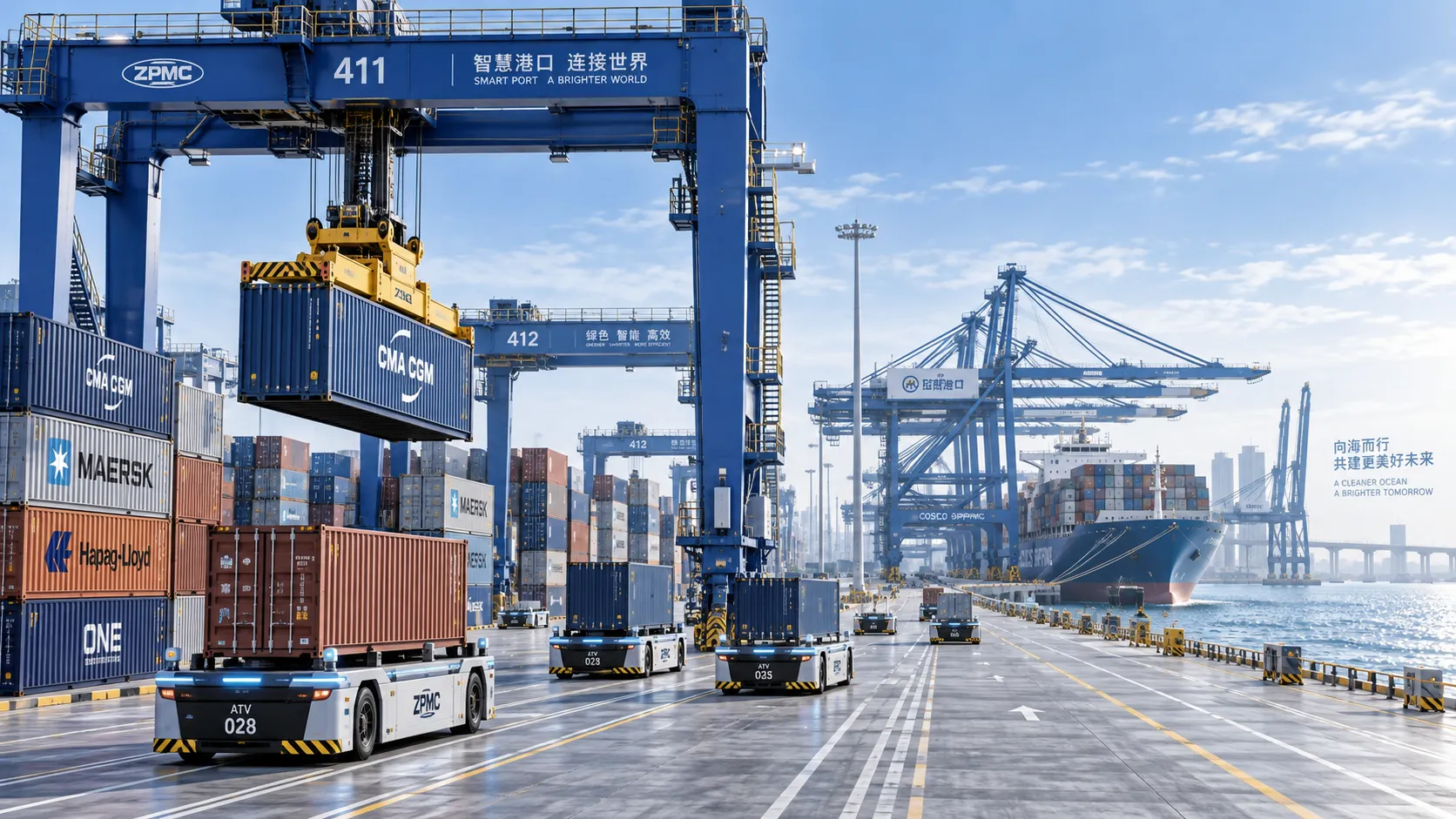
Terminal Automation Technologies That Raise Container Throughput Without Yard Disruption
Terminal automation technology that increases container throughput without disrupting yard flow. Explore smarter integration, resilient workflows, and phased deployment strategies.
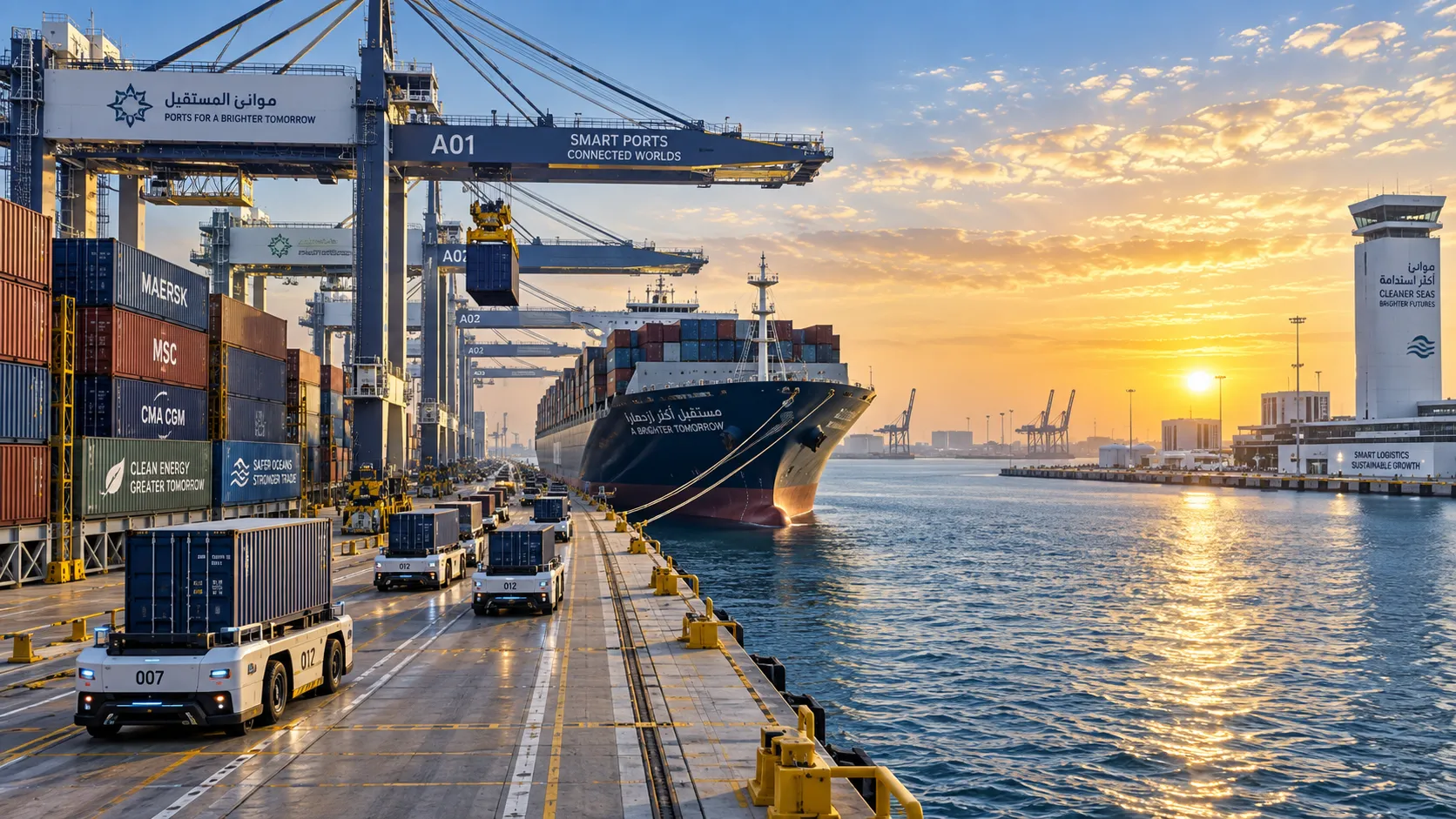
Middle East Port Automation: Key Market Drivers, Projects, and Investment Risks
Port automation systems Middle East: explore market drivers, flagship projects, integration challenges, and investment risks shaping smarter, resilient terminals.
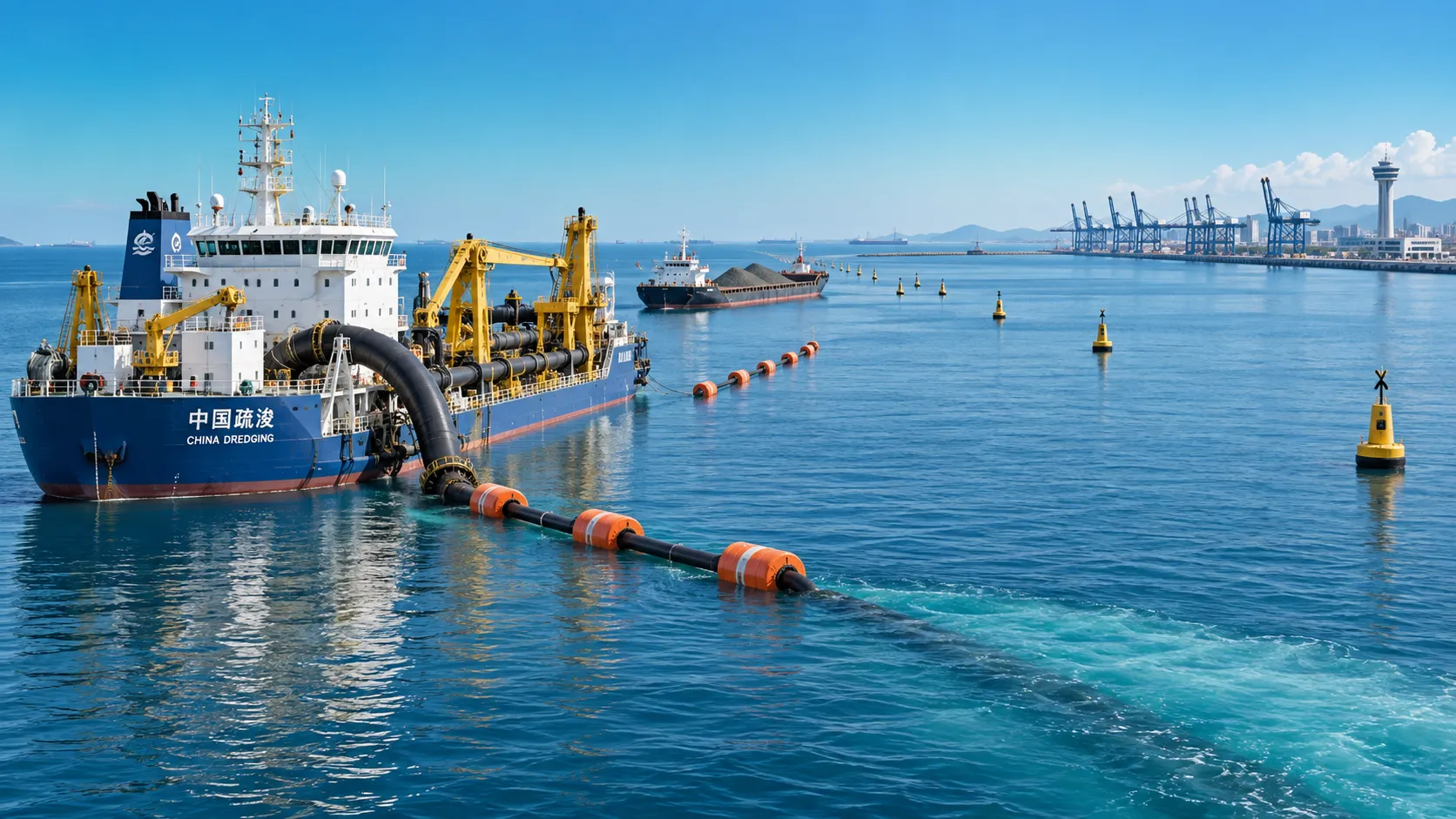
Planning Offshore Dredging Operations: Key Risks, Methods, and Project Controls
Offshore dredging operations demand smart planning. Explore key risks, proven methods, environmental controls, and project strategies for reliable delivery.