Related News
- 00
0000-00
How to Evaluate Terminal Efficiency Solution Suppliers for High-Throughput Operations - 00
0000-00
What to Consider When Buying Electric Port Machinery for Container Terminals - 00
0000-00
How to Select Container Handling Equipment for Middle East Ports and Terminals - 00
0000-00
How to Evaluate a Port Machinery Exporter for Large-Scale Terminal Projects - 00
0000-00
Evaluating a Dredging Equipment Manufacturer for Mining Plant Supply
What to check before choosing automated port systems
Before investing in automated port systems, procurement teams need to look beyond headline efficiency claims. The right solution depends on equipment compatibility, control architecture, scalability, safety standards, lifecycle costs, and vendor support. This guide outlines the key checkpoints buyers should review to reduce operational risk, protect long-term ROI, and ensure the system fits real terminal performance goals.
For most buyers, the core question is not whether automation is valuable. It is whether a specific system will work reliably in their terminal, with their equipment, labor model, cargo mix, and growth plan.
That search intent is highly practical. Procurement teams want a decision framework, vendor comparison criteria, hidden risk checks, and a clearer view of total cost, integration complexity, and long-term support obligations.
The most useful content therefore goes beyond generic automation benefits. Buyers need concrete checkpoints covering operational fit, software interoperability, cyber and safety compliance, implementation risk, performance metrics, and vendor accountability after commissioning.
Start with the terminal problem you are actually trying to solve
Before comparing suppliers, define the operational bottleneck. Many automated port systems look impressive in demonstrations, but the wrong system can automate the wrong task and leave the real throughput constraint untouched.
Procurement teams should ask whether the terminal is struggling with yard congestion, labor variability, truck turn times, berth productivity, rehandle intensity, energy efficiency, or data visibility across assets and workflows.
If the pain point is vessel delay caused by yard handoff conflicts, a smarter orchestration layer may matter more than buying additional automated machines. If labor exposure is the issue, remote operations may bring faster value.
Clear problem definition prevents overbuying. It also helps vendors propose a solution architecture that matches actual operating priorities rather than a standard automation package with limited relevance to site conditions.
Check whether the system fits your terminal layout and cargo profile
Automated port systems do not perform equally well in every environment. Procurement teams must test the fit between the proposed solution and berth length, yard geometry, traffic patterns, stack design, and available buffer zones.
Cargo profile is equally important. A terminal handling mostly predictable container flows may support a different automation model than a mixed-use port dealing with transshipment peaks, special cargo, or irregular gate activity.
Ask how the system performs under your real operating conditions, not under ideal modeling assumptions. Peak season volumes, weather interruptions, lane closures, and mixed manual-automated traffic can significantly affect results.
Vendors should provide scenario-based validation. That includes performance under low visibility, equipment outages, late vessel arrivals, and demand surges that force changes in yard strategy or truck sequencing.
Review equipment compatibility before you review dashboard features
Many procurement discussions focus too early on user interface, analytics, or control-room visualization. Those matter, but first confirm whether the automated port systems can work with your installed equipment and field devices.
Check integration with quay cranes, automated stacking cranes, RTGs, RMGs, AGVs, terminal tractors, OCR systems, weighbridges, gate hardware, sensors, and power management infrastructure. Compatibility gaps create hidden upgrade costs.
Ask whether the supplier has proven interfaces with your specific OEMs and equipment generations. A technically possible integration is not the same as a stable, production-grade connection with clear performance accountability.
Legacy assets require special attention. If existing machines need retrofits for positioning, anti-collision, remote control, or telemetry, the procurement team should quantify both capex and downtime implications before approval.
Understand the control architecture, not just the product label
Two vendors may both sell automated port systems, yet their control architecture can differ substantially. Buyers need to know what sits at machine level, fleet level, yard orchestration level, and terminal decision level.
Ask which functions are centralized and which are distributed. A highly centralized architecture may improve coordination but increase dependency on network stability. A distributed model may improve resilience but complicate optimization.
Procurement teams should understand how the system interacts with TOS, ECS, PLC layers, fleet managers, remote operation stations, and data historians. This is essential for fault isolation, upgrade planning, and service governance.
Insist on an architecture map showing interfaces, protocols, fallback modes, and ownership boundaries. If a vendor cannot explain how decisions move through the stack, implementation risk is likely higher than the proposal suggests.
Confirm integration with the terminal operating system and business workflows
Even strong field automation can underperform if integration with the terminal operating system is weak. Automated port systems must align with planning logic, job dispatch, exception handling, and operational reporting.
Procurement should ask how work orders are created, prioritized, updated, and closed across systems. Delays or mismatches in job state synchronization can produce unproductive moves, idle assets, and difficult-to-trace operating errors.
Business workflows matter as much as software APIs. Customs processes, gate appointment rules, maintenance approvals, vessel planning changes, and manual override procedures all influence whether automation supports or disrupts operations.
A useful vendor demonstration should include exception cases, not only routine moves. Buyers should see what happens when container data is wrong, a lane is blocked, a crane is unavailable, or priorities change mid-cycle.
Evaluate scalability beyond today’s throughput target
Procurement decisions for automated port systems should reflect a long asset life. A solution that performs well at current volumes may become restrictive if vessel sizes, dwell patterns, or landside demand change.
Ask whether the architecture can scale by adding blocks, machines, users, remote stations, or optimization modules without redesigning the whole system. Licensing structure also matters because software fees may rise sharply with expansion.
Scalability is not only technical. It includes operational flexibility. Can the system support phased automation, hybrid manual-automated modes, or temporary process changes during construction, maintenance, or labor transition periods?
Buyers should also review data scalability. More connected assets generate more events, alarms, and telemetry. The platform should maintain response times and reporting quality as operational complexity grows.
Make safety, cybersecurity, and compliance non-negotiable review items
Automated port systems are safety-critical industrial environments, not standard IT purchases. Procurement teams must verify compliance with machinery safety, functional safety, remote operations safeguards, and site-specific regulatory requirements.
Ask for documented safety philosophy, hazard analysis methods, emergency stop logic, collision avoidance design, safe degraded modes, and procedures for mixed traffic zones where automated and human-operated equipment interact.
Cybersecurity deserves equal attention. Ports are increasingly exposed to operational and commercial cyber risk. Buyers should review network segmentation, access control, patching policy, logging, incident response, and third-party connectivity governance.
Certification alone is not enough. Procurement should ask how safety and cybersecurity are maintained after software updates, interface changes, and equipment additions, because risk often increases after go-live rather than before it.
Look at total cost of ownership, not only initial project price
Low upfront pricing can make automated port systems appear attractive, but total cost of ownership often determines whether the business case remains sound after several years of operation.
Procurement should break costs into software licenses, retrofits, civil works, networking, power upgrades, training, commissioning support, spare parts, cybersecurity services, software maintenance, and future module expansion.
Also assess hidden operational costs. These may include extra control-room staffing, longer maintenance windows, specialized contractor dependence, or reduced flexibility if proprietary components limit competitive sourcing later.
On the value side, do not rely on a single throughput claim. Quantify potential gains across berth productivity, yard density, energy use, labor utilization, damage reduction, planning accuracy, and service consistency.
Ask vendors for proof under real operating conditions
Reference sites are useful, but procurement teams should go deeper than marketing tours. A system may work well in one terminal while facing very different constraints in another geography, labor environment, or traffic pattern.
Request evidence tied to KPIs that matter to your operation. Examples include crane moves per hour, truck turn time, yard rehandle ratio, system uptime, remote operator productivity, and recovery time after disruptions.
Ask how long the reference site needed to stabilize after commissioning. Early performance claims can hide a prolonged tuning period that affects revenue, labor relations, and customer service during the first year.
Independent acceptance criteria are critical. Define success thresholds before contract award so post-installation performance is judged against agreed operational outcomes rather than subjective interpretations.
Examine implementation risk and change management capacity
Many automation projects fail because the organization underestimates implementation complexity. Automated port systems affect operations, maintenance, IT, engineering, training, labor planning, and governance at the same time.
Procurement should ask who owns site surveys, interface testing, cutover planning, simulation validation, operator training, and transition support. Unclear responsibility is a major source of delay and budget overrun.
Consider whether the terminal can absorb phased deployment without harming service commitments. During rollout, the port may need temporary parallel workflows, contingency staffing, and tighter coordination across departments.
Change management is not a soft topic. Remote operations roles, maintenance routines, dispatch logic, and escalation paths may all change. A technically sound system can still struggle if adoption planning is weak.
Review support model, spare parts, and long-term vendor accountability
For procurement teams, vendor support may be as important as technical performance. Automated port systems require sustained software and operational support long after the installation team leaves the site.
Ask about support coverage by region, response times, spare parts strategy, remote diagnostics, on-site intervention capability, and escalation routes for complex faults involving multiple subsystems or third-party interfaces.
Software lifecycle support deserves special attention. Buyers should know how often updates are released, how compatibility is tested, how rollback is handled, and whether cybersecurity patches affect validated operating functions.
Contract structure should reflect long-term accountability. Service-level agreements, performance warranties, defect liability, and interface responsibilities must be detailed enough to prevent gaps when problems cross organizational boundaries.
Use a procurement checklist that turns claims into comparable decisions
To compare automated port systems fairly, procurement teams should use a structured scorecard instead of relying on headline promises. This helps distinguish operational value from presentation quality.
Key scoring categories should include operational fit, equipment compatibility, architecture clarity, TOS integration, scalability, safety, cybersecurity, implementation risk, lifecycle cost, and support capability.
Each category should include evidence requirements. For example, a vendor should provide interface lists, reference KPIs, safety documentation, simulation assumptions, training plans, and maintenance responsibilities rather than broad statements.
It also helps to weight categories by terminal priorities. A greenfield automated terminal may emphasize orchestration and scalability, while a brownfield upgrade may place greater weight on legacy integration and phased migration risk.
Conclusion: choose the system that matches your operation, not the strongest sales story
Choosing automated port systems is ultimately a risk and fit decision before it becomes a technology decision. The best option is the one that supports your terminal’s real constraints, growth path, and operating model.
Procurement teams should look past broad automation narratives and ask harder questions about integration, safety, architecture, support, and measurable operating outcomes. That is where long-term project success is usually determined.
If a supplier can demonstrate proven compatibility, transparent control logic, realistic implementation planning, and accountable lifecycle support, the investment is far more likely to deliver stable ROI instead of expensive complexity.
In short, buyers should select automated port systems only after confirming that the solution is operationally relevant, technically interoperable, financially defensible, and supportable over the full life of the terminal.
Related News
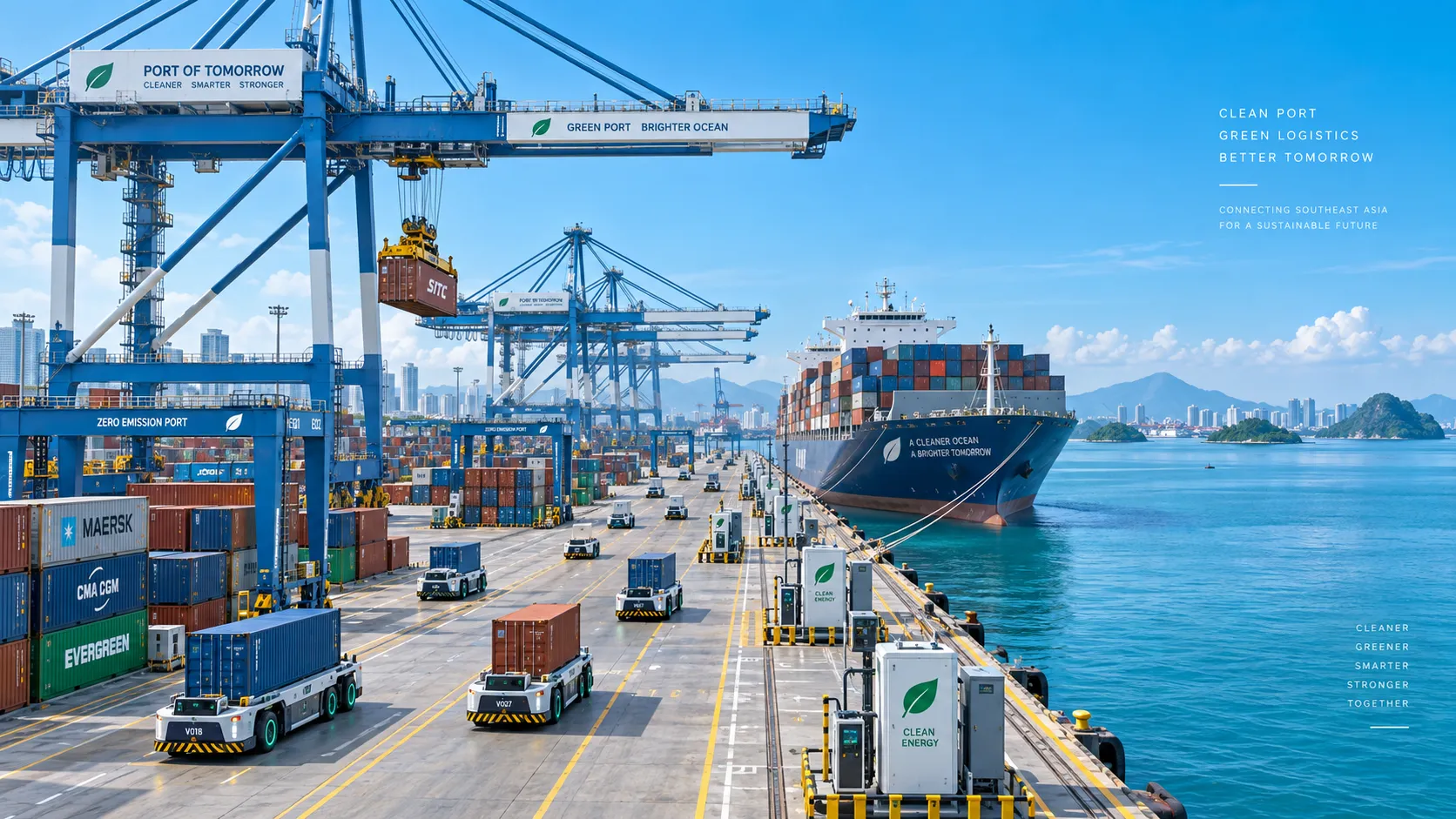
Smart Port Systems in Southeast Asia: Investment Priorities and Adoption Barriers
Smart port systems Southeast Asia: discover investment priorities, adoption barriers, and practical steps to build resilient, connected, high-performing terminals.

How to Evaluate Terminal Efficiency Solution Suppliers for High-Throughput Operations
Choose a terminal efficiency solutions supplier with confidence. Explore proven criteria for throughput, integration, lifecycle cost, safety, and reliable delivery.
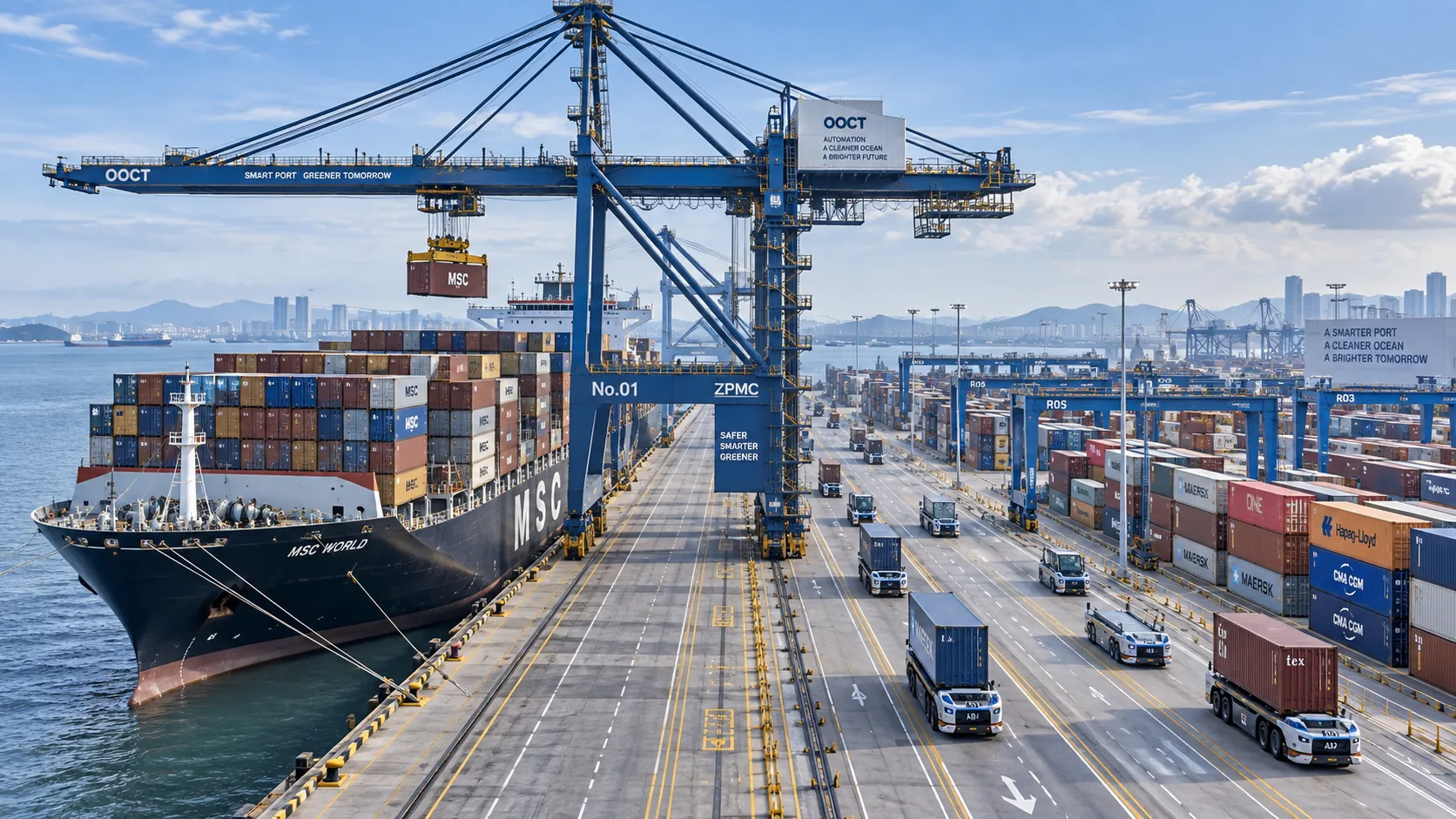
How to Specify a Quay Crane for Container Terminals by Vessel Size and Throughput?
Quay crane for container terminals: learn how to match outreach, lift height, capacity, automation, and cycle performance to vessel size and throughput goals.
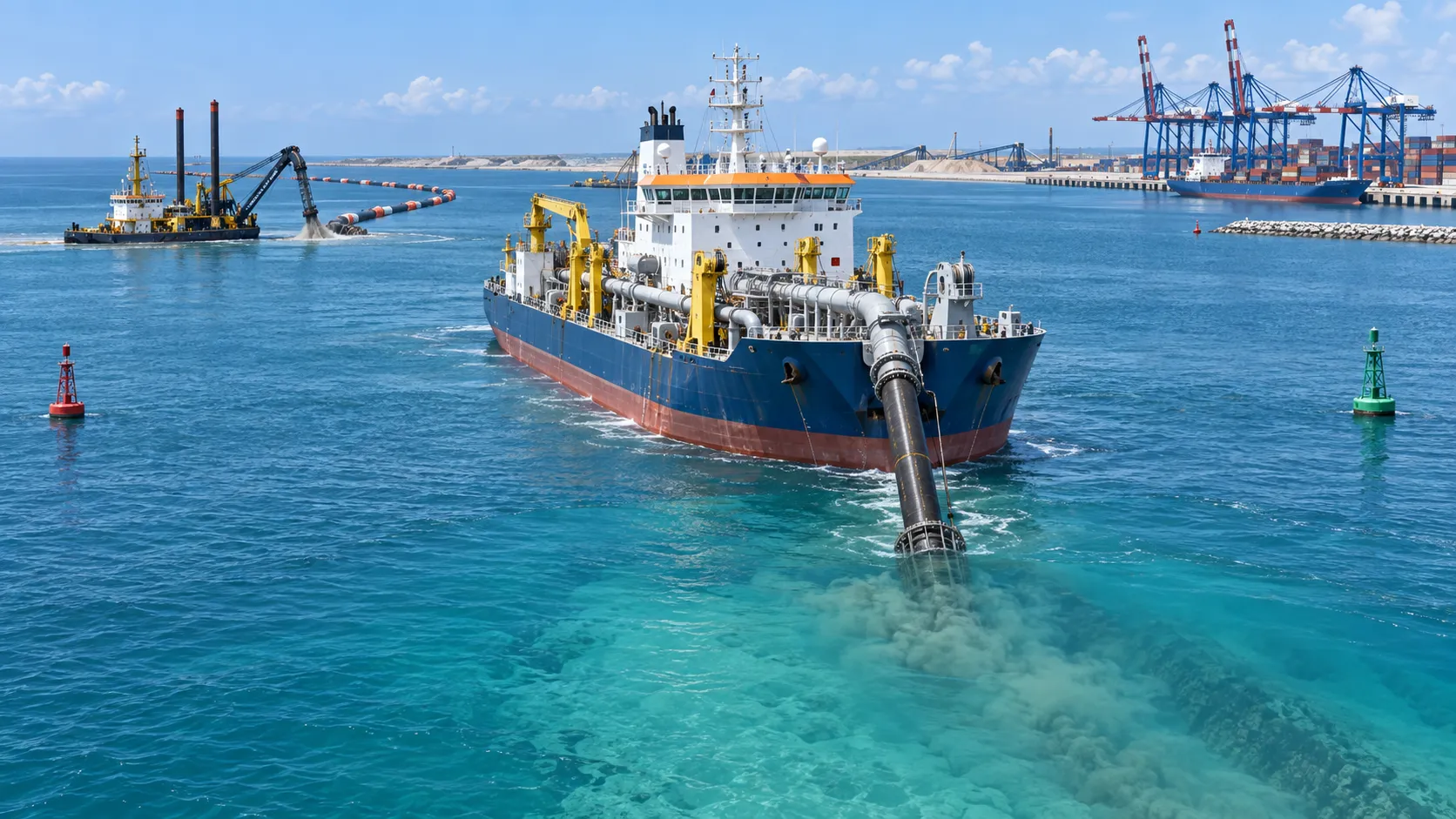
What Dredging Equipment Is Needed for Channel Deepening?
What dredging equipment is needed for channel deepening? Explore dredgers, pipelines, survey tools, and planning strategies for safer, more efficient port access.
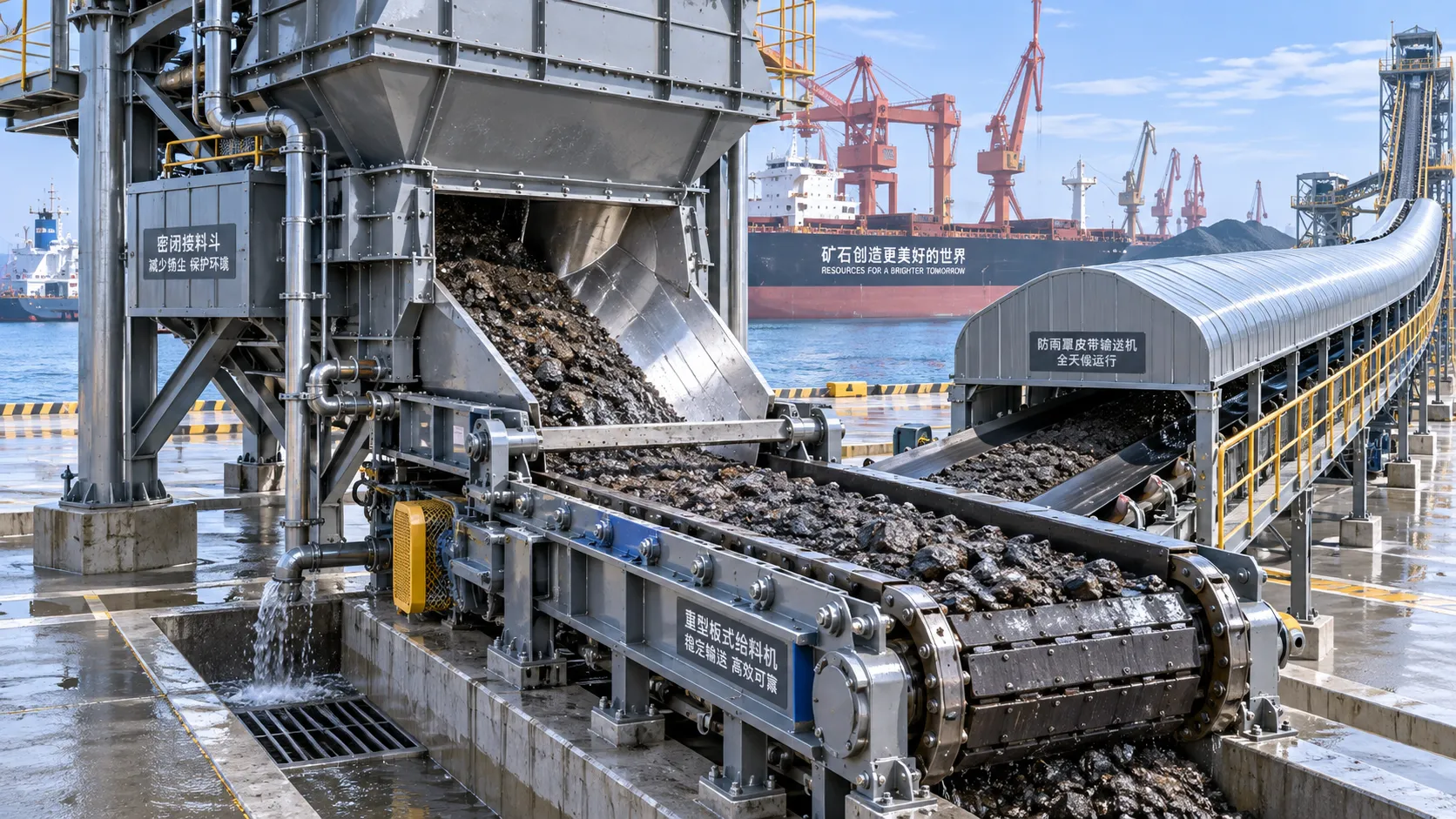
Which Bulk Handling Equipment Suits High-Moisture Cargo?
Which bulk handling equipment suits high-moisture cargo? Compare belt, apron, screw, drag, and slurry systems for reliable flow, less carryback, and higher terminal uptime.
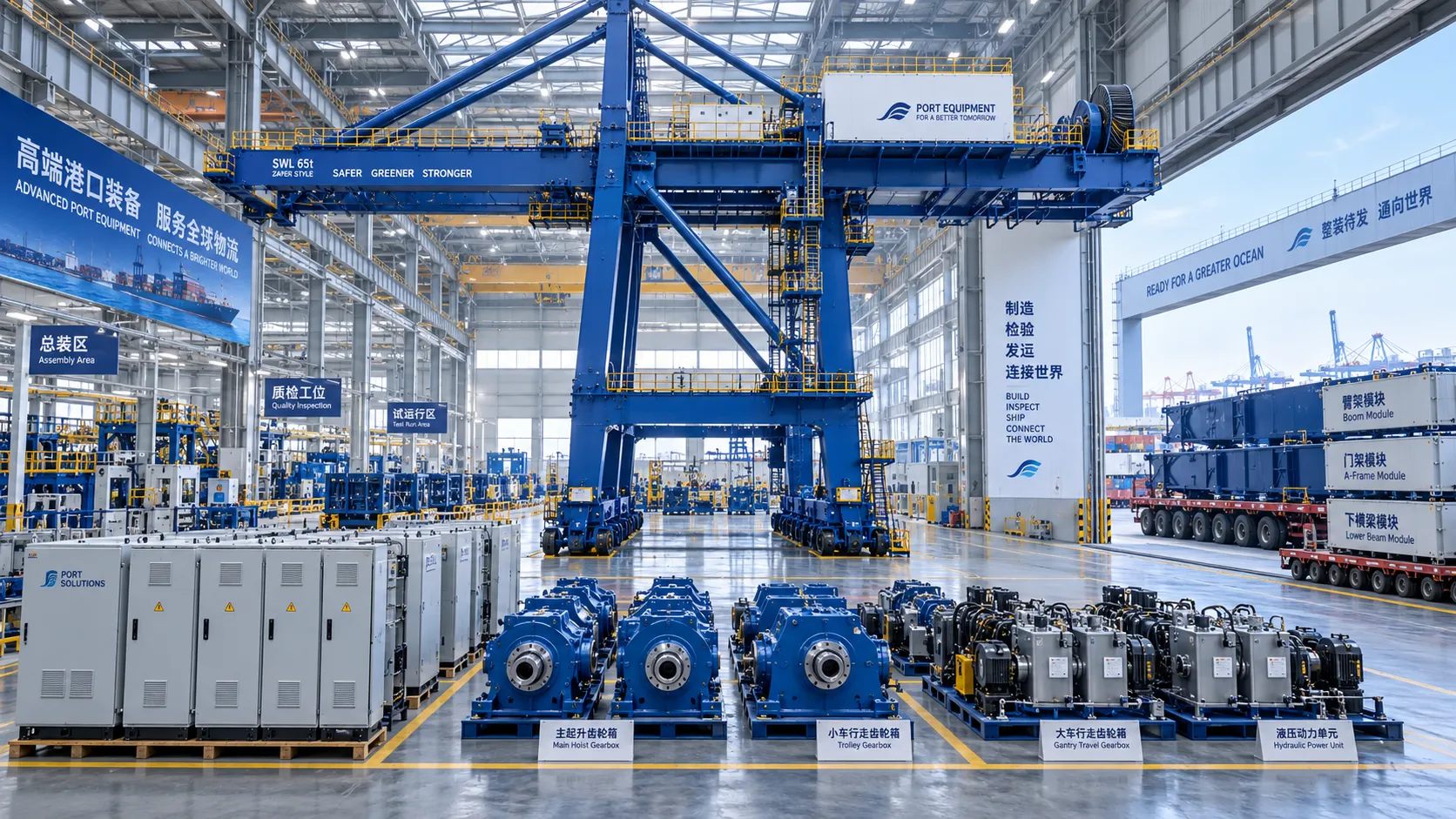
How Can Port Equipment Lead-Time Risk Be Managed?
How can port equipment lead-time risk be managed? Explore practical strategies to control critical paths, suppliers, transport, site readiness, and commissioning delays.
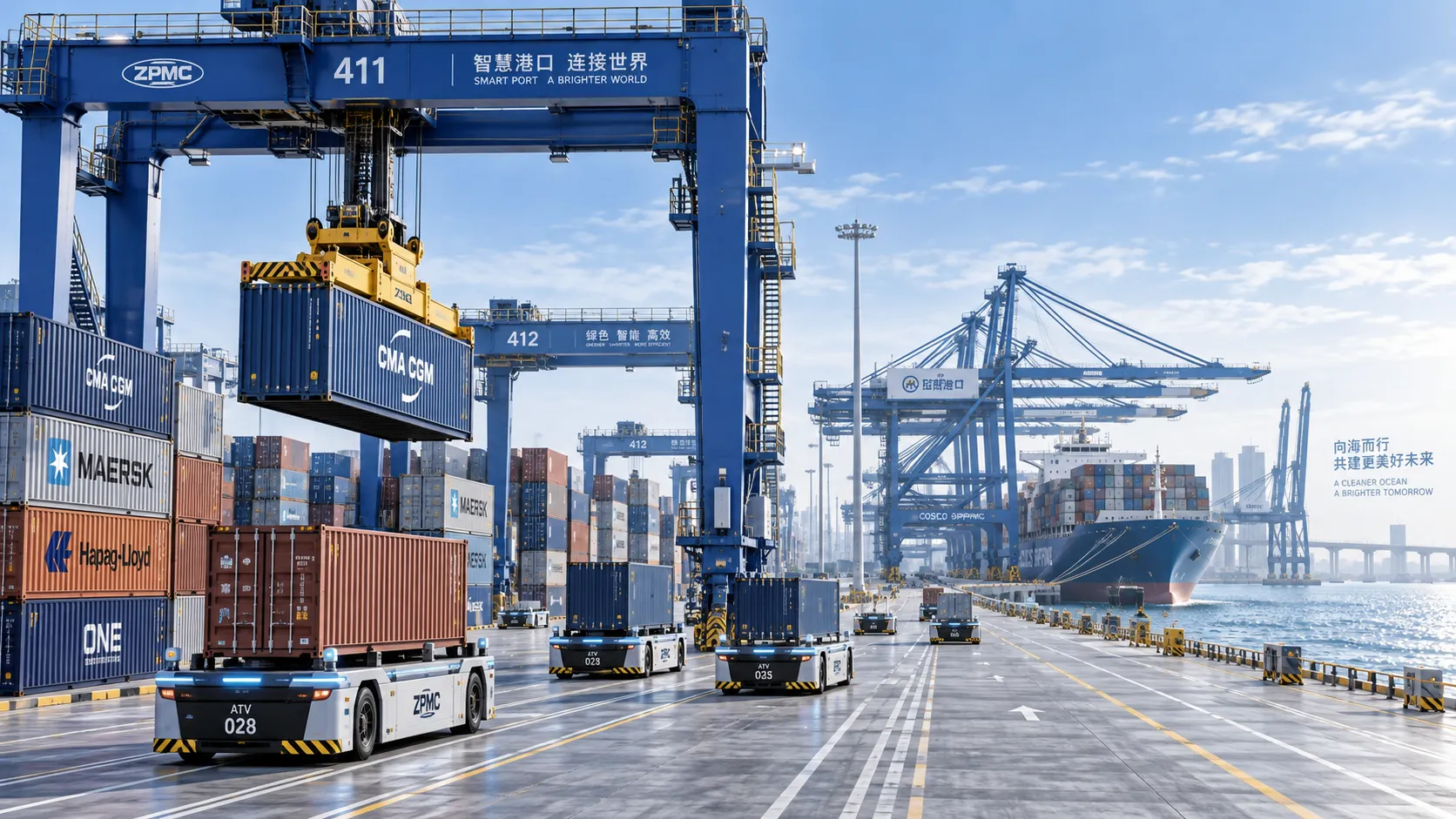
Terminal Automation Technologies That Raise Container Throughput Without Yard Disruption
Terminal automation technology that increases container throughput without disrupting yard flow. Explore smarter integration, resilient workflows, and phased deployment strategies.
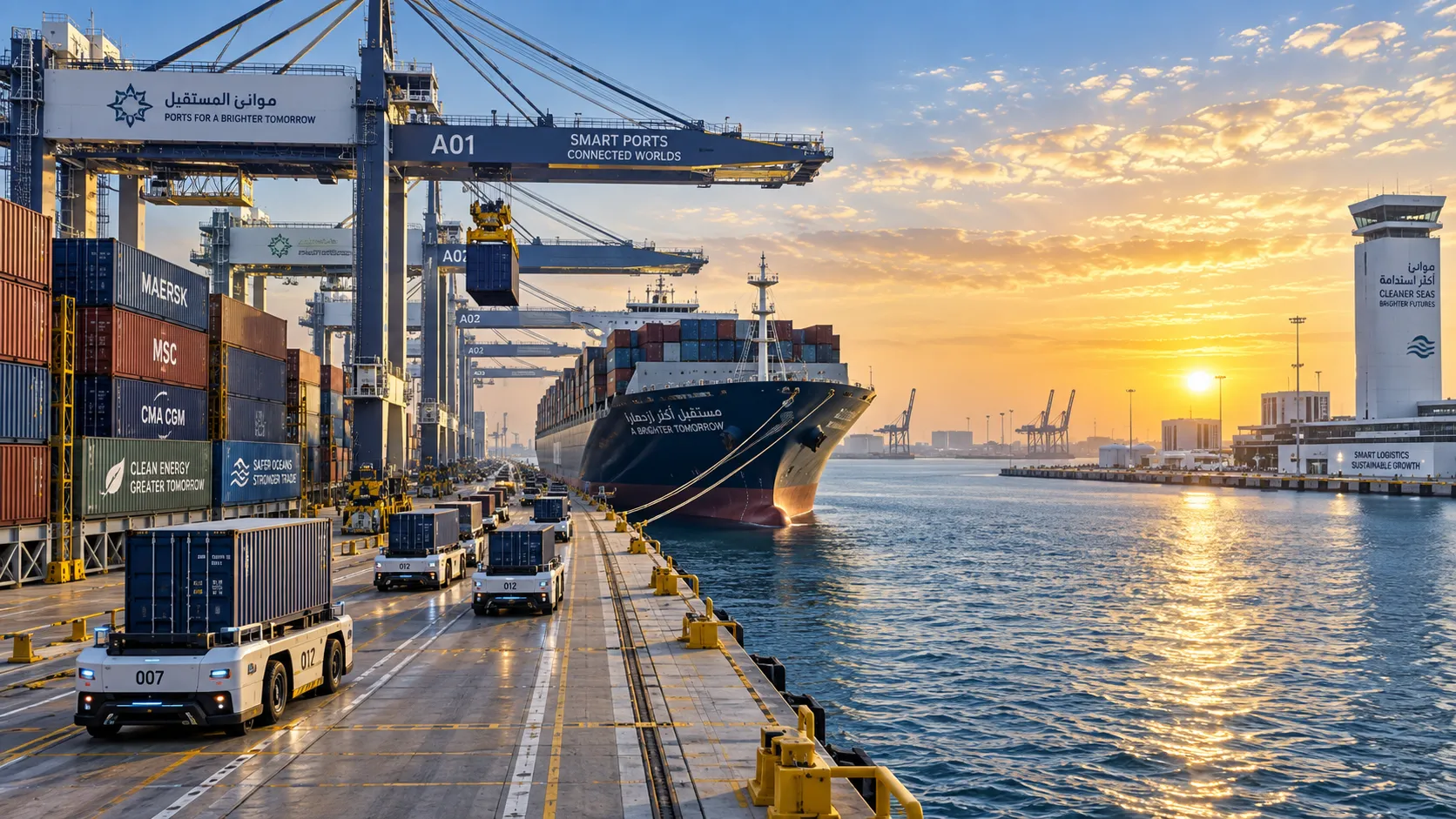
Middle East Port Automation: Key Market Drivers, Projects, and Investment Risks
Port automation systems Middle East: explore market drivers, flagship projects, integration challenges, and investment risks shaping smarter, resilient terminals.
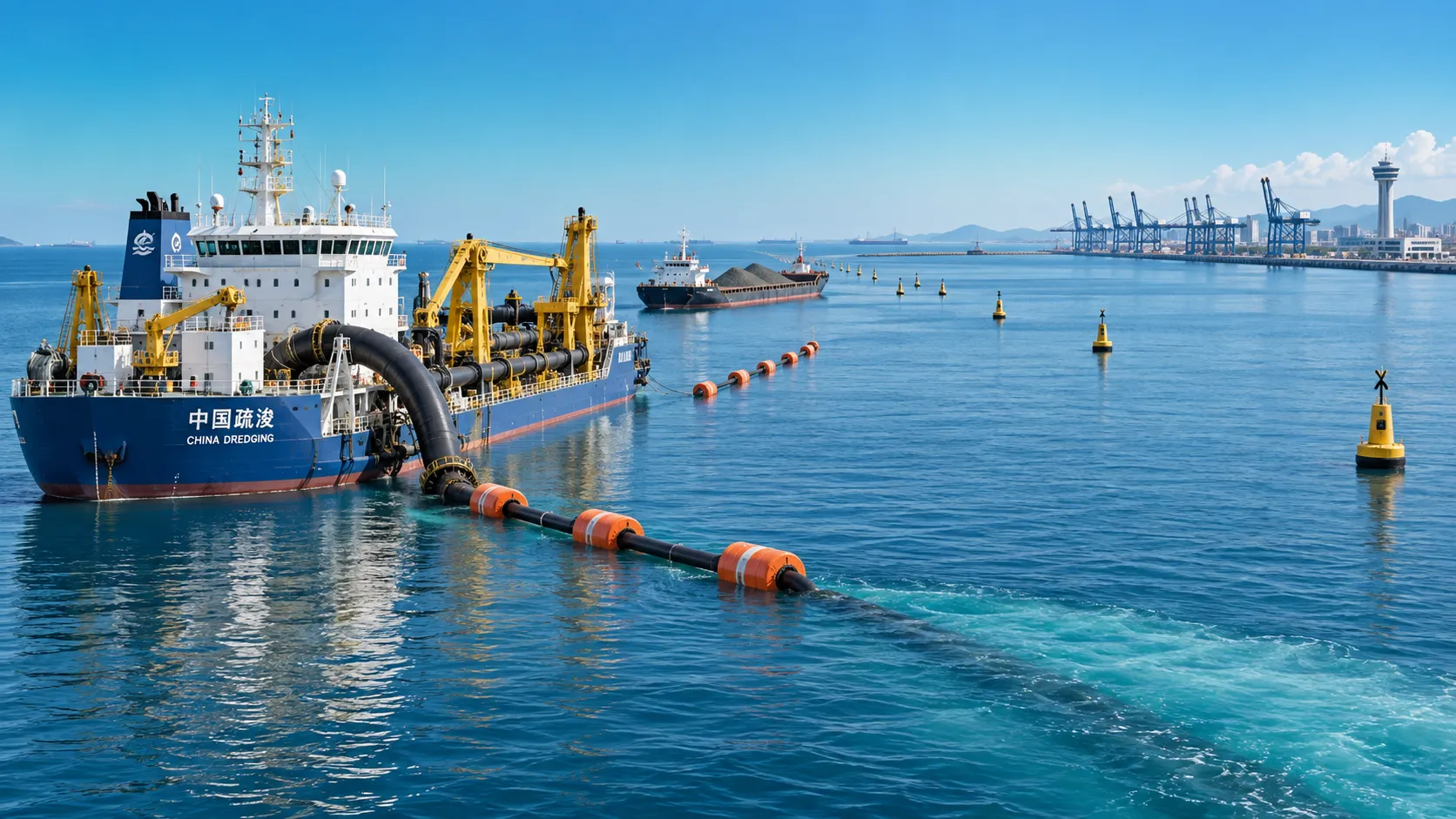
Planning Offshore Dredging Operations: Key Risks, Methods, and Project Controls
Offshore dredging operations demand smart planning. Explore key risks, proven methods, environmental controls, and project strategies for reliable delivery.