
Related News
- 00
0000-00
How to Evaluate Terminal Efficiency Solution Suppliers for High-Throughput Operations - 00
0000-00
What to Consider When Buying Electric Port Machinery for Container Terminals - 00
0000-00
How to Select Container Handling Equipment for Middle East Ports and Terminals - 00
0000-00
How to Evaluate a Port Machinery Exporter for Large-Scale Terminal Projects - 00
0000-00
Evaluating a Dredging Equipment Manufacturer for Mining Plant Supply
Port Machinery Selection Guide: Capacity, Duty Cycle, Safety, and Maintenance Costs
Selecting port machinery is rarely a simple matter of comparing lifting capacity or purchase price. In active terminals, every equipment choice shapes berth productivity, yard flow, safety performance, maintenance pressure, and the ability to adapt to automation. A well-matched machine supports trade velocity; a poor fit creates bottlenecks that remain visible for years.
That is why capacity, duty cycle, safety, and maintenance costs deserve to be evaluated together. For ports, bulk yards, container hubs, and dredging-linked operations, the right decision depends on operating reality rather than brochure specifications. Viewed through the intelligence lens of PS-Nexus, port machinery selection is both an engineering decision and a strategic infrastructure choice.
Why machinery selection matters more now
Port systems are under pressure from larger vessels, tighter schedules, labor constraints, and stricter environmental expectations. Equipment must do more than move cargo. It must keep pace with denser traffic, digital coordination, and rising reliability targets.
At the same time, investment cycles remain long. A quay crane, shiploader, reach stacker, rubber-tyred gantry, conveyor system, or dredging support unit may influence terminal economics for a decade or longer. Small specification errors can become expensive operational habits.
PS-Nexus tracks this shift across terminal gear, bulk handling, specialized container handling, automation systems, and dredging engineering. One consistent pattern stands out: the best port machinery decisions are grounded in real throughput behavior, not headline performance alone.
Start with operational fit, not maximum specification
Port machinery is a broad category covering cargo transfer, yard movement, storage support, and marine engineering tasks. That range matters because each asset works inside a different rhythm. A machine that performs well in one terminal layout may underperform in another.
The first question is not, “What is the biggest unit available?” It is, “What operational problem must this machine solve every day?”
For example, container terminals often prioritize move density, stacking logic, and system integration. Bulk facilities may focus on continuous flow, dust control, and wear resistance. Dredging-linked port support may place more value on corrosion tolerance, hydraulic stability, and remote monitoring.
This is where buyers should translate traffic forecasts into practical equipment duty. Vessel mix, cargo type, peak-hour volume, yard geometry, and shift patterns matter more than generic catalog language.
Capacity should reflect throughput reality
Capacity is often the first filter in port machinery evaluation, but it is also one of the most misunderstood. Rated capacity tells only part of the story. Effective capacity depends on cycle time, travel distance, operator behavior, queueing, and interference with nearby assets.
A terminal may buy equipment with impressive nominal output and still fail to raise actual throughput. That happens when landside transport, yard receiving, crane handoff, or maintenance downtime limit the system.
Useful capacity analysis usually includes:
- Peak and average cargo volume by shift, day, and season.
- Load profile, including container size mix or bulk material density.
- Expected moves per hour under realistic site conditions.
- Interaction with trucks, AGVs, conveyors, hoppers, or storage systems.
- Redundancy needs during vessel surges or outage periods.
In practice, slightly lower rated capacity with better cycle consistency can outperform a larger machine that struggles with access, visibility, or system compatibility.
A simple comparison framework
Duty cycle often separates good procurement from costly procurement
Duty cycle is one of the clearest indicators of whether port machinery will remain reliable after the first year. It describes how hard and how often the equipment must work, including load repetition, start-stop frequency, idle intervals, and environmental stress.
Two machines with similar lifting ratings may have very different lifecycle outcomes if one is designed for intermittent handling and the other for continuous heavy-duty service. This distinction is especially important in bulk terminals and high-volume container yards.
Duty cycle should be matched against several realities:
- Operating hours per day and annual utilization rate.
- Frequency of peak demand and surge handling.
- Material abrasiveness, salinity exposure, and wind conditions.
- Acceleration, braking, slewing, and travel repetition.
- Expected waiting periods before planned overhaul.
Underestimating duty cycle often leads to premature fatigue, overheating, hydraulic wear, cable damage, and unstable maintenance budgets. In other words, the machine may be technically suitable but operationally underbuilt.
Safety is part of productivity, not a separate checklist
Safety evaluation in port machinery should go beyond certifications. Compliance is essential, but day-to-day risk control depends on visibility, control responsiveness, overload protection, anti-collision logic, access design, and fault diagnostics.
Busy ports create layered hazards: vessel motion, pedestrian overlap, blind zones, suspended loads, dust, rain, corrosion, and night operations. Equipment that reduces exposure to these conditions often delivers better uptime as well.
This is where digital systems matter. PS-Nexus closely follows low-latency crane communication, AGV path planning, and remote-control architectures because safety and control are increasingly linked. Modern port machinery should not be judged only by steel structure and powertrain. Software logic now shapes safe operating envelopes.
Useful safety questions include whether the machine provides stable load monitoring, clear alarm prioritization, event logging, emergency recovery procedures, and integration with terminal control systems.
Safety signals worth close attention
- Operator visibility in rain, glare, dust, and night shifts.
- Condition alerts that appear early, not after failure escalation.
- Safe maintenance access to motors, cables, pumps, and brakes.
- Interlocks that prevent unsafe sequencing during high traffic.
- Cybersecure interfaces for remotely controlled or automated equipment.
Maintenance cost is more than spare parts
Many procurement errors come from focusing on purchase price while underestimating maintenance cost. For port machinery, total ownership cost includes planned service, unplanned downtime, labor intensity, spare parts availability, energy use, software support, and overhaul timing.
A lower-cost machine can become the more expensive option if wear components fail frequently or service access is poor. The same applies when parts are proprietary, lead times are long, or diagnostic tools require constant vendor intervention.
Maintenance review should cover both mechanical and digital layers. Gearboxes, spreaders, wire ropes, booms, pumps, drives, sensors, PLC modules, and remote communication hardware all influence availability.
This has become more important as ports move toward smart operations. Predictive maintenance, digital pump monitoring, and asset health dashboards can reduce failure surprises, but only if the equipment architecture supports reliable data capture.
Where lifecycle cost usually hides
Selection priorities differ by terminal scenario
Not all port machinery serves the same commercial logic. The right balance of capacity, duty cycle, safety, and maintenance depends on the cargo system around it.
In container environments, interoperability is critical. Equipment must align with yard software, positioning systems, and traffic orchestration. In bulk handling, structural durability and dust-resilient components often deserve more weight. In dredging-related support operations, corrosion, hydraulic performance, and monitoring capability may lead the decision.
That is one reason market intelligence matters. PS-Nexus emphasizes not only equipment categories, but also the commercial and operational signals behind them. Trade shifts, automation adoption, and infrastructure expansion all change what “best fit” means for port machinery.
A practical shortlist before comparing suppliers
A disciplined evaluation process reduces expensive revisions later. Before any final comparison, it helps to build a shortlist around measurable site requirements rather than brand familiarity.
- Define the actual throughput target, including peak-hour tolerance.
- Map duty cycle using shift pattern, climate, and cargo profile.
- Check safety design in operation, not only on paper.
- Estimate maintenance burden over five to ten years.
- Review integration needs for automation and remote diagnostics.
- Stress-test assumptions against future trade or layout changes.
This approach usually produces clearer decisions than price-led bidding alone. It also makes vendor discussions more concrete because the selection criteria reflect the operating system, not just the machine.
From equipment choice to long-term terminal resilience
The strongest port machinery investments are rarely the most aggressive or the cheapest. They are the ones that remain productive under real duty, stay safe under pressure, and remain maintainable as terminals become more connected.
A useful next step is to turn general interest into a structured comparison model. List operating conditions, rank failure risks, assign lifecycle cost assumptions, and test whether each option supports future automation and emissions goals.
When port machinery is evaluated through that wider lens, selection becomes less reactive and more strategic. That shift is exactly where informed intelligence, the kind PS-Nexus continues to track across maritime logistics and coastal economics, becomes most valuable.
Related News
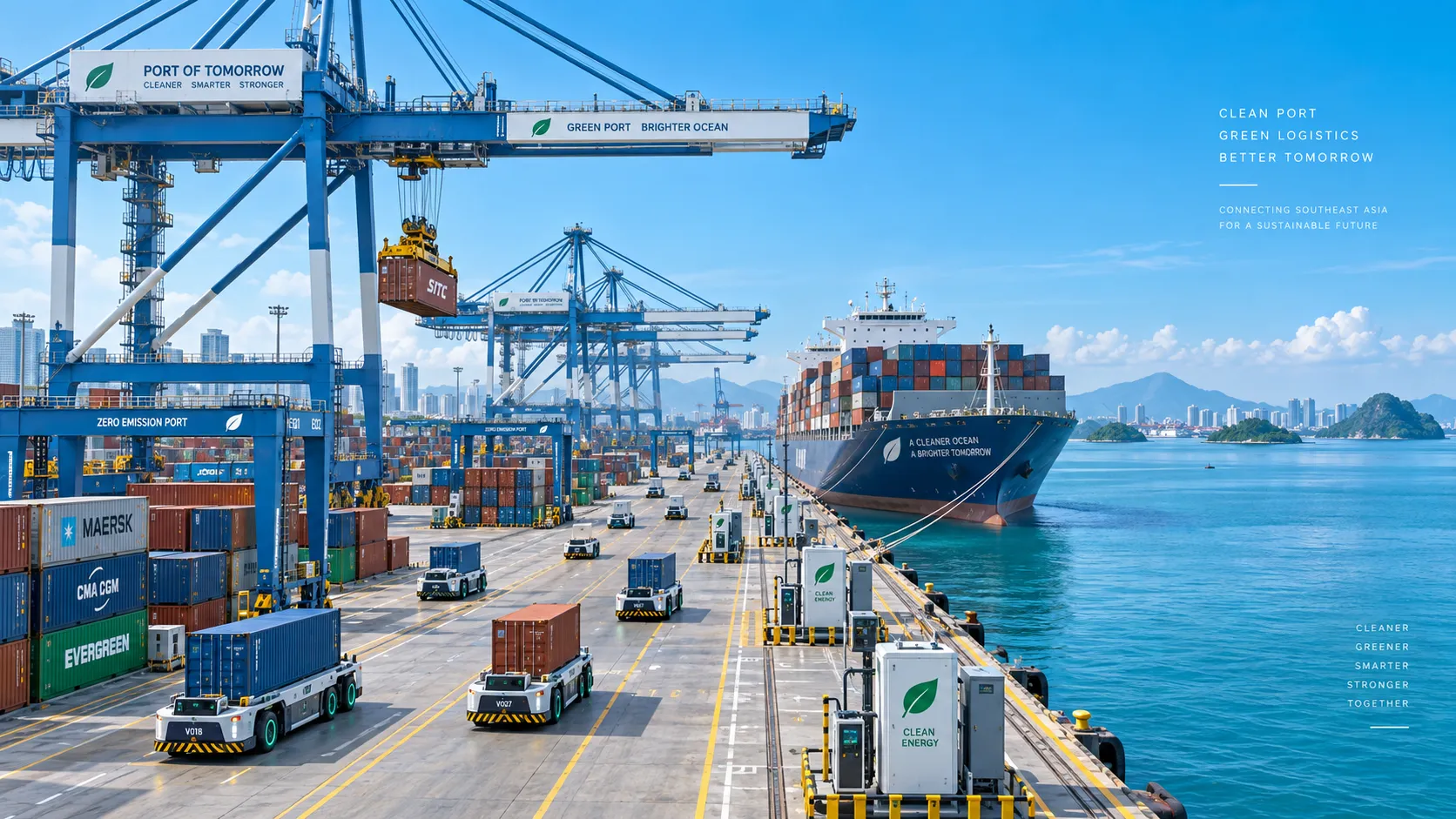
Smart Port Systems in Southeast Asia: Investment Priorities and Adoption Barriers
Smart port systems Southeast Asia: discover investment priorities, adoption barriers, and practical steps to build resilient, connected, high-performing terminals.
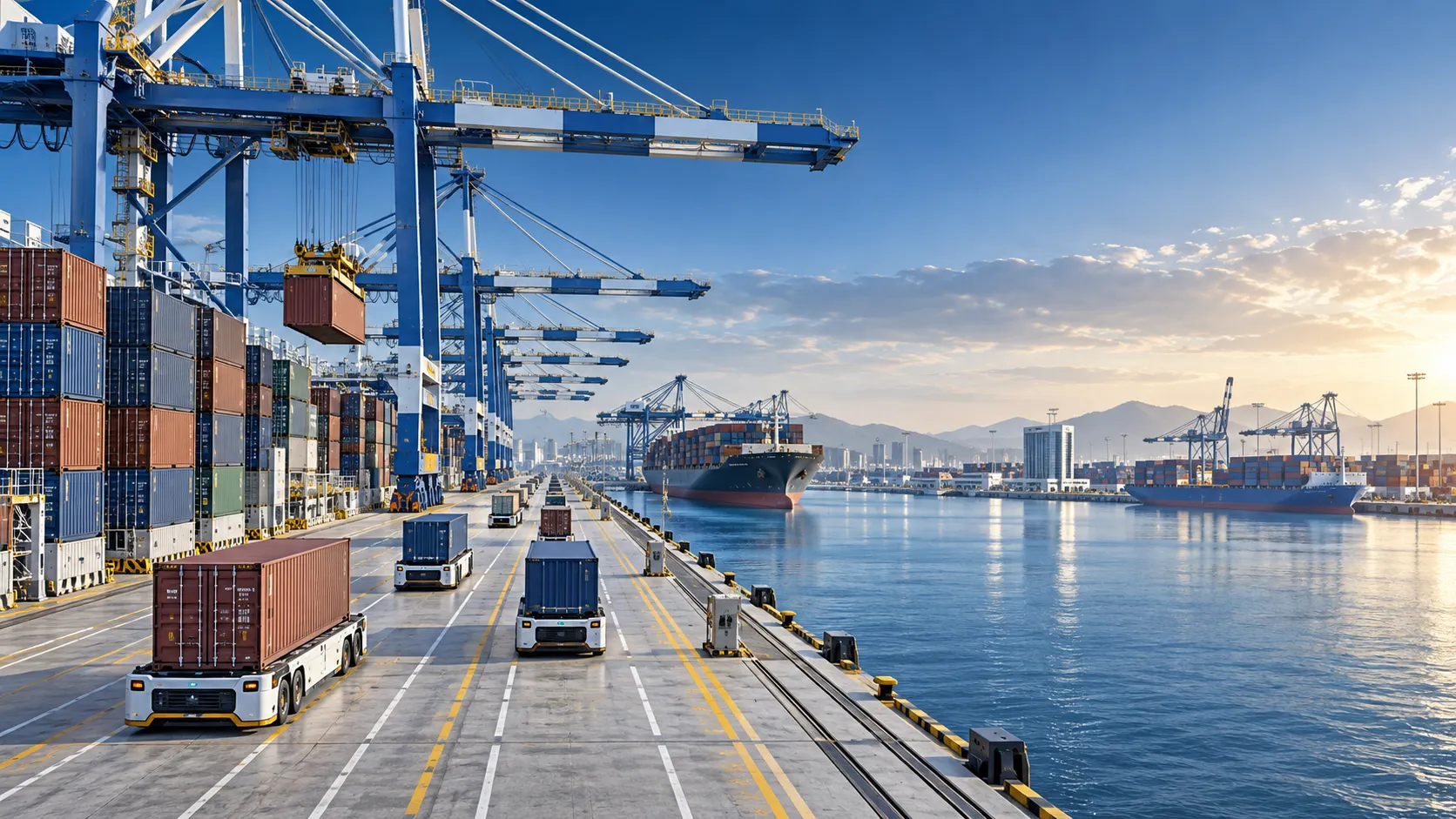
How to Evaluate Terminal Efficiency Solution Suppliers for High-Throughput Operations
Choose a terminal efficiency solutions supplier with confidence. Explore proven criteria for throughput, integration, lifecycle cost, safety, and reliable delivery.
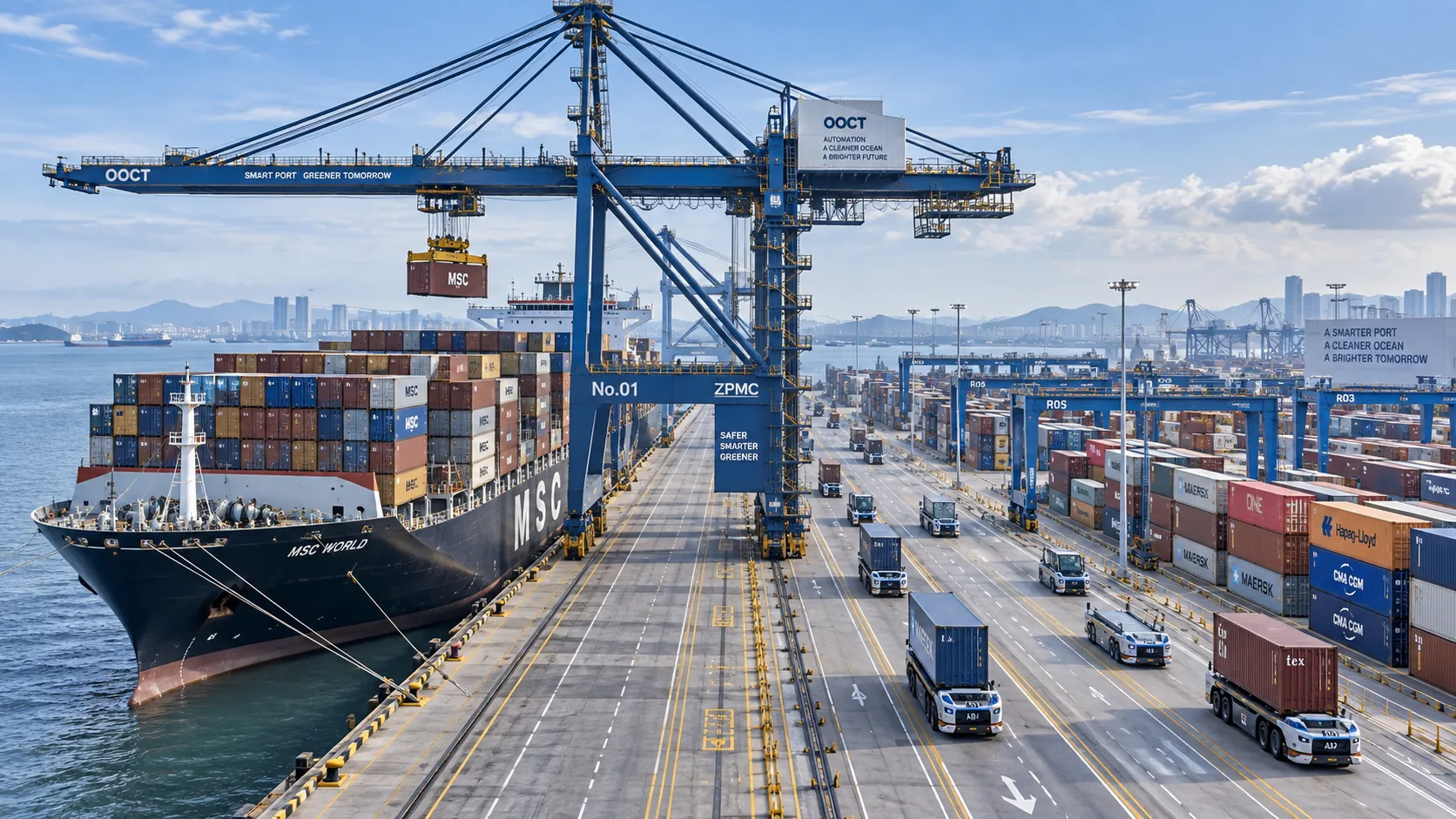
How to Specify a Quay Crane for Container Terminals by Vessel Size and Throughput?
Quay crane for container terminals: learn how to match outreach, lift height, capacity, automation, and cycle performance to vessel size and throughput goals.
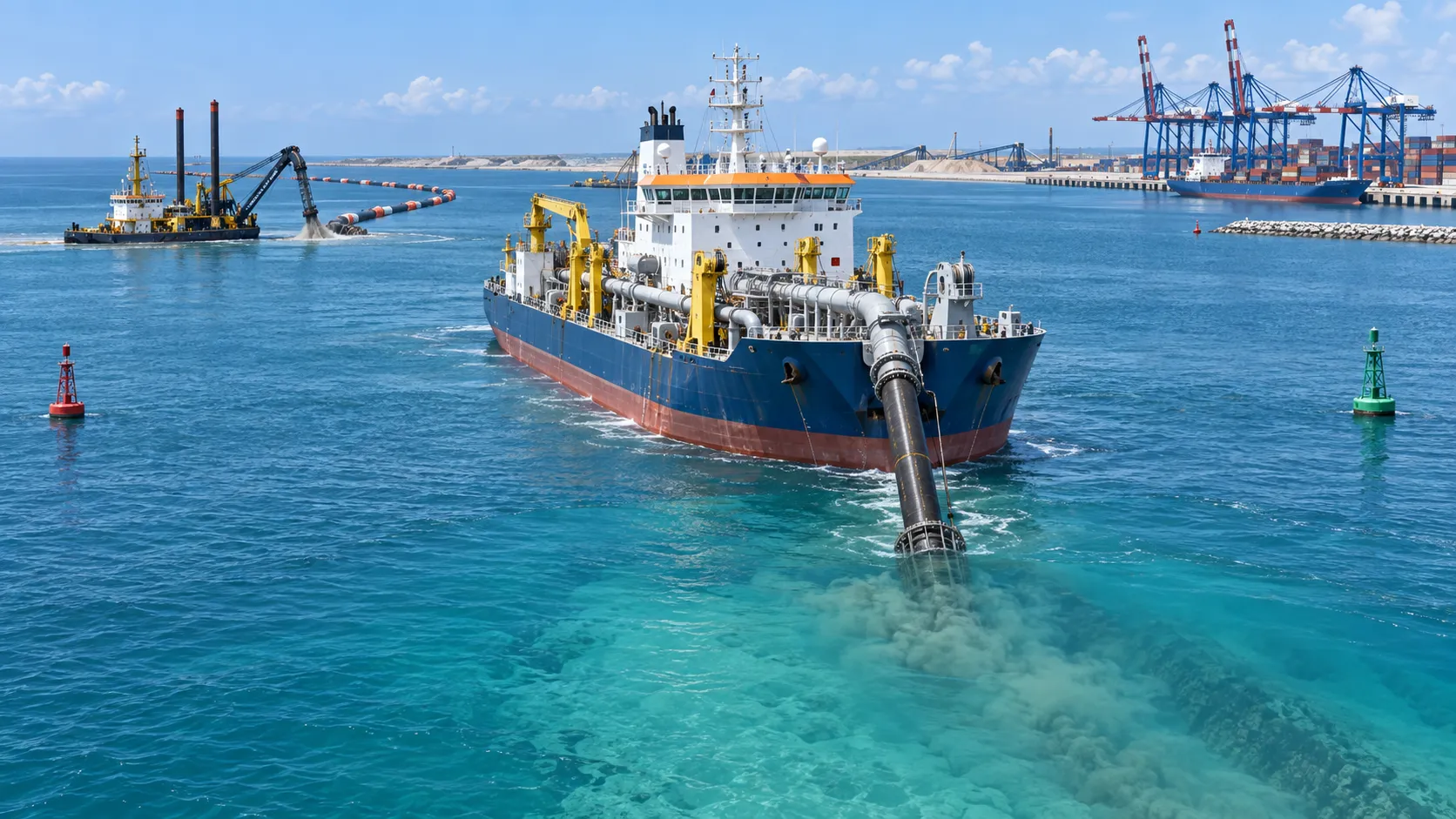
What Dredging Equipment Is Needed for Channel Deepening?
What dredging equipment is needed for channel deepening? Explore dredgers, pipelines, survey tools, and planning strategies for safer, more efficient port access.
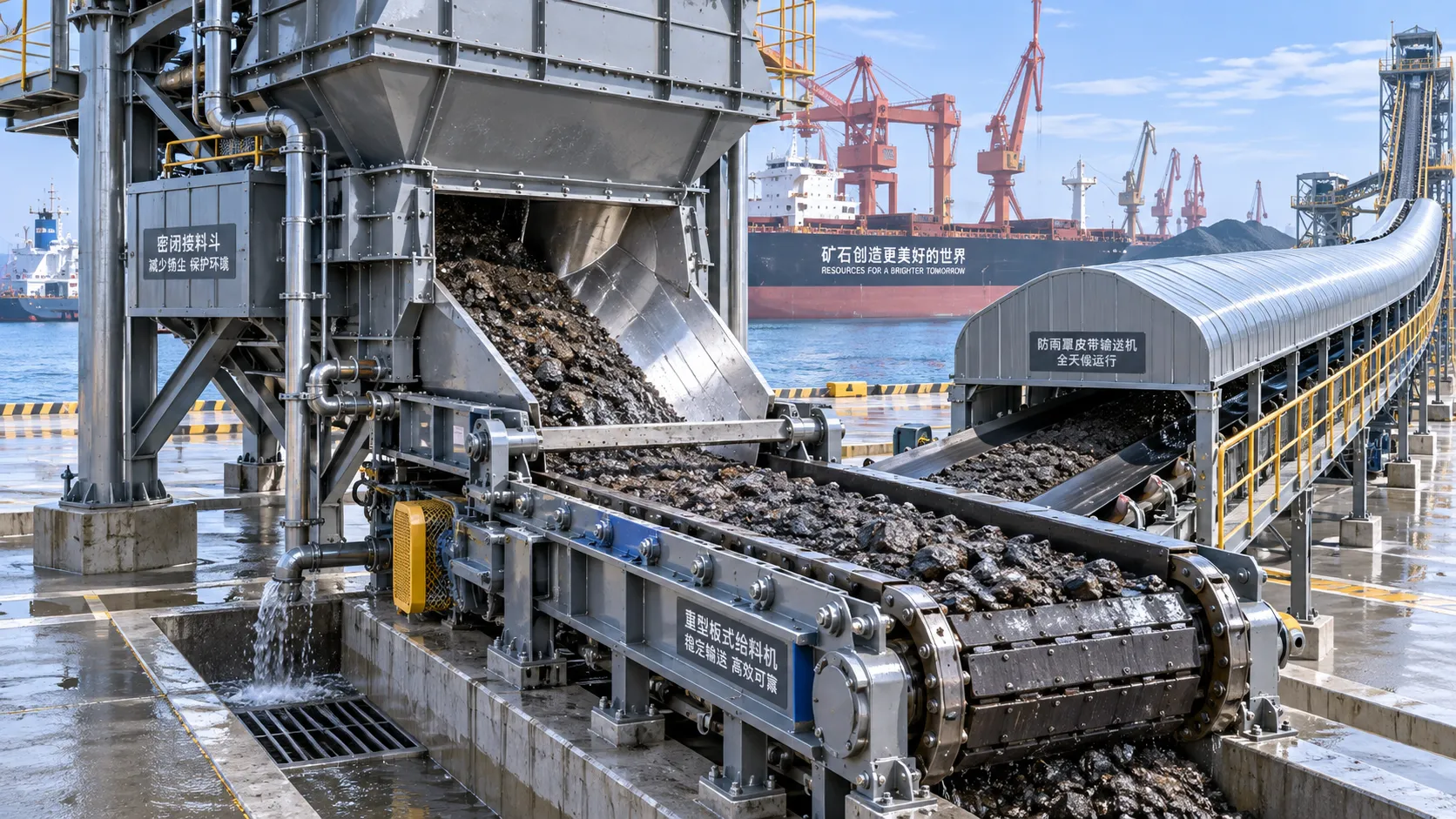
Which Bulk Handling Equipment Suits High-Moisture Cargo?
Which bulk handling equipment suits high-moisture cargo? Compare belt, apron, screw, drag, and slurry systems for reliable flow, less carryback, and higher terminal uptime.
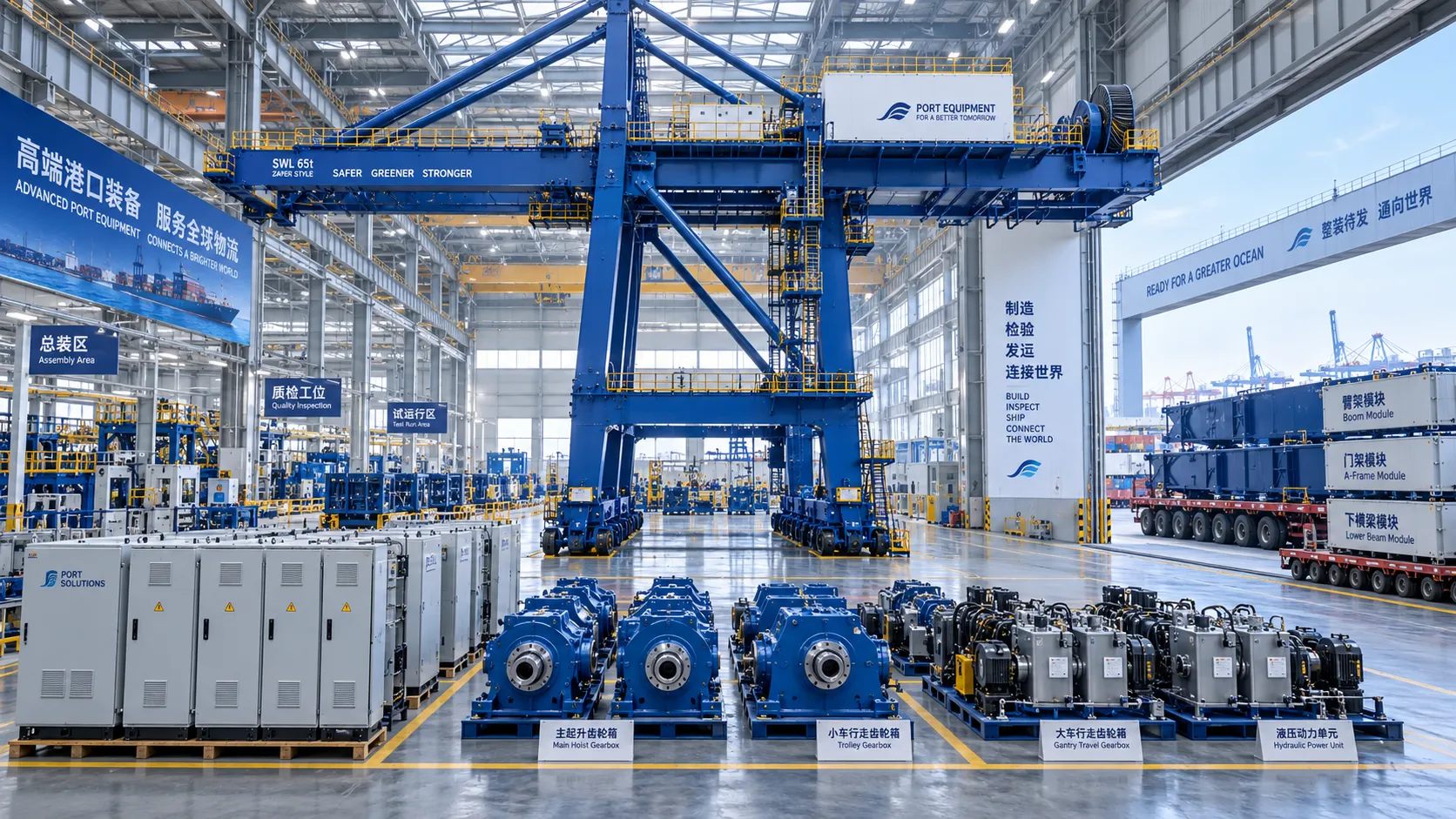
How Can Port Equipment Lead-Time Risk Be Managed?
How can port equipment lead-time risk be managed? Explore practical strategies to control critical paths, suppliers, transport, site readiness, and commissioning delays.
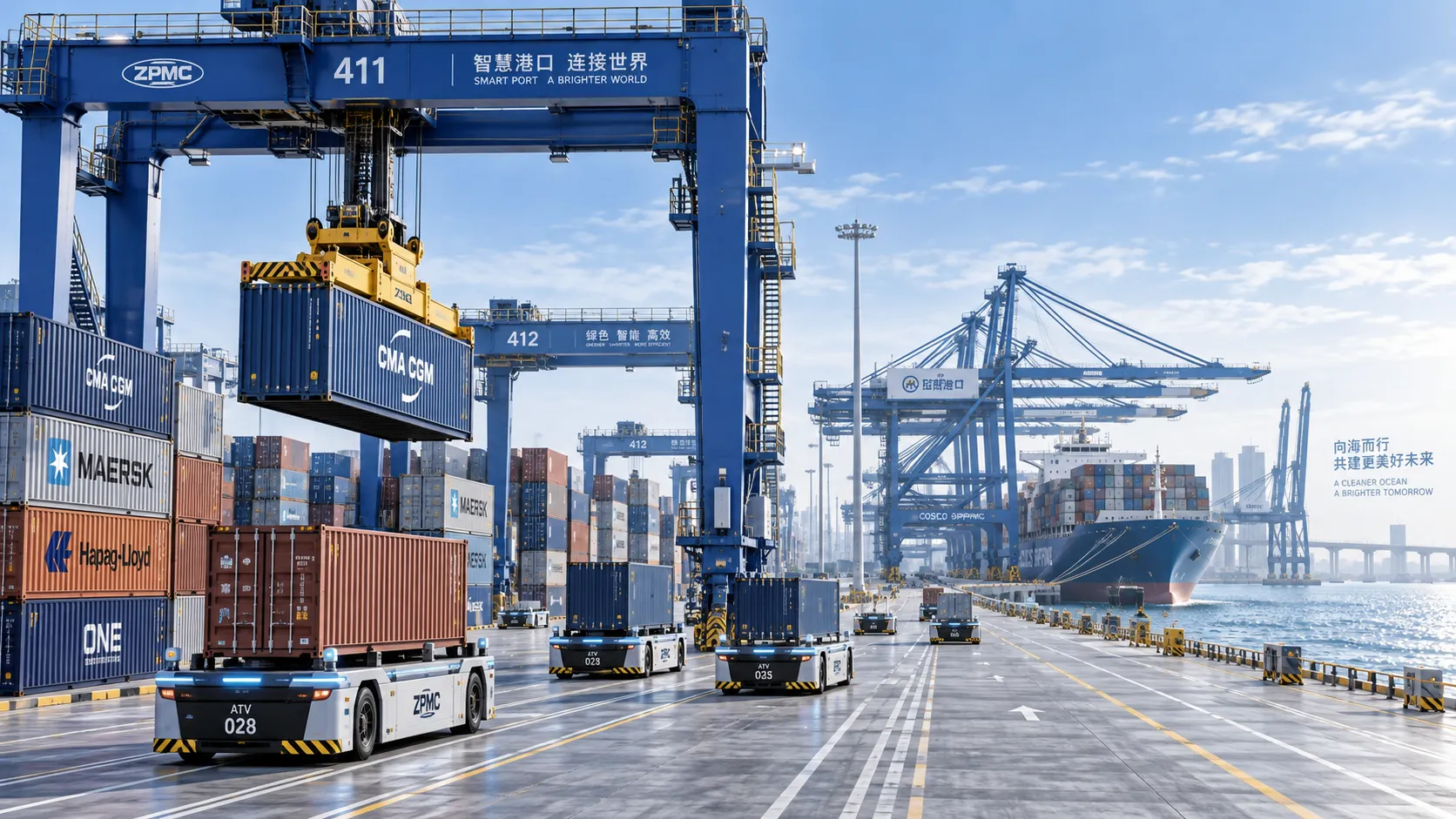
Terminal Automation Technologies That Raise Container Throughput Without Yard Disruption
Terminal automation technology that increases container throughput without disrupting yard flow. Explore smarter integration, resilient workflows, and phased deployment strategies.
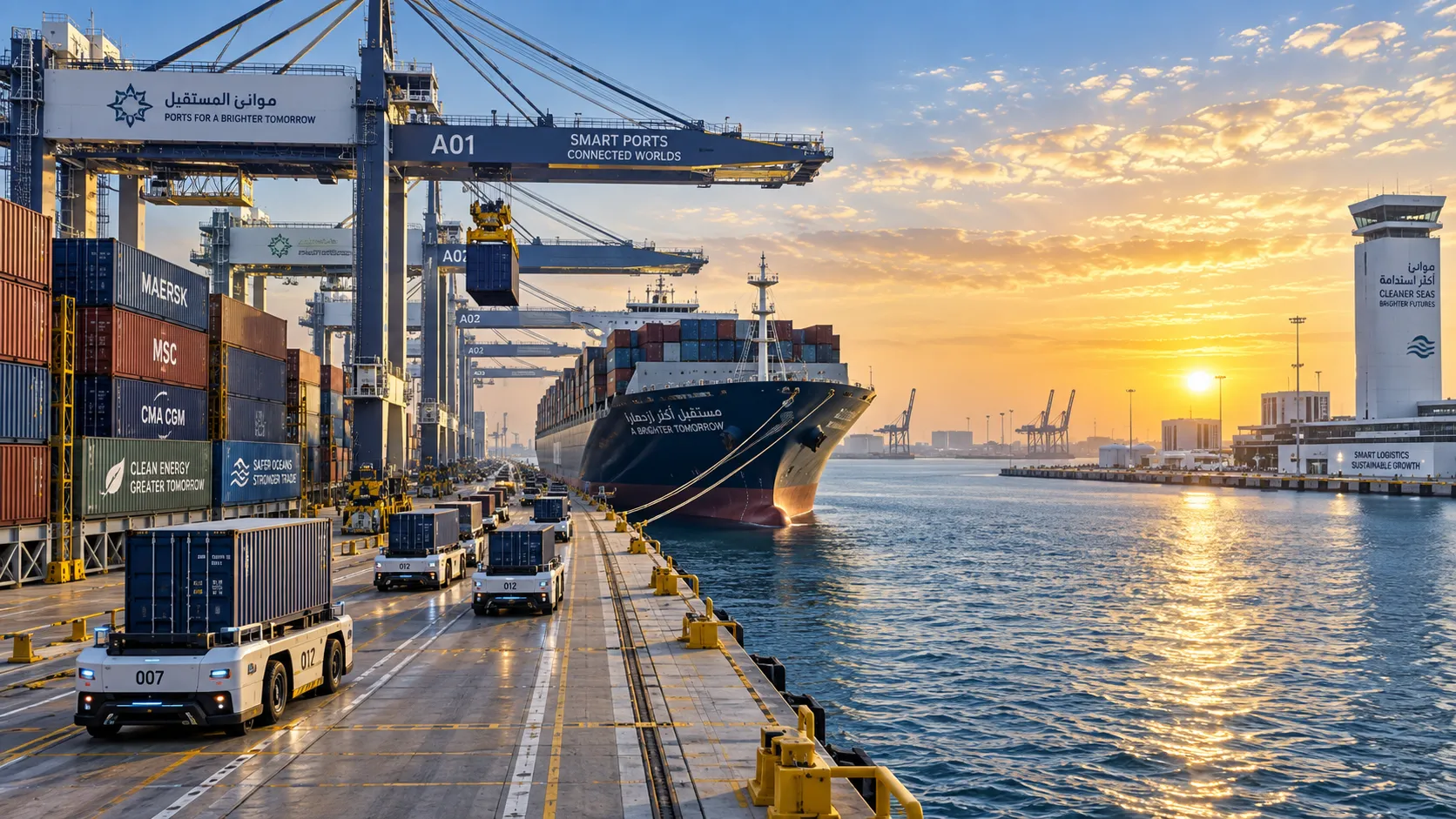
Middle East Port Automation: Key Market Drivers, Projects, and Investment Risks
Port automation systems Middle East: explore market drivers, flagship projects, integration challenges, and investment risks shaping smarter, resilient terminals.
Planning Offshore Dredging Operations: Key Risks, Methods, and Project Controls
Offshore dredging operations demand smart planning. Explore key risks, proven methods, environmental controls, and project strategies for reliable delivery.