Related News
- 00
0000-00
How Can Port Equipment Lead-Time Risk Be Managed? - 00
0000-00
Maritime Logistics Operations: How Ports Can Reduce Container Dwell Time - 00
0000-00
What Does Logistics Node Monitoring Cost Across Warehouses and Transport Hubs? - 00
0000-00
How Can IoT Smart Port Solutions Improve Container Tracking and Yard Efficiency? - 00
0000-00
How Real-Time Port Logistics Intelligence Improves Container Yard Efficiency
How to Choose Port Logistics Solutions for Congested Terminals and Multi-Cargo Operations
How to Choose Port Logistics Solutions for Congested Terminals and Multi-Cargo Operations
Choosing the right port logistics solutions for congested terminals and multi-cargo operations requires more than adding cranes or yard slots.
The real challenge is coordination across assets, cargo flows, labor, and data.
When berth windows tighten and cargo mixes become less predictable, inefficient handoffs create delays that spread across the supply chain.
That is why modern port logistics solutions must improve visibility, decision speed, and operational flexibility at the same time.
A good selection process should connect terminal efficiency with commercial resilience, service reliability, and future automation goals.
Why Congested Terminals Need Smarter Port Logistics Solutions
Congestion is rarely caused by one weak asset.
It usually comes from poor synchronization between berth planning, yard allocation, equipment dispatch, gate operations, and inland transfers.
In multi-cargo terminals, the complexity rises further.
Containers, bulk materials, project cargo, and hazardous loads each require different handling logic, safety rules, and storage priorities.
From recent market shifts, a clearer signal has emerged.
Ports no longer gain enough value from isolated upgrades.
They need integrated port logistics solutions that connect mechanical capacity, software intelligence, and operational governance.
Start with the Operating Reality, Not the Vendor Pitch
The first selection mistake is buying for headline capacity.
A terminal may own enough equipment, yet still suffer from vessel delays and yard crowding.
In practice, decision quality matters more than installed horsepower alone.
Before comparing providers, map the real bottlenecks across the terminal.
- Measure berth waiting time by vessel class and cargo type.
- Track yard dwell time and rehandling frequency.
- Review crane productivity during peak and off-peak periods.
- Check truck turn times, gate surges, and rail interface delays.
- Identify manual decisions that slow dispatch or create safety risks.
This baseline makes port logistics solutions easier to compare on outcomes instead of features.
It also prevents overspending on automation that does not address the core operational constraint.
Core Capabilities to Evaluate in Port Logistics Solutions
Not every platform or equipment package is built for multi-cargo operations.
The strongest port logistics solutions usually combine physical handling performance with real-time orchestration.
1. Real-Time Visibility Across the Whole Terminal
Visibility should extend beyond vessel schedules.
It must include yard occupancy, equipment status, labor deployment, truck arrivals, and cargo-specific priorities.
Without this, planners react too late.
2. Dynamic Scheduling and Dispatch
Static plans break down fast during congestion.
Look for port logistics solutions that can reassign equipment, rebalance yard zones, and update work orders in near real time.
This matters especially when vessel arrivals shift or weather disrupts the sequence.
3. Multi-Cargo Handling Logic
Many systems work well for containers but struggle with bulk, breakbulk, or oversized cargo.
The right port logistics solutions should support different storage rules, routing paths, compliance needs, and equipment pairings.
4. Integration with Existing Equipment and Systems
Most terminals cannot replace everything at once.
That means port logistics solutions should integrate with TOS platforms, crane controls, AGVs, weighbridges, gate systems, and maintenance tools.
Open interfaces reduce implementation risk and protect long-term flexibility.
How to Compare Solutions for Operational Fit
A useful comparison framework should balance throughput, resilience, and cost-to-change.
This is where many procurement decisions become clearer.
The best port logistics solutions are not always the most advanced on paper.
They are the ones that fit the terminal’s cargo profile, maturity level, and growth path.
Questions to Ask Before Making a Final Choice
A strong procurement process tests claims under real operating pressure.
- Can the provider prove results in congested and mixed-cargo terminal environments?
- How does the system prioritize conflicting moves during berth or yard disruptions?
- What happens when sensor data is incomplete or communication latency increases?
- How much local configuration is needed for our workflows and compliance rules?
- What KPIs improved at comparable ports, and over what time period?
- How does the vendor support training, change management, and post-launch optimization?
These questions push the discussion beyond generic brochures.
They also reveal whether a provider understands the operational discipline behind effective port logistics solutions.
Common Risks When Selecting Port Logistics Solutions
One common risk is solving for today’s queue without preparing for tomorrow’s cargo mix.
Another is treating software as a stand-alone fix while field processes stay fragmented.
In real operations, weak governance can erase the value of good technology.
- Avoid buying tools that cannot adapt to shifting vessel patterns.
- Avoid closed architectures that limit future automation expansion.
- Avoid KPI models focused only on moves per hour.
- Avoid underestimating training needs for planners, dispatchers, and operators.
A better approach is phased adoption, with clear milestones for throughput, dwell time, safety, and service reliability.
A Practical Selection Path for Long-Term Value
For most ports, the smartest path is not a single large deployment.
It is a staged program that improves coordination first, then expands automation where returns are proven.
That may begin with visibility tools, dispatch optimization, and yard planning upgrades.
Later stages can add remote crane control, AGV routing, predictive maintenance, and digital performance monitoring.
This is where strategic intelligence becomes valuable.
A data-led view of equipment trends, automation maturity, and cargo demand shifts helps refine the selection logic.
For organizations following the port technology landscape closely, PS-Nexus highlights how terminal gear, control systems, and dredging-linked capacity decisions interact.
That broader context matters because port logistics solutions should support both current congestion relief and future network competitiveness.
The strongest decision comes from matching operational pain points with scalable capabilities, not from chasing the most visible trend.
If the solution improves coordination, adapts to mixed cargo flows, and integrates with a long-term automation roadmap, it is likely on the right track.
Use that filter to evaluate port logistics solutions step by step, and the investment will serve both terminal performance and strategic resilience.
Related News
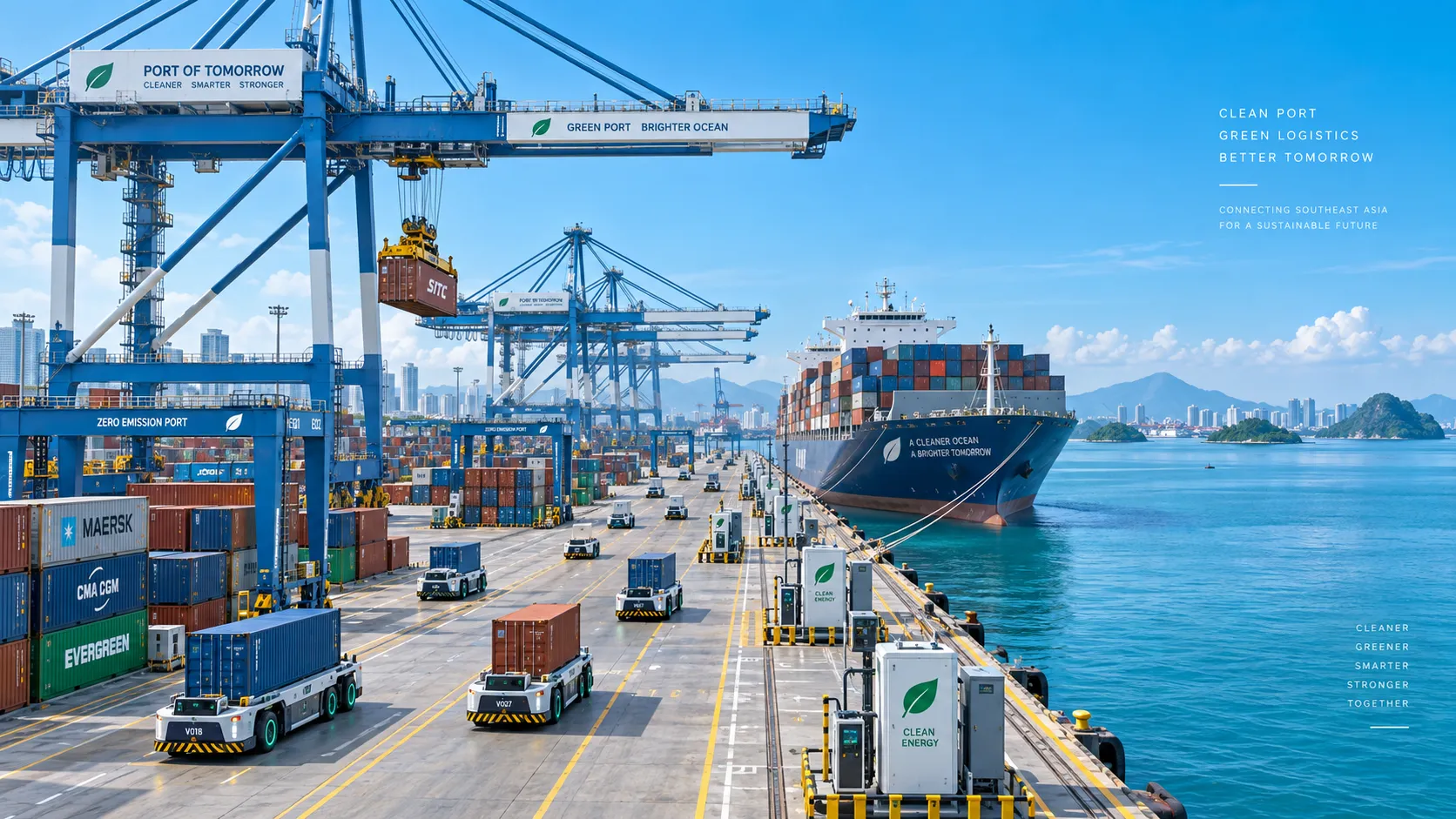
Smart Port Systems in Southeast Asia: Investment Priorities and Adoption Barriers
Smart port systems Southeast Asia: discover investment priorities, adoption barriers, and practical steps to build resilient, connected, high-performing terminals.
How to Evaluate Terminal Efficiency Solution Suppliers for High-Throughput Operations
Choose a terminal efficiency solutions supplier with confidence. Explore proven criteria for throughput, integration, lifecycle cost, safety, and reliable delivery.
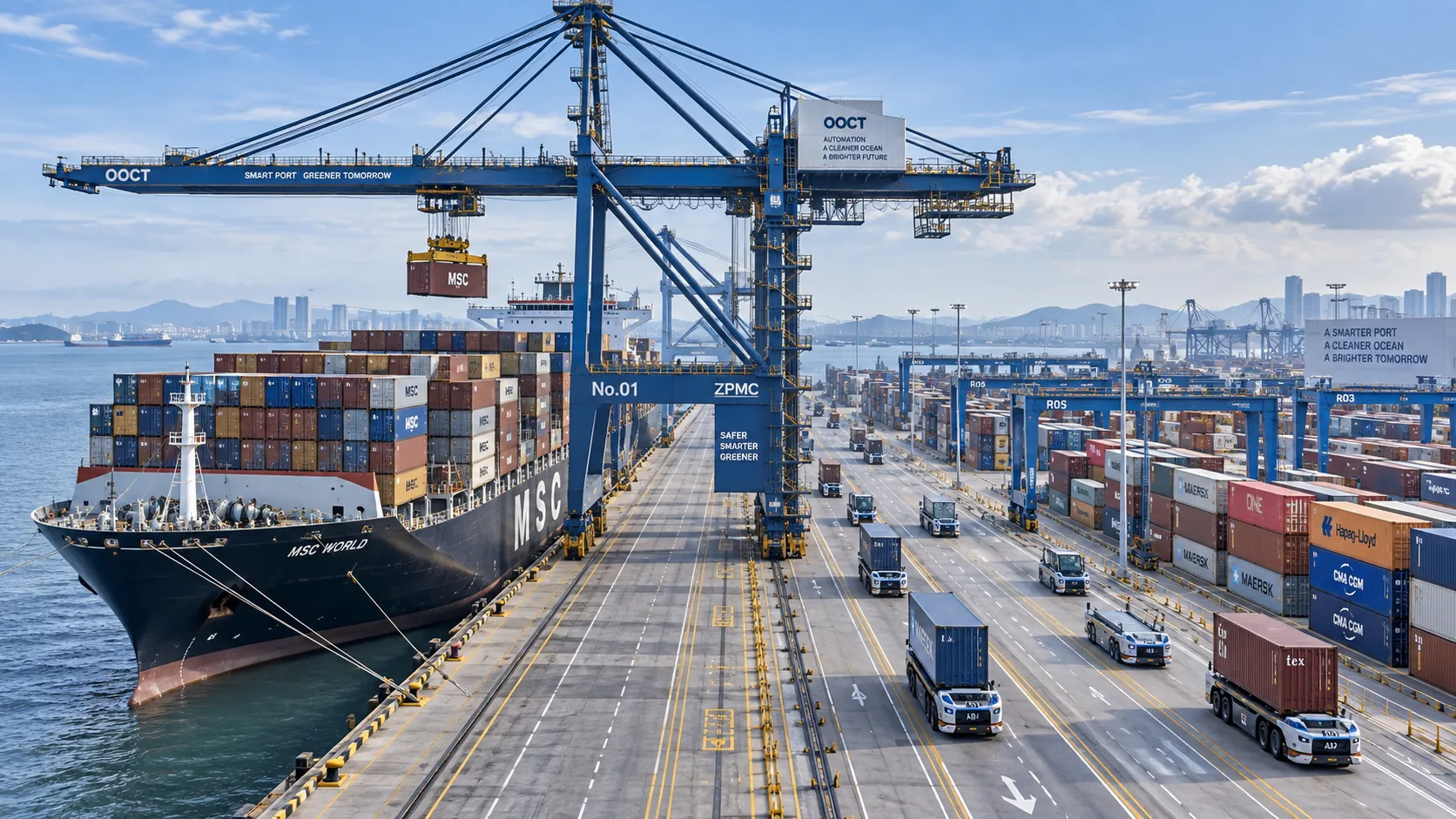
How to Specify a Quay Crane for Container Terminals by Vessel Size and Throughput?
Quay crane for container terminals: learn how to match outreach, lift height, capacity, automation, and cycle performance to vessel size and throughput goals.
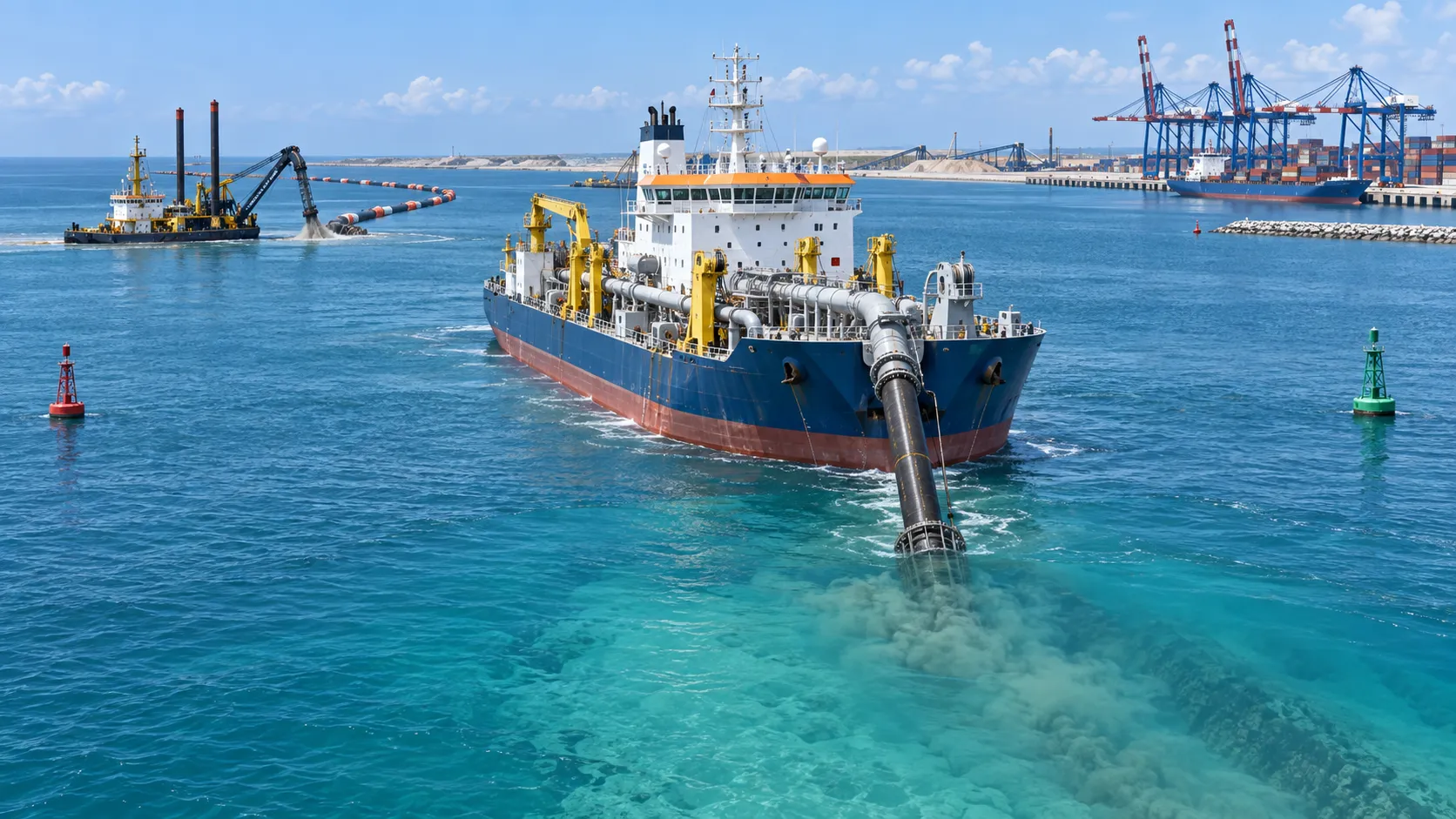
What Dredging Equipment Is Needed for Channel Deepening?
What dredging equipment is needed for channel deepening? Explore dredgers, pipelines, survey tools, and planning strategies for safer, more efficient port access.
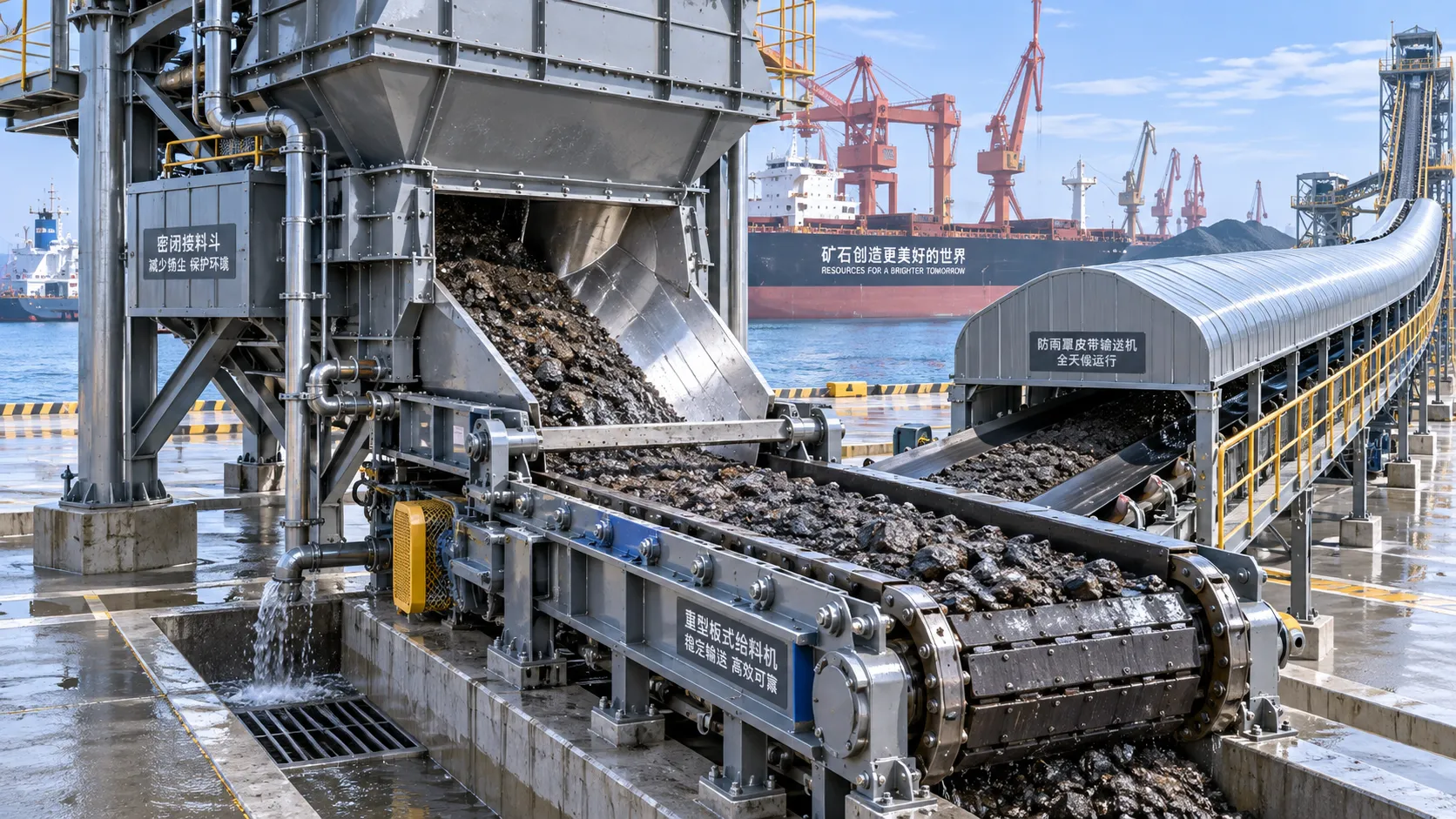
Which Bulk Handling Equipment Suits High-Moisture Cargo?
Which bulk handling equipment suits high-moisture cargo? Compare belt, apron, screw, drag, and slurry systems for reliable flow, less carryback, and higher terminal uptime.
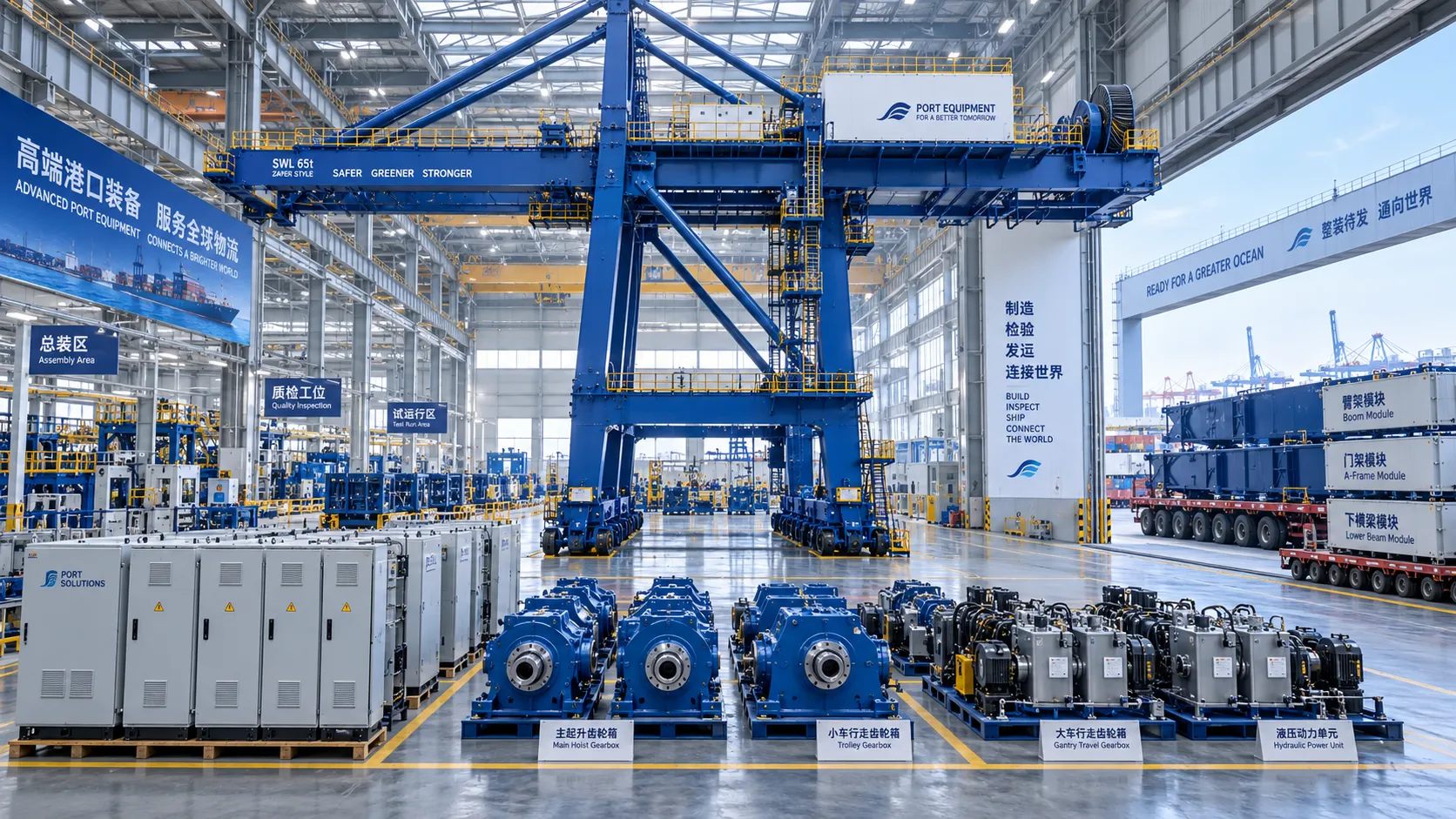
How Can Port Equipment Lead-Time Risk Be Managed?
How can port equipment lead-time risk be managed? Explore practical strategies to control critical paths, suppliers, transport, site readiness, and commissioning delays.
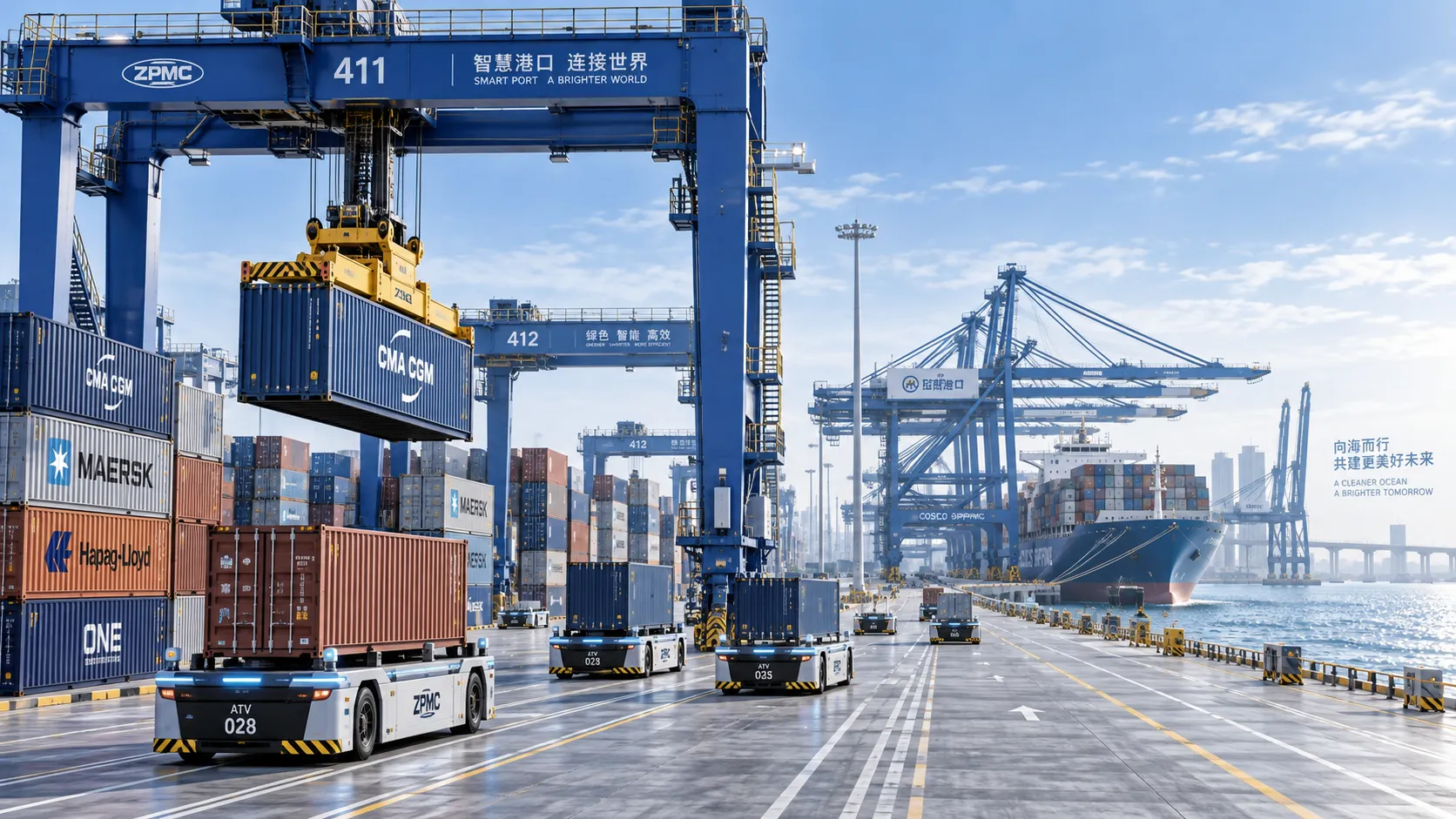
Terminal Automation Technologies That Raise Container Throughput Without Yard Disruption
Terminal automation technology that increases container throughput without disrupting yard flow. Explore smarter integration, resilient workflows, and phased deployment strategies.
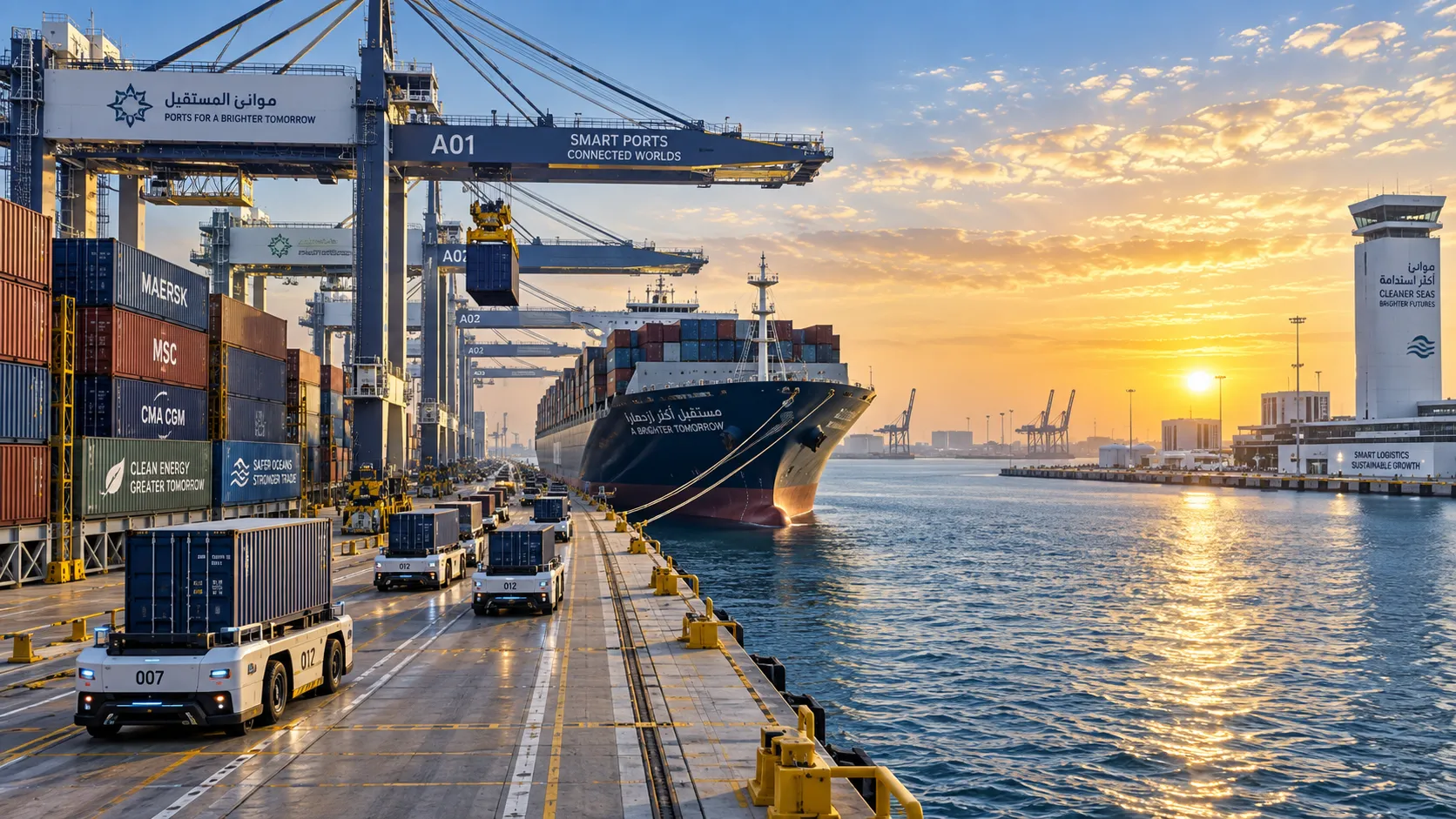
Middle East Port Automation: Key Market Drivers, Projects, and Investment Risks
Port automation systems Middle East: explore market drivers, flagship projects, integration challenges, and investment risks shaping smarter, resilient terminals.
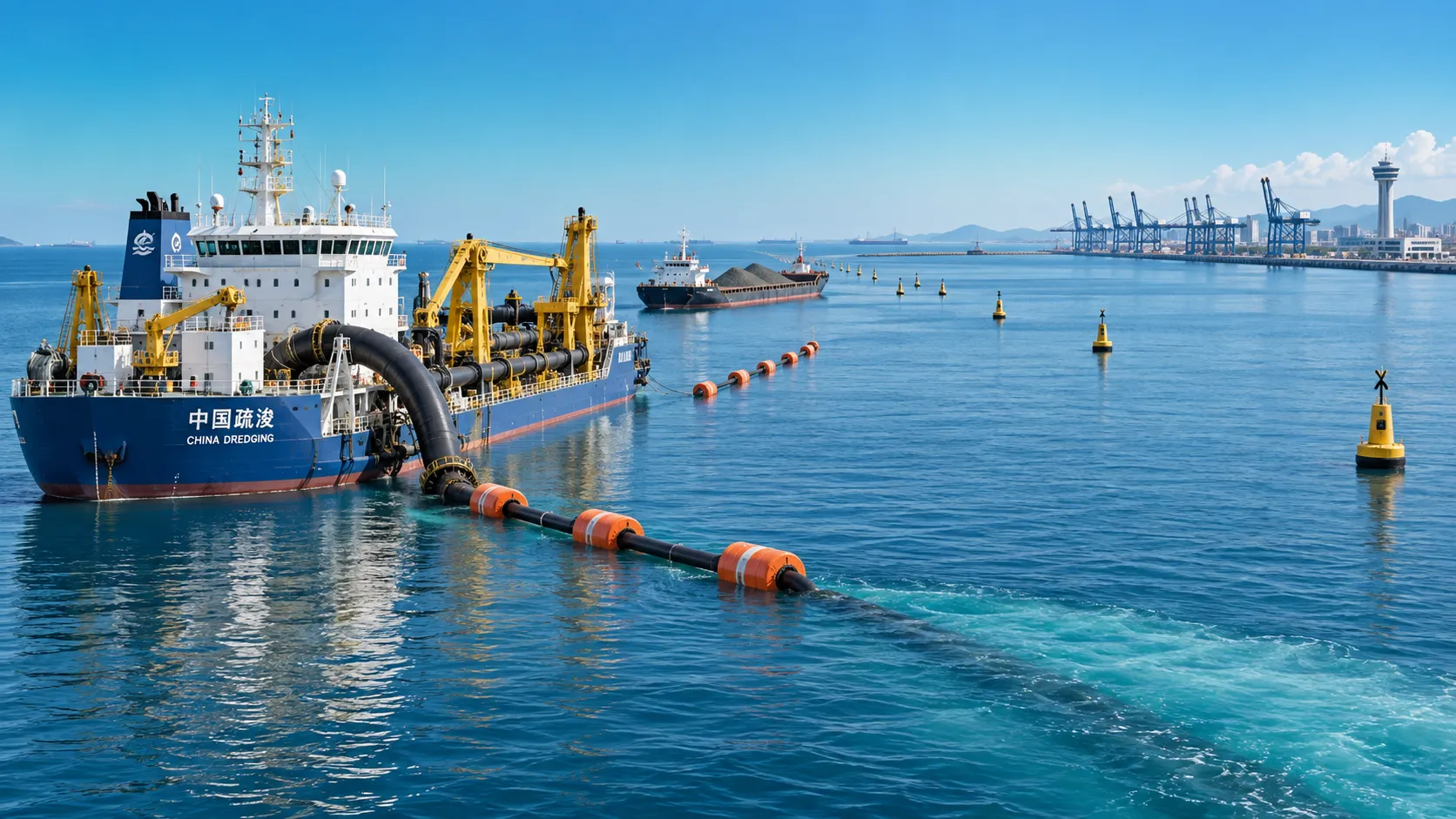
Planning Offshore Dredging Operations: Key Risks, Methods, and Project Controls
Offshore dredging operations demand smart planning. Explore key risks, proven methods, environmental controls, and project strategies for reliable delivery.