Related News
- 00
0000-00
Smart Port Systems in Southeast Asia: Investment Priorities and Adoption Barriers - 00
0000-00
Middle East Port Automation: Key Market Drivers, Projects, and Investment Risks - 00
0000-00
How Coastal Cities Can Prioritize Blue Economy Projects for Jobs and Ecosystem Gains - 00
0000-00
How Harbor Construction Solutions Address Wave Loads, Scour, and Vessel Berthing - 00
0000-00
What Is Driving Maritime Infrastructure Growth in Southeast Asia?
Maritime Logistics Trends: How Port Congestion, Fuel Costs, and Routing Are Shaping Supply Chains
Maritime logistics is no longer a background function in global trade. It has become a visible source of cost pressure, delivery uncertainty, and strategic advantage as congestion, bunker price swings, and route redesign reshape supply chain performance.
That shift matters across industries because ocean transport connects raw materials, energy flows, consumer goods, project cargo, and industrial equipment. When vessels wait, fuel surcharges rise, or routes lengthen, planning assumptions across procurement, inventory, and capital allocation start to move.
For that reason, maritime logistics now deserves to be read as an integrated system. Port infrastructure, terminal automation, dredging capacity, scheduling logic, and commercial visibility all influence how resilient a supply chain really is.
Why maritime logistics is under closer scrutiny
The current market does not reward simple rate comparison. A lower freight quote can be offset by port delay, missed berthing windows, inland disruption, or extra fuel recovery charges.
In maritime logistics, three pressures now interact more tightly than before. They are port congestion, fuel cost volatility, and routing complexity. Each one affects the others rather than acting alone.
A congested gateway can force vessels to slow steam, skip calls, or discharge at alternate ports. That changes voyage economics, equipment availability, and downstream transport planning at the same time.
Fuel costs add another layer. Bunker prices influence sailing speed, carrier surcharges, schedule recovery tactics, and network design. Even small changes can alter landed cost when cargo volumes are large.
Routing has also become more dynamic. Weather risk, canal constraints, geopolitical tension, and emissions targets are pushing operators toward more conditional voyage planning instead of static lane assumptions.
Congestion is a terminal problem before it becomes a shipping problem
Port congestion is often discussed as a vessel queue issue, but the deeper causes usually sit inside terminal operations. Berth productivity, crane availability, yard density, gate flow, and hinterland transfer speed all matter.
This is where the operational landscape described by PS-Nexus becomes highly relevant. Mega terminal gear, specialized container handling systems, and port automation control the real throughput ceiling of a maritime node.
If quay cranes cannot sustain consistent moves per hour, vessel turnaround slows. If yard equipment cannot reposition containers efficiently, dwell time rises and berth productivity loses value.
Dredging engineering also belongs in this conversation. Channel depth, silt management, and berth accessibility can limit vessel size, tidal access, and schedule reliability long before a cargo owner notices the problem.
In practice, congestion should be assessed through asset readiness and control logic, not just weekly queue statistics. A port with smart scheduling and balanced equipment may outperform a larger port with fragmented flows.
Signals worth tracking
- Berth waiting time versus nominal vessel turnaround time
- Yard utilization during seasonal demand peaks
- Crane productivity consistency rather than peak performance
- Draft constraints, dredging cycles, and weather exposure
- Truck and rail interface reliability at the port perimeter
Fuel costs now shape supply chain design choices
Fuel was once treated mainly as a carrier operating expense. Today it directly influences sourcing geography, shipment frequency, contract design, and inventory positioning across maritime logistics networks.
When fuel prices rise sharply, carriers may reduce speed to control consumption. That saves bunker cost, but it also stretches transit time and weakens schedule recovery after disruption.
The commercial effect is broader than freight rates alone. Safety stock requirements may increase. Production plans may need more lead time. Port rotation decisions may favor efficiency over direct coverage.
The energy transition adds further complexity. Net-zero commitments, alternative fuels, and emissions reporting are changing how stakeholders compare routes and carriers. Cost, compliance, and reliability now travel together.
This is one reason intelligence platforms matter. Monitoring freight markets without understanding terminal technology, control systems, and equipment evolution gives only a partial picture of maritime logistics risk.
Smarter routing is becoming a competitive discipline
Routing in maritime logistics used to emphasize distance and published schedule frequency. Now the better question is whether a route remains stable under pressure.
A slightly longer route can outperform a shorter one if it avoids chronic berth delays, shallow draft constraints, or weak inland transfer links. Reliability often creates more value than theoretical speed.
Automation and algorithmic scheduling are central here. PS-Nexus highlights how remote-controlled cranes, AGV path planning, and control systems affect flow predictability at the node level.
That matters because routing is not only an ocean decision. It is a network decision involving terminal handoff quality, yard mobility, feeder synchronization, and recovery options after disruption.
In other words, smarter routing connects physical assets with decision intelligence. The strongest route is often the one supported by the best operational data and the most adaptable port ecosystem.
Where route quality is usually won or lost
- Consistency of terminal handling across ports of call
- Buffer capacity for weather, labor, or security disruption
- Availability of alternate gateways or feeder links
- Quality of visibility into cargo and equipment status
- Compatibility with emissions and fuel transition goals
How these trends affect real business decisions
The practical value of reading maritime logistics correctly lies in better trade-offs. Faster is not always safer. Cheaper is not always cheaper once delay, demurrage, and working capital are counted.
For industrial supply chains, the issue may be heavy equipment arrival windows and project sequencing. For bulk cargo, it may be berth access, discharge speed, and stockpile continuity.
Containerized trade adds another layer through yard management and equipment repositioning. Specialized handling systems can make a major difference when dwell time threatens service commitments.
This is why a broad but connected view is useful. Terminal gear, control architecture, dredging capability, and commercial freight signals are not separate topics. They are linked drivers of supply chain resilience.
A sound evaluation usually compares network options through total landed cost, lead time stability, emissions exposure, and port-side execution quality rather than freight rates in isolation.
A practical framework for evaluating maritime logistics exposure
A useful assessment starts with the node, not only the voyage. The question is whether the ports in a route can process cargo predictably under stressed conditions.
Next comes cost structure. Separate base freight, fuel-linked charges, delay-driven charges, and inventory effects. This reveals which cost elements are controllable and which are structural.
Then review route flexibility. A network with alternate gateways, strong feeder options, and good visibility tools usually carries lower disruption risk even when nominal transit time is longer.
Finally, examine strategic fit. If trade lanes increasingly depend on automated terminals and deeper channels, infrastructure intelligence becomes part of commercial due diligence, not a technical side topic.
- Map critical ports by congestion sensitivity and equipment capability
- Model fuel volatility against lead time and stock requirements
- Compare routing options using reliability, not distance alone
- Track automation and dredging developments at strategic gateways
- Use intelligence sources that connect engineering and trade signals
What to watch next
Maritime logistics will keep evolving through infrastructure investment, digital control, emissions regulation, and changing trade geography. The most important trend is not one variable in isolation, but their convergence.
Ports that combine heavy terminal capability, intelligent scheduling, and adaptable marine access are likely to become more valuable in supply chain design. Routes supported by those nodes should gain strategic weight.
The next useful step is to review key corridors through a wider lens: terminal throughput, fuel sensitivity, route alternatives, and infrastructure readiness. That approach turns maritime logistics from a cost center into a decision framework.
For ongoing analysis, platforms such as PS-Nexus are most useful when they help connect equipment evolution, automation signals, dredging realities, and commercial trade intelligence into one operating picture.
Related News
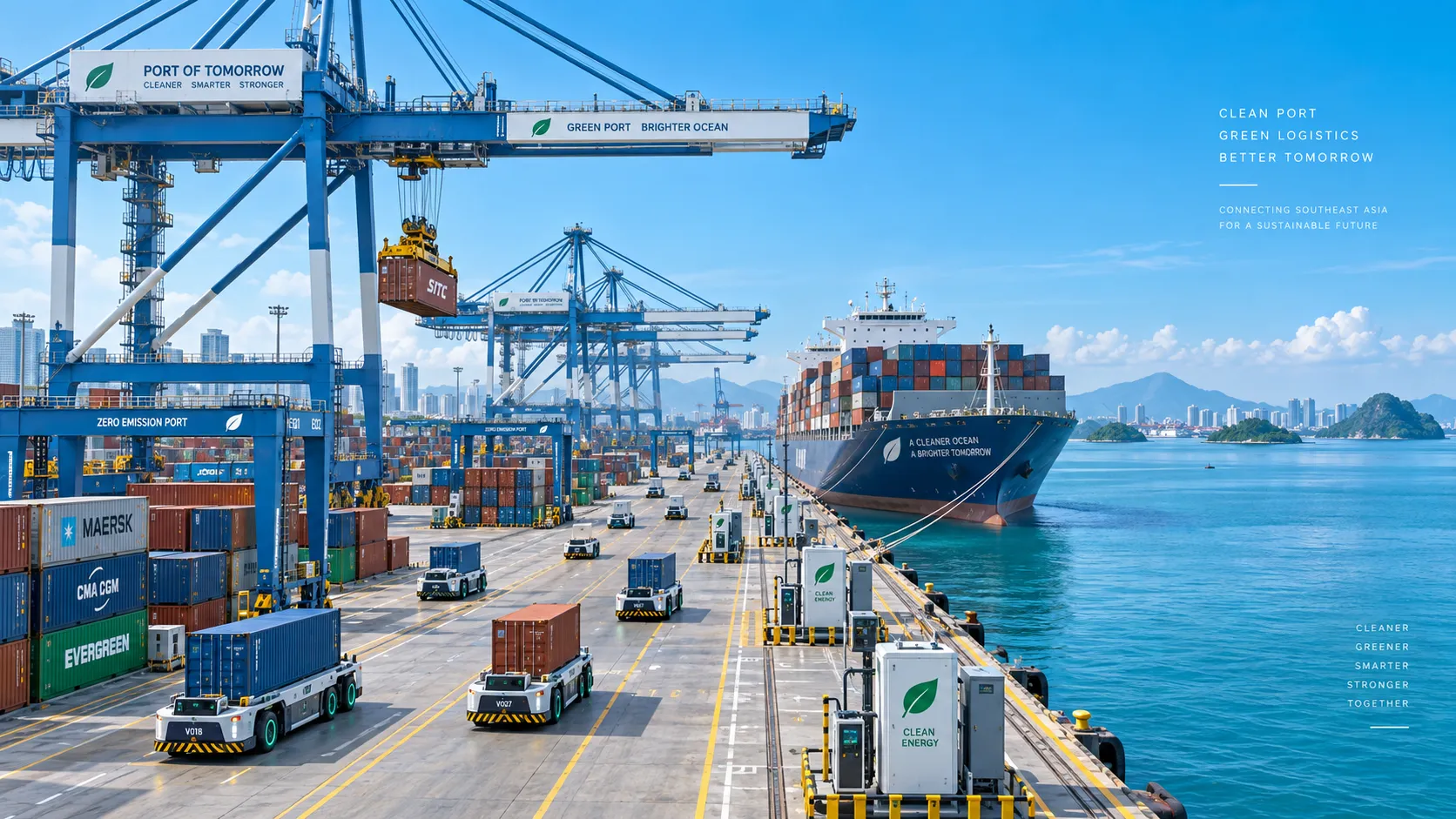
Smart Port Systems in Southeast Asia: Investment Priorities and Adoption Barriers
Smart port systems Southeast Asia: discover investment priorities, adoption barriers, and practical steps to build resilient, connected, high-performing terminals.
How to Evaluate Terminal Efficiency Solution Suppliers for High-Throughput Operations
Choose a terminal efficiency solutions supplier with confidence. Explore proven criteria for throughput, integration, lifecycle cost, safety, and reliable delivery.
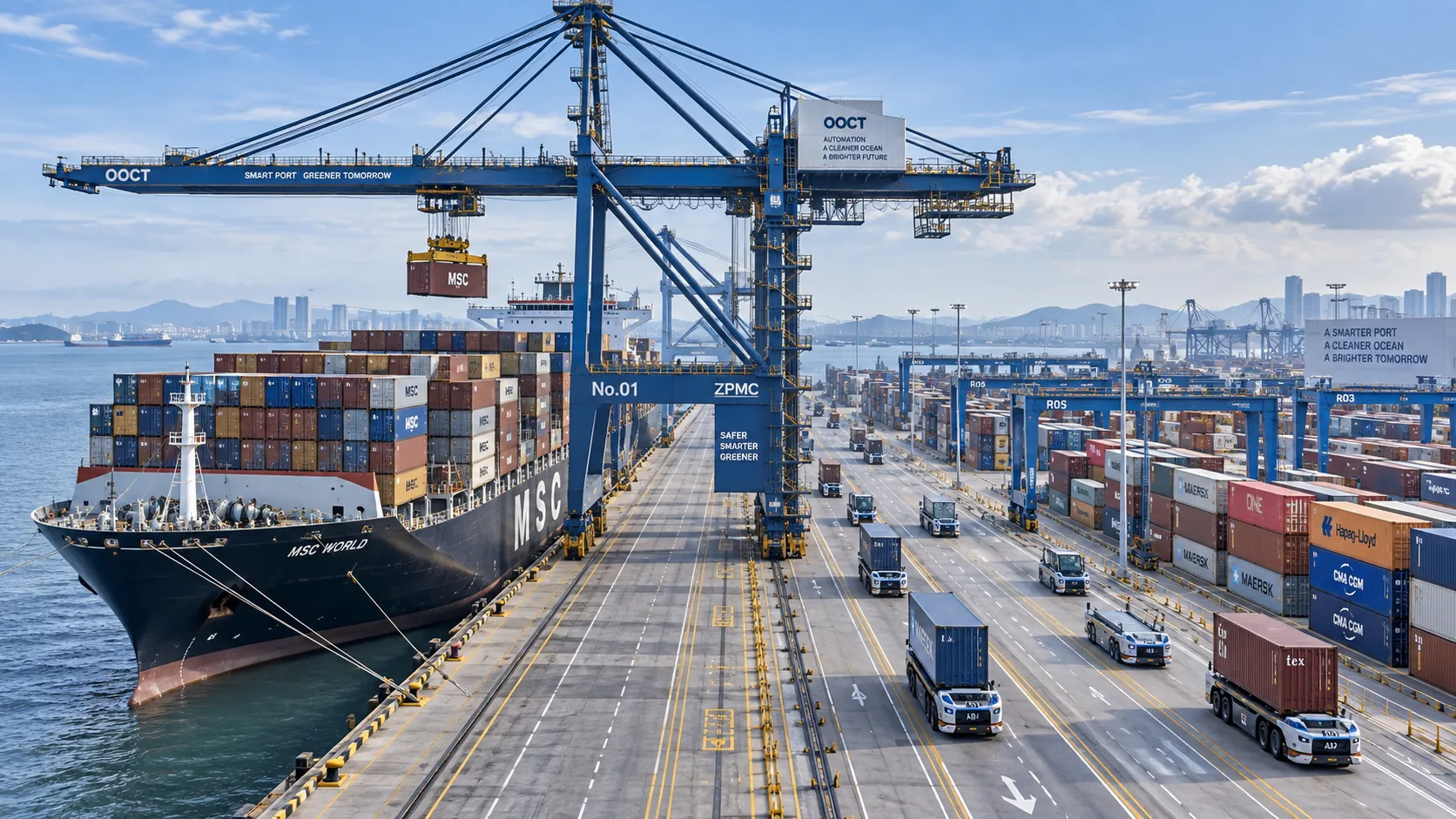
How to Specify a Quay Crane for Container Terminals by Vessel Size and Throughput?
Quay crane for container terminals: learn how to match outreach, lift height, capacity, automation, and cycle performance to vessel size and throughput goals.
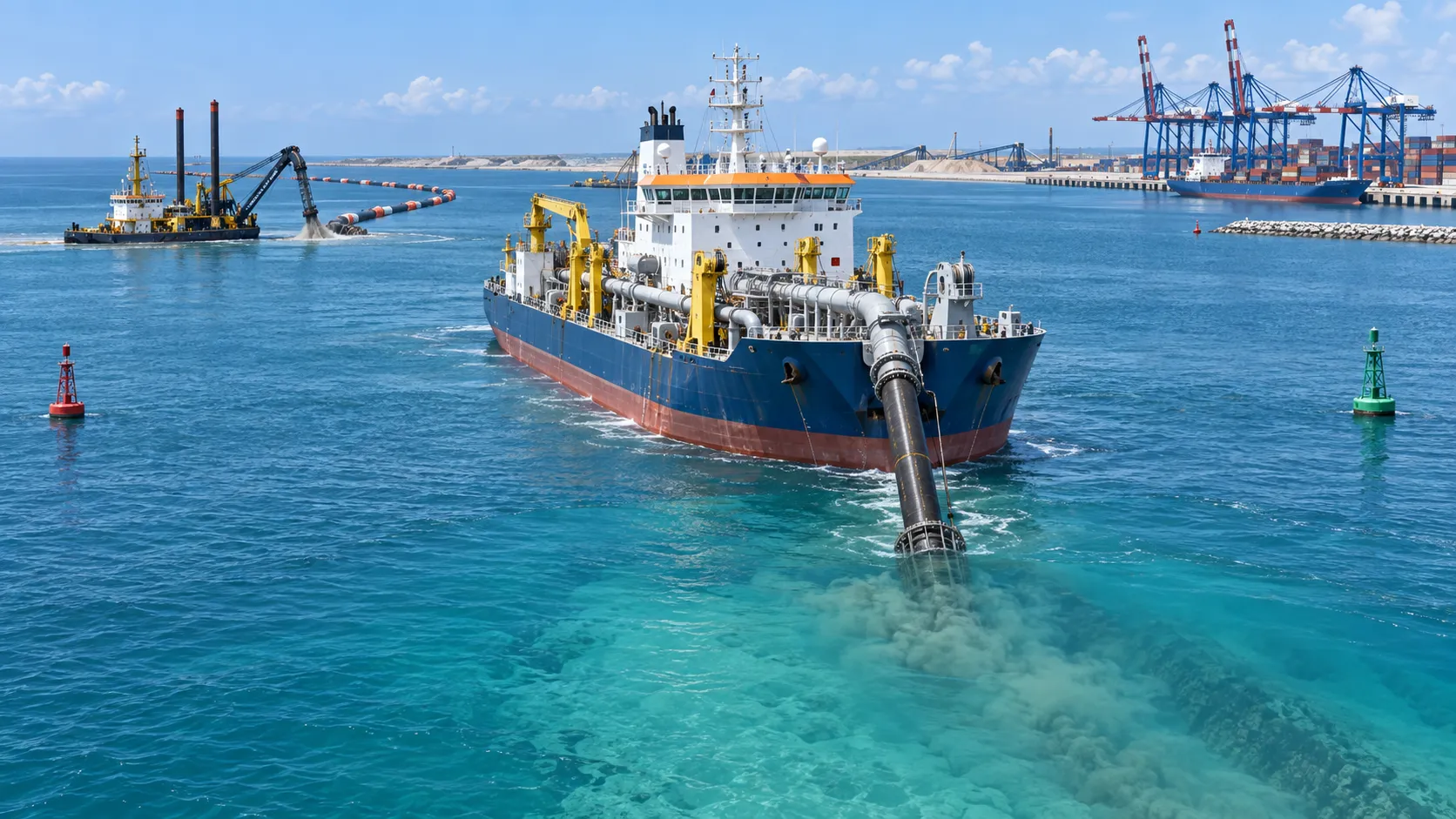
What Dredging Equipment Is Needed for Channel Deepening?
What dredging equipment is needed for channel deepening? Explore dredgers, pipelines, survey tools, and planning strategies for safer, more efficient port access.
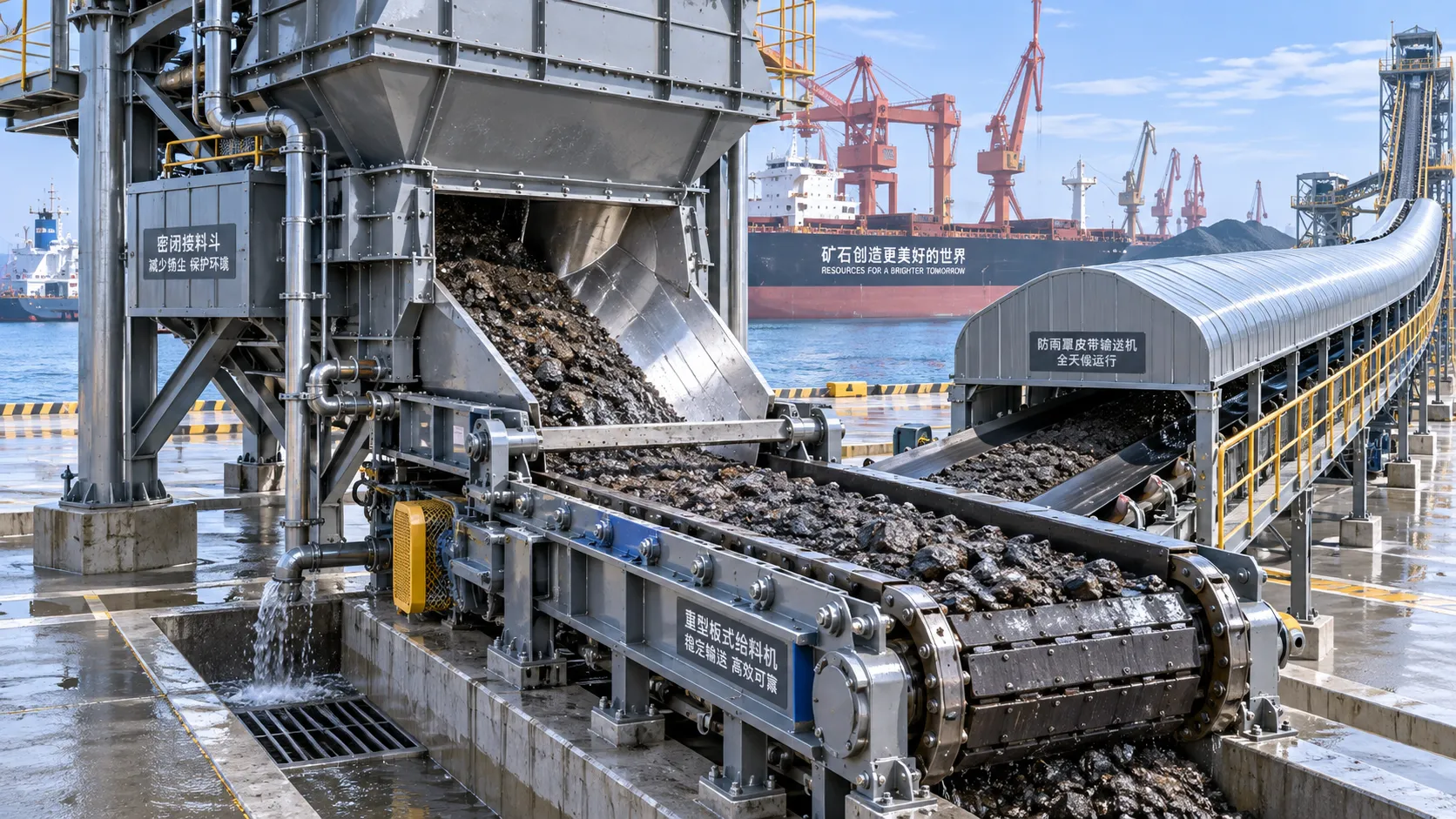
Which Bulk Handling Equipment Suits High-Moisture Cargo?
Which bulk handling equipment suits high-moisture cargo? Compare belt, apron, screw, drag, and slurry systems for reliable flow, less carryback, and higher terminal uptime.
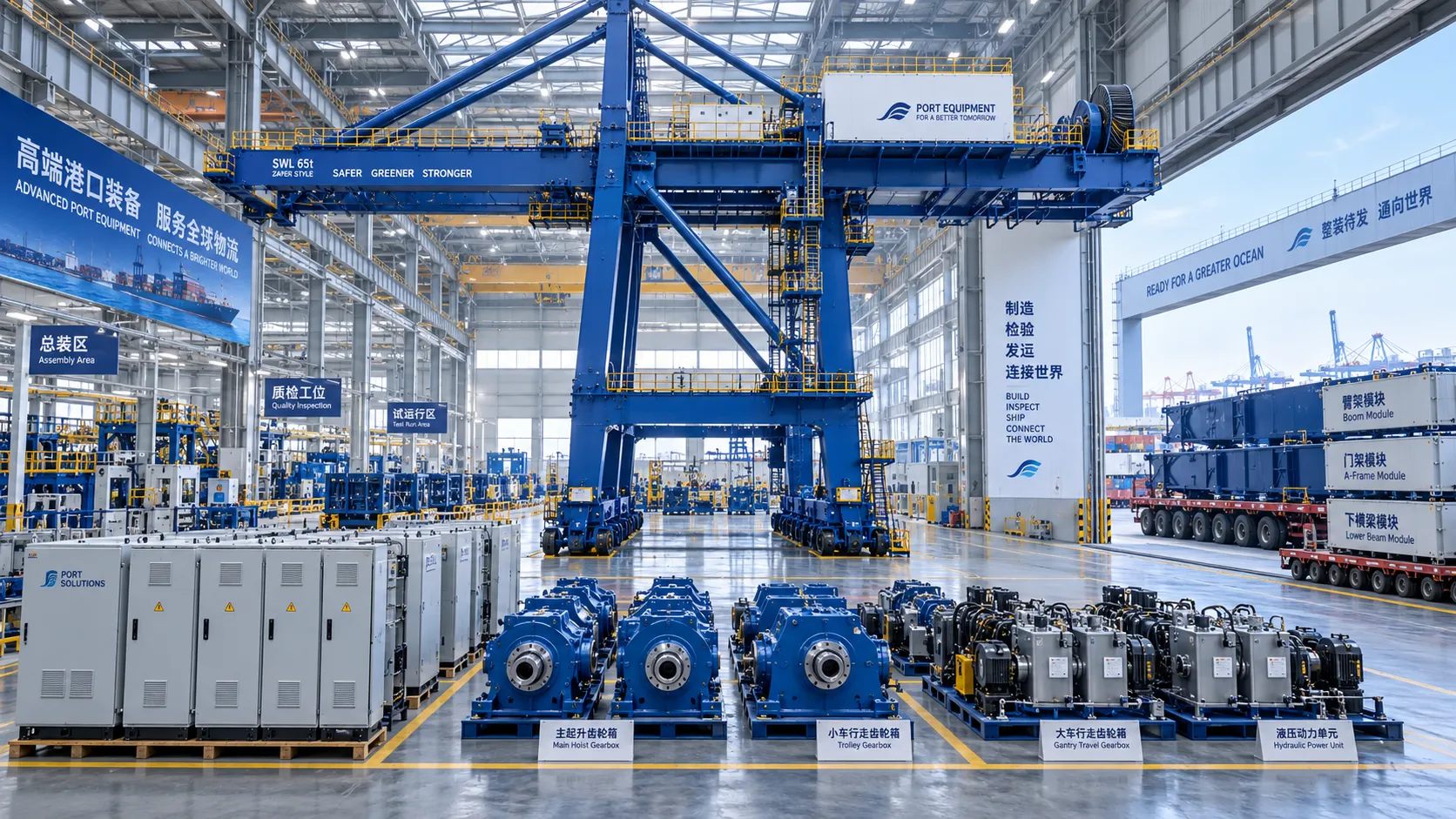
How Can Port Equipment Lead-Time Risk Be Managed?
How can port equipment lead-time risk be managed? Explore practical strategies to control critical paths, suppliers, transport, site readiness, and commissioning delays.
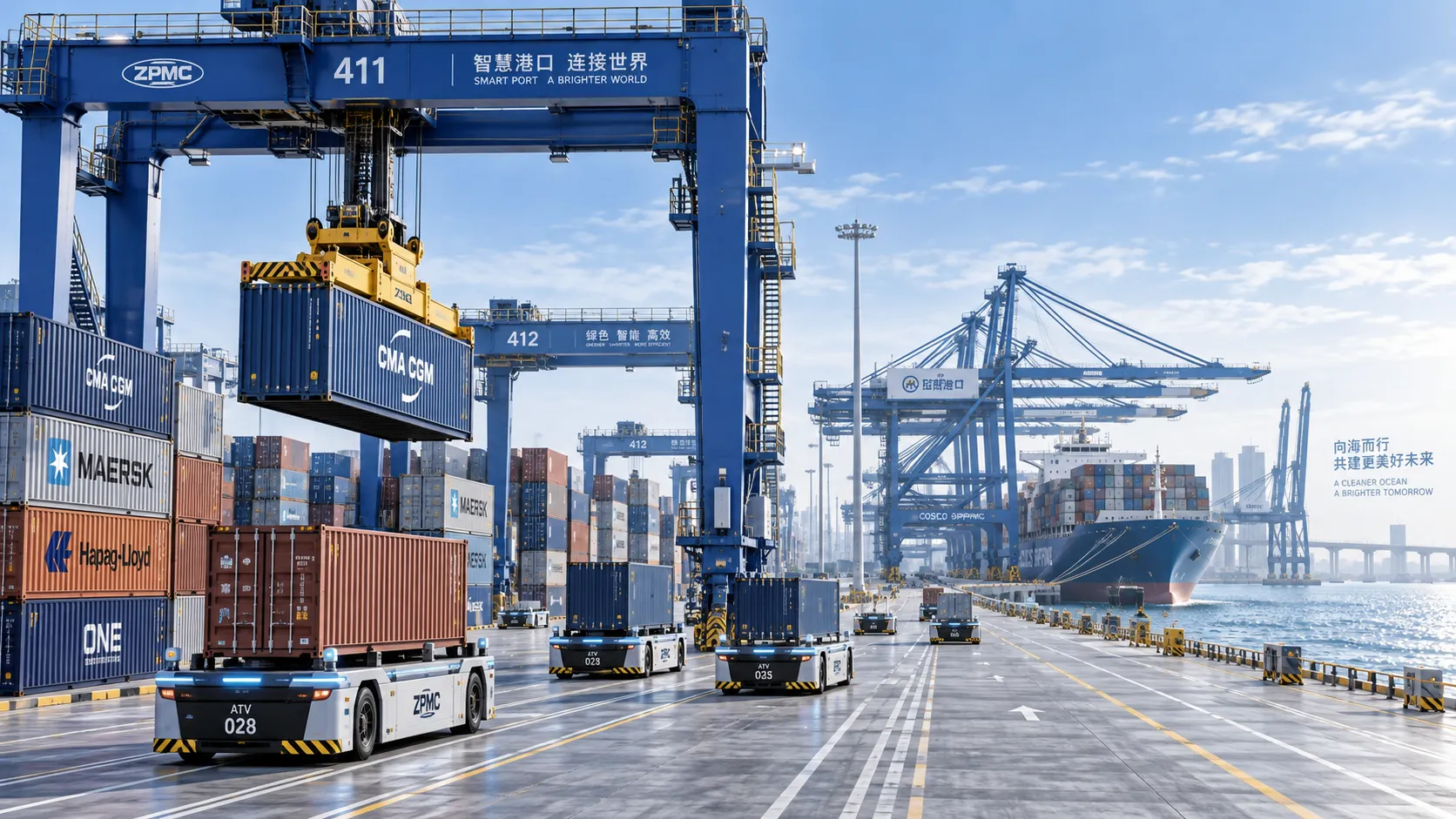
Terminal Automation Technologies That Raise Container Throughput Without Yard Disruption
Terminal automation technology that increases container throughput without disrupting yard flow. Explore smarter integration, resilient workflows, and phased deployment strategies.
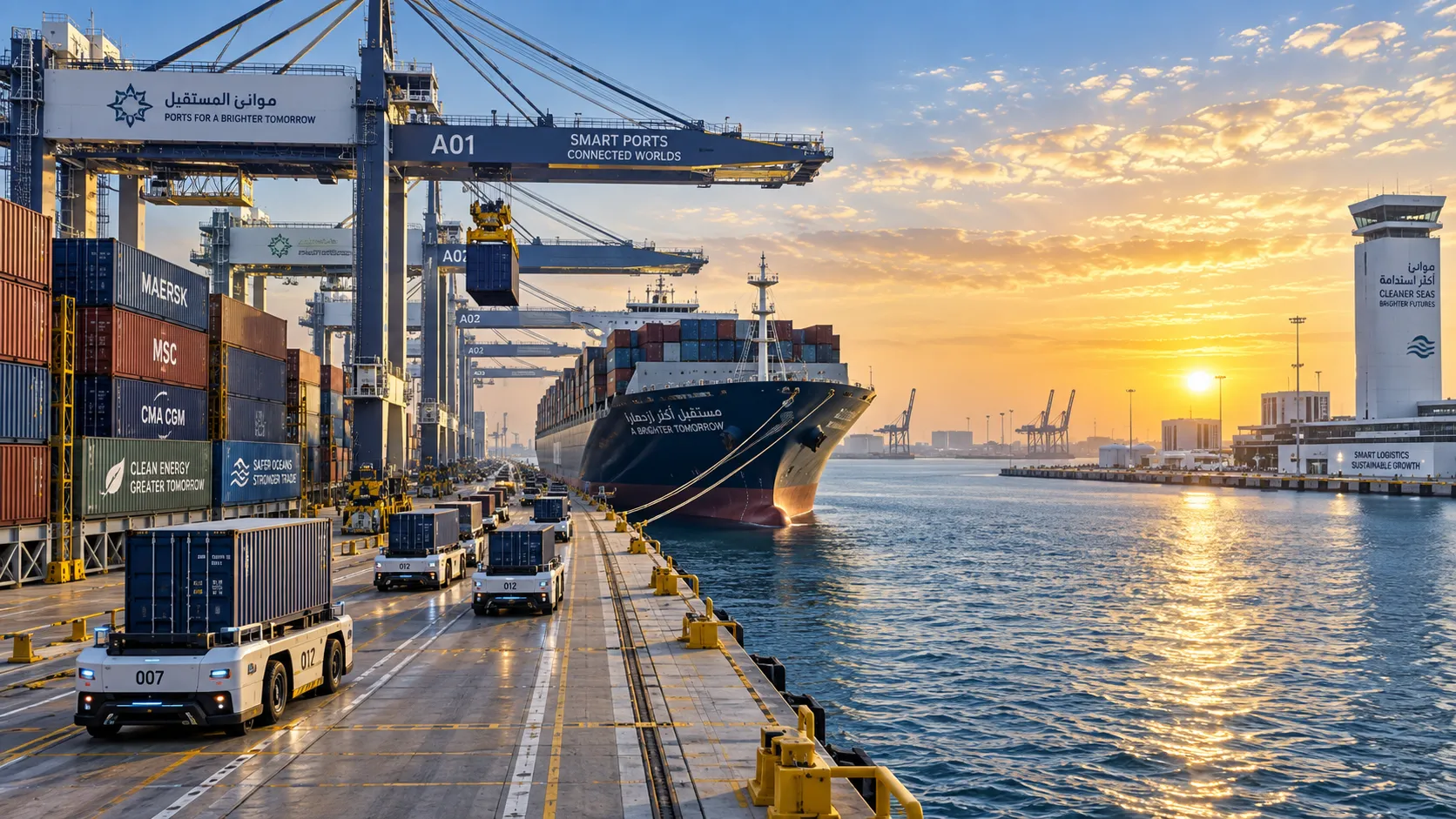
Middle East Port Automation: Key Market Drivers, Projects, and Investment Risks
Port automation systems Middle East: explore market drivers, flagship projects, integration challenges, and investment risks shaping smarter, resilient terminals.
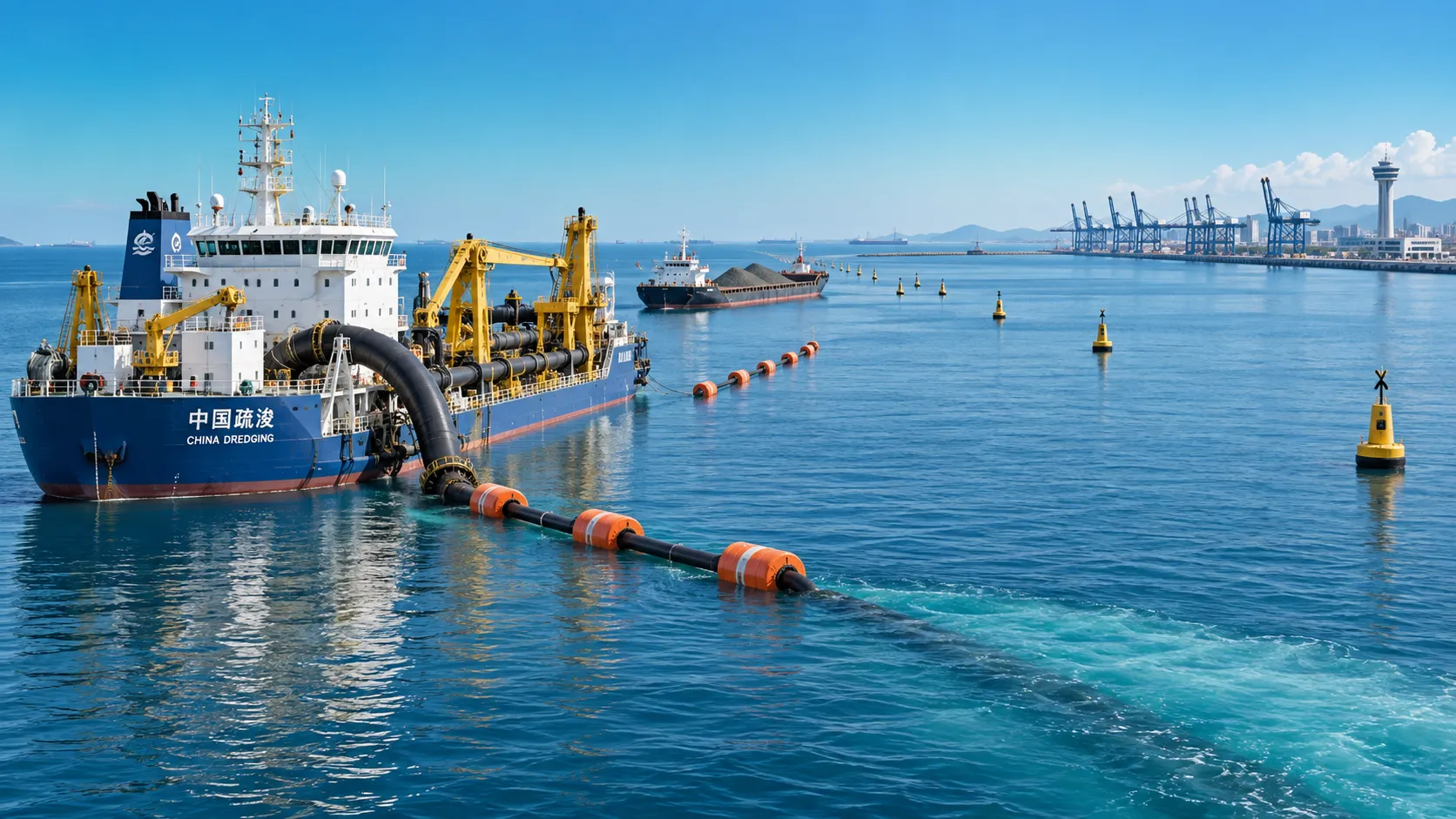
Planning Offshore Dredging Operations: Key Risks, Methods, and Project Controls
Offshore dredging operations demand smart planning. Explore key risks, proven methods, environmental controls, and project strategies for reliable delivery.