Related News
- 00
0000-00
Smart Port Systems in Southeast Asia: Investment Priorities and Adoption Barriers - 00
0000-00
Middle East Port Automation: Key Market Drivers, Projects, and Investment Risks - 00
0000-00
How Coastal Cities Can Prioritize Blue Economy Projects for Jobs and Ecosystem Gains - 00
0000-00
How Harbor Construction Solutions Address Wave Loads, Scour, and Vessel Berthing - 00
0000-00
What Is Driving Maritime Infrastructure Growth in Southeast Asia?
Port Technology Trends in 2025: Which Upgrades Improve Throughput and Yard Visibility?
Port technology trends in 2025 are becoming operational decisions
Global trade corridors are shifting again, and ports are feeling the pressure first.
Vessel calls are less predictable, cargo mixes are changing, and congestion now appears in shorter, sharper waves.
That is why port technology trends in 2025 matter beyond innovation headlines.
The more important question is practical: which upgrades improve throughput and yard visibility without creating new bottlenecks.
Across maritime logistics, the market is moving away from isolated pilots.
Investment attention is now centered on systems that connect quay activity, yard movement, equipment health, and planning logic.
This shift aligns with how PS-Nexus reads the sector.
Heavy terminal gear, automated container handling, control systems, and dredging capability are no longer separate upgrade paths.
They increasingly shape one performance equation: how fast cargo moves, how clearly the yard is seen, and how resilient the terminal remains.
Why this change is becoming more visible now
Several signals are making current port technology trends harder to ignore.
First, larger vessels still amplify peak intensity at berth, even when annual volume growth looks moderate.
Second, inland and coastal distribution patterns are fragmenting, which raises the value of better yard decisions.
Third, decarbonization targets are forcing operators to rethink equipment cycles, energy use, and idle time.
More noticeably, labor constraints and skills gaps are pushing terminals toward tools that reduce manual coordination.
In practice, this means visibility has become almost as important as raw lifting capacity.
A terminal may own capable cranes and vehicles, yet still lose performance through blind spots in dispatching and stacking.
The strongest upgrades are not always the biggest machines
One of the clearest port technology trends is the move from asset expansion to orchestration quality.
Bigger cranes still matter, especially at high-volume gateways.
Yet many throughput gains in 2025 come from reducing waiting, reshuffles, and misaligned equipment dispatch.
That is why terminal operating systems, equipment control layers, and yard planning engines are gaining strategic weight.
Low-latency communication for remote-controlled cranes is another key upgrade area.
When signal stability improves, crane cycles become more consistent and exception handling becomes easier to manage.
The same pattern appears in AGV and automated yard truck routing.
Path-planning quality often determines whether automation increases flow or simply shifts congestion from berth to stack.
- Remote crane control upgrades reduce variability in move cycles.
- Dynamic yard slotting lowers unproductive reshuffles.
- Vehicle scheduling engines improve transfer timing between quay and yard.
- Condition monitoring cuts surprise downtime on critical terminal gear.
- Integrated control dashboards turn scattered data into dispatchable decisions.
Yard visibility is becoming the real separator
Throughput still attracts most attention, but yard visibility is where competitive gaps increasingly open.
A terminal can move boxes quickly off the quay and still underperform if stack status is not trustworthy.
Recent port technology trends show a stronger push toward near-real-time yard awareness.
This includes container location accuracy, equipment availability, truck turn expectations, and exception alerts.
What matters is not just collecting data.
What matters is whether planning teams, control rooms, and field assets are using the same operating picture.
That is why digital twins and yard visualization layers are gaining practical value.
When paired with operating data, they help reveal heat zones, dwell risk, and stack imbalance before disruption becomes visible physically.
For ports handling specialized containers or mixed cargo flows, this visibility advantage is even more pronounced.
Where visibility improvements usually deliver the fastest returns
- Reducing rehandles in dense yard blocks.
- Improving truck appointment adherence.
- Detecting idle equipment hidden inside shift averages.
- Flagging berth-side surges before yard lanes saturate.
- Supporting safer remote and semi-automated operations.
The wider port system is affecting technology choices
Another important point is that port technology trends are being shaped by more than container handling alone.
Bulk machinery, dredging engineering, and harbor infrastructure are influencing upgrade priorities more than before.
If channel depth, berth access, or tidal constraints limit vessel flow, terminal automation alone cannot unlock full throughput.
This is where the PS-Nexus perspective becomes especially useful.
The interaction between heavy mechanical power, scheduling logic, and marine engineering is becoming more commercially relevant.
Digital pump monitoring in dredging operations, for example, may look distant from yard visibility.
In reality, both belong to the same resilience agenda.
Ports that manage waterway capacity, berth performance, and yard intelligence as one system are better positioned for unstable trade patterns.
What deserves attention before capital is committed
Not every upgrade marketed under port technology trends will produce measurable gains.
The stronger projects in 2025 usually share a few traits.
They start with a defined bottleneck, connect to operational data, and improve both speed and predictability.
They also avoid creating islands of automation that depend on manual reconciliation later.
A sensible 2025 view is more selective than ambitious
The most useful reading of port technology trends is not that every terminal needs maximum automation at once.
It is that selective modernization now has clearer performance logic.
For some sites, the priority will be berth productivity through remote crane and control upgrades.
For others, the bigger return will come from yard visibility, stack intelligence, and dispatch synchronization.
Where infrastructure constraints remain, marine access and dredging readiness should stay in the same conversation.
That broader systems view is increasingly essential in maritime logistics.
The next step is not simply to track headlines around port technology trends.
It is to map current bottlenecks, compare upgrade paths against real move patterns, and test whether visibility data is decision-ready.
A phased plan built around throughput, yard clarity, and system resilience will usually outperform a broad but loosely connected technology push.
In 2025, that discipline may be the most valuable upgrade of all.
Related News
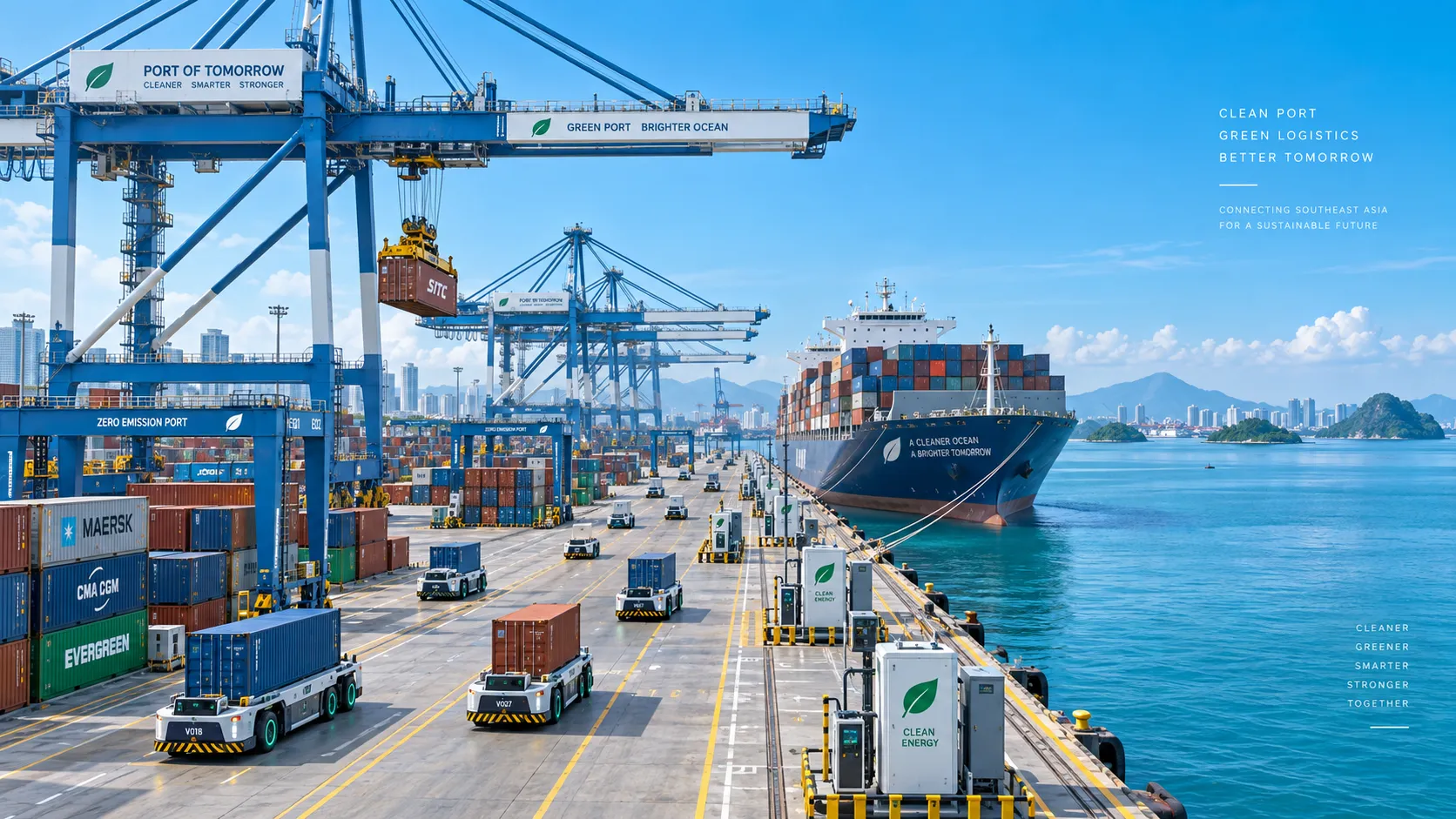
Smart Port Systems in Southeast Asia: Investment Priorities and Adoption Barriers
Smart port systems Southeast Asia: discover investment priorities, adoption barriers, and practical steps to build resilient, connected, high-performing terminals.
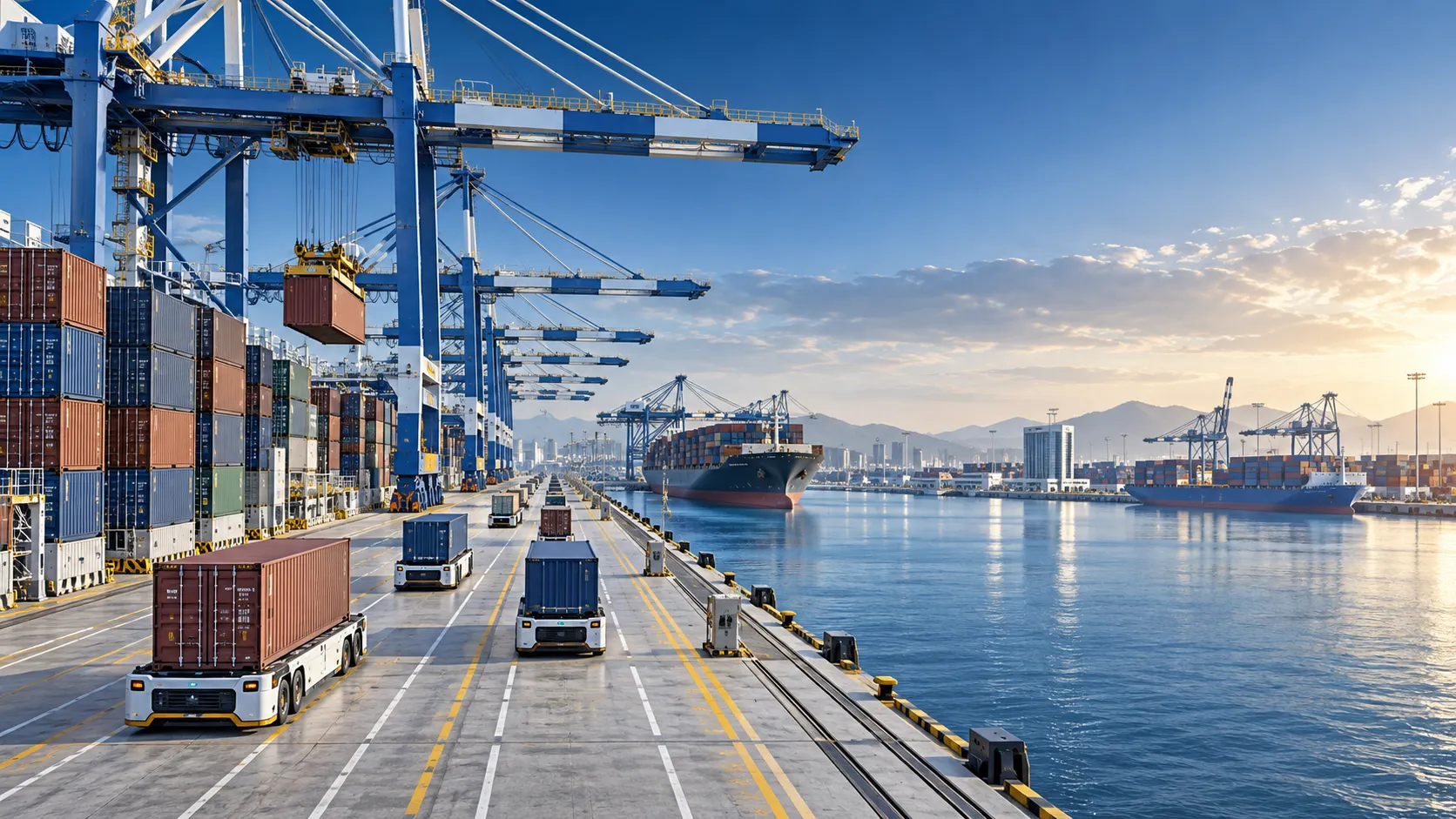
How to Evaluate Terminal Efficiency Solution Suppliers for High-Throughput Operations
Choose a terminal efficiency solutions supplier with confidence. Explore proven criteria for throughput, integration, lifecycle cost, safety, and reliable delivery.
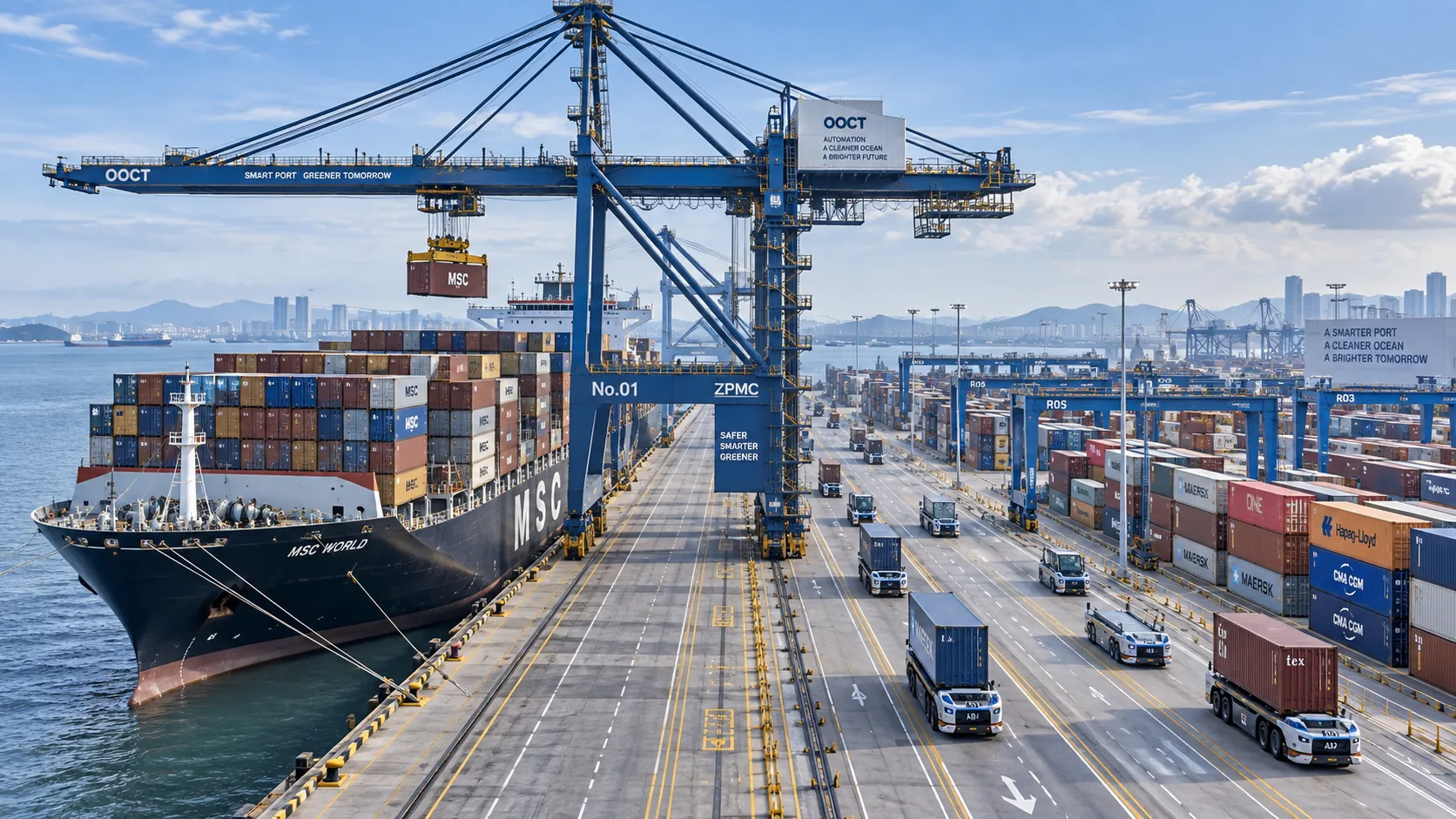
How to Specify a Quay Crane for Container Terminals by Vessel Size and Throughput?
Quay crane for container terminals: learn how to match outreach, lift height, capacity, automation, and cycle performance to vessel size and throughput goals.
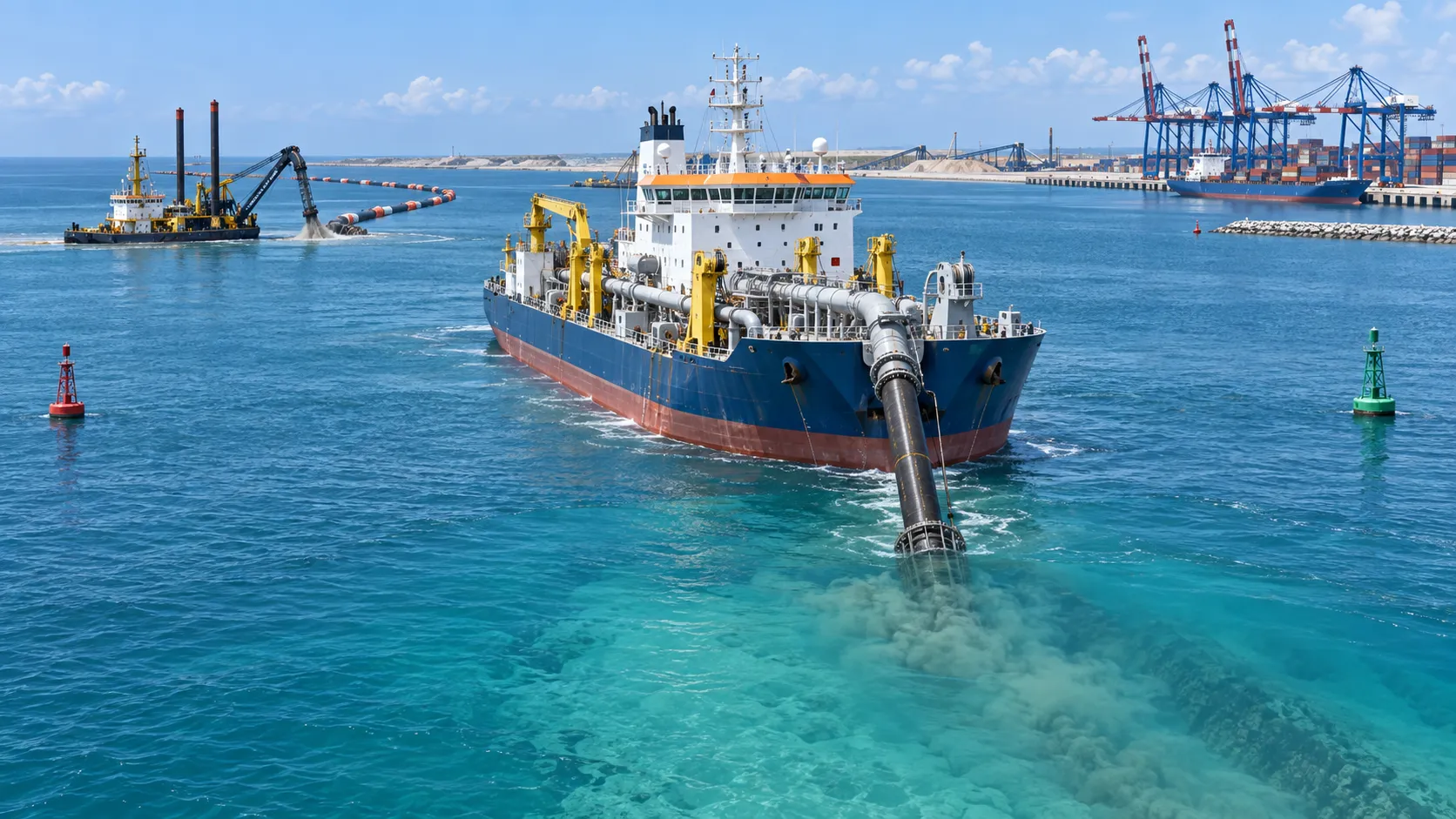
What Dredging Equipment Is Needed for Channel Deepening?
What dredging equipment is needed for channel deepening? Explore dredgers, pipelines, survey tools, and planning strategies for safer, more efficient port access.
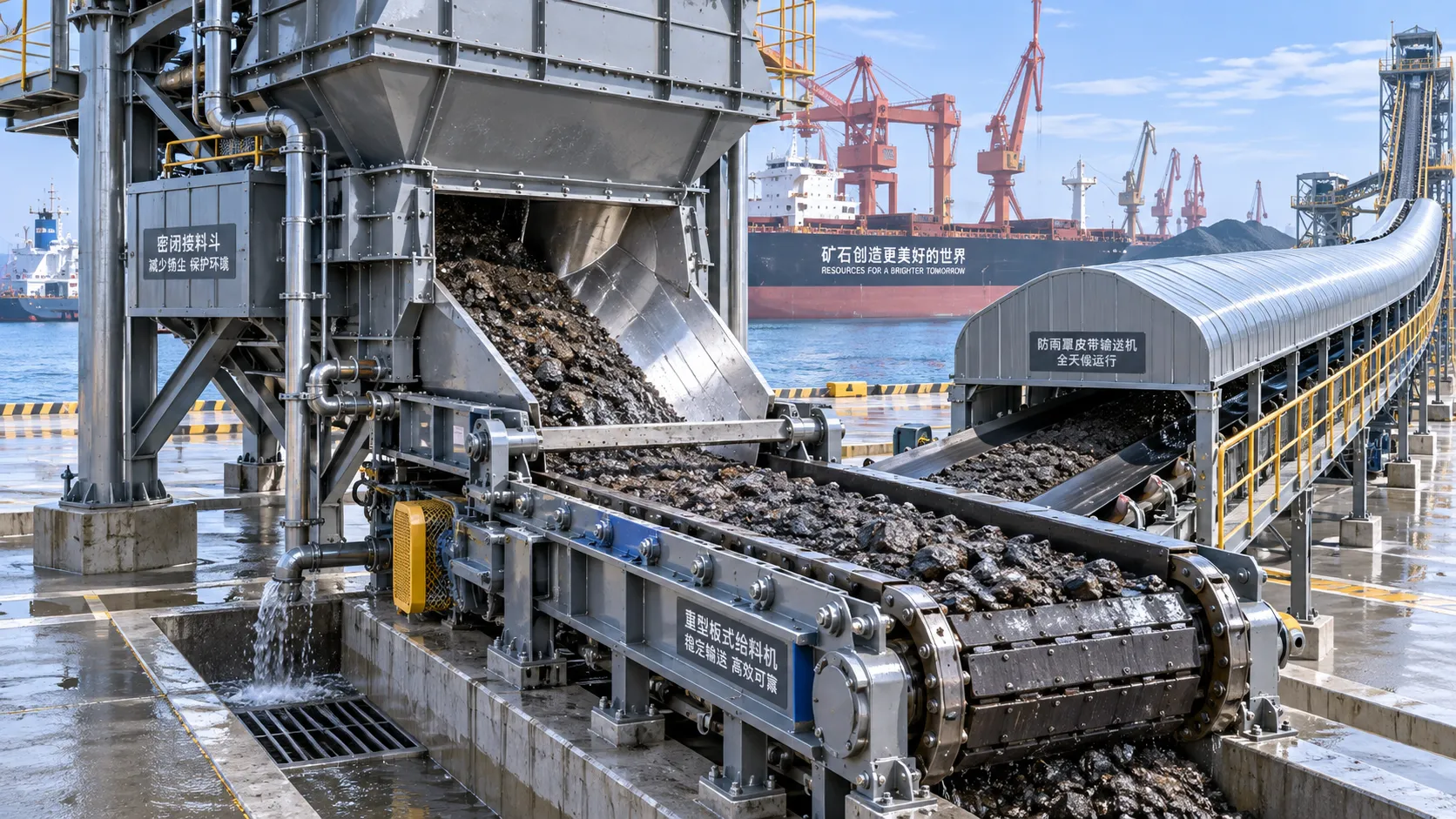
Which Bulk Handling Equipment Suits High-Moisture Cargo?
Which bulk handling equipment suits high-moisture cargo? Compare belt, apron, screw, drag, and slurry systems for reliable flow, less carryback, and higher terminal uptime.
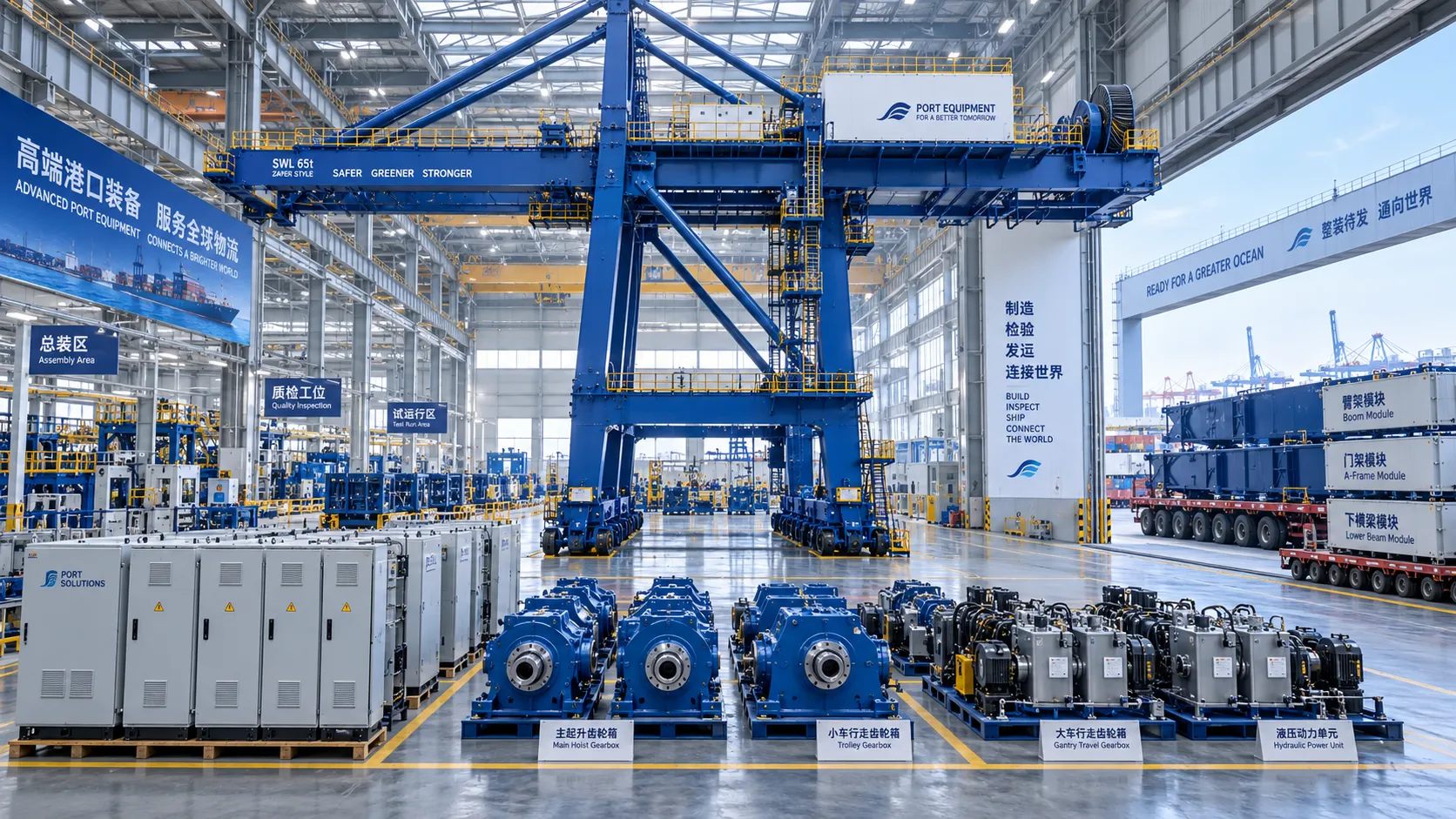
How Can Port Equipment Lead-Time Risk Be Managed?
How can port equipment lead-time risk be managed? Explore practical strategies to control critical paths, suppliers, transport, site readiness, and commissioning delays.
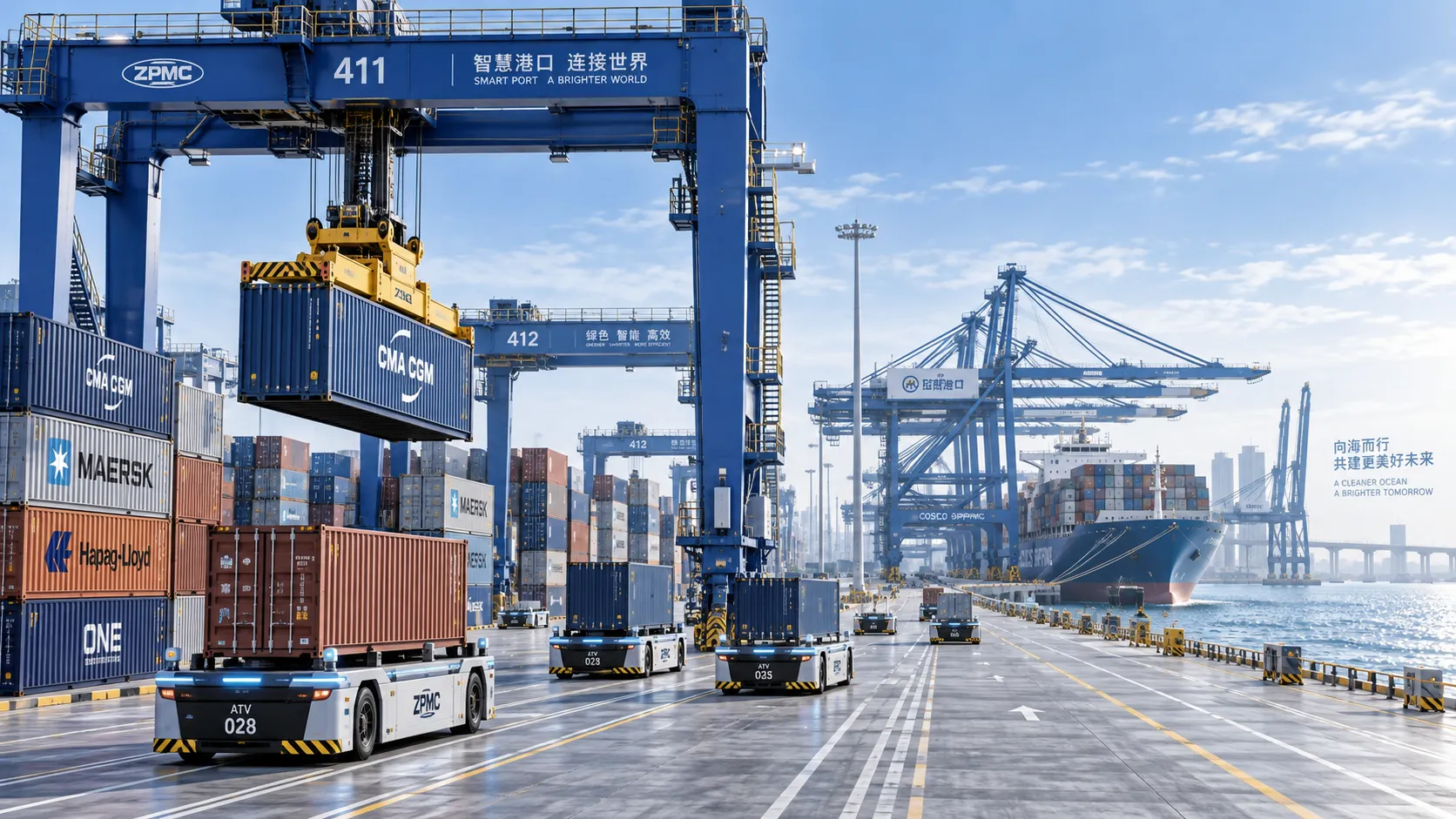
Terminal Automation Technologies That Raise Container Throughput Without Yard Disruption
Terminal automation technology that increases container throughput without disrupting yard flow. Explore smarter integration, resilient workflows, and phased deployment strategies.
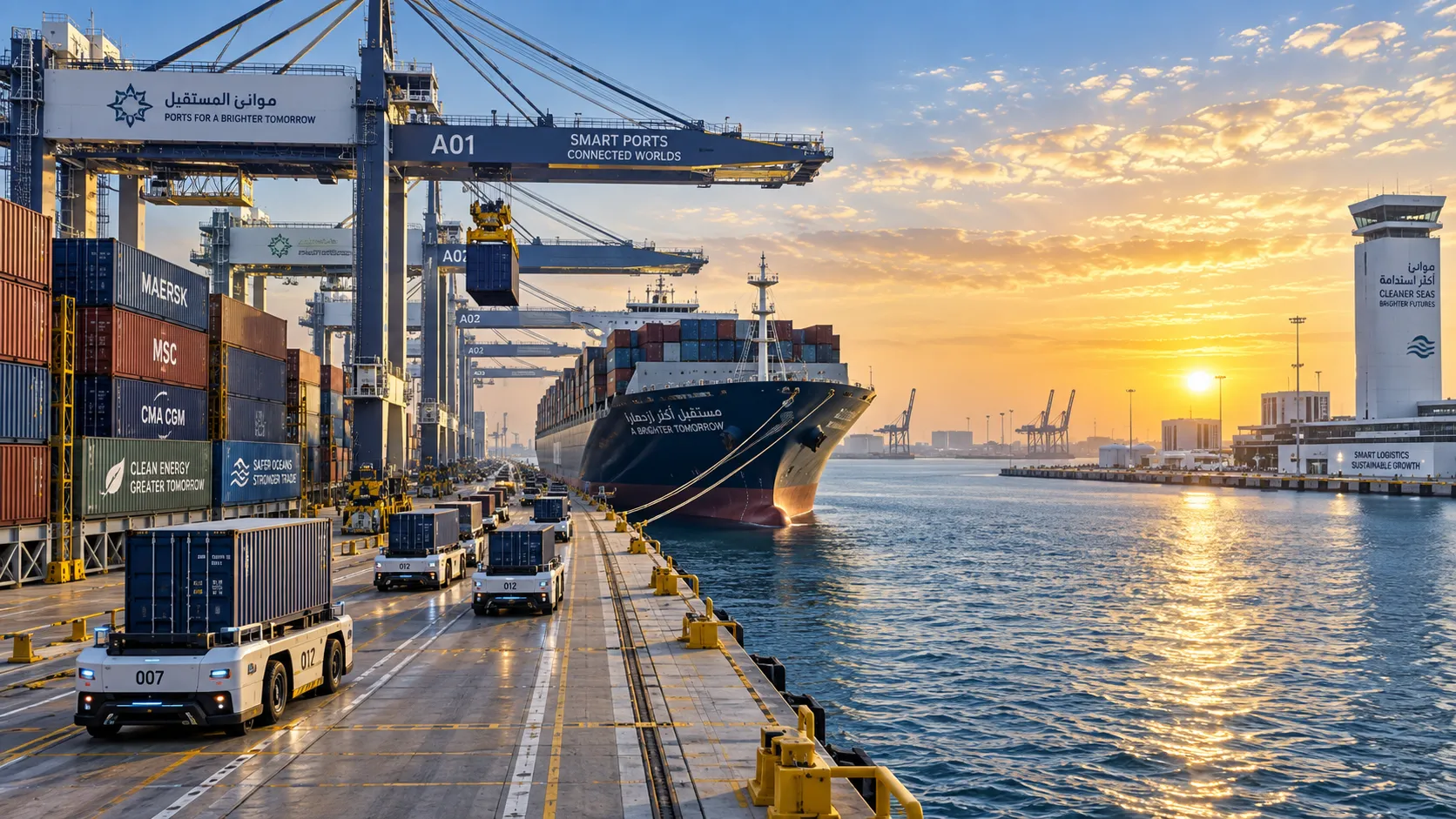
Middle East Port Automation: Key Market Drivers, Projects, and Investment Risks
Port automation systems Middle East: explore market drivers, flagship projects, integration challenges, and investment risks shaping smarter, resilient terminals.
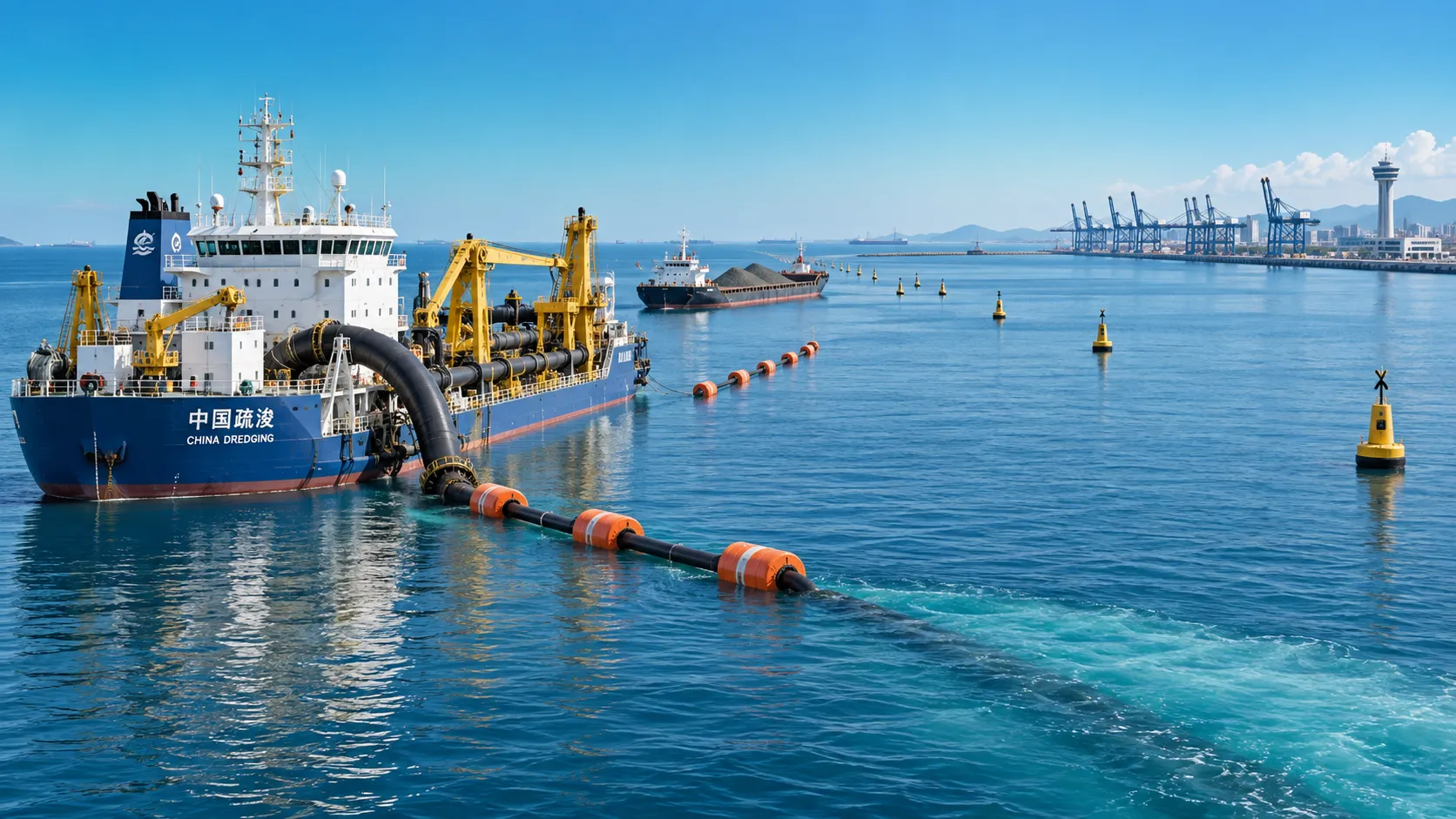
Planning Offshore Dredging Operations: Key Risks, Methods, and Project Controls
Offshore dredging operations demand smart planning. Explore key risks, proven methods, environmental controls, and project strategies for reliable delivery.