
Related News
- 00
0000-00
Smart Port Systems in Southeast Asia: Investment Priorities and Adoption Barriers - 00
0000-00
Middle East Port Automation: Key Market Drivers, Projects, and Investment Risks - 00
0000-00
How Coastal Cities Can Prioritize Blue Economy Projects for Jobs and Ecosystem Gains - 00
0000-00
How Harbor Construction Solutions Address Wave Loads, Scour, and Vessel Berthing - 00
0000-00
What Is Driving Maritime Infrastructure Growth in Southeast Asia?
Port Infrastructure Development Costs: What Buyers Should Evaluate Before Investment
Port infrastructure development starts with the full cost story
Port infrastructure development is rarely decided by the headline construction number alone.
The real investment case depends on lifecycle cost, throughput realism, technology fit, and expansion flexibility.
That matters because port assets tie together civil works, terminal gear, automation logic, dredging, and operating discipline.
A quay extension may look affordable on paper, yet become expensive after power upgrades, channel deepening, and software integration.
In practice, the smarter question is not, “What does this port project cost?”
It is, “What conditions must hold true for this investment to keep paying back?”
That is also why intelligence-led reviews matter.
Platforms such as PS-Nexus track terminal equipment, control systems, dredging engineering, and trade flow signals as one connected decision picture.
For anyone assessing port infrastructure development, that wider view is often the difference between a resilient asset and a costly mismatch.
What actually sits inside port infrastructure development costs?
Many evaluations begin with land, berths, and cranes.
That is too narrow for serious approval.
Port infrastructure development usually combines five cost layers, and each can move independently.
- Marine works, including quay walls, breakwaters, dredging, and berth depth management.
- Terminal equipment, such as ship-to-shore cranes, RTGs, RMGs, bulk handlers, and transfer vehicles.
- Utility systems, including substations, charging networks, fuel systems, drainage, and communications.
- Digital control layers, covering TOS, automation software, scheduling logic, sensors, and cybersecurity.
- Commissioning and readiness, including training, testing, spares, and early-stage productivity losses.
A common mistake is treating automation as a simple equipment add-on.
In reality, automation changes power demand, maintenance skills, redundancy planning, and operating workflows.
The same applies to dredging.
Initial capital may cover channel access, but sediment behavior can create recurring costs that reshape total investment exposure.
A useful review starts by separating one-time build cost from recurring support cost.
Without that split, payback models often look stronger than they really are.
When does a low budget estimate become a high-risk signal?
A low estimate is not always a bargain.
Sometimes it simply means key interfaces were excluded.
The most reliable warning signs appear before contracts are signed.
In actual evaluations, hidden exclusions tend to cluster around software, marine conditions, and utility upgrades.
That is why benchmark intelligence is valuable.
PS-Nexus often frames cost questions through equipment behavior, remote-control protocols, AGV path planning, and dredging monitoring trends.
Those details may seem technical, but they directly affect approval quality.
How should buyers test utilization assumptions before investment?
This is where many port infrastructure development cases become optimistic.
Projected throughput often assumes perfect coordination across berth, yard, gate, and inland links.
Ports do not operate under perfect conditions.
Weather interruptions, labor shifts, channel restrictions, and cargo seasonality change asset use.
A more dependable approach is to test utilization under at least three scenarios.
- Base case: expected vessel mix, normal yard dwell time, and stable inland evacuation.
- Stress case: slower gate flow, weather disruption, and higher berth congestion.
- Expansion case: larger ships, added automation, or adjacent berth development.
If the returns only work in the base case, the structure is fragile.
If returns survive the stress case, the project is more financeable.
It also helps to ask whether throughput gains depend on operator discipline or on engineered capability.
The first is harder to guarantee over time.
The second is easier to validate with equipment specifications, software logic, and berth design constraints.
Does automation reduce cost, or just move it somewhere else?
The honest answer is that automation changes the cost profile.
It can lower labor intensity and improve yard consistency.
It can also raise integration cost, software dependence, and cyber resilience requirements.
For port infrastructure development, the question is not whether automation is fashionable.
The question is whether it matches cargo profile, labor structure, energy strategy, and service expectations.
Remote-controlled cranes, AGVs, and automated stacking systems perform best when the data architecture is mature.
Where communications are weak or process design is fragmented, automation can magnify delays instead of removing them.
A practical screening method is to compare three items together.
- Expected labor savings over ten years.
- Additional software, integration, and redundancy costs.
- Productivity stability under non-ideal operating conditions.
When those three are reviewed together, the economics become much clearer.
That integrated view reflects how PS-Nexus reads the market.
Heavy mechanical power and algorithmic scheduling are no longer separate investment topics.
Which hidden factors most often distort long-term return?
Several hidden factors appear repeatedly in port infrastructure development reviews.
They are not obscure, but they are often underestimated.
Grid capacity and energy transition
Electrified cranes, charging fleets, and low-emission operations need more than equipment procurement.
They require dependable power supply, backup planning, and tariff visibility.
Expansion geometry
Some layouts work for phase one, then become expensive to extend.
Turning radius, yard circulation, rail connection, and berth spacing should be tested early.
Maintenance ecosystem
Advanced equipment needs spare parts strategy, local service capability, and software support continuity.
If support is distant or fragmented, downtime risk rises quickly.
Trade pattern resilience
Port projects depend on shipping lanes, commodity cycles, and regional manufacturing shifts.
A strong return model should still make sense if trade flows rebalance.
These factors explain why a strategic intelligence lens matters in coastal economics.
The decision is not only about building assets.
It is about building assets that remain valuable when operations, regulation, and trade demand shift.
What should be confirmed before approving a port investment?
Before moving forward, it helps to convert the project into a short decision checklist.
Not every item needs perfect certainty, but each needs a defensible answer.
- The cost model separates civil works, equipment, integration, utilities, and recurring dredging.
- The throughput case reflects realistic vessel calls, dwell time, and inland connection limits.
- Automation assumptions are tied to process maturity, not only vendor claims.
- Future phases can be added without major redesign of berth, yard, or power systems.
- Maintenance, software support, and replacement planning are funded beyond commissioning.
- Return sensitivity has been tested against weaker trade volumes and slower ramp-up.
If several items remain unclear, the issue is usually not price alone.
It is decision timing.
A delayed approval with stronger assumptions is often safer than a fast approval based on incomplete scope.
Port infrastructure development rewards discipline.
The most durable projects usually align engineering detail, operating logic, and trade intelligence from the beginning.
The next practical step is to map your project against lifecycle cost drivers, utilization scenarios, and interface risks.
Once those are visible, comparing infrastructure options becomes far more grounded and defensible.
Related News
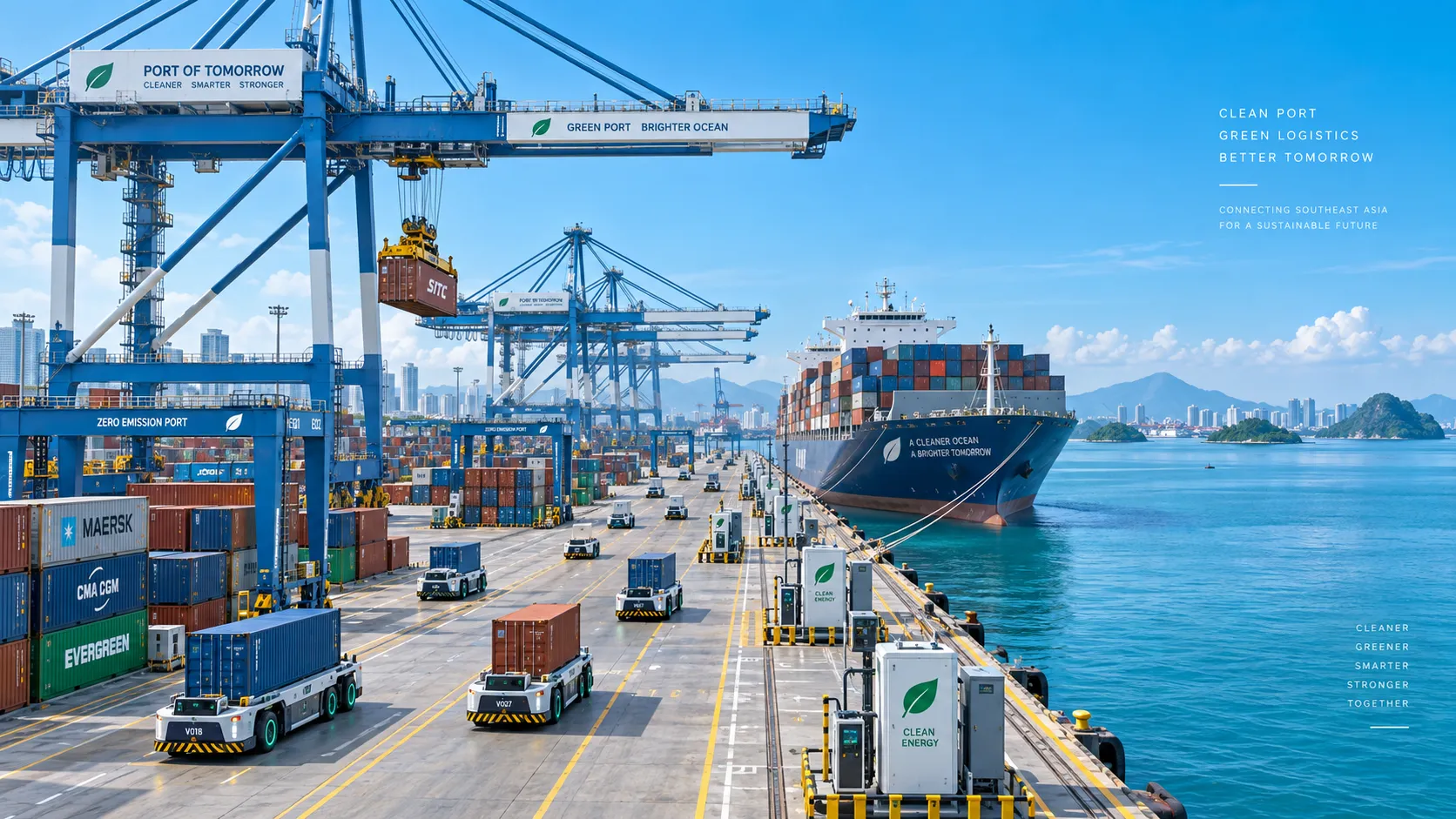
Smart Port Systems in Southeast Asia: Investment Priorities and Adoption Barriers
Smart port systems Southeast Asia: discover investment priorities, adoption barriers, and practical steps to build resilient, connected, high-performing terminals.
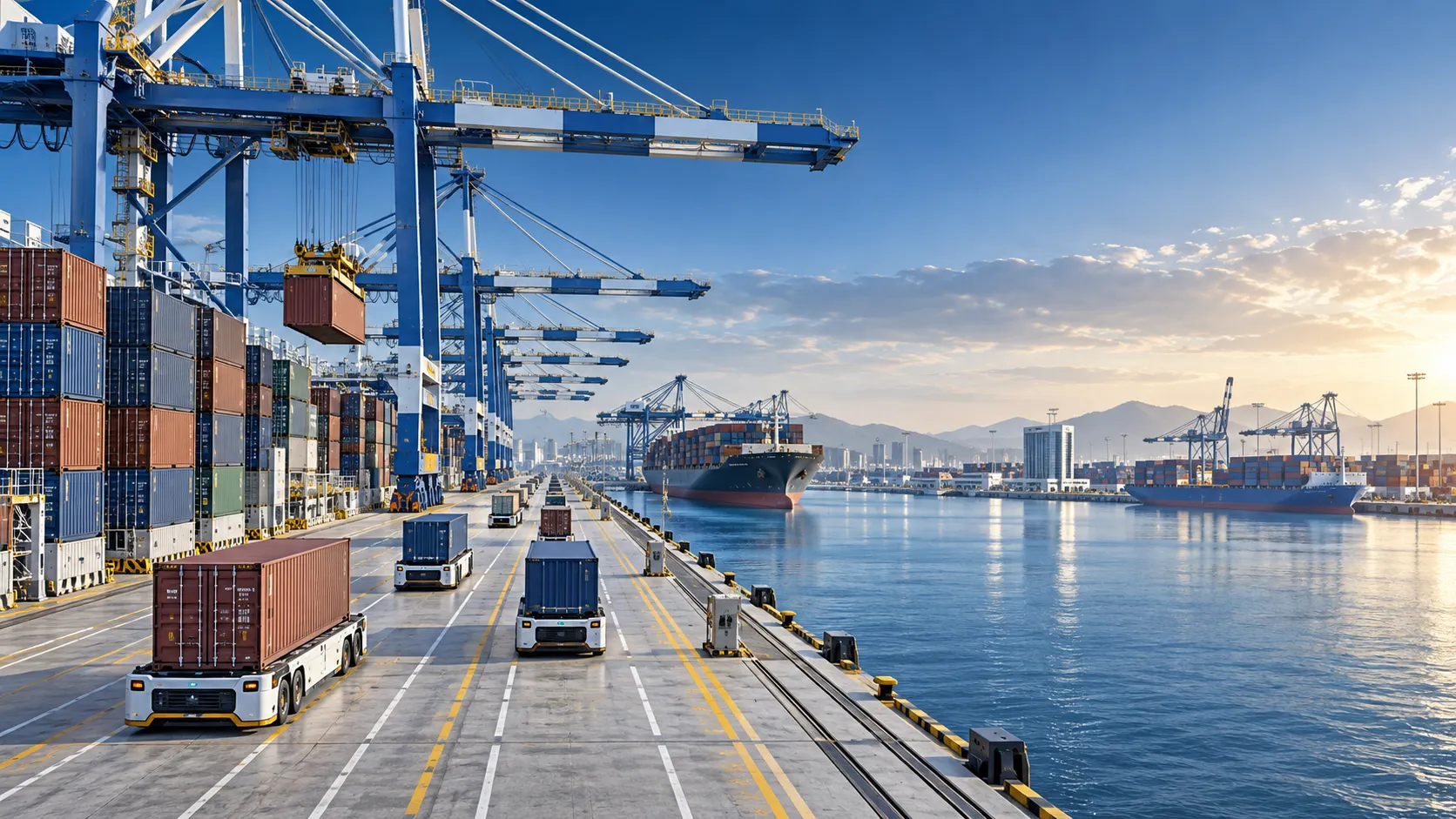
How to Evaluate Terminal Efficiency Solution Suppliers for High-Throughput Operations
Choose a terminal efficiency solutions supplier with confidence. Explore proven criteria for throughput, integration, lifecycle cost, safety, and reliable delivery.
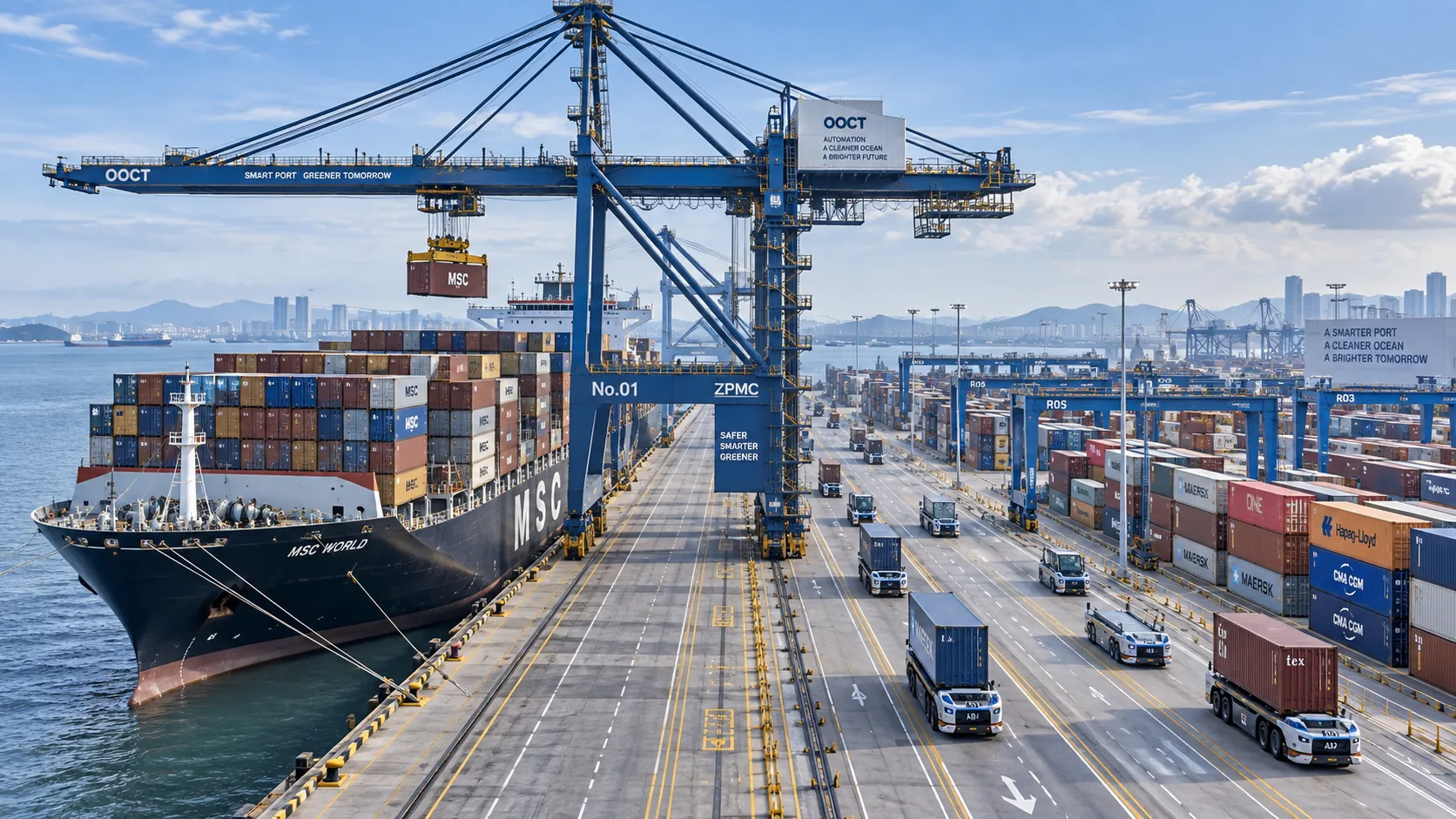
How to Specify a Quay Crane for Container Terminals by Vessel Size and Throughput?
Quay crane for container terminals: learn how to match outreach, lift height, capacity, automation, and cycle performance to vessel size and throughput goals.
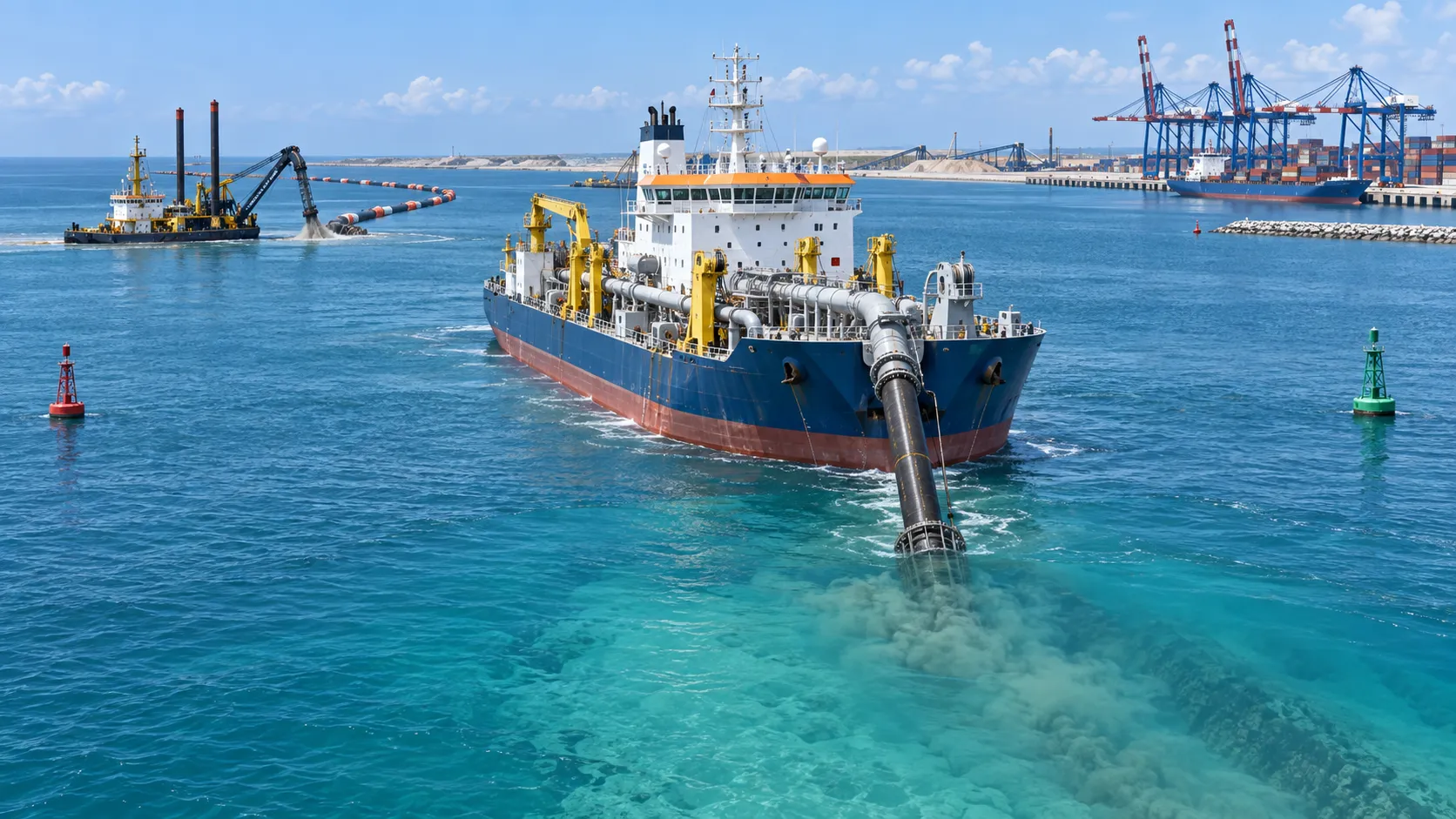
What Dredging Equipment Is Needed for Channel Deepening?
What dredging equipment is needed for channel deepening? Explore dredgers, pipelines, survey tools, and planning strategies for safer, more efficient port access.
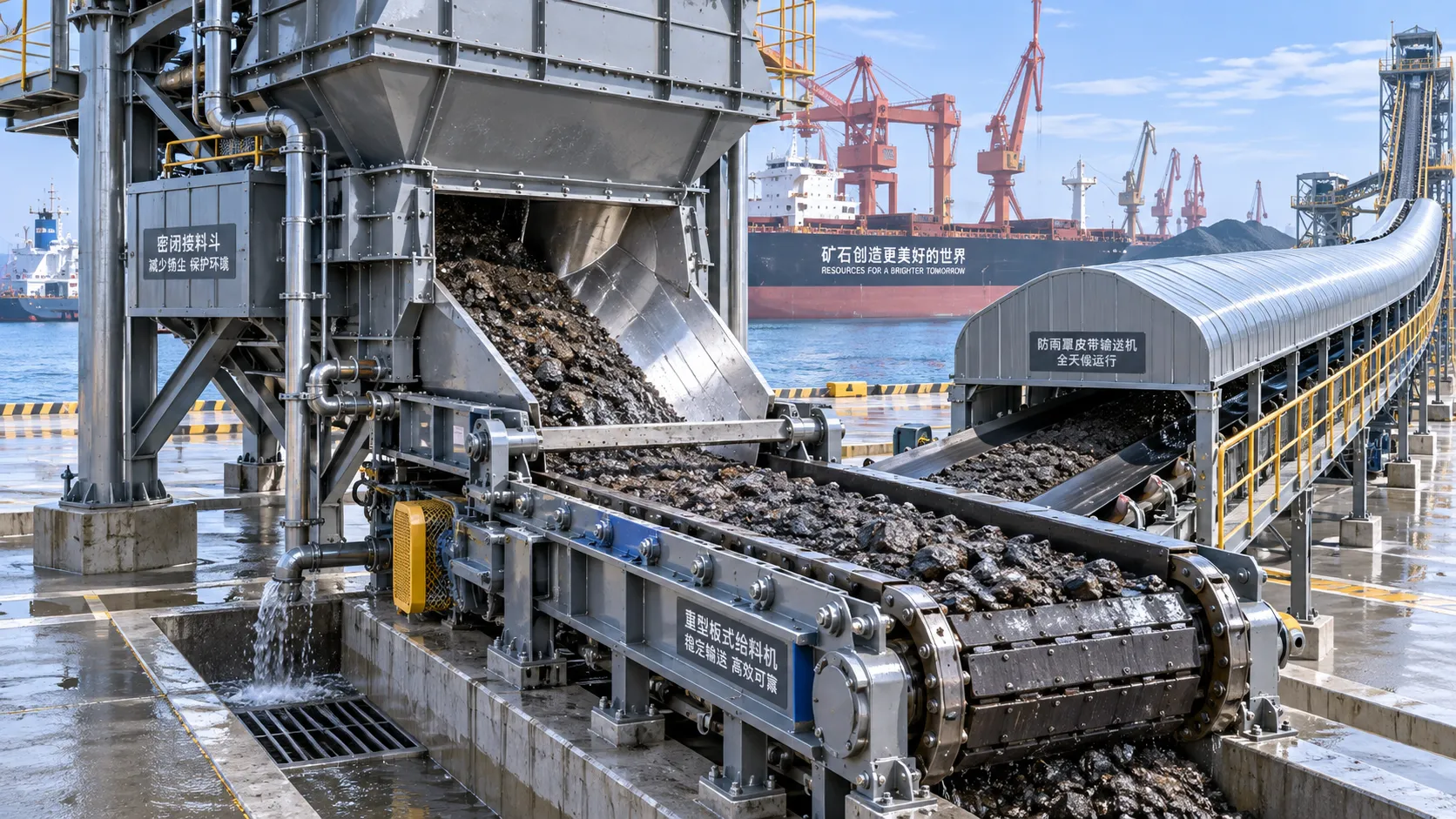
Which Bulk Handling Equipment Suits High-Moisture Cargo?
Which bulk handling equipment suits high-moisture cargo? Compare belt, apron, screw, drag, and slurry systems for reliable flow, less carryback, and higher terminal uptime.
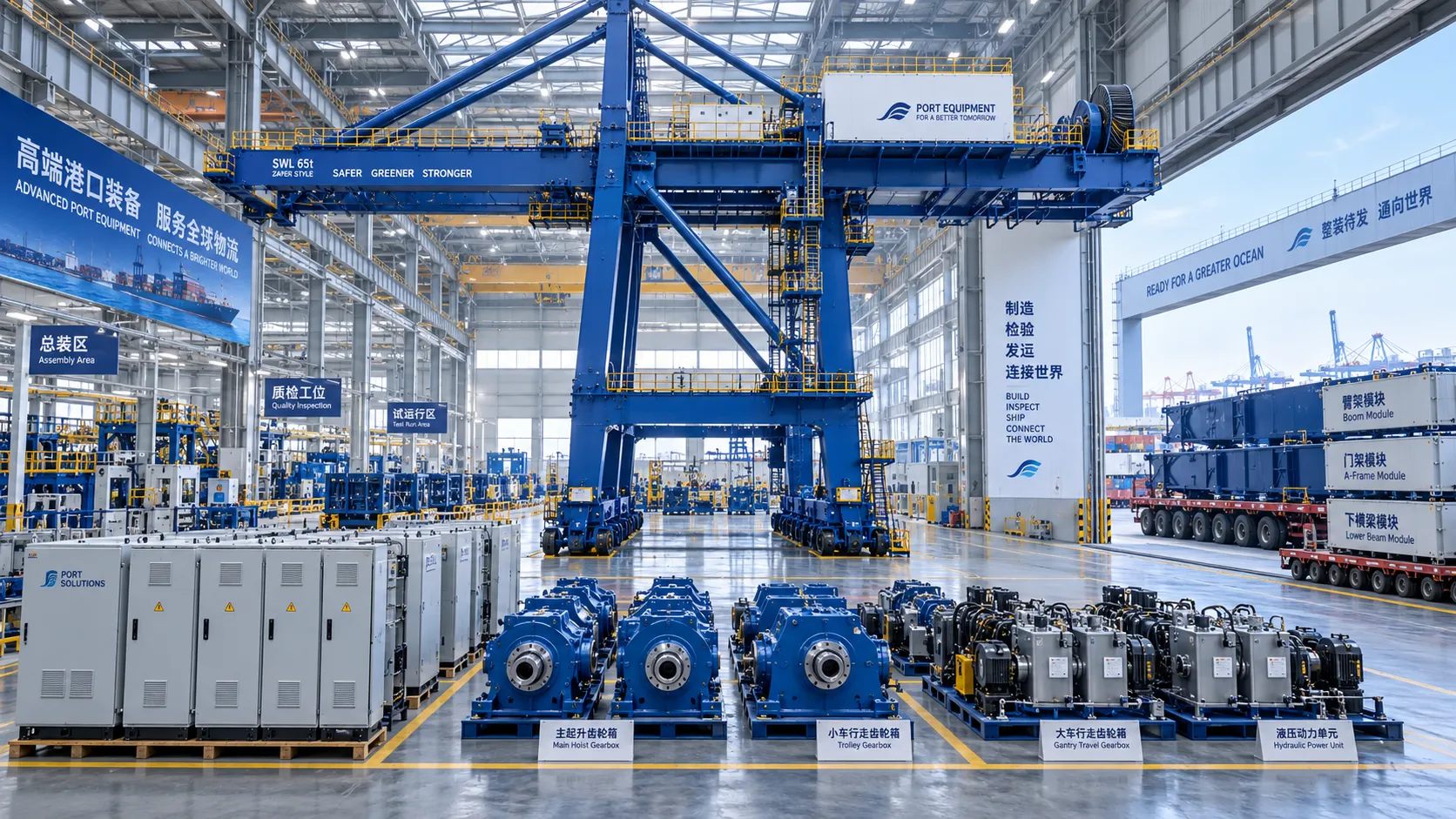
How Can Port Equipment Lead-Time Risk Be Managed?
How can port equipment lead-time risk be managed? Explore practical strategies to control critical paths, suppliers, transport, site readiness, and commissioning delays.
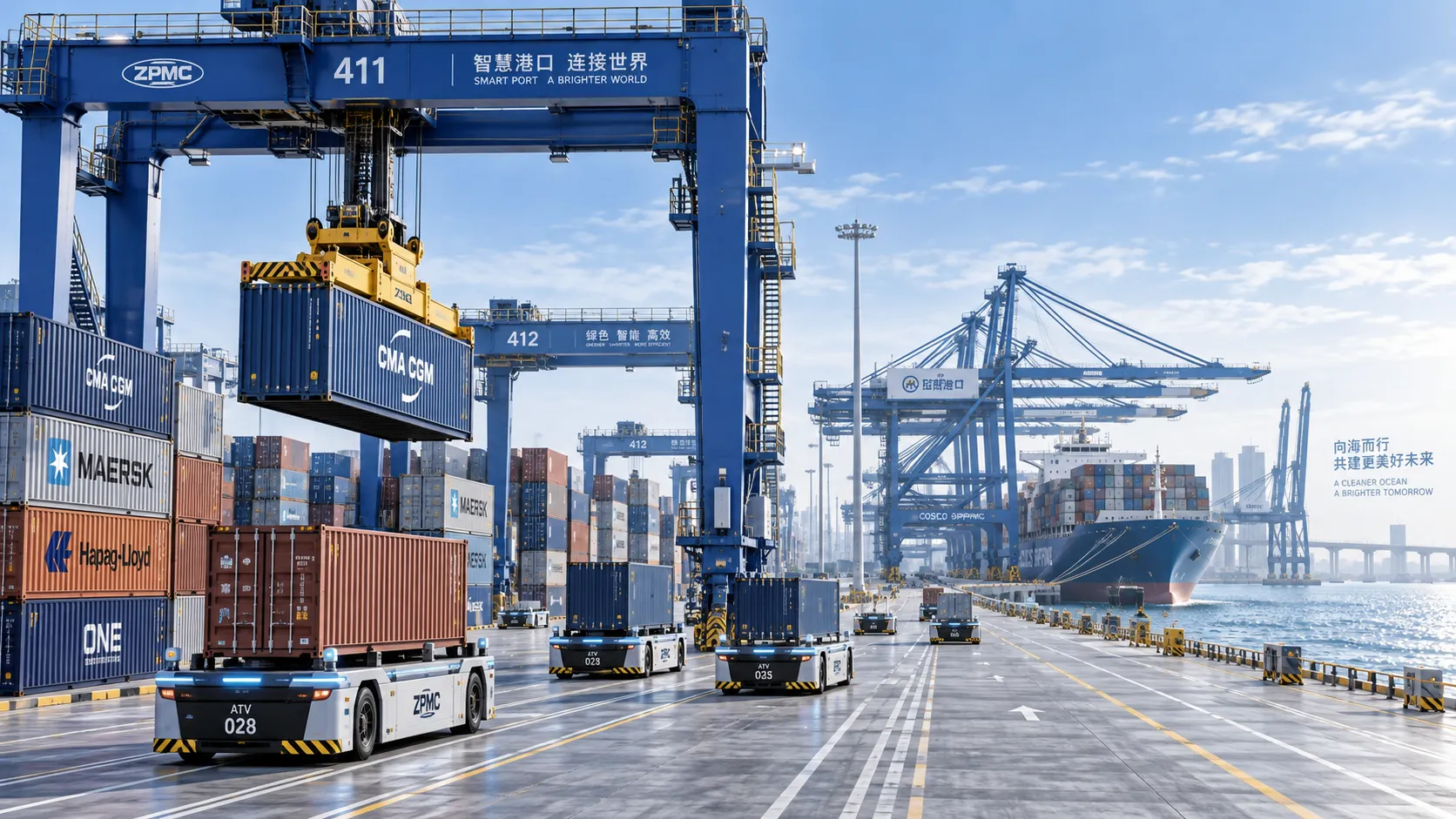
Terminal Automation Technologies That Raise Container Throughput Without Yard Disruption
Terminal automation technology that increases container throughput without disrupting yard flow. Explore smarter integration, resilient workflows, and phased deployment strategies.
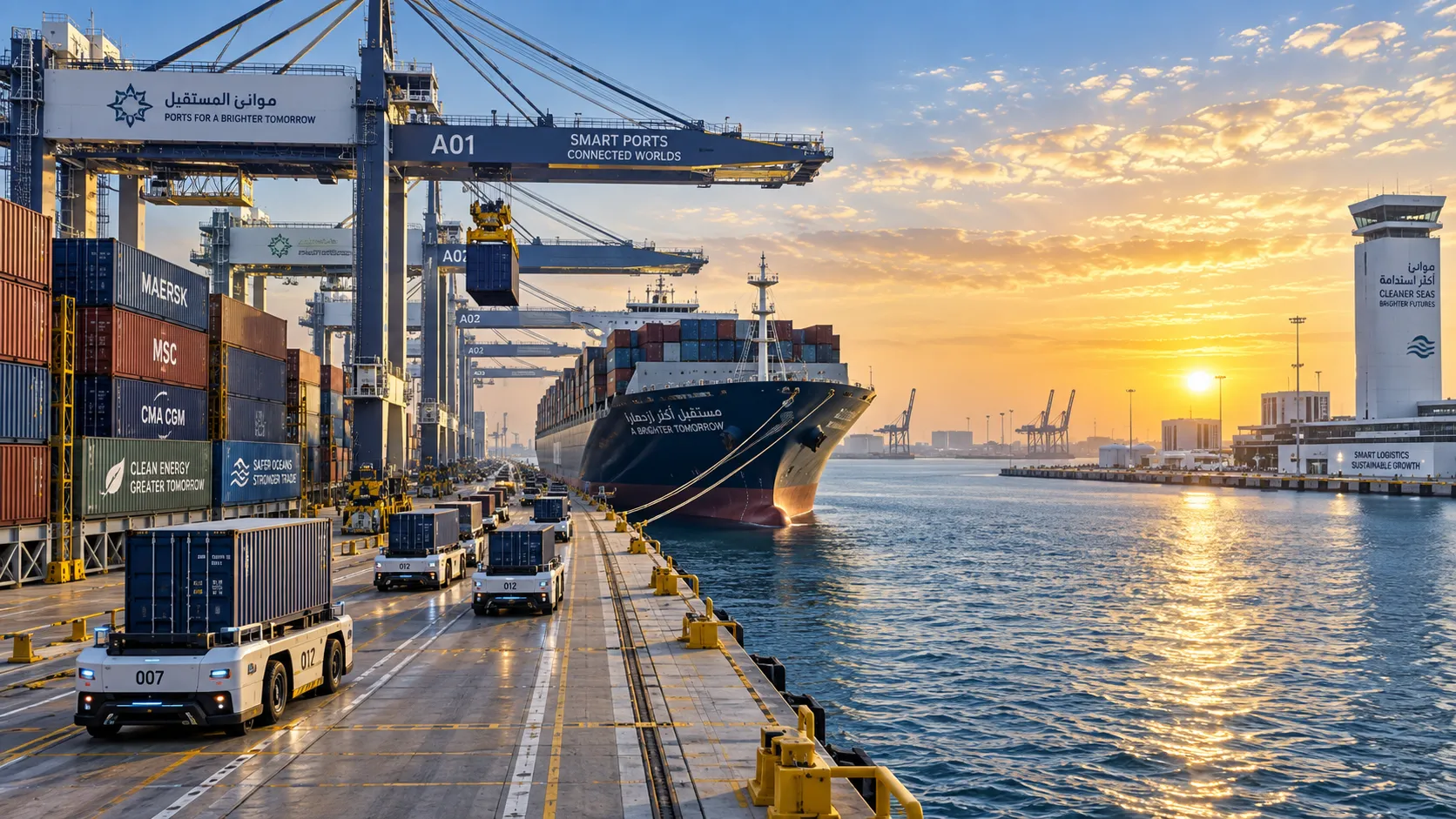
Middle East Port Automation: Key Market Drivers, Projects, and Investment Risks
Port automation systems Middle East: explore market drivers, flagship projects, integration challenges, and investment risks shaping smarter, resilient terminals.
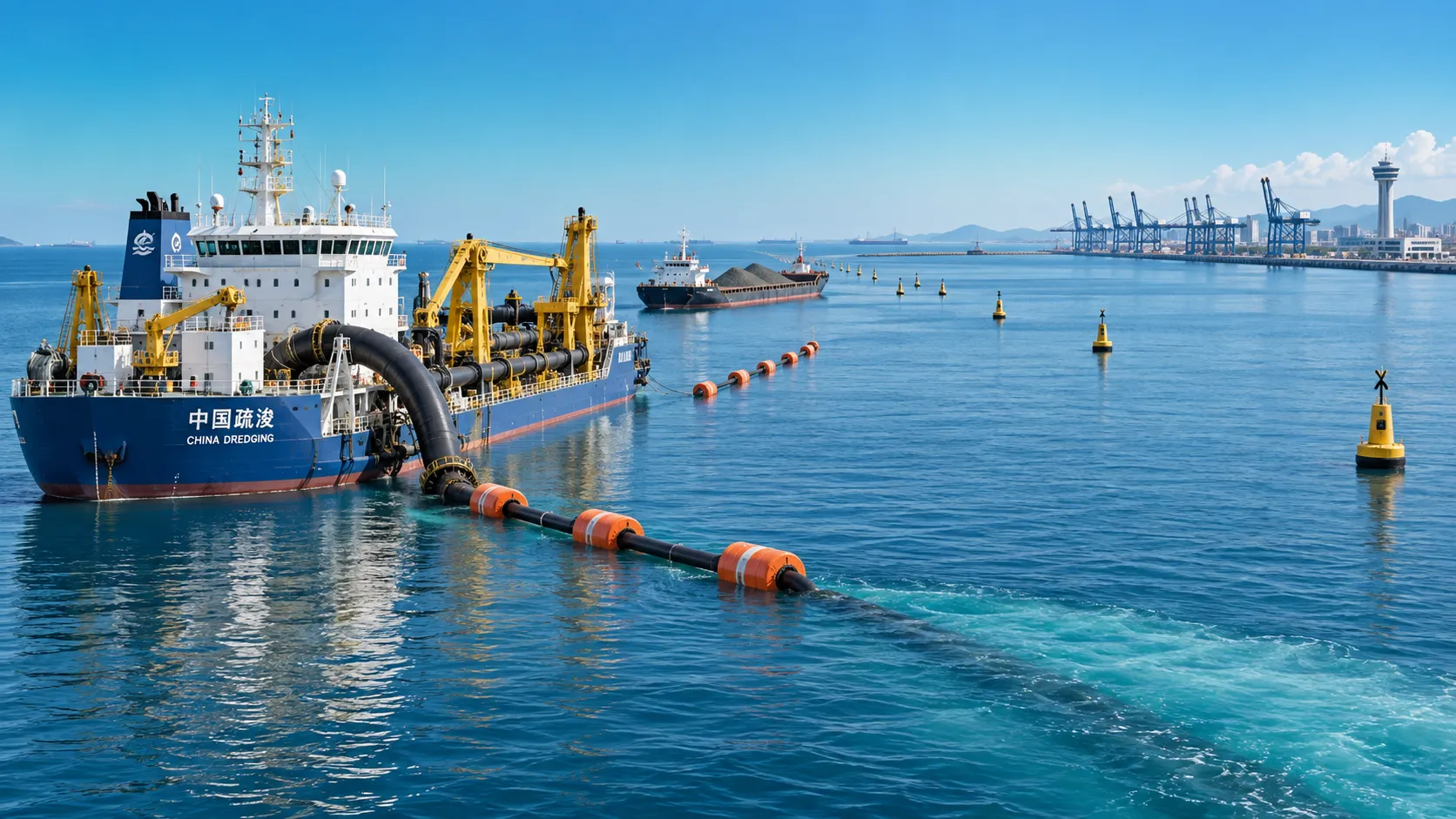
Planning Offshore Dredging Operations: Key Risks, Methods, and Project Controls
Offshore dredging operations demand smart planning. Explore key risks, proven methods, environmental controls, and project strategies for reliable delivery.