Related News
- 00
0000-00
Smart Port Systems in Southeast Asia: Investment Priorities and Adoption Barriers - 00
0000-00
Middle East Port Automation: Key Market Drivers, Projects, and Investment Risks - 00
0000-00
How Coastal Cities Can Prioritize Blue Economy Projects for Jobs and Ecosystem Gains - 00
0000-00
How Harbor Construction Solutions Address Wave Loads, Scour, and Vessel Berthing - 00
0000-00
What Is Driving Maritime Infrastructure Growth in Southeast Asia?
Port Infrastructure Planning: Which Upgrades Improve Throughput and Cut Vessel Delays?
Port Infrastructure Planning: Which Upgrades Improve Throughput and Cut Vessel Delays?
In modern maritime logistics, port infrastructure upgrades are no longer optional for terminals facing congestion, rising vessel calls, and tighter turnaround targets.
The bigger question is not whether to invest, but where each dollar creates the fastest operational gain.
Some projects lift throughput immediately.
Others look impressive on paper yet leave vessel delays mostly unchanged.
Effective port infrastructure planning starts with one principle.
Throughput rises only when the real constraint is removed across berth, yard, gate, channel, and control layers.
That is why strong capital planning combines civil works, equipment, software, and operating discipline.
For ports under pressure, the smartest path is usually phased, measurable, and tied to queue reduction.
Start with the Bottleneck, Not the Budget
A common mistake in port infrastructure programs is chasing the most visible upgrade first.
A new berth adds little if yard dwell time remains high.
Additional cranes help less than expected if vessel windows are missed by poor scheduling.
Good diagnosis usually starts with five operational indicators:
- average vessel waiting time before berthing
- gross crane rate and berth productivity
- yard occupancy and rehandle frequency
- truck turn time at the gate
- channel access limits caused by draft or tidal windows
When these data points are mapped together, the true weak link becomes clearer.
This also makes port infrastructure decisions easier to defend internally.
Teams can move from generic expansion talk to a direct case for delay reduction and asset utilization.
Berth and Quay Upgrades: High Impact When Waterfront Capacity Is Tight
If vessels are queuing offshore, waterfront constraints often deserve first attention.
In this case, port infrastructure improvements around berths can produce direct gains.
Best-fit berth investments
- berth extension to handle larger vessels or two smaller calls at once
- quay strengthening for heavier ship-to-shore cranes
- fender and mooring upgrades to shorten berthing operations
- power, lighting, and utility upgrades supporting round-the-clock operations
These projects matter most when berth occupancy stays consistently high.
They also matter when vessel sizes have outgrown original design assumptions.
Still, berth expansion alone is not a complete port infrastructure strategy.
If crane intensity, yard evacuation, or gate release remain weak, ships may berth faster but still depart late.
Yard Capacity and Flow: Often the Real Throughput Governor
In many container terminals, the yard limits throughput before the quay does.
Once occupancy climbs too high, rehandles multiply, travel paths lengthen, and crane productivity starts to slip.
That is why yard-focused port infrastructure upgrades often deliver strong returns.
Practical yard upgrades
- reconfiguring blocks for better storage density and cleaner traffic lanes
- adding RTGs, RMGs, or automated stacking cranes where move density supports them
- expanding reefer capacity and hazardous cargo segregation zones
- building buffer areas for transshipment peaks and late gate arrivals
From a project delivery view, these upgrades work best with process redesign.
Without better slot planning and dwell control, more yard space can disappear quickly.
A stronger model is to connect physical expansion with operating rules that prioritize faster box circulation.
Automation and Control Systems: The Fastest Gains May Be Digital
Not every throughput problem requires concrete and steel.
In actual operations, digital coordination failures often create hidden delay across the terminal.
This is where smart port infrastructure can outperform larger civil projects on speed and cost.
High-value digital upgrades
- terminal operating system optimization for berth, yard, and gate synchronization
- real-time equipment dispatching for AGVs, trucks, and transfer vehicles
- predictive maintenance tools for cranes, drives, and power systems
- digital twin models for scenario planning and congestion forecasting
Better control logic reduces idle handoffs between assets.
It also improves schedule confidence, which matters when carriers demand tight berth windows.
For PS-Nexus observers, this is a clear trend.
Ports that link mechanical power with algorithmic scheduling usually unlock more reliable throughput than ports upgrading hardware alone.
Dredging and Navigational Access: Essential When the Channel Restricts the Terminal
Some vessel delays begin long before a ship reaches the quay.
If access channels are shallow, narrow, or tide-dependent, terminal efficiency is capped from the outside.
Under those conditions, dredging becomes a core port infrastructure priority.
When dredging has direct throughput value
- larger vessels must wait for tidal windows
- one-way traffic limits arrival and departure sequencing
- sedimentation causes recurring draft restrictions
- turning basins no longer suit modern vessel dimensions
These upgrades often require longer permitting cycles.
Even so, they can reshape service capability for decades.
They also support long-term trade resilience, especially where route competition is intensifying.
Gate, Intermodal, and Landside Links: Delay Often Moves Inland
A terminal can look efficient from the water and still underperform overall.
If trucks queue for hours or rail connections remain fragmented, yard space fills and berth productivity suffers.
That is why landside port infrastructure deserves equal attention.
- automated gate lanes and OCR systems reduce manual checks
- appointment systems smooth truck arrivals across the day
- on-dock rail or improved transfer links lower yard dwell pressure
- staging zones prevent peak-hour spillback into the terminal core
These measures are less glamorous than a new quay.
Still, they often remove daily friction that quietly drives vessel delays upstream.
How to Prioritize Port Infrastructure Upgrades
In practice, the best upgrade sequence is usually not one large project.
It is a staged program matched to operational evidence.
- Measure the current constraint with reliable operational data.
- Test whether process changes can unlock capacity before heavy construction.
- Prioritize upgrades that reduce queue time across multiple assets.
- Check whether each investment shifts the bottleneck elsewhere.
- Phase expansion so benefits appear early while larger works continue.
This approach lowers project risk.
It also improves stakeholder confidence because each step is tied to visible service improvement.
What Usually Delivers the Best Return?
There is no single answer for every terminal.
But patterns are clear across recent port infrastructure programs.
If berth occupancy is saturated, quay and berth upgrades usually matter most.
If yard congestion is chronic, storage flow and automation become the stronger lever.
If schedules break down despite available assets, control systems often provide the fastest win.
If channels restrict vessel access, dredging can unlock the entire terminal system.
And if inland evacuation is unstable, gate and intermodal upgrades protect throughput better than adding waterfront capacity alone.
Final Takeaway
The strongest port infrastructure strategy is not the biggest construction plan.
It is the one that removes the true operating constraint with the least wasted capital.
For ports pursuing faster vessel turnaround, the winning formula is usually integrated.
Combine physical expansion, automation, dredging, and smarter scheduling in the right sequence.
From there, port infrastructure stops being a broad capital theme and becomes a practical throughput engine.
That is the shift that cuts vessel delays, protects service reliability, and supports long-term competitiveness in a volatile trade environment.
Related News
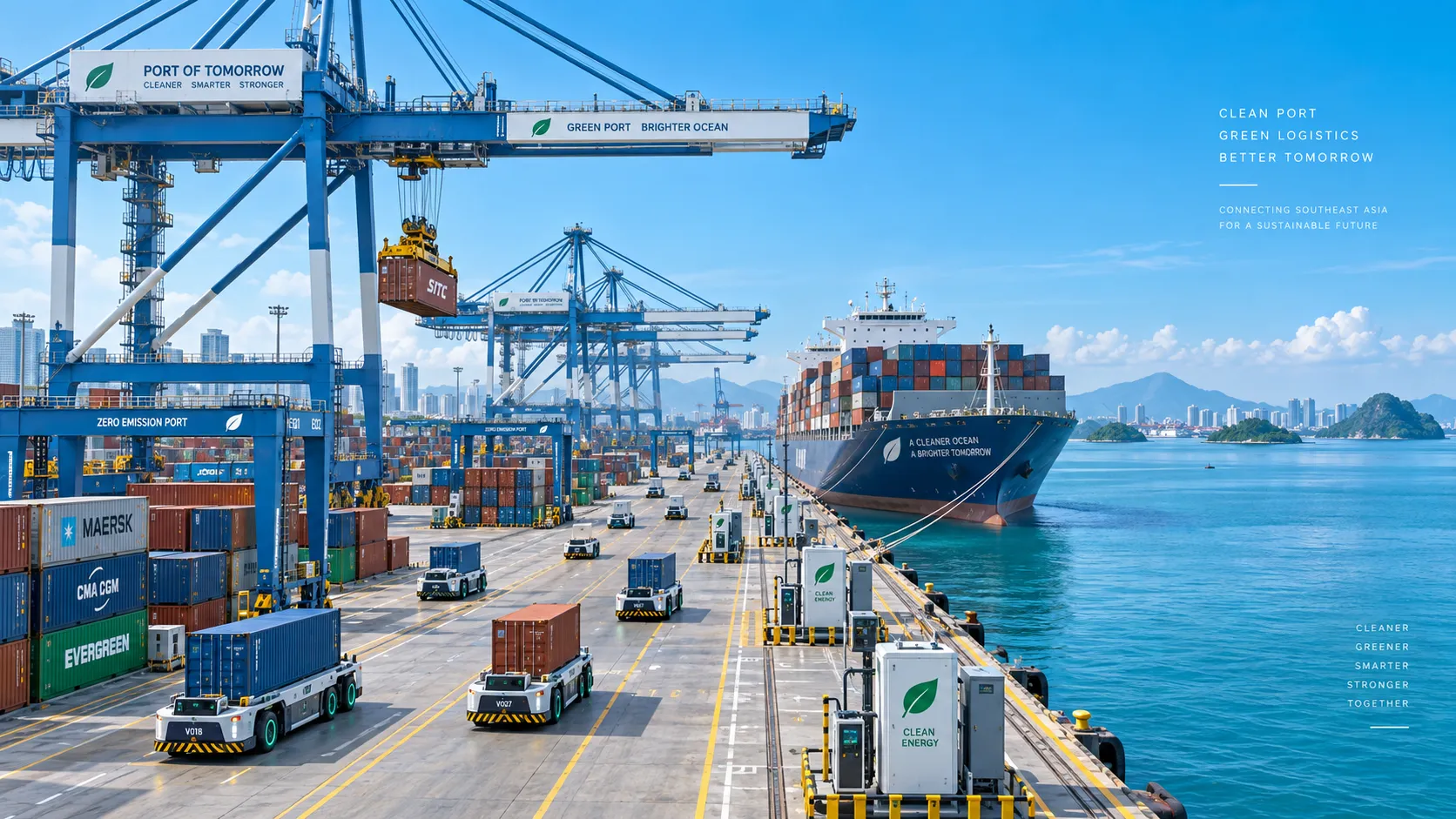
Smart Port Systems in Southeast Asia: Investment Priorities and Adoption Barriers
Smart port systems Southeast Asia: discover investment priorities, adoption barriers, and practical steps to build resilient, connected, high-performing terminals.
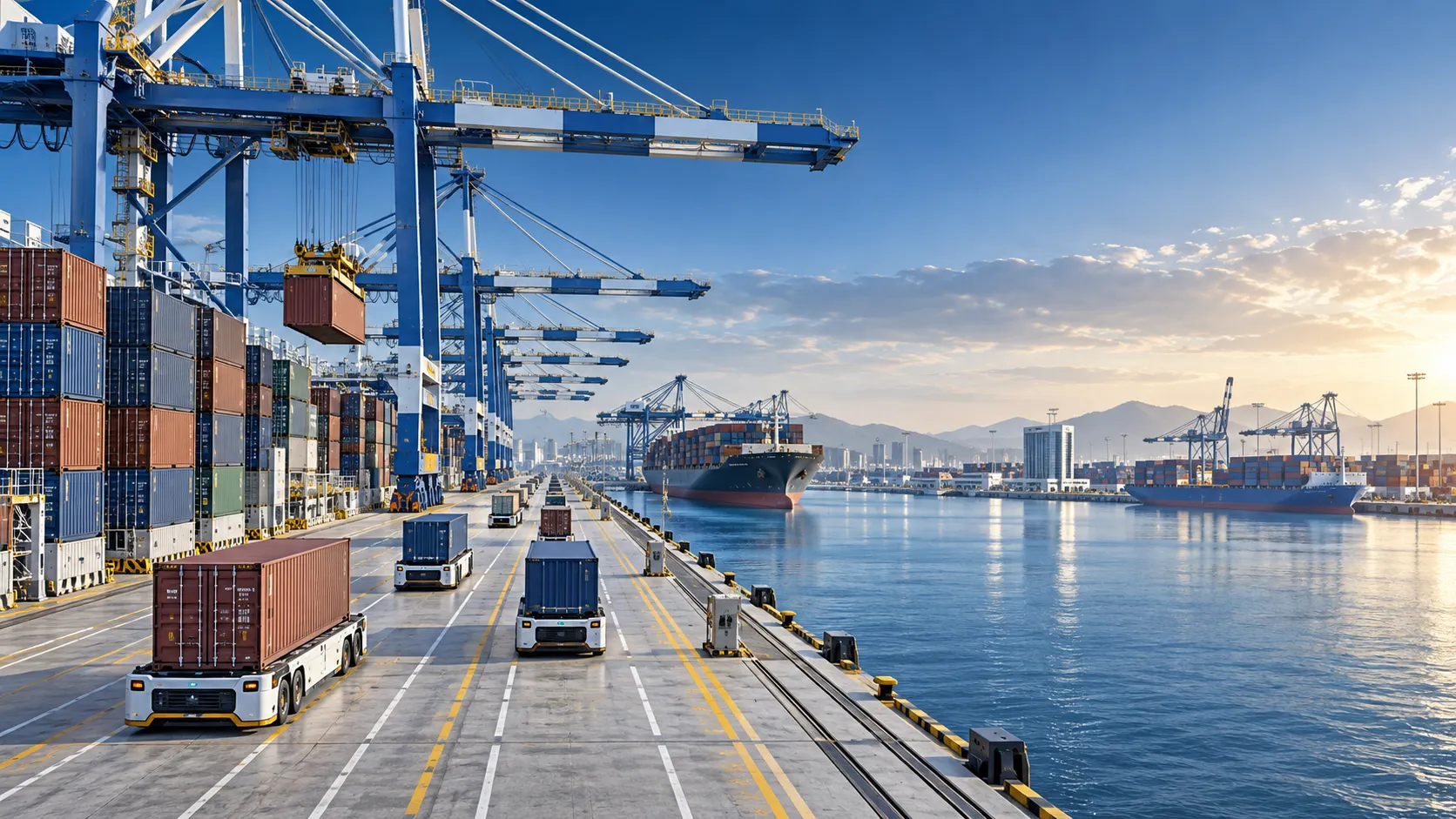
How to Evaluate Terminal Efficiency Solution Suppliers for High-Throughput Operations
Choose a terminal efficiency solutions supplier with confidence. Explore proven criteria for throughput, integration, lifecycle cost, safety, and reliable delivery.
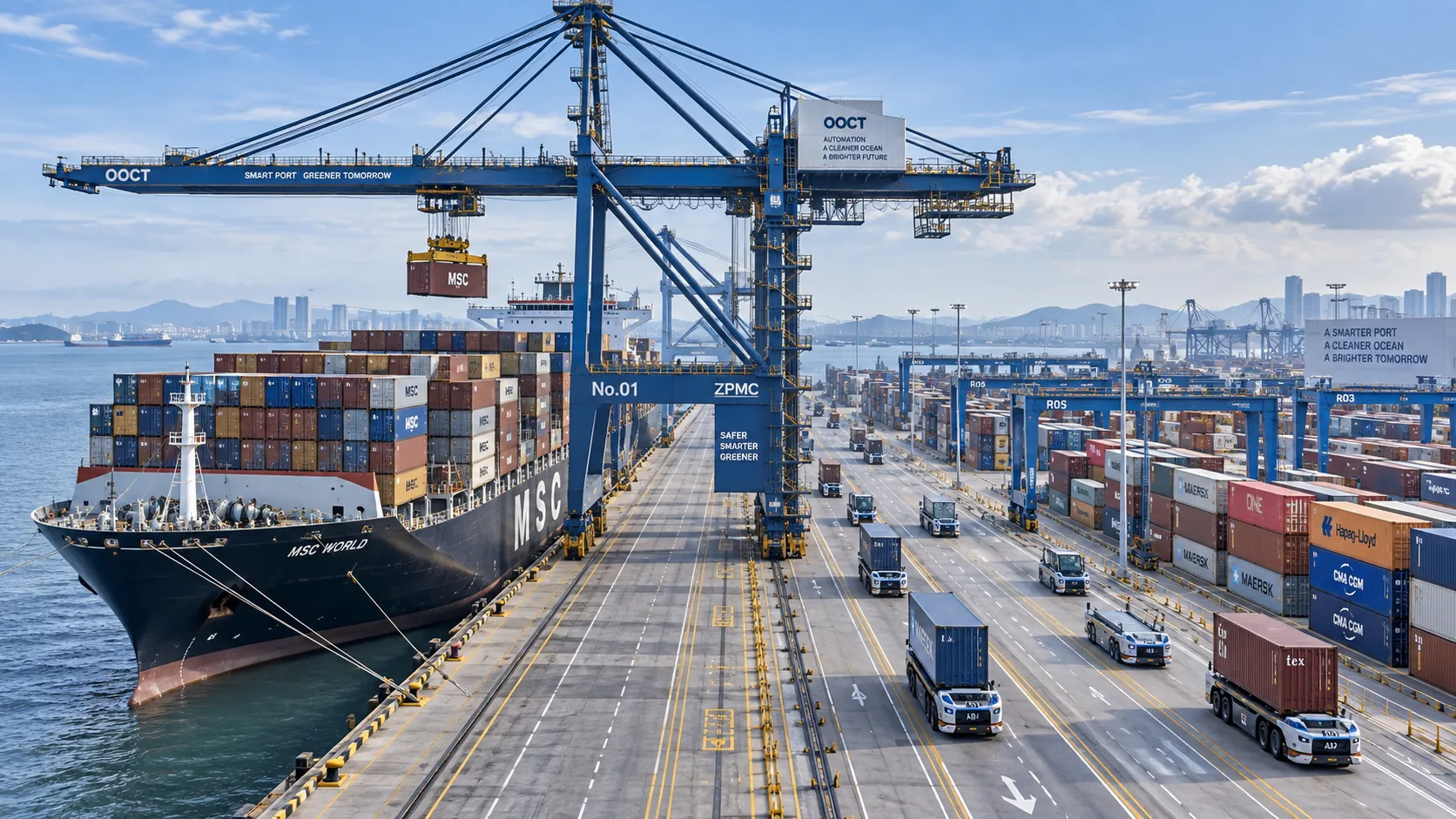
How to Specify a Quay Crane for Container Terminals by Vessel Size and Throughput?
Quay crane for container terminals: learn how to match outreach, lift height, capacity, automation, and cycle performance to vessel size and throughput goals.
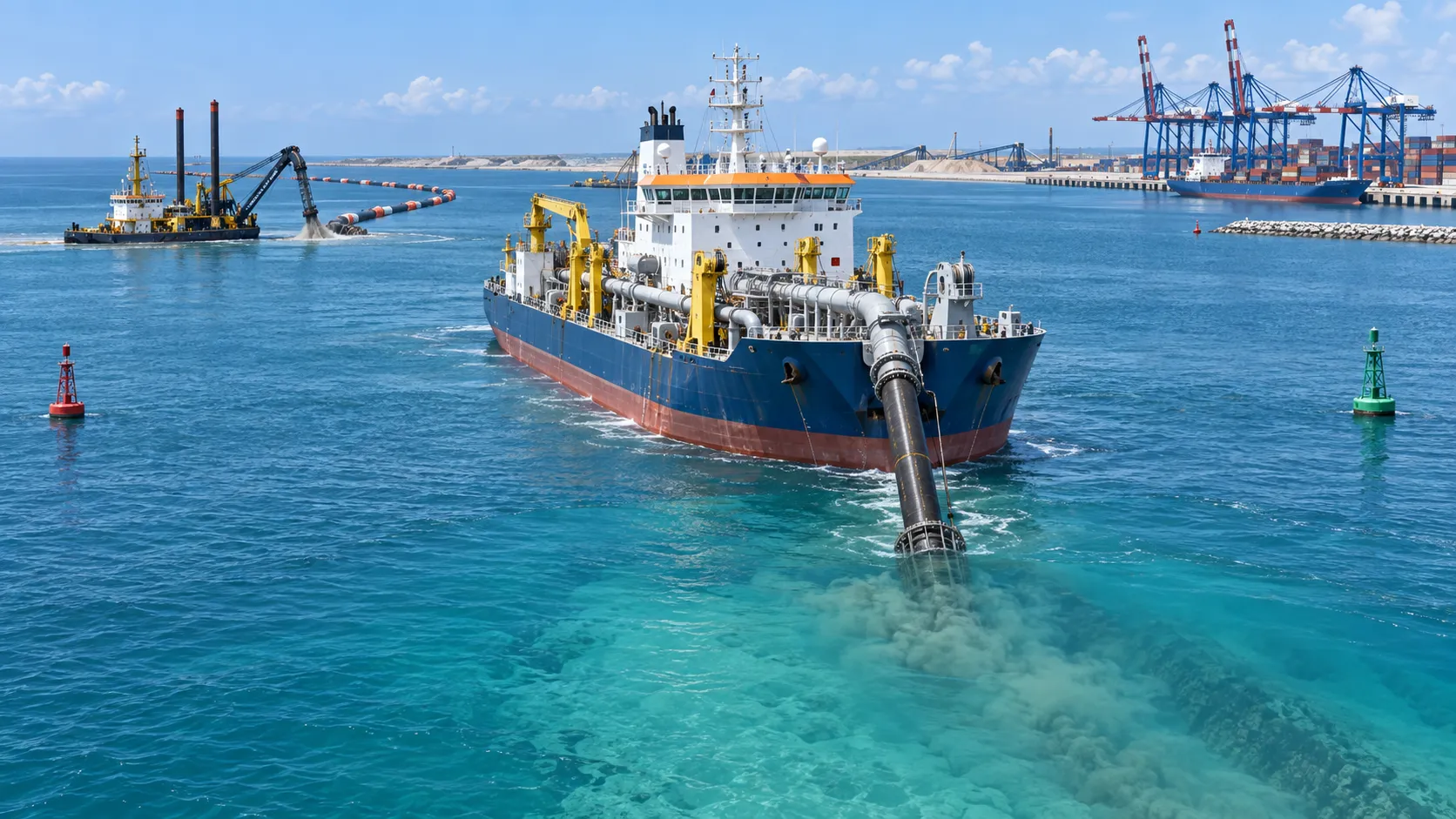
What Dredging Equipment Is Needed for Channel Deepening?
What dredging equipment is needed for channel deepening? Explore dredgers, pipelines, survey tools, and planning strategies for safer, more efficient port access.
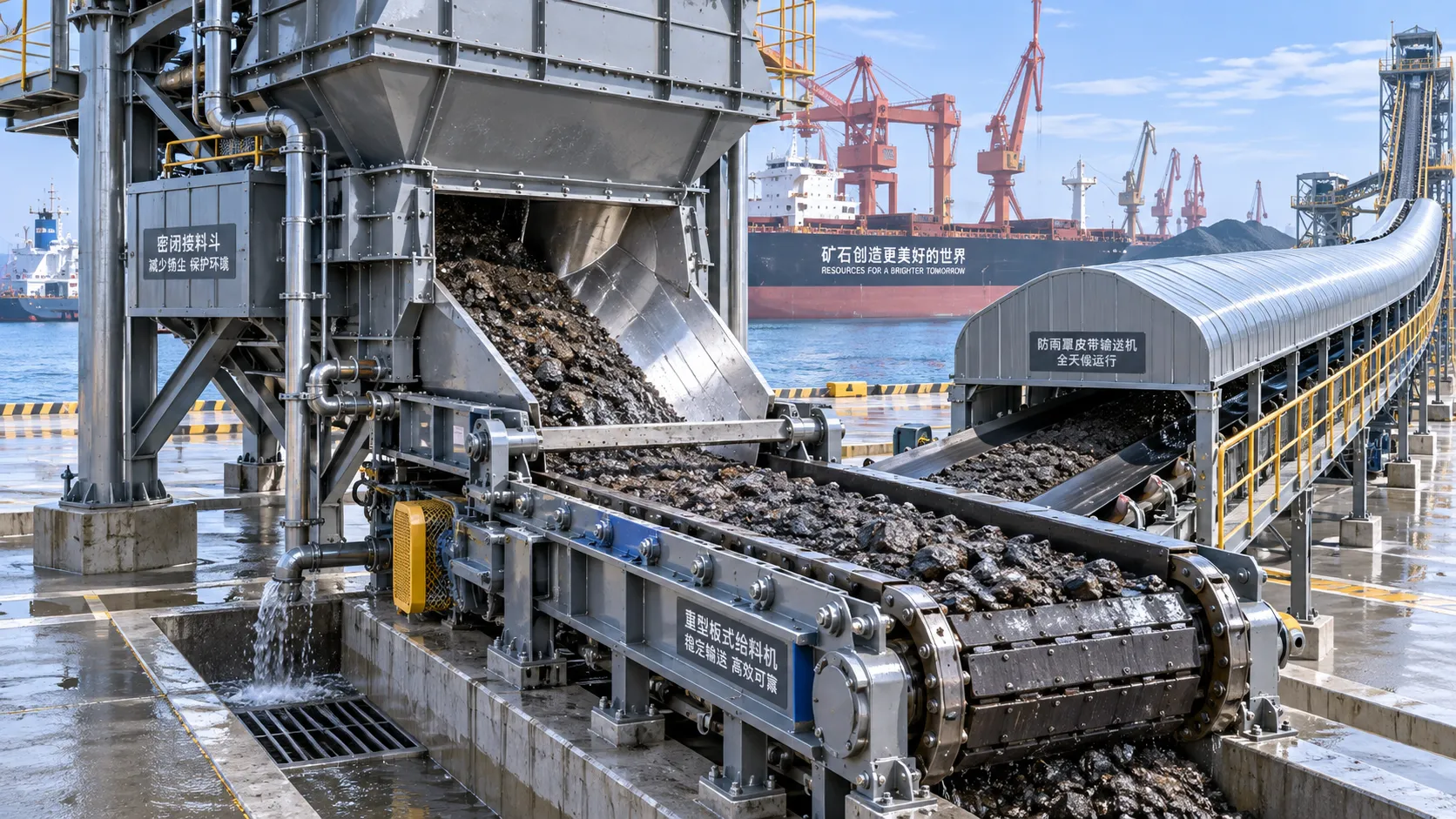
Which Bulk Handling Equipment Suits High-Moisture Cargo?
Which bulk handling equipment suits high-moisture cargo? Compare belt, apron, screw, drag, and slurry systems for reliable flow, less carryback, and higher terminal uptime.
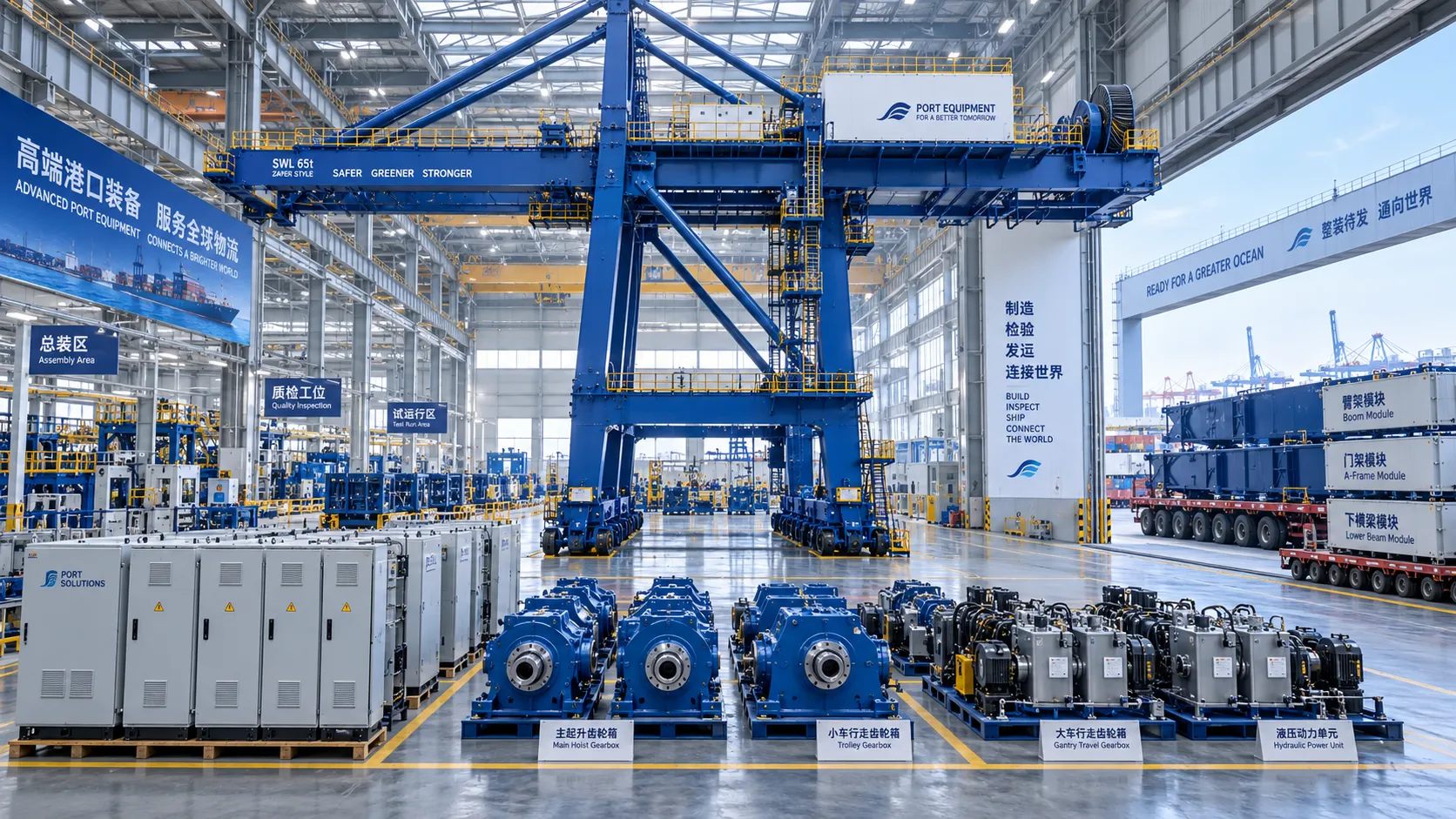
How Can Port Equipment Lead-Time Risk Be Managed?
How can port equipment lead-time risk be managed? Explore practical strategies to control critical paths, suppliers, transport, site readiness, and commissioning delays.
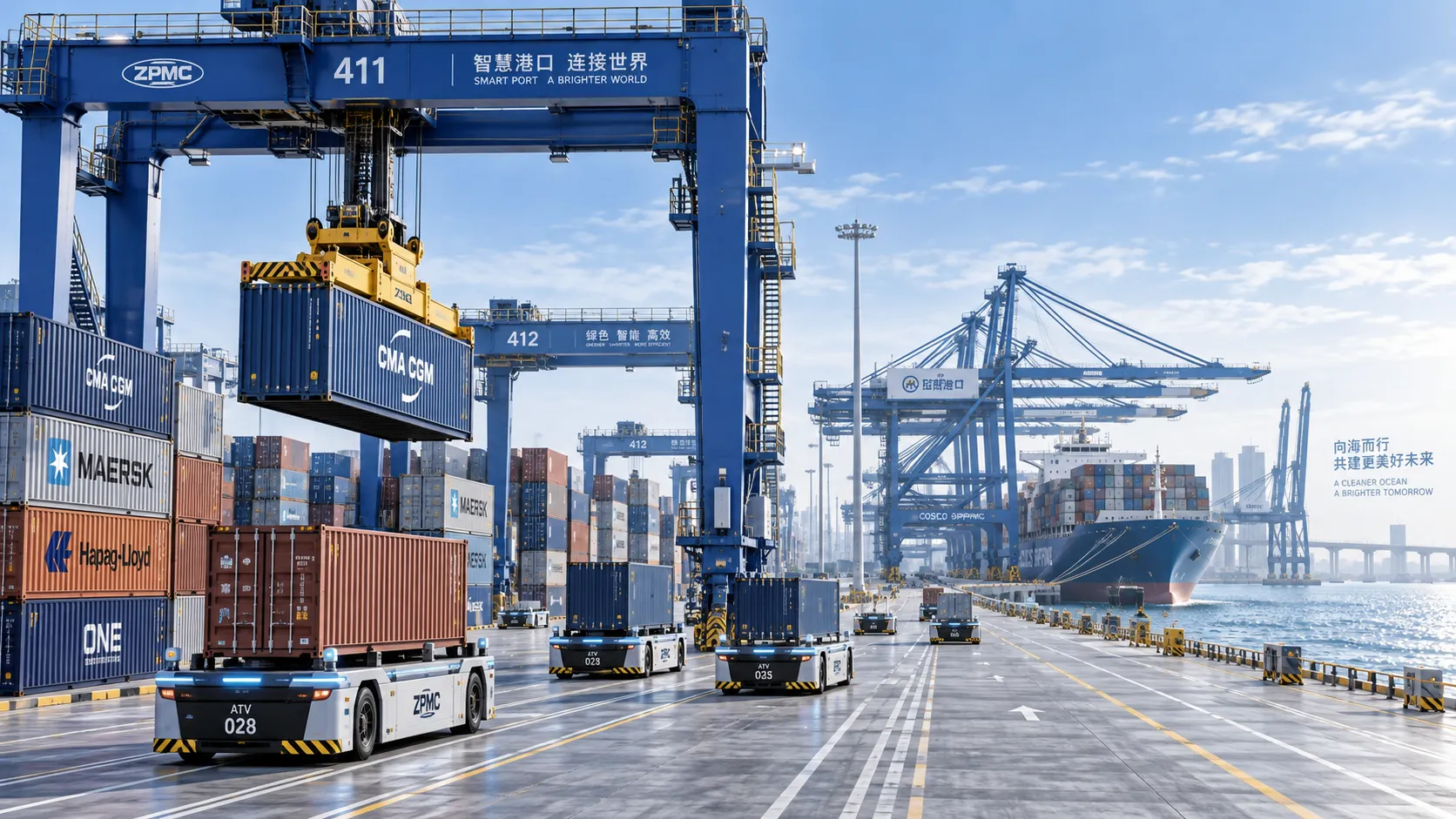
Terminal Automation Technologies That Raise Container Throughput Without Yard Disruption
Terminal automation technology that increases container throughput without disrupting yard flow. Explore smarter integration, resilient workflows, and phased deployment strategies.
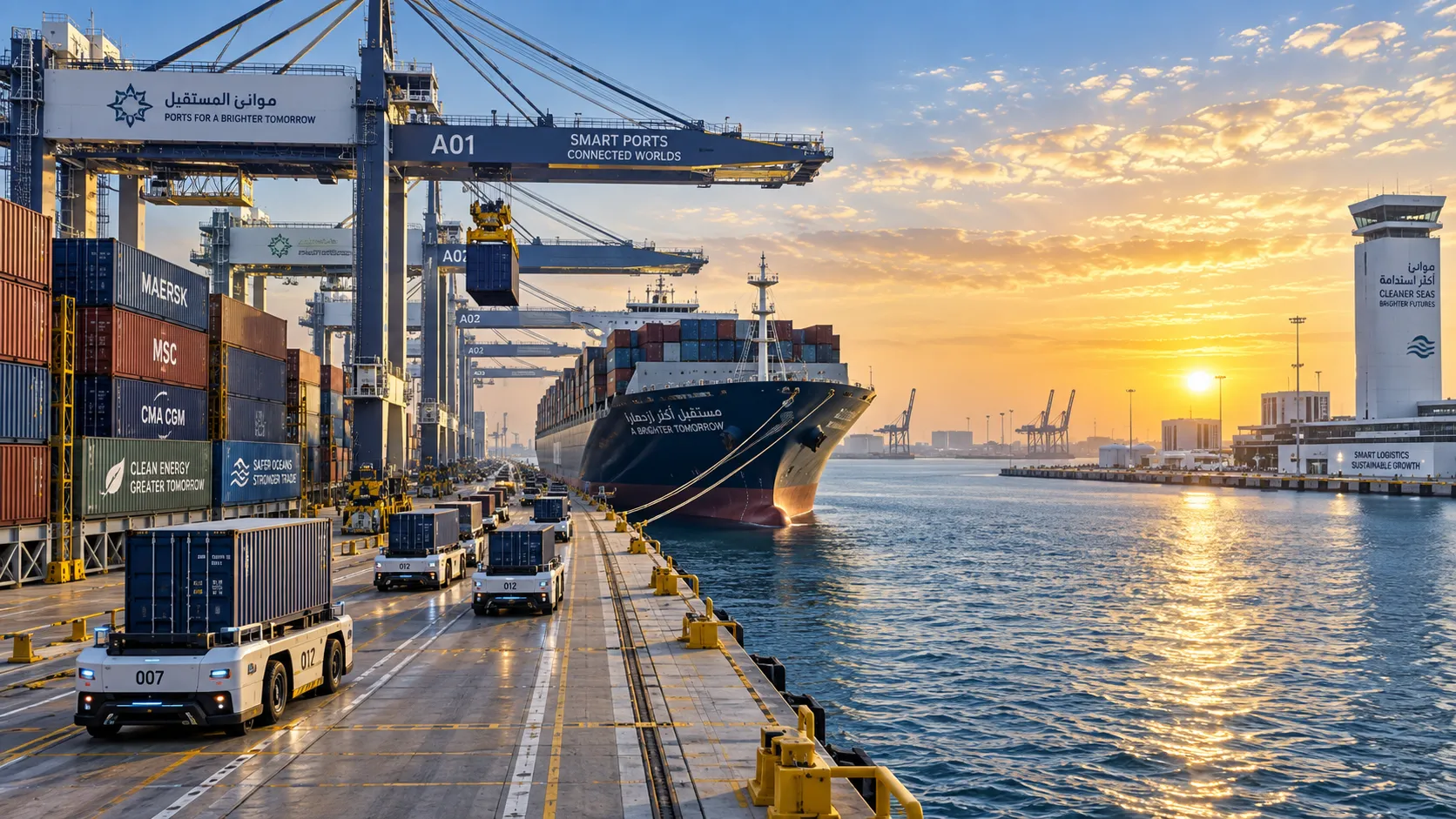
Middle East Port Automation: Key Market Drivers, Projects, and Investment Risks
Port automation systems Middle East: explore market drivers, flagship projects, integration challenges, and investment risks shaping smarter, resilient terminals.
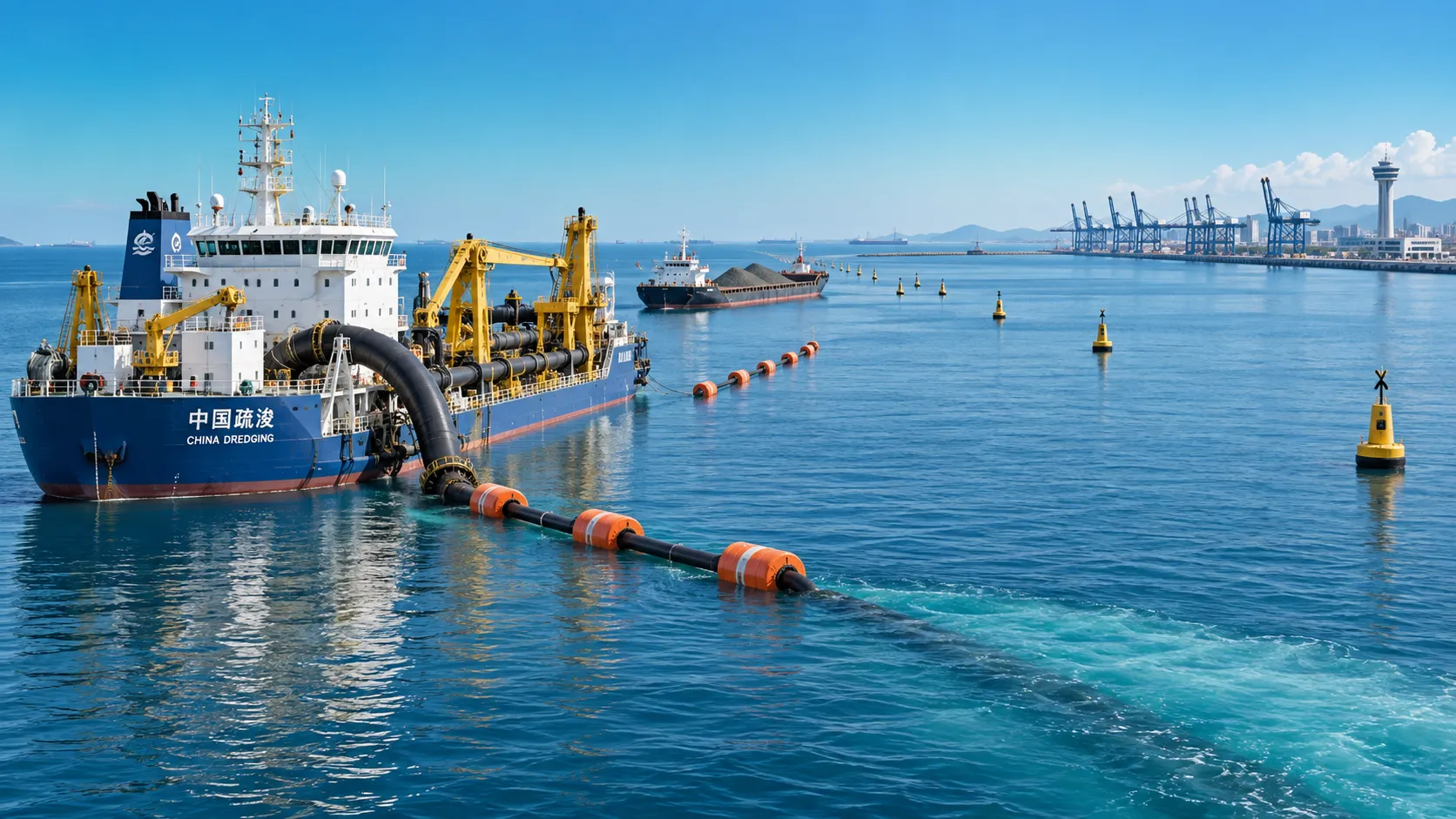
Planning Offshore Dredging Operations: Key Risks, Methods, and Project Controls
Offshore dredging operations demand smart planning. Explore key risks, proven methods, environmental controls, and project strategies for reliable delivery.