Related News
- 00
0000-00
Smart Port Systems in Southeast Asia: Investment Priorities and Adoption Barriers - 00
0000-00
Middle East Port Automation: Key Market Drivers, Projects, and Investment Risks - 00
0000-00
How Coastal Cities Can Prioritize Blue Economy Projects for Jobs and Ecosystem Gains - 00
0000-00
How Harbor Construction Solutions Address Wave Loads, Scour, and Vessel Berthing - 00
0000-00
What Is Driving Maritime Infrastructure Growth in Southeast Asia?
Bulk Cargo Handling Trends: What Rising Throughput Means for Equipment Planning
Rising port volumes are changing the meaning of equipment planning. In bulk cargo handling, throughput is no longer just an operating metric. It now shapes capital timing, maintenance strategy, automation priorities, and risk tolerance across terminals, inland transfer points, and marine logistics networks.
That shift matters because higher tonnage does not automatically create higher efficiency. It can expose weak links in reclaiming, conveying, stockyard balancing, berth productivity, and digital coordination. For organizations tracking maritime logistics closely, the question is not only how much cargo moves, but how reliably the system absorbs volume growth.
Seen through the PS-Nexus lens, bulk cargo handling sits at the intersection of heavy machinery, control logic, and trade strategy. Equipment choices increasingly reflect broader pressures around energy transition, supply chain resilience, labor availability, emissions performance, and asset life-cycle economics.
Why throughput growth changes the planning conversation
In practical terms, throughput growth means more than bigger piles and busier berths. It changes how often equipment cycles, how quickly bottlenecks appear, and how little room remains for unplanned downtime.
Bulk cargo handling systems are highly interconnected. A faster ship unloader can create congestion if conveyors, stackers, train loading, or yard routing cannot keep pace. One upgrade may improve local output while reducing system stability elsewhere.
This is why rising throughput pushes planning upward. Equipment decisions now affect vessel turnaround, customer service levels, safety exposure, energy use, and long-term infrastructure flexibility. The topic belongs in strategic reviews, not only maintenance meetings.
What bulk cargo handling includes in modern terminals
Bulk cargo handling covers the movement, storage, transfer, and loading of commodities such as coal, ores, grain, fertilizers, aggregates, biomass, and industrial minerals. Each flow has distinct density, moisture, dust, abrasion, and contamination requirements.
The equipment mix often includes grab unloaders, continuous ship unloaders, hoppers, belt conveyors, stackers, reclaimers, wagon tipplers, loaders, feeders, dust suppression systems, and terminal control software. In many locations, the real performance limit lies between these assets, not within a single machine.
That is one reason intelligence platforms such as PS-Nexus emphasize both hardware and scheduling logic. Mechanical power sets the physical ceiling, but coordination determines whether that ceiling is reached consistently.
The main trends shaping equipment decisions
From peak capacity to balanced system design
A common planning mistake is buying for headline speed. In bulk cargo handling, peak nameplate capacity can be misleading if downstream assets cannot sustain similar rates. More operators are now modeling system throughput under realistic duty cycles.
This leads to a broader design question: where should spare capacity sit? Some prefer redundancy at the berth. Others prioritize yard flexibility or discharge continuity. The answer depends on cargo mix, vessel profile, rail links, and weather disruption patterns.
Automation moving from pilot stage to operating requirement
Throughput growth is accelerating adoption of automation in bulk cargo handling. Remote monitoring, automated sequencing, smart interlocks, and predictive scheduling reduce reaction time when volumes spike or cargo windows tighten.
This does not always mean a fully unmanned terminal. In many projects, the first gain comes from visibility rather than autonomy. Better data on queue conditions, transfer rates, belt loading, and machine health often unlocks more value than a dramatic equipment replacement.
Maintenance becoming a throughput protection function
As tonnage rises, maintenance planning shifts from a support activity to a commercial safeguard. Wear parts reach thresholds faster. Shutdown windows shrink. A failure during a tight shipping slot can affect demurrage, downstream contracts, and reputation.
That is why condition monitoring is becoming central in bulk cargo handling. Sensors, digital diagnostics, and trend analysis help schedule interventions before they turn into flow interruptions.
Energy and emissions entering asset comparisons
Net-zero commitments are influencing equipment planning more directly. A faster machine with poor energy efficiency may be less attractive than a slightly slower system with lower lifetime power demand and better controllability.
This is especially relevant where bulk cargo handling runs continuously and electricity pricing is volatile. Energy intensity per ton is becoming a planning metric alongside tons per hour.
Where pressure shows up first
Not every terminal feels throughput pressure in the same place. The first stress point usually depends on cargo characteristics, land constraints, marine access, and intermodal connections.
This system view matters because bulk cargo handling performance can look healthy in isolation while total site flow remains constrained. Throughput planning works best when it follows cargo from berth to final transfer node.
How to interpret equipment needs more accurately
A better planning approach starts with operating reality rather than catalog values. Cargo variability, vessel bunching, weather exposure, staffing patterns, and maintenance access often matter as much as rated capacity.
In actual bulk cargo handling projects, several questions tend to reveal the real requirement:
- Is the target based on annual tonnage, peak week demand, or vessel turnaround commitments?
- Which component fails first when volumes surge?
- How much planned downtime can the operation tolerate?
- Will the cargo mix shift toward more abrasive, dusty, or variable materials?
- Can existing control systems coordinate additional mechanical assets effectively?
- Does the site need flexibility, redundancy, or maximum unit speed?
Those questions help separate short-term congestion from structural capacity limits. They also reduce the risk of investing in equipment that improves one task while leaving the larger flow unchanged.
The growing role of data in bulk cargo handling
Digital visibility is becoming part of equipment planning, not an optional add-on. More terminals now evaluate sensors, control architecture, communication latency, and software integration at the same stage as mechanical specifications.
This aligns with the wider PS-Nexus view of port modernization. Remote-controlled cranes, AGV path planning, and machine diagnostics may sound distant from dry bulk. In reality, the same logic applies: throughput depends on coordinated assets, responsive control, and trusted operating data.
For bulk cargo handling, the most useful data usually includes cycle times, idle causes, transfer point loading, queue lengths, belt utilization, vibration, temperature, and energy draw. When these signals are connected, planning becomes less reactive and more investment-grade.
Practical implications for capital planning
Higher throughput does not always justify a full fleet renewal. Sometimes the better move is sequencing smaller upgrades around the constraint that has the largest system impact.
In many bulk cargo handling environments, the most resilient capital plans share a few characteristics:
- They prioritize system balance over isolated speed.
- They include digital readiness with mechanical upgrades.
- They treat maintenance access as part of capacity design.
- They evaluate energy performance over full asset life.
- They preserve flexibility for changing trade patterns.
That final point is easy to underestimate. Commodity routes, environmental regulation, and inland transport economics can all change faster than a port asset depreciates. Planning should therefore support multiple cargo and scheduling scenarios, not one forecast alone.
A sensible next step
For organizations reviewing bulk cargo handling capacity, the most useful next move is often a structured bottleneck map. Start with actual throughput behavior, then compare mechanical limits, control logic, maintenance exposure, and outbound coordination.
From there, equipment planning becomes clearer. Some sites need heavier machines. Others need smarter sequencing, stronger monitoring, or better stockyard discipline. The difference matters because the most effective investment is rarely the most visible one.
As throughput keeps rising across global terminals, bulk cargo handling will remain a strategic indicator of how well port infrastructure converts trade demand into dependable flow. The organizations that judge capacity in system terms, rather than machine terms alone, will be better positioned to plan with confidence.
Related News
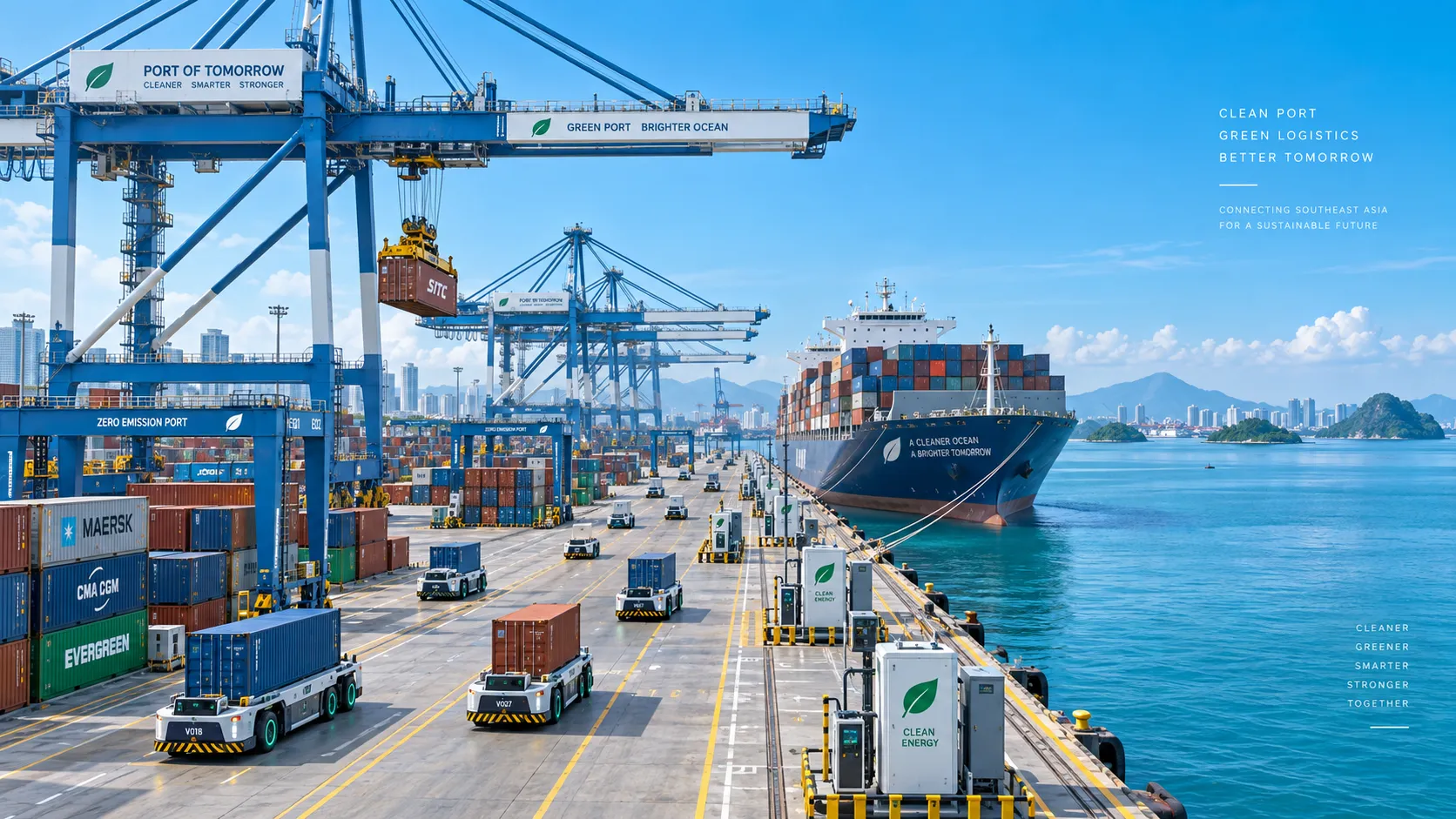
Smart Port Systems in Southeast Asia: Investment Priorities and Adoption Barriers
Smart port systems Southeast Asia: discover investment priorities, adoption barriers, and practical steps to build resilient, connected, high-performing terminals.
How to Evaluate Terminal Efficiency Solution Suppliers for High-Throughput Operations
Choose a terminal efficiency solutions supplier with confidence. Explore proven criteria for throughput, integration, lifecycle cost, safety, and reliable delivery.
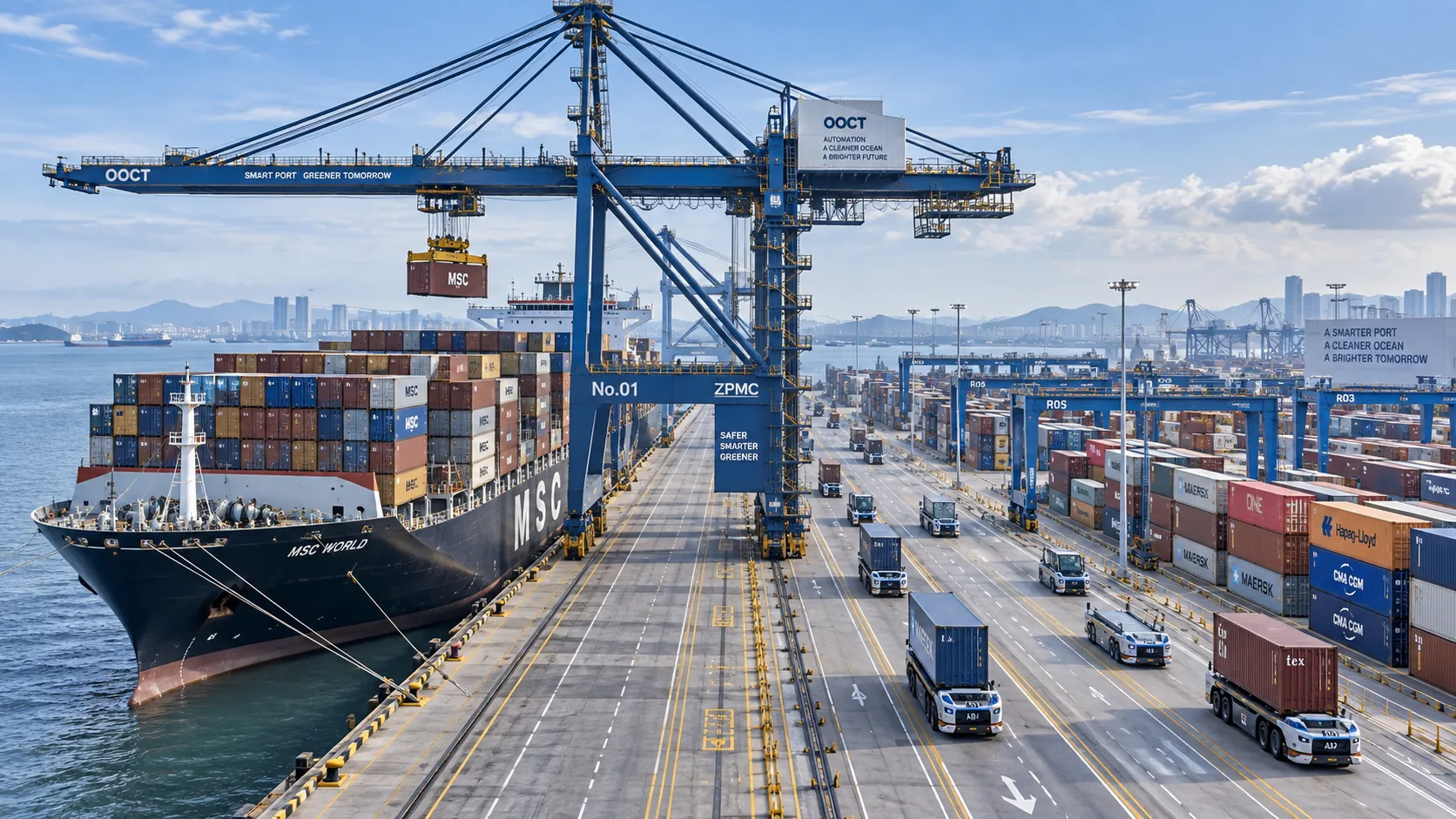
How to Specify a Quay Crane for Container Terminals by Vessel Size and Throughput?
Quay crane for container terminals: learn how to match outreach, lift height, capacity, automation, and cycle performance to vessel size and throughput goals.
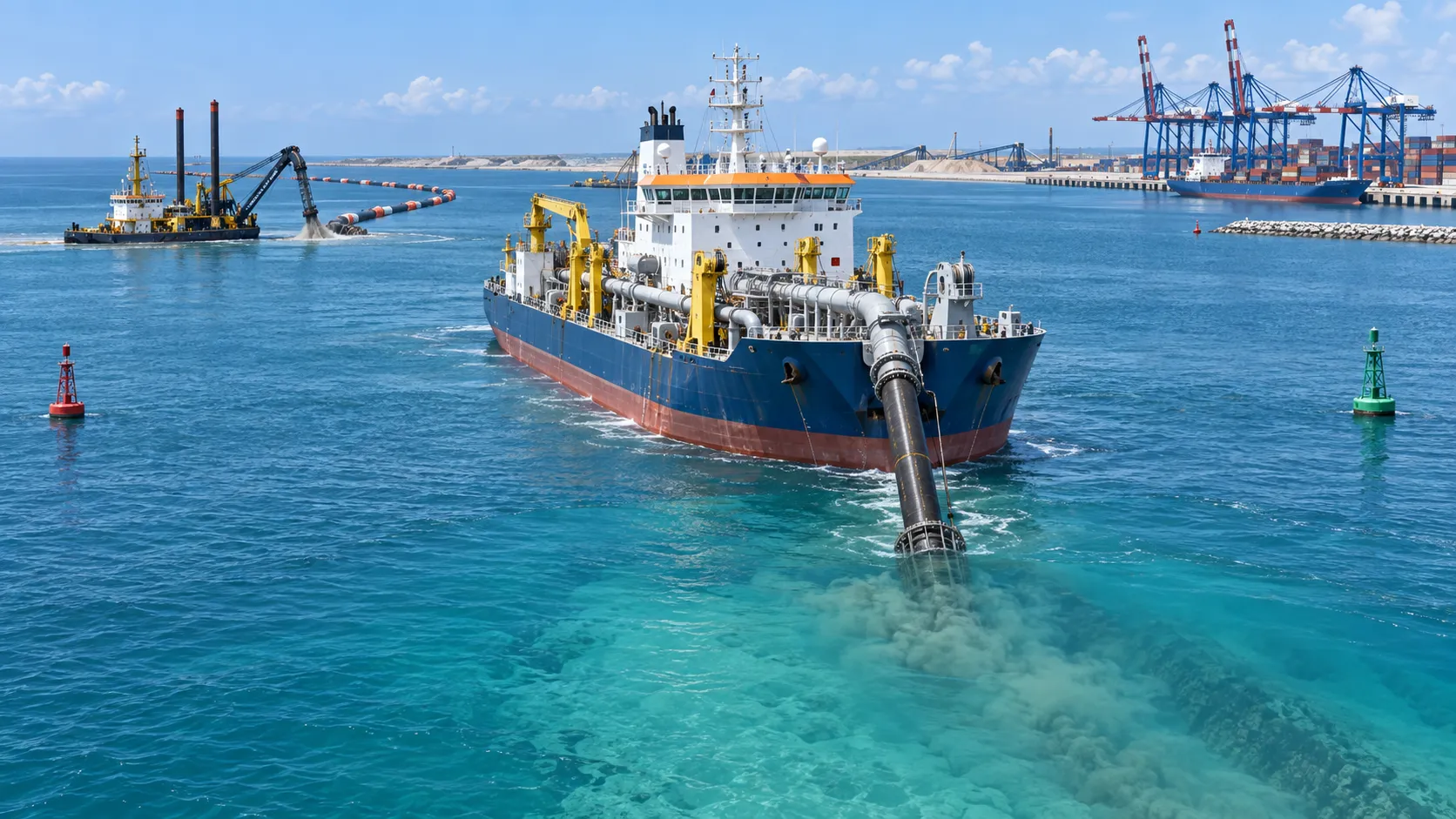
What Dredging Equipment Is Needed for Channel Deepening?
What dredging equipment is needed for channel deepening? Explore dredgers, pipelines, survey tools, and planning strategies for safer, more efficient port access.
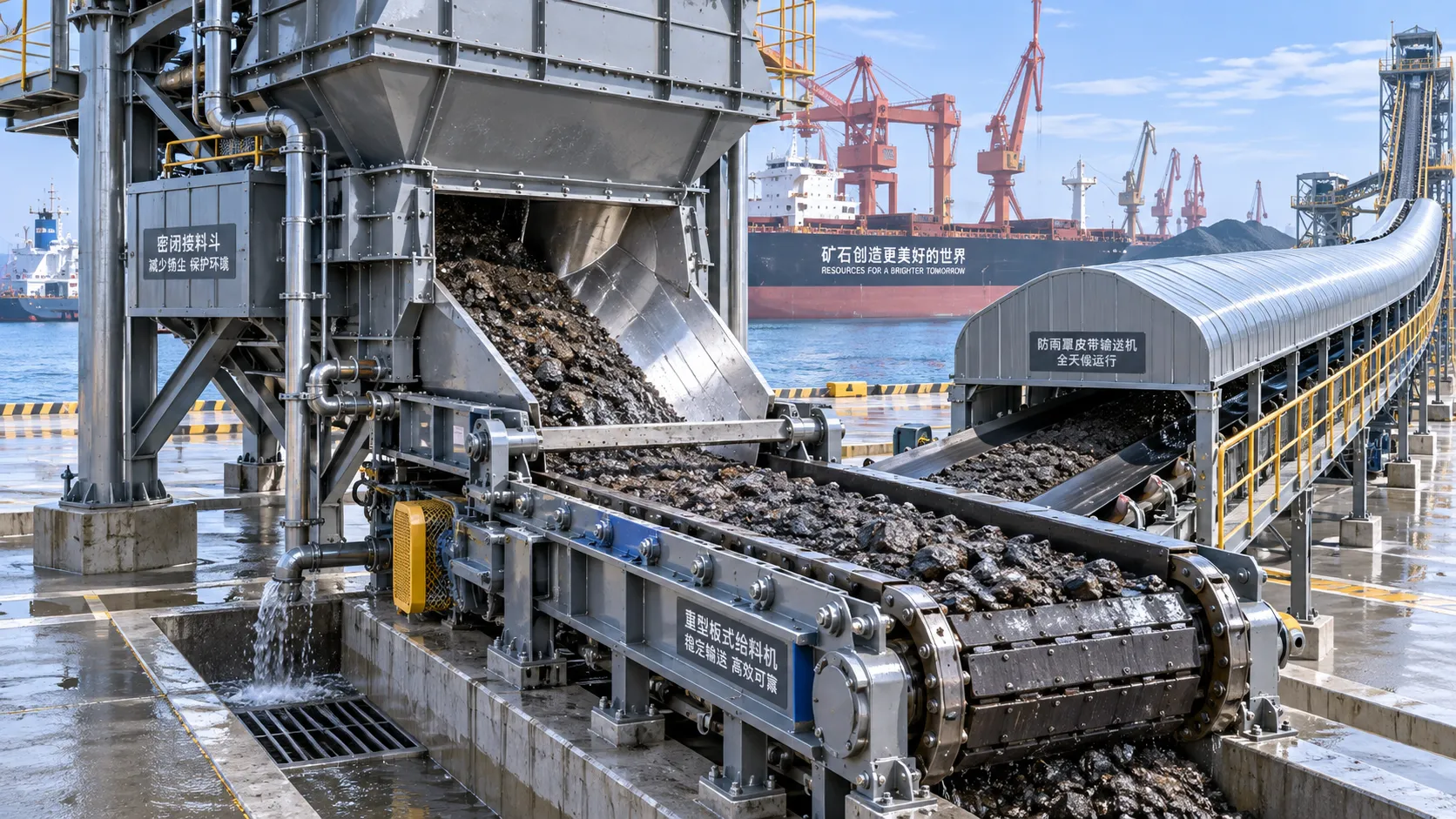
Which Bulk Handling Equipment Suits High-Moisture Cargo?
Which bulk handling equipment suits high-moisture cargo? Compare belt, apron, screw, drag, and slurry systems for reliable flow, less carryback, and higher terminal uptime.
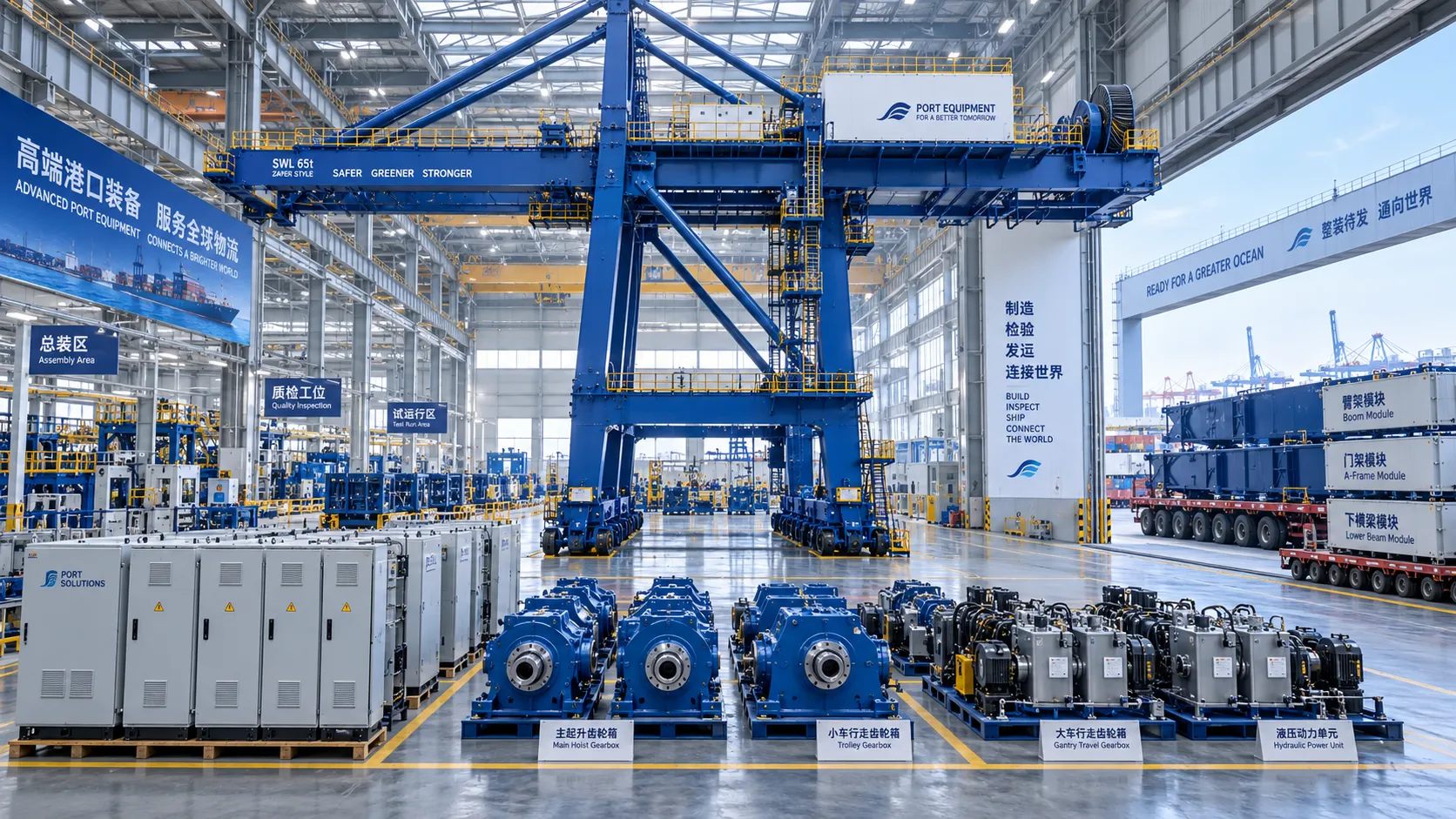
How Can Port Equipment Lead-Time Risk Be Managed?
How can port equipment lead-time risk be managed? Explore practical strategies to control critical paths, suppliers, transport, site readiness, and commissioning delays.
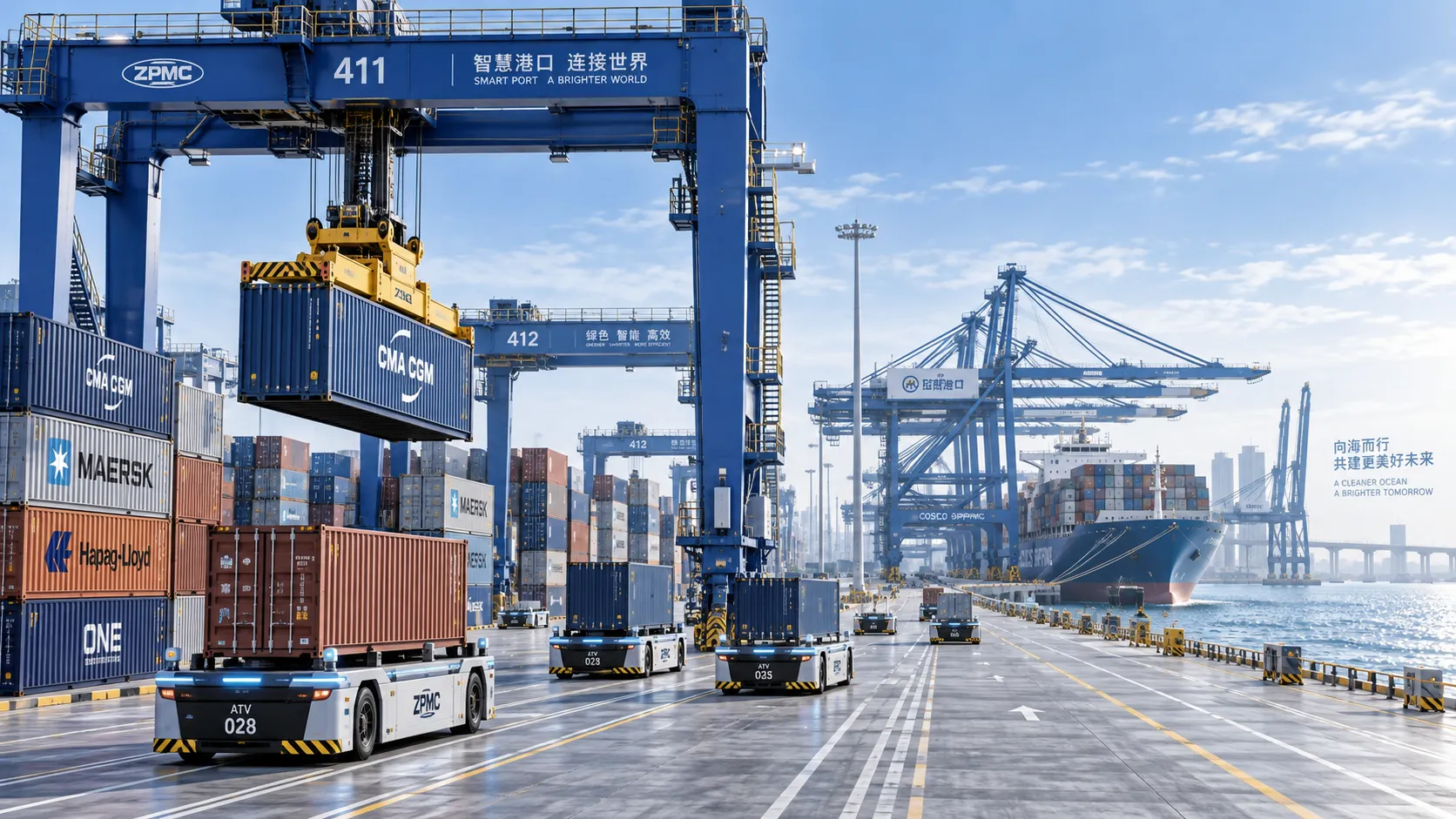
Terminal Automation Technologies That Raise Container Throughput Without Yard Disruption
Terminal automation technology that increases container throughput without disrupting yard flow. Explore smarter integration, resilient workflows, and phased deployment strategies.
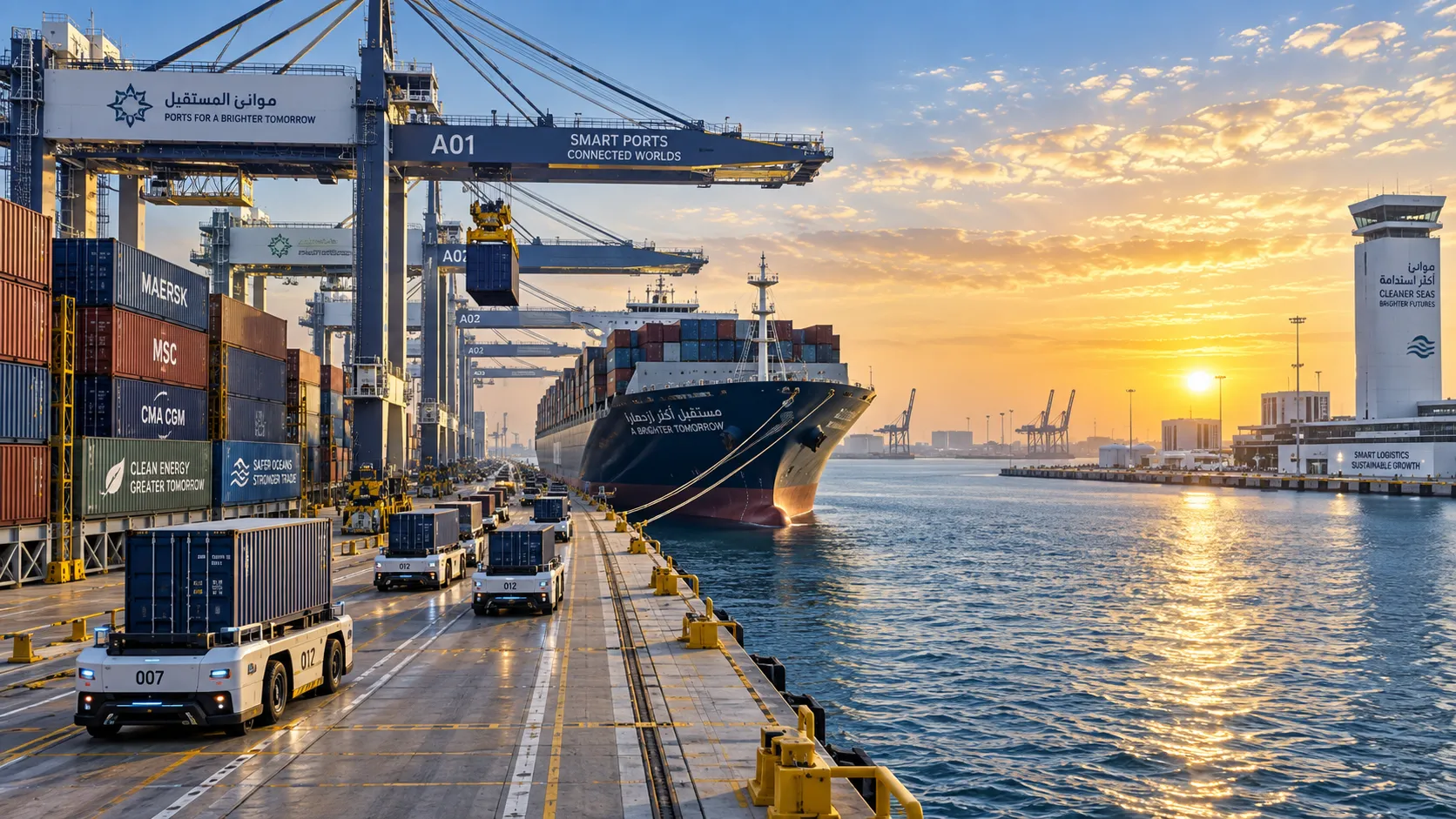
Middle East Port Automation: Key Market Drivers, Projects, and Investment Risks
Port automation systems Middle East: explore market drivers, flagship projects, integration challenges, and investment risks shaping smarter, resilient terminals.
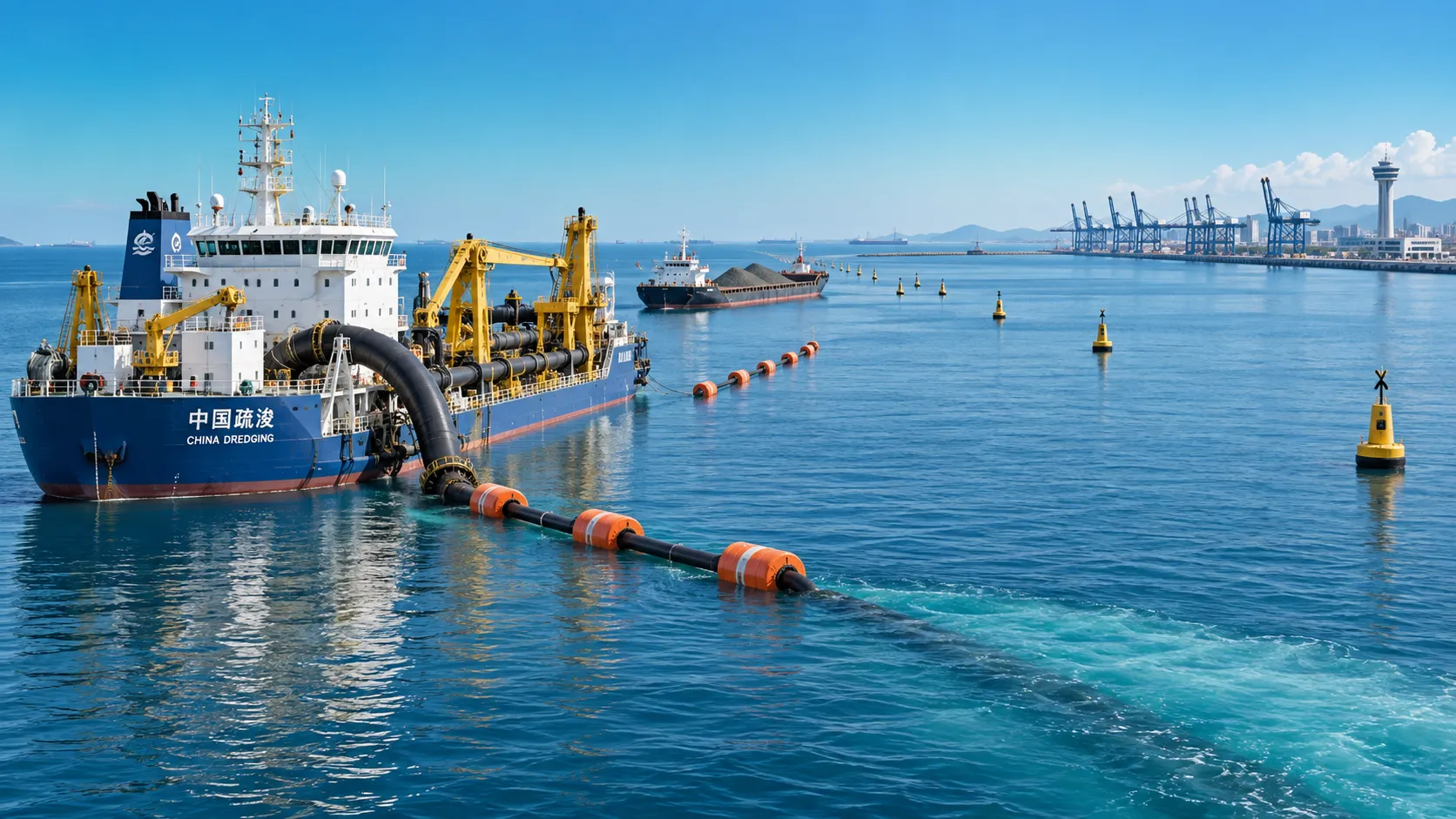
Planning Offshore Dredging Operations: Key Risks, Methods, and Project Controls
Offshore dredging operations demand smart planning. Explore key risks, proven methods, environmental controls, and project strategies for reliable delivery.