Related News
- 00
0000-00
Smart Port Systems in Southeast Asia: Investment Priorities and Adoption Barriers - 00
0000-00
Middle East Port Automation: Key Market Drivers, Projects, and Investment Risks - 00
0000-00
How Coastal Cities Can Prioritize Blue Economy Projects for Jobs and Ecosystem Gains - 00
0000-00
How Harbor Construction Solutions Address Wave Loads, Scour, and Vessel Berthing - 00
0000-00
What Is Driving Maritime Infrastructure Growth in Southeast Asia?
Net-Zero Emissions in Ports: Which Upgrades Cut Carbon Without Stalling Operations?
Net-zero emissions in ports has shifted from a sustainability slogan to an operating constraint. The difficult part is not setting a target. It is choosing upgrades that cut carbon while preserving berth productivity, yard velocity, equipment availability, and vessel turnaround.
That makes ports a practical test case for industrial decarbonization. Energy systems, heavy terminal gear, automated container handling, and dredging support all interact. A low-carbon decision that ignores those links can easily move emissions off the balance sheet while creating congestion on the quay.
From the perspective of PS-Nexus, where mechanical performance, control logic, and trade intelligence are studied together, the strongest net-zero emissions pathway is rarely a single technology bet. It is a staged upgrade plan that reduces fuel use, improves scheduling discipline, and protects operational continuity.
Why port decarbonization is now an operational issue
Ports sit at the intersection of regulation, shipper pressure, rising energy costs, and infrastructure renewal cycles. Emissions are no longer viewed only through annual reporting. They are increasingly linked to concession terms, financing conditions, customer selection, and community acceptance.
At the same time, ports cannot decarbonize like a light industrial campus. They rely on large mobile assets, variable demand peaks, legacy electrical systems, and round-the-clock service windows. That is why net-zero emissions planning must start with operational physics, not public messaging.
The practical question is simple. Which upgrades deliver measurable carbon reduction per move, per ton, or per vessel call without creating hidden losses in throughput? That is the benchmark that matters.
What actually counts as a high-value upgrade
In ports, high-value decarbonization measures usually share three traits. They cut direct fuel consumption, improve asset utilization, and fit existing traffic patterns well enough to avoid service disruption during deployment.
This is why the best net-zero emissions projects often combine hardware and software. Electrifying a machine matters, but so does reducing idle time, empty travel, queueing, and unplanned maintenance. Carbon and delay frequently come from the same operational waste.
The first layer: equipment that burns less or no fuel
Quay cranes, RTGs, straddle carriers, terminal tractors, reach stackers, and bulk handling systems remain the largest visible targets. In many terminals, diesel-heavy fleets still carry a large share of emissions intensity.
The upgrade ladder usually starts with hybridization, electrification, or energy recovery. Regenerative drives on cranes, electric RTG conversion, battery terminal trucks, and shore-connected auxiliary systems often produce reliable gains before more disruptive redesigns are attempted.
What matters is not only the headline technology. Duty cycle, charging strategy, grid capacity, spare asset coverage, and maintenance readiness determine whether a lower-emission machine becomes a productivity asset or a scheduling problem.
The second layer: controls that remove wasted motion
Automation and control systems are often underestimated in net-zero emissions roadmaps. Yet remote operations, AGV path planning, crane synchronization, and berth-side scheduling can reduce idle time across the entire handling chain.
A terminal may add cleaner equipment and still miss carbon targets if vehicles queue at transfer points or cranes wait for handoff. Better logic reduces energy consumed per productive move. It also lowers the need for expensive oversizing.
This is where PS-Nexus-style intelligence is especially relevant. Low-latency communications, asset dispatch rules, and equipment health data are no longer separate technical topics. They shape the real carbon outcome of a capital upgrade.
Which upgrades usually cut carbon without stalling operations
Not every port starts from the same baseline, but several measures consistently show a good balance between emissions reduction and operational stability.
These options work because they fit real port sequencing. They can be rolled out asset by asset, block by block, or shift by shift. That lowers commissioning risk and gives operators time to adjust maintenance routines, charging windows, and dispatch logic.
Where dredging and marine support enter the net-zero equation
Net-zero emissions discussions often focus on container terminals, yet marine access and dredging support also matter. Channel depth, sediment management, and dredger performance affect sailing windows, under-keel clearance, and vessel waiting patterns.
An inefficient dredging program can increase fuel use indirectly across the port ecosystem. Delays, draft restrictions, and repeated intervention cycles raise emissions beyond the dredger itself. Better pump monitoring, route planning, and maintenance analytics can therefore create carbon value in less visible ways.
This broader systems view is important. Ports pursuing net-zero emissions should not isolate quay equipment from waterside engineering. Access reliability is part of decarbonized performance.
Common mistakes in low-carbon upgrade programs
Some projects underperform because they chase the most visible technology, not the biggest operational waste. Others electrify a fleet before confirming feeder capacity, charging layout, or shift sequencing. The result is carbon progress on paper and friction in daily execution.
- Treating equipment replacement as the whole strategy, while ignoring dispatch rules and congestion points.
- Using vendor efficiency claims without validating duty cycles in local weather, cargo mix, and peak-call conditions.
- Delaying data integration, which prevents reliable measurement of emissions per move or per operational phase.
- Launching too many changes simultaneously, making root-cause analysis difficult when productivity dips.
- Overlooking civil, electrical, and workforce transition requirements during commissioning.
Usually, the most resilient path is staged and measurable. A pilot block, a limited fleet segment, or a single traffic corridor often reveals more than a broad announcement.
How to evaluate upgrades before capital is committed
A useful net-zero emissions evaluation framework combines carbon, throughput, and system readiness. Looking at one metric alone can distort the investment case.
Questions worth answering early
- What is the current emissions intensity per container move, ton handled, or vessel call?
- Which assets create the largest fuel burn during idle, standby, and empty travel?
- Can existing grid, substation, and backup systems support electrification at peak demand?
- Will the upgrade change cycle times, handoff points, or maintenance intervals?
- How quickly can the terminal operating system absorb new asset behaviors and data streams?
If these answers are unclear, capital efficiency is likely to suffer. The port may still move toward net-zero emissions, but at a higher cost and with more commissioning risk than necessary.
A practical sequence for ports under pressure to move now
In many cases, the smartest sequence begins with measurement and control. That means establishing a credible baseline, connecting equipment data, and identifying where carbon and delay overlap.
The next step is usually targeted retrofit. Regenerative systems, idle reduction controls, predictive maintenance, and selective electrification can generate early gains without a full terminal redesign.
Only after those gains are visible does large-scale fleet transformation become easier to justify. By then, the port has better load data, clearer charging patterns, and stronger evidence for which asset classes deserve priority.
That sequence aligns with how PS-Nexus reads the market. Heavy gear, automated handling, and marine engineering cannot be decarbonized in isolation. The value comes from linking equipment capability with scheduling intelligence and trade-facing resilience.
What the next decision should look like
Ports do not need a perfect end-state model before acting on net-zero emissions. They do need a disciplined shortlist of upgrades that can be measured against operations, not only against ambition.
A useful starting point is to map the highest-emission assets, the most persistent congestion points, and the control systems that influence both. That creates a decision basis grounded in real terminal behavior.
From there, compare retrofit options, electrification pathways, automation upgrades, and dredging support improvements using the same lens: carbon reduction, uptime protection, integration effort, and scalability. That is usually where a workable net-zero emissions strategy begins to separate from a symbolic one.
Related News
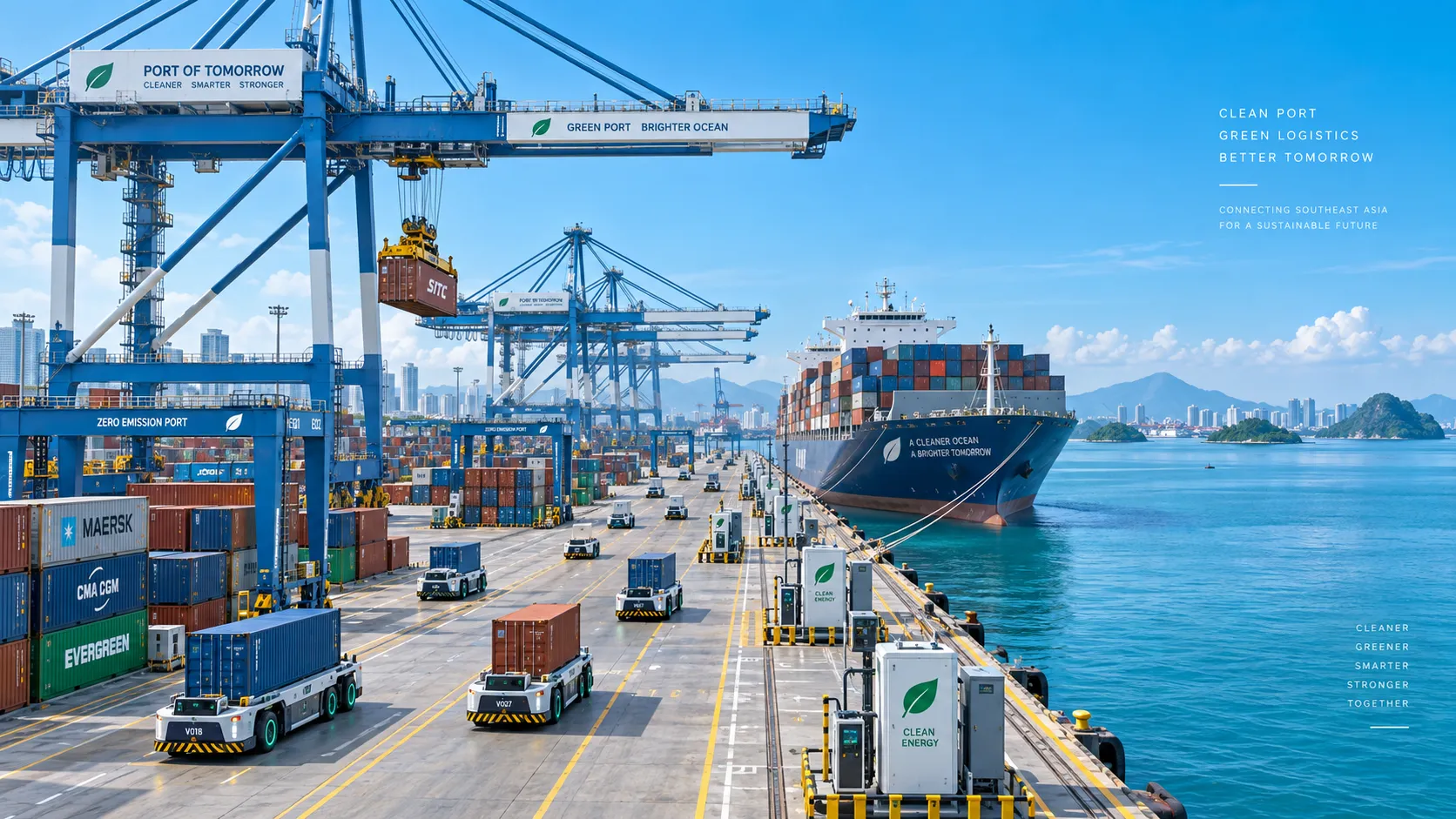
Smart Port Systems in Southeast Asia: Investment Priorities and Adoption Barriers
Smart port systems Southeast Asia: discover investment priorities, adoption barriers, and practical steps to build resilient, connected, high-performing terminals.
How to Evaluate Terminal Efficiency Solution Suppliers for High-Throughput Operations
Choose a terminal efficiency solutions supplier with confidence. Explore proven criteria for throughput, integration, lifecycle cost, safety, and reliable delivery.
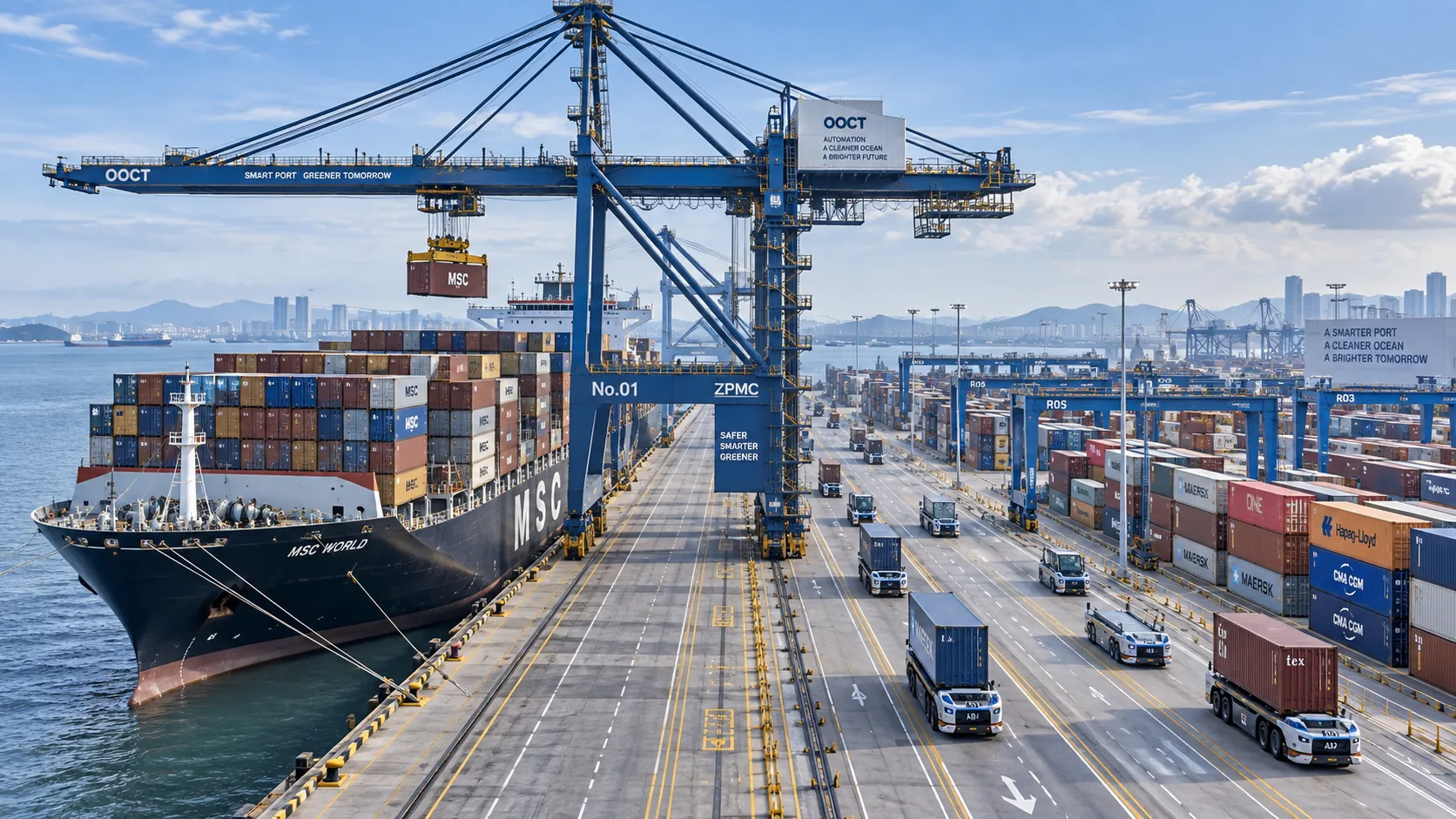
How to Specify a Quay Crane for Container Terminals by Vessel Size and Throughput?
Quay crane for container terminals: learn how to match outreach, lift height, capacity, automation, and cycle performance to vessel size and throughput goals.
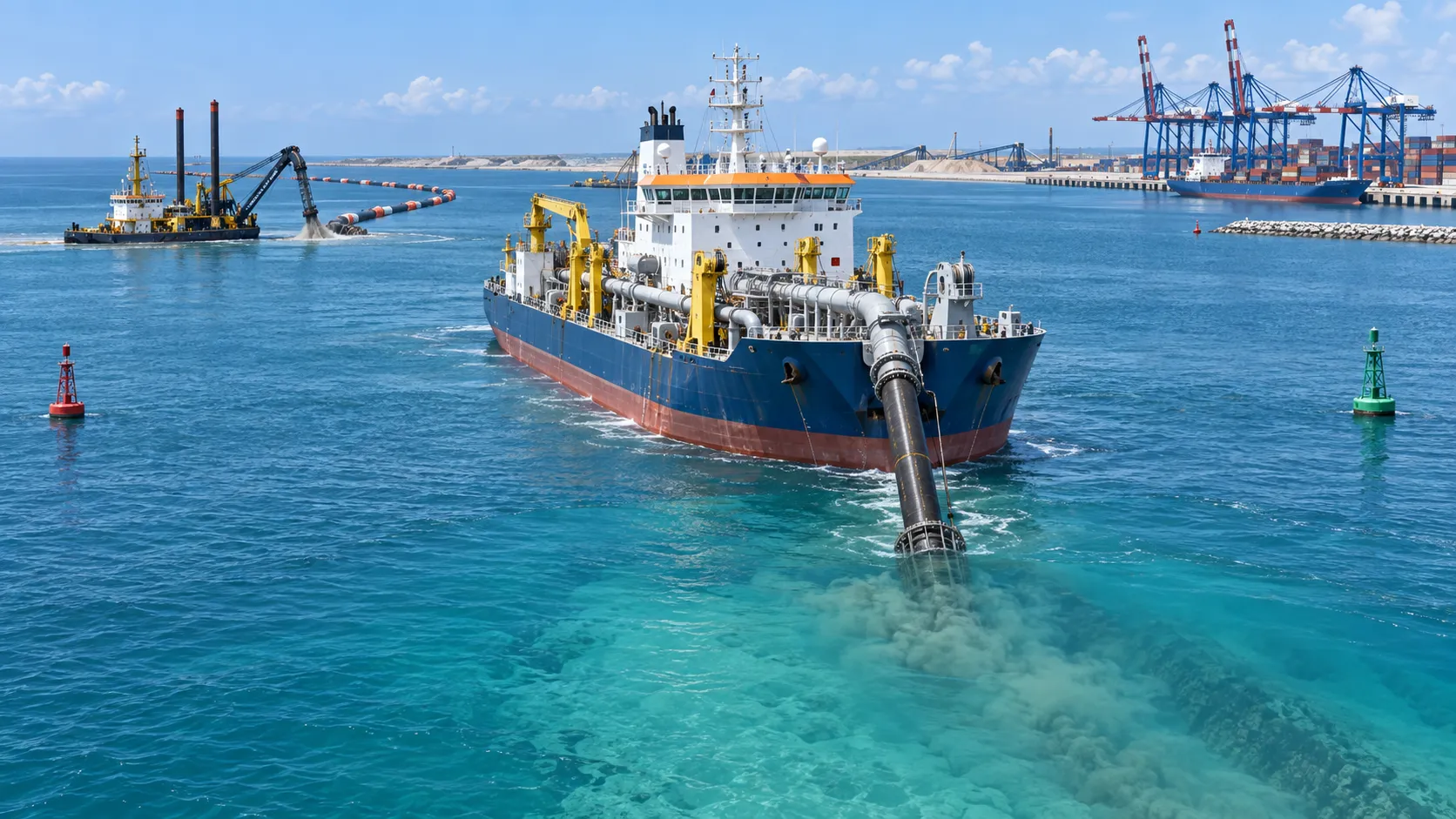
What Dredging Equipment Is Needed for Channel Deepening?
What dredging equipment is needed for channel deepening? Explore dredgers, pipelines, survey tools, and planning strategies for safer, more efficient port access.
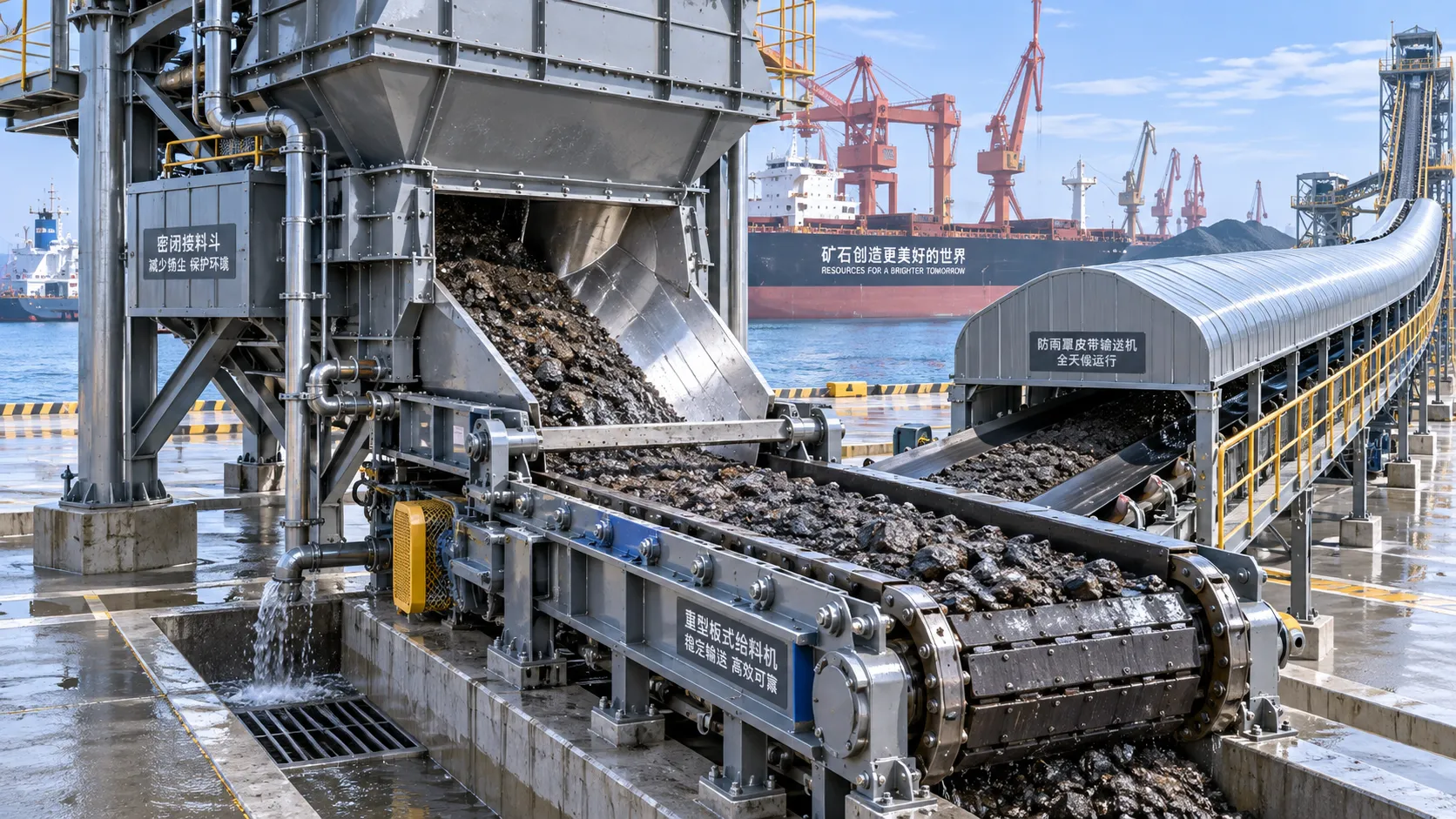
Which Bulk Handling Equipment Suits High-Moisture Cargo?
Which bulk handling equipment suits high-moisture cargo? Compare belt, apron, screw, drag, and slurry systems for reliable flow, less carryback, and higher terminal uptime.
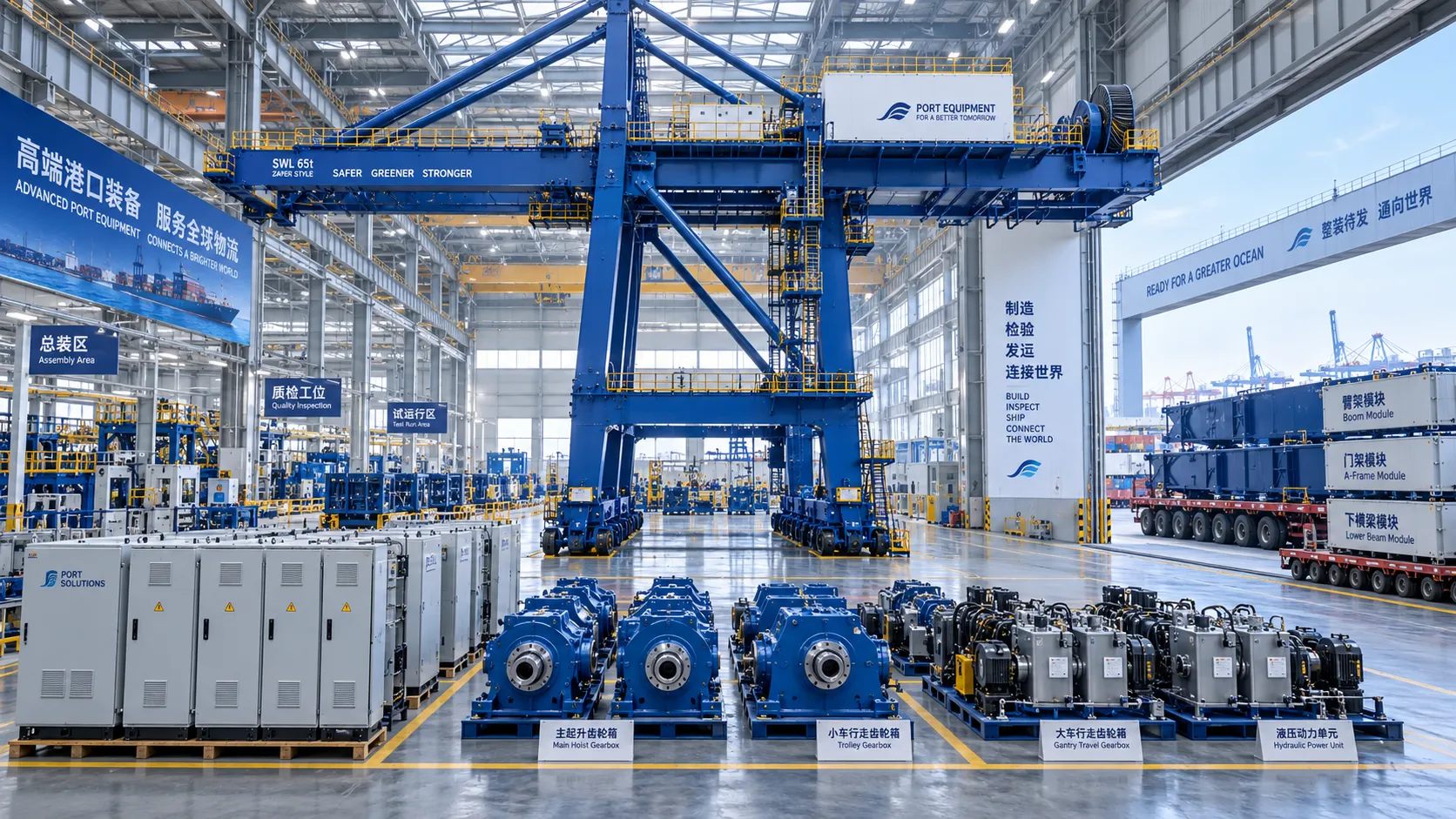
How Can Port Equipment Lead-Time Risk Be Managed?
How can port equipment lead-time risk be managed? Explore practical strategies to control critical paths, suppliers, transport, site readiness, and commissioning delays.
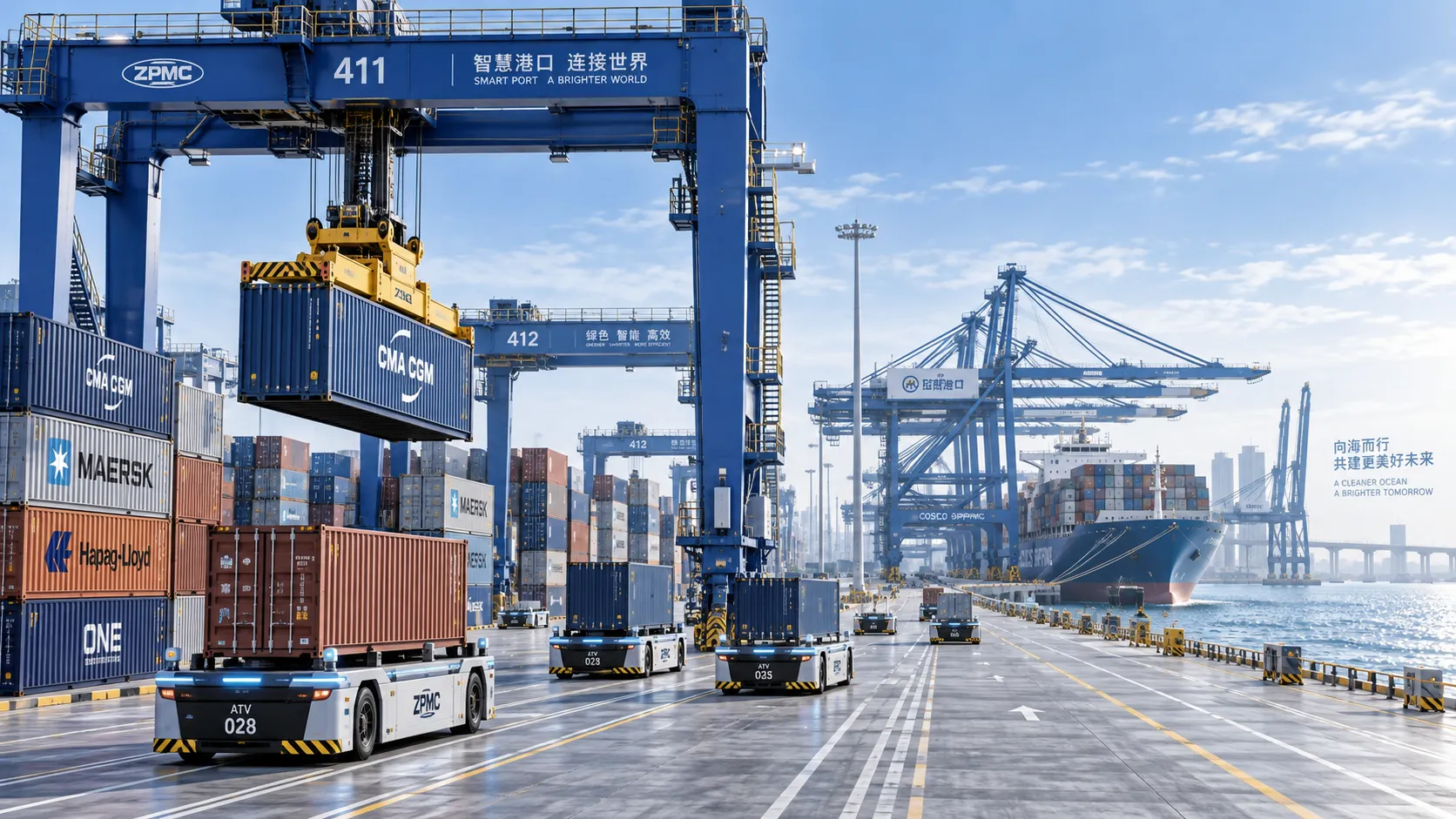
Terminal Automation Technologies That Raise Container Throughput Without Yard Disruption
Terminal automation technology that increases container throughput without disrupting yard flow. Explore smarter integration, resilient workflows, and phased deployment strategies.
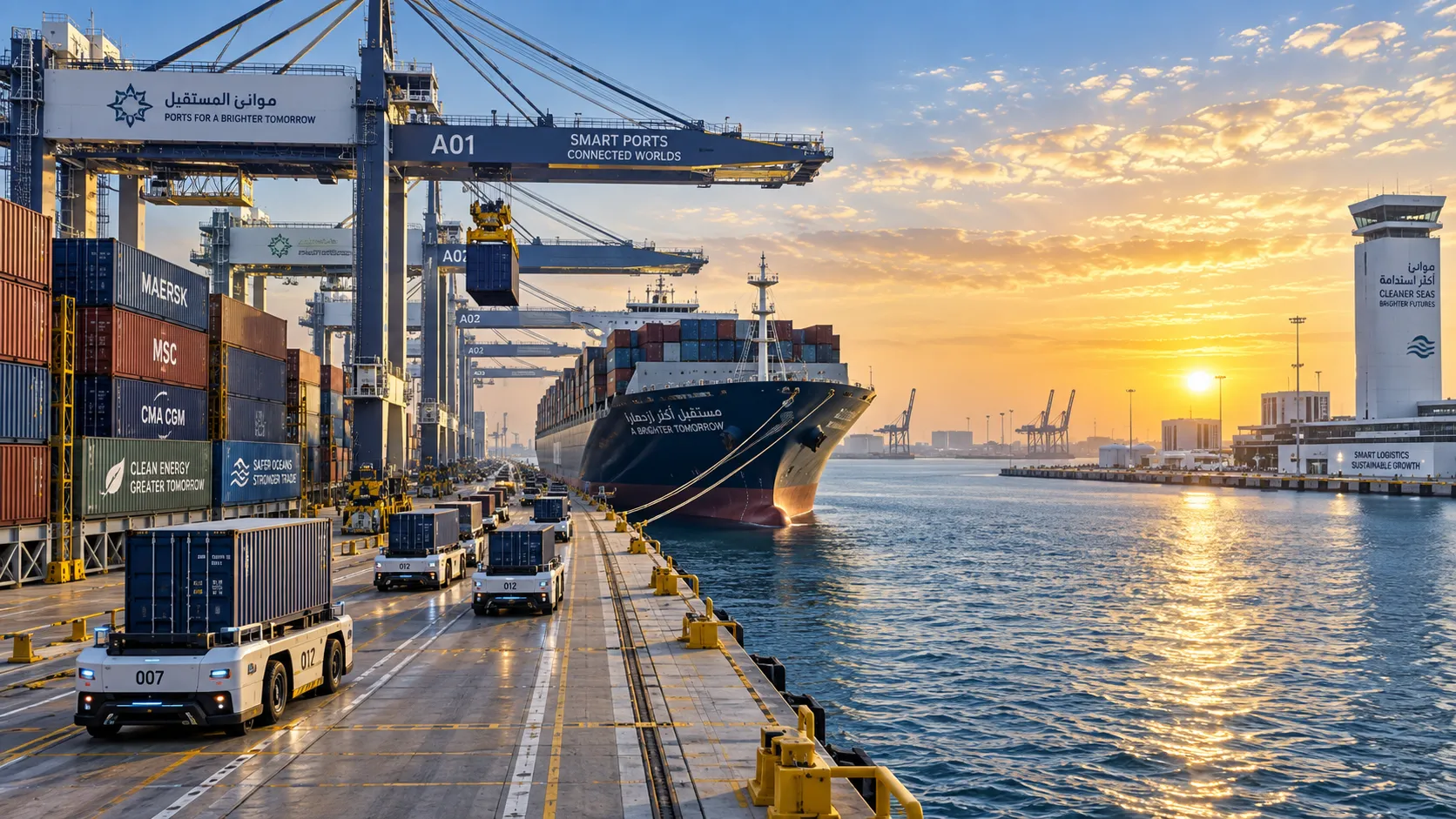
Middle East Port Automation: Key Market Drivers, Projects, and Investment Risks
Port automation systems Middle East: explore market drivers, flagship projects, integration challenges, and investment risks shaping smarter, resilient terminals.
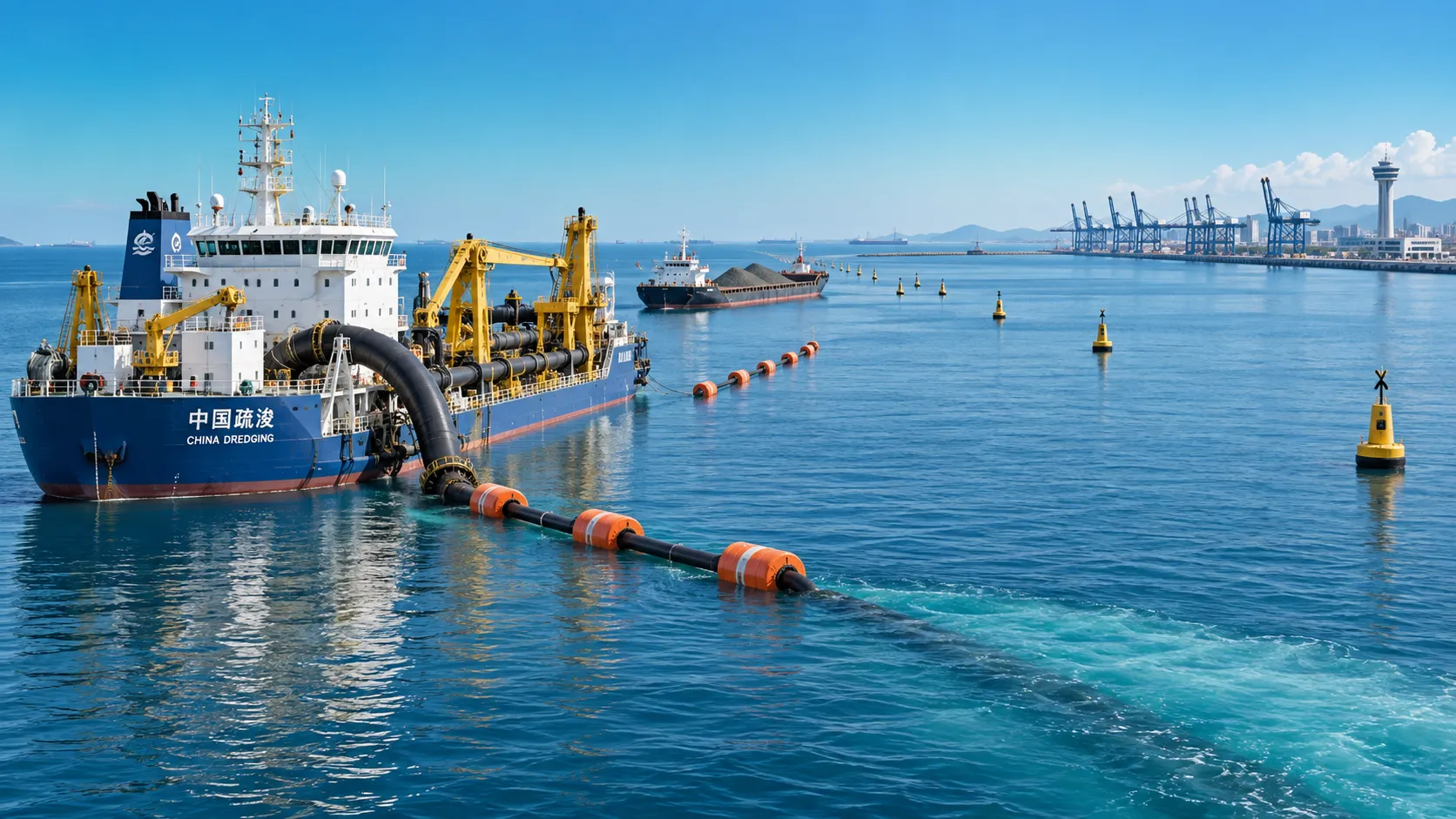
Planning Offshore Dredging Operations: Key Risks, Methods, and Project Controls
Offshore dredging operations demand smart planning. Explore key risks, proven methods, environmental controls, and project strategies for reliable delivery.