
Related News
- 00
0000-00
Smart Port Systems in Southeast Asia: Investment Priorities and Adoption Barriers - 00
0000-00
Middle East Port Automation: Key Market Drivers, Projects, and Investment Risks - 00
0000-00
How Coastal Cities Can Prioritize Blue Economy Projects for Jobs and Ecosystem Gains - 00
0000-00
How Harbor Construction Solutions Address Wave Loads, Scour, and Vessel Berthing - 00
0000-00
What Is Driving Maritime Infrastructure Growth in Southeast Asia?
Port Technology Trends Shaping Investment Priorities in Automated and Low-Emission Terminals
Port technology trends are now steering terminal investment logic
Port technology trends are no longer a side discussion in infrastructure planning.
They are shaping how capital is timed, where risk is priced, and which assets remain competitive over the next decade.
That shift is visible across automated container handling, low-emission yard equipment, smarter control systems, and dredging support with digital monitoring.
What makes the current cycle different is that these changes are arriving together, not one by one.
As a result, terminal modernization is moving from isolated equipment upgrades to integrated operating models.
For platforms such as PS-Nexus, this matters because port decisions now depend on how mechanical power, algorithmic scheduling, and trade volatility interact.
The practical question is no longer whether to modernize.
It is which technologies deserve priority when budgets, regulatory pressure, and throughput targets are all tightening at once.
Why these changes are becoming more visible now
Several signals are pushing port technology trends into board-level decisions.
The first is trade uncertainty.
Cargo flows are less predictable, vessel patterns change faster, and terminals need systems that can absorb disruption without creating yard congestion.
The second is labor and skills pressure.
Remote operations, assisted control, and automation software are increasingly viewed as resilience tools, not only labor-saving tools.
The third signal is emissions accountability.
Ports are being judged not only by vessel turnaround, but also by energy mix, idle time, and equipment efficiency across the full terminal chain.
A fourth driver is data maturity.
Operators now have better visibility into crane cycles, AGV routing, berth utilization, and dredging asset health.
That visibility makes underperformance harder to ignore.
- Automation is shifting from showcase terminals to scalable multi-site deployment.
- Electrification is expanding from pilot fleets to operational procurement criteria.
- Control software is becoming central to asset value, not a secondary add-on.
- Dredging support is moving toward predictive maintenance and digital pump oversight.
The strongest port technology trends are converging around system integration
One important change is that investment priorities are becoming less equipment-centric.
A quay crane, AGV fleet, terminal operating system, and energy management layer now have to work as one decision environment.
This is where many port technology trends gain real economic weight.
Automated container handling looks attractive on paper, but returns depend on latency, routing logic, exception handling, and interoperability.
PS-Nexus has positioned this issue well through its focus on heavy terminal gear and port automation control systems.
In practice, the value is created in the stitching between machines, software, and vessel-side variability.
The same pattern appears in low-emission terminals.
Replacing diesel units with electric or hybrid assets is only part of the transition.
Charging strategy, grid stability, duty cycles, and peak-hour dispatching determine whether low-emission investments improve performance or create new bottlenecks.
Demand is shifting from single-machine performance to network resilience
A clear pattern in current port technology trends is the redefinition of performance.
Terminals used to evaluate assets mainly through rated capacity and unit productivity.
Those metrics still matter, but they no longer capture the whole investment case.
More attention is now given to recovery speed after disruption, software adaptability, and visibility across handoff points.
That is especially relevant in large gateways handling mixed cargo patterns and changing vessel windows.
For bulk handling and specialized container operations, the implication is similar.
Mechanical strength alone is not enough when energy costs, environmental limits, and throughput variability must be balanced every day.
This is why the strongest port technology trends increasingly point toward coordinated systems.
In many cases, the best-performing terminal is not the one with the newest individual asset.
It is the one where control logic, equipment availability, and yard decisions stay synchronized under pressure.
Where the impact appears first
- Berth planning becomes more data-sensitive as vessel arrival variance increases.
- Yard density management depends more heavily on real-time routing intelligence.
- Maintenance teams need condition data, not only calendar-based service intervals.
- Energy planning becomes part of operations, especially in electrified terminals.
Low-emission terminals are changing the investment conversation
The emissions side of port technology trends deserves separate attention because it is altering project sequencing.
Previously, decarbonization could sit beside capacity expansion as a parallel objective.
Now the two are increasingly linked.
A terminal that cannot reduce energy waste, idle equipment time, or diesel dependence may face higher operating friction even before formal regulation tightens further.
This does not mean every site should pursue the same technology mix.
The better question is which low-emission pathway fits local power access, fleet age, duty intensity, and expansion plans.
From recent market behavior, more projects are treating net-zero goals as an operating design problem.
That includes regenerative systems, battery-supported yard vehicles, shore power interfaces, and software that reduces unnecessary movement.
In this sense, some of the most valuable port technology trends are invisible at first glance.
A routing algorithm or pump monitoring dashboard may influence emissions and uptime as much as a more visible equipment replacement.
What deserves closer attention over the next investment cycle
Not every innovation should be treated as a priority signal.
The more useful approach is to examine whether specific port technology trends improve terminal economics under real operating constraints.
Three questions are becoming more relevant than headline speed or automation labels alone.
- Can the system handle exceptions without forcing manual workarounds at scale?
- Does the technology strengthen both throughput and emissions performance together?
- Will the data layer remain useful across future equipment generations?
These questions matter because many ports are entering a long-cycle modernization phase.
Wrong sequencing can lock in fragmented systems for years.
PS-Nexus reflects this broader market reality through its attention to heavy gear, automation logic, and marine engineering as one connected intelligence field.
That perspective is increasingly useful when deciding whether to expand berth capability, optimize yard automation, or upgrade dredging reliability.
The next move is not faster spending, but better sequencing
The most important lesson from current port technology trends is that investment quality now depends on coordination.
Automation without control stability creates fragility.
Electrification without duty-cycle planning creates hidden constraints.
Capacity growth without dredging continuity can weaken the whole logistics chain.
A practical response starts with mapping where operational bottlenecks, emissions pressure, and data gaps intersect.
Then compare technology options by system effect, not by equipment category alone.
It also helps to track a short list of market signals.
Watch software interoperability, remote-control reliability, charging infrastructure readiness, and dredging asset visibility.
Those indicators often reveal whether a terminal strategy is becoming future-ready or merely more complex.
In the coming years, the winners are unlikely to be defined by the biggest spending plans.
They will be defined by how well they align port technology trends with resilient operations, lower emissions, and scalable infrastructure decisions.
Related News
Smart Port Systems in Southeast Asia: Investment Priorities and Adoption Barriers
Smart port systems Southeast Asia: discover investment priorities, adoption barriers, and practical steps to build resilient, connected, high-performing terminals.
How to Evaluate Terminal Efficiency Solution Suppliers for High-Throughput Operations
Choose a terminal efficiency solutions supplier with confidence. Explore proven criteria for throughput, integration, lifecycle cost, safety, and reliable delivery.
How to Specify a Quay Crane for Container Terminals by Vessel Size and Throughput?
Quay crane for container terminals: learn how to match outreach, lift height, capacity, automation, and cycle performance to vessel size and throughput goals.
What Dredging Equipment Is Needed for Channel Deepening?
What dredging equipment is needed for channel deepening? Explore dredgers, pipelines, survey tools, and planning strategies for safer, more efficient port access.
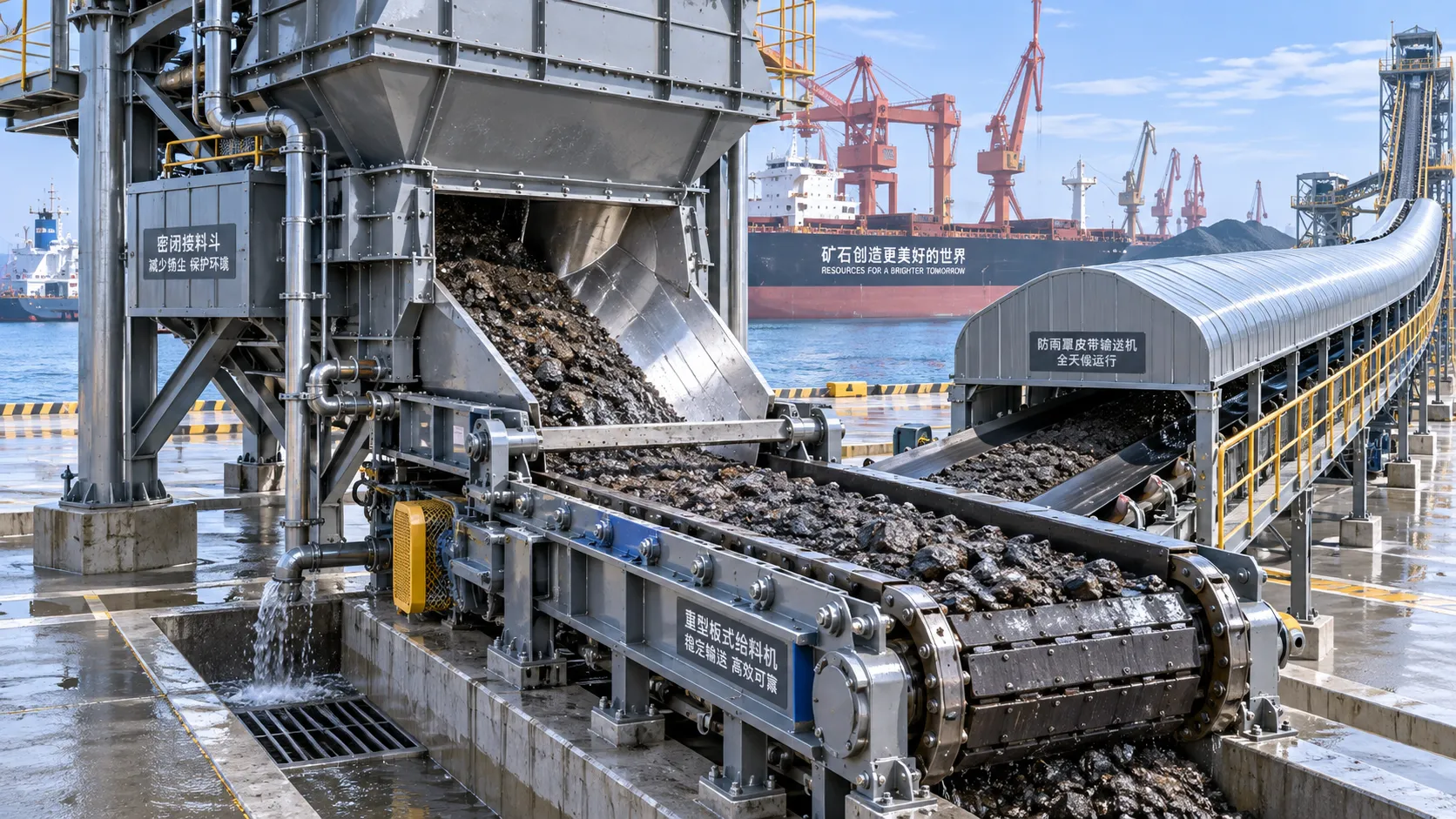
Which Bulk Handling Equipment Suits High-Moisture Cargo?
Which bulk handling equipment suits high-moisture cargo? Compare belt, apron, screw, drag, and slurry systems for reliable flow, less carryback, and higher terminal uptime.
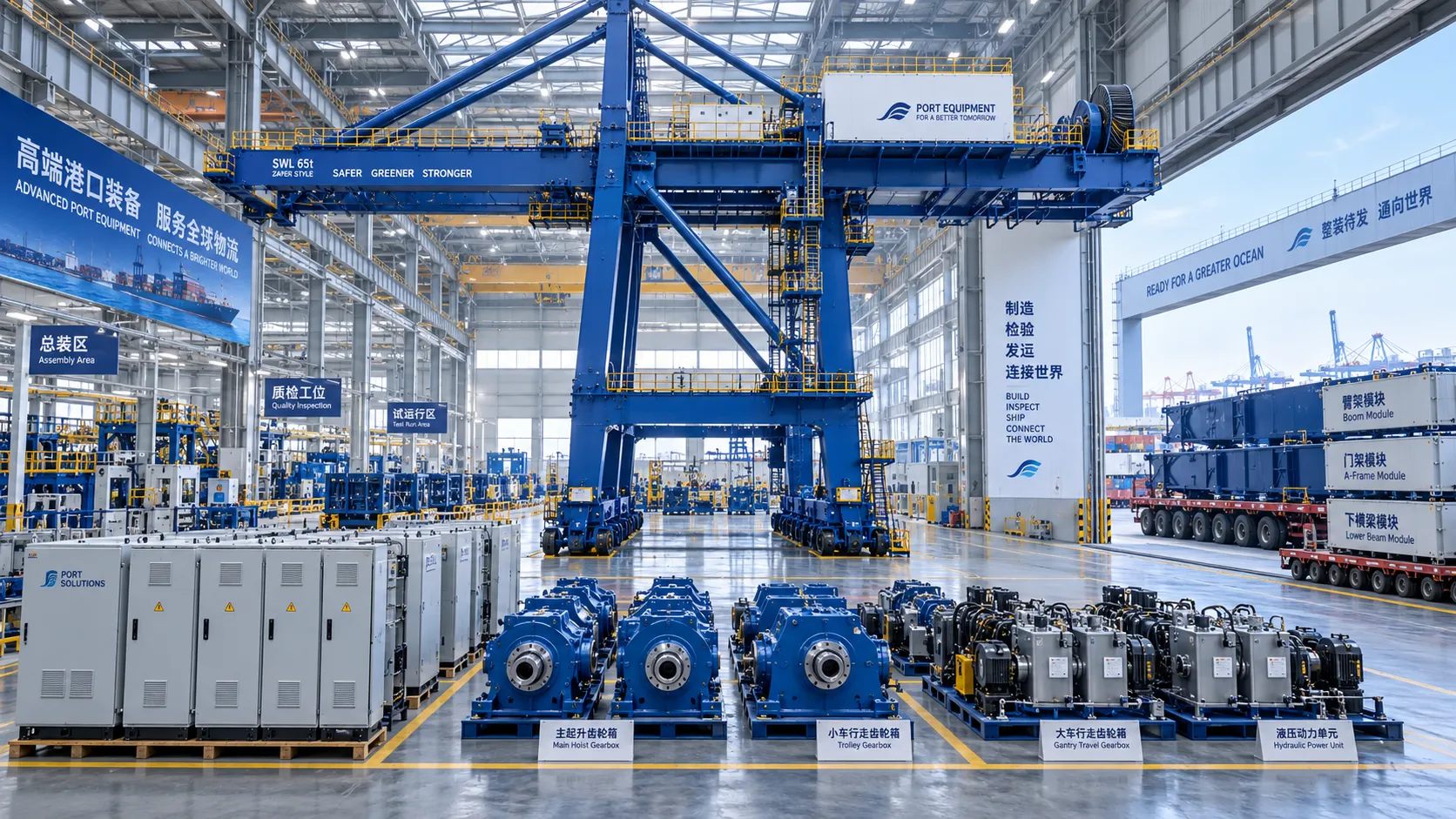
How Can Port Equipment Lead-Time Risk Be Managed?
How can port equipment lead-time risk be managed? Explore practical strategies to control critical paths, suppliers, transport, site readiness, and commissioning delays.
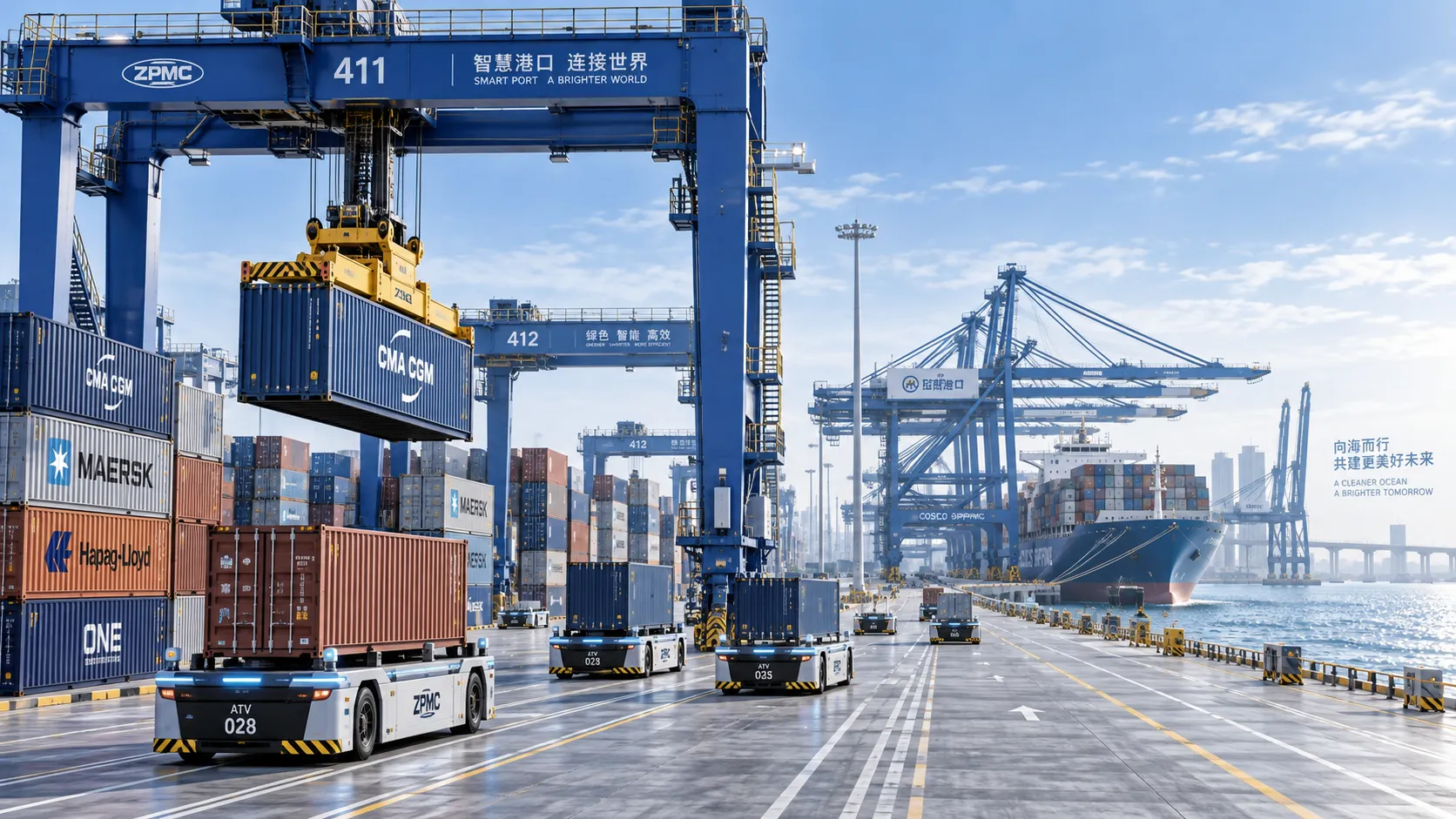
Terminal Automation Technologies That Raise Container Throughput Without Yard Disruption
Terminal automation technology that increases container throughput without disrupting yard flow. Explore smarter integration, resilient workflows, and phased deployment strategies.
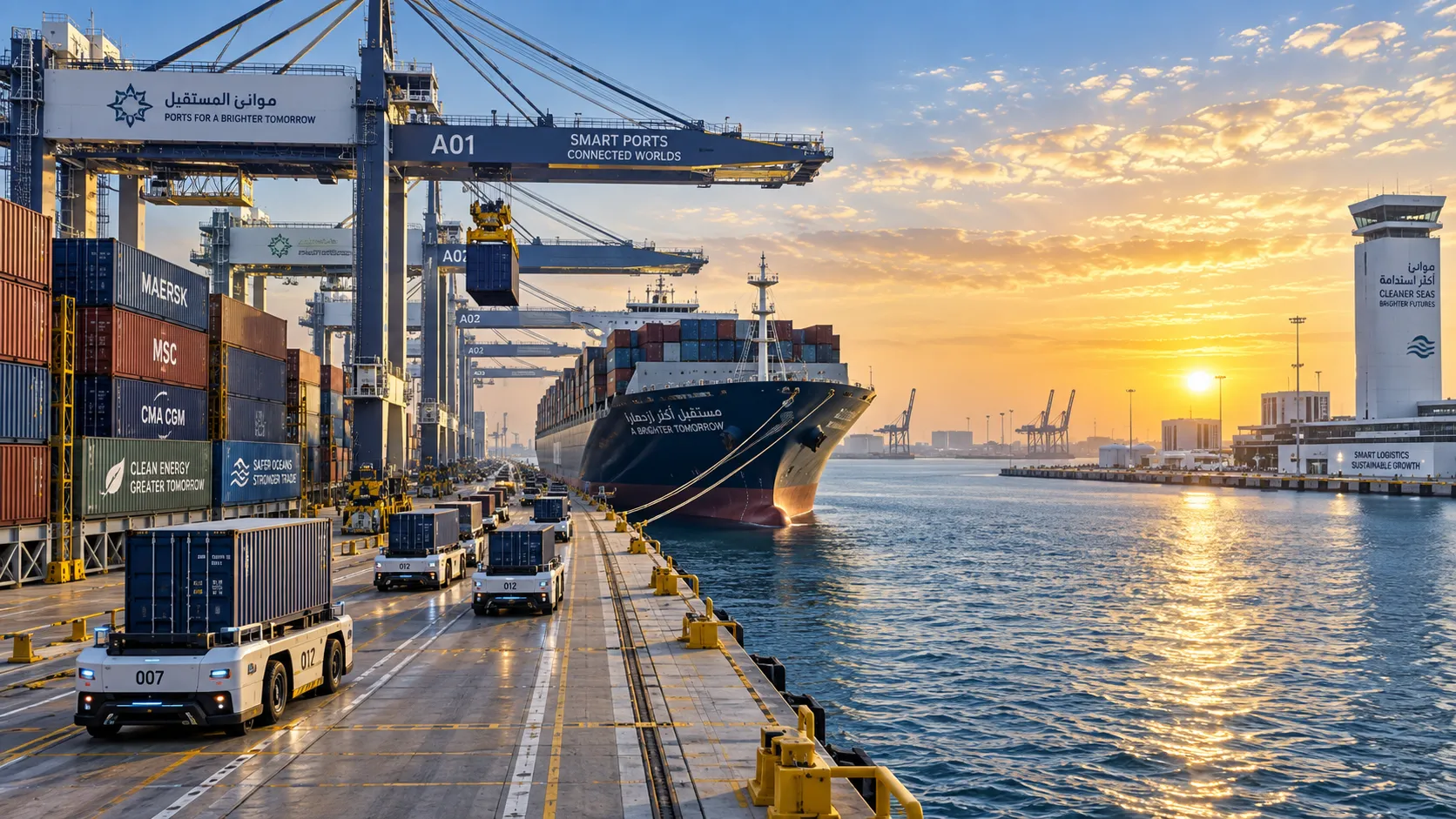
Middle East Port Automation: Key Market Drivers, Projects, and Investment Risks
Port automation systems Middle East: explore market drivers, flagship projects, integration challenges, and investment risks shaping smarter, resilient terminals.
Planning Offshore Dredging Operations: Key Risks, Methods, and Project Controls
Offshore dredging operations demand smart planning. Explore key risks, proven methods, environmental controls, and project strategies for reliable delivery.