Related News
- 00
0000-00
Smart Port Systems in Southeast Asia: Investment Priorities and Adoption Barriers - 00
0000-00
Middle East Port Automation: Key Market Drivers, Projects, and Investment Risks - 00
0000-00
How Coastal Cities Can Prioritize Blue Economy Projects for Jobs and Ecosystem Gains - 00
0000-00
How Harbor Construction Solutions Address Wave Loads, Scour, and Vessel Berthing - 00
0000-00
What Is Driving Maritime Infrastructure Growth in Southeast Asia?
Net-Zero Emissions Strategies in Heavy Industry: What Drives Cost, Risk, and Payback?
Net-zero emissions in heavy industry has moved from a long-range ambition to an immediate investment question. For asset-intensive operations, the issue is not only how to cut carbon, but how to weigh energy volatility, technology readiness, regulatory exposure, and replacement cycles without weakening throughput, uptime, or margin.
That tension is especially visible across ports, bulk handling systems, automated container yards, and dredging fleets. In these environments, decarbonization decisions sit inside larger operating systems, where mechanical power, digital control, fuel infrastructure, and trade flows are tightly linked.
Seen through that lens, net-zero emissions is less a single project than a portfolio of choices. Some deliver fast efficiency gains. Others require patient capital, cross-functional planning, and a clearer view of risk-adjusted payback.
Why net-zero emissions now shapes capital decisions
Heavy industry runs on long-life assets. Cranes, conveyors, stackers, dredgers, and terminal control systems are not replaced on short cycles. That makes timing critical.
If a company invests too early, it may lock into expensive technology. If it waits too long, it may face higher carbon costs, compliance pressure, or stranded equipment.
The pressure is also widening beyond direct emissions. Electricity sourcing, fuel switching, logistics contracts, and customer reporting increasingly shape the economics of net-zero emissions strategies.
For marine logistics and coastal infrastructure, this matters because decarbonization affects not just operating expense, but service reliability, berth productivity, and future concession competitiveness.
What net-zero emissions means in practical terms
In practice, net-zero emissions does not mean every machine becomes zero-carbon overnight. It usually means reducing avoidable emissions first, then addressing harder sources with new fuels, redesigned processes, or selective offsets.
The most useful way to read a strategy is by separating three layers: operational efficiency, energy transition, and structural redesign.
- Operational efficiency covers controls optimization, idle reduction, routing logic, and maintenance discipline.
- Energy transition includes electrification, renewable power contracts, hybridization, and lower-carbon fuels.
- Structural redesign involves process changes, new equipment platforms, and infrastructure built for different energy carriers.
This framework is useful because the cost, risk, and payback profile of each layer is very different. Blurring them often leads to poor comparisons and inflated expectations.
The main drivers of cost
The headline price of equipment rarely tells the full story. Total cost depends on how a net-zero emissions pathway interacts with the site, the energy market, and the operating model.
Energy source and infrastructure
Electrification may look attractive on paper, but grid constraints, substation upgrades, charging systems, and power quality can change project economics quickly.
Alternative fuels introduce another cost layer. Storage, bunkering, safety systems, supplier contracts, and fuel availability can outweigh the machine conversion itself.
Utilization and duty cycle
High-utilization assets often justify decarbonization faster because energy savings compound. Low-use equipment may struggle to recover added capital unless compliance pressure is strong.
A dredger on irregular campaigns has a different payback logic from an automated yard crane operating across predictable daily peaks.
Integration complexity
Heavy equipment does not operate in isolation. A terminal crane upgrade can trigger changes in software, dispatch logic, maintenance routines, and spare parts strategy.
This is why intelligence-led evaluation matters. Platforms such as PS-Nexus track not only equipment trends, but also automation architecture, communication protocols, and demand signals across maritime logistics.
Where risk enters the equation
The largest decarbonization mistakes usually come from underestimating risk rather than underestimating ambition. A lower-emission pathway can still destroy value if operating assumptions are weak.
A disciplined net-zero emissions plan therefore needs more than an emissions curve. It needs scenario testing for uptime, tariff shifts, and deployment timing.
How payback is really determined
Payback is rarely driven by energy savings alone. In heavy industry, returns often come from a combination of cost avoidance, performance stability, and strategic positioning.
A cleaner powertrain may cut fuel use. But the larger value may come from reduced maintenance, lower exposure to emissions regulation, or easier access to long-term contracts.
In automated terminals, digital optimization can also shorten payback. Better routing, lower idle time, and smarter dispatch improve both carbon intensity and equipment productivity.
That is why net-zero emissions should be evaluated with both financial and operating metrics. A project with a moderate direct payback can still be superior if it protects uptime at a strategic logistics node.
Useful decision metrics
- Marginal abatement cost by asset class and site condition
- Sensitivity to electricity, fuel, and carbon price changes
- Impact on throughput, availability, and maintenance intervals
- Fit with asset life, concession horizon, and financing structure
- Exposure to supply chain bottlenecks and retrofit downtime
What this looks like across heavy-industry scenarios
The right pathway depends on process intensity and operating context. One reason generic decarbonization advice fails is that heavy-industry assets do not share the same constraints.
Port terminal equipment
Electrification, battery support, and automation software often work best where duty cycles are stable and energy infrastructure can be planned around fixed operations.
Bulk handling systems
Conveyors, reclaimers, and ship loaders may offer strong net-zero emissions gains through motor efficiency, variable-speed drives, and centralized control improvements.
Dredging and marine equipment
Fuel transition is harder here because range, load profile, and campaign uncertainty are tougher. Hybrid systems and digital pump monitoring may create better near-term value than full redesign.
Across all three, the strongest results usually come from sequencing. Quick-return efficiency projects create data, reduce emissions now, and prepare the business for larger structural investments later.
A practical way to judge the next move
A credible net-zero emissions roadmap should be built from asset reality, not from a generic target date. The sequence matters as much as the destination.
- Map emissions by asset, duty cycle, and controllable loss point.
- Separate no-regret efficiency actions from infrastructure-heavy bets.
- Model downside cases, not only central assumptions.
- Align technology timing with maintenance shutdowns and replacement windows.
- Use market intelligence to compare pathways against trade, policy, and equipment trends.
This is where sector-specific insight becomes valuable. In maritime logistics, the economics of net-zero emissions are shaped by vessel calls, terminal density, automation maturity, and regional energy systems, not by carbon targets alone.
PS-Nexus reflects that broader view by connecting equipment intelligence, control-system evolution, and blue-economy demand signals. For long-cycle infrastructure decisions, that context helps separate durable investment logic from short-term narrative.
The next step is usually not a single yes-or-no decision. It is a sharper screening process: identify the assets with the clearest abatement economics, test assumptions against operating risk, and build a phased plan that improves resilience while moving net-zero emissions from aspiration to measurable enterprise value.
Related News
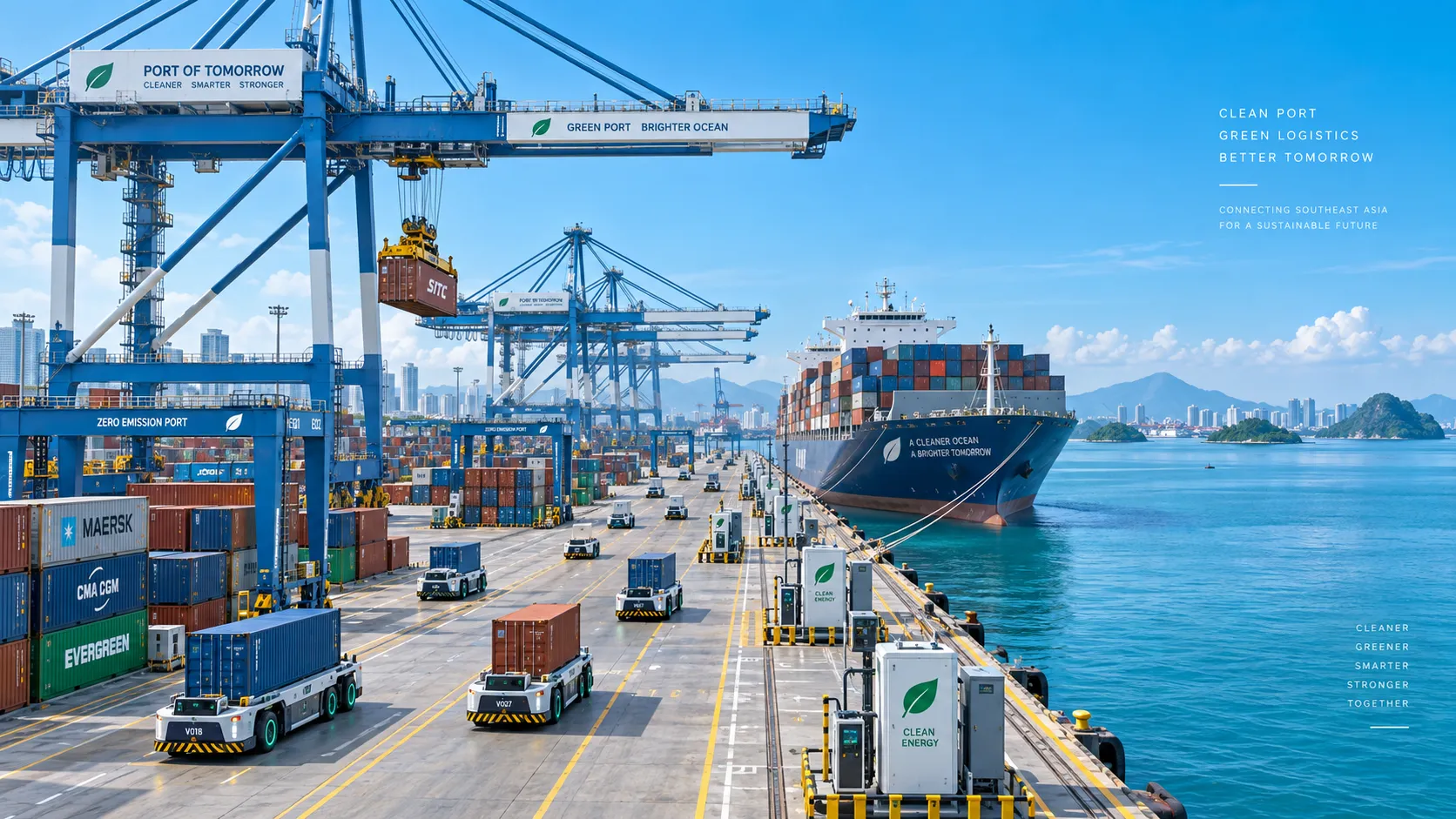
Smart Port Systems in Southeast Asia: Investment Priorities and Adoption Barriers
Smart port systems Southeast Asia: discover investment priorities, adoption barriers, and practical steps to build resilient, connected, high-performing terminals.
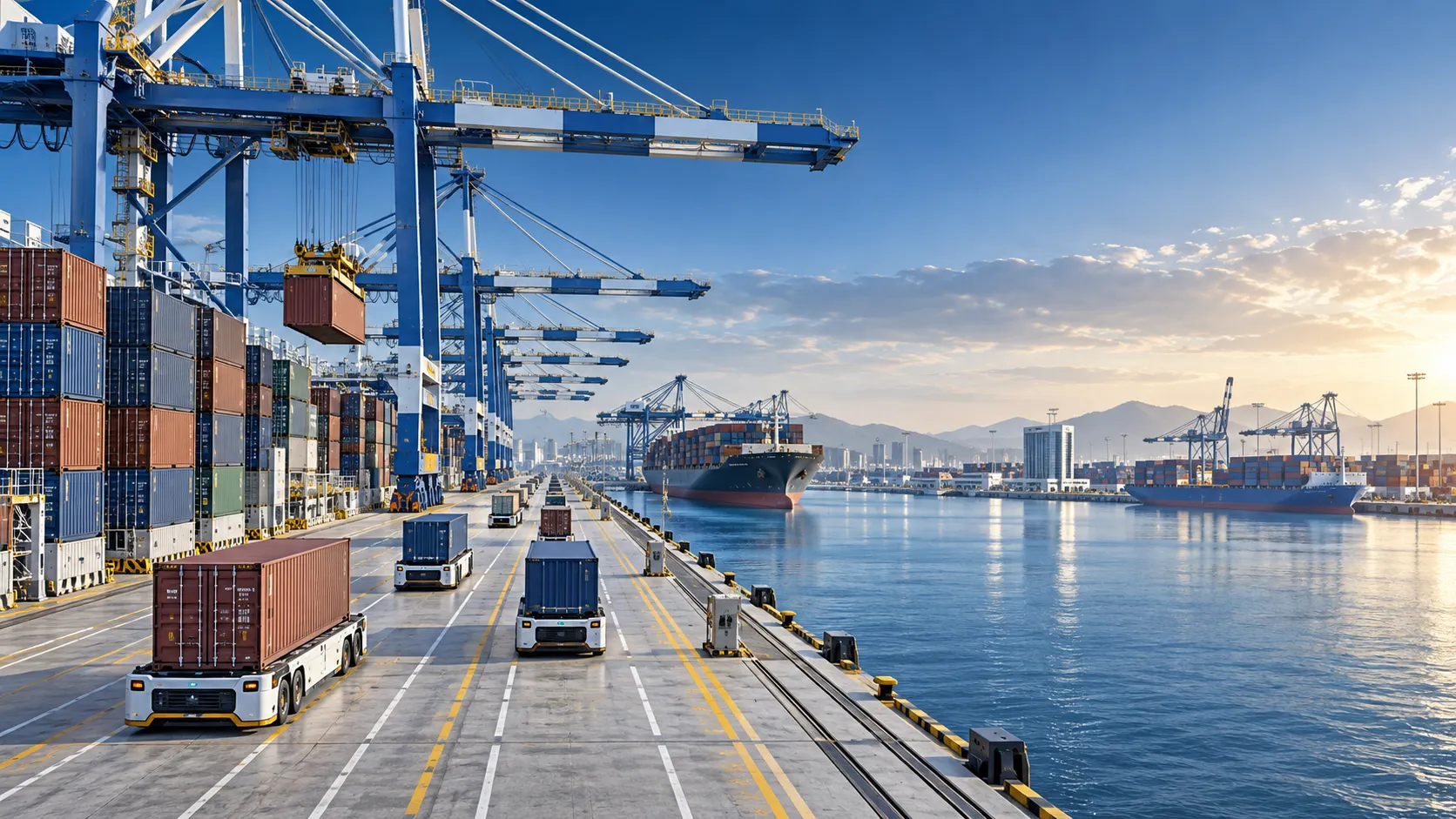
How to Evaluate Terminal Efficiency Solution Suppliers for High-Throughput Operations
Choose a terminal efficiency solutions supplier with confidence. Explore proven criteria for throughput, integration, lifecycle cost, safety, and reliable delivery.
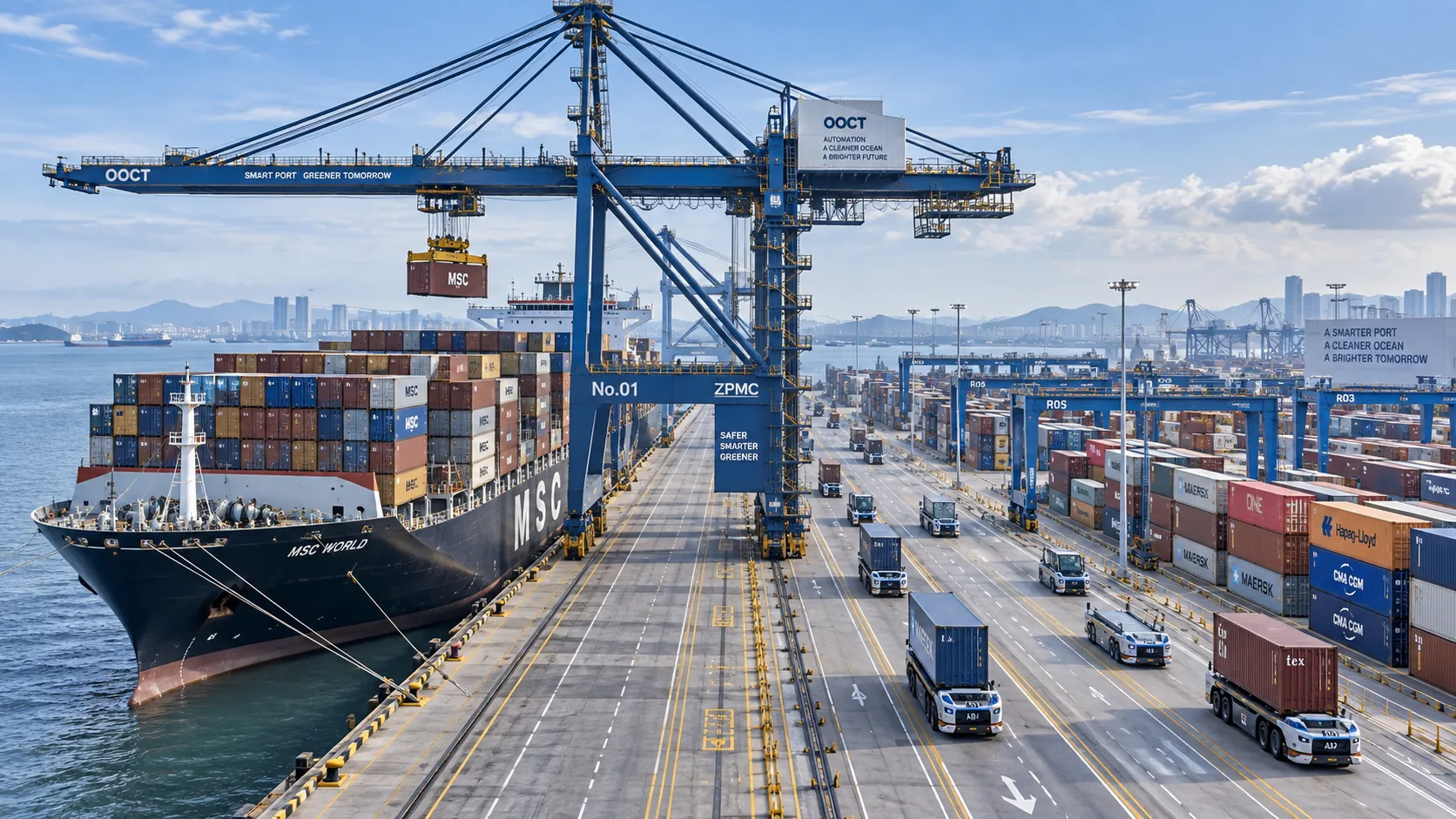
How to Specify a Quay Crane for Container Terminals by Vessel Size and Throughput?
Quay crane for container terminals: learn how to match outreach, lift height, capacity, automation, and cycle performance to vessel size and throughput goals.
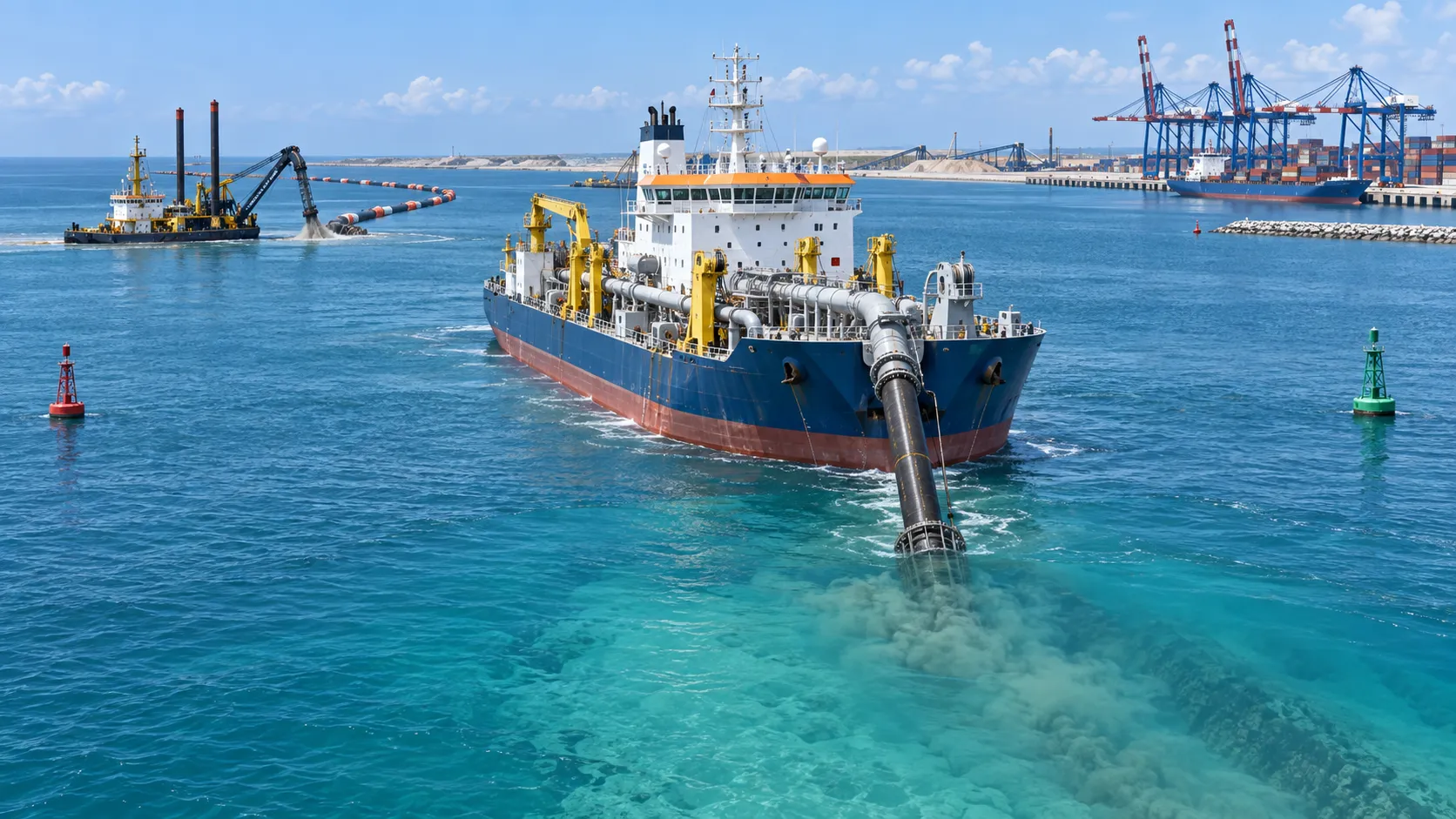
What Dredging Equipment Is Needed for Channel Deepening?
What dredging equipment is needed for channel deepening? Explore dredgers, pipelines, survey tools, and planning strategies for safer, more efficient port access.
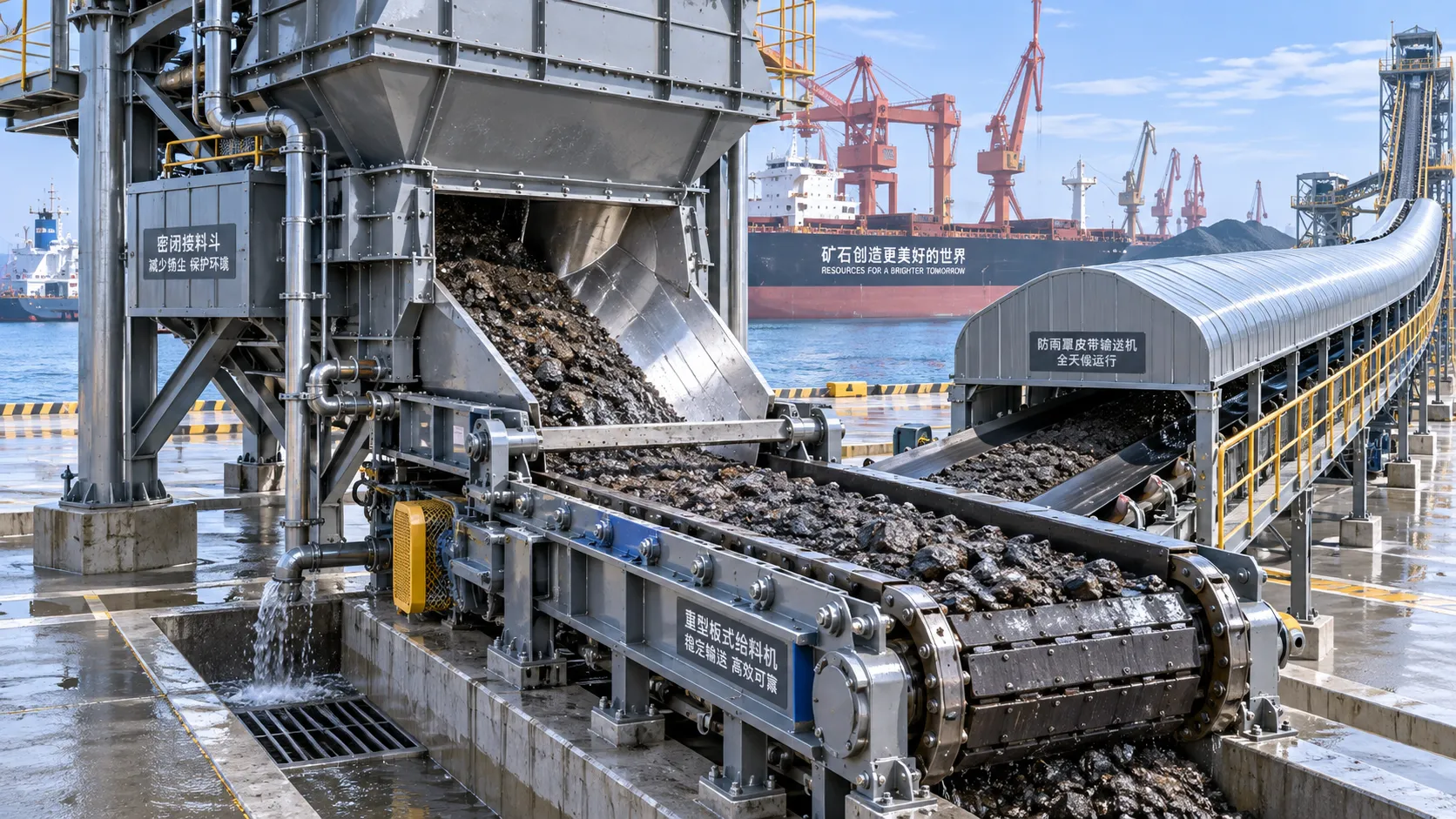
Which Bulk Handling Equipment Suits High-Moisture Cargo?
Which bulk handling equipment suits high-moisture cargo? Compare belt, apron, screw, drag, and slurry systems for reliable flow, less carryback, and higher terminal uptime.
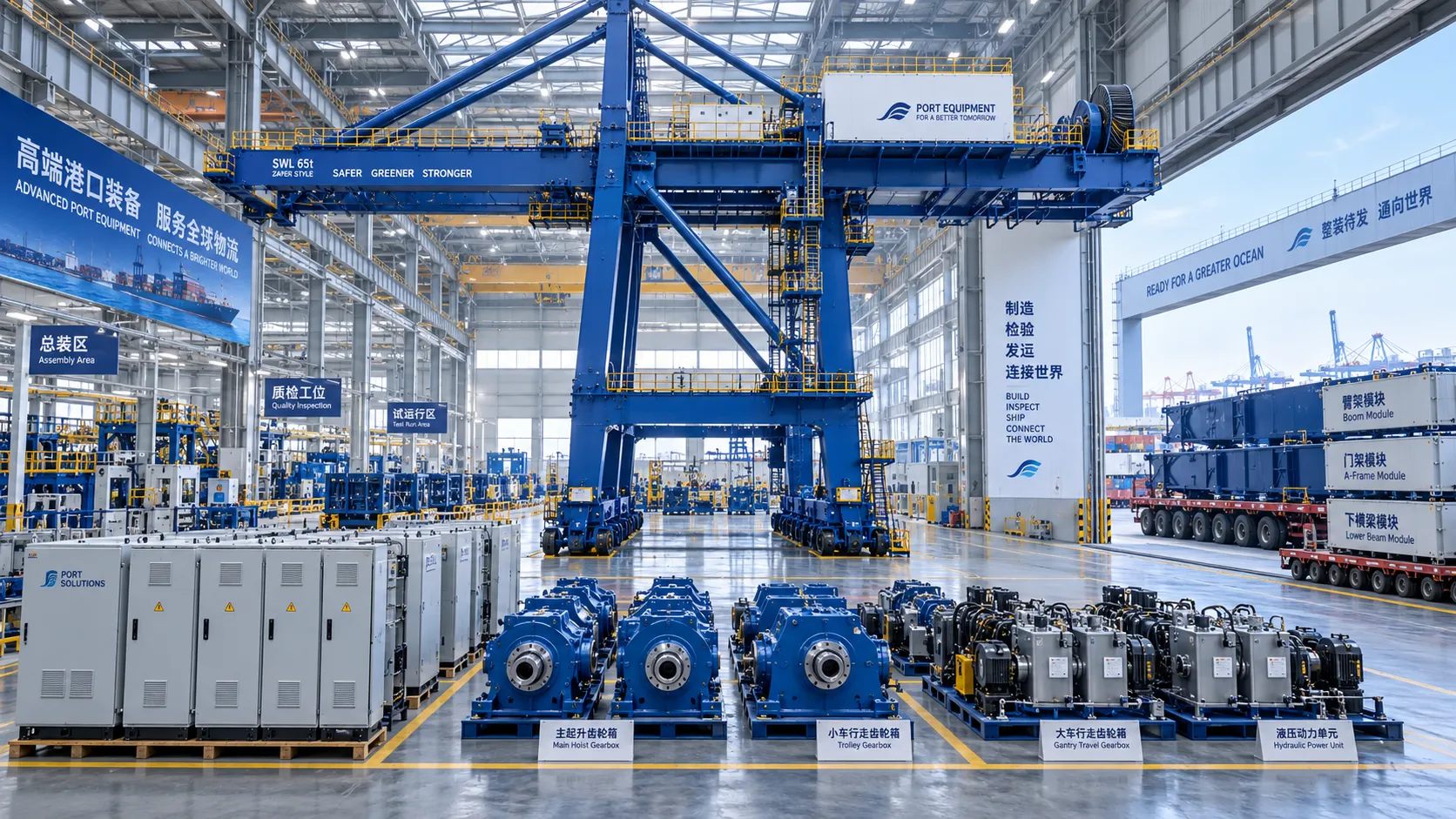
How Can Port Equipment Lead-Time Risk Be Managed?
How can port equipment lead-time risk be managed? Explore practical strategies to control critical paths, suppliers, transport, site readiness, and commissioning delays.
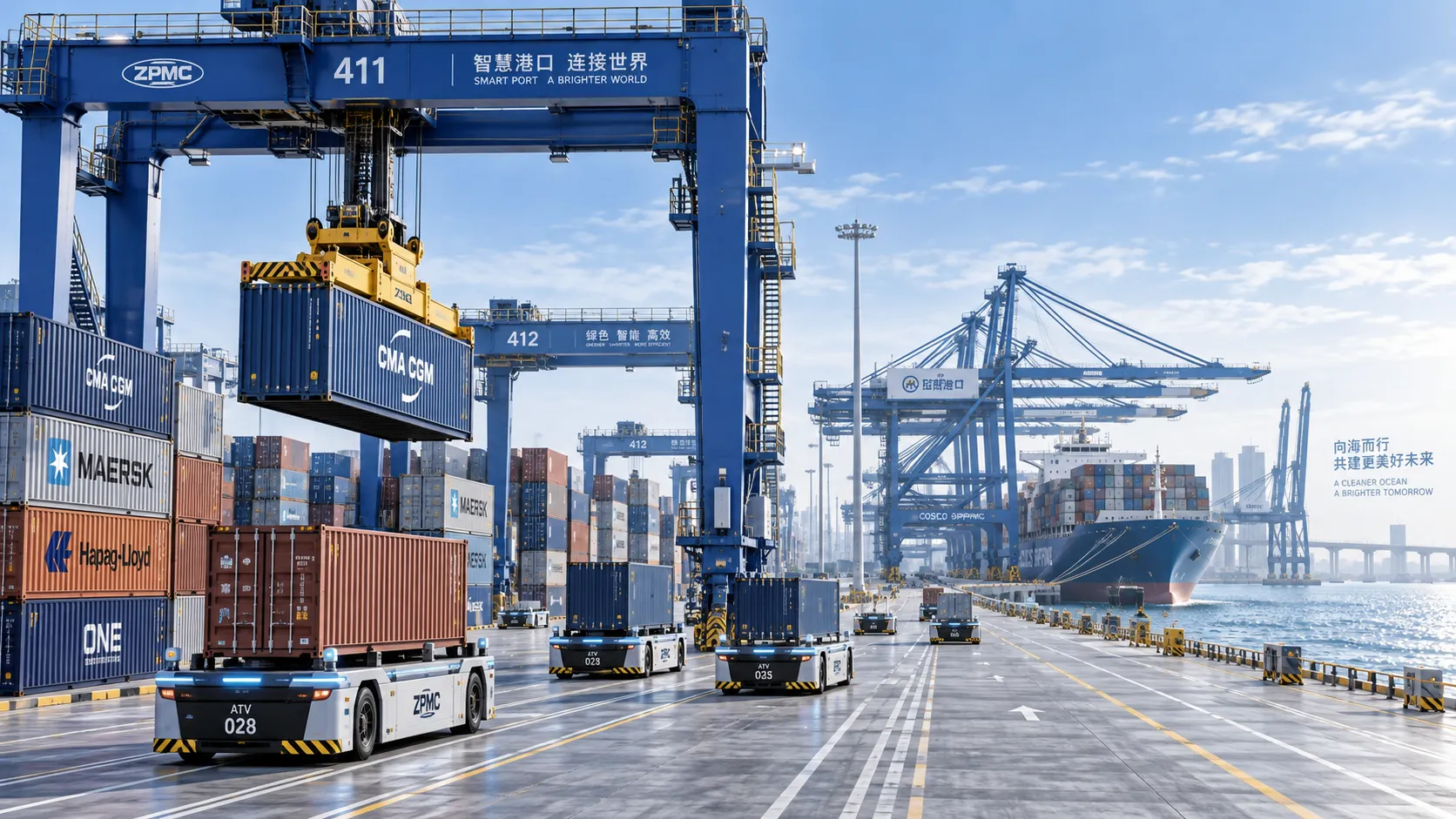
Terminal Automation Technologies That Raise Container Throughput Without Yard Disruption
Terminal automation technology that increases container throughput without disrupting yard flow. Explore smarter integration, resilient workflows, and phased deployment strategies.
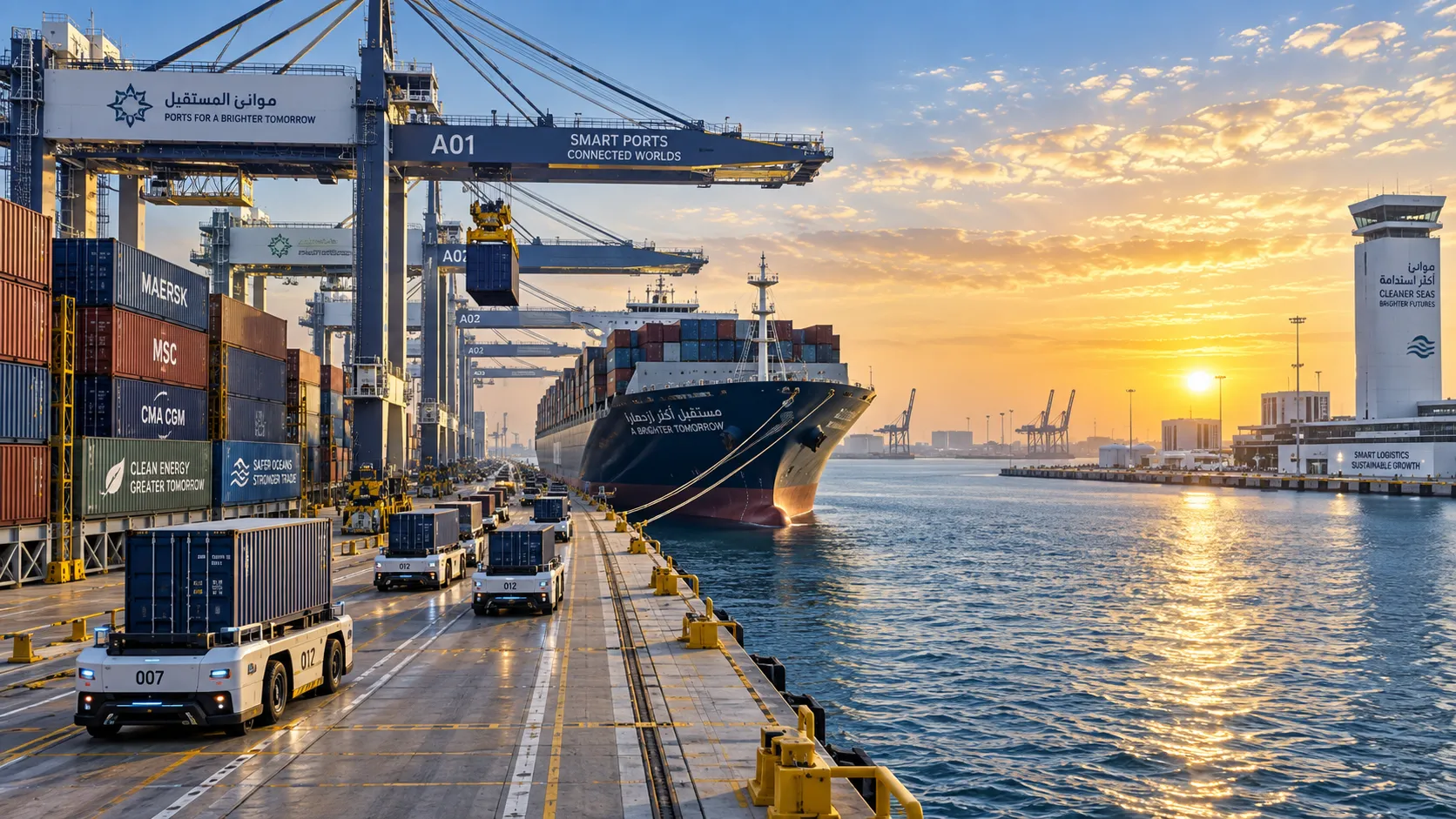
Middle East Port Automation: Key Market Drivers, Projects, and Investment Risks
Port automation systems Middle East: explore market drivers, flagship projects, integration challenges, and investment risks shaping smarter, resilient terminals.
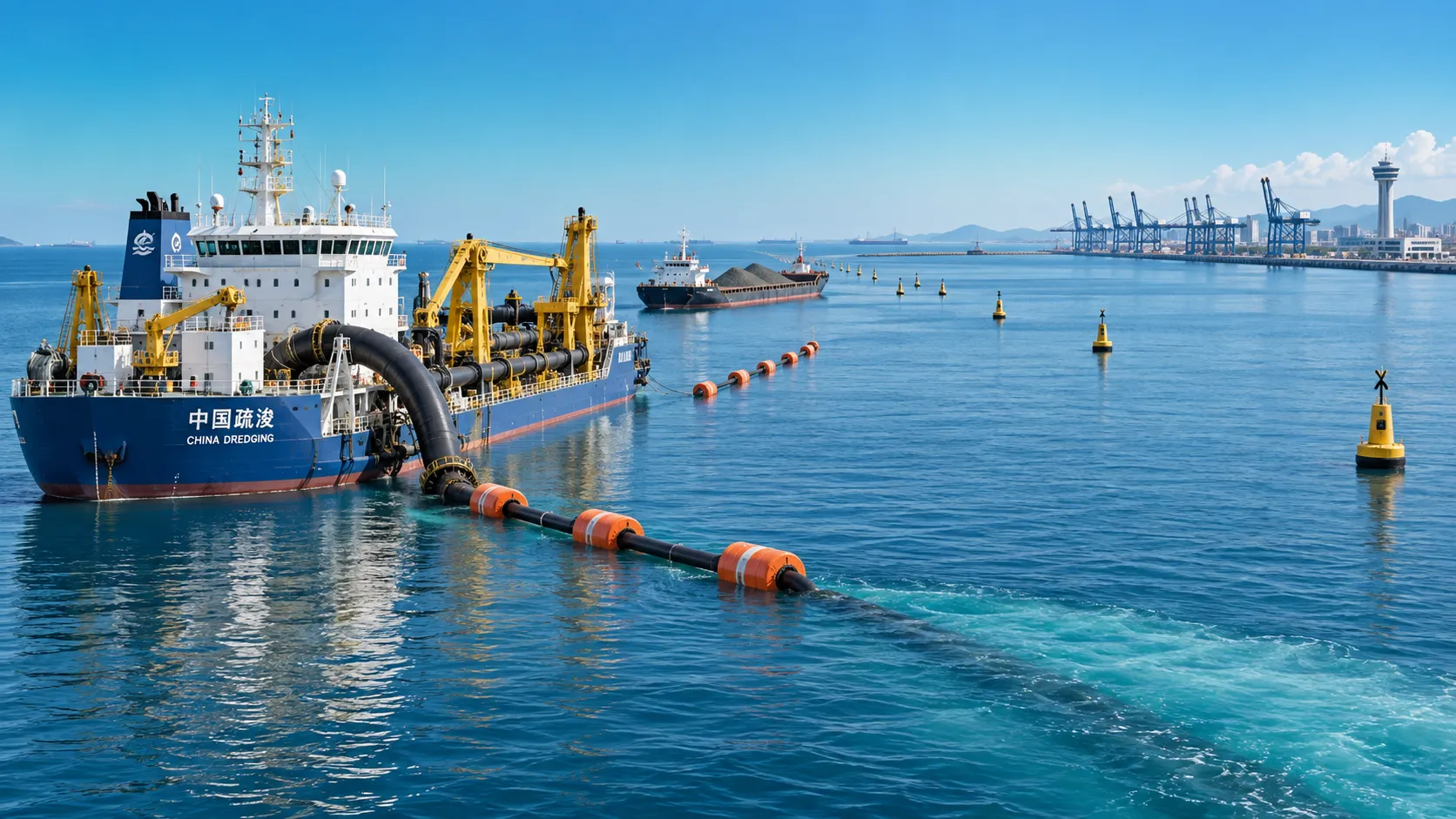
Planning Offshore Dredging Operations: Key Risks, Methods, and Project Controls
Offshore dredging operations demand smart planning. Explore key risks, proven methods, environmental controls, and project strategies for reliable delivery.