Related News
- 00
0000-00
Smart Port Systems in Southeast Asia: Investment Priorities and Adoption Barriers - 00
0000-00
Middle East Port Automation: Key Market Drivers, Projects, and Investment Risks - 00
0000-00
How Coastal Cities Can Prioritize Blue Economy Projects for Jobs and Ecosystem Gains - 00
0000-00
How Harbor Construction Solutions Address Wave Loads, Scour, and Vessel Berthing - 00
0000-00
What Is Driving Maritime Infrastructure Growth in Southeast Asia?
Port Infrastructure Development Trends: Capacity Bottlenecks, Funding Models, and Supply Chain Impact
Port infrastructure development has moved from a background capital topic to a front-line strategic issue. Cargo flows are less predictable, vessel sizes remain uneven, and many terminals are still working around assets built for a different trade cycle.
At the same time, emissions rules, energy transition cargoes, and digital operating models are changing what a competitive port looks like. That is why capacity bottlenecks, funding structures, and supply chain impact now need to be assessed together rather than in isolation.
For platforms such as PS-Nexus, which track heavy terminal gear, automated container handling, and dredging engineering, the shift is especially clear. Port performance is no longer defined only by berth length or crane count, but by the quality of infrastructure decisions across the whole logistics node.
Why port infrastructure development now carries broader business weight
In practical terms, port infrastructure development covers far more than building a new quay. It includes channel deepening, yard redesign, power systems, gate access, rail links, data networks, and the equipment logic that ties those elements together.
This wider definition matters because bottlenecks rarely sit in one place. A terminal may have enough cranes but insufficient yard density. Another may have berth capacity but poor hinterland evacuation. A third may have modern equipment but shallow access channels.
As a result, port infrastructure development influences shipping reliability, inventory timing, inland transport costs, and even location decisions for manufacturing and distribution assets. In coastal economics, ports are no longer passive gateways. They are active determinants of trade resilience.
Where capacity bottlenecks are actually emerging
The most visible constraint is berth congestion, yet it is rarely the only one. Current pressure points are spread across physical, operational, and digital layers.
Physical constraints
Many ports face draft limitations, aging quay walls, and yard footprints that no longer match container dwell patterns. For bulk and energy terminals, transfer rates may be limited by older conveyors, unloaders, or storage interfaces.
Equipment and throughput limits
Mega port terminal gear sets the ceiling for waterside productivity, but the full system matters more. If automated stacking cranes, AGV routing, and gate sequencing are not synchronized, expensive equipment still leaves throughput trapped below design capacity.
Marine access and dredging pressure
Dredging engineering has become a strategic factor in port infrastructure development. Sedimentation, larger vessel calls, and expansion into more complex coastal zones mean that access channels require continuous technical attention rather than occasional correction.
Digital bottlenecks
A growing number of terminals are constrained by information latency, fragmented control systems, or weak scheduling visibility. PS-Nexus highlights this well: low-latency crane communications, AGV path planning, and monitoring systems now shape real capacity as much as concrete and steel.
Funding models are changing the pace and shape of upgrades
Port infrastructure development is capital intensive, long cycle, and politically exposed. Because of that, the funding model often determines which projects move first, how risk is shared, and how quickly modernization reaches the operational level.
Public funding still plays a central role where ports are treated as national logistics assets. It is often most effective for dredging, access roads, rail connectors, and resilience works that create public value beyond one terminal operator.
Private investment tends to move faster in equipment renewal, automation, and specialized terminal expansions. That is especially true when returns can be tied to measurable gains in berth productivity, yard capacity, or vessel turnaround time.
Hybrid structures, including concessions and public-private partnerships, are increasingly common. They allow large port infrastructure development projects to combine public land control, operator discipline, and external financing without forcing a single party to absorb every uncertainty.
The stronger projects are usually those that connect financing logic to operational evidence. A modernized crane fleet, for example, is easier to justify when linked to quantified berth occupancy, vessel waiting time, and yard conflict data.
Supply chain impact reaches beyond the terminal fence
When port infrastructure development lags behind demand, the first sign may be vessel delay. The larger cost, however, often appears elsewhere: longer inventory buffers, unstable trucking windows, disrupted rail planning, and weaker service commitments to end customers.
The opposite is also true. Well-timed infrastructure upgrades can improve supply chain performance even when trade growth is modest. Better gate systems, cleaner berth windows, and stronger yard orchestration reduce friction that spreads across the network.
That is why port infrastructure development increasingly matters to sectors beyond shipping. Energy, manufacturing, agriculture, retail, and project cargo all depend on ports that can absorb volatility without transferring every disruption inland.
- Container gateways feel the impact through schedule reliability and inland distribution stability.
- Bulk terminals influence raw material continuity, storage planning, and commodity trade optionality.
- Energy ports affect fuel security, transition cargo handling, and industrial uptime.
- Intermodal nodes determine whether maritime gains are preserved or lost after discharge.
Modernization is increasingly about system integration
A common mistake is to treat port infrastructure development as a sequence of isolated upgrades. In reality, the highest returns often come from matching civil works, handling equipment, control architecture, and maintenance visibility within one operating concept.
This is where the PS-Nexus perspective is useful. Heavy mechanical power remains essential, but it has to be stitched to algorithmic scheduling, automated transfer logic, and marine engineering discipline. Ports now compete as integrated systems, not as collections of assets.
For example, adding quay cranes without upgrading yard software may simply move congestion inland. Expanding yard blocks without reviewing gate appointment logic may raise density while worsening truck dwell. Deepening a channel without aligning berth readiness can leave marine investment underused.
Signals of a stronger upgrade path
- Bottlenecks are measured across berth, yard, gate, channel, and inland handoff.
- Automation plans include communications reliability and control interoperability.
- Dredging and marine works are aligned with vessel mix and future draft needs.
- Energy, emissions, and electrification needs are built into asset selection.
- Commercial assumptions are tested against realistic cargo and routing scenarios.
How to judge port infrastructure development options in practice
The key question is not whether expansion sounds necessary. It is whether the proposed investment removes the binding constraint and improves network economics under multiple trade conditions.
Useful evaluation starts with operational truth rather than headline capacity. Peak-hour performance, berth occupancy patterns, equipment downtime, channel availability, and truck turn times usually reveal more than annual throughput claims.
It also helps to separate short-term relief from structural improvement. Temporary storage overflow, for instance, may solve a seasonal issue. It does not replace long-term port infrastructure development if yard design, automation maturity, or marine access remain misaligned.
What deserves attention next
The next phase of port infrastructure development will likely be shaped by three forces at once: automation depth, decarbonization pressure, and geopolitical rerouting of trade. None of them can be addressed with capacity expansion alone.
That makes disciplined intelligence more valuable than broad optimism. Tracking heavy terminal gear demand, control system evolution, dredging priorities, and cargo pattern shifts can clarify which ports are building durable competitiveness and which are simply adding assets.
A practical next step is to review any port-facing strategy through a tighter lens: where the real bottleneck sits, which funding path fits the asset, how automation changes utilization, and whether the project strengthens supply chain resilience beyond the terminal gate.
That approach creates a better basis for comparison, investment timing, and partnership decisions. In a market where delays are costly and overbuilding is equally risky, well-judged port infrastructure development becomes a strategic advantage rather than a routine capital exercise.
Related News
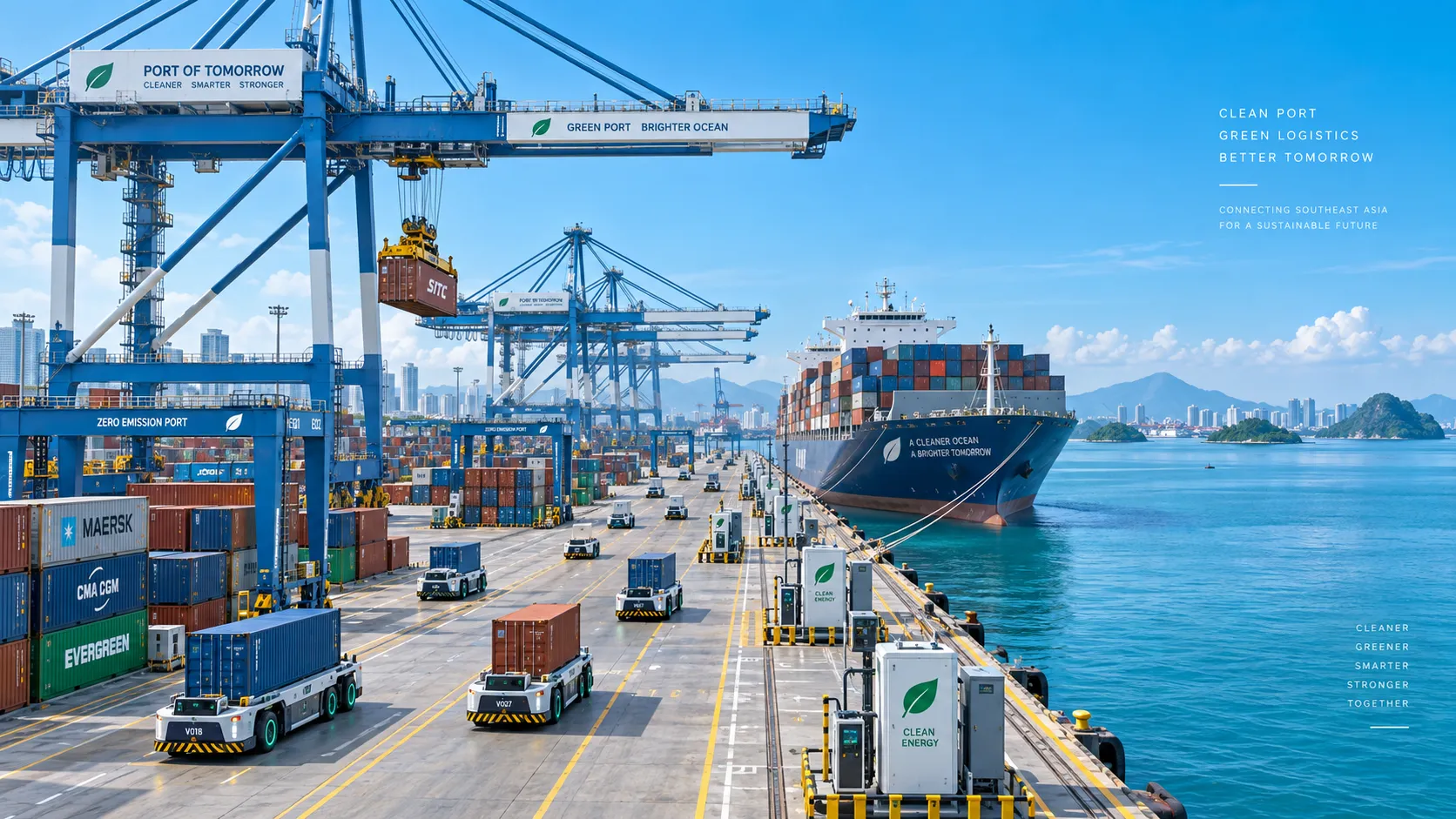
Smart Port Systems in Southeast Asia: Investment Priorities and Adoption Barriers
Smart port systems Southeast Asia: discover investment priorities, adoption barriers, and practical steps to build resilient, connected, high-performing terminals.
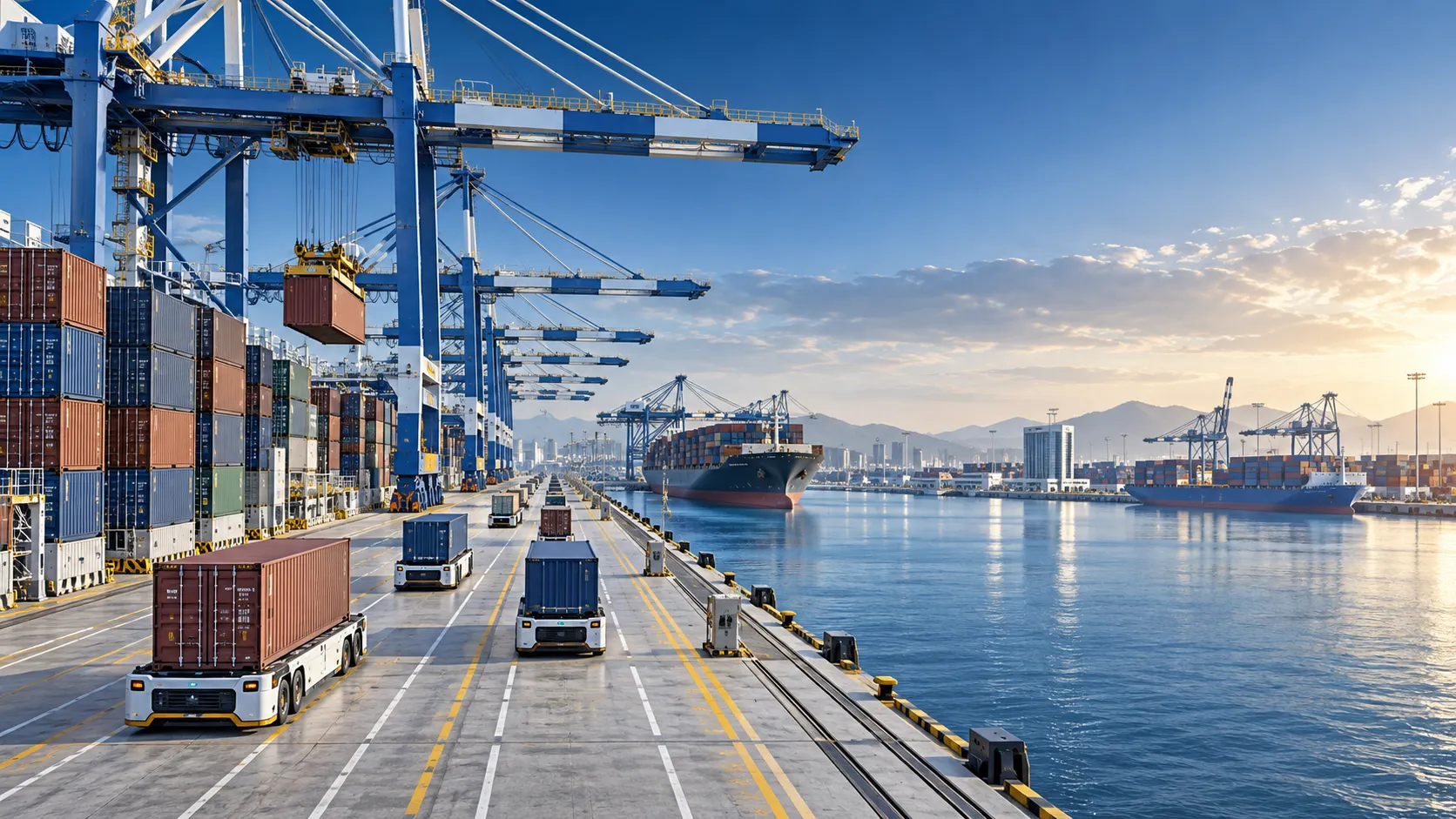
How to Evaluate Terminal Efficiency Solution Suppliers for High-Throughput Operations
Choose a terminal efficiency solutions supplier with confidence. Explore proven criteria for throughput, integration, lifecycle cost, safety, and reliable delivery.
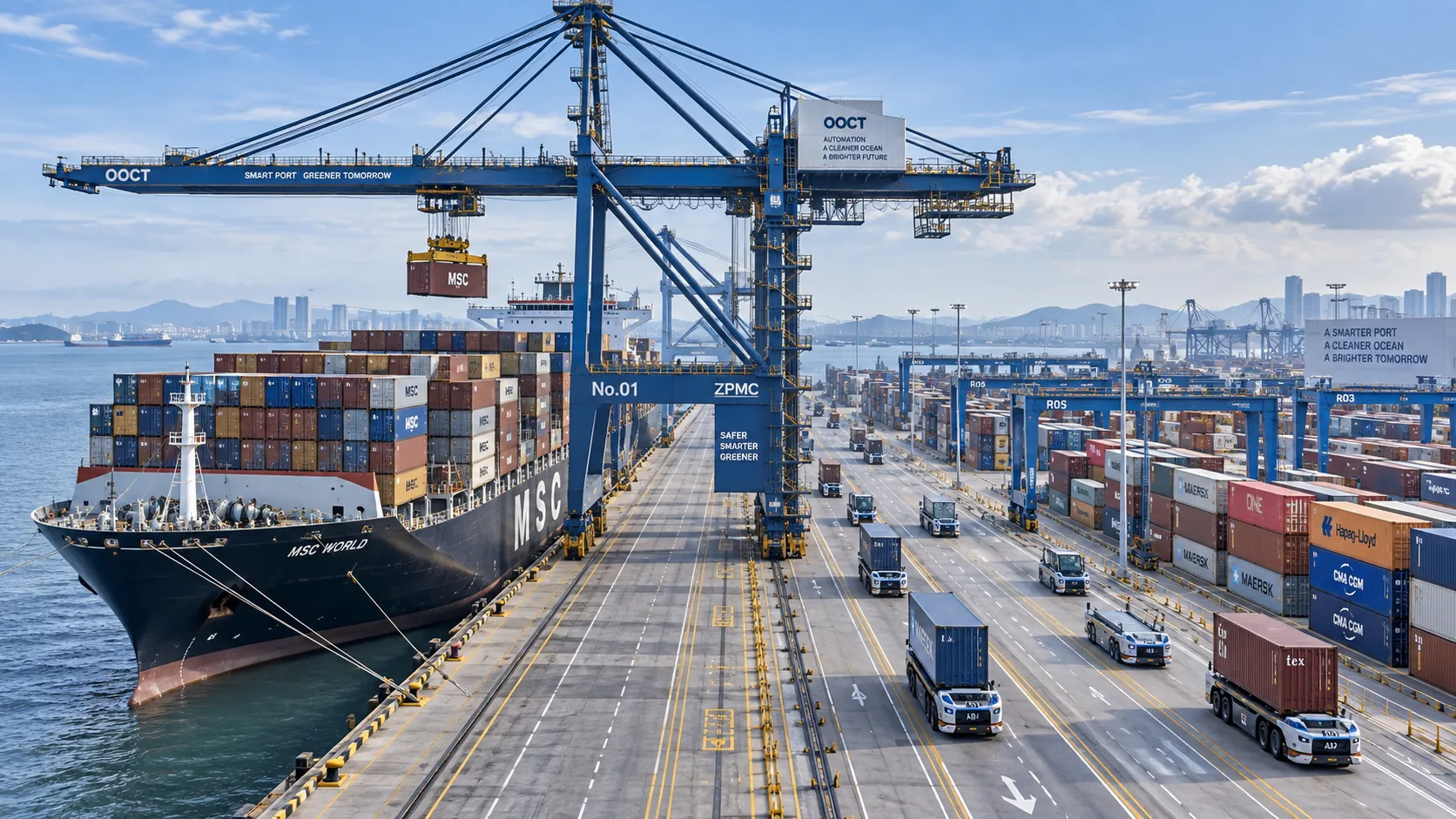
How to Specify a Quay Crane for Container Terminals by Vessel Size and Throughput?
Quay crane for container terminals: learn how to match outreach, lift height, capacity, automation, and cycle performance to vessel size and throughput goals.
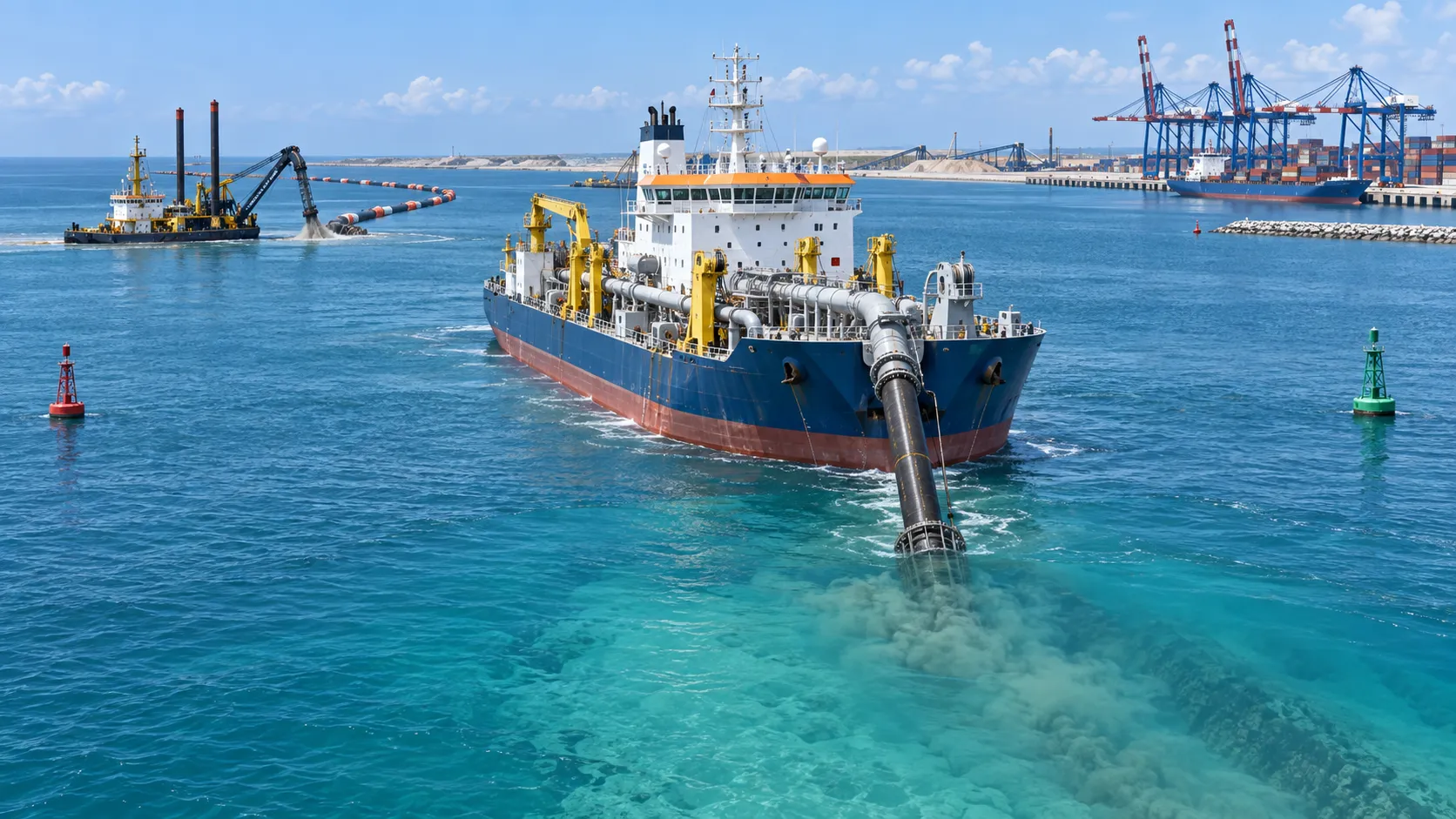
What Dredging Equipment Is Needed for Channel Deepening?
What dredging equipment is needed for channel deepening? Explore dredgers, pipelines, survey tools, and planning strategies for safer, more efficient port access.
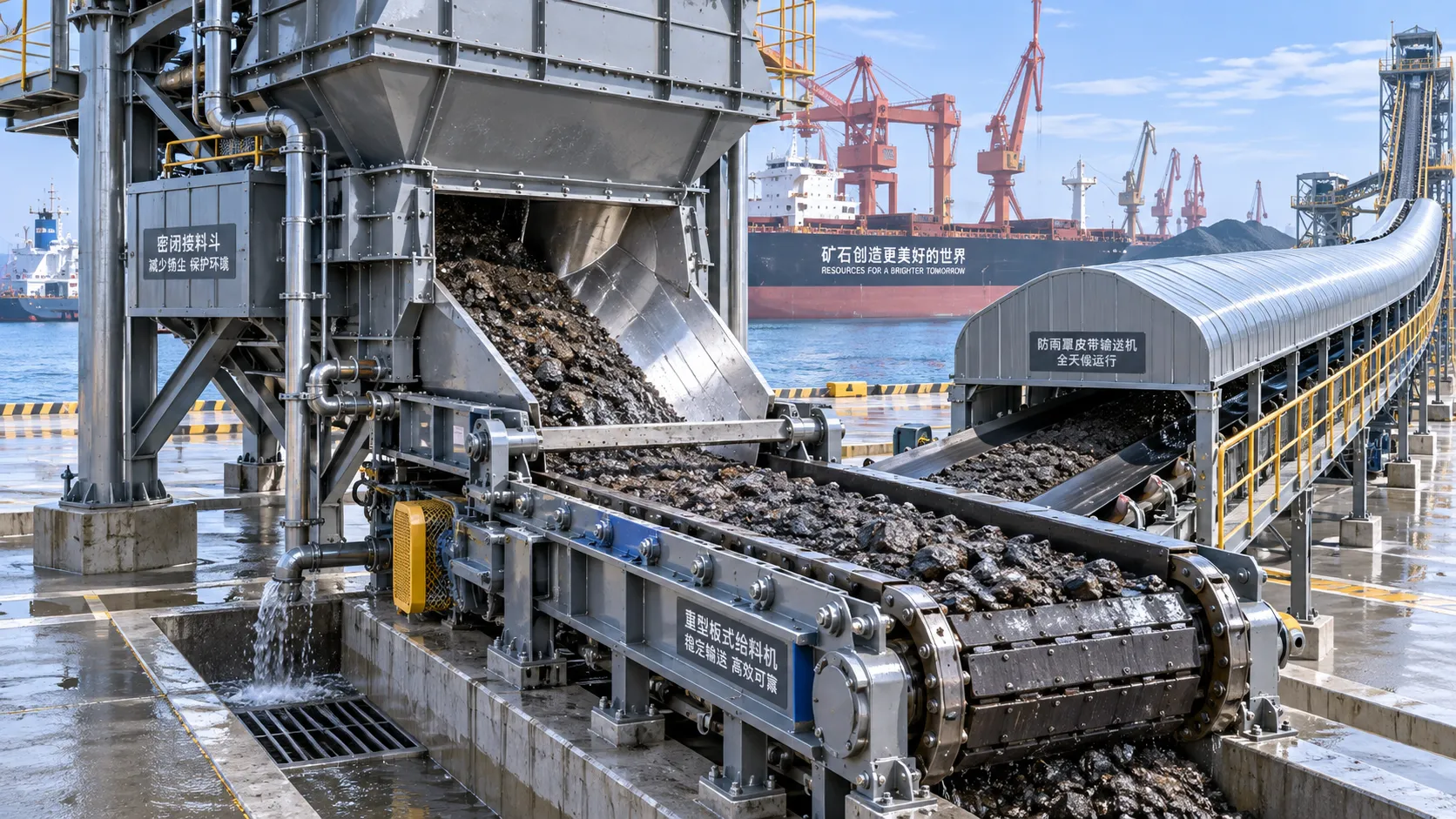
Which Bulk Handling Equipment Suits High-Moisture Cargo?
Which bulk handling equipment suits high-moisture cargo? Compare belt, apron, screw, drag, and slurry systems for reliable flow, less carryback, and higher terminal uptime.
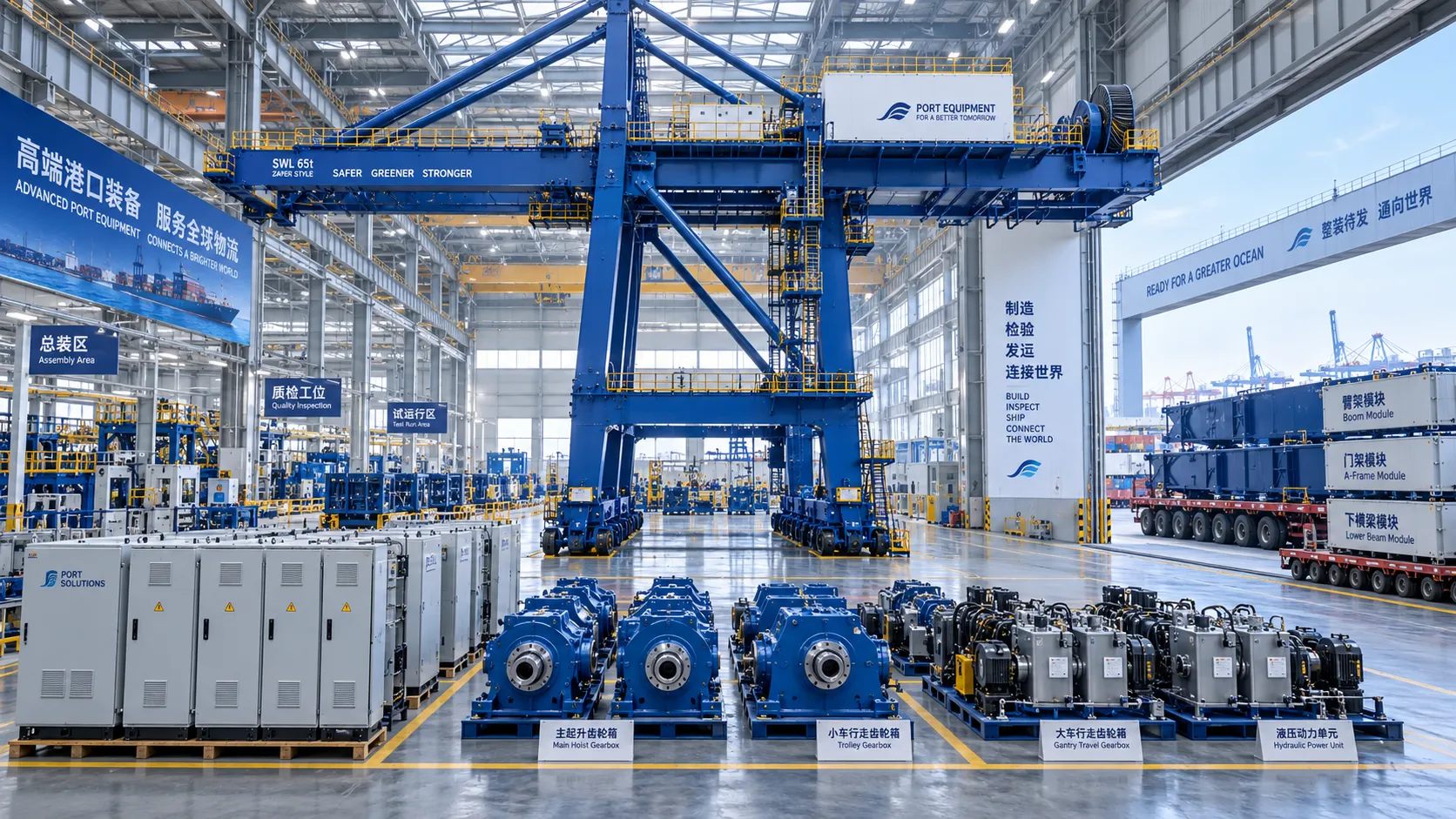
How Can Port Equipment Lead-Time Risk Be Managed?
How can port equipment lead-time risk be managed? Explore practical strategies to control critical paths, suppliers, transport, site readiness, and commissioning delays.
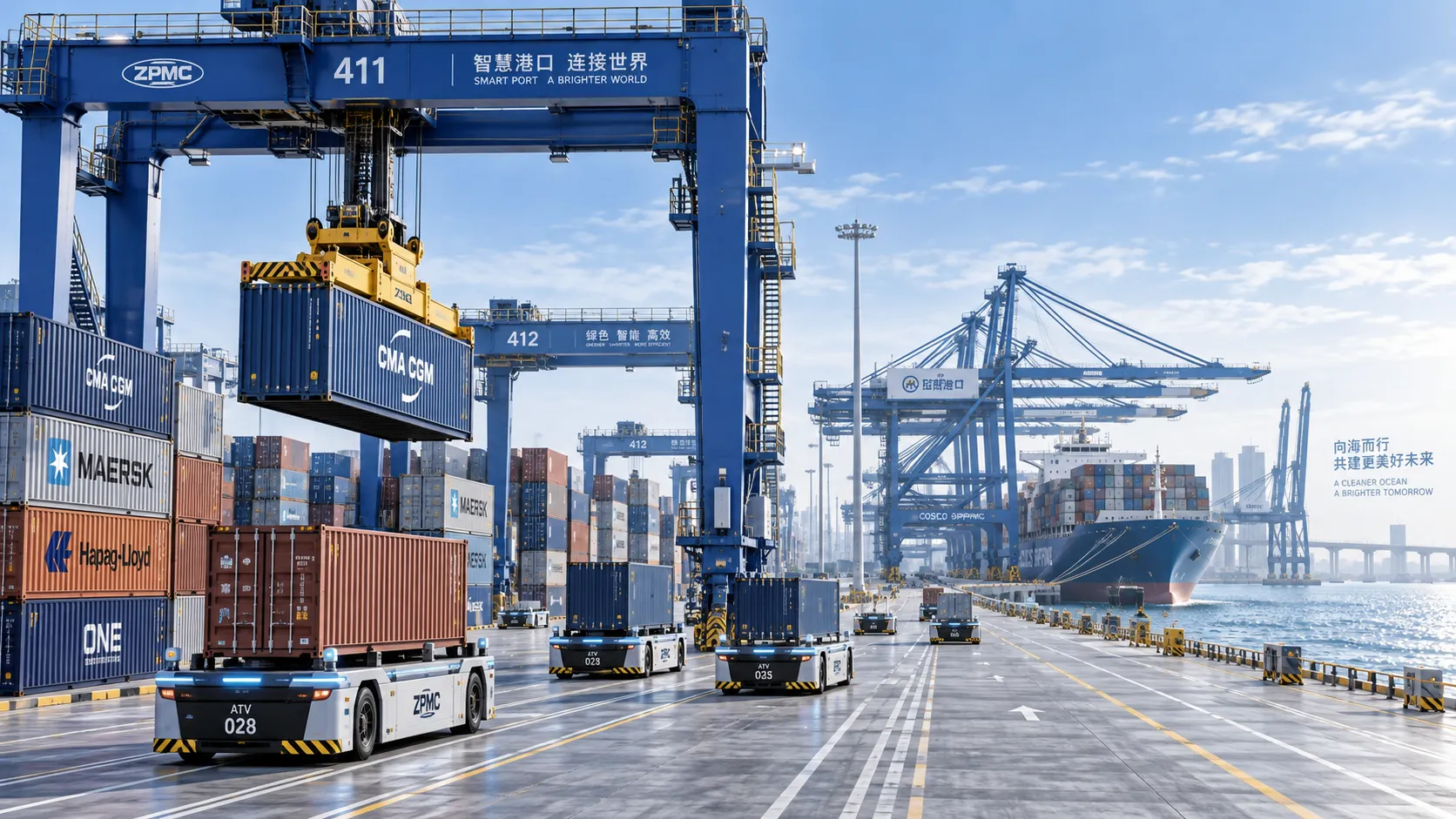
Terminal Automation Technologies That Raise Container Throughput Without Yard Disruption
Terminal automation technology that increases container throughput without disrupting yard flow. Explore smarter integration, resilient workflows, and phased deployment strategies.
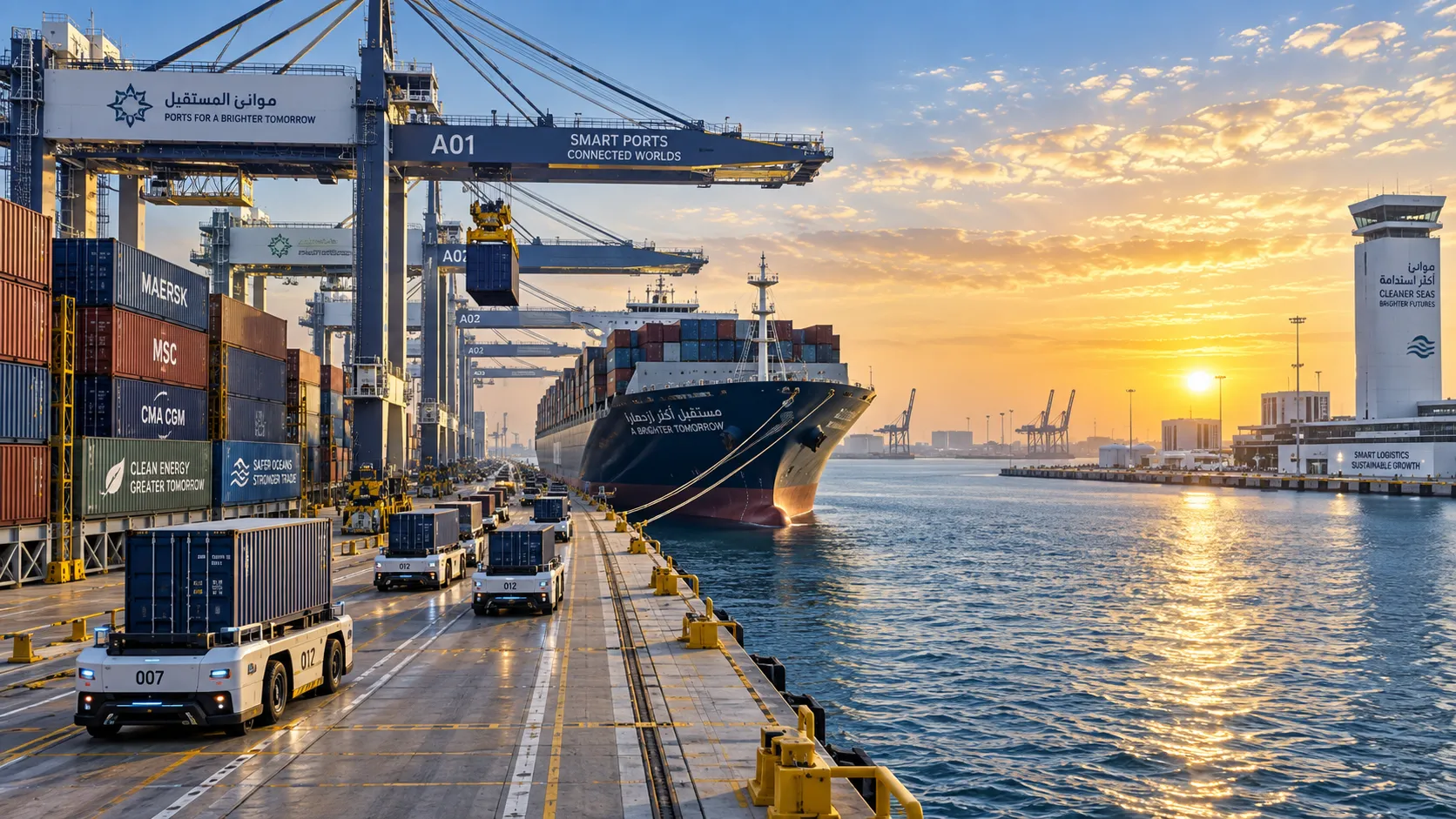
Middle East Port Automation: Key Market Drivers, Projects, and Investment Risks
Port automation systems Middle East: explore market drivers, flagship projects, integration challenges, and investment risks shaping smarter, resilient terminals.
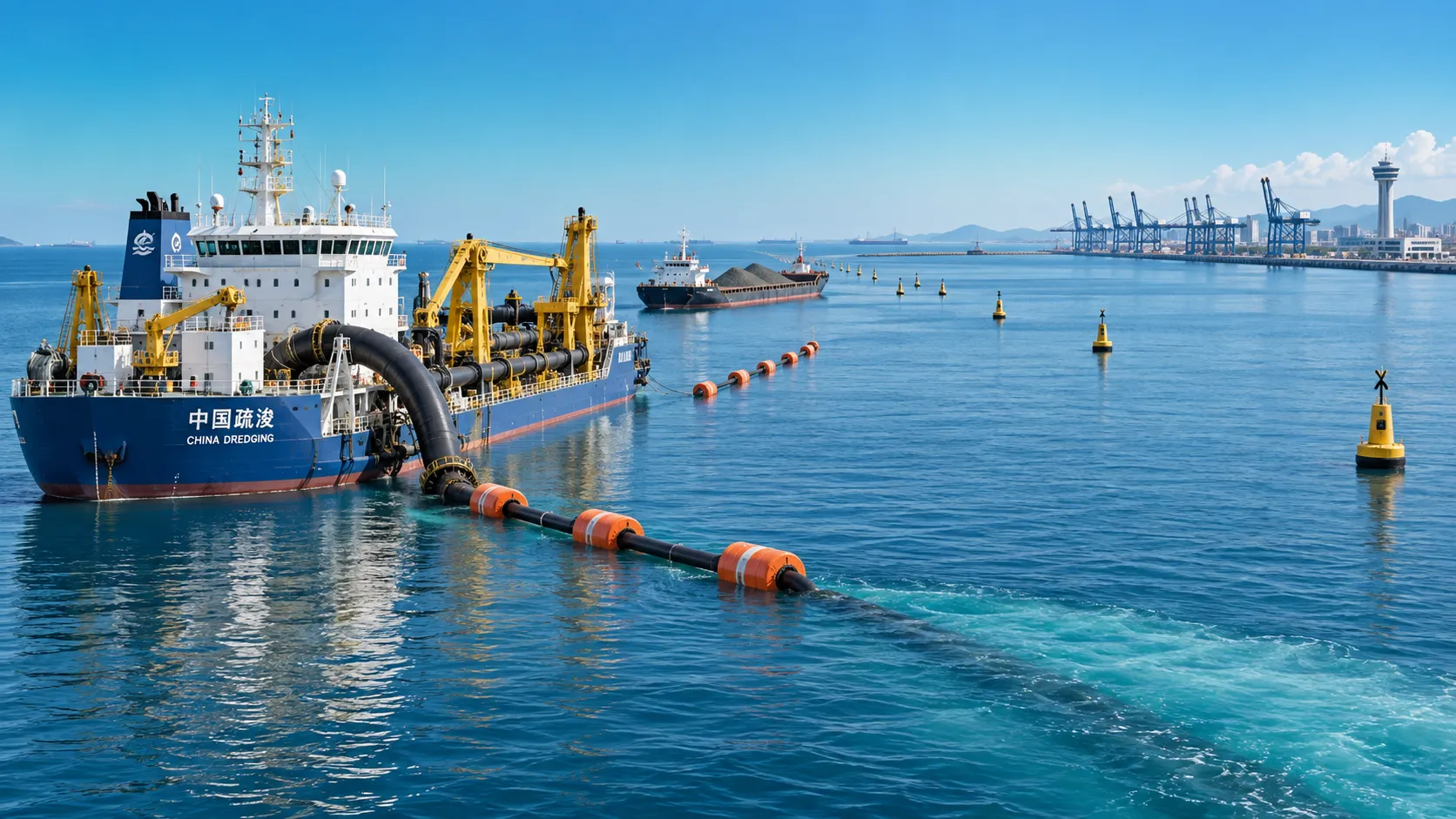
Planning Offshore Dredging Operations: Key Risks, Methods, and Project Controls
Offshore dredging operations demand smart planning. Explore key risks, proven methods, environmental controls, and project strategies for reliable delivery.