Related News
- 00
0000-00
Smart Port Systems in Southeast Asia: Investment Priorities and Adoption Barriers - 00
0000-00
Middle East Port Automation: Key Market Drivers, Projects, and Investment Risks - 00
0000-00
How Coastal Cities Can Prioritize Blue Economy Projects for Jobs and Ecosystem Gains - 00
0000-00
How Harbor Construction Solutions Address Wave Loads, Scour, and Vessel Berthing - 00
0000-00
What Is Driving Maritime Infrastructure Growth in Southeast Asia?
Port Technology Trends in 2025: Digital Twins, Smart Sensors, and Yard Automation Priorities
Port technology trends in 2025 are moving from pilots to operating priorities
Port technology trends in 2025 are no longer defined by isolated innovation showcases.
They are increasingly tied to measurable questions about berth productivity, yard fluidity, maintenance exposure, and emissions performance.
That shift matters because terminals now face tighter service windows, less tolerance for disruption, and more pressure to justify capital timing.
What stands out this year is not a single breakthrough.
It is the way digital twins, smart sensors, and yard automation are starting to work as one investment logic.
For a sector followed closely by PS-Nexus, that logic reaches beyond container yards.
It touches heavy terminal gear, bulk handling systems, control architecture, and even dredging support assets that shape channel access and terminal expansion.
The practical question is becoming sharper: which technologies improve visibility and control fast enough to change commercial outcomes within realistic deployment cycles?
Why this change is becoming more visible now
Several recent signals explain why port technology trends are accelerating in 2025.
Network volatility remains high, but the source of risk has changed.
Instead of only reacting to vessel bunching, operators are now dealing with labor scarcity, energy costs, cyber exposure, and equipment uptime gaps.
At the same time, port owners and logistics groups have accumulated enough operational data to see where traditional dashboards stop helping.
Knowing yesterday’s moves is not enough when dispatch, stacking, and quay coordination need to adapt by the minute.
This is where the newer wave of port technology trends gains traction.
- Digital twins turn fragmented operational records into scenario tools for berth planning, crane sequencing, and yard congestion testing.
- Smart sensors add condition intelligence to spreaders, motors, tires, pump systems, rails, and structural components.
- Yard automation links equipment movement with slot discipline, safety layers, and more stable handoffs across the terminal.
More importantly, these technologies are benefiting from stronger connectivity foundations.
Low-latency communication, edge processing, and better integration middleware make control decisions more reliable than in earlier automation cycles.
Digital twins are becoming commercial tools, not just engineering models
Among the leading port technology trends, digital twins are changing fastest in how they are used.
A few years ago, many projects focused on visualization.
In 2025, the stronger use case is decision simulation.
Operators want to test crane allocation, truck routing, reefer density, maintenance windows, and storm disruption scenarios before they affect live throughput.
That changes the investment case.
A useful digital twin is no longer measured by model detail alone.
It is measured by whether it helps reduce queue time, improve asset utilization, or avoid expensive expansion mistakes.
This is particularly relevant for mega terminal gear and specialized container handling systems, where one planning error can distort capacity assumptions for years.
PS-Nexus tracks this closely because the best twin environments now combine mechanical behavior, control logic, and commercial flow patterns.
That integrated view is becoming a serious advantage when terminals evaluate phased upgrades instead of full replacement programs.
Where digital twin value is becoming easier to prove
Smart sensors are shifting attention from monitoring to intervention
Another defining feature of port technology trends is the growing role of smart sensors in everyday asset decisions.
The change is subtle but important.
Many terminals already collect equipment data, yet too much of it remains disconnected from action thresholds.
In 2025, better projects are designed around intervention logic.
If vibration shifts on a ship-to-shore crane, if hydraulic performance fades on bulk loaders, or if pump behavior changes in dredging support systems, the system should not only record it.
It should trigger scheduling, inspection, or load adjustment choices.
That is why sensor strategy now matters across the full mechanical estate.
Quay cranes, RTGs, straddle carriers, conveyor assets, power units, and dredging equipment all generate different risk signatures.
The more advanced terminals are not trying to instrument everything at once.
They are prioritizing components where downtime is expensive, diagnosis is slow, or safety margins are narrow.
This approach is especially relevant for business evaluation because it improves return clarity.
A focused sensor rollout can often outperform broader digital programs that collect data without operational consequence.
Yard automation is being judged by flow stability, not just labor substitution
Yard automation remains one of the most discussed port technology trends, but the evaluation criteria are changing.
The old debate centered on whether automated yards reduce manpower dependency.
That still matters, yet the stronger argument now is consistency.
When box flows become less predictable, stable handoffs between quay, yard, and gate can create more commercial value than headline labor savings.
This is why automated stacking cranes, AGVs, positioning systems, and orchestration software are being reviewed together.
A terminal can automate equipment and still underperform if dispatch logic, exception handling, and traffic hierarchy remain weak.
From recent deployment patterns, three priorities stand out.
- Exception management is becoming as important as routine move automation.
- Mixed fleets require cleaner interoperability between legacy machines and automated units.
- Energy-aware routing is gaining weight as electrification expands across terminal equipment.
In other words, yard automation is no longer a standalone equipment topic.
It is a control-system and network-design topic, which aligns closely with the PS-Nexus view of ports as coordinated mechanical and algorithmic ecosystems.
The impact is spreading beyond one terminal function
A common mistake is to read port technology trends only through container handling.
The broader market signal is more connected than that.
Bulk operations are using sensor intelligence to stabilize conveyor availability and reduce transfer bottlenecks.
Marine engineering teams are linking dredging data and terminal expansion planning more closely.
Port control systems are absorbing more real-time logic as remote operations mature.
This creates knock-on effects for investment timing, supplier selection, and systems architecture.
It also raises a new evaluation issue.
Technologies that look efficient inside one asset class may fail if they cannot share data, timing rules, or operational states across the port environment.
That is one reason intelligence-led platforms such as PS-Nexus are gaining relevance.
Market visibility now depends on connecting heavy equipment behavior with scheduling logic, trade patterns, and infrastructure constraints.
What deserves closer attention before the next investment cycle
Not every port technology trend deserves equal urgency.
The more useful filter is whether a project improves controllability under real operating pressure.
That calls for a practical review framework.
- Check whether data sources are reliable enough for live decisions, not only retrospective reports.
- Compare automation gains under normal flow and disruption scenarios, not just under ideal throughput assumptions.
- Review how digital twins connect with maintenance systems, TOS layers, and energy management tools.
- Prioritize sensor deployments around failure cost, spare lead time, and safety-critical components.
- Assess whether future dredging, berth changes, or terminal expansion will alter today’s technology requirements.
These checkpoints matter because 2025 is not simply about buying smarter systems.
It is about avoiding fragmented digital spending that looks modern but leaves operating logic unchanged.
The next sensible move is to connect signals before scaling commitments
The strongest port technology trends in 2025 point toward convergence.
Digital twins, smart sensors, and yard automation create the most value when they reinforce the same operational decisions.
That is the real shift now underway across maritime logistics and coastal infrastructure planning.
A sensible next step is to map where visibility gaps, control delays, and asset bottlenecks already affect performance.
Then compare which technology layer addresses those gaps with the clearest evidence and the lowest integration friction.
From there, it becomes easier to build phased plans, watch the right market signals, and align long-cycle port investments with actual operational change.
That disciplined view is likely to separate cosmetic digitization from durable advantage in the next wave of port technology trends.
Related News
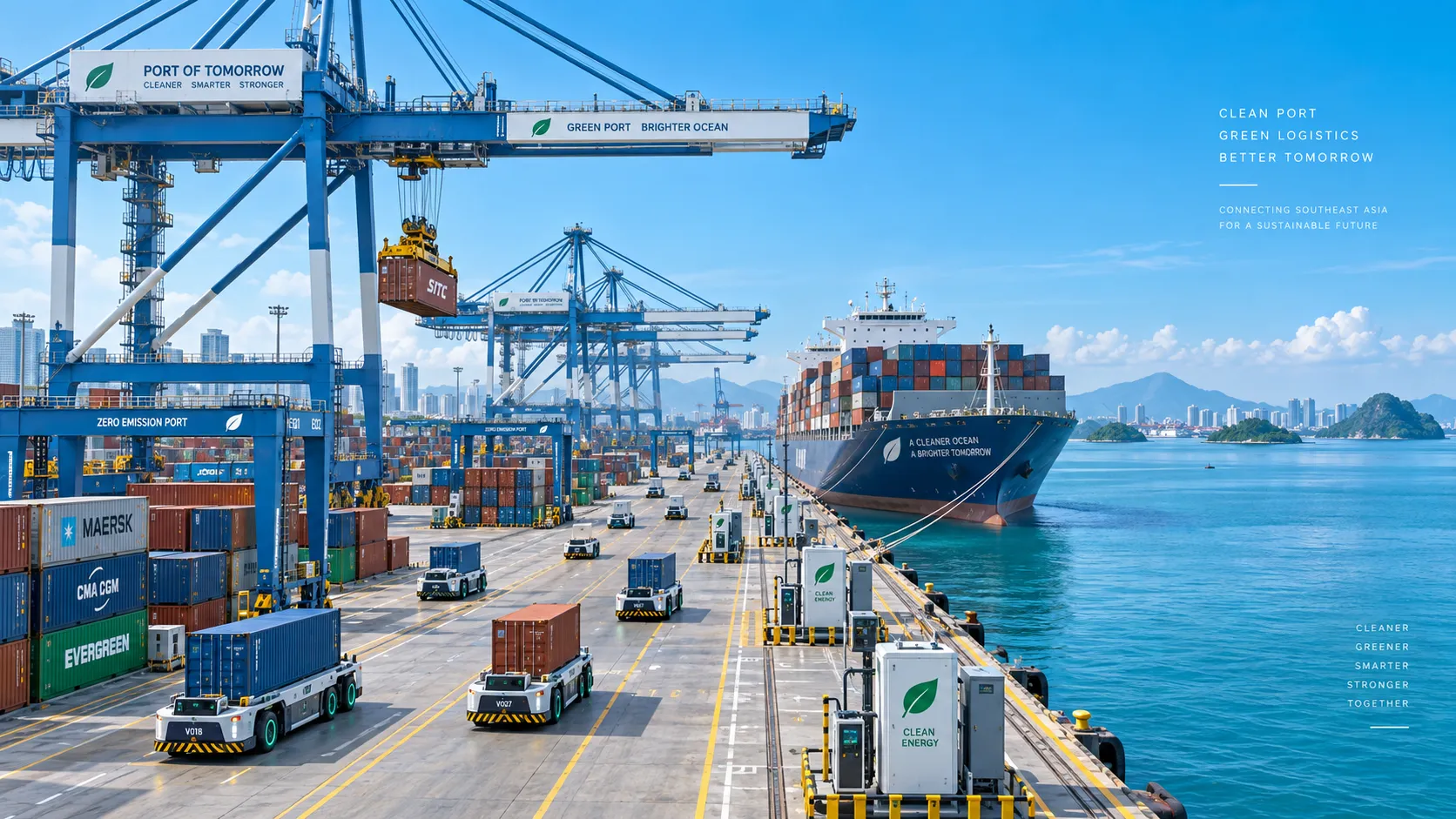
Smart Port Systems in Southeast Asia: Investment Priorities and Adoption Barriers
Smart port systems Southeast Asia: discover investment priorities, adoption barriers, and practical steps to build resilient, connected, high-performing terminals.
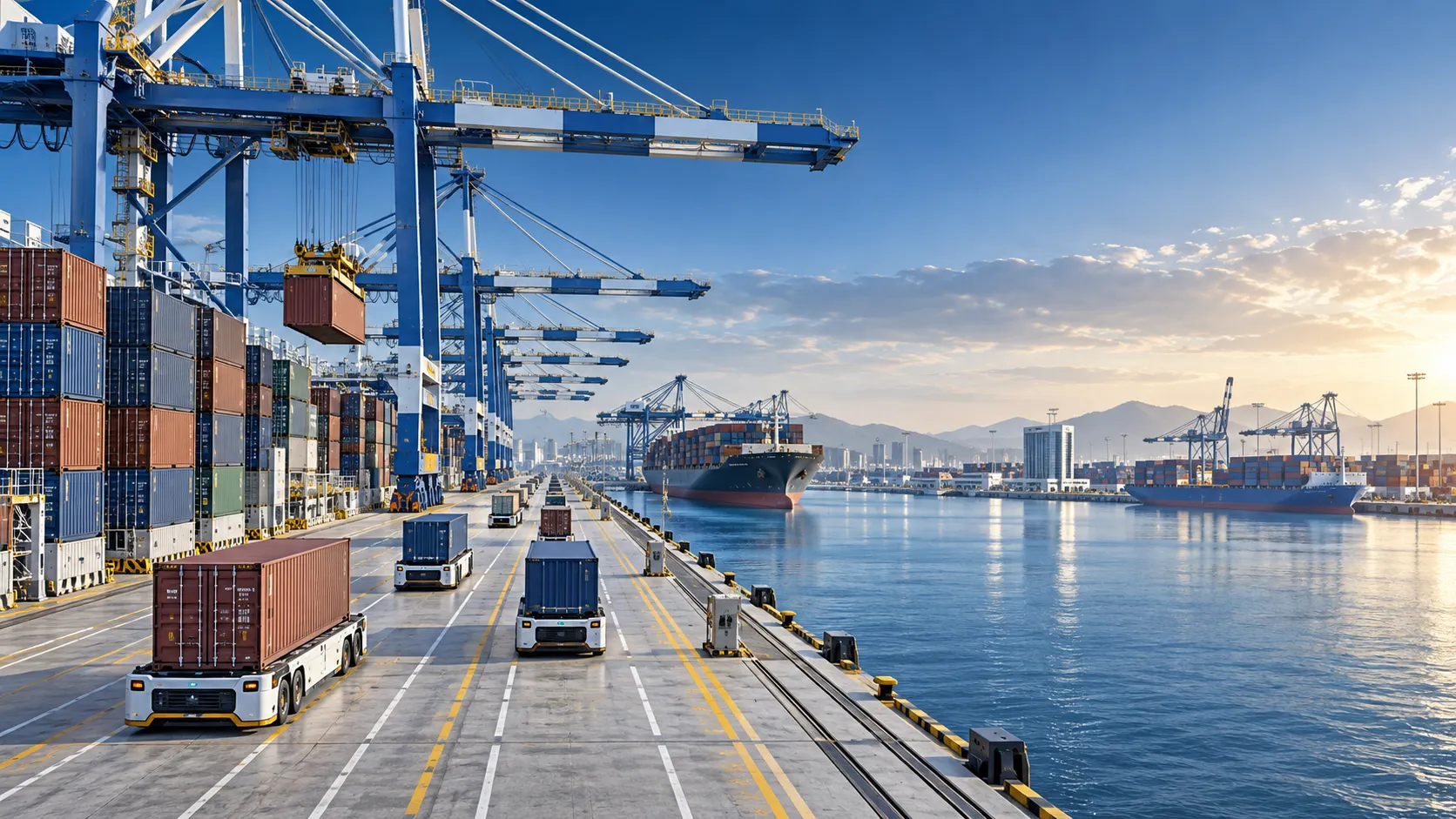
How to Evaluate Terminal Efficiency Solution Suppliers for High-Throughput Operations
Choose a terminal efficiency solutions supplier with confidence. Explore proven criteria for throughput, integration, lifecycle cost, safety, and reliable delivery.
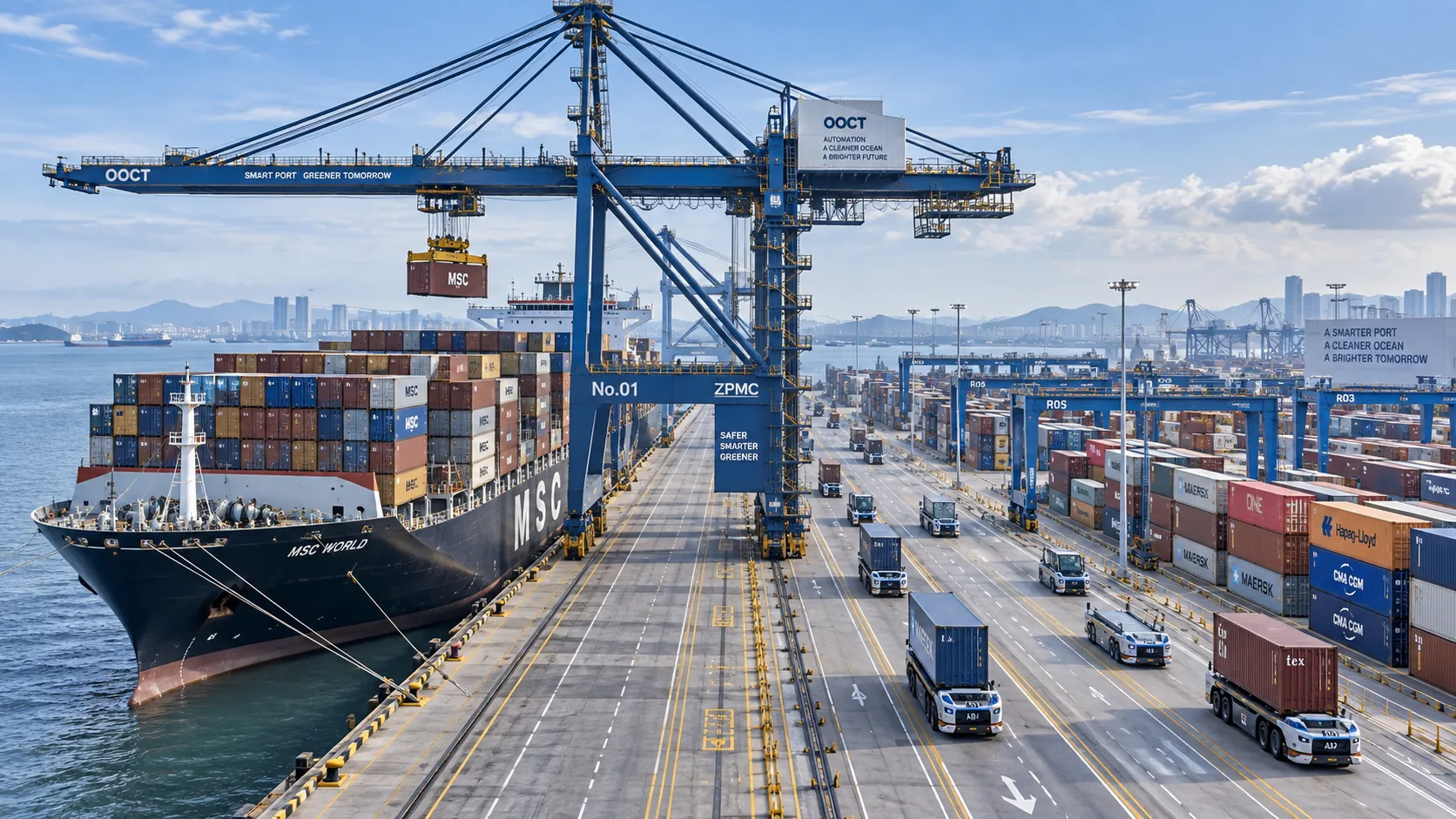
How to Specify a Quay Crane for Container Terminals by Vessel Size and Throughput?
Quay crane for container terminals: learn how to match outreach, lift height, capacity, automation, and cycle performance to vessel size and throughput goals.
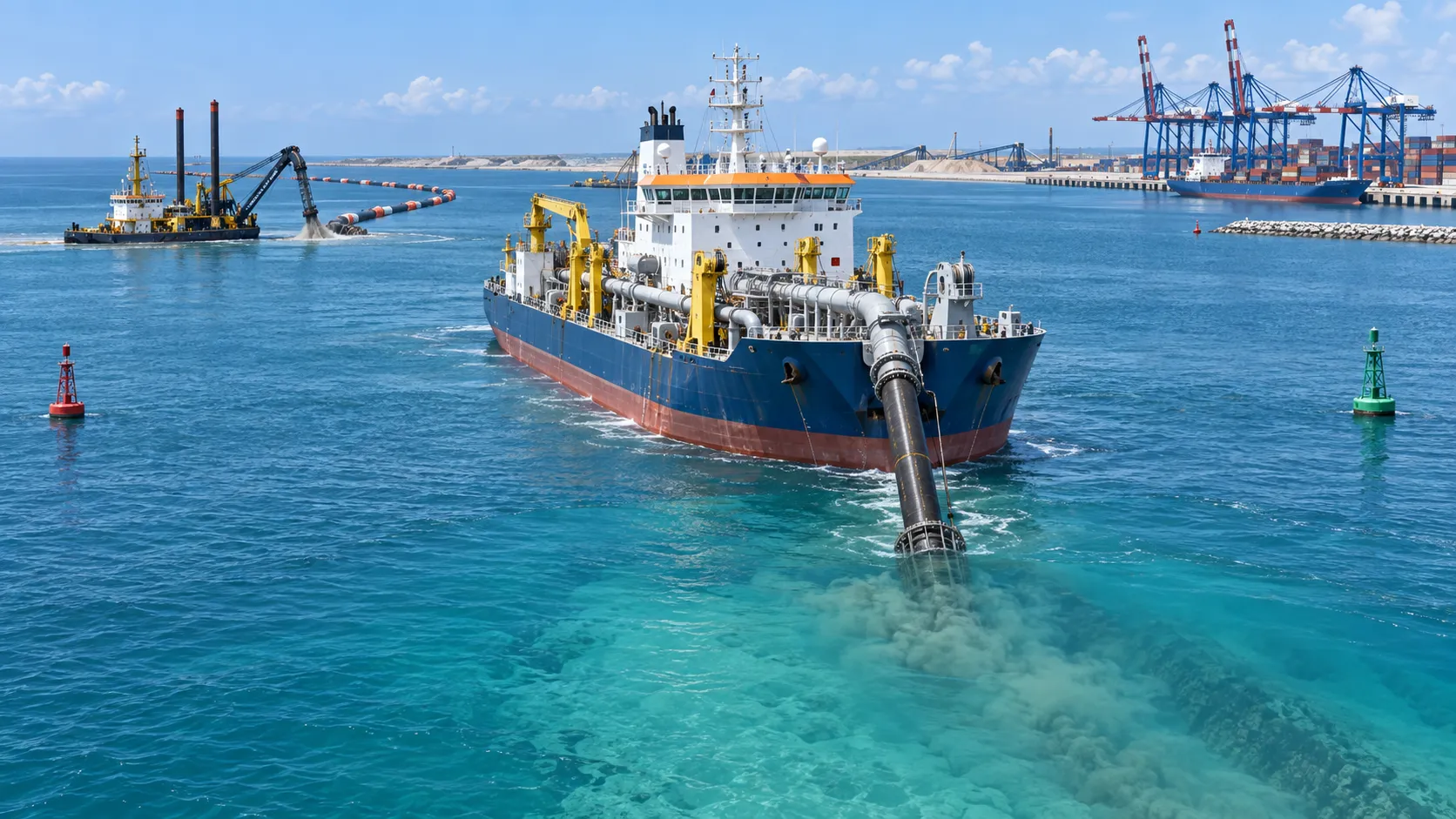
What Dredging Equipment Is Needed for Channel Deepening?
What dredging equipment is needed for channel deepening? Explore dredgers, pipelines, survey tools, and planning strategies for safer, more efficient port access.
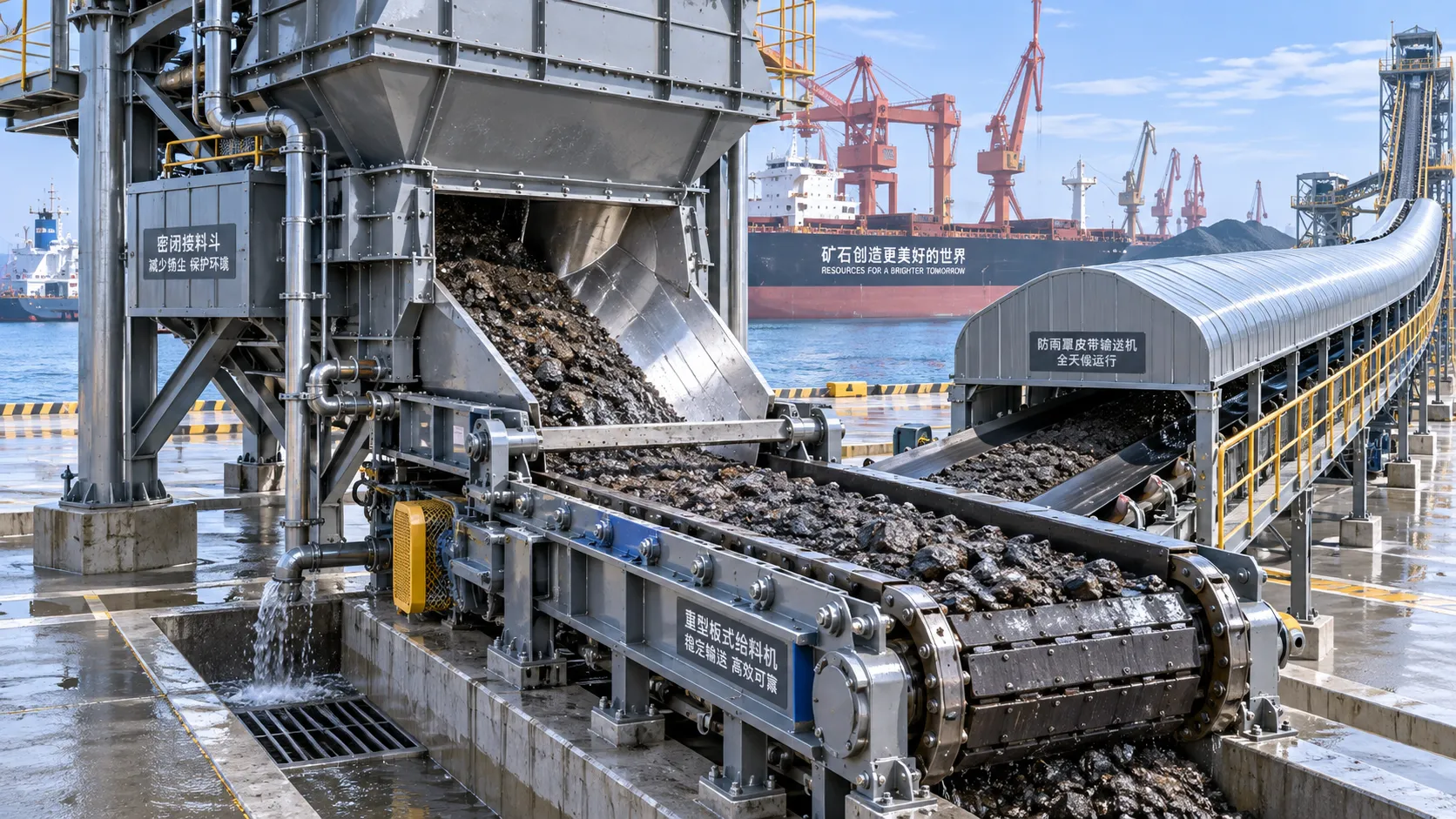
Which Bulk Handling Equipment Suits High-Moisture Cargo?
Which bulk handling equipment suits high-moisture cargo? Compare belt, apron, screw, drag, and slurry systems for reliable flow, less carryback, and higher terminal uptime.
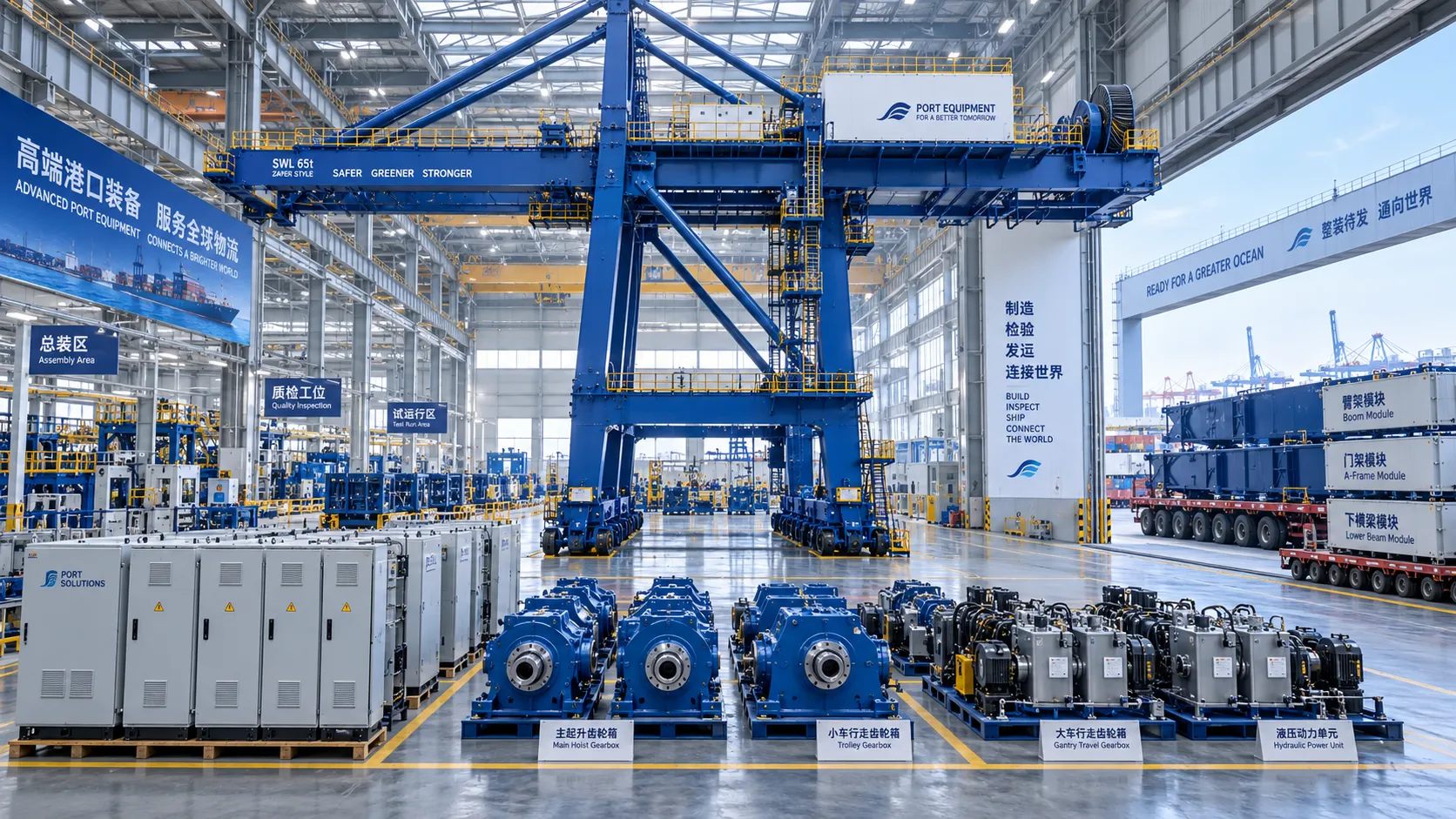
How Can Port Equipment Lead-Time Risk Be Managed?
How can port equipment lead-time risk be managed? Explore practical strategies to control critical paths, suppliers, transport, site readiness, and commissioning delays.
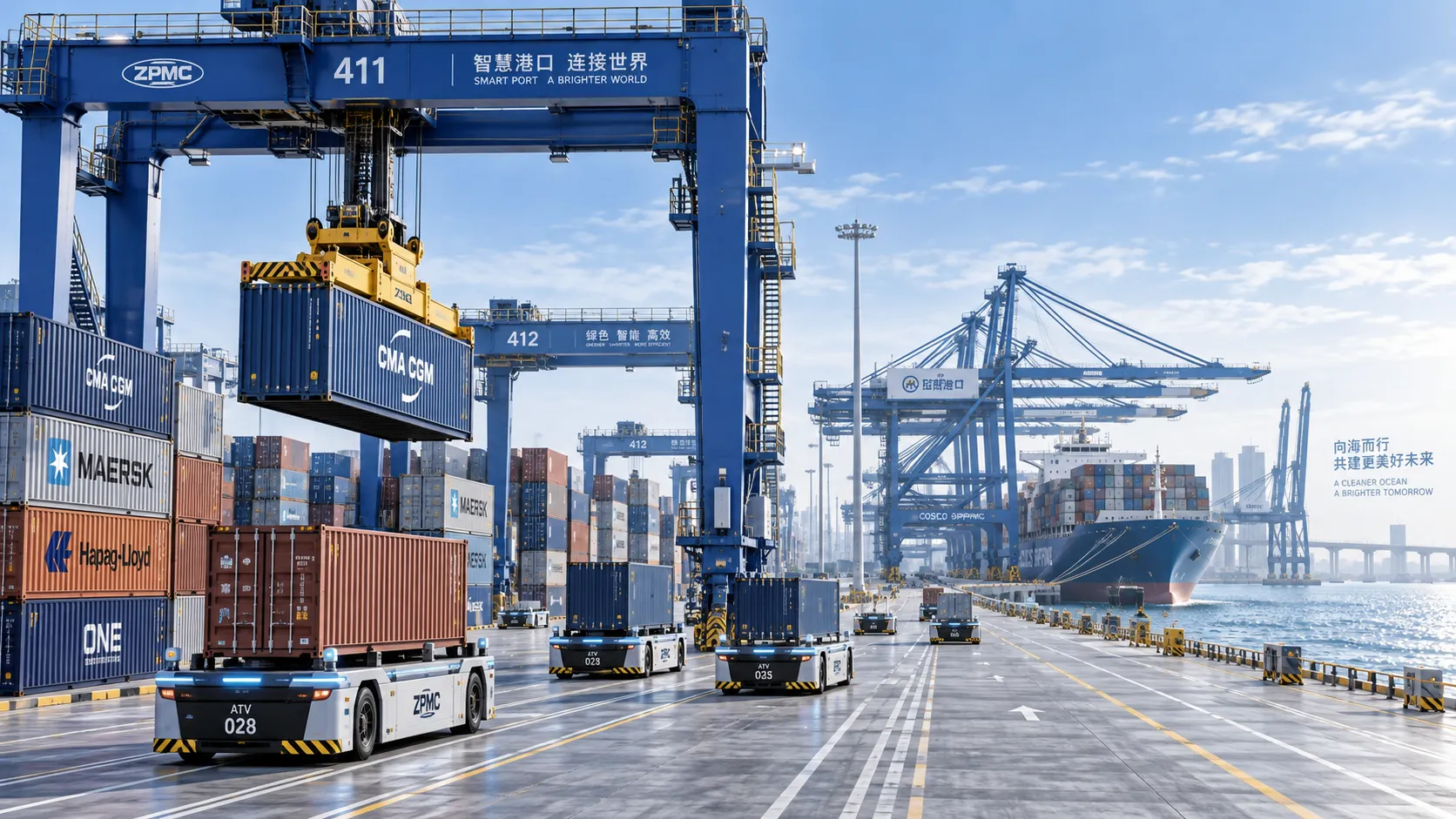
Terminal Automation Technologies That Raise Container Throughput Without Yard Disruption
Terminal automation technology that increases container throughput without disrupting yard flow. Explore smarter integration, resilient workflows, and phased deployment strategies.
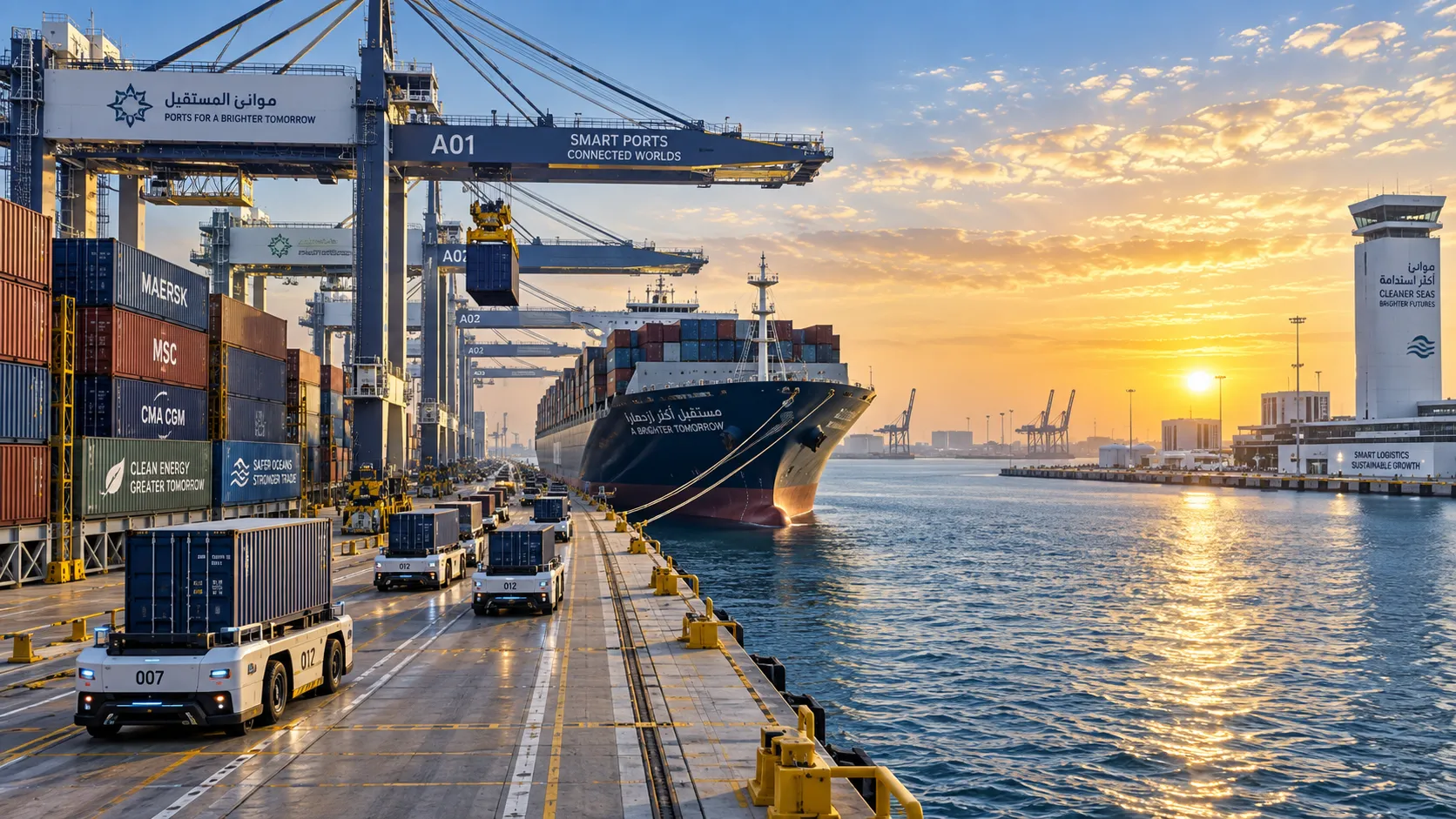
Middle East Port Automation: Key Market Drivers, Projects, and Investment Risks
Port automation systems Middle East: explore market drivers, flagship projects, integration challenges, and investment risks shaping smarter, resilient terminals.
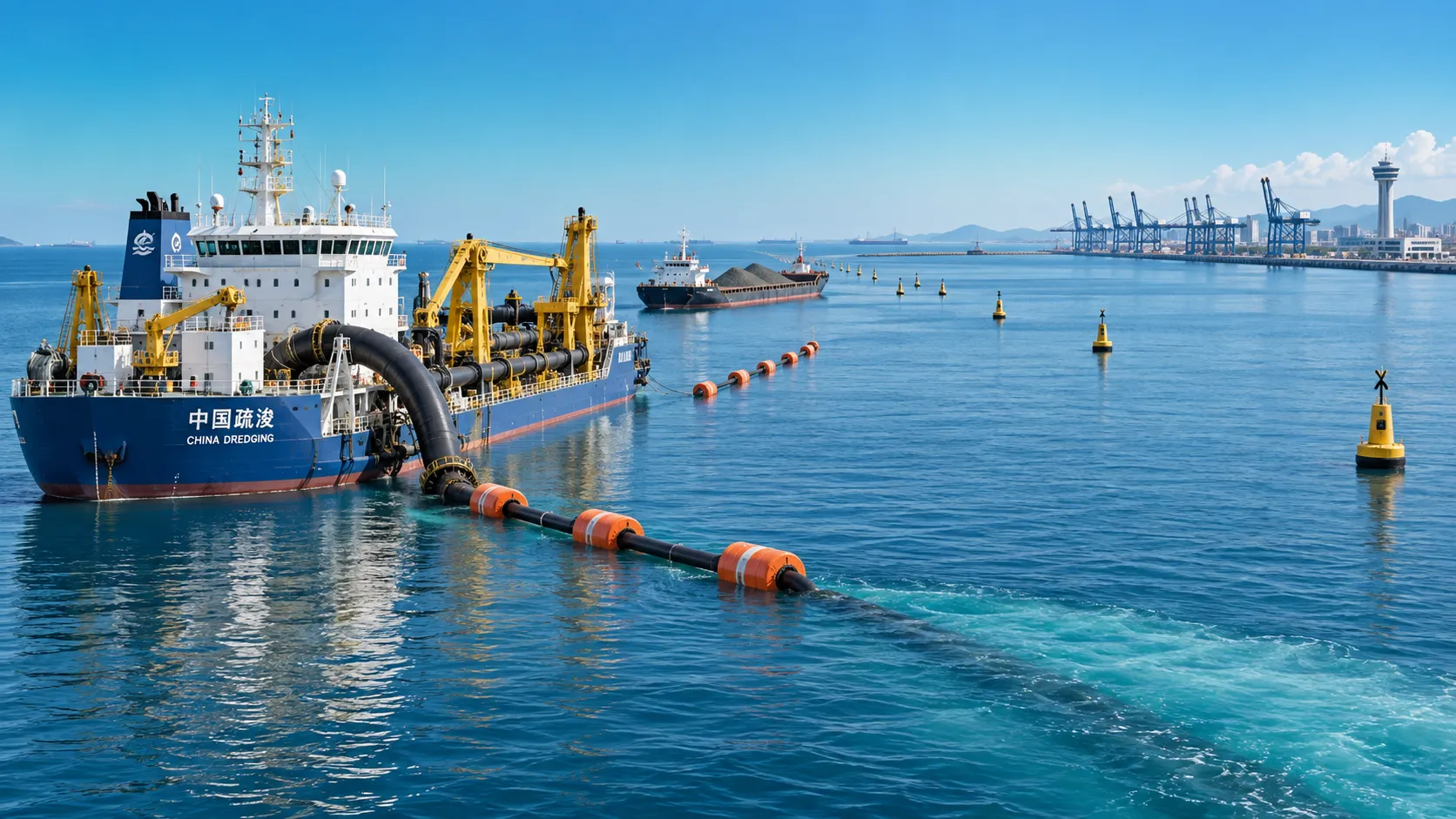
Planning Offshore Dredging Operations: Key Risks, Methods, and Project Controls
Offshore dredging operations demand smart planning. Explore key risks, proven methods, environmental controls, and project strategies for reliable delivery.