Related News
- 00
0000-00
Smart Port Systems in Southeast Asia: Investment Priorities and Adoption Barriers - 00
0000-00
Middle East Port Automation: Key Market Drivers, Projects, and Investment Risks - 00
0000-00
How Coastal Cities Can Prioritize Blue Economy Projects for Jobs and Ecosystem Gains - 00
0000-00
How Harbor Construction Solutions Address Wave Loads, Scour, and Vessel Berthing - 00
0000-00
What Is Driving Maritime Infrastructure Growth in Southeast Asia?
Net-Zero Emissions in Ports: Which Projects Cut Carbon Without Disrupting Operations?
As ports pursue net-zero emissions, decision-makers face a practical question: which decarbonization projects reduce carbon fast without slowing cargo flow, raising vessel turnaround time, or disrupting terminal uptime? From electrified handling equipment to smart energy systems and phased automation upgrades, this article examines the initiatives that balance emissions performance with operational continuity, helping business evaluators compare investments with greater clarity and confidence.
What makes a net-zero emissions project workable in an active port?
In ports, net-zero emissions plans fail when they are treated as isolated green upgrades rather than throughput-sensitive operating decisions. A project only works when carbon reduction, asset availability, safety, energy resilience, and yard productivity improve together.
For business evaluators, the key issue is not whether a project sounds advanced. It is whether the project protects crane cycles, berth windows, truck turn times, reefer reliability, and maintenance access during installation and ramp-up.
This is why ports increasingly favor phased net-zero emissions pathways. Instead of rebuilding the terminal around a single bold promise, they sequence smaller interventions with measurable carbon impact and limited operational disturbance.
- Electrify equipment that has predictable duty cycles and high diesel consumption.
- Use software and controls to reduce idle time before replacing major hardware.
- Schedule utility upgrades around berth demand, not only around engineering convenience.
- Validate grid capacity, charging logic, and spare-parts support before procurement.
Why ports are different from other industrial decarbonization sites
Ports combine heavy terminal gear, automation layers, vessel interfaces, and tidal or weather constraints. A low-carbon upgrade can affect power quality, traffic routing, quay access, or dredging support operations. That makes integration discipline more important than equipment marketing claims.
PS-Nexus follows this intersection closely. Its intelligence model links terminal machinery, path-planning logic, automation controls, and marine engineering context, which is exactly the lens business evaluators need when comparing decarbonization projects under real operating pressure.
Which net-zero emissions projects usually cut carbon fastest with the least disruption?
Not every project delivers the same operational profile. Some reduce emissions quickly but require utility reconfiguration. Others produce moderate carbon savings while being easy to deploy during live operations. The table below helps compare common port decarbonization options.
For many ports, energy software, vehicle electrification, and RTG conversion form the lowest-friction starting package. Shore power can deliver strong emissions value, but its implementation risk rises when vessel readiness and utility reinforcement are uncertain.
Projects that usually move first
The least disruptive net-zero emissions measures often begin with assets that operate in repeatable patterns: rubber-tired gantries, terminal tractors, automated guided vehicles, and lighting or building loads connected to smart control systems.
These projects are attractive because they can be piloted in one block, one fleet subset, or one berth support zone. Business evaluators gain clean before-and-after data without exposing the entire terminal to commissioning risk.
How should business evaluators compare decarbonization options?
A net-zero emissions project should be reviewed like a throughput investment, not only like an environmental line item. The selection framework below helps evaluate solutions with commercial realism.
This comparison shows why a cheaper project can still be the wrong choice. If a low-cost asset requires major yard shutdowns, irregular charging cycles, or stand-alone control logic, its carbon value may be offset by commercial losses.
A practical scoring checklist
- Measure carbon intensity by asset group, not by terminal average alone.
- Estimate lost moves during installation and commissioning.
- Check whether backup operating modes exist if software or power systems fail.
- Request phased deployment milestones tied to live operational KPIs.
- Compare total cost of ownership against fuel savings, maintenance shifts, and carbon reporting value.
Which scenarios are best for electrified handling equipment?
Electrified handling equipment is often central to a net-zero emissions roadmap, but the fit depends on asset type and layout discipline. The strongest candidates are machines with defined travel patterns, long daily running hours, and high diesel consumption per move.
RTGs, AGVs, and terminal tractors
RTGs are attractive because their utilization is measurable at block level. Ports can convert selected stacks first, validate energy demand, and then expand. AGVs also fit well where path-planning algorithms and charging windows are already managed by a mature automation layer.
Terminal tractors can also deliver quick gains in short-loop operations. However, charging location, peak queue timing, and spare vehicle strategy must be modeled carefully. Otherwise, the port may replace fuel emissions with dispatch bottlenecks.
Where electrification becomes harder
Electrification is more complex in mixed cargo terminals, irregular bulk operations, or remote marine support zones where equipment utilization changes by vessel type, weather, or dredging campaign schedules. In these settings, hybrid measures or energy management software may reduce carbon with less disruption.
Can digital systems cut carbon before major hardware is replaced?
Yes. Many ports overlook how much net-zero emissions progress can come from control logic, scheduling discipline, and load visibility. In live terminals, digital improvements often produce the fastest carbon savings per month of implementation effort.
- Idle shutdown rules reduce energy waste from lightly used assets.
- Smarter berth and yard synchronization cuts reshuffles and unnecessary travel distance.
- Remote monitoring helps maintenance teams prevent inefficient equipment drift.
- Low-latency communications improve response quality for remote-controlled cranes and AGV coordination.
This is a major reason PS-Nexus emphasizes the relationship between mechanical systems and algorithmic scheduling. Carbon outcomes in ports are shaped not only by motors and batteries, but also by dispatch logic, latency, utilization patterns, and maintenance intelligence.
What are the hidden cost and compliance issues in net-zero emissions planning?
Business evaluators often focus on headline capex and miss the secondary costs that determine whether a project remains commercially acceptable. In ports, the hidden cost categories are usually power infrastructure, temporary traffic reconfiguration, software integration, workforce retraining, and redundancy planning.
Cost areas that deserve early review
- Substations, transformers, switchgear, and cable routing may exceed vehicle or equipment purchase assumptions.
- Software connectors for TOS, fleet systems, and maintenance platforms can create long lead times.
- Temporary rental assets or spare fleet buffers may be needed during conversion phases.
- Training for operators, electricians, planners, and emergency response teams should be included from the start.
Standards and compliance signals to watch
Ports should review local grid rules, electrical safety requirements, emissions reporting frameworks, and any berth-side connection standards relevant to vessel power interfaces. For automated systems, cybersecurity and operational safety governance are also part of a credible decarbonization program.
No single checklist fits every terminal, but the principle is consistent: a net-zero emissions project should be auditable, safe, interoperable, and measurable under normal port operating conditions.
Common mistakes that slow carbon reduction or disrupt operations
Mistake 1: Buying technology before mapping the operating window
A machine may look suitable on paper, yet fail in practice if charging, cable reach, maintenance access, or shift coverage do not align with berth peaks and truck surges.
Mistake 2: Measuring only carbon, not carbon per uninterrupted move
A port should judge performance by emissions reduction achieved without sacrificing service quality. Carbon savings that create berth delays, stack congestion, or overtime costs are rarely sustainable.
Mistake 3: Ignoring marine engineering dependencies
Quay works, dredging schedules, and civil access constraints can affect when electrical upgrades are realistic. This matters especially in expansion programs where terminal gear, control systems, and marine infrastructure change together.
FAQ: what do business evaluators ask most about net-zero emissions in ports?
Which project should a port evaluate first?
Start with the assets that combine high fuel use, repetitive duty cycles, and manageable installation scope. In many container terminals, that means RTGs, terminal tractors, and energy management software before more disruptive berth-wide infrastructure changes.
Are net-zero emissions projects only suitable for highly automated terminals?
No. Automation helps with control and data visibility, but many decarbonization gains come from staged electrification, better scheduling, and monitoring. Conventional terminals can still move effectively if projects are phased and aligned with actual work patterns.
What should be included in an investment comparison?
Compare capex, utility upgrades, commissioning risk, software integration, maintenance model changes, labor training, downtime exposure, and expected carbon reporting benefits. A narrow purchase-price view usually leads to poor decisions.
How long does implementation usually take?
The timeline varies by project type and grid readiness. Software-led optimization may begin delivering results quickly, while shore power and broad electrification programs often require longer engineering, permitting, and civil coordination phases. The important point is to structure milestones around operational continuity, not only calendar speed.
Why work with PS-Nexus when evaluating port decarbonization options?
PS-Nexus is positioned for decisions that sit between machinery, automation, and marine infrastructure. Its perspective is valuable when a net-zero emissions plan must be tested against terminal gear behavior, AGV path logic, remote crane communications, dredging interfaces, and long-cycle infrastructure investment realities.
For business evaluators, that means more than general sustainability commentary. It means structured support for comparing equipment pathways, identifying integration risks, assessing phased deployment logic, and understanding where carbon savings can be achieved without compromising terminal performance.
- Ask about parameter confirmation for electrified yard equipment, charging logic, and power demand assumptions.
- Request product and system selection guidance for terminal gear, automation layers, and energy optimization tools.
- Discuss delivery timing, phased implementation sequencing, and live-operation risk controls.
- Review certification, compliance, and interoperability considerations relevant to your region and terminal profile.
- Open quotation discussions based on actual cargo mix, yard layout, and infrastructure constraints rather than generic assumptions.
If your team is weighing which net-zero emissions projects can reduce carbon without disrupting operations, PS-Nexus can help frame the comparison with the technical, operational, and commercial clarity required for confident investment decisions.
Related News
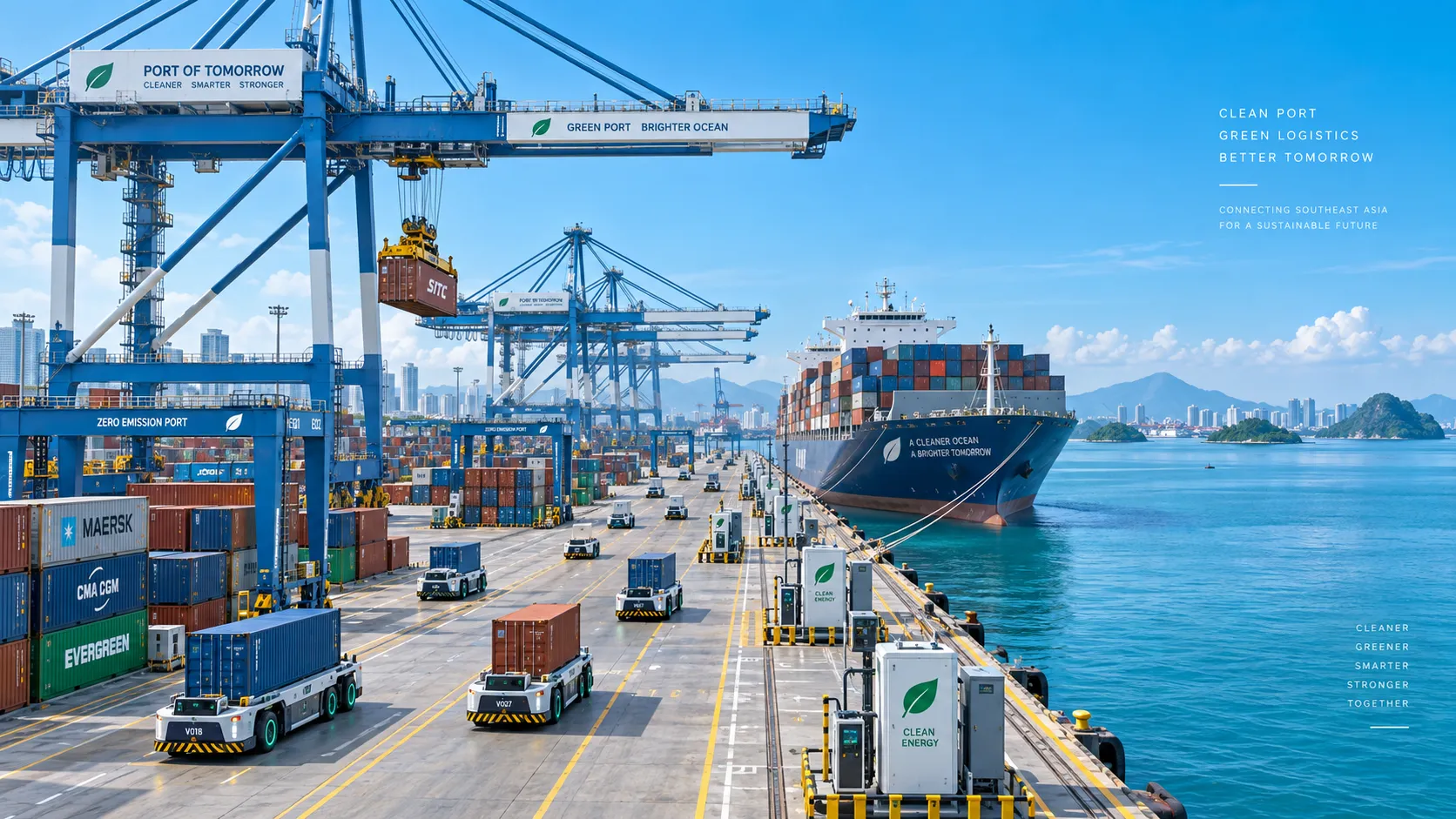
Smart Port Systems in Southeast Asia: Investment Priorities and Adoption Barriers
Smart port systems Southeast Asia: discover investment priorities, adoption barriers, and practical steps to build resilient, connected, high-performing terminals.
How to Evaluate Terminal Efficiency Solution Suppliers for High-Throughput Operations
Choose a terminal efficiency solutions supplier with confidence. Explore proven criteria for throughput, integration, lifecycle cost, safety, and reliable delivery.
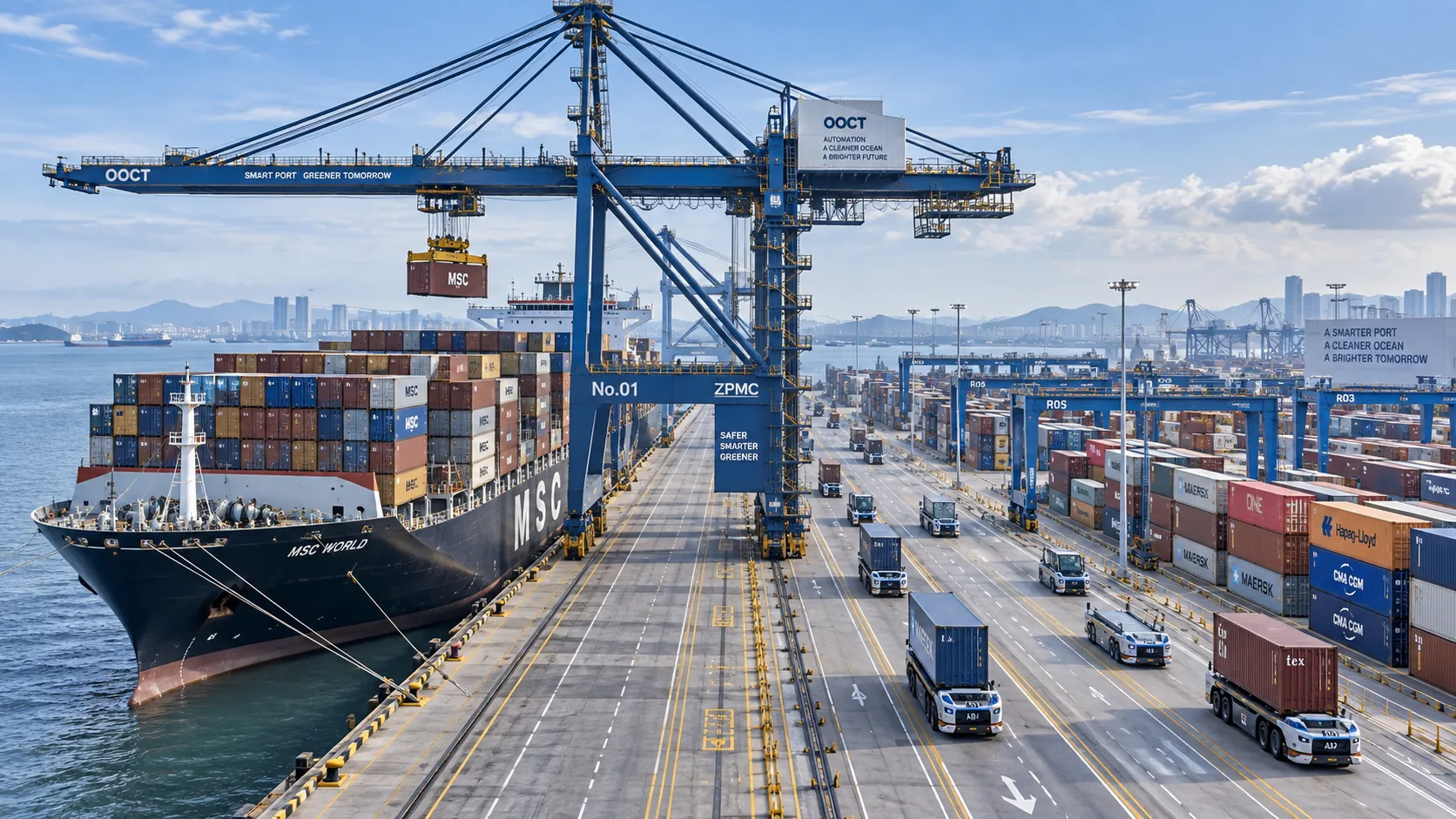
How to Specify a Quay Crane for Container Terminals by Vessel Size and Throughput?
Quay crane for container terminals: learn how to match outreach, lift height, capacity, automation, and cycle performance to vessel size and throughput goals.
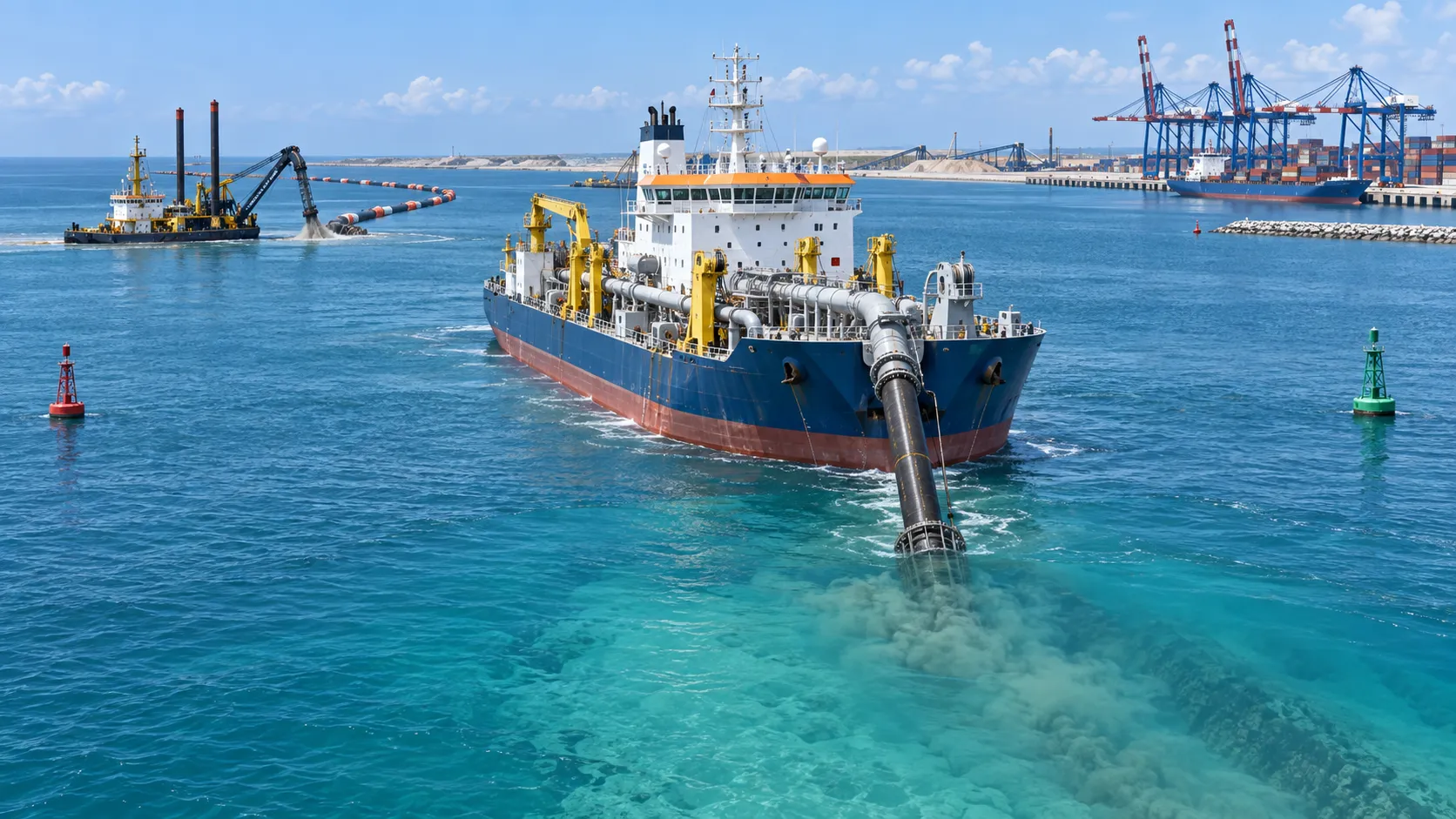
What Dredging Equipment Is Needed for Channel Deepening?
What dredging equipment is needed for channel deepening? Explore dredgers, pipelines, survey tools, and planning strategies for safer, more efficient port access.
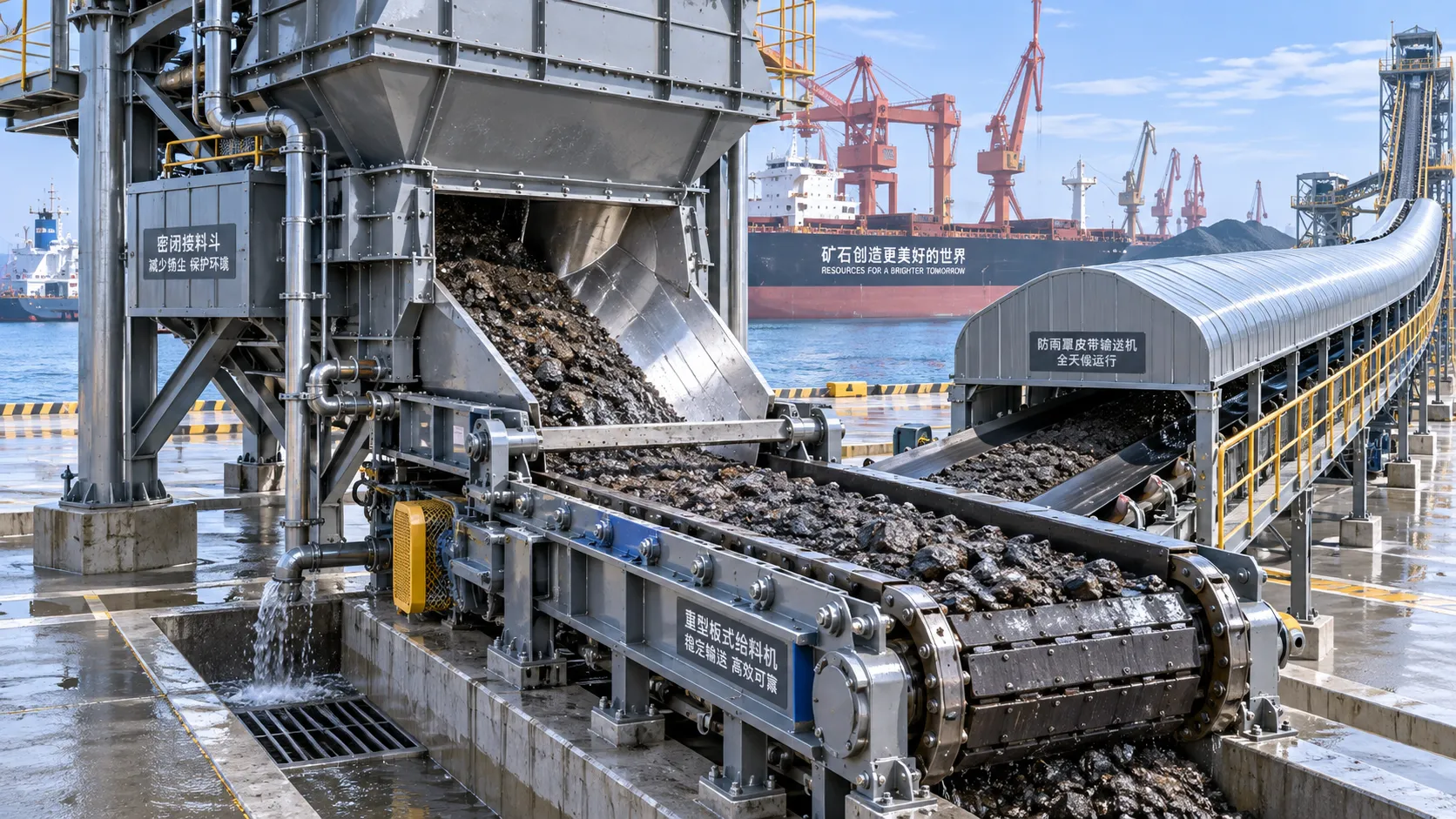
Which Bulk Handling Equipment Suits High-Moisture Cargo?
Which bulk handling equipment suits high-moisture cargo? Compare belt, apron, screw, drag, and slurry systems for reliable flow, less carryback, and higher terminal uptime.
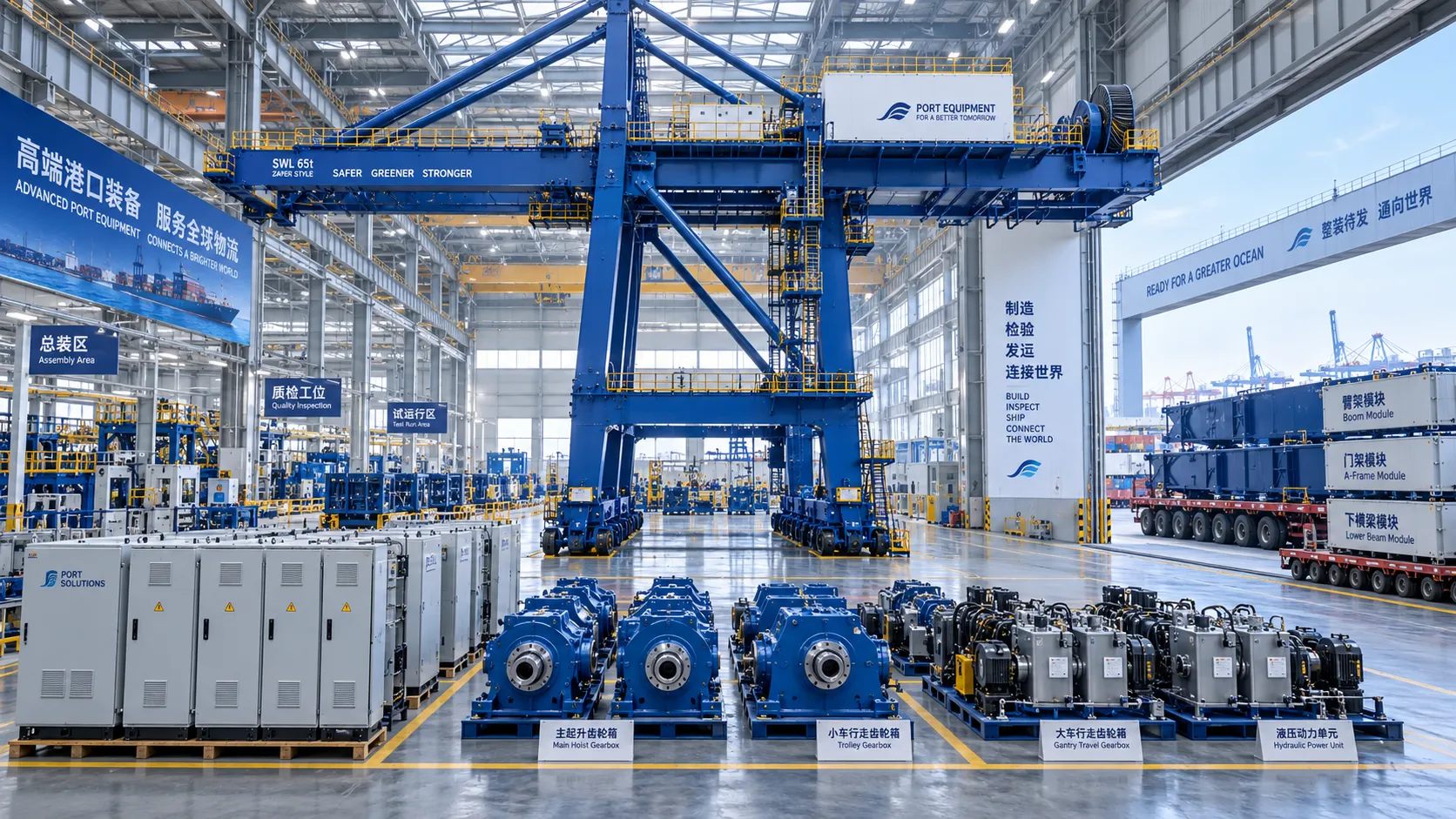
How Can Port Equipment Lead-Time Risk Be Managed?
How can port equipment lead-time risk be managed? Explore practical strategies to control critical paths, suppliers, transport, site readiness, and commissioning delays.
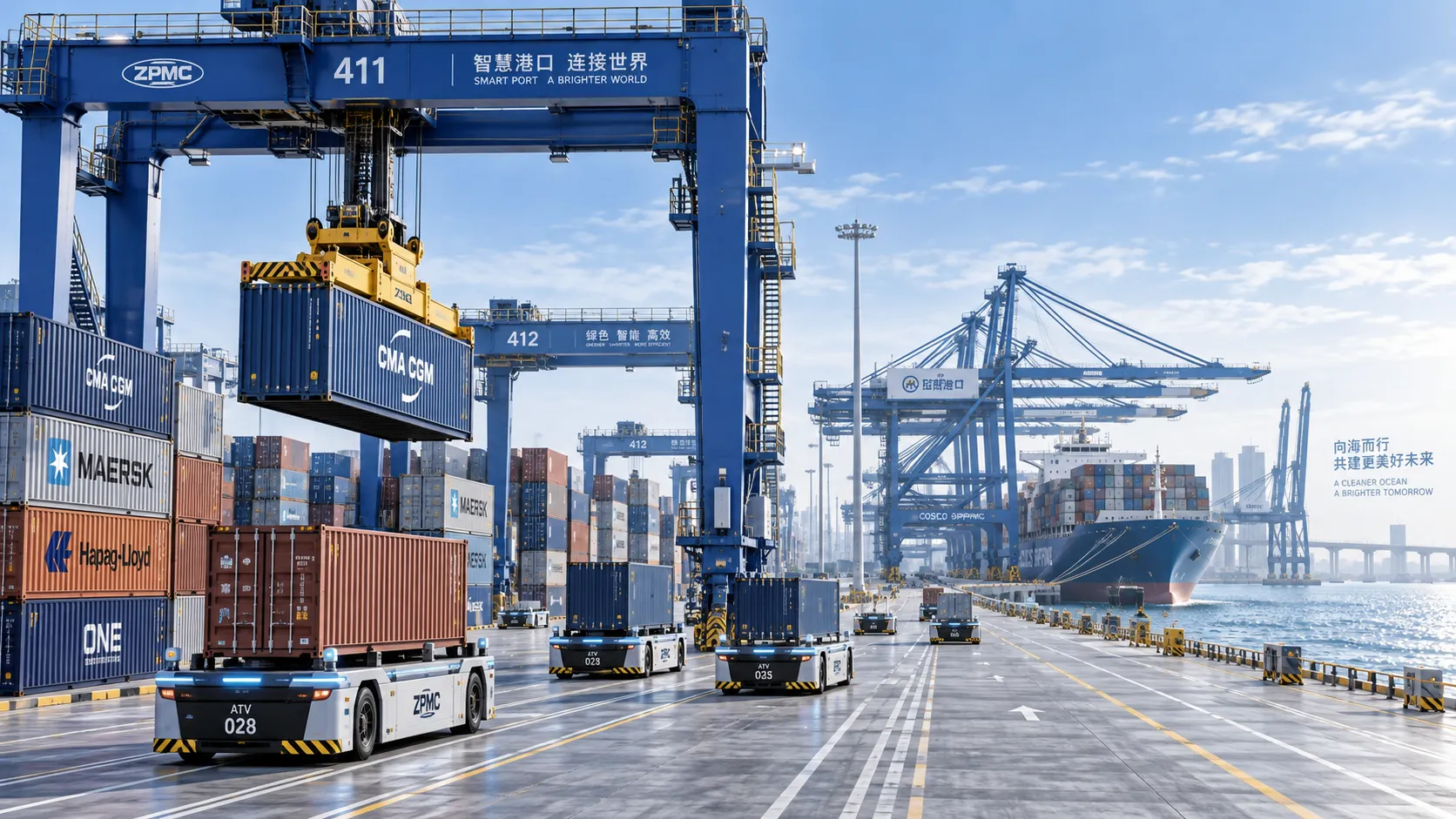
Terminal Automation Technologies That Raise Container Throughput Without Yard Disruption
Terminal automation technology that increases container throughput without disrupting yard flow. Explore smarter integration, resilient workflows, and phased deployment strategies.
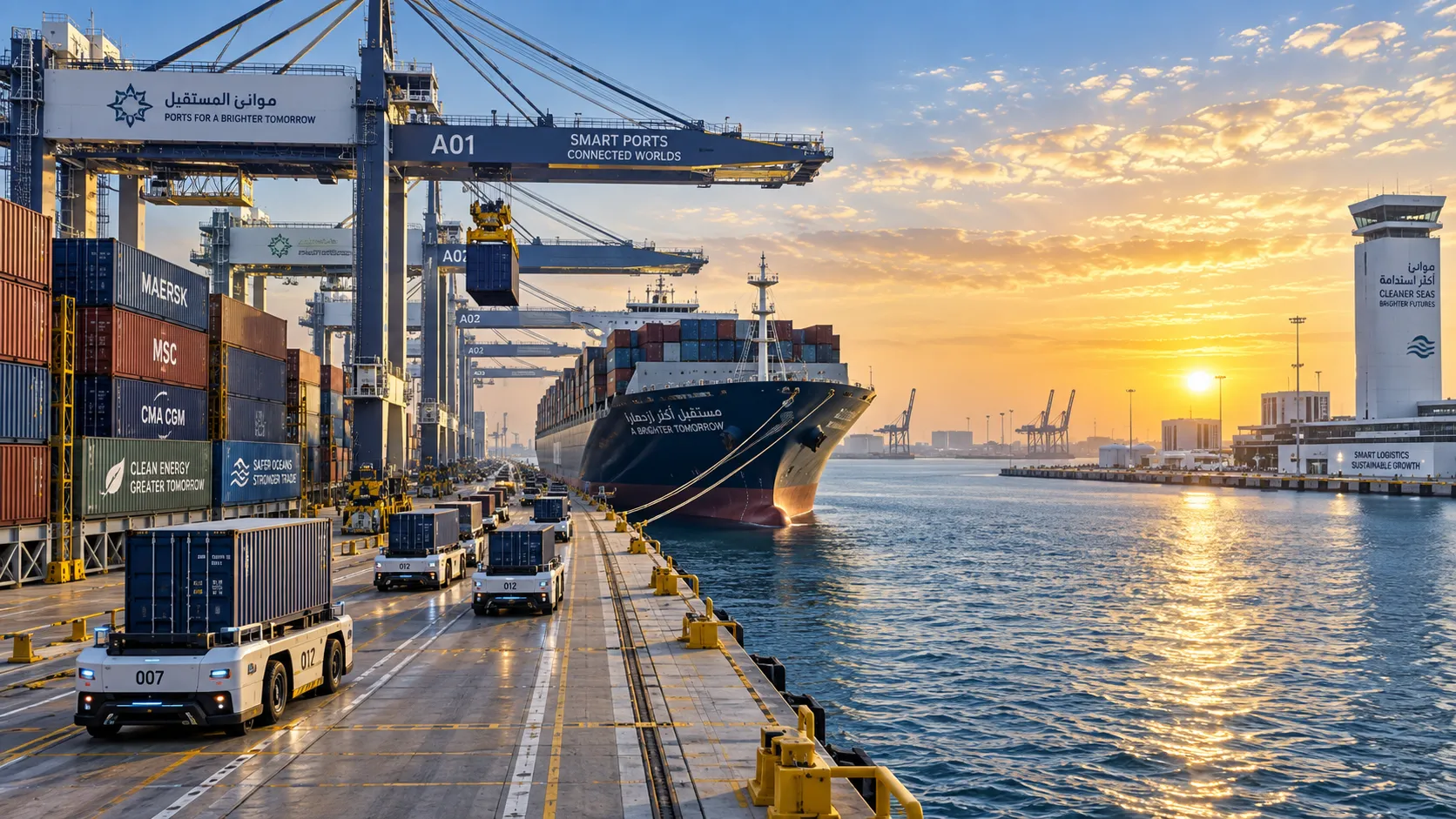
Middle East Port Automation: Key Market Drivers, Projects, and Investment Risks
Port automation systems Middle East: explore market drivers, flagship projects, integration challenges, and investment risks shaping smarter, resilient terminals.
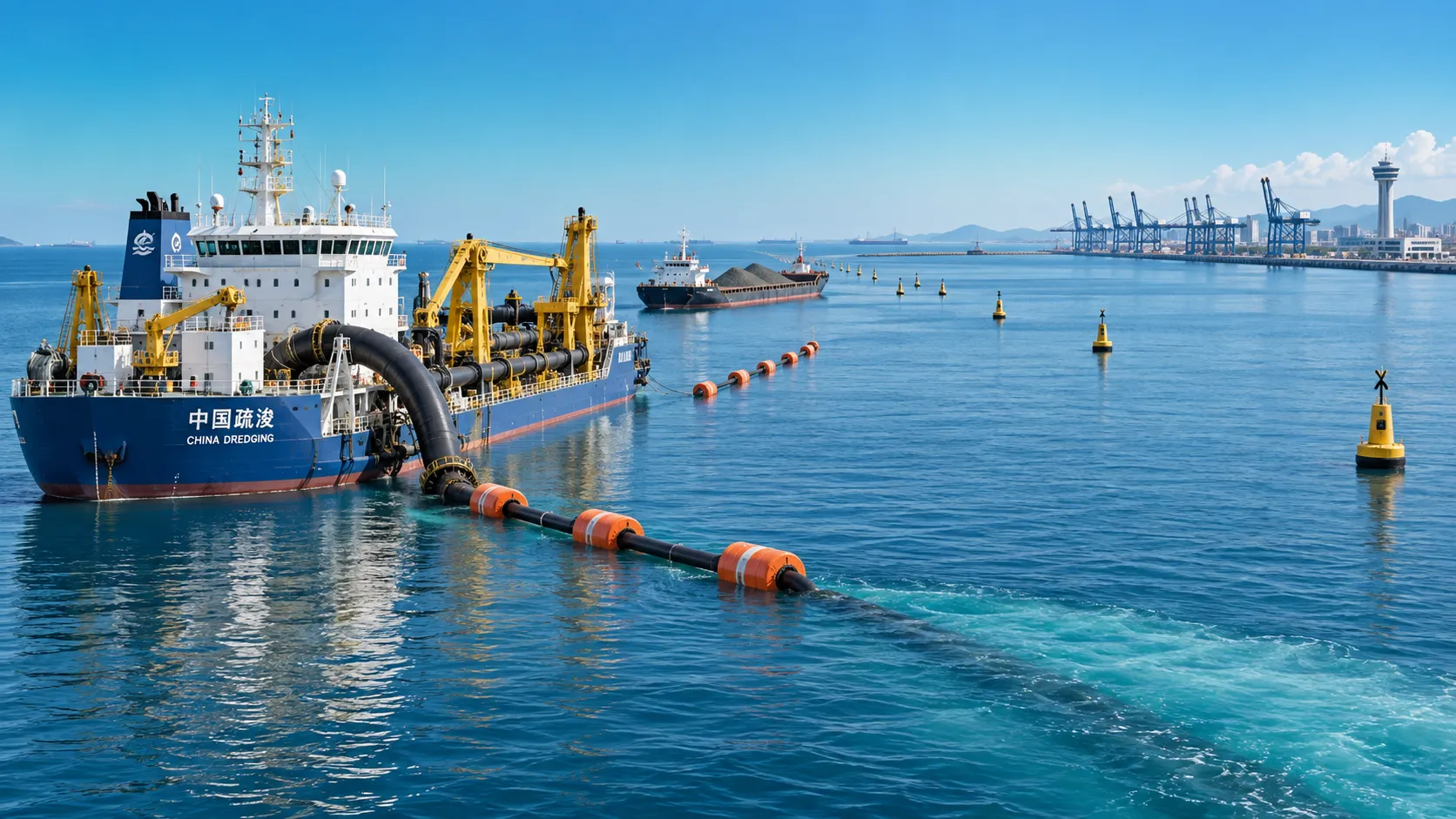
Planning Offshore Dredging Operations: Key Risks, Methods, and Project Controls
Offshore dredging operations demand smart planning. Explore key risks, proven methods, environmental controls, and project strategies for reliable delivery.