Related News
- 00
0000-00
Smart Port Systems in Southeast Asia: Investment Priorities and Adoption Barriers - 00
0000-00
Middle East Port Automation: Key Market Drivers, Projects, and Investment Risks - 00
0000-00
How Coastal Cities Can Prioritize Blue Economy Projects for Jobs and Ecosystem Gains - 00
0000-00
How Harbor Construction Solutions Address Wave Loads, Scour, and Vessel Berthing - 00
0000-00
What Is Driving Maritime Infrastructure Growth in Southeast Asia?
Port Infrastructure Planning: What Capacity, Draft, and Yard Factors Matter Most?
Port infrastructure planning can determine whether a terminal scales smoothly or becomes a long-term bottleneck. For project managers and engineering leads, the most critical decisions often center on berth capacity, navigational draft, and yard layout efficiency. This article outlines how these factors shape throughput, vessel compatibility, equipment utilization, and future expansion, helping decision-makers align technical design with commercial performance and long-term port resilience.
Why port infrastructure planning fails when capacity, draft, and yard logic are treated separately
In many port projects, teams evaluate quay length, channel depth, and storage area as separate engineering packages. That approach looks tidy in procurement documents, but it often creates operational mismatch after commissioning.
A berth may accept larger vessels, yet the yard cannot absorb discharge peaks. A spacious yard may exist, yet draft restrictions keep higher-capacity ships away. Good port infrastructure planning connects marine access, berth productivity, yard flow, and equipment scheduling into one throughput model.
For project managers, the real issue is not only how much infrastructure can be built, but whether every asset supports the same target operating profile. PS-Nexus focuses on this integrated view by linking terminal gear, automation logic, dredging realities, and trade-driven demand patterns.
- Berth capacity determines how many vessel calls can be handled within a practical service window.
- Draft determines which ship classes can arrive safely under tidal and sediment conditions.
- Yard factors determine whether waterside gains convert into stable landside throughput.
- Automation and control systems determine whether these physical assets operate as one coordinated system.
The planning question that matters most
Instead of asking, “How large should the port be?” teams should ask, “What vessel mix, cargo profile, turn time, and expansion path must this port infrastructure support over the next 10 to 20 years?” That single shift changes design priorities dramatically.
How to assess berth capacity without overstating future demand
Capacity is often reduced to annual TEU, tonnage, or vessel calls. Those figures are useful, but they hide the mechanics of congestion. In practical port infrastructure planning, berth capacity depends on berth length, crane intensity, mooring time, tidal window limits, and berth occupancy tolerance.
A terminal with attractive theoretical throughput may still fail commercially if berth occupancy regularly pushes beyond acceptable levels. Once occupancy climbs too high, schedule reliability weakens, vessel waiting time grows, and shipping lines begin to discount the terminal’s operational value.
Key berth capacity variables project teams should quantify
- Design vessel dimensions, including LOA, beam, and expected call size by service loop.
- Berth occupancy target, especially under peak season arrival clustering rather than average conditions.
- Crane productivity assumptions, including moves per hour, interference effects, and labor or automation constraints.
- Mooring, unmooring, pilotage, and waiting times that reduce effective berth availability.
- Weather downtime, maintenance windows, and navigational restrictions that affect annual usable hours.
The table below helps frame berth-side decisions in port infrastructure projects where managers must balance commercial growth targets with realistic operating conditions.
The main lesson is simple: berth capacity must be modeled as a time-based service system, not only as annual volume. This is where intelligence on vessel patterns, crane technology, and scheduling logic becomes more valuable than a single headline capacity figure.
Why navigational draft can redefine the whole business case
Draft is not merely a hydrographic number. In port infrastructure planning, draft directly influences shipping line interest, vessel loading flexibility, dredging cost, sediment maintenance, and even insurance and safety margins. A terminal that cannot offer dependable access windows will struggle to attract stable services.
Project teams sometimes approve berth hardware for larger ships before confirming whether approach channels, turning basins, and tidal operations can support those vessels year-round. That sequencing creates stranded capacity: the quay is ready, but marine access is not.
What draft decisions should include
- Required under-keel clearance under static and dynamic conditions.
- Tidal range and whether vessel access depends on narrow tidal windows.
- Sedimentation rate and realistic maintenance dredging burden.
- Turning basin geometry, channel width, and maneuvering safety in wind or current.
- Future ship class trends rather than only today’s fleet profile.
For ports tied to container growth, bulk handling expansion, or energy logistics, draft can be the difference between becoming a preferred regional gateway and remaining a feeder or partial-load stop. PS-Nexus pays close attention to dredging engineering because marine access is often the hidden governor of terminal economics.
A common management mistake
Many business cases assume deeper draft automatically yields better returns. In reality, deeper access only creates value if vessel demand, quay equipment reach, yard handling speed, and hinterland evacuation all improve together. Otherwise, the project absorbs higher capital and maintenance dredging cost without proportional throughput gain.
Which yard factors matter most after berth and draft are approved?
Once a vessel is alongside and access is assured, yard performance becomes the next limiting factor. This is where many port infrastructure projects underperform. A terminal may advertise strong quay productivity, but if blocks are poorly arranged, rehandles rise, truck cycles lengthen, and equipment conflicts multiply.
For engineering leads, the question is not only total yard area. The real question is how effectively that area converts into usable storage, clean traffic flow, stack accessibility, and expansion flexibility.
The most important yard planning dimensions
- Stacking system choice, such as RTG, RMG, straddle carrier, reach stacker, or automated blocks.
- Container dwell time assumptions for import, export, empty, and reefer flows.
- Rehandle tolerance, since theoretical density often increases operational friction.
- Separation of truck lanes, equipment lanes, maintenance access, and safety buffers.
- Power, data, and control readiness for automation, monitoring, and future digital upgrades.
The following comparison table supports port infrastructure planning when teams must select between yard concepts with different land, labor, and automation implications.
No yard concept is universally superior. The right answer depends on land value, target throughput, labor structure, energy strategy, cargo mix, and automation maturity. That is why yard planning should be tested against real operating scenarios, not only layout drawings.
How project managers can align marine works, terminal gear, and automation
Port infrastructure planning becomes more reliable when it is managed as a systems program rather than a civil works package. Berths, cranes, yard machines, gate systems, AGV paths, power supply, and dredging maintenance all affect one another.
PS-Nexus works from this systems perspective. Heavy terminal equipment, automated container handling, and dredging engineering should not be assessed in isolation because operational bottlenecks usually emerge at interfaces, not within single assets.
A practical implementation sequence
- Define vessel mix, cargo profile, annual volume range, and peak operating pattern.
- Validate draft, channel, turning basin, and dredging implications for the target ship class.
- Design berth length and crane envelope around actual call size and service commitments.
- Select yard system based on dwell time, rehandle tolerance, labor model, and land strategy.
- Integrate control systems, data visibility, and equipment scheduling logic early in design.
- Stress-test the full terminal under peak, disruption, maintenance, and future expansion scenarios.
This sequence reduces a common project risk: overinvesting in visible infrastructure while underengineering the operational logic that determines real throughput.
What standards, compliance topics, and risk controls should be considered?
Although each jurisdiction applies its own rules, port infrastructure projects usually need structured attention to navigational safety, geotechnical reliability, environmental permitting, dredged material management, electrical safety, and control system resilience. These are not late-stage checklist items. They influence design choices from the beginning.
For project leaders, the value of early compliance planning is clear: fewer redesign cycles, better procurement clarity, and lower risk of cost escalation during approval or commissioning.
- Confirm local harbor authority requirements for channel use, pilotage, and vessel maneuvering criteria.
- Review environmental impact obligations linked to dredging, reclamation, noise, runoff, and emissions.
- Assess grid capacity, electrification strategy, and backup power for automated or semi-automated yards.
- Define cyber and communications requirements where remote-controlled cranes or digital control layers are planned.
Common mistakes in port infrastructure planning and how to avoid them
Mistake 1: Designing for average flow instead of peak flow
Average volume hides the operational spikes that create queues and yard stress. Always test peak week, peak day, and disrupted recovery scenarios.
Mistake 2: Treating dredging as a one-time capital item
Initial dredging may solve access at handover, but maintenance dredging can materially change long-term operating cost. Sediment behavior should be part of the business case, not an afterthought.
Mistake 3: Maximizing yard density at the expense of flow
High nominal storage density often increases rehandles and blocks equipment circulation. Usable capacity matters more than geometric capacity.
Mistake 4: Buying equipment before confirming system logic
A crane, AGV, or yard block may perform well individually and still fail within the broader terminal workflow. Interface design and scheduling logic should guide procurement.
FAQ: what project teams ask most about port infrastructure
How do we know whether berth capacity or yard capacity is the primary bottleneck?
Compare vessel waiting time, crane idle time, yard occupancy, truck turnaround, and rehandle levels during peak conditions. If berths queue while yard occupancy remains moderate, marine-side constraints dominate. If ships are worked slowly despite available berth windows, yard flow or equipment coordination is likely the true bottleneck.
What draft margin is usually sensible in port infrastructure planning?
There is no single answer. Sensible draft margin depends on vessel class, tide, squat, wave climate, channel conditions, and authority rules. Teams should evaluate dynamic under-keel clearance and operational reliability, not only chart depth. A slightly deeper design may pay back if it avoids recurring tidal restrictions, but only when traffic demand supports it.
When should a terminal consider automation in the yard?
Automation becomes more attractive when land is constrained, labor variability is high, throughput targets are large, and process consistency is commercially important. It should be considered early, because yard geometry, power architecture, communications, and maintenance strategy all change when automation is introduced.
What should be prioritized if budget is limited?
Protect the decisions that are hardest to change later: marine access, structural berth capability, yard circulation logic, and utility corridors for future upgrades. Some equipment can be phased. Poor channel depth, constrained turning geometry, or flawed yard flow is much more expensive to correct after operations begin.
Why decision-makers use PS-Nexus for complex port infrastructure planning
Project managers and engineering leads rarely struggle because information is unavailable. They struggle because information is fragmented across civil design, marine access, cargo handling equipment, automation systems, and trade forecasts. PS-Nexus is built to connect those layers into decision-ready intelligence.
Our perspective spans mega port terminal gear, bulk handling machinery, specialized container handling, port automation and control systems, dredging engineering equipment, and strategic intelligence on maritime logistics. That combination helps teams judge not only what can be built, but what can operate competitively over time.
What you can discuss with us
- Parameter confirmation for berth capacity, draft envelope, and yard throughput assumptions.
- Equipment selection logic for quay cranes, container handling systems, and phased yard development.
- Dredging-related planning considerations tied to vessel access reliability and maintenance burden.
- Automation readiness, control architecture, and integration risks for smart terminal expansion.
- Project timeline concerns, procurement sequencing, and solution comparisons for budget control.
If your team is evaluating a new terminal, an expansion program, or a modernization roadmap, a structured review of port infrastructure assumptions can prevent years of underperformance. Contact PS-Nexus to discuss capacity modeling, draft constraints, yard options, delivery priorities, and tailored intelligence for your next port project.
Related News
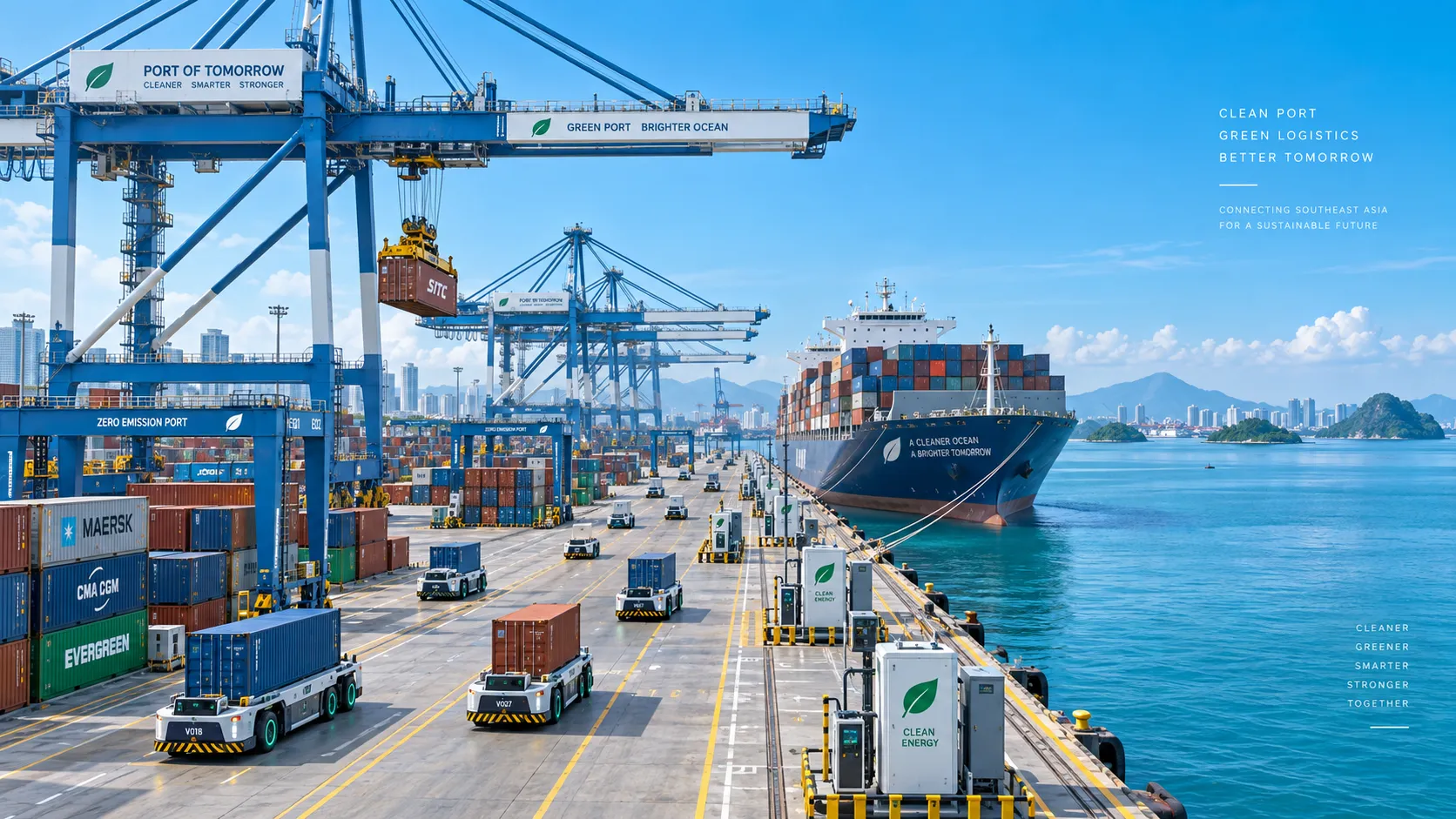
Smart Port Systems in Southeast Asia: Investment Priorities and Adoption Barriers
Smart port systems Southeast Asia: discover investment priorities, adoption barriers, and practical steps to build resilient, connected, high-performing terminals.

How to Evaluate Terminal Efficiency Solution Suppliers for High-Throughput Operations
Choose a terminal efficiency solutions supplier with confidence. Explore proven criteria for throughput, integration, lifecycle cost, safety, and reliable delivery.
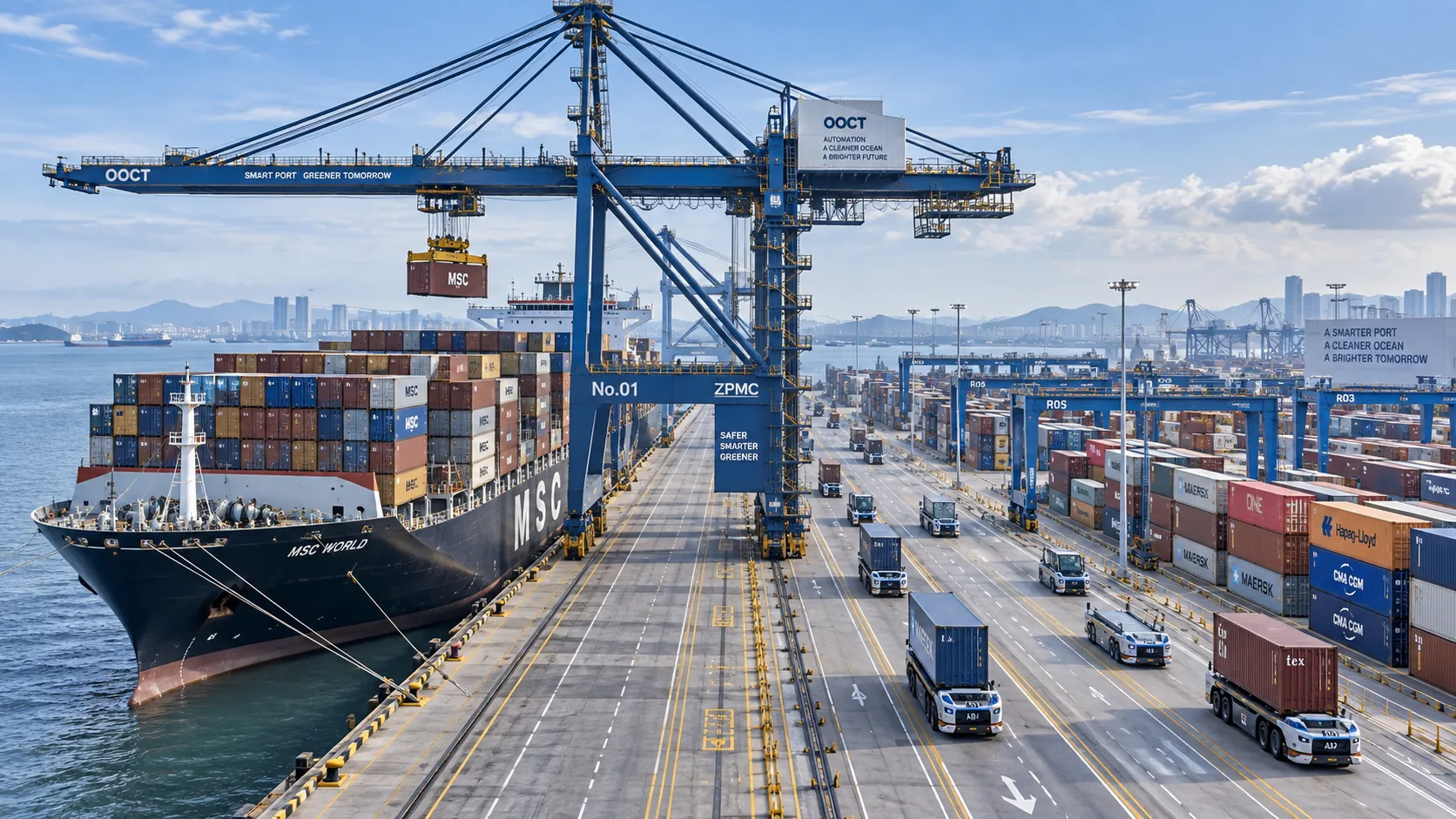
How to Specify a Quay Crane for Container Terminals by Vessel Size and Throughput?
Quay crane for container terminals: learn how to match outreach, lift height, capacity, automation, and cycle performance to vessel size and throughput goals.
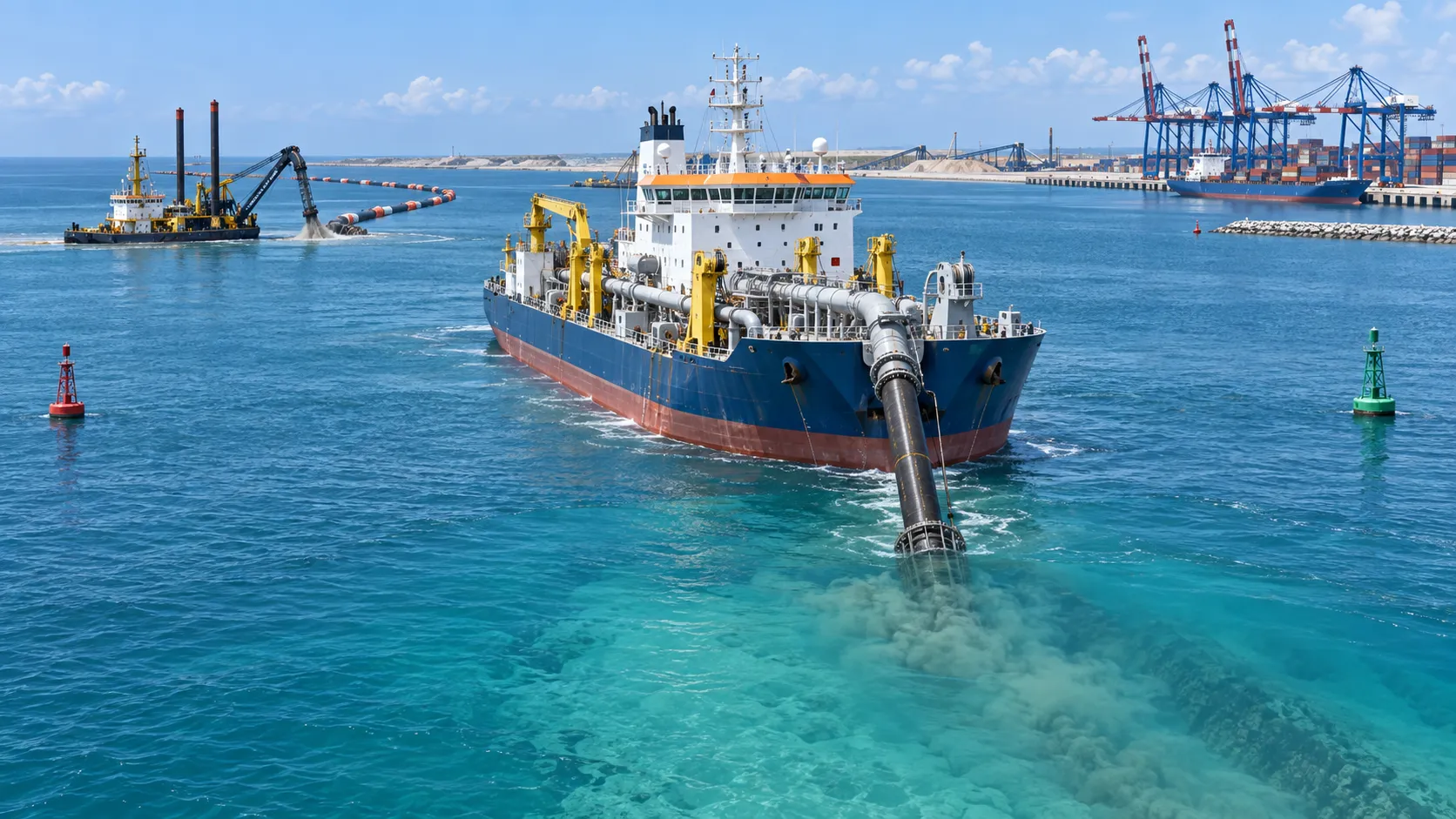
What Dredging Equipment Is Needed for Channel Deepening?
What dredging equipment is needed for channel deepening? Explore dredgers, pipelines, survey tools, and planning strategies for safer, more efficient port access.
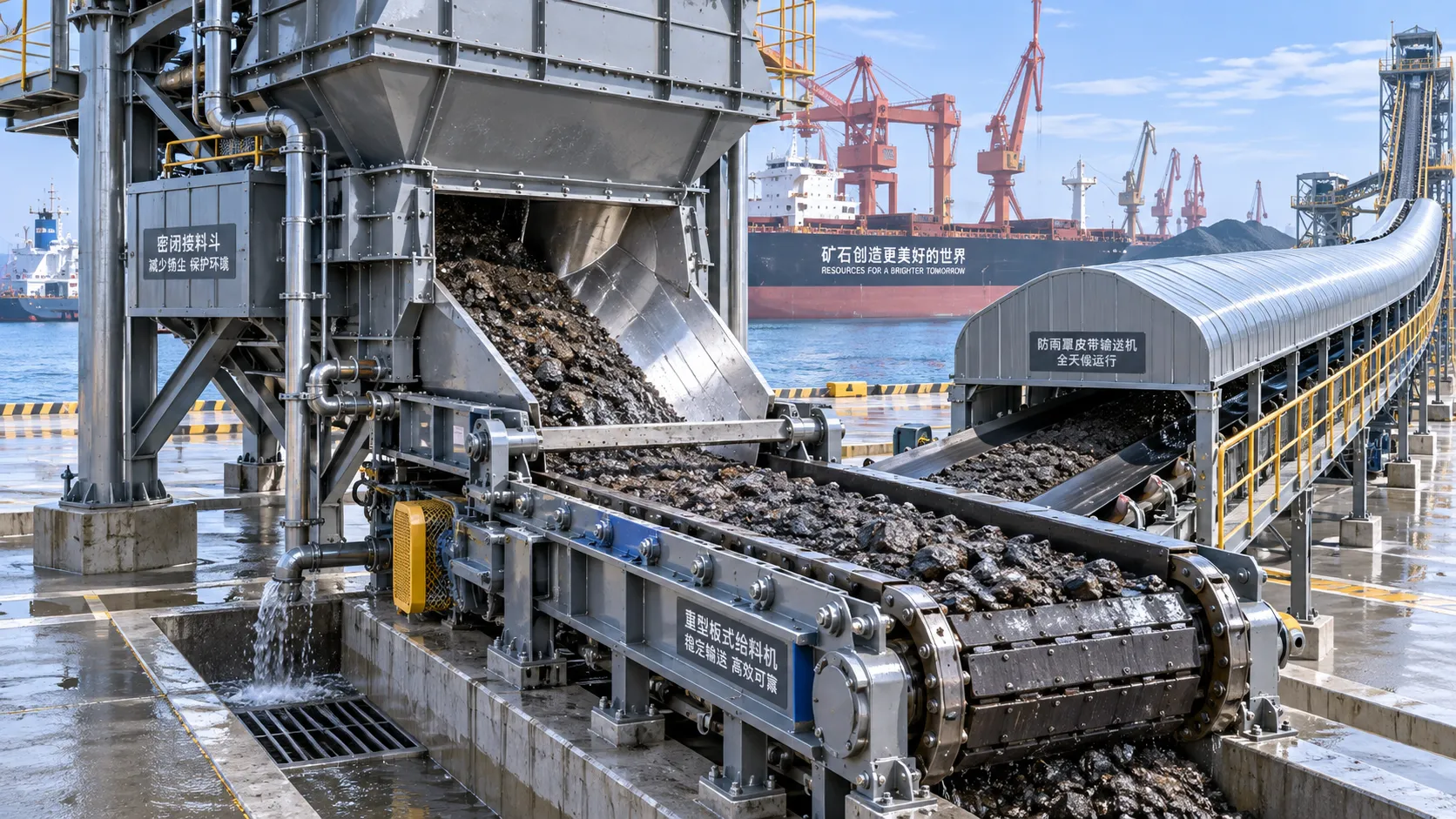
Which Bulk Handling Equipment Suits High-Moisture Cargo?
Which bulk handling equipment suits high-moisture cargo? Compare belt, apron, screw, drag, and slurry systems for reliable flow, less carryback, and higher terminal uptime.
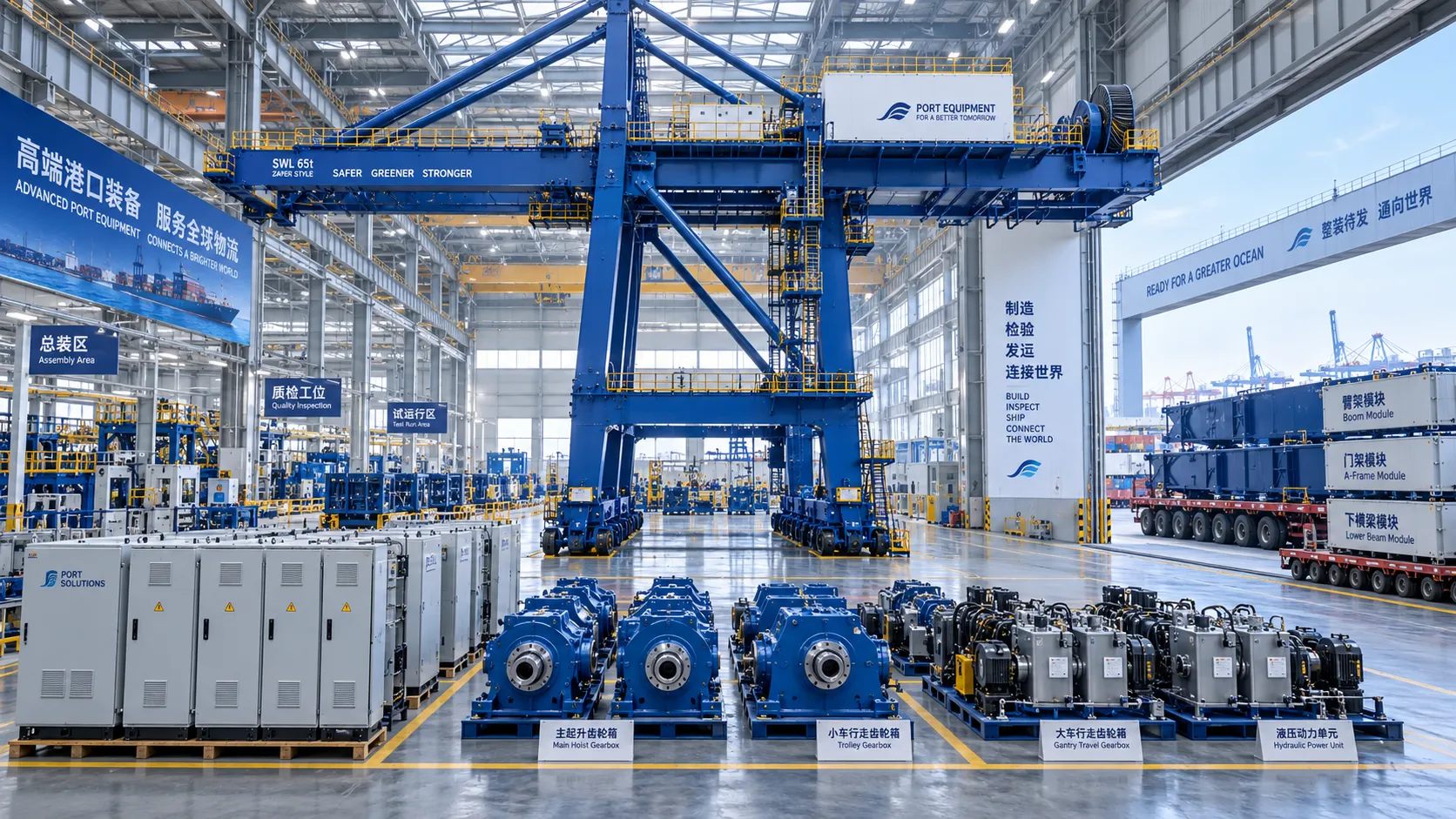
How Can Port Equipment Lead-Time Risk Be Managed?
How can port equipment lead-time risk be managed? Explore practical strategies to control critical paths, suppliers, transport, site readiness, and commissioning delays.
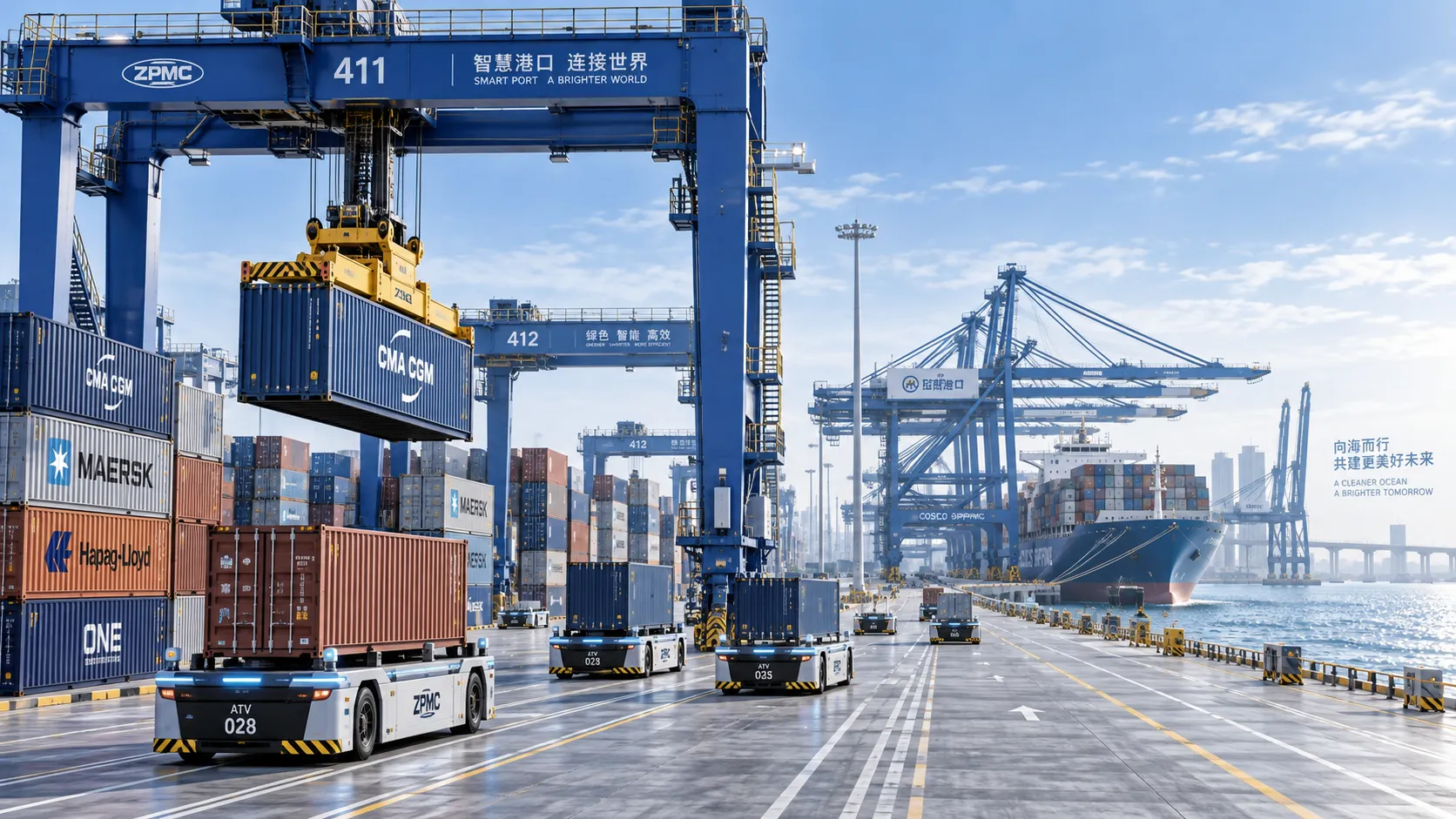
Terminal Automation Technologies That Raise Container Throughput Without Yard Disruption
Terminal automation technology that increases container throughput without disrupting yard flow. Explore smarter integration, resilient workflows, and phased deployment strategies.
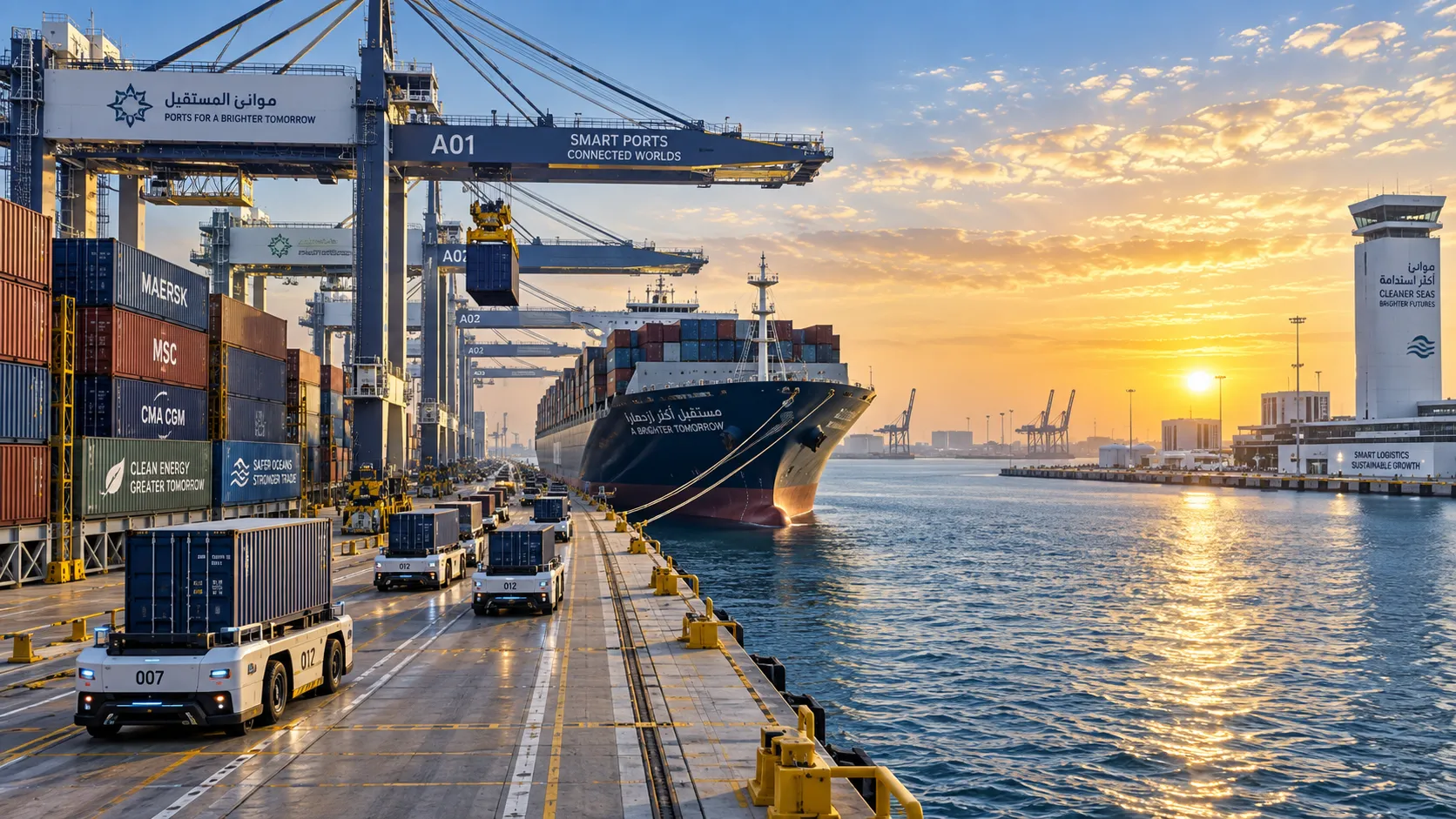
Middle East Port Automation: Key Market Drivers, Projects, and Investment Risks
Port automation systems Middle East: explore market drivers, flagship projects, integration challenges, and investment risks shaping smarter, resilient terminals.
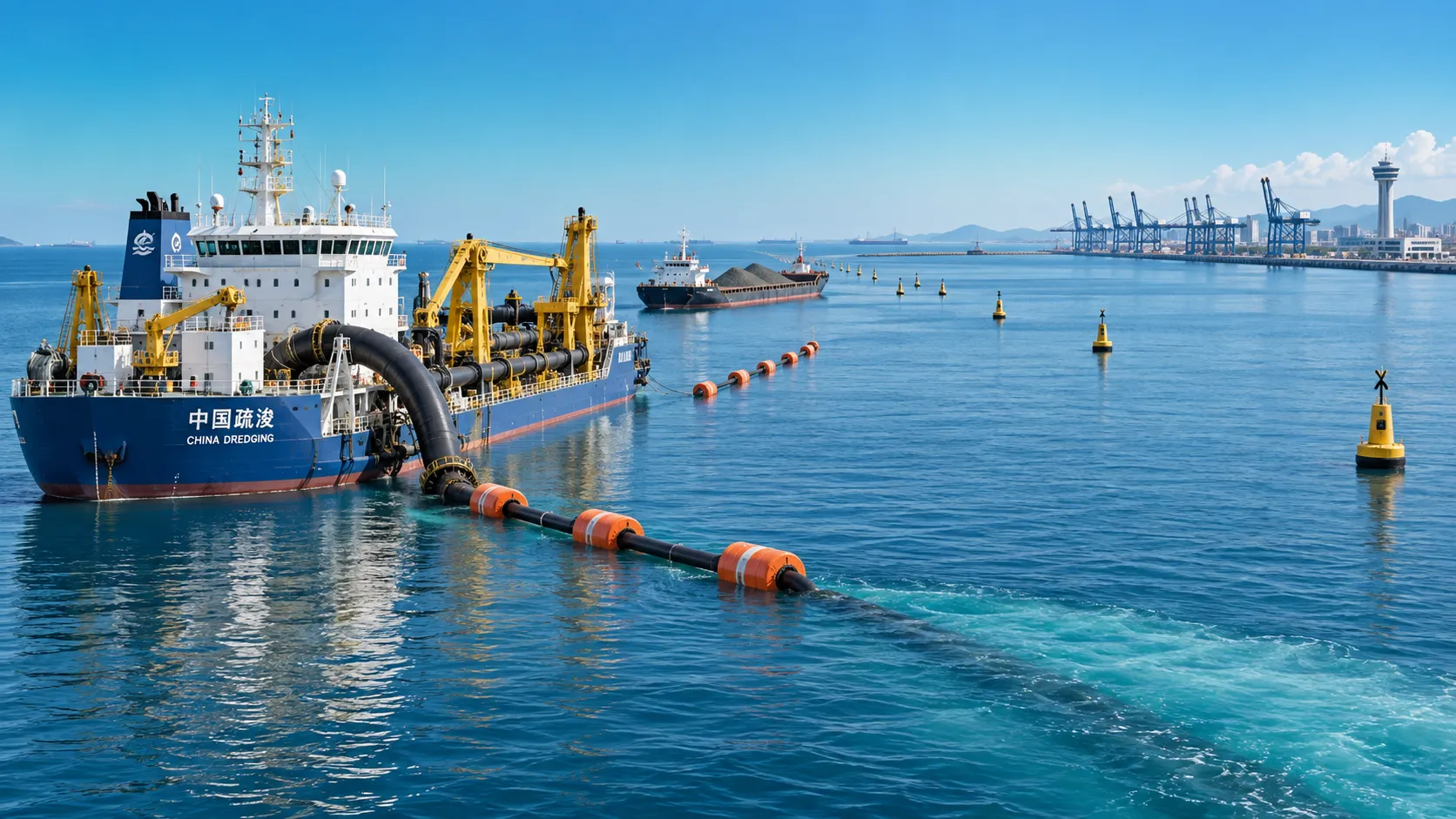
Planning Offshore Dredging Operations: Key Risks, Methods, and Project Controls
Offshore dredging operations demand smart planning. Explore key risks, proven methods, environmental controls, and project strategies for reliable delivery.