
Related News
- 00
0000-00
Smart Port Systems in Southeast Asia: Investment Priorities and Adoption Barriers - 00
0000-00
Middle East Port Automation: Key Market Drivers, Projects, and Investment Risks - 00
0000-00
How Coastal Cities Can Prioritize Blue Economy Projects for Jobs and Ecosystem Gains - 00
0000-00
How Harbor Construction Solutions Address Wave Loads, Scour, and Vessel Berthing - 00
0000-00
What Is Driving Maritime Infrastructure Growth in Southeast Asia?
How Port Expansion Shapes Coastal Economics: Jobs, Land Use, and Trade Flows
How Port Expansion Shapes Coastal Economics: Jobs, Land Use, and Trade Flows
Port expansion is more than an infrastructure upgrade.
It is a strategic force that reshapes coastal economics through jobs, industrial land conversion, logistics capacity, and changing trade flows.
For long-term business evaluation, these effects matter far beyond the quay wall.
Larger terminals, automated handling systems, and dredging programs now influence supply chains, real estate, labor markets, and cross-border commerce.
This makes coastal economics a practical framework for judging regional competitiveness and infrastructure investment risk.
The New Port Expansion Cycle Is Redefining Coastal Economics
Global trade is moving through fewer, larger, and more complex maritime nodes.
This shift changes how coastal economics is measured, especially in regions competing for container, bulk, and energy cargo.
Port authorities are no longer expanding only to add berth length.
They are redesigning cargo ecosystems, inland connections, automation layers, and dredged access channels.
The result is a wider economic footprint that reaches warehouses, rail corridors, customs zones, and nearby industrial parks.
In modern coastal economics, port scale now signals more than shipping convenience.
It signals access to resilient trade flows, advanced equipment ecosystems, and investable logistics land.
Trend Signals Now Visible Across Port Regions
- Deeper channels are being prioritized for larger vessel calls.
- Automated container yards are reducing dwell time pressure.
- Intermodal terminals are moving closer to inland consumption centers.
- Port-adjacent land is shifting toward high-value logistics uses.
- Energy transition projects are competing with traditional cargo storage.
These signals show why coastal economics must be evaluated as a system, not as a single terminal project.
Why Expansion Pressure Is Accelerating
Several forces are pushing ports to expand capacity and complexity at the same time.
The most important drivers combine trade volatility, vessel upsizing, regional industrial policy, and automation investment.
These drivers explain why coastal economics increasingly depends on engineering decisions.
A dredging project, crane upgrade, or automated yard system can change a region’s trade position.
For PS-Nexus, this connection between heavy equipment and economic strategy is especially important.
Terminal gear, control systems, and marine engineering are now core inputs in coastal economics analysis.
Job Creation Is Shifting From Volume Labor to Technical Capacity
Port expansion traditionally created jobs through construction, dock work, trucking, and warehousing.
Those effects remain important, but the labor structure is changing quickly.
Automation, remote crane operations, sensor networks, and digital yard planning create new technical roles.
This changes the employment logic of coastal economics from headcount growth alone to skills transformation.
Where New Employment Value Appears
- Civil works, dredging, quay reinforcement, and terminal construction.
- Maintenance of ship-to-shore cranes, AGVs, stackers, and bulk handling systems.
- Control room operations for automated terminals and remote equipment fleets.
- Data analysis for berth planning, yard optimization, and predictive maintenance.
- Customs, compliance, insurance, inspection, and cargo documentation services.
This employment mix creates higher productivity, but also demands stronger training pipelines.
Regions that treat skills as infrastructure will capture more durable coastal economics benefits.
Regions that ignore workforce transition may face social resistance, wage pressure, or operational bottlenecks.
Land Use Becomes a Strategic Battleground
Port expansion often requires coastal land, reclaimed areas, logistics parks, and buffer zones.
This makes land use one of the most sensitive dimensions of coastal economics.
A successful port region must balance trade capacity with housing, tourism, fisheries, wetlands, and urban growth.
The highest-value land may not be the closest land to the berth.
It may be land connected to rail, highways, cold chains, bonded zones, and digital customs systems.
Land Conversion Patterns To Watch
- Low-density waterfront storage becomes automated container yard capacity.
- Brownfield industrial land becomes logistics and value-added processing space.
- Reclaimed zones support energy terminals, heavy cargo, or bulk handling.
- Inland dry ports absorb pressure from congested waterfront locations.
- Environmental buffers become essential for permitting and community acceptance.
Land decisions can strengthen or weaken coastal economics for decades.
Poor zoning creates truck congestion, stranded assets, and conflicts with urban development.
Integrated planning creates logistics density, faster cargo circulation, and more stable investor confidence.
Trade Flows Reorganize Around Capacity, Reliability, and Depth
Port expansion changes trade flows by altering route economics.
When a port can handle larger ships, deeper drafts, and faster turnaround, it attracts different cargo patterns.
Shipping lines may consolidate calls, redesign feeder routes, or shift transshipment volumes.
That shift affects coastal economics through freight rates, warehouse demand, and industrial location decisions.
Reliability is becoming as important as raw capacity.
A terminal with advanced equipment but weak hinterland access may still lose strategic relevance.
A smaller port with disciplined scheduling and strong inland links may capture premium cargo.
How Trade Flows Typically Respond
This is why trade flow analysis is central to coastal economics.
The value of expansion depends on where cargo moves next, not only where it lands.
Different Business Links Feel the Impact Unevenly
Port expansion does not distribute value evenly across every business link.
Some activities gain scale advantages, while others face displacement, rent pressure, or technology gaps.
Equipment ecosystems often benefit when ports commit to modernization cycles.
Demand rises for quay cranes, bulk systems, AGVs, control platforms, and dredging equipment.
Logistics operators benefit when capacity expansion is matched with predictable gate, rail, and customs performance.
Real estate owners benefit when zoning supports logistics intensity without regulatory uncertainty.
Labor markets benefit when training programs match automation and maintenance requirements.
Communities benefit when coastal economics includes emissions control, noise management, and public access planning.
Core Indicators Worth Tracking Before Expansion Decisions
Reliable judgment requires more than headline capacity figures.
Decision quality improves when operational, environmental, and commercial indicators are reviewed together.
- Berth occupancy, crane productivity, truck turn time, and vessel waiting time.
- Channel depth, tidal constraints, dredging frequency, and sediment management cost.
- Rail share, highway access, inland terminal capacity, and customs processing time.
- Available logistics land, lease duration, zoning stability, and utility readiness.
- Automation maturity, system interoperability, cybersecurity, and remote operation resilience.
- Emissions baseline, shore power readiness, equipment electrification, and net-zero pathway.
These indicators connect engineering reality with coastal economics performance.
They also reveal whether a port expansion plan is investable, scalable, and socially durable.
Practical Response Framework for the Next Expansion Phase
The next phase of port expansion will reward integrated planning.
Capacity must be aligned with equipment strategy, land policy, data systems, and environmental compliance.
This framework keeps coastal economics grounded in measurable operating conditions.
It also reduces the risk of building capacity that cargo networks cannot fully absorb.
What PS-Nexus Observes in the Blue Economy Transition
The Global Port-Sync Hub views port expansion through machinery, automation, and marine engineering intelligence.
Mega terminal gear defines throughput ceilings for major trade hubs.
Bulk handling machinery supports faster turnover of energy, grain, ore, and raw materials.
Specialized container handling improves yard density and mobility efficiency.
Automation and control systems become the central nervous system of unmanned terminals.
Dredging equipment reshapes fairways, terminal access, and future coastal land possibilities.
Together, these pillars translate technical capability into coastal economics advantage.
The strongest regions will not simply build larger ports.
They will synchronize infrastructure, algorithms, land use, and trade intelligence.
Next Steps for Better Coastal Economics Judgment
Port expansion should be evaluated as a long-cycle economic system.
Start by mapping cargo demand, equipment readiness, dredging requirements, and hinterland constraints together.
Then compare job quality, land conversion, environmental obligations, and trade flow resilience.
This approach makes coastal economics more practical for investment screening and regional strategy.
Follow PS-Nexus for intelligence on terminal gear, automation systems, dredging engineering, and maritime logistics trends.
Better port decisions begin when operational data and coastal economics are analyzed as one connected network.
Related News
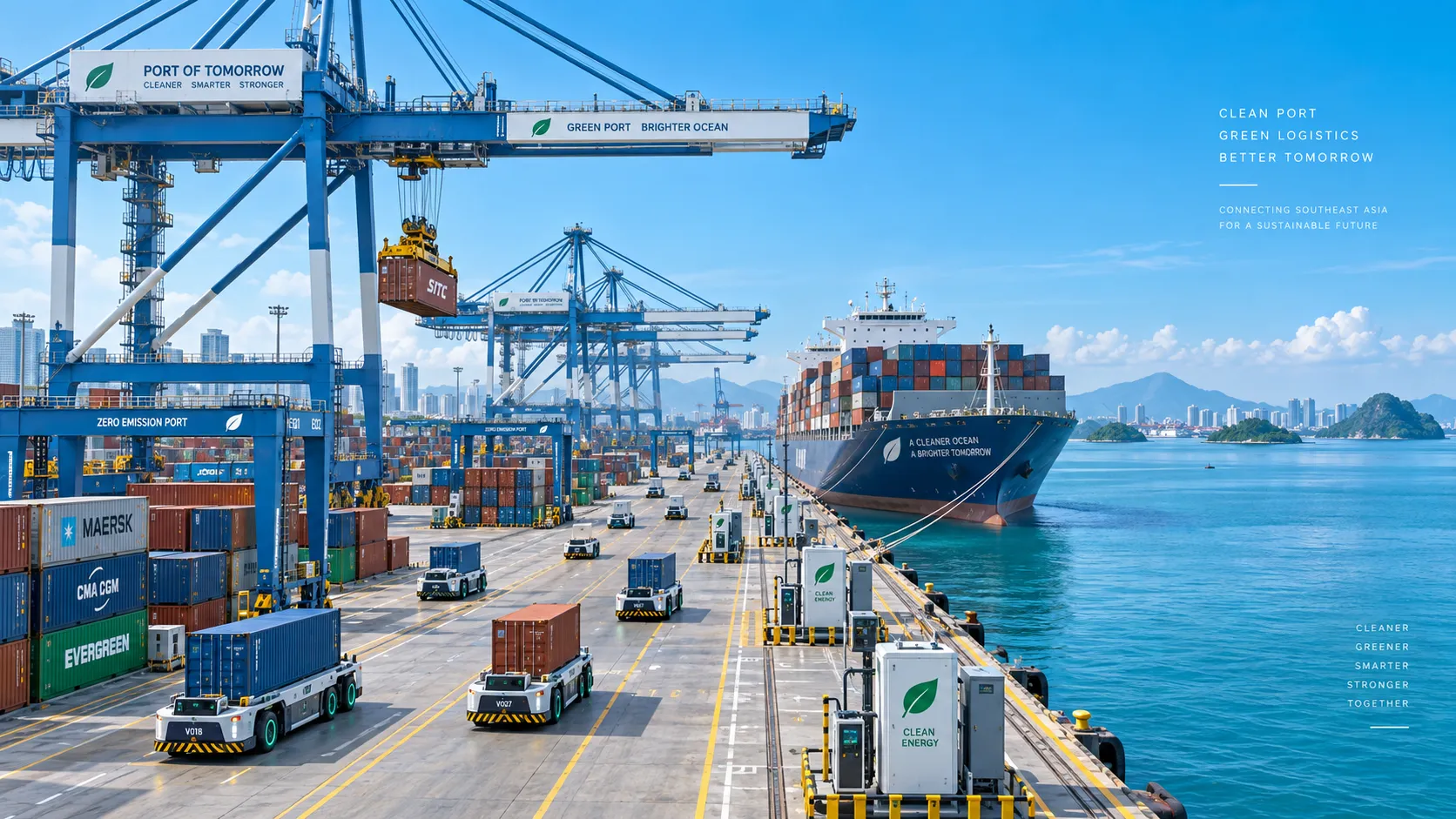
Smart Port Systems in Southeast Asia: Investment Priorities and Adoption Barriers
Smart port systems Southeast Asia: discover investment priorities, adoption barriers, and practical steps to build resilient, connected, high-performing terminals.
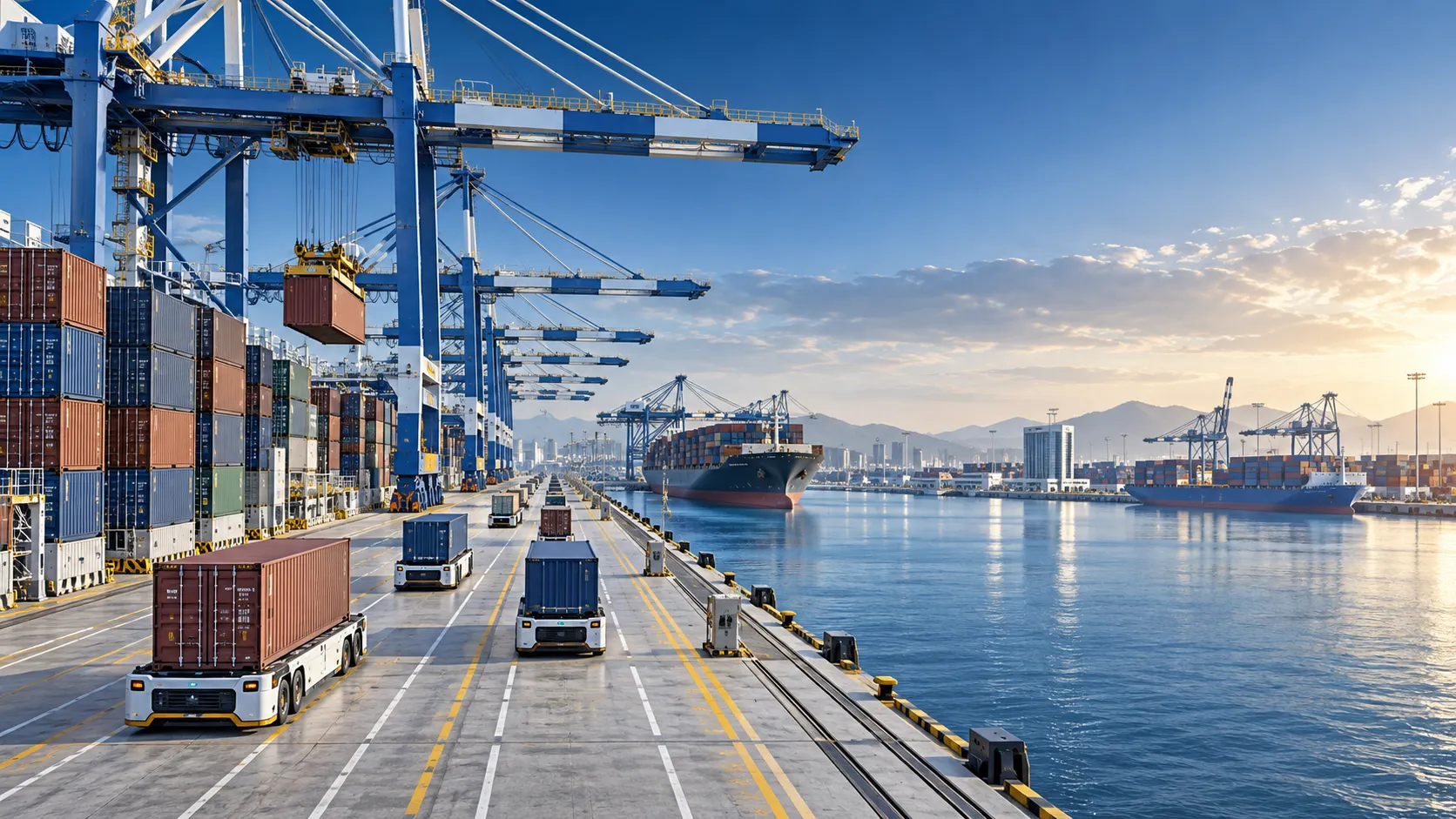
How to Evaluate Terminal Efficiency Solution Suppliers for High-Throughput Operations
Choose a terminal efficiency solutions supplier with confidence. Explore proven criteria for throughput, integration, lifecycle cost, safety, and reliable delivery.
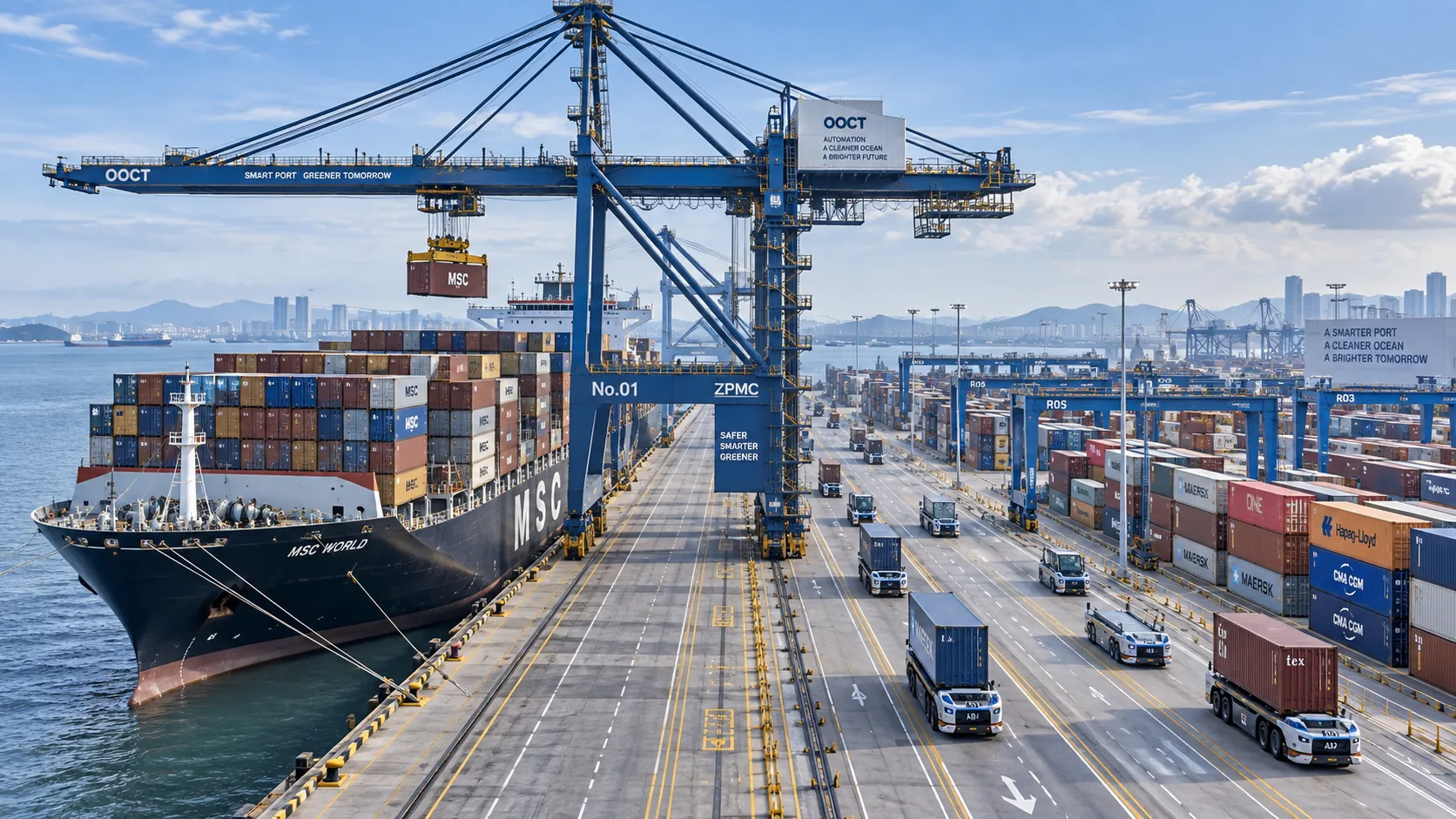
How to Specify a Quay Crane for Container Terminals by Vessel Size and Throughput?
Quay crane for container terminals: learn how to match outreach, lift height, capacity, automation, and cycle performance to vessel size and throughput goals.
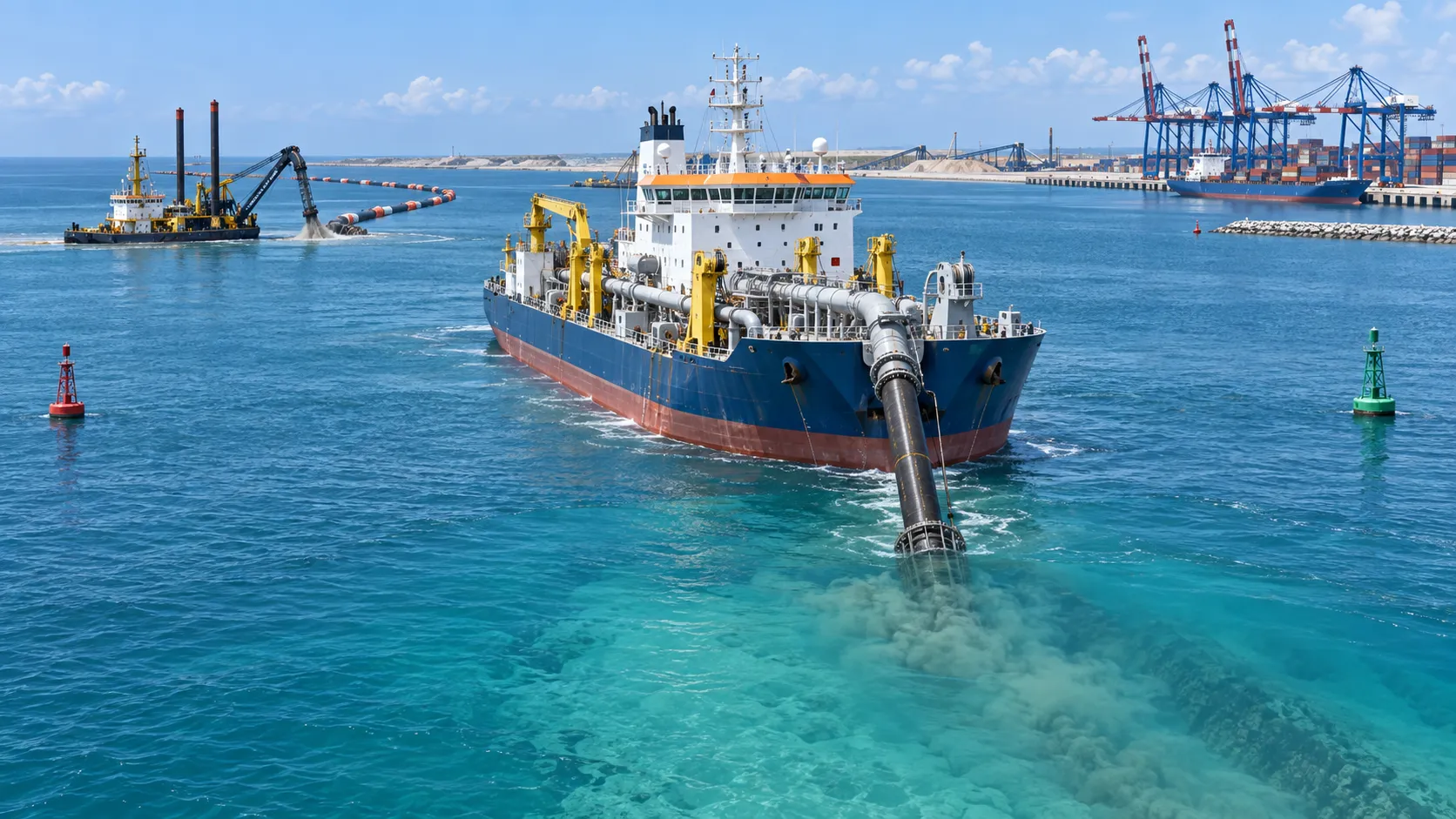
What Dredging Equipment Is Needed for Channel Deepening?
What dredging equipment is needed for channel deepening? Explore dredgers, pipelines, survey tools, and planning strategies for safer, more efficient port access.
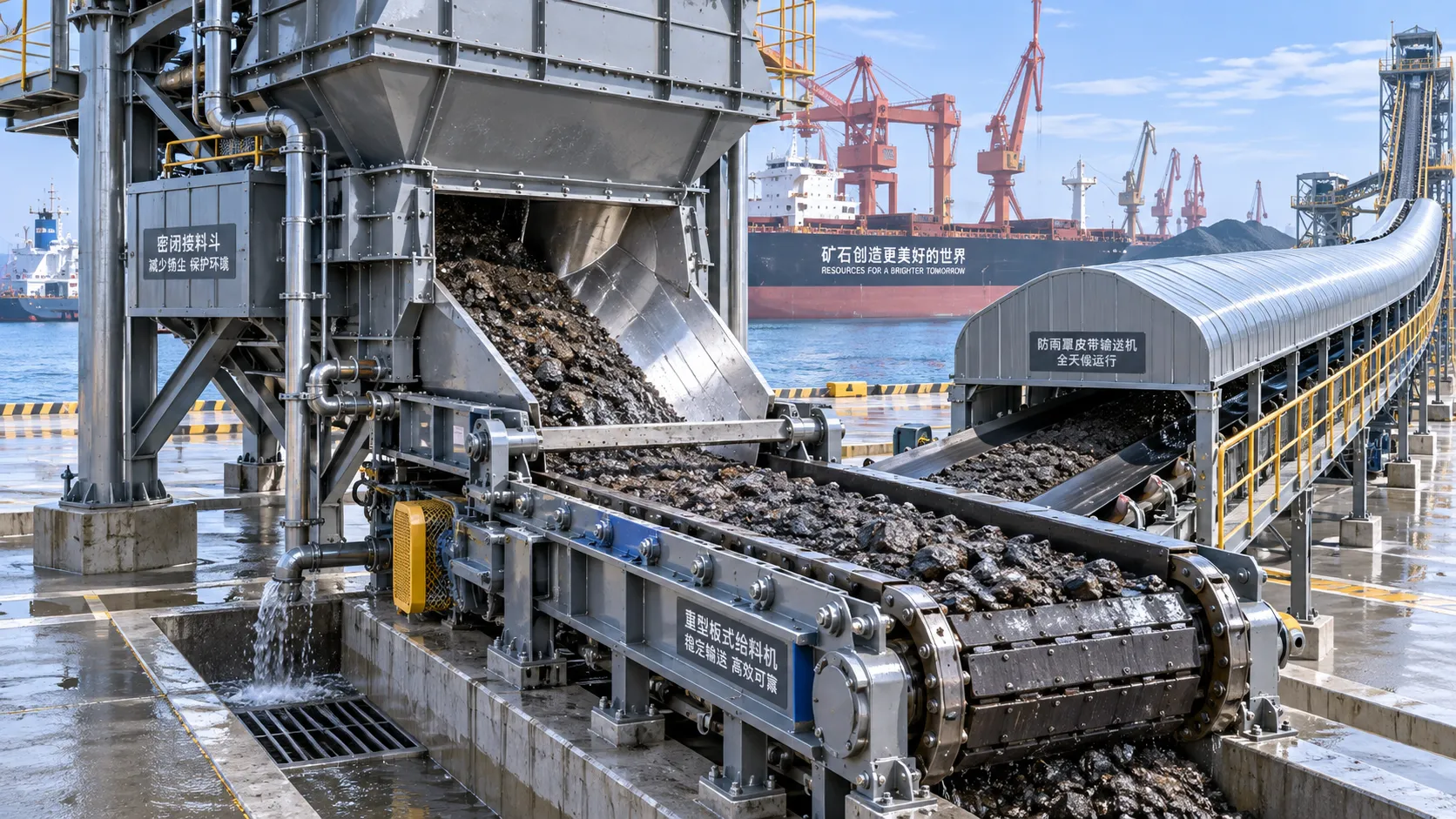
Which Bulk Handling Equipment Suits High-Moisture Cargo?
Which bulk handling equipment suits high-moisture cargo? Compare belt, apron, screw, drag, and slurry systems for reliable flow, less carryback, and higher terminal uptime.
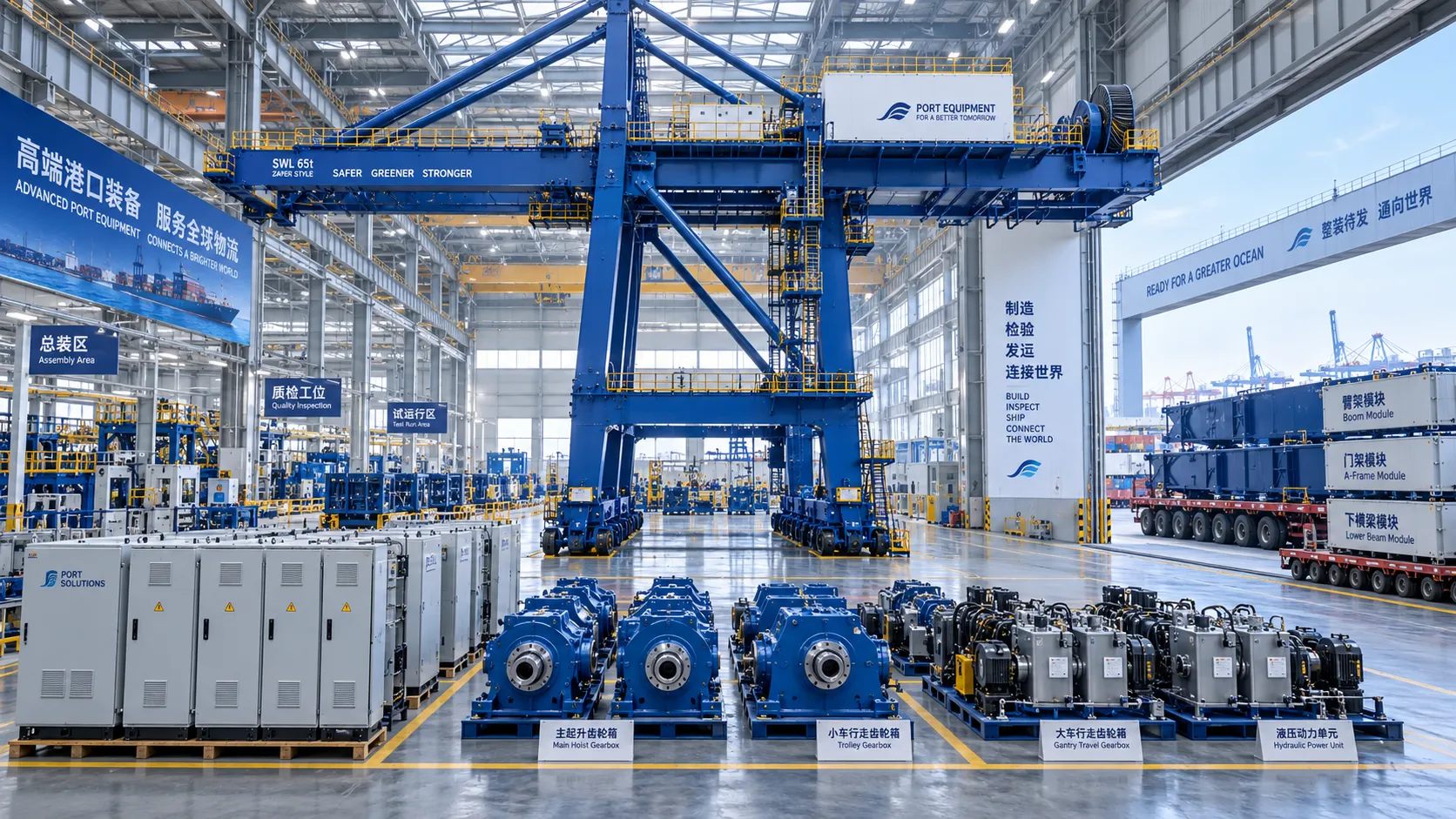
How Can Port Equipment Lead-Time Risk Be Managed?
How can port equipment lead-time risk be managed? Explore practical strategies to control critical paths, suppliers, transport, site readiness, and commissioning delays.
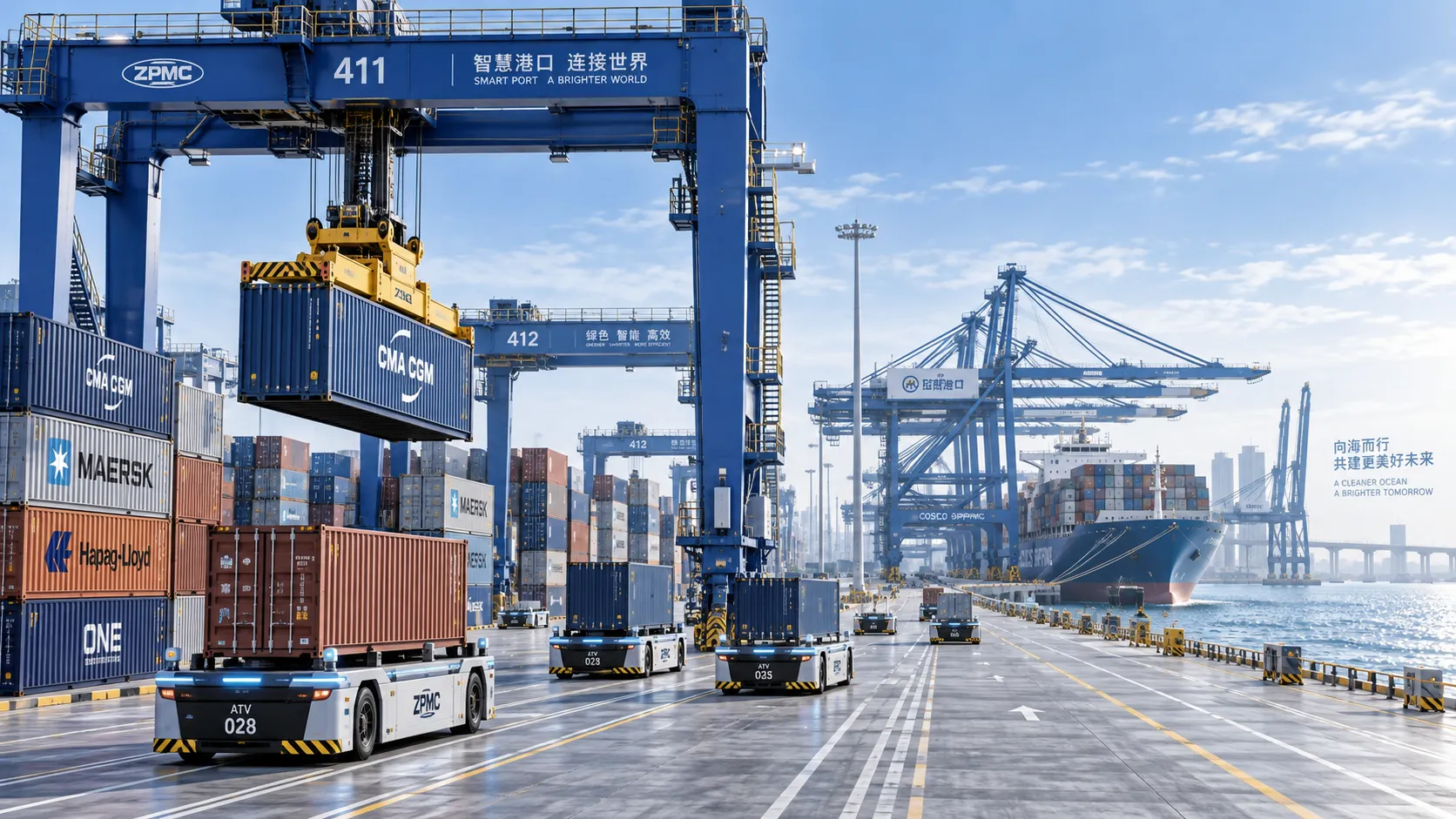
Terminal Automation Technologies That Raise Container Throughput Without Yard Disruption
Terminal automation technology that increases container throughput without disrupting yard flow. Explore smarter integration, resilient workflows, and phased deployment strategies.
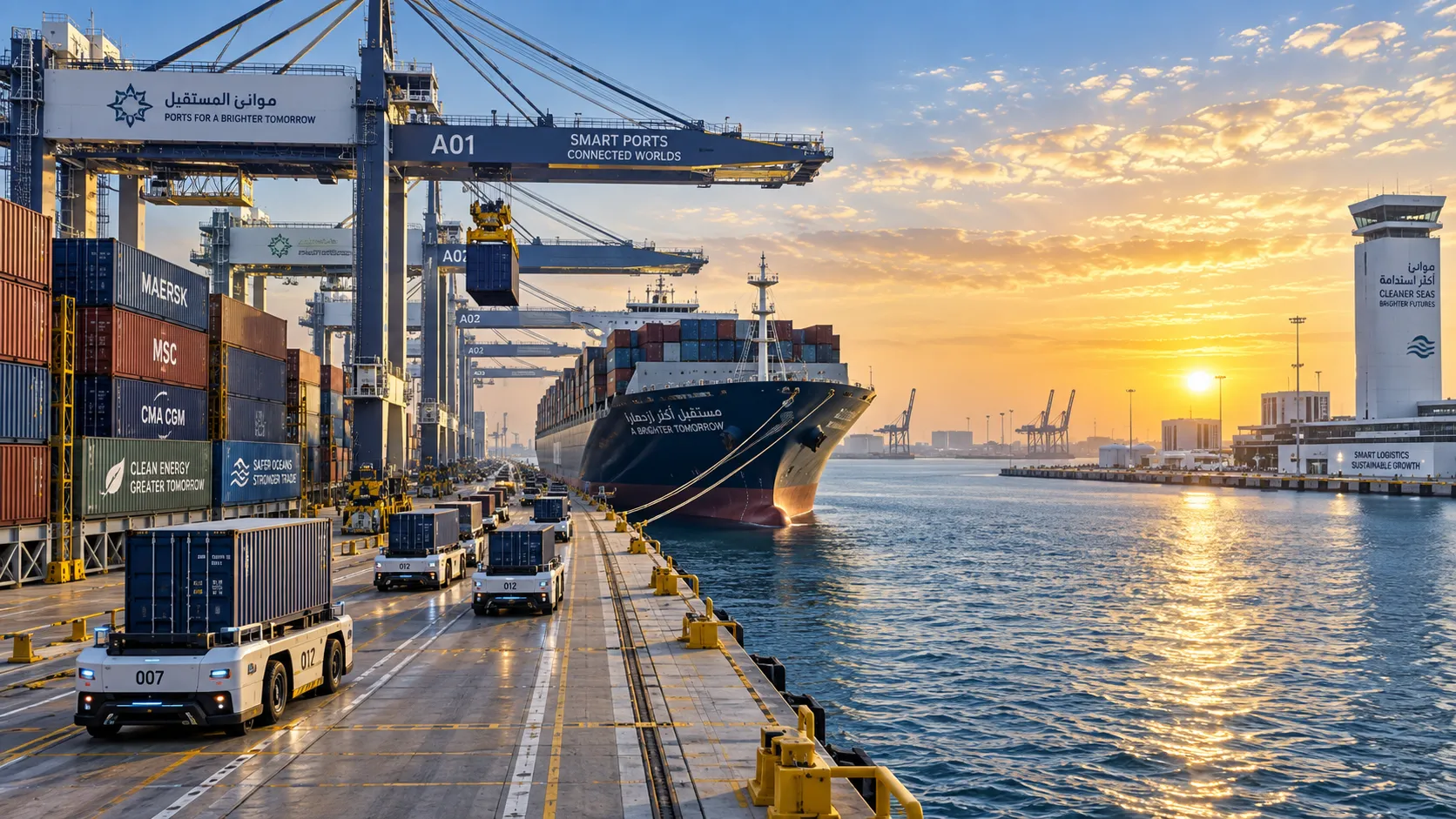
Middle East Port Automation: Key Market Drivers, Projects, and Investment Risks
Port automation systems Middle East: explore market drivers, flagship projects, integration challenges, and investment risks shaping smarter, resilient terminals.
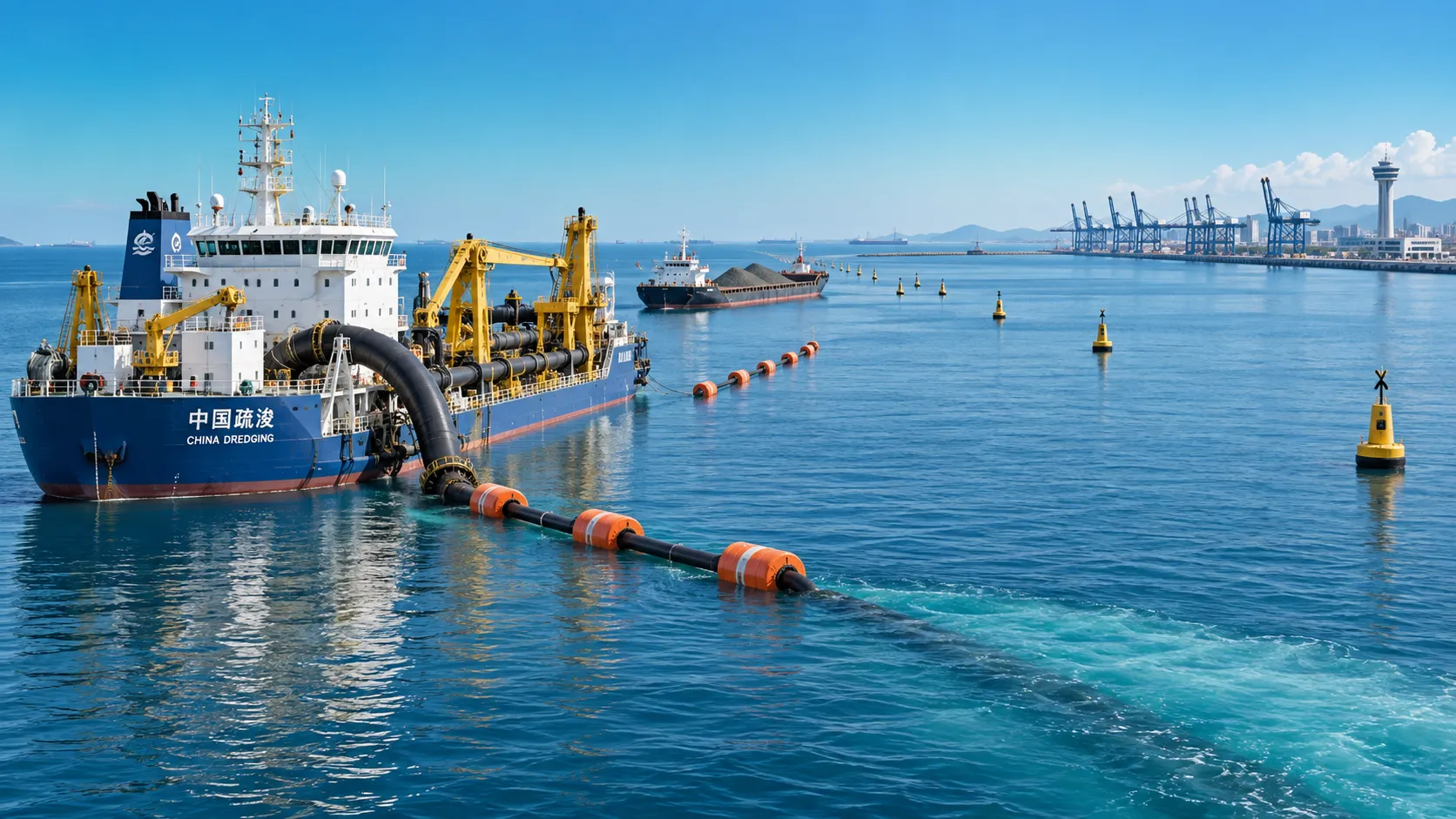
Planning Offshore Dredging Operations: Key Risks, Methods, and Project Controls
Offshore dredging operations demand smart planning. Explore key risks, proven methods, environmental controls, and project strategies for reliable delivery.