Related News
- 00
0000-00
Smart Port Systems in Southeast Asia: Investment Priorities and Adoption Barriers - 00
0000-00
Middle East Port Automation: Key Market Drivers, Projects, and Investment Risks - 00
0000-00
How Coastal Cities Can Prioritize Blue Economy Projects for Jobs and Ecosystem Gains - 00
0000-00
How Harbor Construction Solutions Address Wave Loads, Scour, and Vessel Berthing - 00
0000-00
What Is Driving Maritime Infrastructure Growth in Southeast Asia?
Coastal Economics Is Reshaping Harbor Investment
Coastal Economics Is Reshaping Harbor Investment
As global trade routes, climate resilience demands, and automation economics converge, coastal economics is becoming a decisive lens for harbor investment.
Business evaluators can no longer assess ports only by berth capacity or cargo volume.
They must weigh dredging cycles, terminal gear productivity, energy transition costs, and smart-control readiness.
This article explores how shifting coastal value models are redefining capital priorities, risk exposure, and long-term returns across modern maritime infrastructure.
Why Coastal Economics Needs a Checklist Approach
Harbor investment has moved beyond concrete, steel, and berth length.
Today, coastal economics links marine geography, cargo volatility, climate defense, automation readiness, and energy infrastructure into one decision system.
A port that looks efficient on paper may carry hidden dredging pressure, unstable hinterland access, or obsolete crane-control architecture.
Checklist-based evaluation helps convert these variables into comparable investment signals.
It also prevents coastal economics from becoming a broad concept without operational discipline.
For PS-Nexus, this discipline connects terminal equipment, marine engineering, logistics intelligence, and smart-port strategy.
Core Harbor Investment Checklist for Coastal Economics
Use this checklist to evaluate whether a harbor project can withstand cost pressure, trade shifts, and technology transitions.
- Map cargo demand against regional coastal economics, then test whether expected throughput survives route changes, commodity cycles, and shipping alliance adjustments.
- Audit dredging depth, sediment behavior, and maintenance frequency before accepting channel expansion as a simple capacity improvement.
- Compare quay crane productivity with vessel size trends, including outreach, lifting cycles, energy use, and remote-control compatibility.
- Assess yard density through automated stacking systems, AGV routing logic, gate flow, and container dwell-time behavior.
- Price electrification requirements across cranes, tractors, shore power, substations, charging lanes, and backup energy storage.
- Measure climate exposure by combining storm surge, sea-level scenarios, quay elevation, breakwater resilience, and insurance cost sensitivity.
- Validate automation architecture, including low-latency communications, equipment telemetry, cybersecurity controls, and exception-handling workflows.
- Benchmark hinterland connectivity through rail slots, highway access, inland depots, customs flow, and logistics node synchronization.
- Track regulatory exposure in emissions, ballast management, dredged material disposal, labor rules, and coastal land-use restrictions.
- Model lifecycle returns using coastal economics, not only construction cost, because maintenance, downtime, and adaptation budgets reshape value.
Checklist Area 1: Dredging, Depth, and Channel Economics
Dredging is often treated as an engineering prerequisite.
In coastal economics, it is also a recurring financial exposure.
A deeper channel may attract larger vessels, but it can intensify sediment management and environmental permitting obligations.
Evaluate capital dredging and maintenance dredging separately.
Capital dredging unlocks vessel access, while maintenance dredging protects reliability.
Both influence coastal economics through direct cost, equipment deployment, disposal planning, and operational downtime.
Digital pump monitoring, cutter performance analytics, and real-time turbidity tracking improve cost control.
They also support defensible environmental reporting.
Checklist Area 2: Terminal Gear Productivity
Terminal gear determines whether harbor investment becomes usable capacity or stranded infrastructure.
Coastal economics demands a clear link between cranes, yard systems, vessel calls, and labor structure.
Mega port terminal gear should be evaluated by operational fit, not headline lifting capacity alone.
Outreach, hoist speed, trolley automation, spreader reliability, and maintenance windows shape actual berth productivity.
Bulk handling machinery requires equal scrutiny.
Conveyors, unloaders, stacker-reclaimers, and dust-control systems influence cargo loss, environmental compliance, and energy intensity.
Specialized container handling also matters where land is scarce.
Automated stacking cranes and shuttle carriers can transform coastal economics by improving throughput per hectare.
Checklist Area 3: Automation and Control Readiness
Automation changes harbor valuation because it alters labor dependency, safety exposure, asset utilization, and service predictability.
Yet automation only creates value when control systems match operational complexity.
In coastal economics, remote-controlled cranes, AGVs, and terminal operating systems must be evaluated as one logic chain.
A weak interface between equipment and planning software can reduce the return on expensive automation.
Check latency, sensor coverage, exception recovery, and cybersecurity resilience.
Also test whether the control room can manage mixed operations during phased modernization.
Many ports will operate manual and automated zones together for years.
That transition period is where coastal economics often reveals hidden coordination costs.
Checklist Area 4: Energy Transition and Net-Zero Costing
Net-zero commitments are becoming investment filters, not public relations commitments.
Coastal economics now includes grid access, equipment electrification, carbon pricing, and shore-power adoption.
Electric cranes may reduce emissions, but they require dependable power infrastructure.
Charging fleets of electric terminal tractors or AGVs can stress substations during peak operating windows.
Shore power creates another investment layer.
It can improve air quality and compliance, but ship compatibility, tariff design, and utilization rates must be modeled.
Treat energy systems as operating assets.
In advanced coastal economics, power reliability becomes as important as berth geometry.
Scenario Notes: Transshipment Hubs
Transshipment hubs depend on schedule precision, vessel connectivity, and ultra-fast berth turnover.
Here, coastal economics rewards automation, deepwater access, and low vessel waiting time.
The key question is whether infrastructure can preserve network value during shipping alliance changes.
If a hub loses call density, expensive terminal gear may become underused.
Scenario testing should include carrier concentration, feeder reliability, bunker availability, and channel closure sensitivity.
Scenario Notes: Industrial Bulk Ports
Bulk ports follow different coastal economics because throughput depends on energy, mining, construction, and agricultural cycles.
The investment focus should shift toward durability, dust control, conveyor reliability, and stockyard optimization.
A bulk terminal can lose value through environmental disruption, cargo contamination, or mechanical bottlenecks.
Therefore, equipment redundancy and predictive maintenance deserve early budget allocation.
Coastal economics also changes when green fuels, offshore wind components, or low-carbon minerals enter the cargo mix.
Scenario Notes: Space-Constrained Urban Ports
Urban ports face land scarcity, community pressure, emissions limits, and truck congestion.
In these locations, coastal economics favors higher yard density and cleaner operating models.
Automated stacking, appointment systems, rail integration, and night operations can improve capacity without major land expansion.
However, local acceptance becomes part of the investment case.
Noise, lighting, air quality, and waterfront redevelopment pressure can affect permitting and operating hours.
Commonly Missed Risks in Coastal Economics
Underestimating maintenance dredging: Sediment behavior can turn a profitable channel project into a recurring cost burden.
Use multi-year bathymetric data and link dredging budgets to seasonal hydrodynamic patterns.
Separating equipment from software: A high-spec crane cannot deliver full value if scheduling logic, telemetry, and maintenance systems remain fragmented.
Coastal economics should capture the full automation chain.
Ignoring climate insurance signals: Premiums, deductibles, and coverage exclusions can reveal risks not visible in engineering summaries.
Use insurance feedback as an early warning indicator.
Overlooking grid constraints: Electrification fails when grid upgrades arrive late or power quality is unstable.
Model substations, peak loads, and backup systems before purchasing electric fleets.
Assuming cargo forecasts are stable: Coastal economics is sensitive to trade policy, nearshoring, commodity transitions, and vessel deployment changes.
Run downside cases before committing fixed infrastructure capital.
Practical Execution Steps
- Build a single data room covering bathymetry, cargo history, equipment condition, energy access, climate exposure, and regulatory constraints.
- Create baseline, upside, and stress scenarios using coastal economics assumptions rather than isolated cargo growth forecasts.
- Score every major asset by productivity, resilience, carbon impact, automation readiness, and maintenance intensity.
- Prioritize investments that remove bottlenecks across the full terminal system, not only the most visible berth assets.
- Review decisions quarterly against shipping rates, vessel calls, equipment downtime, dredging data, and energy price shifts.
Execution should be iterative.
Coastal economics changes as vessel classes, emissions rules, and regional production networks evolve.
A static business case can become outdated before construction ends.
How PS-Nexus Supports Better Harbor Decisions
PS-Nexus connects maritime logistics intelligence with heavy terminal gear, automated container handling, and dredging engineering analysis.
This approach supports coastal economics by linking physical equipment performance with strategic trade signals.
Its Strategic Intelligence Center tracks sector news, automation trends, dredging technologies, and commercial demand shifts.
That intelligence helps transform port investment from asset purchasing into system-level value design.
The strongest harbor projects will not simply expand capacity.
They will synchronize machinery, algorithms, energy systems, and coastal resilience into one operating model.
Summary and Action Guide
Coastal economics is reshaping harbor investment by forcing every decision to account for lifecycle value, resilience, automation, and energy transition.
Berth expansion alone is no longer enough.
Investment strength now depends on dredging control, terminal gear productivity, smart scheduling, grid readiness, and climate protection.
Start with the checklist, then test each assumption through scenario analysis.
Rank projects by system impact, not isolated asset appeal.
The next competitive ports will be those that treat coastal economics as a continuous intelligence discipline.
For future-ready harbor planning, connect engineering evidence, logistics data, and commercial insight before capital is locked.
- heavy terminal gear
- automated container handling
- maritime logistics
- coastal economics
- mega port terminal
- bulk handling machinery
- specialized container handling
- control systems
- remote-controlled cranes
- AGVs
- digital pump monitoring
- full automation
- quay crane
- terminal operating systems
- maritime infrastructure
- terminal equipment
Related News
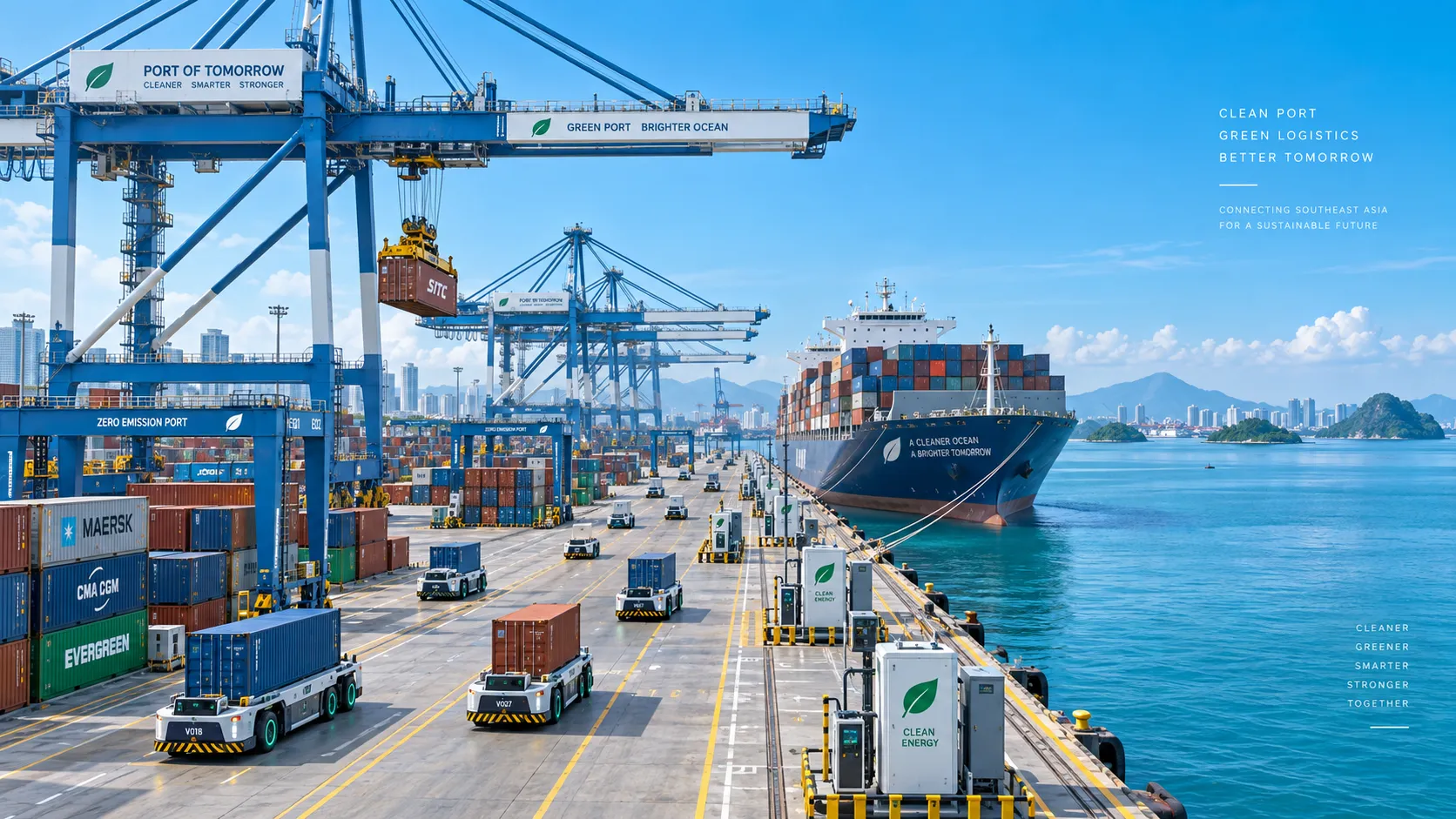
Smart Port Systems in Southeast Asia: Investment Priorities and Adoption Barriers
Smart port systems Southeast Asia: discover investment priorities, adoption barriers, and practical steps to build resilient, connected, high-performing terminals.
How to Evaluate Terminal Efficiency Solution Suppliers for High-Throughput Operations
Choose a terminal efficiency solutions supplier with confidence. Explore proven criteria for throughput, integration, lifecycle cost, safety, and reliable delivery.
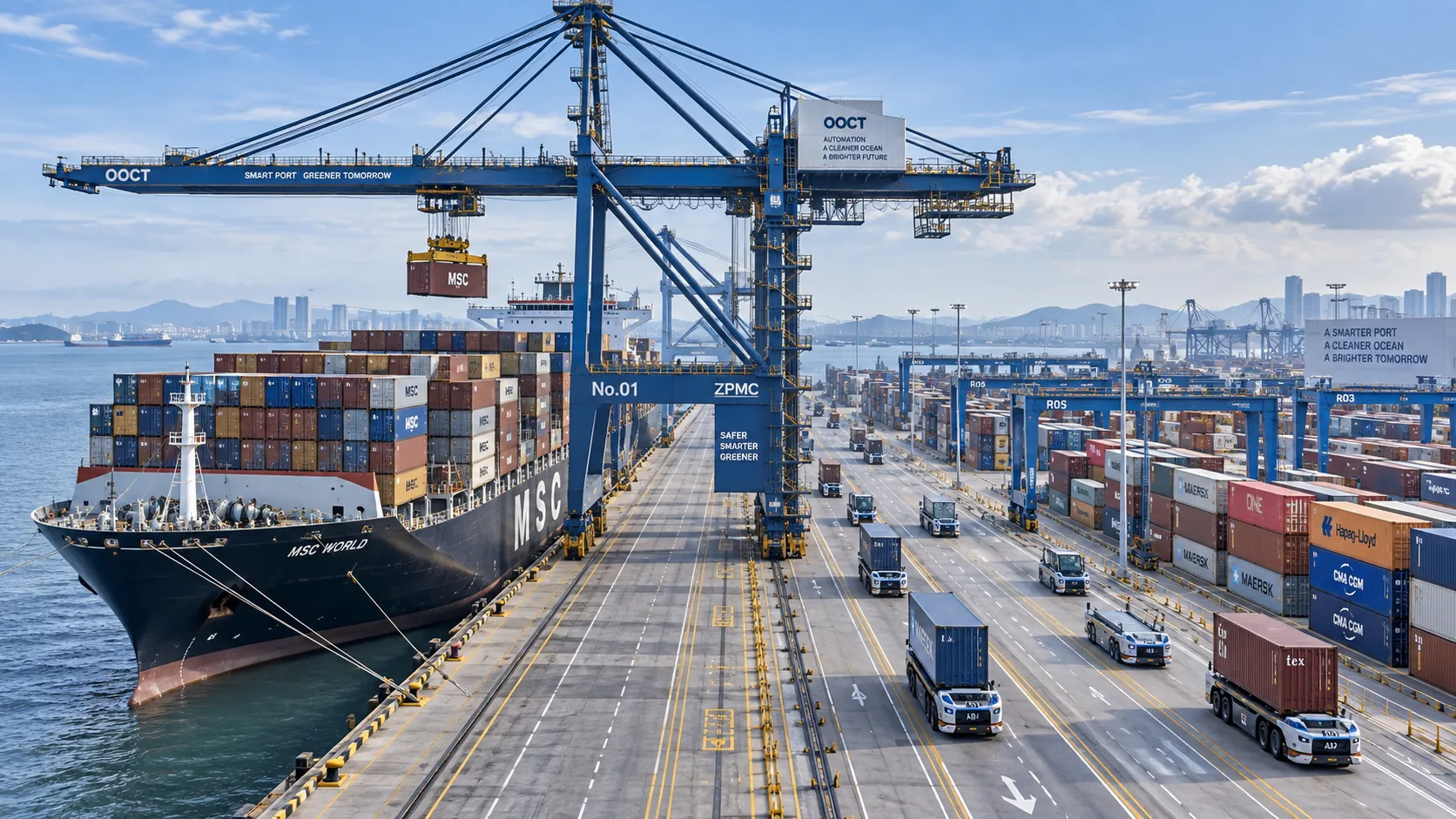
How to Specify a Quay Crane for Container Terminals by Vessel Size and Throughput?
Quay crane for container terminals: learn how to match outreach, lift height, capacity, automation, and cycle performance to vessel size and throughput goals.
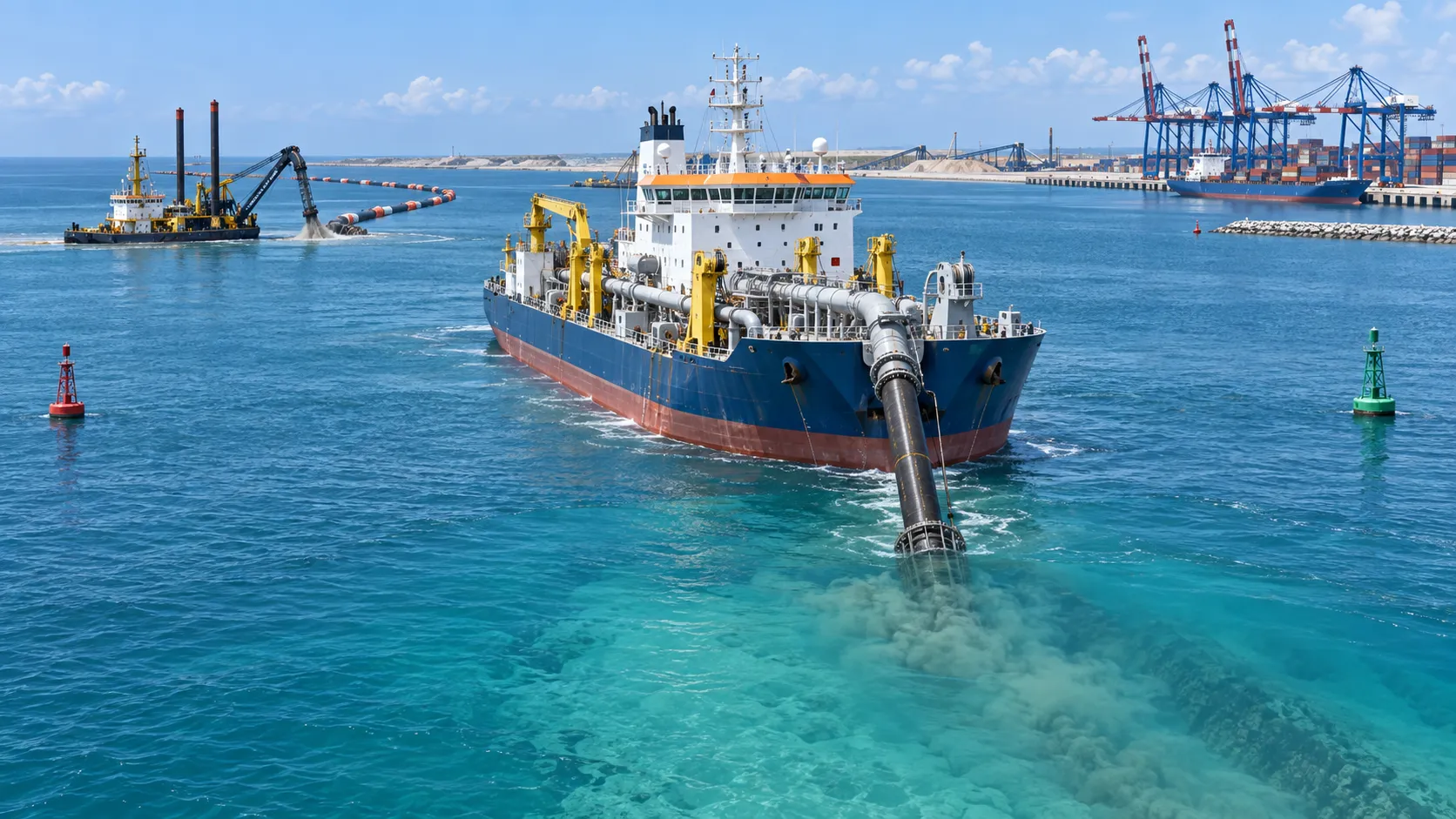
What Dredging Equipment Is Needed for Channel Deepening?
What dredging equipment is needed for channel deepening? Explore dredgers, pipelines, survey tools, and planning strategies for safer, more efficient port access.
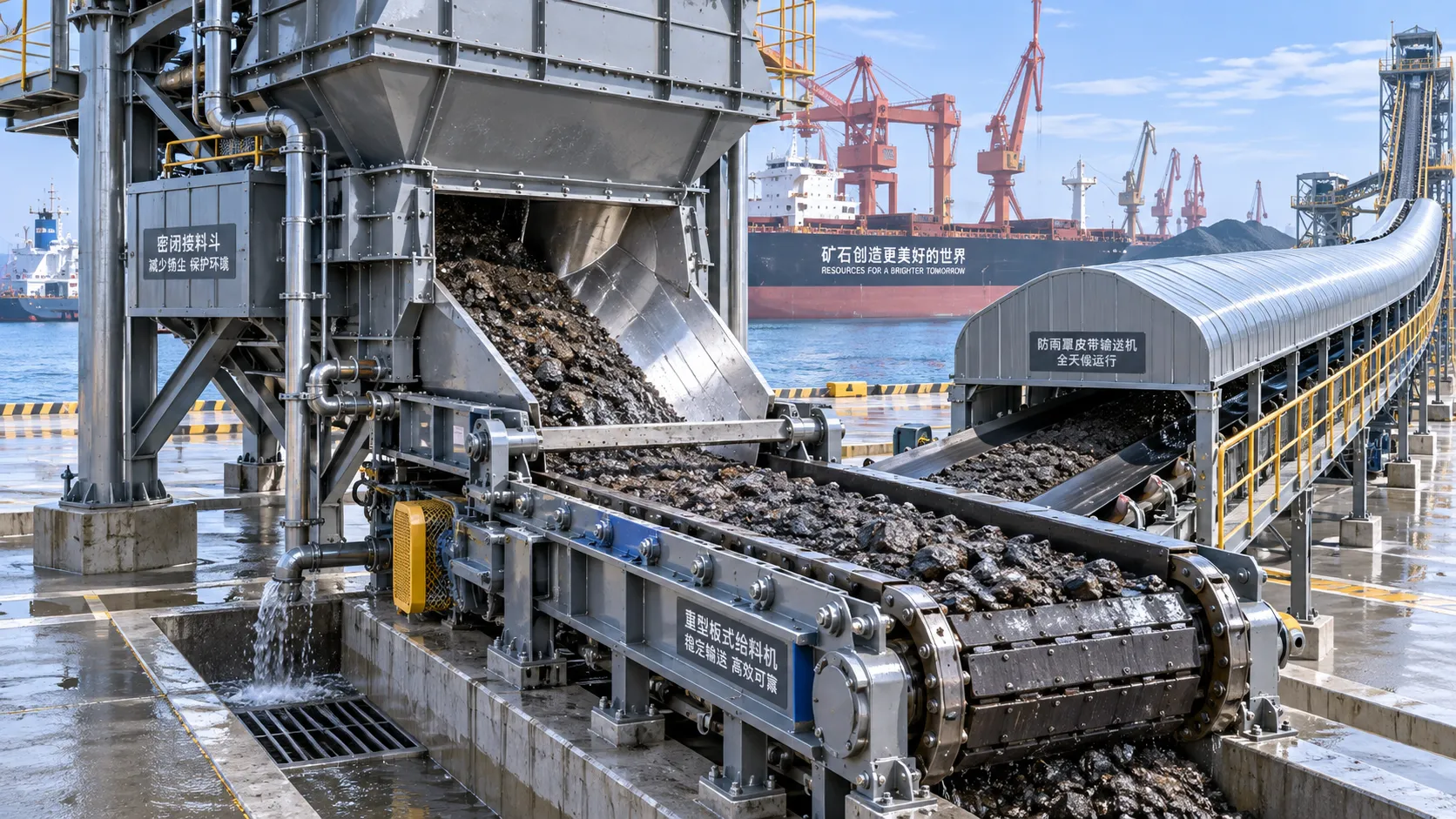
Which Bulk Handling Equipment Suits High-Moisture Cargo?
Which bulk handling equipment suits high-moisture cargo? Compare belt, apron, screw, drag, and slurry systems for reliable flow, less carryback, and higher terminal uptime.
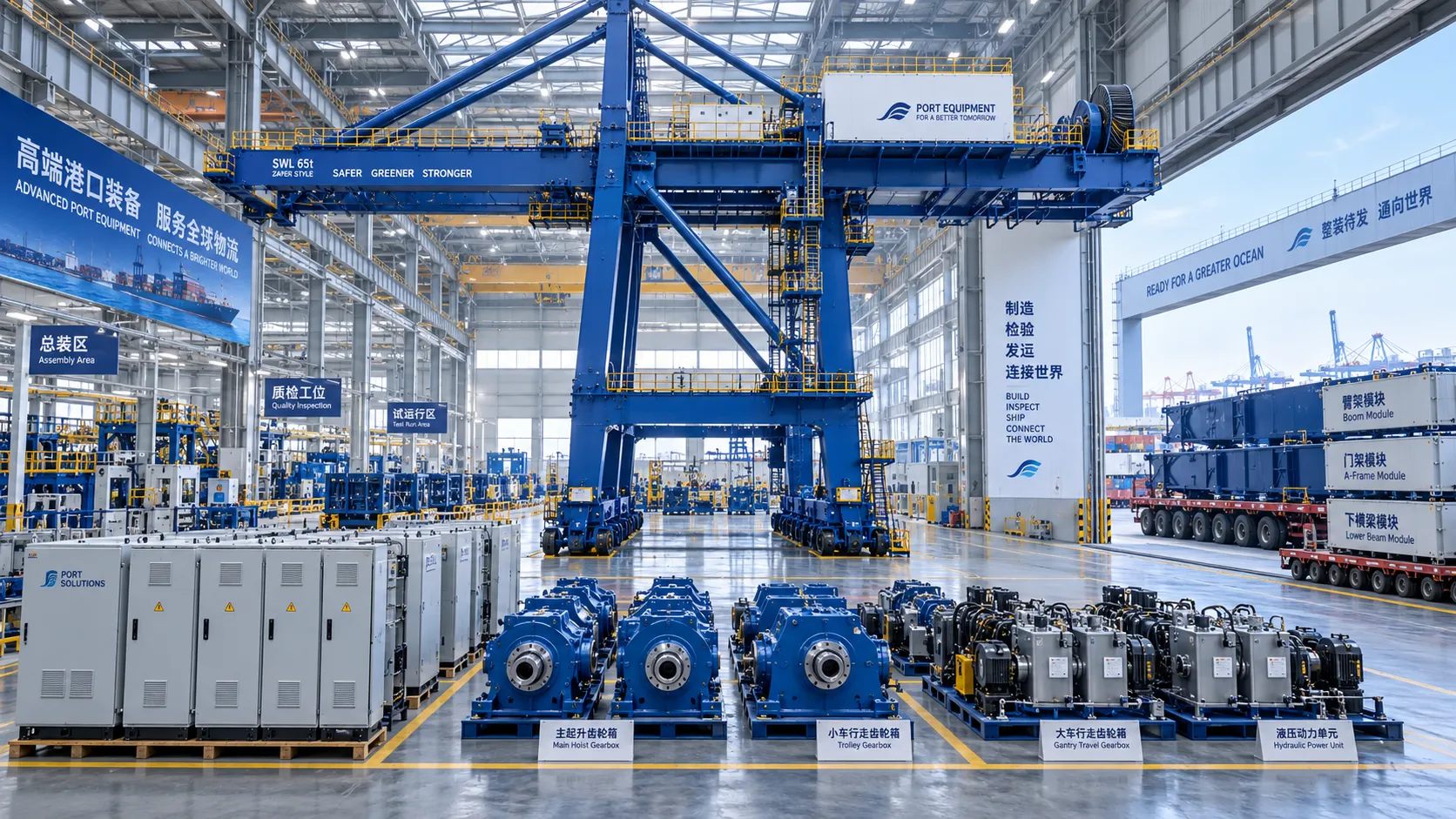
How Can Port Equipment Lead-Time Risk Be Managed?
How can port equipment lead-time risk be managed? Explore practical strategies to control critical paths, suppliers, transport, site readiness, and commissioning delays.
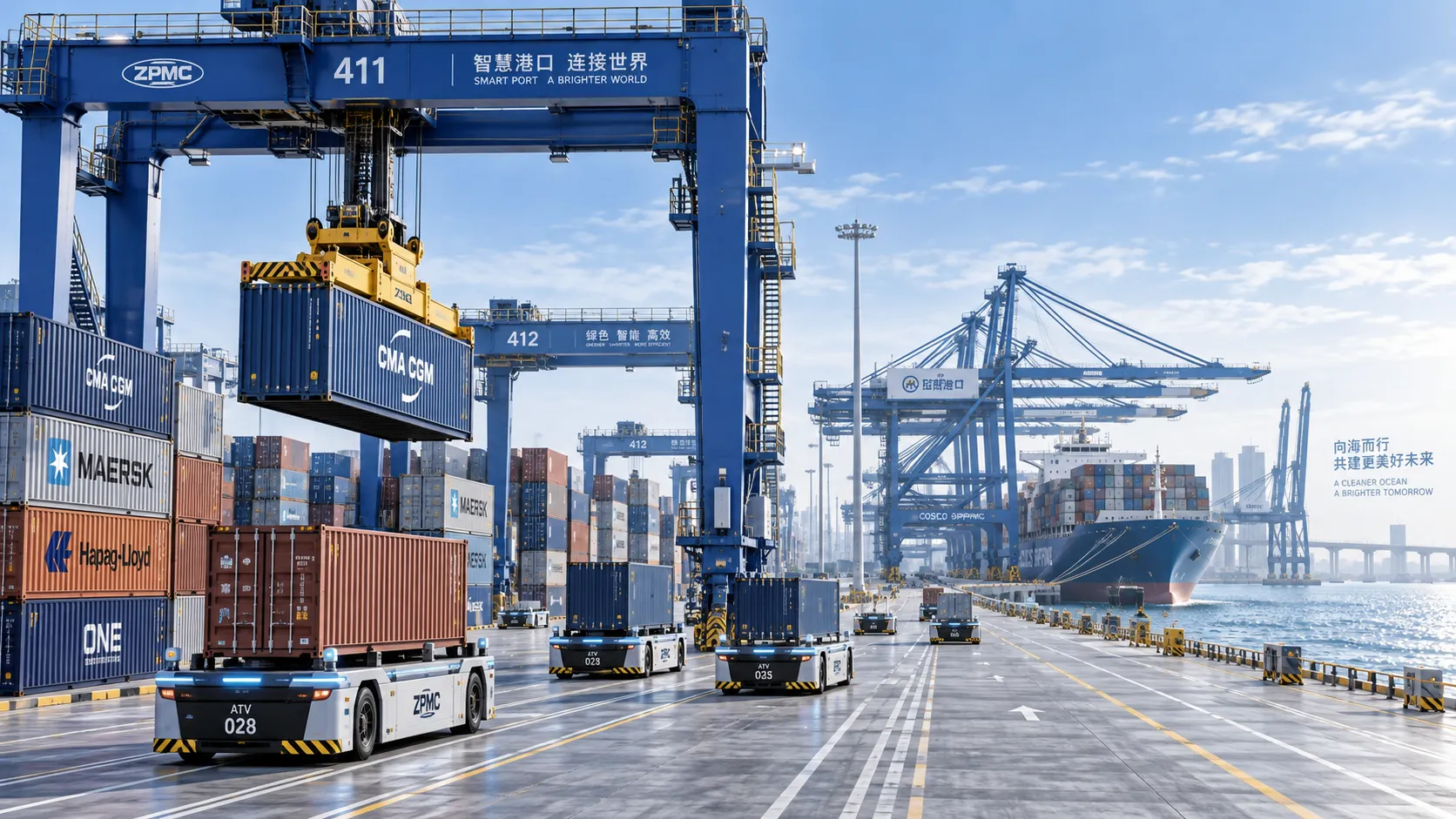
Terminal Automation Technologies That Raise Container Throughput Without Yard Disruption
Terminal automation technology that increases container throughput without disrupting yard flow. Explore smarter integration, resilient workflows, and phased deployment strategies.
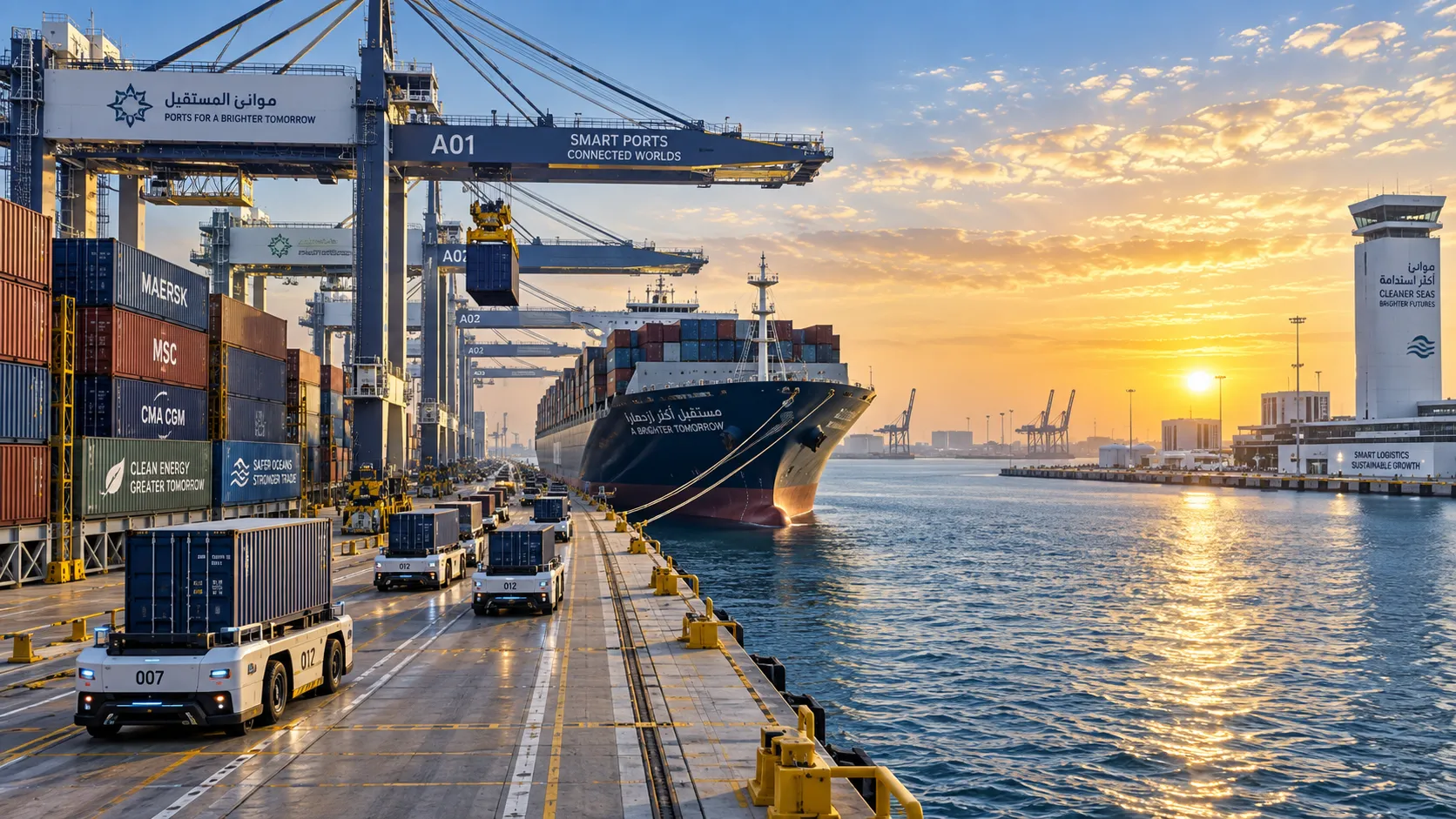
Middle East Port Automation: Key Market Drivers, Projects, and Investment Risks
Port automation systems Middle East: explore market drivers, flagship projects, integration challenges, and investment risks shaping smarter, resilient terminals.
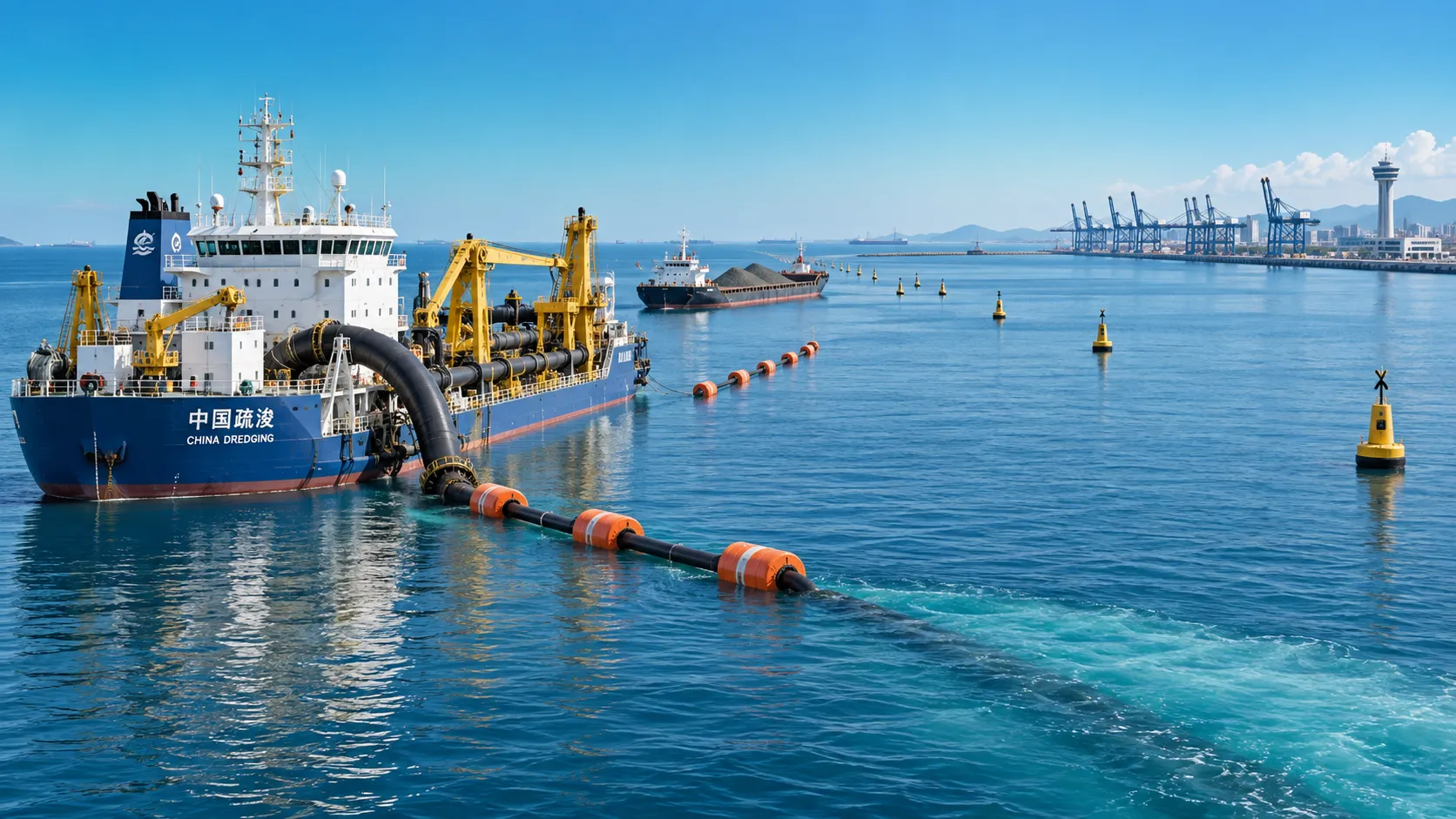
Planning Offshore Dredging Operations: Key Risks, Methods, and Project Controls
Offshore dredging operations demand smart planning. Explore key risks, proven methods, environmental controls, and project strategies for reliable delivery.